



Why Sayreville Roofs Dam Up: Nor'easter Load and the Maritime Swing
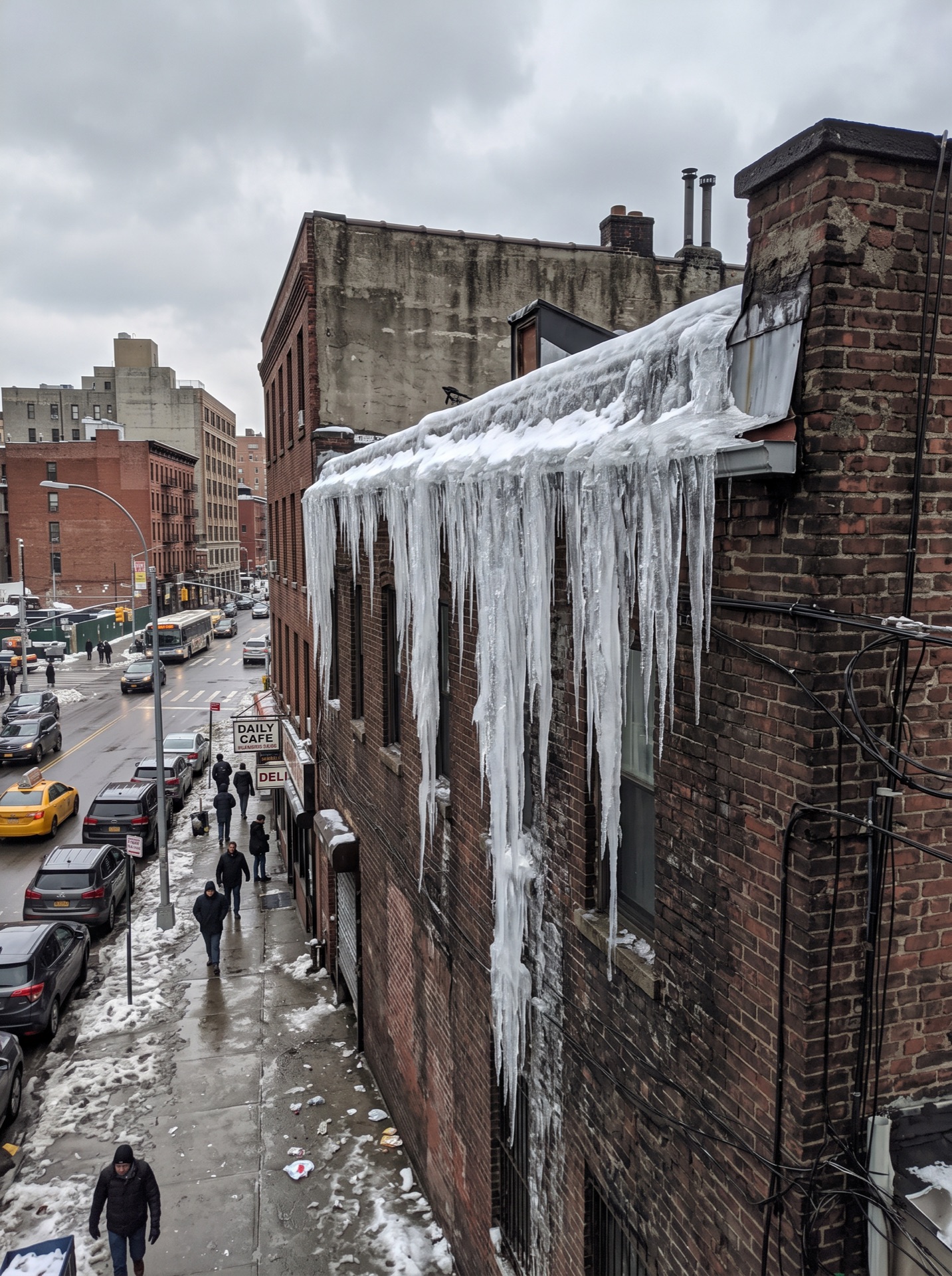
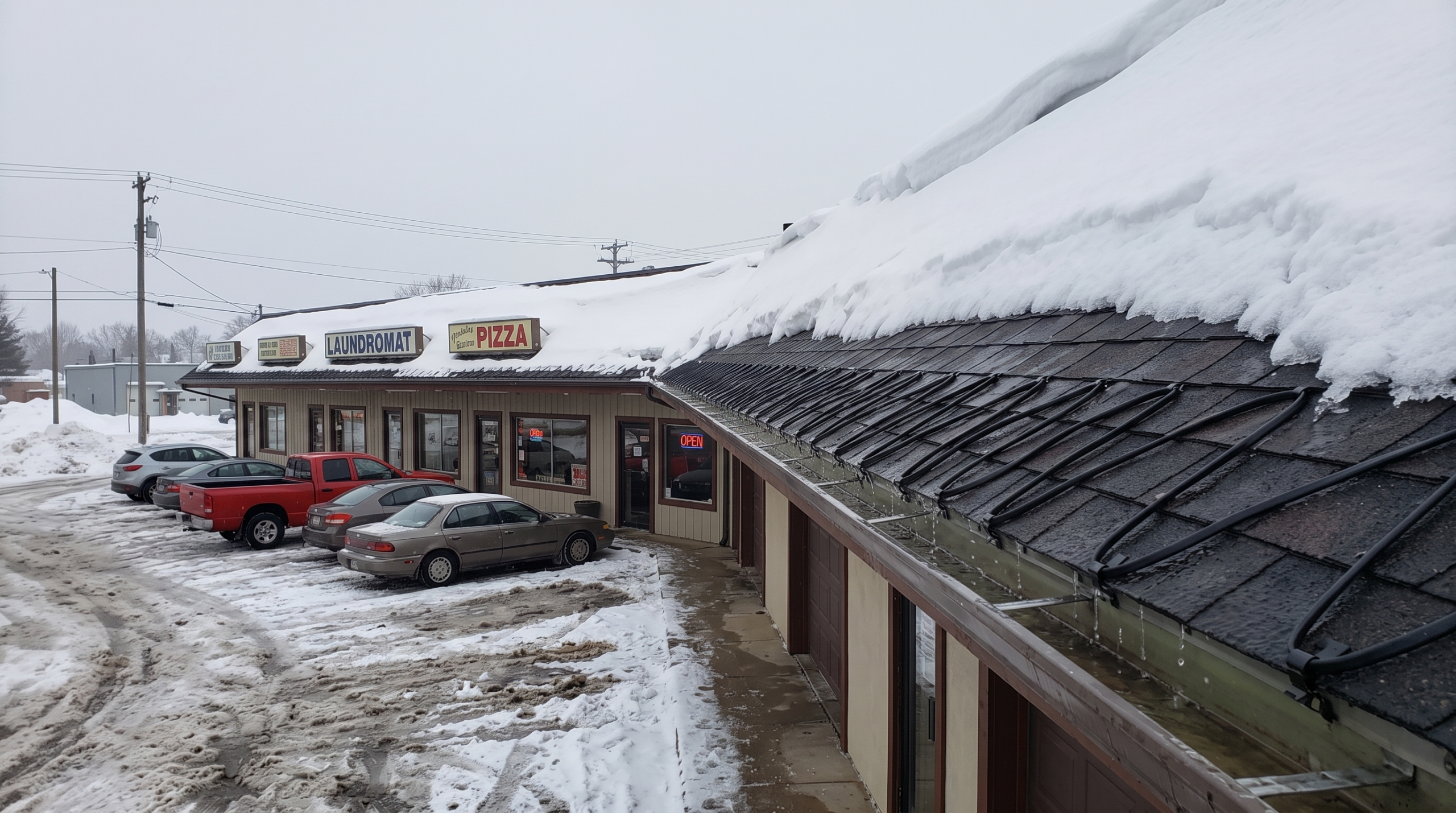
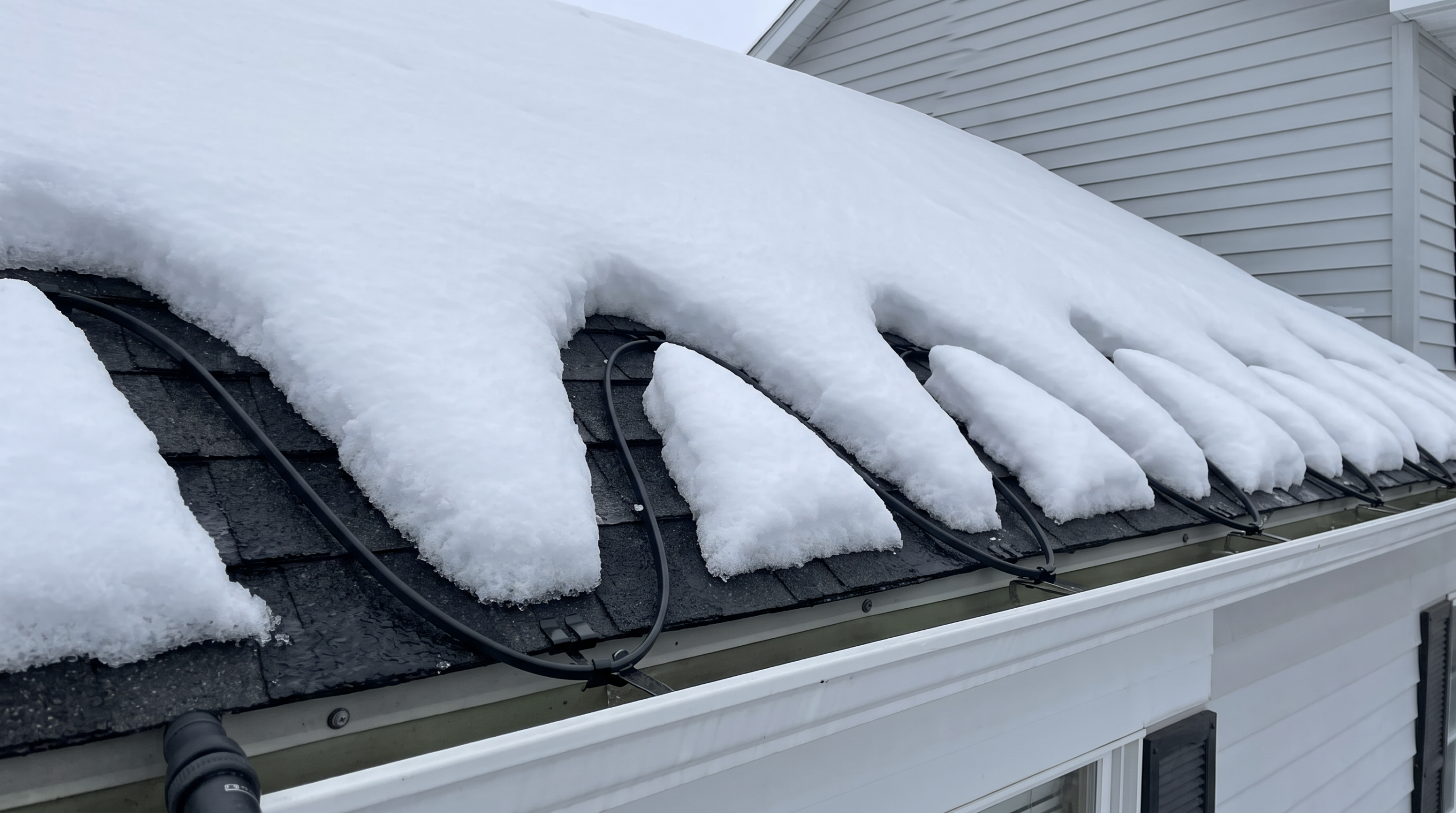
Coastal snow is heavy with water, and a roof in Sayreville can take a foot of it in a night. That pack is a full reservoir from the moment it lands, not something that becomes one slowly.

The building stock compounds it. A great many Sayreville houses were built long before attic air sealing was a consideration, and the retrofits that followed often insulated the floor while leaving the bypasses wide open.
Ice-barrier practice in Middlesex County
Most Middlesex County towns require self-adhering ice barrier at the eaves on a re-roof permit. In a historic district there may be additional review on materials, which is worth checking before work is scheduled.
The Sayreville Dispatch Process, Step by Step
The first pass is assessment: eaves, valleys, gutter line and any interior staining, all photographed with timestamps. You see what the crew sees, and the rate and likely hours are agreed before work begins.
Steam then takes the dam off in sections, prioritizing wherever water is actively backing up behind it. The gutter trough and downspout are cleared through to daylight on the same visit, because a clear eave over a frozen gutter is a temporary fix.
If water already got inside
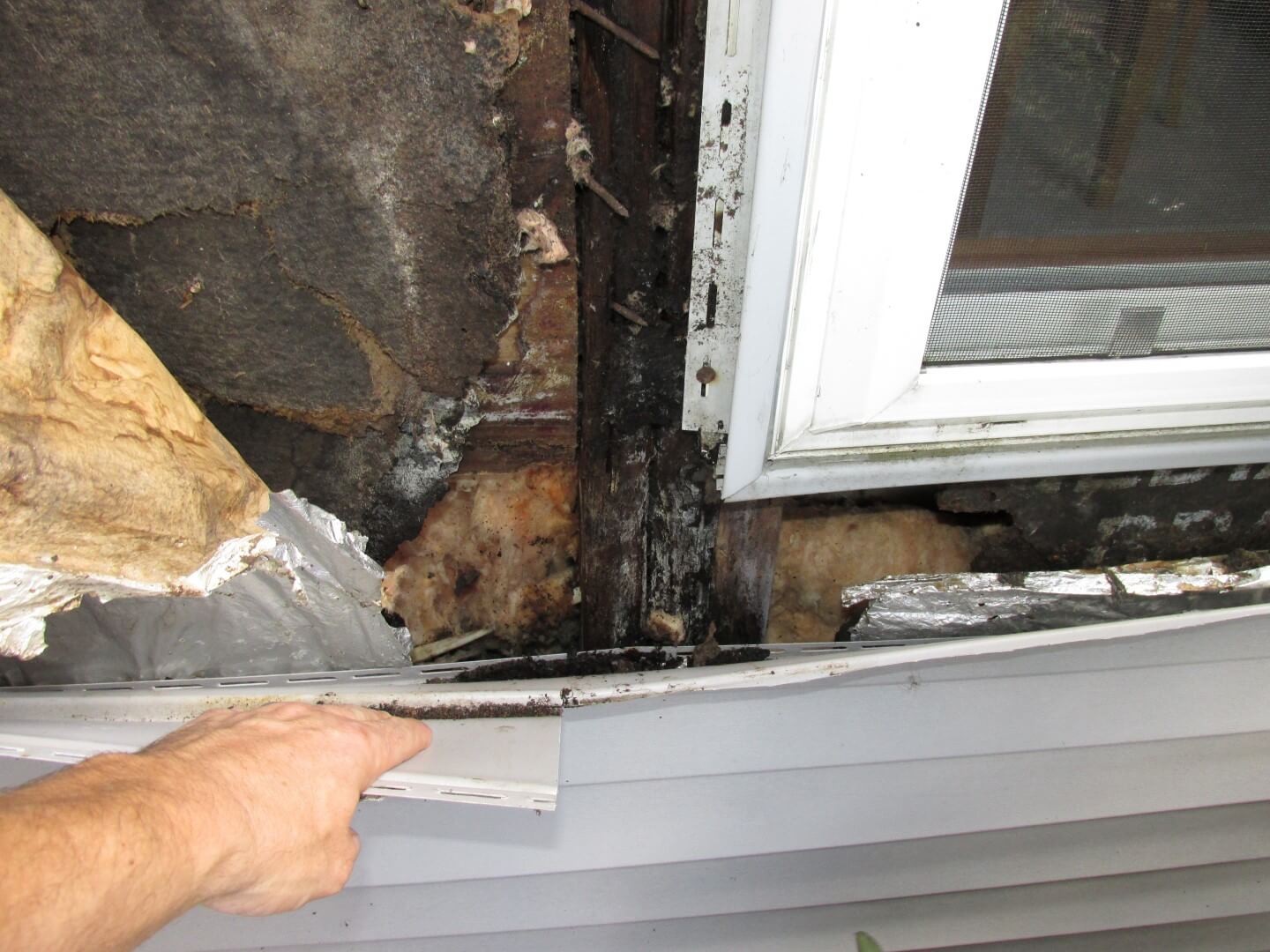
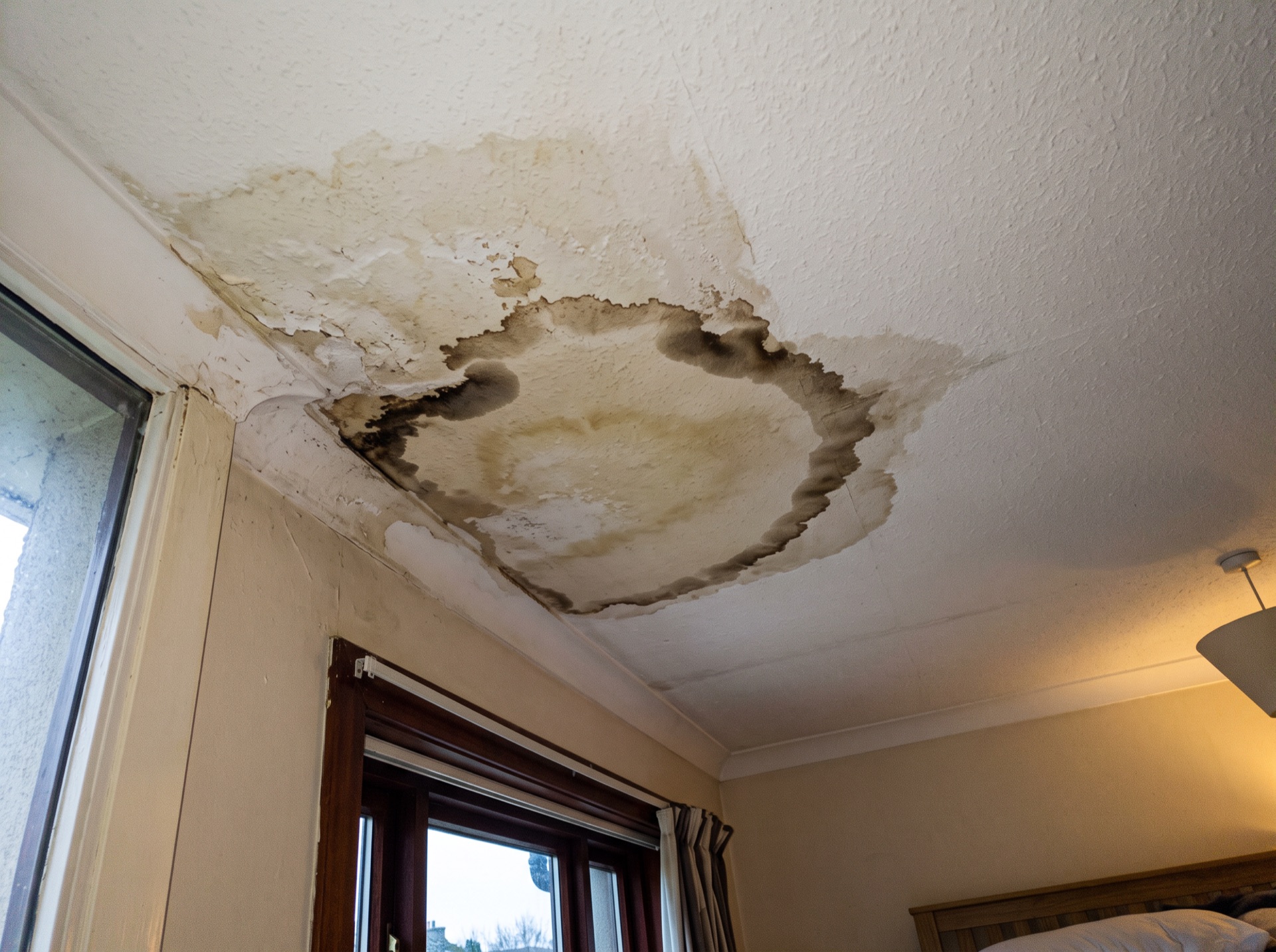
Taking the ice off stops new water. It does nothing about what is already in the insulation, the ceiling and the walls of a Sayreville home.
The same company handles the rest: water mitigation and dryout, mold remediation where the water has led to growth, the interior repair, and the roof where the dam damaged it, all documented on one insurance claim.
What the crew does on arrival
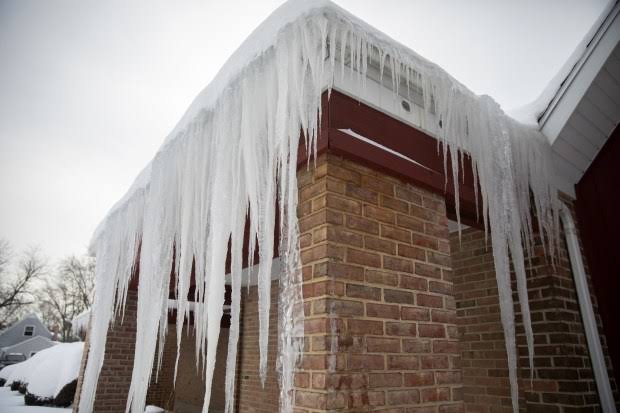
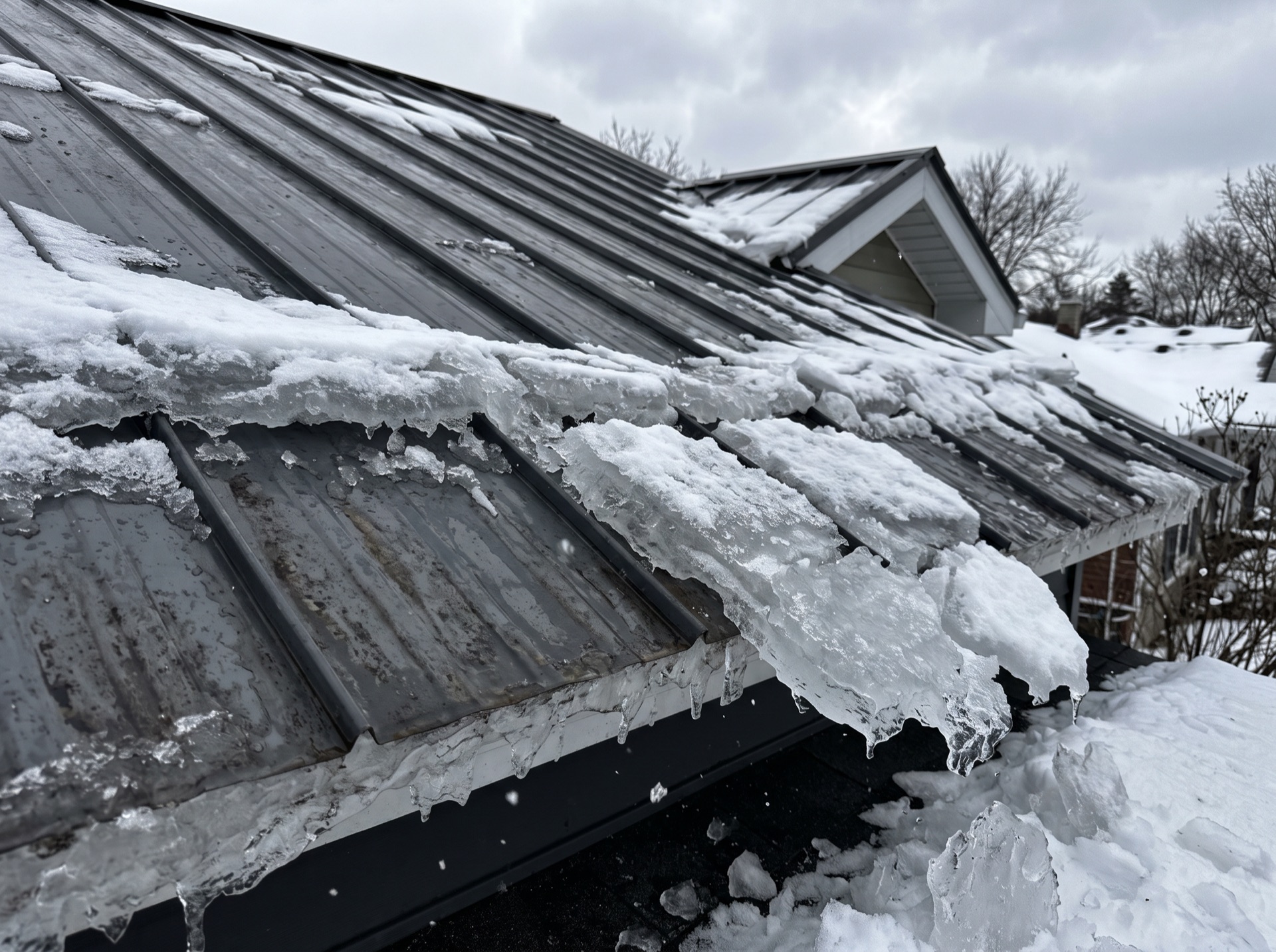
Before anything is touched, the crew walks the eaves, valleys and gutter line and photographs every dam and every point where water is tracking inside. You get shown what they found. Then the dam comes off in sections, starting wherever water is actively backing up, so drainage opens early rather than at the end.
Downspouts and gutter troughs get cleared in the same visit where they are frozen, because a dam removed above a solid block of ice in the gutter just reforms in the next cold night.
What steam actually does
A steam unit delivers water at roughly 290°F at a pressure low enough to rest your hand in the plume. It cuts a channel straight through the ice and lifts the dam off in sections, right down to the shingle. The heat does the work, not force, so granules, seal strips and flashing come through untouched.
That is the whole difference between steam and the hot pressure washers often sold as steam. A pressure washer cuts ice fast because of its pressure — and that same pressure strips the granules off asphalt shingles and drives water up under the courses. One method removes ice. The other removes ice and roof.
| Local ice-barrier practice | Eave membrane standard on re-roofs |
|---|---|
| Coverage area | Sayreville and Middlesex County |
| Dispatch window | Same day to 24 hours |
| Primary climate stressor | Nor'easters, rapid thaw-freeze swing |
| Removal method | Low-pressure steam only. No chipping, salt or pressure washing. |
| Service | Ice dam removal in Sayreville, NJ |
| Documentation | Dated before and after photos, written scope in Xactimate line items |
Neighborhoods and Towns We Reach From Sayreville
Crews working Sayreville cover the adjoining communities on the same route — South River, Parlin, East Brunswick, Milltown and South Amboy — so a storm week usually means one truck handling several addresses in Middlesex County rather than separate trips.
Nearest hub towns with their own crew pages: Edison, Old Bridge, Woodbridge, Piscataway, Linden, Middletown.
Sayreville sits inside the regular New Jersey service area, so a crew is usually scheduled the same day or the following morning.
Water coming in right now in Sayreville? Call (888) 561-9664. Active interior leaks go to the front of the schedule.