Skip to content
Jersey City, NJ
IICRC S520 Standard · Hudson County

Mold Remediation in Jersey City, NJ — Coastal Storm Response

Ice Dam Now handles mold remediation for Jersey City, NJ homes and the wider Hudson County. Wet and moldy material comes out, the structure is dried to a measured standard, and the same crews put the insulation, drywall and paint back. Dated photographs and moisture logs go into one claim with the ice dam removal and any roof damage.

Dried and documented — Moisture readings to a dry standard before any rebuild starts
Framing and sheathing cleaned — HEPA vacuuming, cleaning and treatment, or replacement where the wood is compromised
HEPA air scrubbing — Air filtration running for the whole job, not just the tear-out
Moldy material removed — Wet insulation, drywall and trim that cannot be cleaned are bagged and taken out

Get Ice Dam Help Jersey City

A few quick questions, then pick a time. If water is coming in, call instead.

What is the zip code of the home?

Roof leaking right now? Call (888) 561-9664 — that is faster than any form.
Water coming through the ceiling?Every hour an ice dam sits there, more water gets under the shingles.Call (888) 561-9664
24/7
Storm Season Dispatch
No Chipping
Steam Only
Hudson
County Coverage
Crew Hour
Rate Quoted Up Front
Documented
Photos On Every Job

Most Jersey City homeowners find out about an ice dam from the inside — a damp patch on a bedroom ceiling, or water tracking down the inside of a window frame. As part of our complete Jersey City winter roof services, crews handle mold remediation across Hudson County.

Why Jersey City Roofs Dam Up: Nor'easter Load and the Maritime Swing

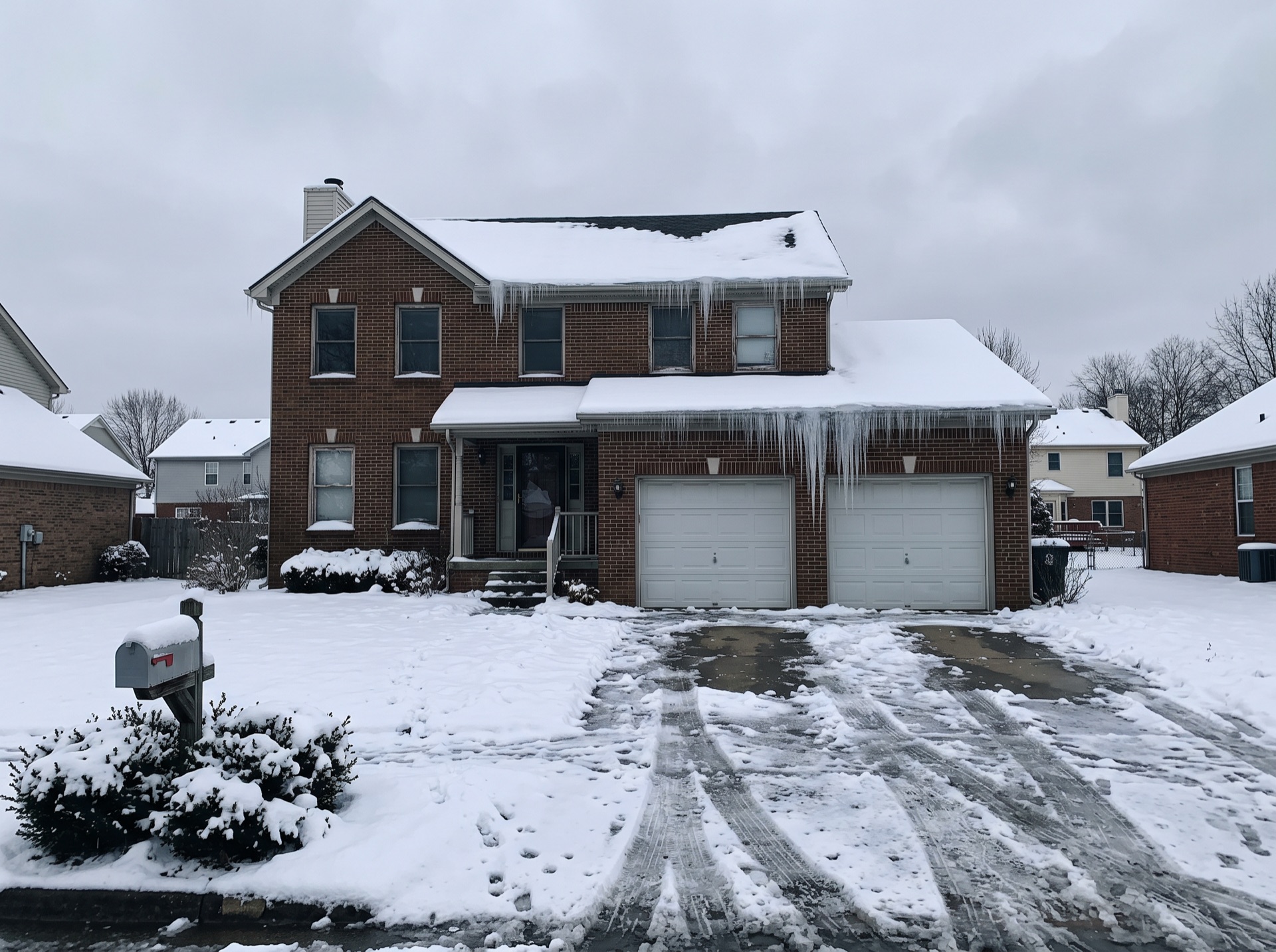
Coastal snow is heavy with water, and a roof in Jersey City can take a foot of it in a night. That pack is a full reservoir from the moment it lands, not something that becomes one slowly.

Diagram showing how ice dams form on roofs due to inadequate insulation and poor ventilation
Heat escaping into the attic melts roof snow; the meltwater refreezes at the cold eave and the dam grows a layer every cycle.

Add the architecture and the problem concentrates. Dormers, ells, knee walls and additions over porches all create pockets where warm air meets cold deck, and those are the eaves that dam first on a roof in Jersey City.

Ice-barrier practice in Hudson County

Coastal New Jersey jurisdictions generally require the membrane to extend past the interior wall line. On a house in Jersey City with a deep overhang that is further up the roof than a single course.

Mold Remediation in Jersey City: How The Work Runs

Containment and negative air

Before anything moldy is disturbed, the work area gets sealed off with poly sheeting and put under negative air pressure with an HEPA air scrubber exhausting it. Air flows into the work area, not out of it. Mold in the Attic After an Ice Dam.

That is the step that keeps a contained attic or ceiling problem from becoming a whole-house problem in Jersey City. Disturbing mold without it spreads spores to rooms that were clean.

The attic is the usual starting point

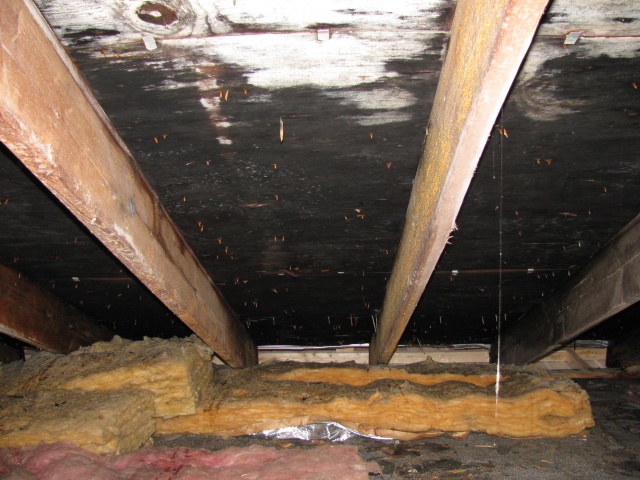
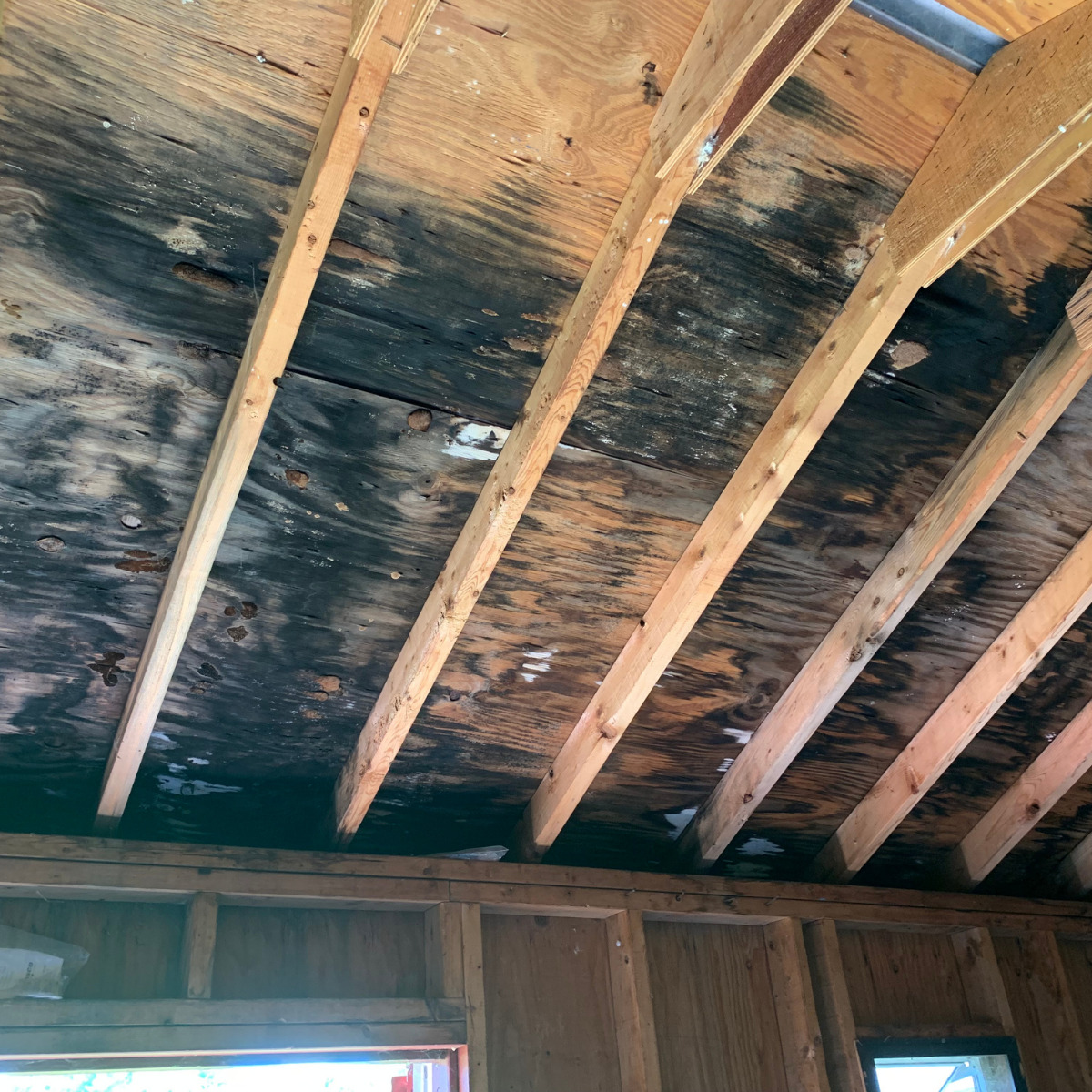
On most ice dam jobs in Jersey City the worst growth is on the underside of the roof deck in the first few feet above the eave, exactly where the meltwater backed up. It often looks like a band of dark spotting running along the eave line.

Insulation along the same line is usually matted and stained. Both come into the scope together, because drying the deck while leaving wet insulation against it does not work.

Attic mold: the sheathing, the rafters and the insulation

Most ice dam mold is in the attic. Meltwater backs up under the shingles at the eave, wets the roof deck from above, and runs down onto the insulation. Black spotting on the underside of the OSB or plywood along the eave line, darkened rafters and matted, stained insulation are the signs.

Wet insulation comes out and is bagged inside the containment. Affected sheathing and framing are HEPA vacuumed, cleaned and treated, or cut out and replaced where the wood has lost strength. Then the attic is dried to a measured number before anything goes back in.

Mold in the walls below an ice dam

Water that gets past the attic runs down the inside of exterior walls, wetting the top plate, the insulation in the stud bays and the back of the drywall. It is common to find growth inside a wall where the only visible sign was a faint stain at the ceiling line.

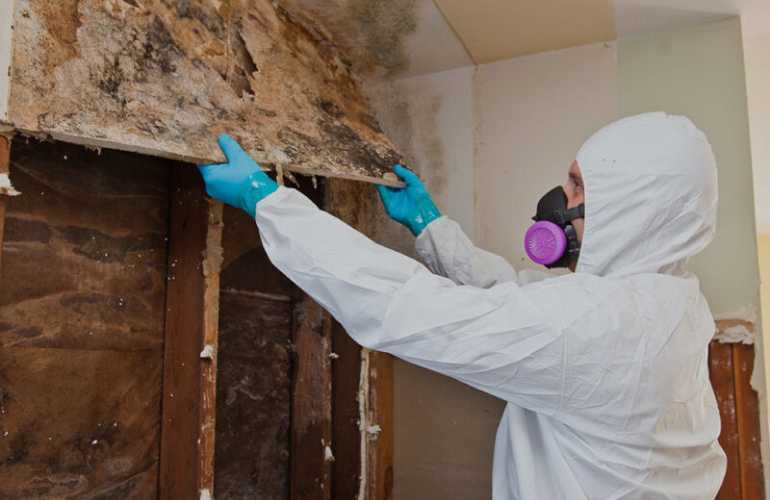
Those cavities get opened, the wet insulation and drywall come out, the studs are cleaned and dried, and the wall is rebuilt once readings are at standard.

Mold coverage and the sublimit

Where mold is the result of a covered water loss, many policies cover remediation, but often under a separate, smaller limit than the rest of the claim. Knowing that number before work starts matters, because it changes how the scope is written.

The water mitigation, the interior repair and the roof work generally sit under the dwelling coverage, while the mold-specific line items sit under the sublimit. Scoping them separately keeps the mold cap from swallowing the rest of the claim.
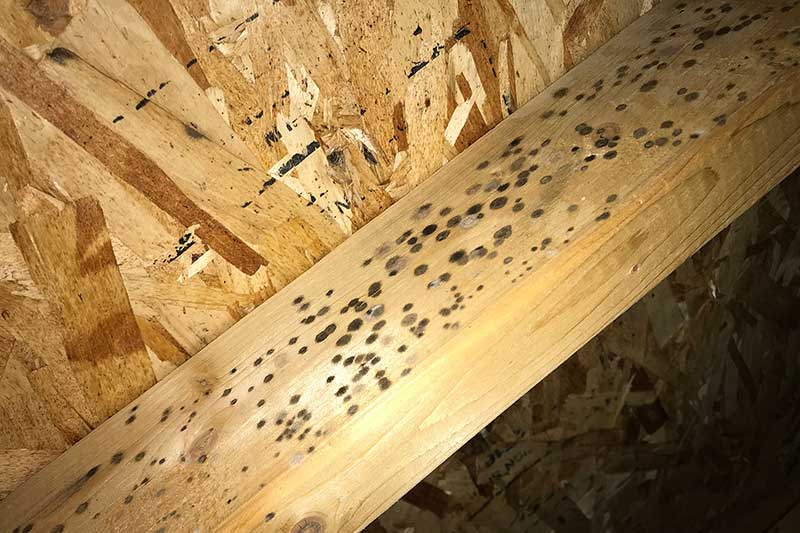
black mold spots on attic rafter and OSB sheathing after ice dam damage
Black mold colonies visible on attic rafters and OSB sheathing following moisture intrusion from ice dams.

What you get in Jersey City

  • Interior repair in-houseInsulation, drywall, texture, trim and paint put back by the same crews
  • Moldy material removedWet insulation, drywall and trim that cannot be cleaned are bagged and taken out
  • Framing and sheathing cleanedHEPA vacuuming, cleaning and treatment, or replacement where the wood is compromised
Mold Remediation in Jersey City, NJ — specification
Service specification for Jersey City, NJ
Coverage areaJersey City and Hudson County
Primary climate stressorNor'easters, rapid thaw-freeze swing
ServiceMold Remediation in Jersey City, NJ
Local ice-barrier practiceEave membrane standard on re-roofs
Dispatch windowSame day to 24 hours
DocumentationDated before and after photos, written scope in Xactimate line items
MethodContainment, HEPA filtration and drying to a measured IICRC standard

Where We Dispatch Around Jersey City

Crews working Jersey City cover the adjoining communities on the same route — Weehawken, West New York, Secaucus, Harrison and North Arlington — so a storm week usually means one truck handling several addresses in Hudson County rather than separate trips.

Nearest hub towns with their own mold remediation pages: Hoboken, North Bergen, Bayonne, Kearny, Newark, Elizabeth.

During a cold snap Jersey City gets worked alongside the neighboring Hudson County towns on the same route, with active interior leaks moved to the front of the list.

Most jobs do not stop at one service. Mold Remediation in Jersey City often runs alongside water mitigation & dryout in Jersey City, and both get written into one scope rather than billed as separate visits.

Active leak right now? Our 24/7 Jersey City steam ice dam removal crews are dispatched first during a freeze event. Call (888) 561-9664.


One Event, One Claim

Everything The Ice Dam Caused In Jersey City, On One Claim

Taking the ice off is usually the cheapest part. The water that already got in, the mold it leaves, the ceiling that has to come down and sometimes the roof itself are one loss event, so they go on one insurance claim, handled by one company.

How it goes on the claim

  • One loss, one claim number. Removal, mitigation, mold, interior repair and roof damage from the same ice dam are reported as one event.
  • Broken out by coverage. Mitigation, mold (often under its own sublimit), interior repair and the roof are written as separate Xactimate sections, so a question on one line does not hold up the rest.
  • Documented the whole way. Dated photographs and moisture readings run from the ice on the roof to the finished room, from one company, in one file.
  • Honest about the limits. Coverage depends on your policy. A roof that was simply old is not storm damage, and you and your carrier make the coverage decision.
Ice Dam Claims In Jersey City
Conditions We Work In

Mold Remediation In Practice

Conditions crews work in across Hudson County. Every job is photographed before and after.

Technician in protective suit removing mold-covered drywall from interior wall
A certified remediation technician carefully removes mold-damaged drywall, revealing severe mold growth on wall framing.
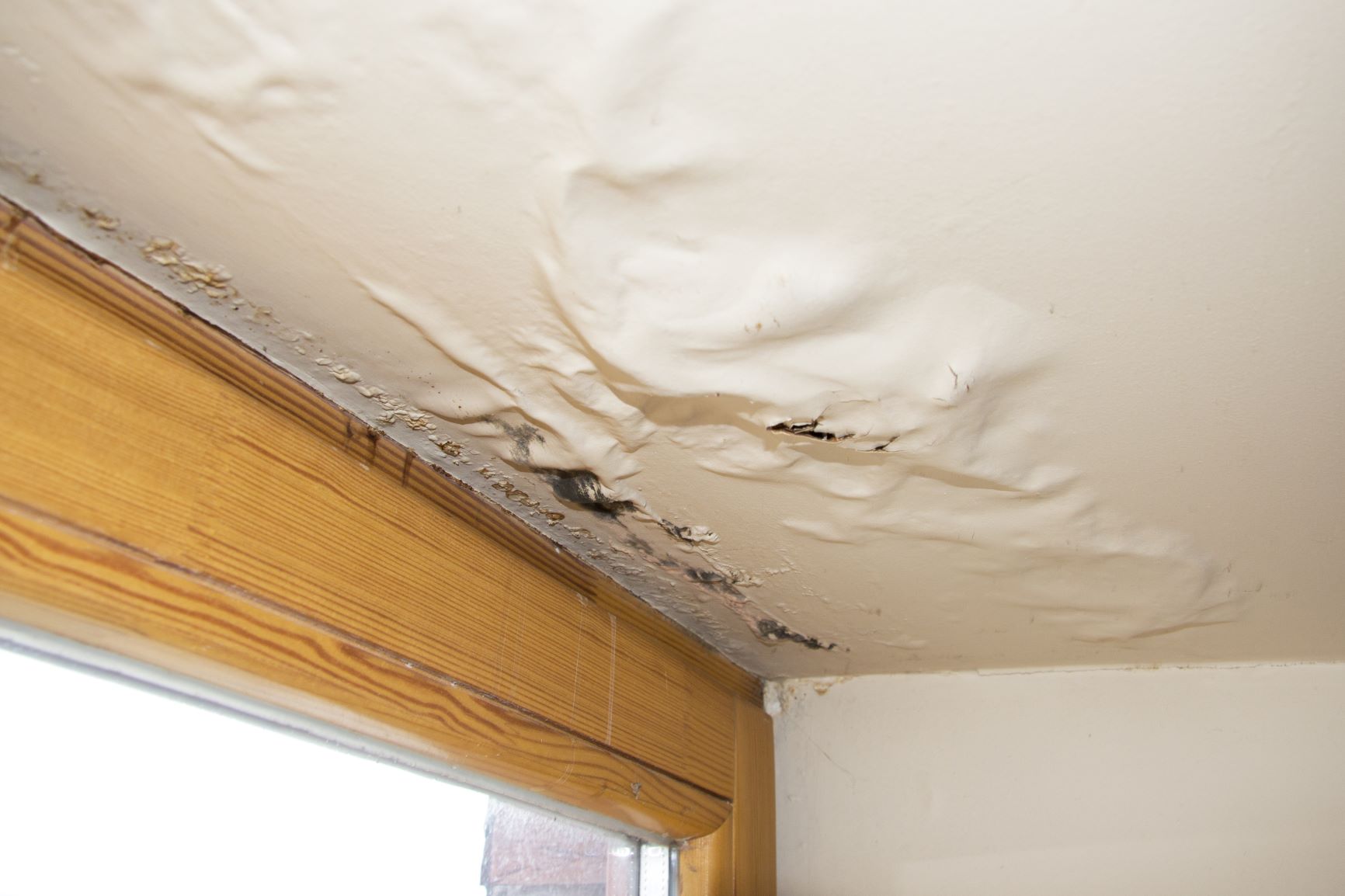
peeling ceiling paint and black mold damage above a wood-framed window
Bubbling, peeling ceiling paint and black mold growth caused by water infiltration near a window frame.
Severe black mold covering attic roof sheathing between exposed wood rafters
Extensive black mold growth covers attic sheathing following moisture intrusion from ice dams.
FAQ

What Jersey City Homeowners Ask First

It is billed by the crew hour, and the rate plus a realistic time estimate are quoted on the phone before anyone is dispatched.

  • Scope drives the hours: length and thickness of the ice, roof pitch and height, and whether the gutters are frozen solid.
  • Access matters too — a three-story Jersey City roof takes longer to set up on than a ranch.
  • The invoice matches the quote. There are no surprise add-ons written on the tailgate.

Clear a path to the affected side, move vehicles off the driveway and unlock any side gate.

  • Put something under an active interior drip and move what you can out of the way.
  • Photograph the interior damage yourself as well - more evidence is never a problem.
  • Do not go on the roof or up a ladder. That is the part that sends people to hospital.

Same day or next morning for most Jersey City calls, with active interior leaks moved to the front of the schedule.

  • During a freeze event crews run from first light until dark across Hudson County.
  • The same route covers Weehawken, West New York, Secaucus, so several addresses are usually handled in one run.
  • Call rather than using the form if water is coming in — the phone is always faster.

Because ice dams are made by heat loss, and two houses on the same street rarely leak heat the same way.

  • Attic air leaks around can lights, bath fans and the attic hatch are the usual source.
  • Crushed or missing soffit baffles stop the intake ventilation that would otherwise keep the deck cold.
  • An addition or dormer built over unheated space puts warm air right against a cold eave.
  • Local factor: nor'easters and rapid thaw-freeze swings makes the difference show up faster here than it would further south.

Usually. The equipment needs a water supply and a place to park within hose reach, which is normally achievable even on a tight lot.

  • Hose runs of a few hundred feet are routine.
  • Street parking in a Hudson County residential area is generally workable.
  • Tell dispatch about access on the call so the right setup arrives.

In most cases, yes. The work area is sealed off with containment and kept under negative air pressure, so air flows into the work area rather than out of it. Where the affected area is large, or someone in the home has a respiratory condition, that gets talked through before work starts.

Not if the cause is fixed. Mold comes back when the moisture does. That means the ice dam has to be dealt with, the attic has to be dried to a measured number, and the heat loss or ventilation problem that made the dam in the first place has to be addressed. All three get covered before the job is called done.

Nearby

Mold Remediation In Towns Around Jersey City

Same-Day Response

Get A Jersey City Crew Out

Waiting for a thaw is a strategy, but it is an expensive one — the melt has to go somewhere, and it goes into the insulation first.

✓ Licensed & insured✓ Low-pressure steam only✓ Rate quoted up front✓ Photos for your claim
Online Quote(888) 561-9664