Skip to content
Hanover, NH
Permanent Prevention · Grafton County

Heated Roof & Gutter Cables in Hanover, NH — Northern Winter Crews

Ice Dam Now is a licensed and insured winter roof contractor covering Hanover, NH and Grafton County. Heated Roof & Gutter Cables is performed with low-pressure steam, which removes ice by heat rather than force. Same-day dispatch for active leaks, crew-hour billing at a rate quoted beforehand, and dated before-and-after photographs on every job.

Smart controls — Thermostat and moisture sensing so it runs on the conditions that make ice
Complete drain path — Eave zig-zag, valleys, gutter trough and downspout to daylight
Downspout traced to daylight — The drain path ends on the ground, not in a block of ice
GFCI-protected circuit — Dedicated circuit and proper terminations, not an extension cord

Get Ice Dam Help Hanover

A few quick questions, then pick a time. If water is coming in, call instead.

What is the zip code of the home?

Roof leaking right now? Call (888) 561-9664 — that is faster than any form.
Water coming through the ceiling?Every hour an ice dam sits there, more water gets under the shingles.Call (888) 561-9664
Same Day
For Water Already Inside
Steam
Safe On Every Covering
Grafton
County Coverage
Insured
Harness-Certified On Every Roof
Written
Scope Before Work Starts

Grafton County sees the same pattern every winter: snow on the roof, warm air in the attic, and a line of ice building along the eave where the two meet. As part of our complete Hanover winter roof services, crews handle heated roof & gutter cables across Grafton County.

Hanover Ice Dams: What a Five-Month Snow Pack Does

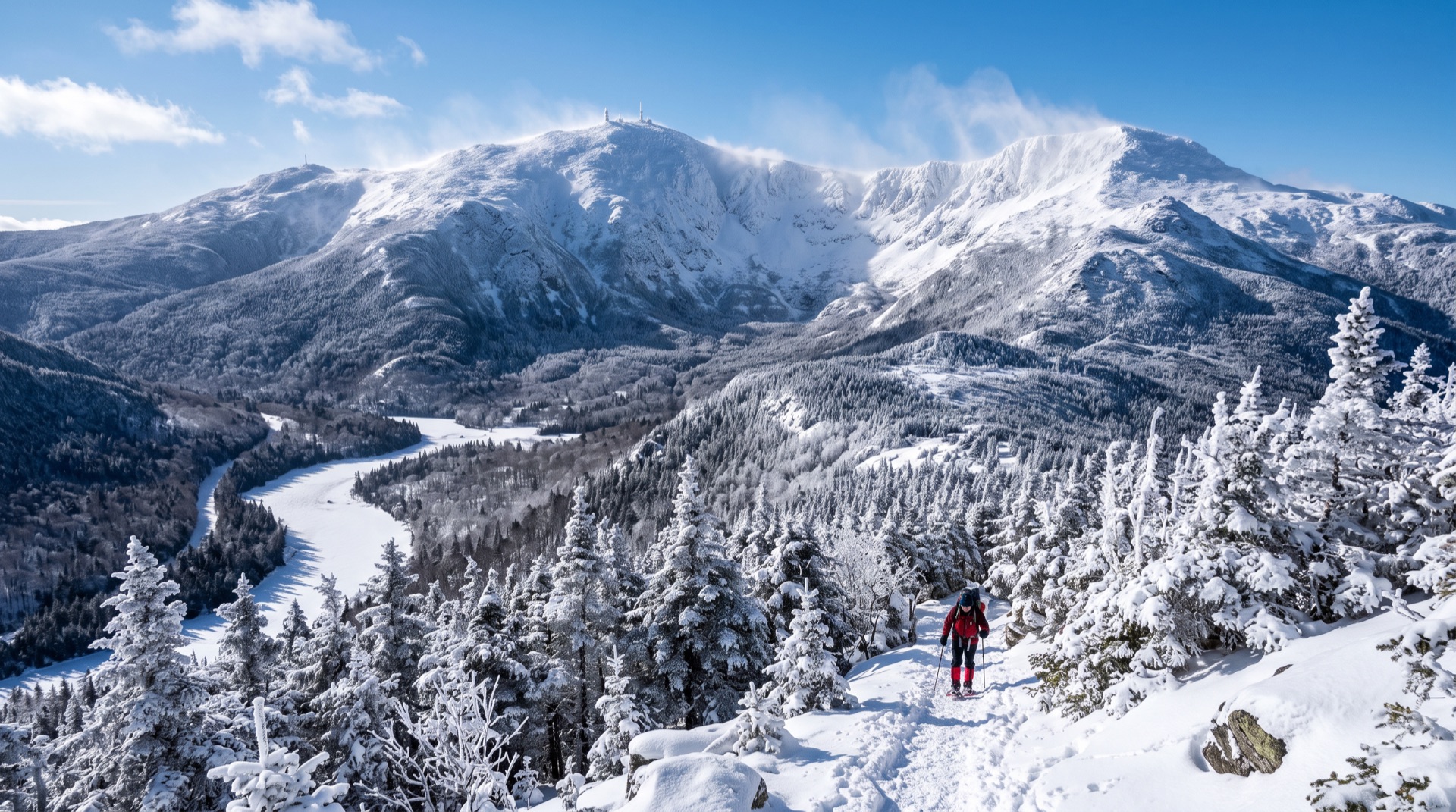
The defining feature of a Grafton County winter is persistence. It is not one storm, it is a continuous load sitting on the roof from late fall through to a spring thaw.

Diagram showing how ice dams form on a roof from heat loss and snow melt
Heat escaping into the attic melts roof snow; the meltwater refreezes at the cold eave and the dam grows a layer every cycle.

A long season is not a safer one. It means more freeze-thaw cycles, and each one adds a layer to the dam. By late winter the ice at a Grafton County eave can be a foot deep and locked to the shingle, with standing water sitting behind it.

Ice-barrier practice in Grafton County

Insulation depth matters at least as much as membrane in this climate, and Grafton County stock built before modern attic standards tends to be short on both. One is a code question; the other is why the dam formed.

Heated Roof & Gutter Cables in Hanover: How The Work Runs

Retrofit against installing during a roof replacement

Cable can be added to an existing roof at any time and usually is. If a Hanover roof is being replaced anyway, that is the cheaper moment: clips can go under the courses, the downspout run can be planned properly, and the circuit can be brought to the eave while the fascia is open. Icicles and a Wet Ceiling.

Where a replacement is a year or two out, it is worth saying so before the retrofit is designed, so the layout can be reused rather than scrapped.

Fastening without putting holes in the roof

Clips and standoffs designed for the job, adhered or clipped to the shingle edge. Never a fastener driven through the covering, and never left loose to abrade in the wind.

The failures that give heat cable a bad name are nearly all installation failures of this kind rather than product failures.

Why most cable installations underperform

Not because the cable is bad. Because the path is incomplete. A zig-zag along the first few feet of eave that does not continue into the gutter and down the leader melts a channel that ends in a block of ice.

The water has to get all the way to the ground. On a Hanover install that means eave, valleys, trough and downspout traced as one continuous path, and it is the single thing that separates a system that works from one that does not.

Controls decide the running cost

A cable on a plain thermostat runs through every dry cold snap, which is most of the winter and none of the risk. A combined temperature and moisture sensor runs it only when there is both cold and water present.

On a Hanover winter that difference is most of the operating cost, and the controller pays for itself quickly.

Layout is most of the job

The cable has to trace a complete path: a zig-zag at the eave deep enough to cover the cold overhang, down through the valleys, along the gutter trough and all the way down the downspout to daylight. A zig-zag that stops short of the heated wall line, or a gutter run with no downspout trace, produces a channel that dead-ends into ice.

Systems get a dedicated GFCI-protected circuit, and controls run on a combination thermostat and moisture sensor so the system runs when it matters and not through a dry January cold snap.
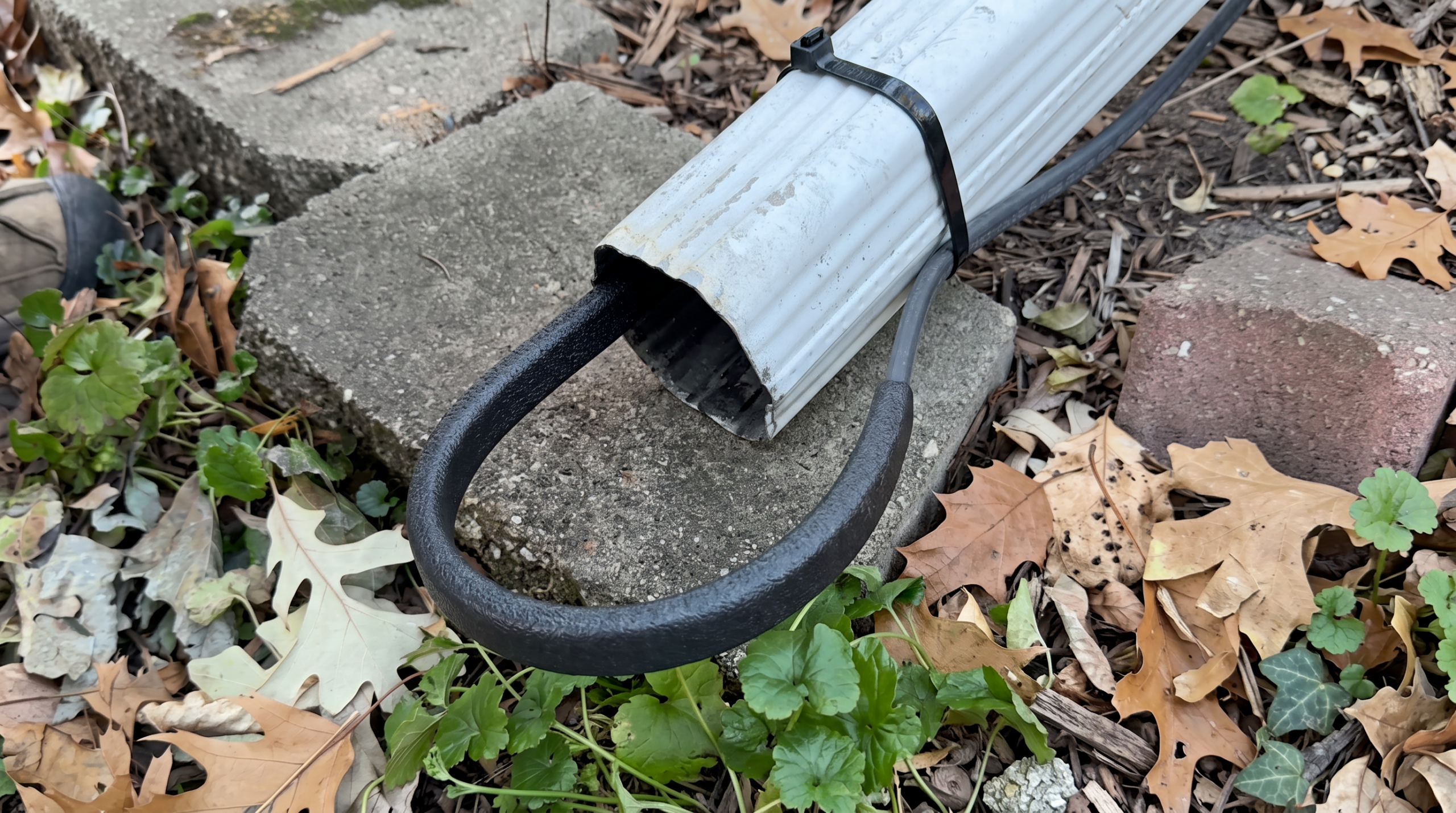
Heated cable loop extending from end of white aluminum downspout over concrete step
A self-regulating heat cable forms a loop at the base of a downspout to prevent ice buildup.

What you get in Hanover

  • Complete drain pathEave zig-zag, valleys, gutter trough and downspout to daylight
  • Smart controlsThermostat and moisture sensing so it runs on the conditions that make ice
  • Self-regulating cableOutput varies along the run; safe to overlap, cut to length on site
Heated Roof & Gutter Cables in Hanover, NH — specification
Service specification for Hanover, NH
Dispatch windowSame day to 24 hours
Typical scopeSteam, 6-14 crew hours typical
Primary climate stressorSustained sub-freezing, long season
Coverage areaHanover and Grafton County
ServiceHeated Roof & Gutter Cables in Hanover, NH
Removal methodLow-pressure steam only. No chipping, salt or pressure washing.
Pricing modelBilled by the crew hour, rate quoted before dispatch

Neighborhoods and Towns We Reach From Hanover

Crews working Hanover cover the adjoining communities on the same route — Etna, West Lebanon, Lyme, Enfield and Lyme Center — so a storm week usually means one truck handling several addresses in Grafton County rather than separate trips.

Nearest hub towns with their own heat cables pages: Lebanon, Claremont, Franklin, Laconia, Concord, Keene.

Scheduling for Hanover tightens up during a freeze event, which is exactly when the phone beats the form. Water coming in means a call, not an email.

Most jobs do not stop at one service. Heat Cables in Hanover often runs alongside ice dam removal in Hanover, and both get written into one scope rather than billed as separate visits.

Active leak right now? Our 24/7 Hanover steam ice dam removal crews are dispatched first during a freeze event. Call (888) 561-9664.
Conditions We Work In

Heated Roof & Gutter Cables In Practice

Conditions crews work in across Grafton County. Every job is photographed before and after.

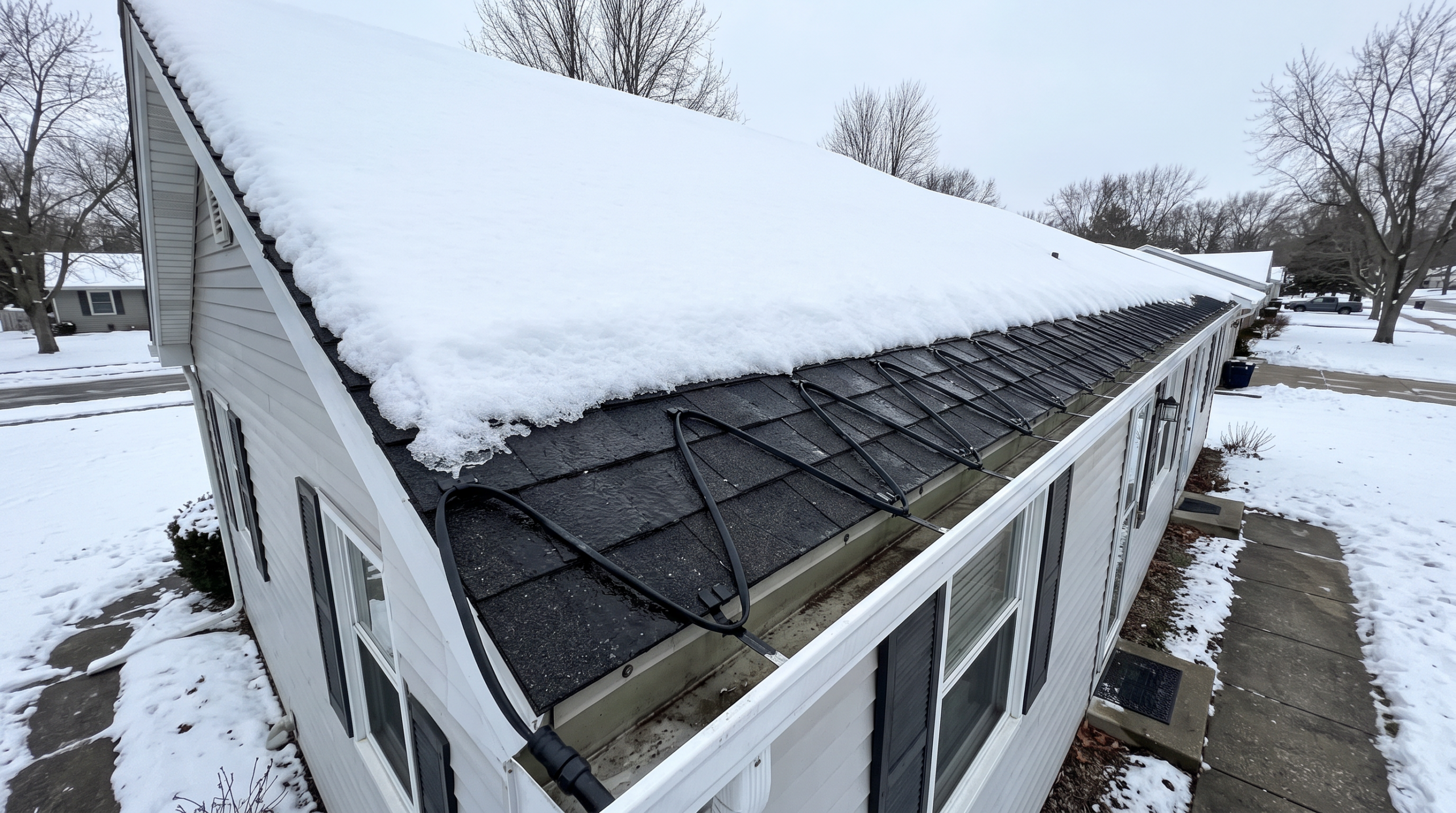
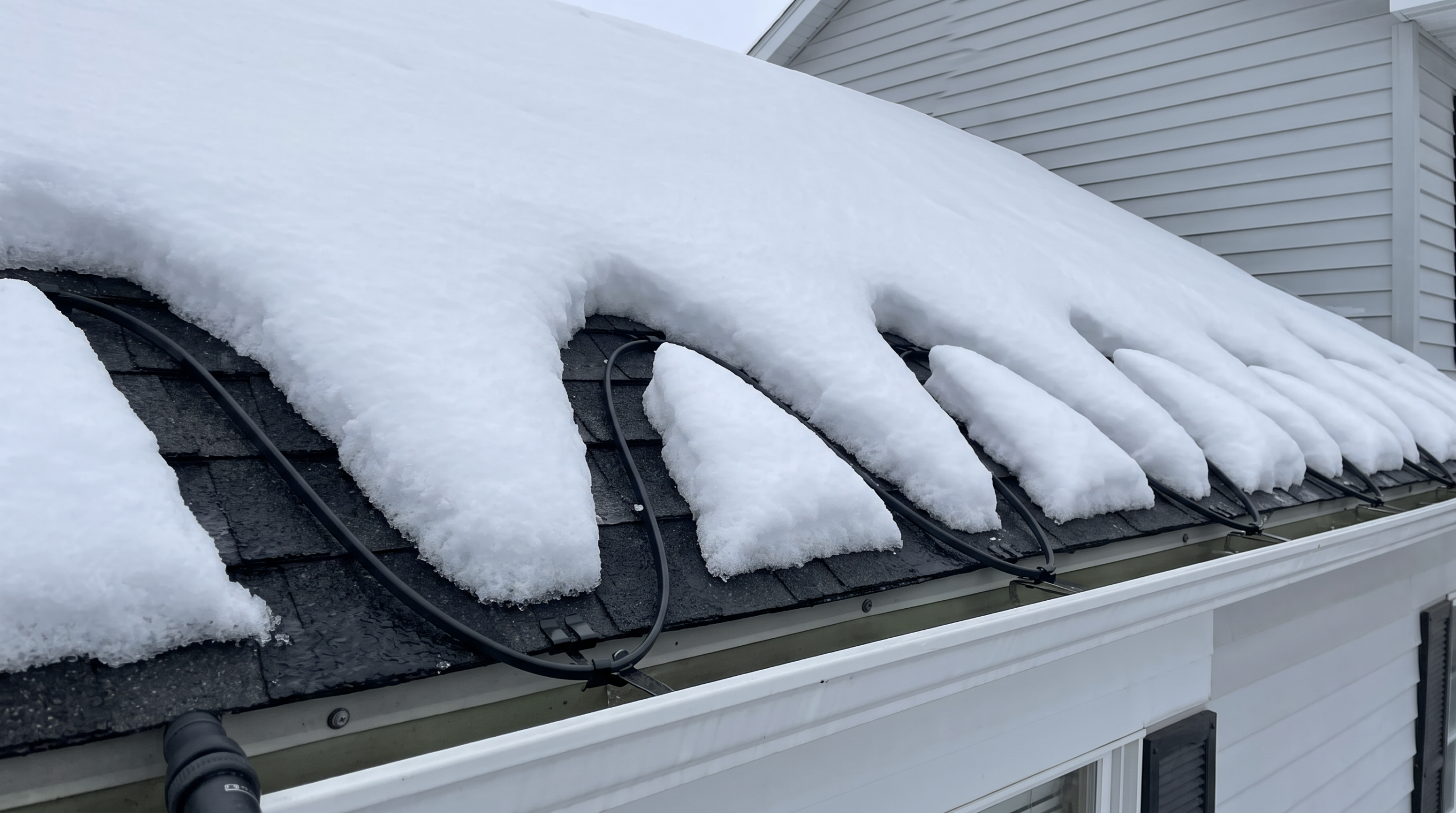
Electric heat cable zigzagging along snowy roof edge for ice dam prevention
A self-regulating heat cable installed along a roof's lower edge helps prevent destructive ice dams from forming.
Heat cable melting drainage channels through heavy snow on roof edge
Electric heat cables create distinct melt channels through accumulated snow along a residential roof edge.
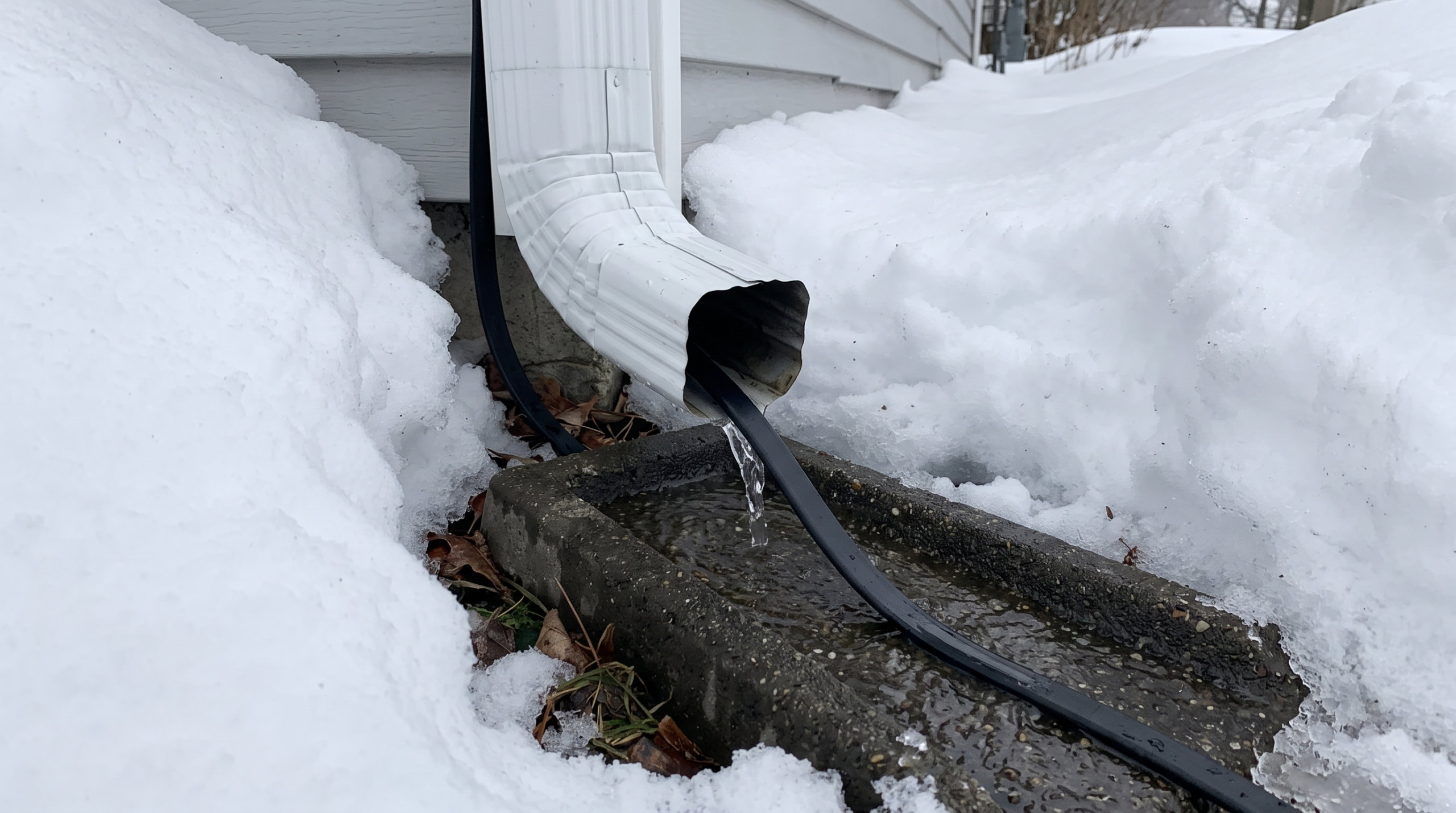
White downspout outlet draining water with heat cable in deep snow
A downspout outlet remains clear and actively draining during winter, assisted by a black heat cable.
FAQ

Local Questions About Hanover Roofs

It is billed by the crew hour, and the rate plus a realistic time estimate are quoted on the phone before anyone is dispatched.

  • Scope drives the hours: length and thickness of the ice, roof pitch and height, and whether the gutters are frozen solid.
  • Access matters too — a three-story Hanover roof takes longer to set up on than a ranch.
  • The invoice matches the quote. There are no surprise add-ons written on the tailgate.

Yes. The dispatch area runs across Grafton County, and several addresses in one area are usually handled in the same run.

  • Adjoining communities are on the same route rather than treated as a separate trip.
  • Rural addresses outside the normal radius get told the travel position on the call.
  • Capacity is moved into whichever part of New Hampshire the storm actually hits.

Only where there is interior damage to document or dry. Pure exterior removal happens entirely from outside.

  • If water has come in, seeing it is what makes the claim documentation worth anything.
  • Attic access helps identify the heat source but is not required for removal.
  • Nobody needs to be home for exterior-only work, provided access and payment are arranged.

Usually. The equipment needs a water supply and a place to park within hose reach, which is normally achievable even on a tight lot.

  • Hose runs of a few hundred feet are routine.
  • Street parking in a Grafton County residential area is generally workable.
  • Tell dispatch about access on the call so the right setup arrives.

More than it looks from the ground - a foot-deep dam across a thirty-foot eave is a few thousand pounds.

  • Depth is measured at the eave rather than estimated from the driveway.
  • The gutter trough underneath is usually frozen solid too and is part of the same mass.
  • That weight is one of the reasons chipping at it from a ladder goes badly.

Not when they are installed with proper clips and standoffs. What damages roofs is fastening the cable through the shingle, or leaving a failed constant-wattage run baking in one spot. Neither is how this gets installed.

Self-regulating cable only draws real power when it is cold and wet, and with thermostat and moisture control it runs a fraction of the winter. The honest comparison is against one emergency steam visit, which is usually the larger number.

Nearby

Heat Cables In Towns Around Hanover

Same-Day Response

Get A Hanover Crew Out

The cost of a steam visit does not change much from one week to the next. The cost of the water damage behind the dam does.

✓ Licensed & insured✓ Low-pressure steam only✓ Rate quoted up front✓ Photos for your claim
Online Quote(888) 561-9664