




Hanover Ice Dams: What a Five-Month Snow Pack Does
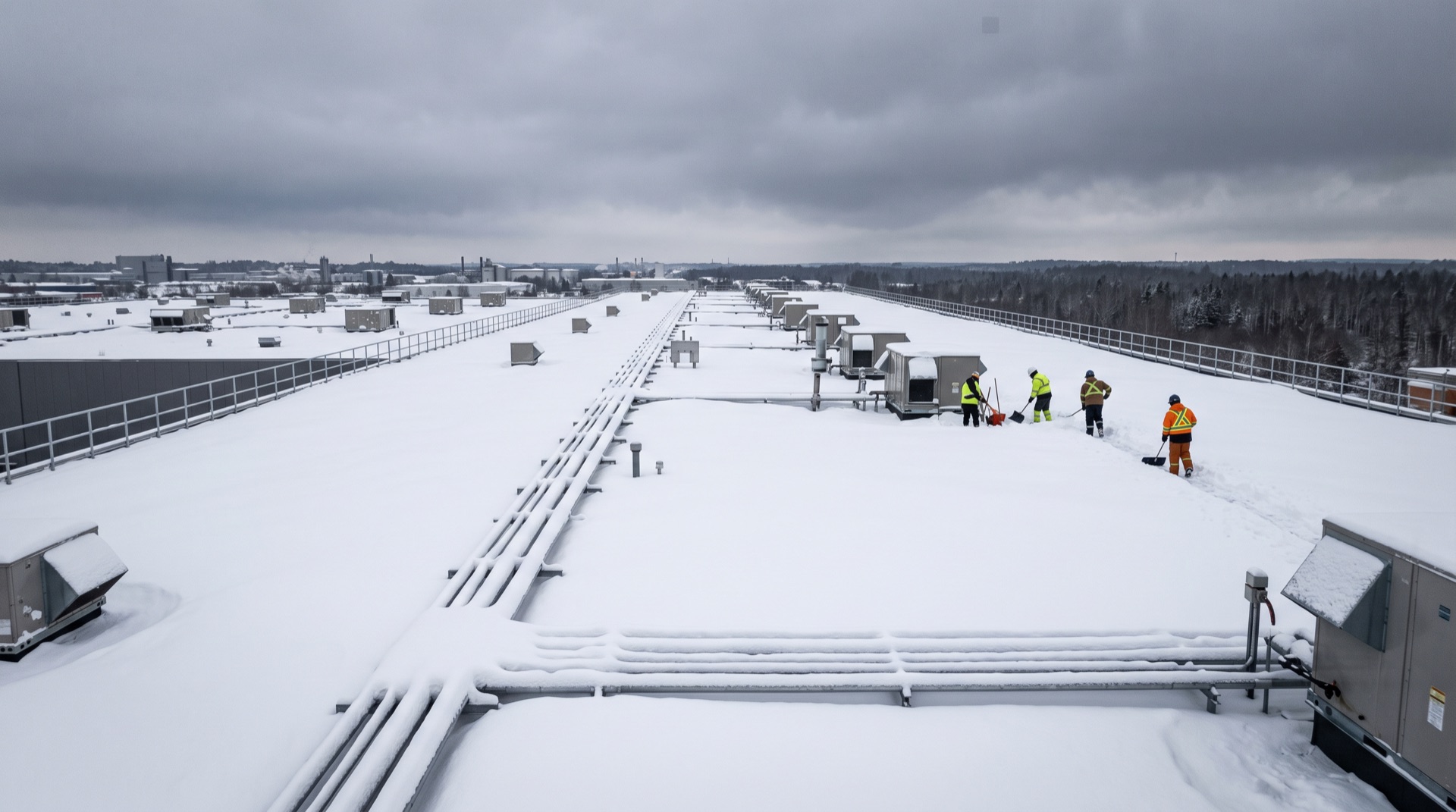
The defining feature of a Grafton County winter is persistence. It is not one storm, it is a continuous load sitting on the roof from late fall through to a spring thaw.

A long season is not a safer one. It means more freeze-thaw cycles, and each one adds a layer to the dam. By late winter the ice at a Grafton County eave can be a foot deep and locked to the shingle, with standing water sitting behind it.
Ice-barrier practice in Grafton County
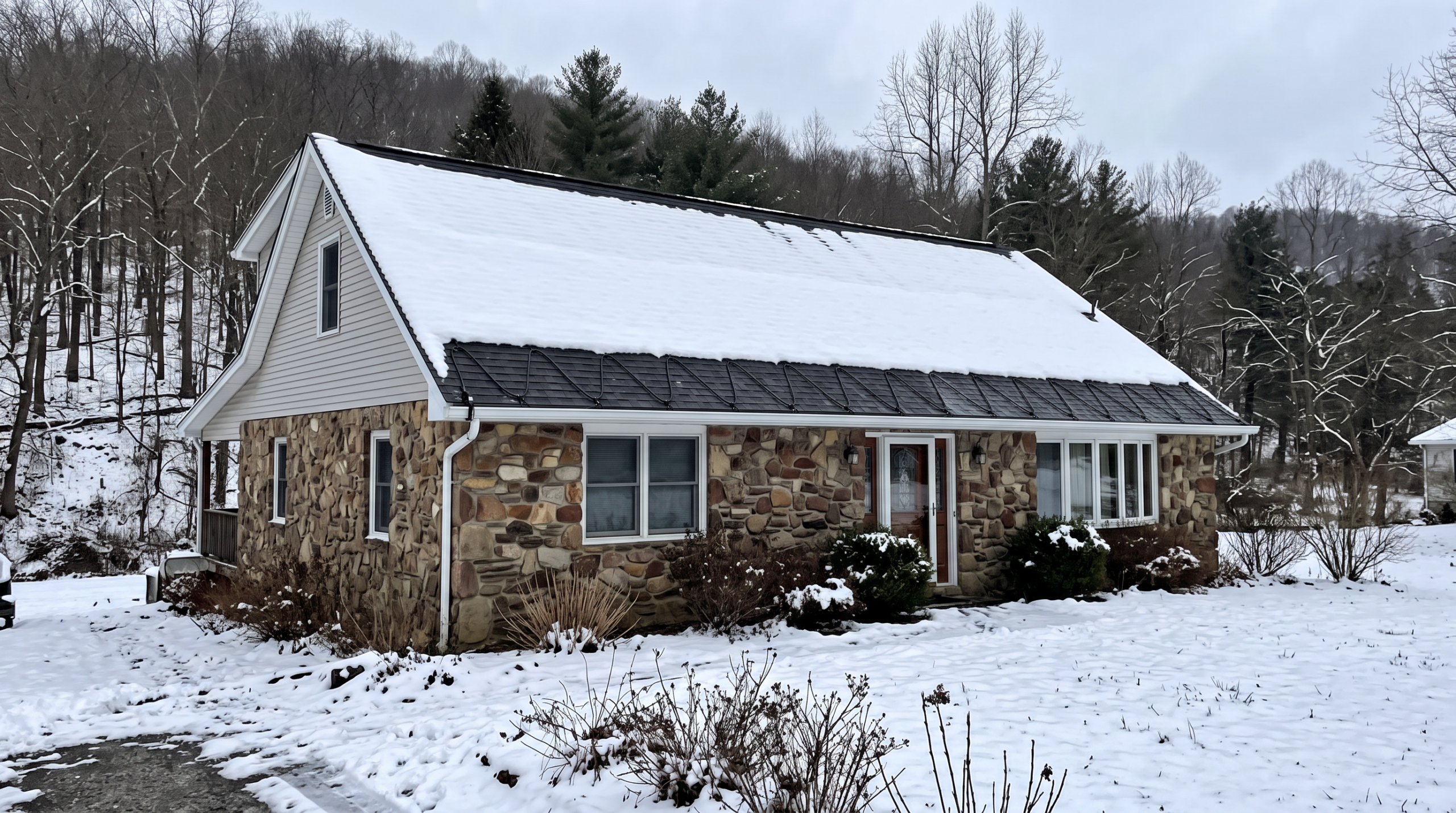
Insulation depth matters at least as much as membrane in this climate, and Grafton County stock built before modern attic standards tends to be short on both. One is a code question; the other is why the dam formed.
How a Hanover Steam Call Runs, Start to Finish
The first pass is assessment: eaves, valleys, gutter line and any interior staining, all photographed with timestamps. You see what the crew sees, and the rate and likely hours are agreed before work begins.
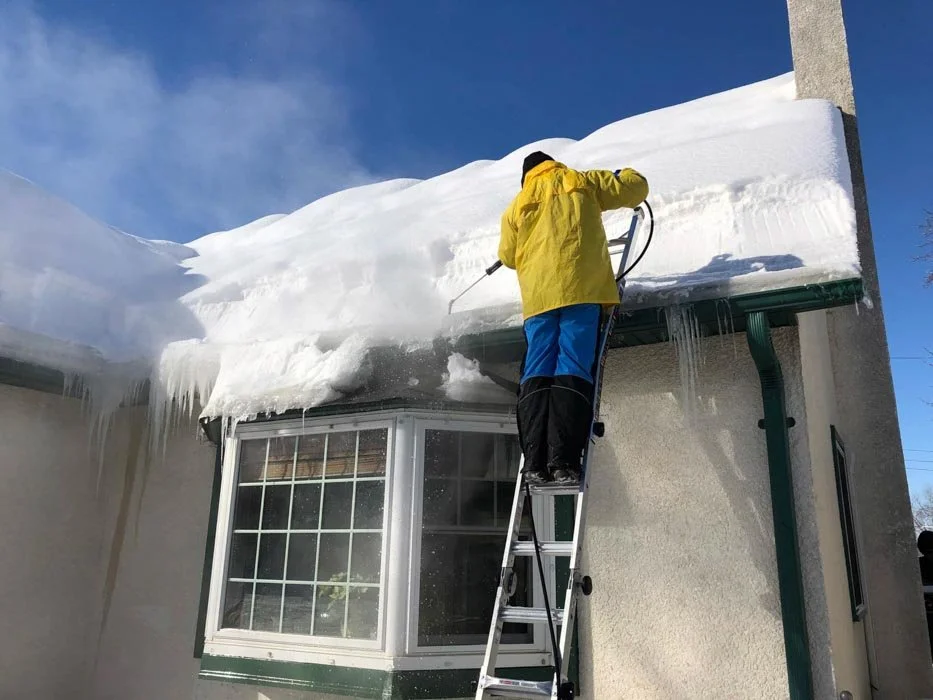
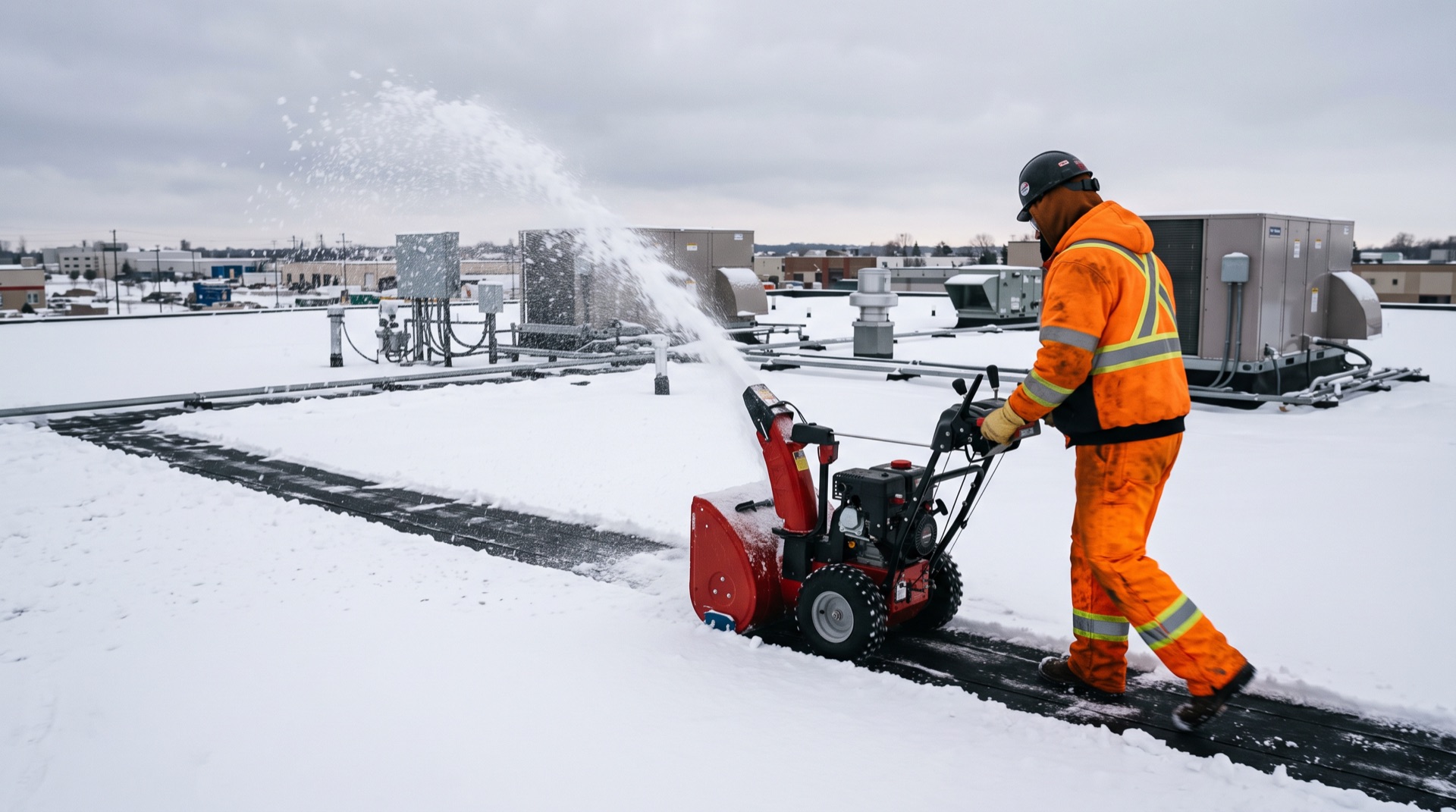
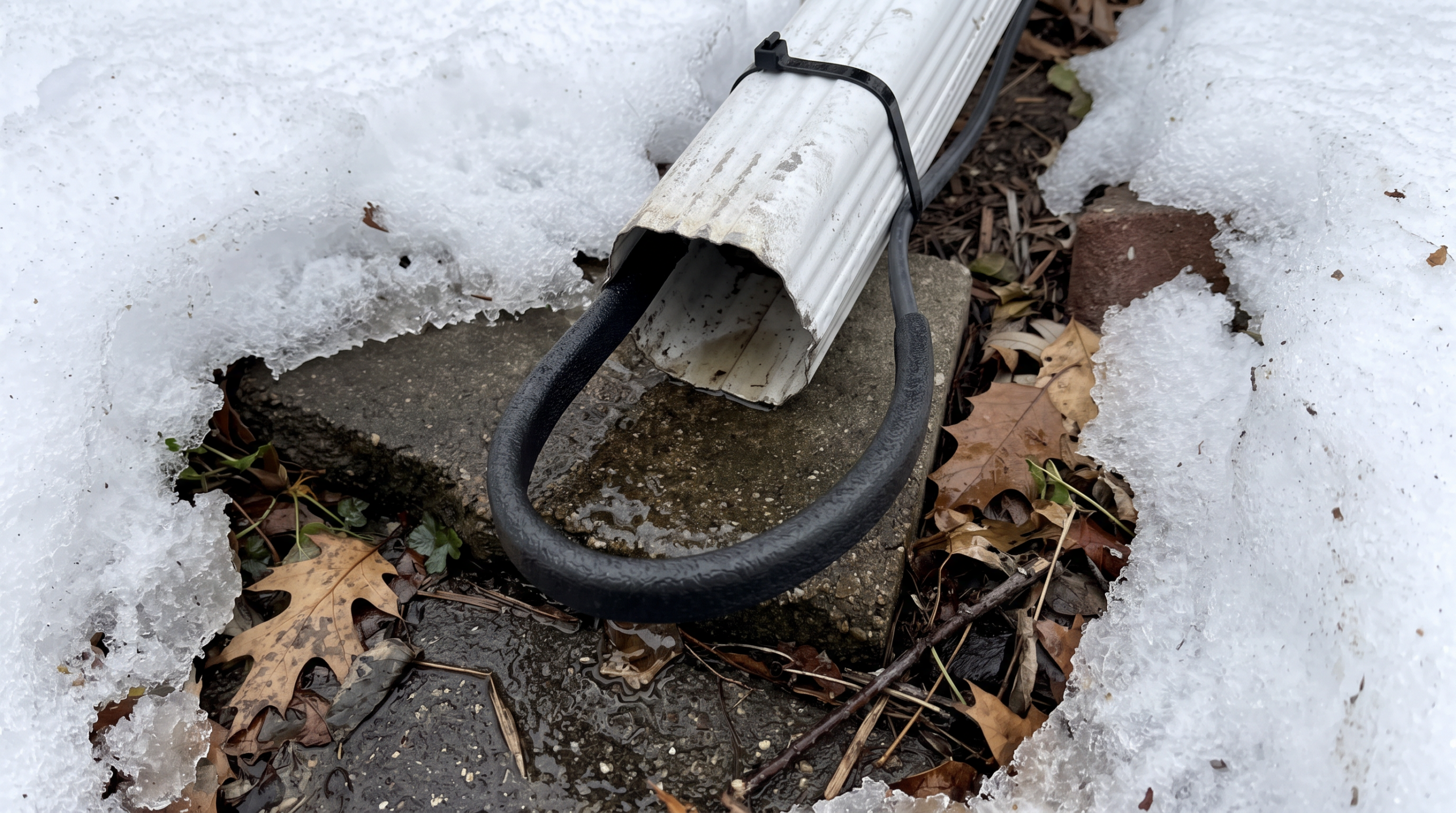
Steam then takes the dam off in sections, prioritizing wherever water is actively backing up behind it. The gutter trough and downspout are cleared through to daylight on the same visit, because a clear eave over a frozen gutter is a temporary fix.
Dormers, valleys and dead spots
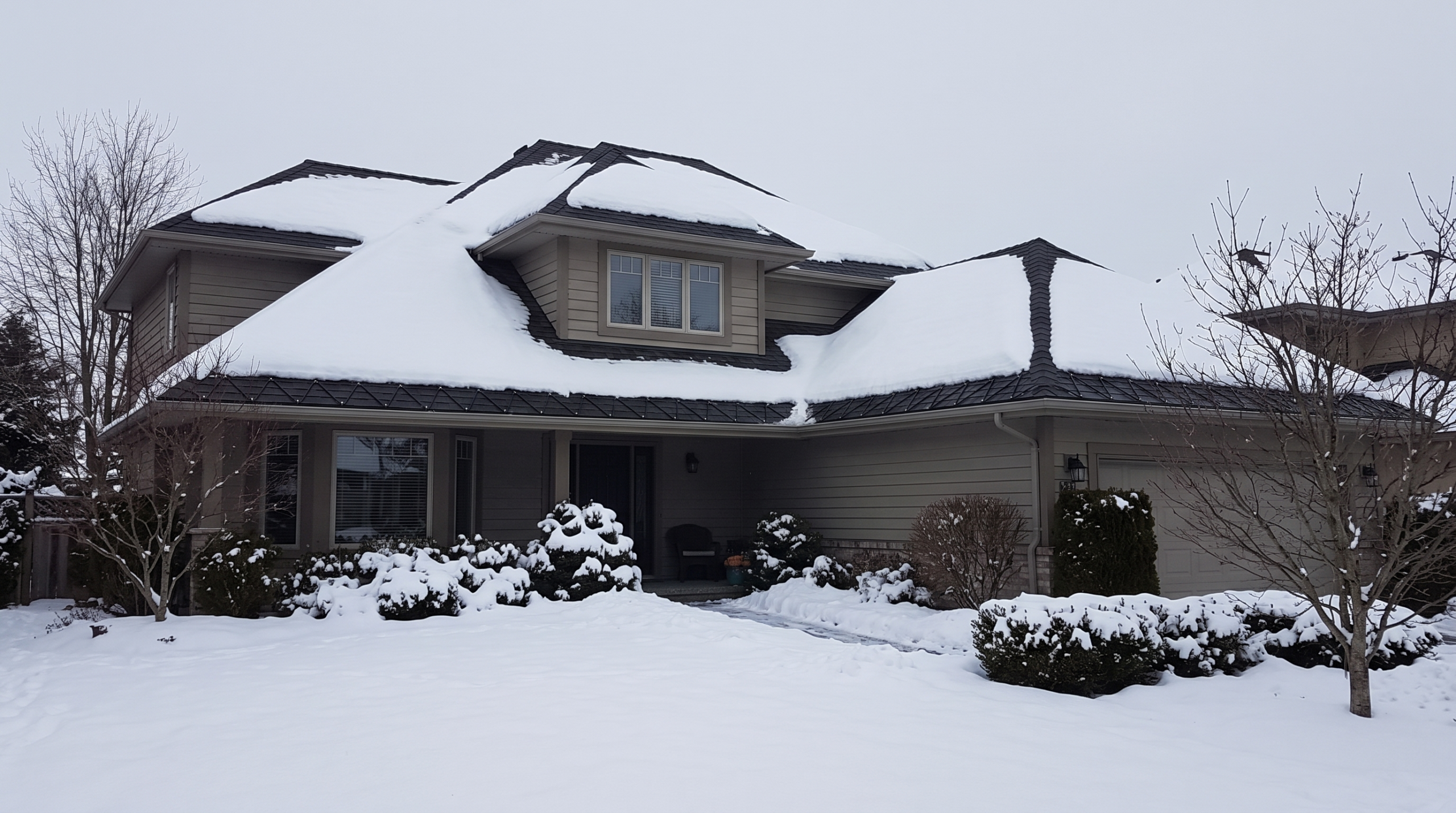
Ice does not distribute evenly. It concentrates where two roof planes meet, behind dormers, in dead valleys that drain nowhere, and along the north face that never sees sun. Those pockets hold water deepest and leak first.
A crew working a roof in Hanover clears the full eave line and then goes back through the valleys and dormer pockets specifically, because clearing the easy straight run and calling it done is how a roof leaks again a week later.
If water already got inside
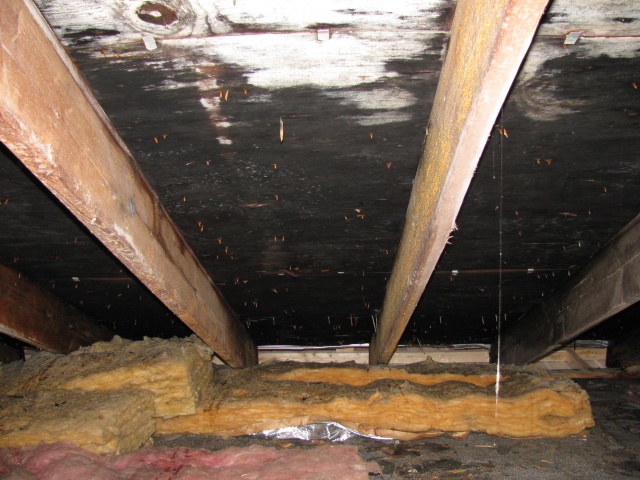
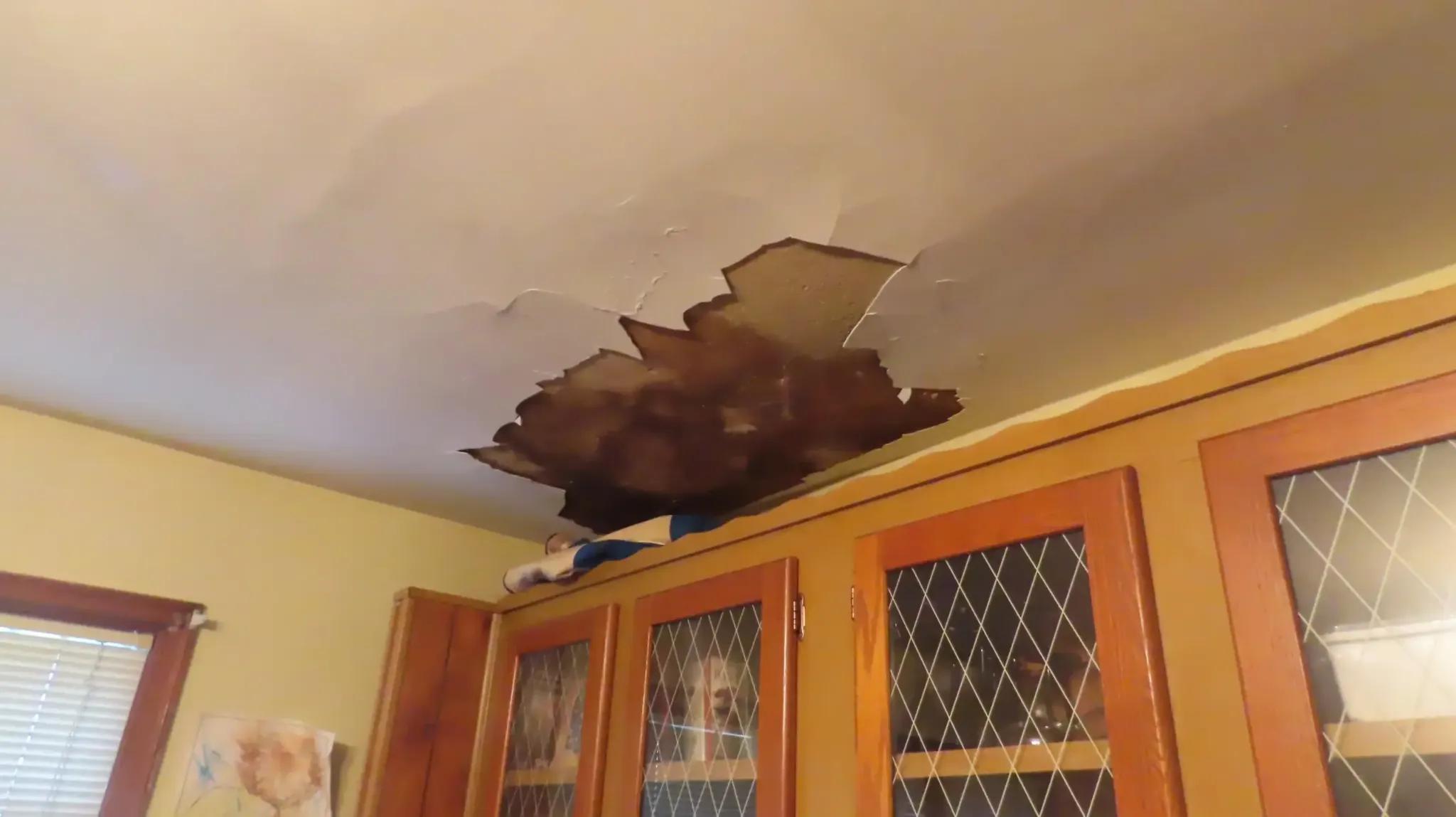
Taking the ice off stops new water. It does nothing about what is already in the insulation, the ceiling and the walls of a Hanover home.
The same company handles the rest: water mitigation and dryout, mold remediation where the water has led to growth, the interior repair, and the roof where the dam damaged it, all documented on one insurance claim.
Access, ladders and what the crew needs on site
Steam equipment needs somewhere to park within hose reach, and ladders need footing that is not a buried flower bed or a sheet of ice. Clearing a path to the affected eave, moving vehicles off the driveway and unlocking a side gate takes ten minutes and saves considerably more than that on the clock.
Where the only access is through a neighbor's property, that conversation is worth having before the crew is in the street rather than while it waits.
| Documentation | Dated before and after photos, written scope in Xactimate line items |
|---|---|
| Typical scope | Steam, 6-14 crew hours typical |
| Removal method | Low-pressure steam only. No chipping, salt or pressure washing. |
| Primary climate stressor | Sustained sub-freezing, long season |
| Dispatch window | Same day to 24 hours |
| Service | Ice dam removal in Hanover, NH |
| Coverage area | Hanover and Grafton County |
Neighborhoods and Towns We Reach From Hanover
Crews working Hanover cover the adjoining communities on the same route — Etna, West Lebanon, Lyme, Enfield and Lyme Center — so a storm week usually means one truck handling several addresses in Grafton County rather than separate trips.
Nearest hub towns with their own crew pages: Lebanon, Claremont, Franklin, Laconia, Concord, Keene.
Hanover sits inside the regular New Hampshire service area, so a crew is usually scheduled the same day or the following morning.
Active leak at an address in Hanover? (888) 561-9664 reaches dispatch directly. Interior water moves a job to the front of the day.