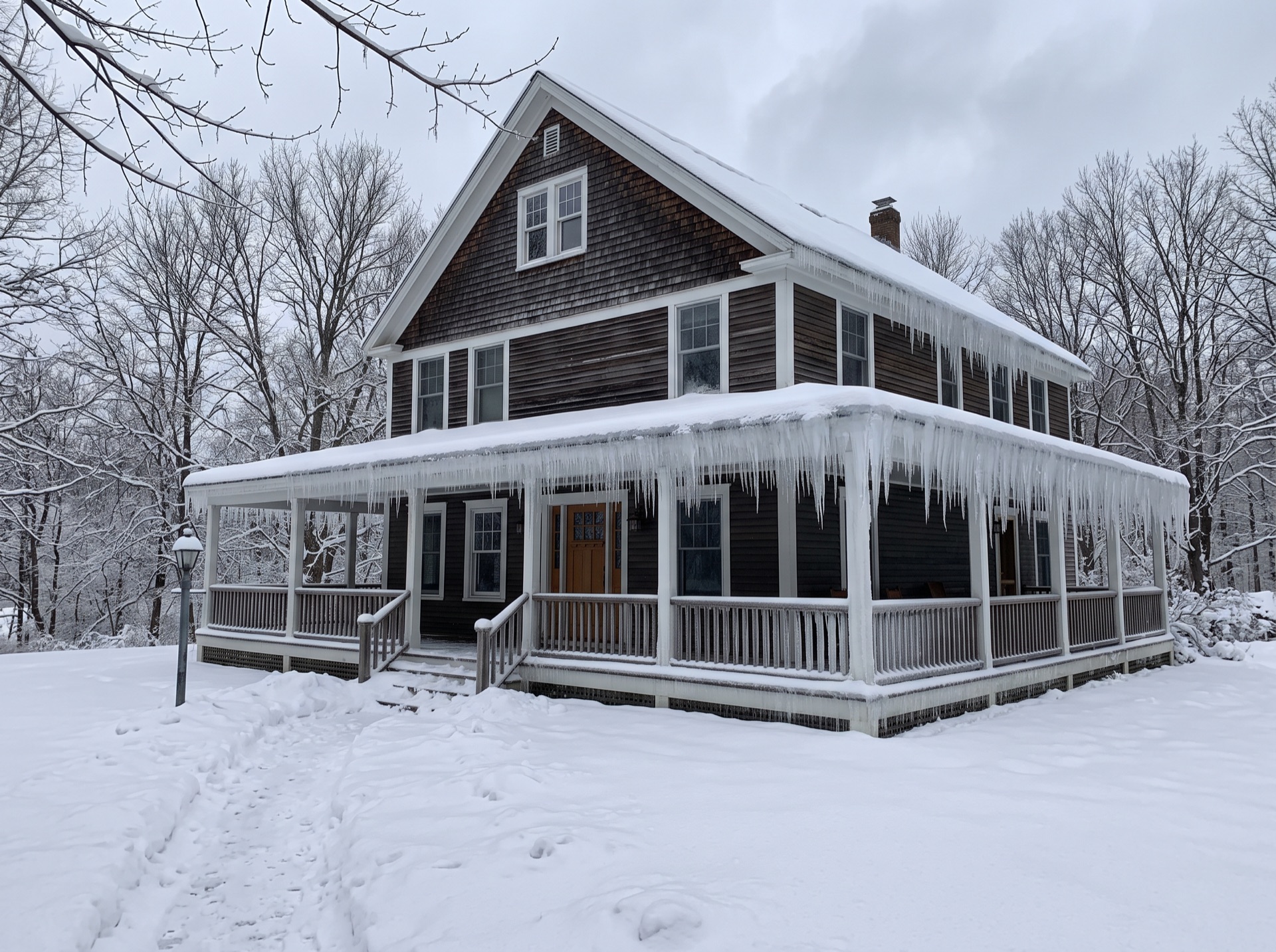
Homeowners across Flathead County call about icicles. Icicles are cosmetic. The dam behind them, holding back standing water, is not. As part of our complete Whitefish winter roof services, crews handle water mitigation & dryout across Flathead County.
Why Whitefish Roofs Dam on Days It Never Thaws
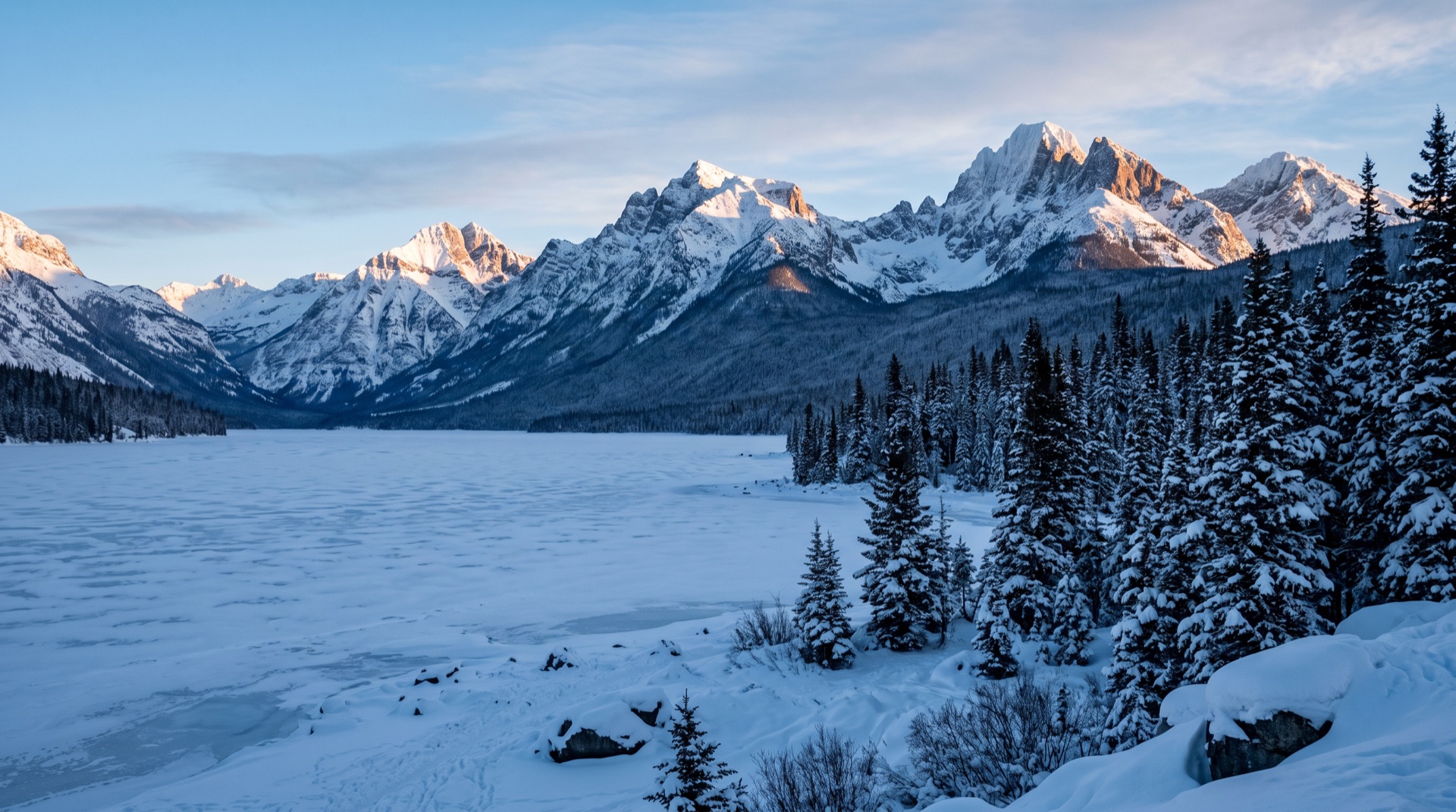
Thin air at altitude means intense direct sun even in deep cold. A Whitefish roof can be melting on its south face at midday in air that never gets near freezing, and all of that water has to go somewhere.

Volume is the other factor. A Flathead County roof carrying several feet of pack has an enormous reservoir above an overhang that never sees direct sun, and the supply does not run out until spring.
Ice-barrier practice in Flathead County
Snow retention above doors, walkways and parking is a requirement in most Flathead County jurisdictions for good reason: a release off a metal mountain roof is a serious event, not an inconvenience.
Water Mitigation & Dryout in Whitefish: How The Work Runs
Ceilings: when it comes down and when it stays
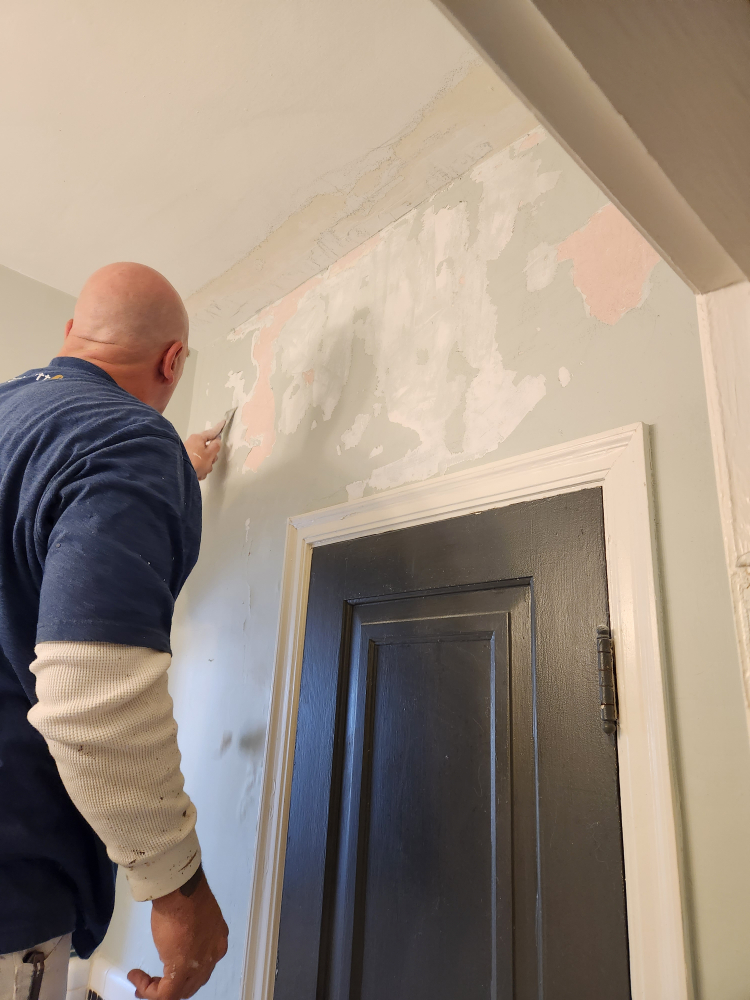
A stained ceiling is not automatically a demolished ceiling. Painted drywall that has been wetted once and can be dried from above through the insulation cavity will often flatten out and need nothing but paint. Wet Insulation in the Attic.
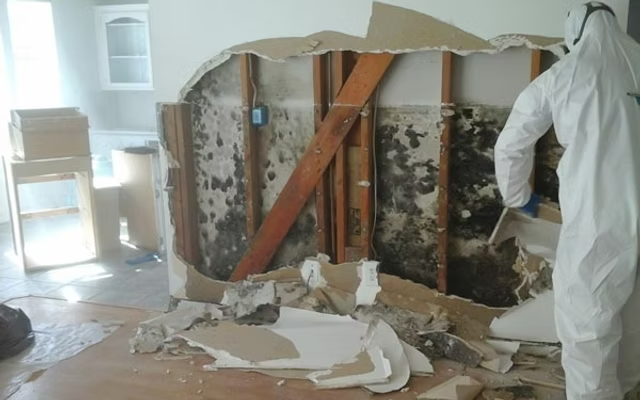
What does come down is drywall that has lost its bond and gone soft, anything sagging under held water, textured or plaster ceilings that have delaminated, and any ceiling where the cavity above cannot be reached another way. The call is made with a meter, and shown to you before anything is opened.
The sequence
Standing water is extracted first. Saturated insulation comes out, because it cannot be dried in place and it is holding moisture against everything it touches. Containment goes up where tear-out is needed, with HEPA scrubbers running inside it. Dehumidifiers and air movers are placed to the room's volume and load rather than scattered around.
Then the readings get taken daily until they hit standard. In a Whitefish winter, with cold cavities and low ambient humidity outside, that typically takes longer than people expect.
Clean water does not stay clean
Meltwater off a roof starts as category one - essentially clean. It does not stay that way. Passing through old insulation, wall cavities, dust and whatever has accumulated in a ceiling plane for forty years degrades it, and standing more than a day or two degrades it again.
That classification drives what can be dried in place and what has to be removed, and it is the reason a leak dealt with on day one is a smaller job than the identical leak dealt with on day five.
Contents, storage and what moves out of the way
Mitigation needs the room. Furniture gets blocked up or moved, stored boxes come out of the affected area, and in a finished basement the contents usually have to leave entirely before tear-out starts.
What is already wet gets photographed and listed as it is moved, because contents are a separate part of most policies and the list is considerably harder to assemble once everything has been shifted.
Finding the water that left no stain
The visible mark on a ceiling is the smallest part of the problem. Water tracks along top plates, runs down stud bays, and spreads across a ceiling plane well past where it finally shows.
Thermal imaging and pin meters find it. On a job in Whitefish the mapped wet area is routinely several times the size of the stain, and drying the stain alone leaves the rest to go moldy quietly.

What you get in Whitefish
- Hidden water mappedThermal imaging and pin meters find what left no stain
- Containment and HEPABarriers and air scrubbers wherever tear-out is required
- Documented to standardDaily moisture readings until the structure meets IICRC S500 dry standard
| Coverage area | Whitefish and Flathead County |
|---|---|
| Billing | Xactimate line items on one claim; carrier billed directly where the policy allows |
| Interior repair | Insulation, drywall, texture, trim and paint, done in-house after drying |
| Method | Containment, HEPA filtration and drying to a measured IICRC standard |
| Documentation | Dated before and after photos, written scope in Xactimate line items |
| Service | Water Mitigation & Dryout in Whitefish, MT |
| Dispatch window | 24 to 48 hours in mountain terrain |
Neighborhoods and Towns We Reach From Whitefish
Crews working Whitefish cover the adjoining communities on the same route — Hungry Horse — so a storm week usually means one truck handling several addresses in Flathead County rather than separate trips.
Nearest hub towns with their own water mitigation pages: Columbia Falls, Kalispell, Missoula, Hamilton, Great Falls, Helena.
Coverage runs across Whitefish and the nearby towns all winter, and capacity is surged into whichever Montana market the storm actually hits.
Most jobs do not stop at one service. Water Mitigation in Whitefish often runs alongside ice dam removal in Whitefish, and both get written into one scope rather than billed as separate visits.
Active leak right now? Our 24/7 Whitefish steam ice dam removal crews are dispatched first during a freeze event. Call (888) 561-9664.