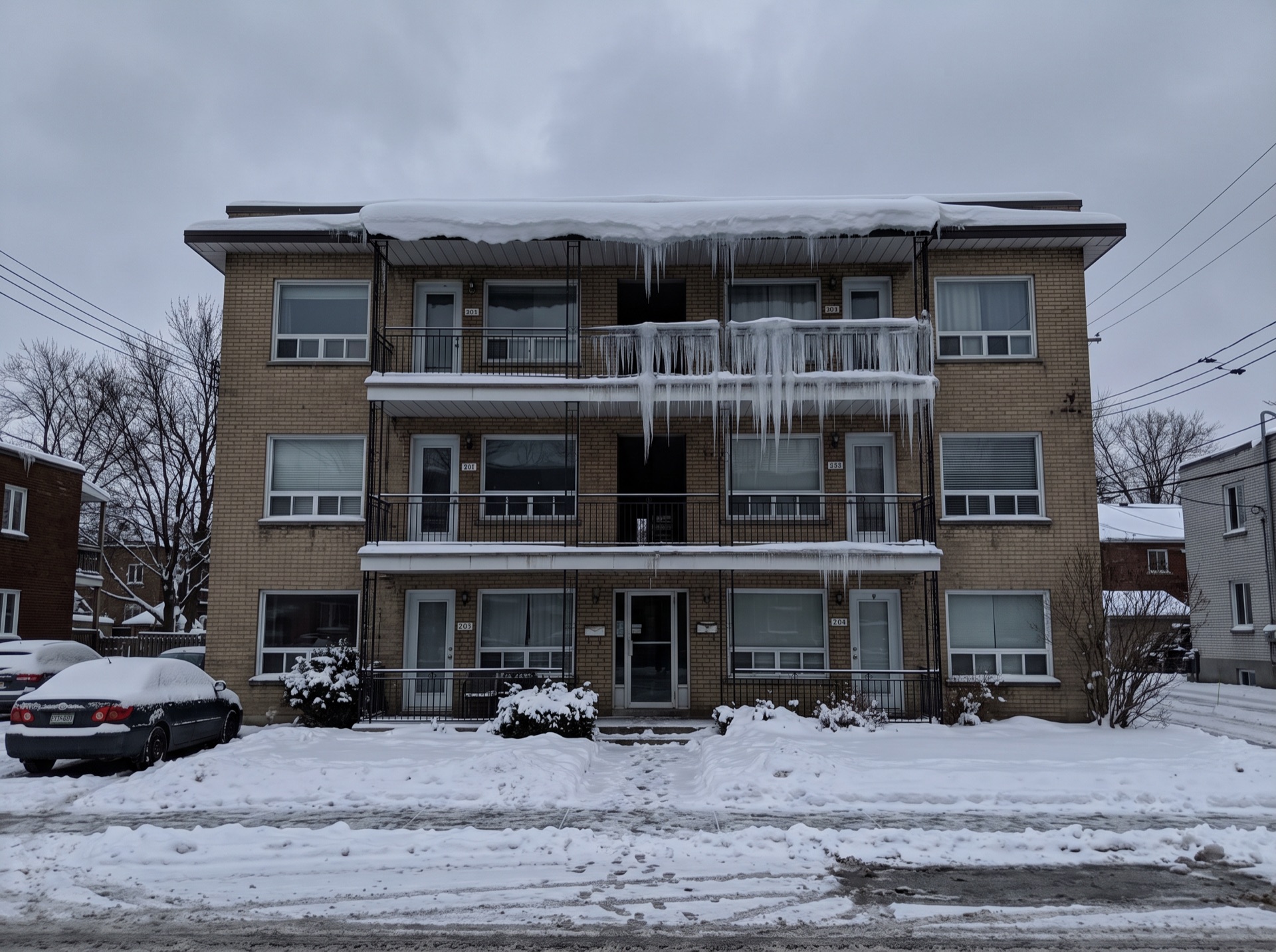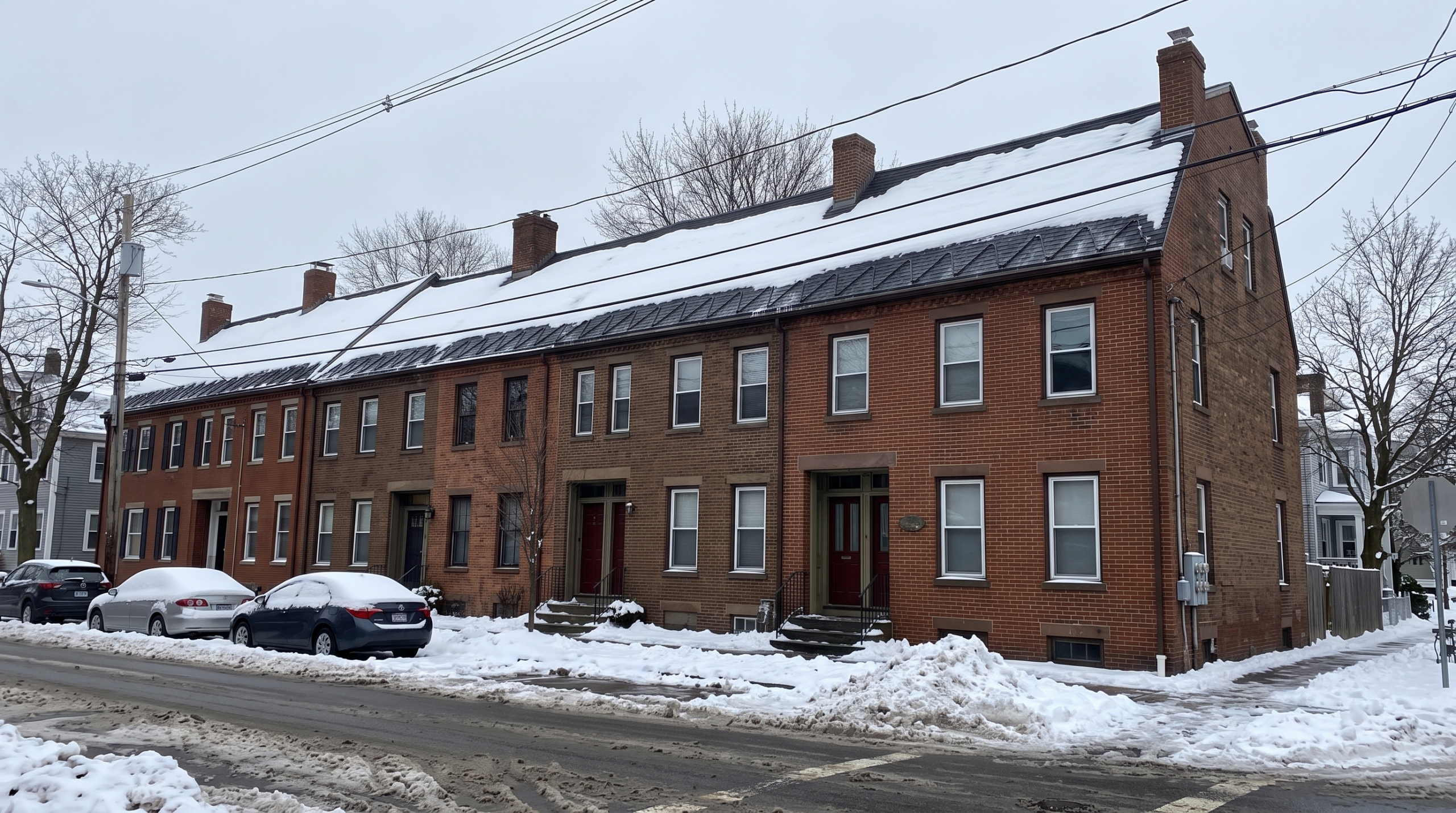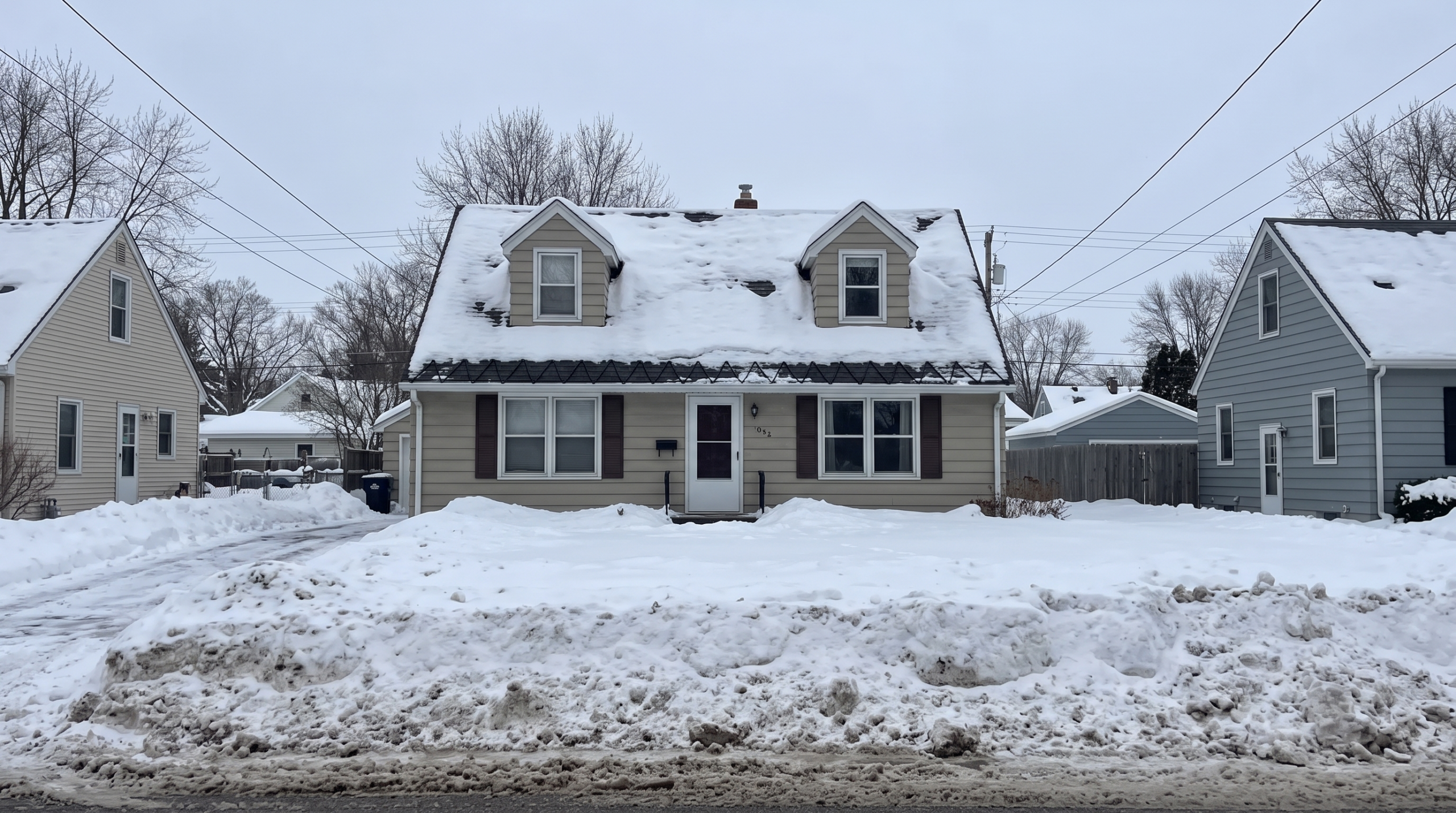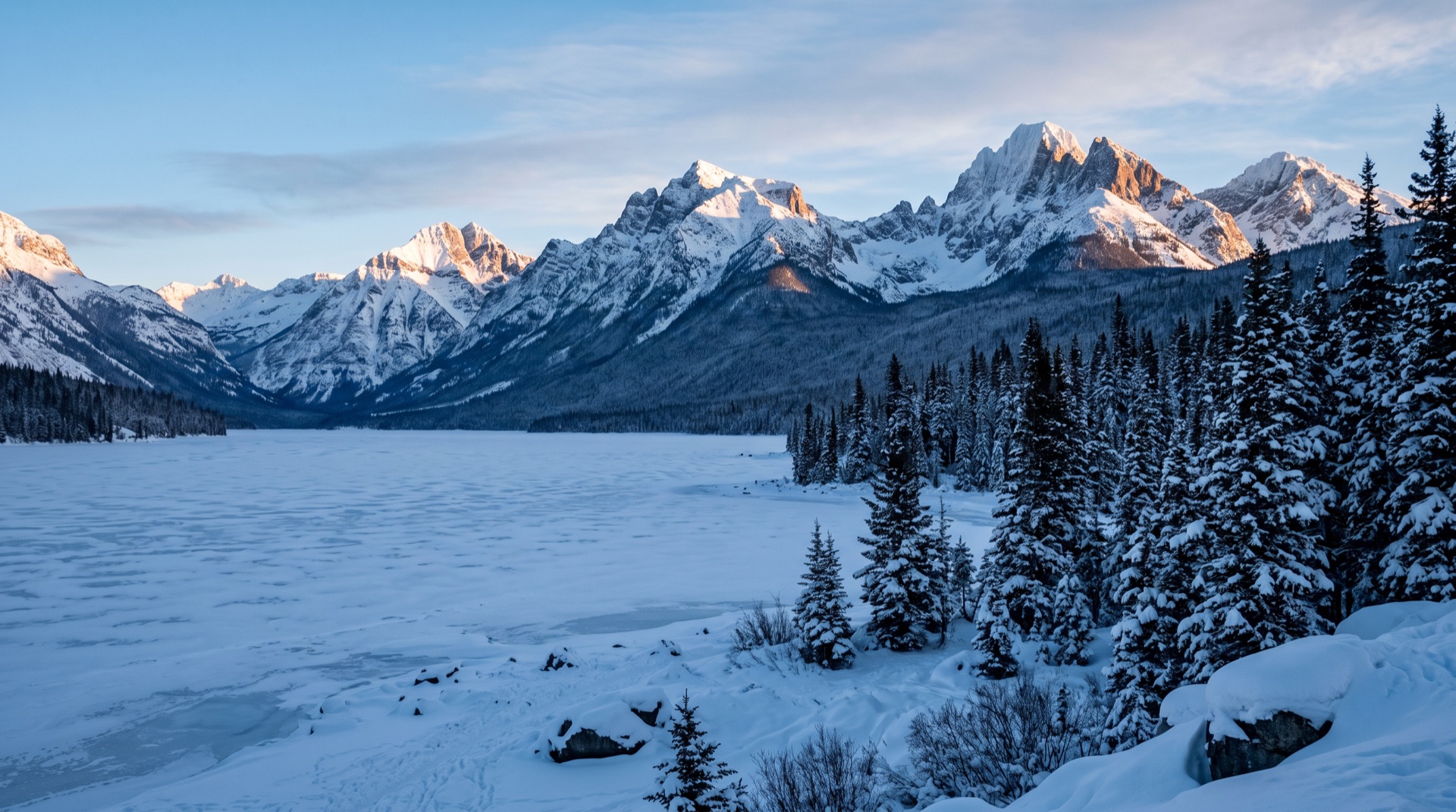




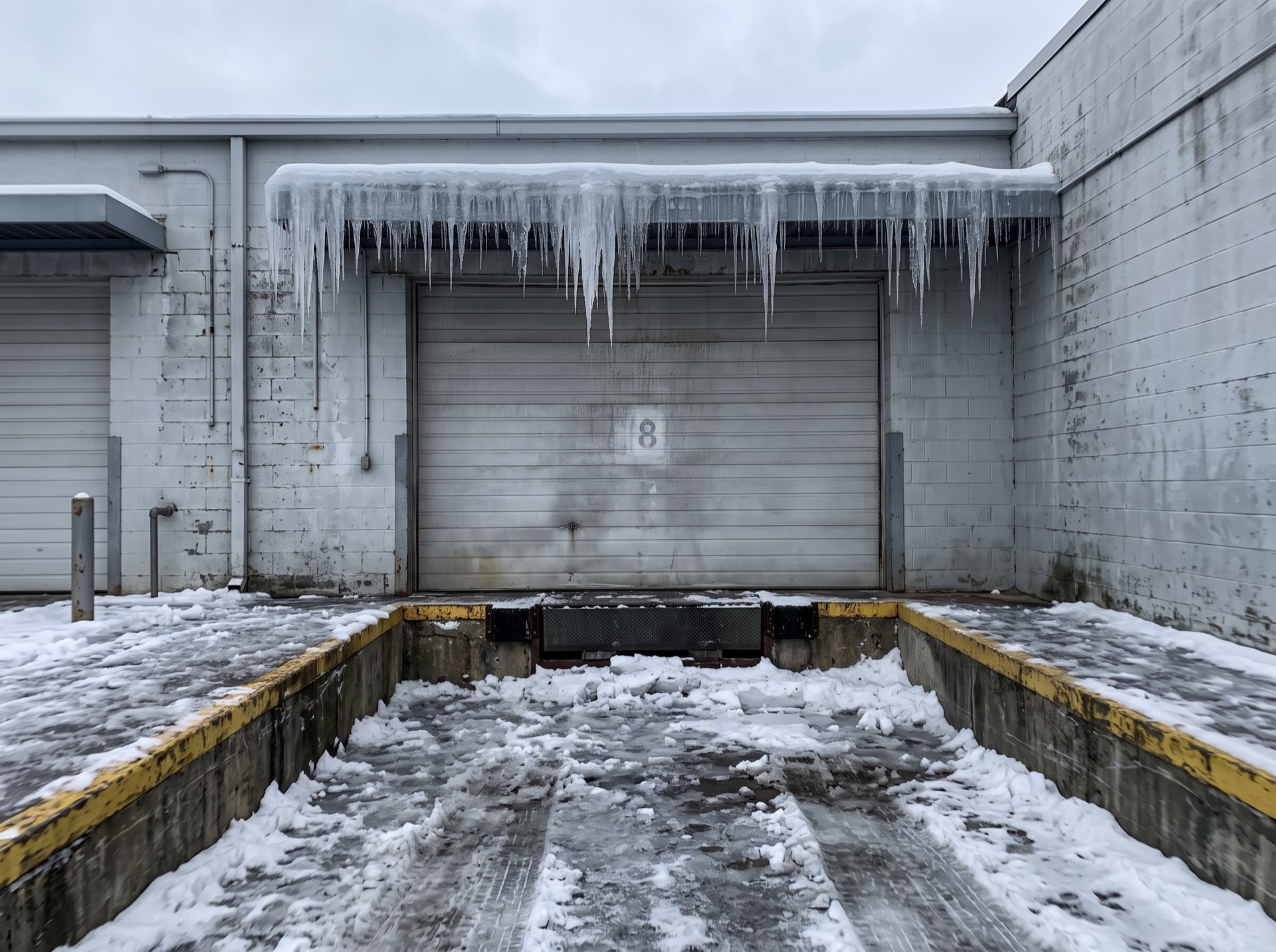
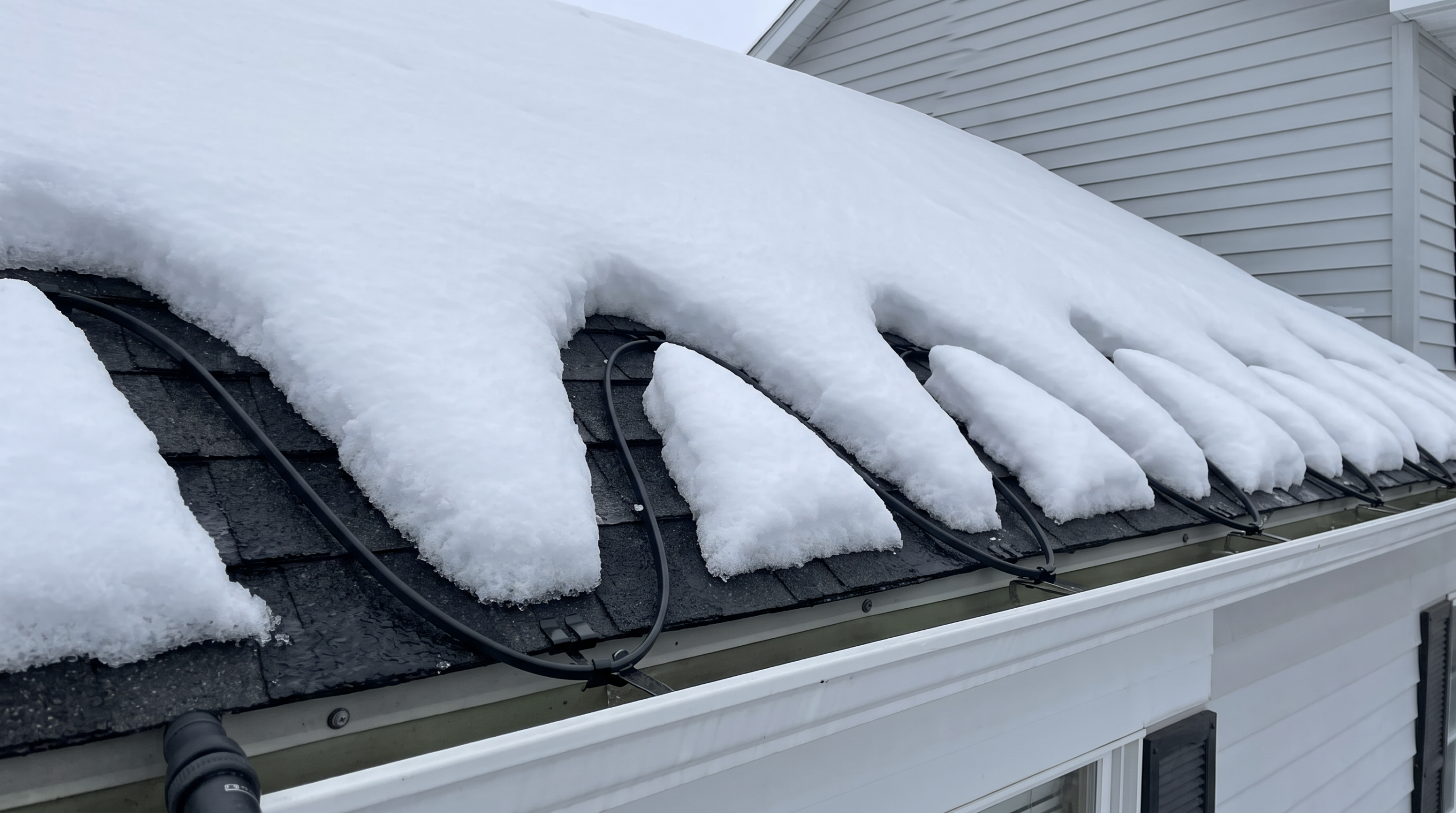
Why Whitefish Roofs Dam on Days It Never Thaws
Thin air at altitude means intense direct sun even in deep cold. A Whitefish roof can be melting on its south face at midday in air that never gets near freezing, and all of that water has to go somewhere.

Volume is the other factor. A Flathead County roof carrying several feet of pack has an enormous reservoir above an overhang that never sees direct sun, and the supply does not run out until spring.
Ice-barrier practice in Flathead County
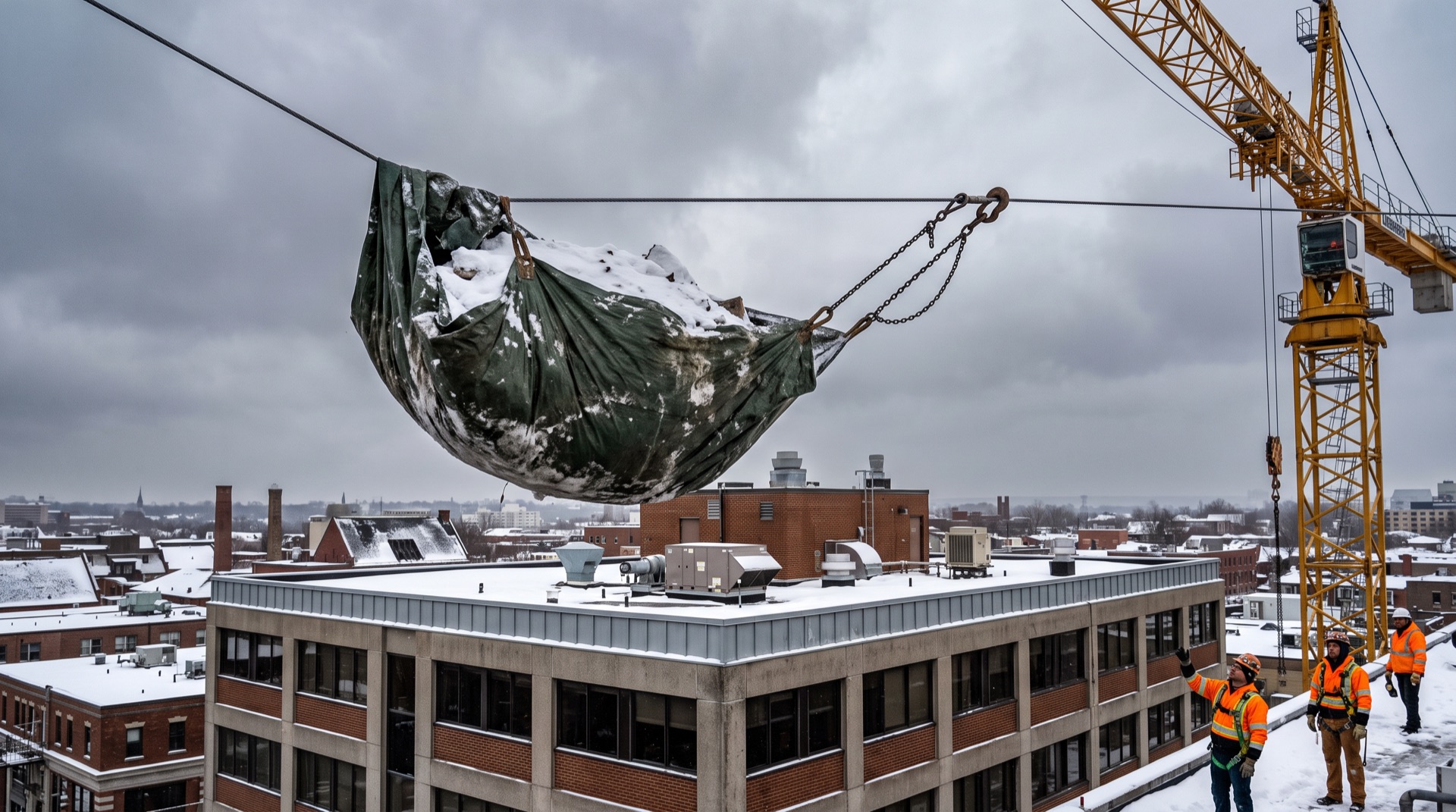
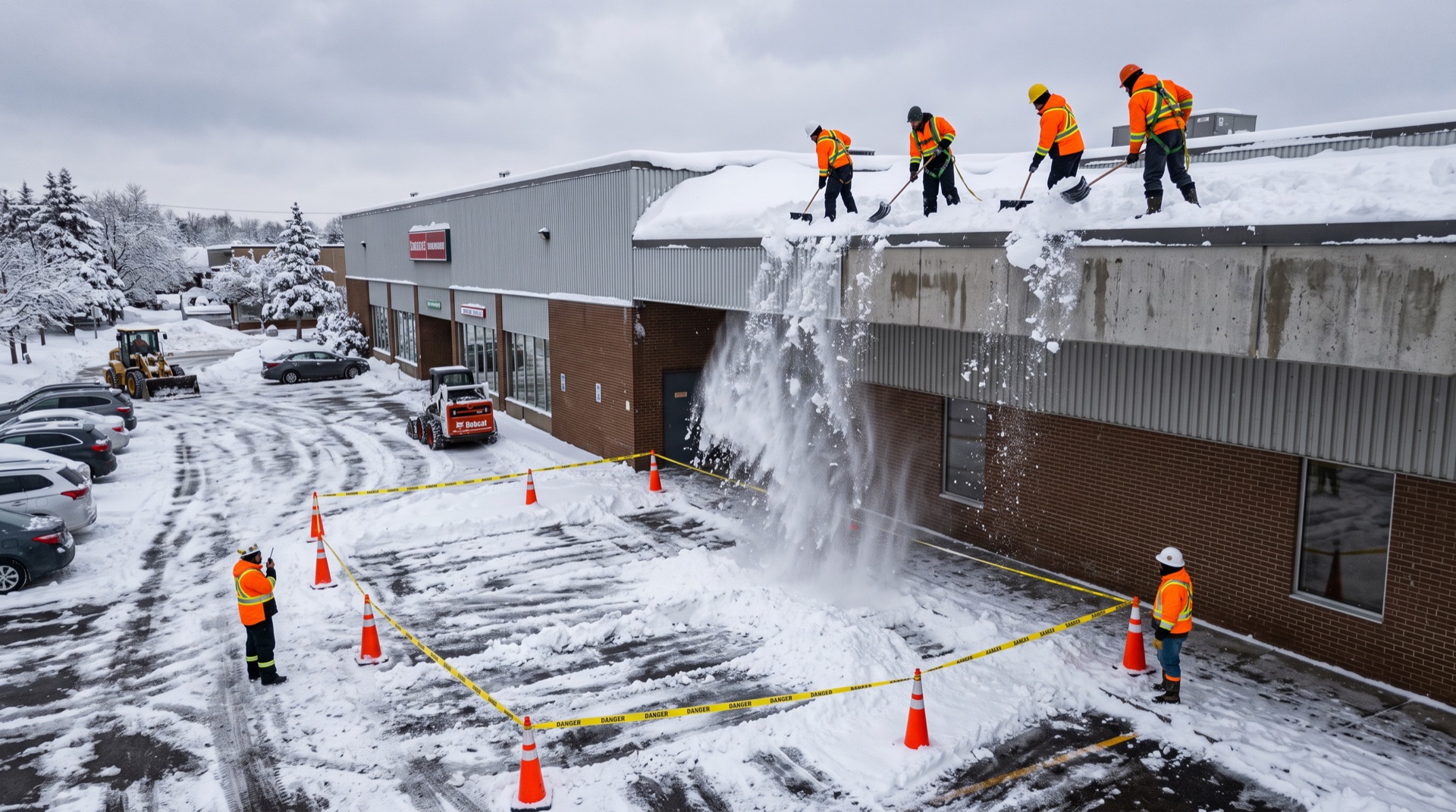
Snow retention above doors, walkways and parking is a requirement in most Flathead County jurisdictions for good reason: a release off a metal mountain roof is a serious event, not an inconvenience.
How a Whitefish Steam Call Runs, Start to Finish
Crews walk the eaves, valleys and gutter line first and photograph every dam and every point where water is tracking inside, before touching anything. You get shown what they found and quoted the crew-hour rate before work starts.
Then the ice comes off with low-pressure steam, starting wherever water is actively backing up so drainage opens early. Frozen gutters and downspouts are cleared in the same visit, because a cleared eave above a solid block of ice in the gutter dams again on the next cold night.
If water already got inside
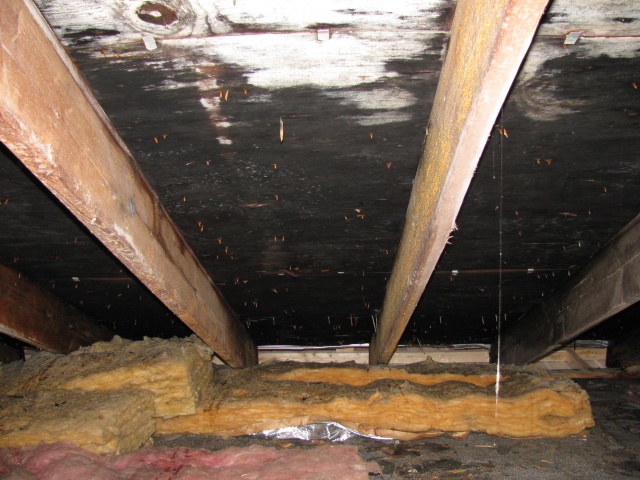
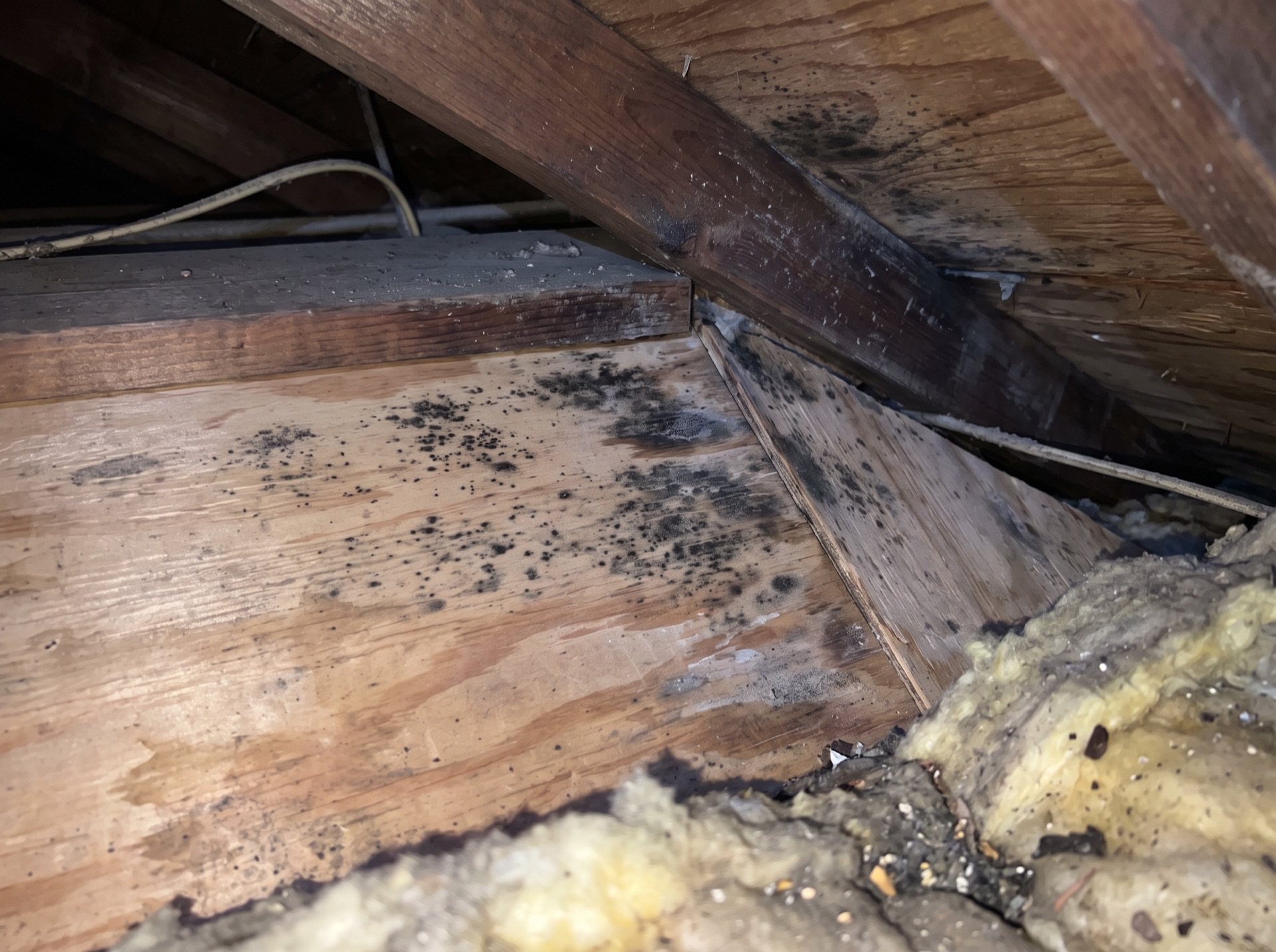
Taking the ice off stops new water. It does nothing about what is already in the insulation, the ceiling and the walls of a Whitefish home.
The same company handles the rest: water mitigation and dryout, mold remediation where the water has led to growth, the interior repair, and the roof where the dam damaged it, all documented on one insurance claim.
What gets photographed, and why it matters later
Before the lance comes out, the crew shoots the dam from the ground and from the roof, the icicle line, any staining visible inside, and the specific courses where water is tracking under the shingles. Timestamps are on every frame.
That record is the whole case if a claim follows. An adjuster arriving in March sees a dry roof and a stained ceiling; the photographs are what connect the two, and they are what a maintenance-exclusion denial runs into.
What the dam has already done to the gutter and fascia
Ice expands as it forms, and a trough packed solid pushes the gutter away from the fascia a little more every cycle. By the time the dam is thick enough to leak, the hangers are often pulled, the back of the trough has lifted, and the fascia board behind it has been wet for weeks.
None of that is visible until the ice is off. It gets photographed when it appears, because a bent gutter found in February is a great deal easier to argue about with a carrier than one discovered in May.
| Primary climate stressor | Solar melt on deep pack, shaded eaves |
|---|---|
| Local ice-barrier practice | Extended membrane plus snow retention |
| Pricing model | Billed by the crew hour, rate quoted before dispatch |
| Removal method | Low-pressure steam only. No chipping, salt or pressure washing. |
| Dispatch window | 24 to 48 hours in mountain terrain |
| Typical scope | Steam, 8-16 crew hours typical |
| Documentation | Dated before and after photos, written scope in Xactimate line items |
Neighborhoods and Towns We Reach From Whitefish
Crews working Whitefish cover the adjoining communities on the same route — Hungry Horse — so a storm week usually means one truck handling several addresses in Flathead County rather than separate trips.
Nearest hub towns with their own crew pages: Columbia Falls, Kalispell, Missoula, Hamilton, Great Falls, Helena.
Whitefish sits inside the regular Montana service area, so a crew is usually scheduled the same day or the following morning.
Active leak at an address in Whitefish? (888) 561-9664 reaches dispatch directly. Interior water moves a job to the front of the day.