Skip to content
Hopkins, MN
Permanent Prevention · Hennepin County

Heated Roof & Gutter Cables in Hopkins, MN — Lake‑Effect Storm Response

Ice Dam Now provides heated roof & gutter cables in Hopkins, MN and the surrounding Hennepin County, using low-pressure steam only — never chipping, salt or pressure washing. Crews are licensed, insured and harness-certified, dispatch same day for active interior leaks, and bill by the crew hour at a rate quoted before dispatch. Dated photo documentation is supplied for insurance claims.

No fasteners through the roof — Clips and standoffs only, nothing driven through the covering
Complete drain path — Eave zig-zag, valleys, gutter trough and downspout to daylight
Smart controls — Thermostat and moisture sensing so it runs on the conditions that make ice
Self-regulating cable — Output varies along the run; safe to overlap, cut to length on site

Get Ice Dam Help Hopkins

A few quick questions, then pick a time. If water is coming in, call instead.

What is the zip code of the home?

Roof leaking right now? Call (888) 561-9664 — that is faster than any form.
Water coming through the ceiling?Every hour an ice dam sits there, more water gets under the shingles.Call (888) 561-9664
Same Day
For Water Already Inside
Steam
Safe On Every Covering
Hennepin
County Coverage
Insured
Harness-Certified On Every Roof
Written
Scope Before Work Starts

If you are in Hopkins watching icicles grow along the gutter line, what you are really watching is water that no longer has anywhere to drain. As part of our complete Hopkins winter roof services, crews handle heated roof & gutter cables across Hennepin County.

Why Hopkins Roofs Dam Up: Lake-Effect Load and Freeze-Thaw

Lake-effect snow arrives in bands rather than fronts, which is why Hopkins can take a foot overnight while a town twenty miles inland takes two inches. It falls wet, it compacts fast, and it does not blow off.

Diagram showing how ice dams form on a roof from heat loss and snow melt
Heat escaping into the attic melts roof snow; the meltwater refreezes at the cold eave and the dam grows a layer every cycle.

Melting happens from underneath, not from the sun. Attic heat releases water under the pack, it runs to the overhang where there is no heated space below, and it freezes. That is the engine, and in Hopkins it runs most of the winter.

Ice-barrier practice in Hennepin County

Most Hennepin County building departments expect self-adhering ice barrier at the eaves on any re-roof permit. The houses that leak are generally the ones last roofed before that became routine.

Heated Roof & Gutter Cables in Hopkins: How The Work Runs

What shortens the life of a cable run

Self-regulating cable is generally good for a decade or more. What ends it early is ultraviolet exposure on a run left unshaded through summer, physical damage from somebody raking or shovelling over it, rodents in the gutter, and ice loading on clips that were never rated for it. Icicles and a Wet Ceiling.

A system installed with UV-stable cable, proper clips and a note on the roof plan saying where it runs will usually outlast one that was simply stapled up in a hurry.

Commercial and multi-family runs

The same cable on a large building becomes a different exercise - several hundred feet of run, multiple circuits, a controller that something has to monitor, and a decision about who gets the alarm when a circuit fails.

Scope, circuit loading and control strategy get worked out with whoever maintains the Hopkins building, because a heat-trace system nobody owns is a heat-trace system that stops working in its third winter.

Controls decide the running cost

A cable on a plain thermostat runs through every dry cold snap, which is most of the winter and none of the risk. A combined temperature and moisture sensor runs it only when there is both cold and water present.

On a Hopkins winter that difference is most of the operating cost, and the controller pays for itself quickly.

Sizing the eave zig-zag to the cold overhang

The zig-zag has to extend far enough up the roof to cover the part of the deck that sits past the heated wall line, because that is the part that stays below freezing.

Measured from inside the attic rather than guessed from the ground. On a house in Hopkins with a deep overhang or a cantilever that distance is often further up than people expect.

The electrical side

A dedicated GFCI-protected circuit, properly rated terminations and a disconnect somebody can actually reach. Not an extension cord out of a bathroom window, which is what gets found on a surprising number of existing Hopkins installs.

Done properly it is an ordinary piece of exterior electrical work and it should look like one.
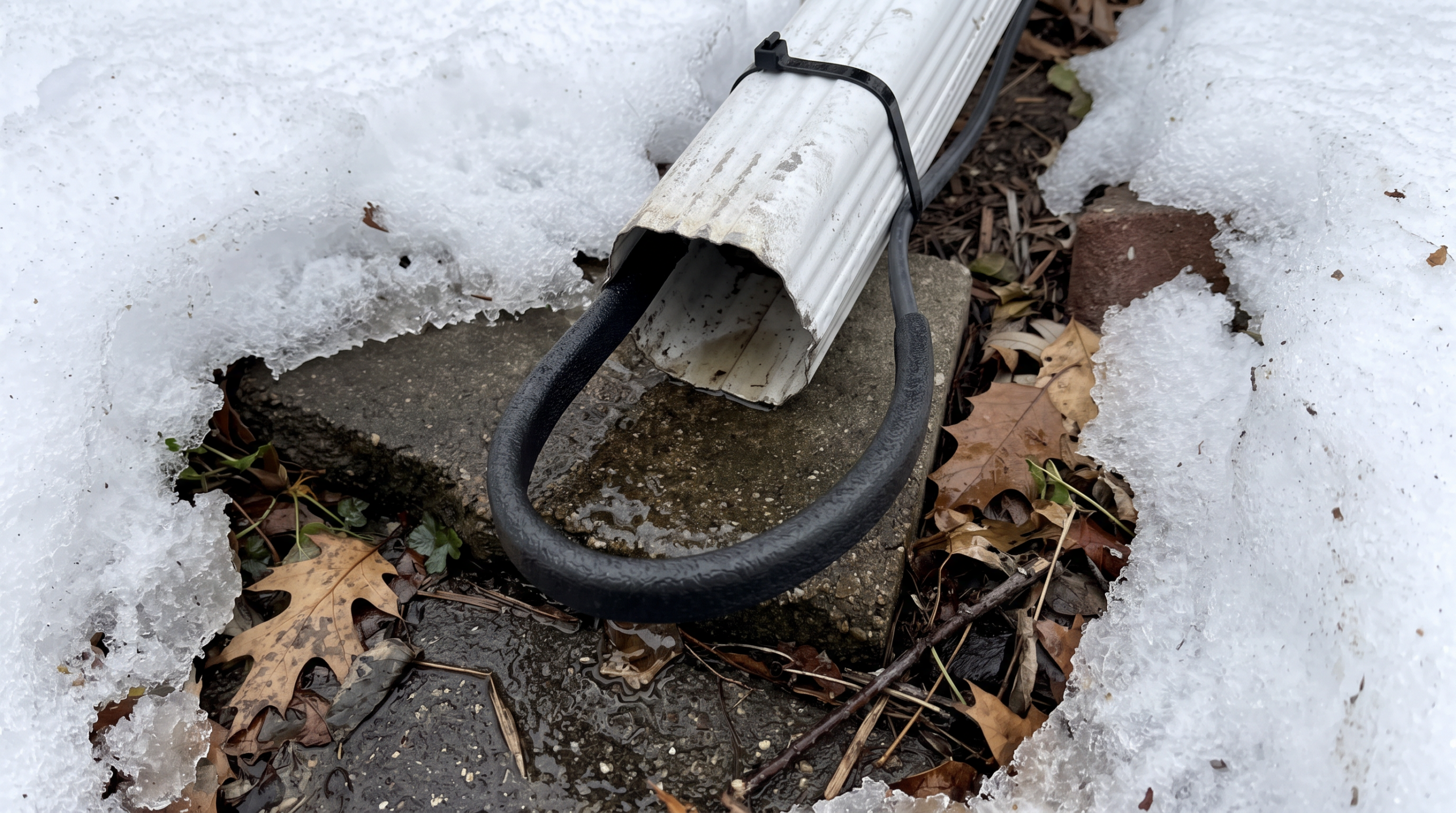
Heated cable loop preventing downspout from freezing in winter snow
A self-regulating heat cable loops through a downspout to keep water flowing during freezing temperatures.

What you get in Hopkins

  • Zig-zag sized properlyEave coverage measured against the actual cold overhang
  • Self-regulating cableOutput varies along the run; safe to overlap, cut to length on site
  • GFCI-protected circuitDedicated circuit and proper terminations, not an extension cord
Heated Roof & Gutter Cables in Hopkins, MN — specification
Service specification for Hopkins, MN
Dispatch windowSame day to 24 hours
ServiceHeated Roof & Gutter Cables in Hopkins, MN
DocumentationDated before and after photos, written scope in Xactimate line items
Removal methodLow-pressure steam only. No chipping, salt or pressure washing.
Coverage areaHopkins and Hennepin County
Local ice-barrier practiceEave membrane expected on re-roofs
Pricing modelBilled by the crew hour, rate quoted before dispatch

Hopkins Coverage and the Adjoining Communities

Crews working Hopkins cover the adjoining communities on the same route — Wayzata, Navarre, Saint Louis Park, Minnetonka Beach and Crystal Bay — so a storm week usually means one truck handling several addresses in Hennepin County rather than separate trips.

Nearest hub towns with their own heat cables pages: Minnetonka, St. Louis Park, Eden Prairie, Chanhassen, Plymouth, Edina.

Crews cover Hopkins and the surrounding Hennepin County towns through the whole season, and during a freeze event they run from first light until dark.

Most jobs do not stop at one service. Heat Cables in Hopkins often runs alongside ice dam removal in Hopkins, and both get written into one scope rather than billed as separate visits.

Active leak right now? Our 24/7 Hopkins steam ice dam removal crews are dispatched first during a freeze event. Call (888) 561-9664.
Conditions We Work In

Heated Roof & Gutter Cables In Practice

Conditions crews work in across Hennepin County. Every job is photographed before and after.

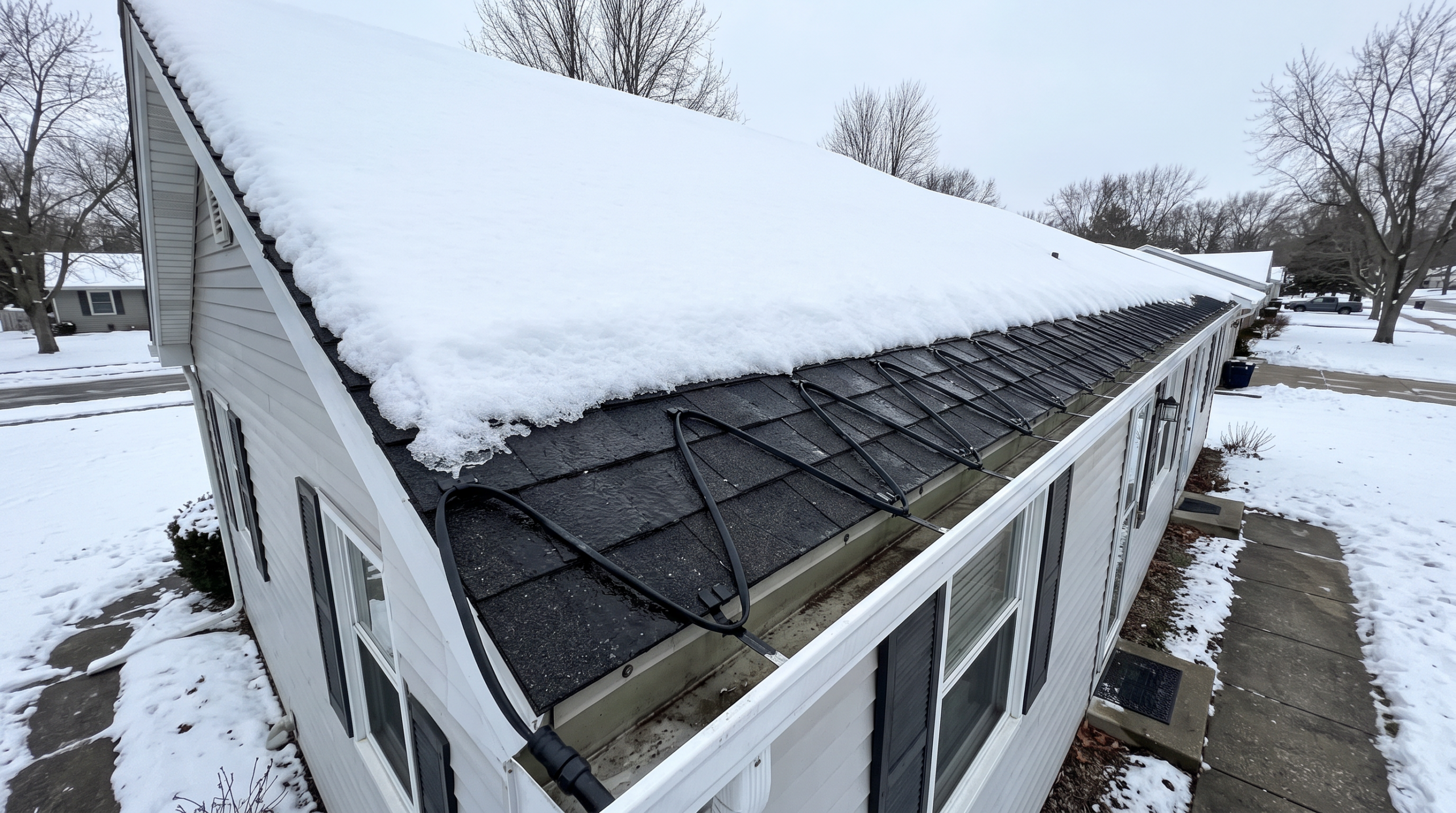
Heat cable installed along snow-covered roof eave and gutter in winter
Heat cables along the roof eave help prevent ice dams from forming during heavy winter snowfall.
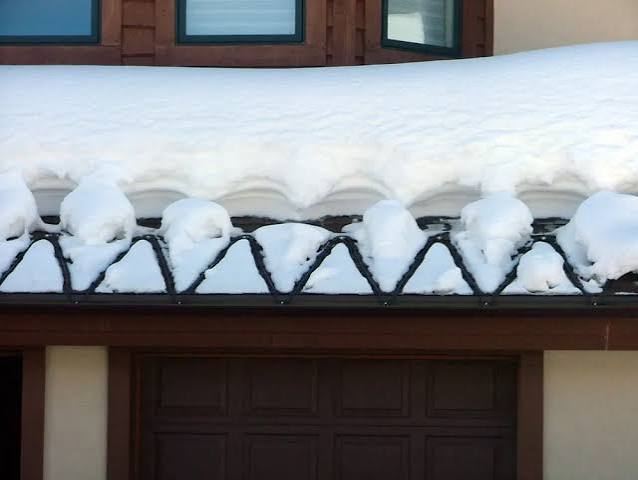
Electric heat cable zigzagging along snowy roof edge for ice dam prevention
A self-regulating heat cable installed along a roof's lower edge helps prevent destructive ice dams from forming.
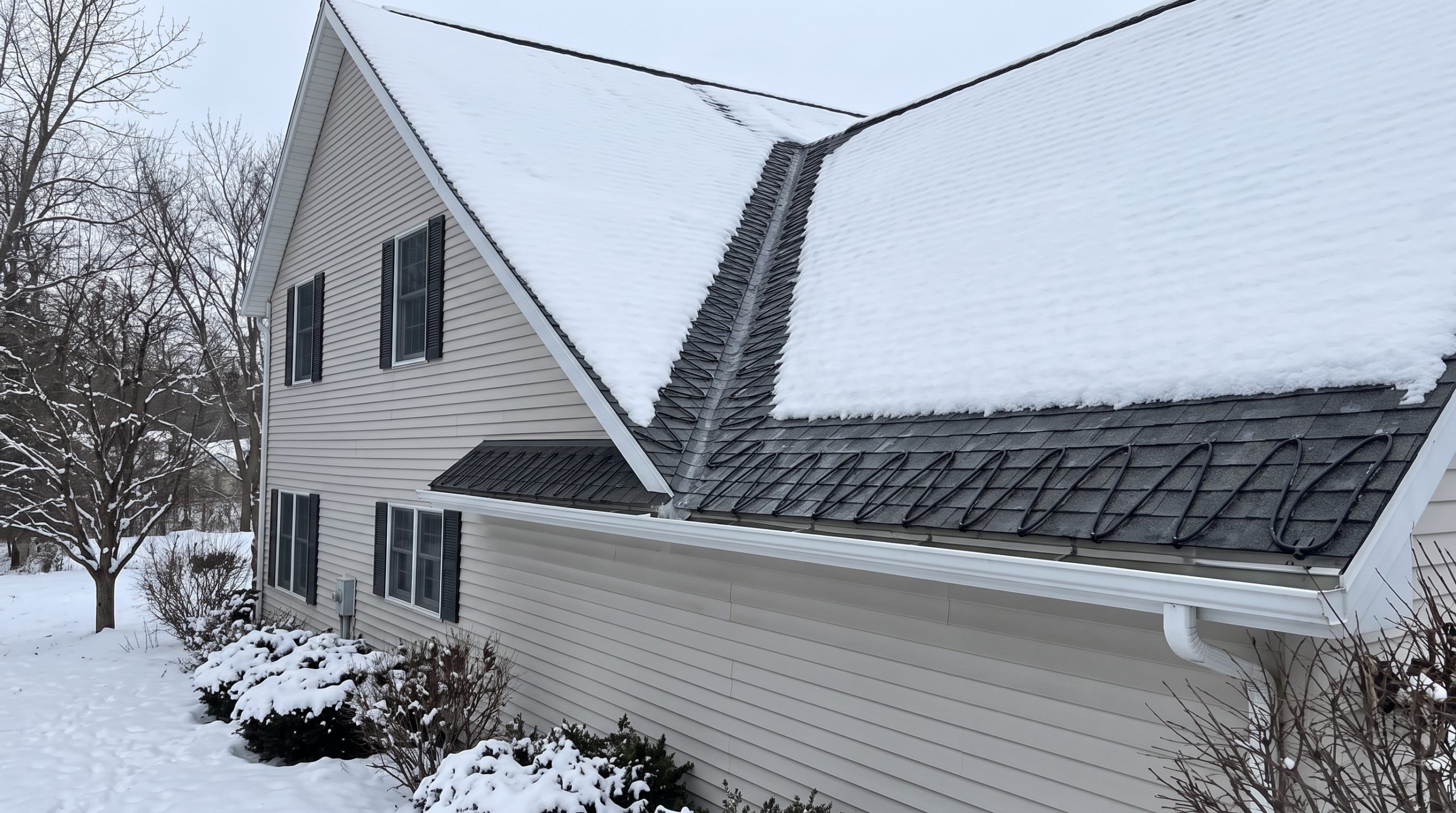
Roof valley with heat cable preventing ice dams on snow-covered house
Heat cables installed along a roof valley keep ice dams from forming during heavy snowfall.
FAQ

Hopkins and Hennepin County FAQ

It is billed by the crew hour, and the rate plus a realistic time estimate are quoted on the phone before anyone is dispatched.

  • Scope drives the hours: length and thickness of the ice, roof pitch and height, and whether the gutters are frozen solid.
  • Access matters too — a three-story Hopkins roof takes longer to set up on than a ranch.
  • The invoice matches the quote. There are no surprise add-ons written on the tailgate.

More than it looks from the ground - a foot-deep dam across a thirty-foot eave is a few thousand pounds.

  • Depth is measured at the eave rather than estimated from the driveway.
  • The gutter trough underneath is usually frozen solid too and is part of the same mass.
  • That weight is one of the reasons chipping at it from a ladder goes badly.

The crew hours on site, the equipment and the photo documentation - with the rate and an estimate given on the phone beforehand.

  • Travel to a Hopkins address inside the normal service area is not an added line.
  • If the roof turns out worse than described, you are told before the extra hours are worked.
  • The invoice matches what was quoted. Nothing gets added on the tailgate.

Only where there is interior damage to document or dry. Pure exterior removal happens entirely from outside.

  • If water has come in, seeing it is what makes the claim documentation worth anything.
  • Attic access helps identify the heat source but is not required for removal.
  • Nobody needs to be home for exterior-only work, provided access and payment are arranged.

Yes. Steam is safe on slate, cedar shake, tile and metal as well as asphalt, because it removes ice with heat rather than force.

  • Older Hopkins housing stock with original slate is exactly where chipping does the most damage.
  • Crews adjust the lance distance and dwell rather than the pressure.
  • Nothing mechanical touches the covering at any point.

A designed system on a complete drain path does. A box-store kit stapled along the first few feet of eave with no gutter or downspout trace mostly does not — it opens a channel that ends in a block of ice. Layout is the difference between the two.

No. Heat trace keeps a drainage path open through ice that is still forming; it does not address the attic heat loss causing it, and it uses electricity rather than saving it. The permanent fix is air sealing and insulation. Cable is the backstop for the eaves and valleys that stay cold whatever you do.

Nearby

Heat Cables In Towns Around Hopkins

Same-Day Response

Get A Hopkins Crew Out

Every freeze-thaw cycle adds another layer to the dam and pushes a little more water under the shingles. That clock is already running.

✓ Licensed & insured✓ Low-pressure steam only✓ Rate quoted up front✓ Photos for your claim
Online Quote(888) 561-9664