



Plymouth Ice Dams: What Lake-Effect Snow Does to an Eave
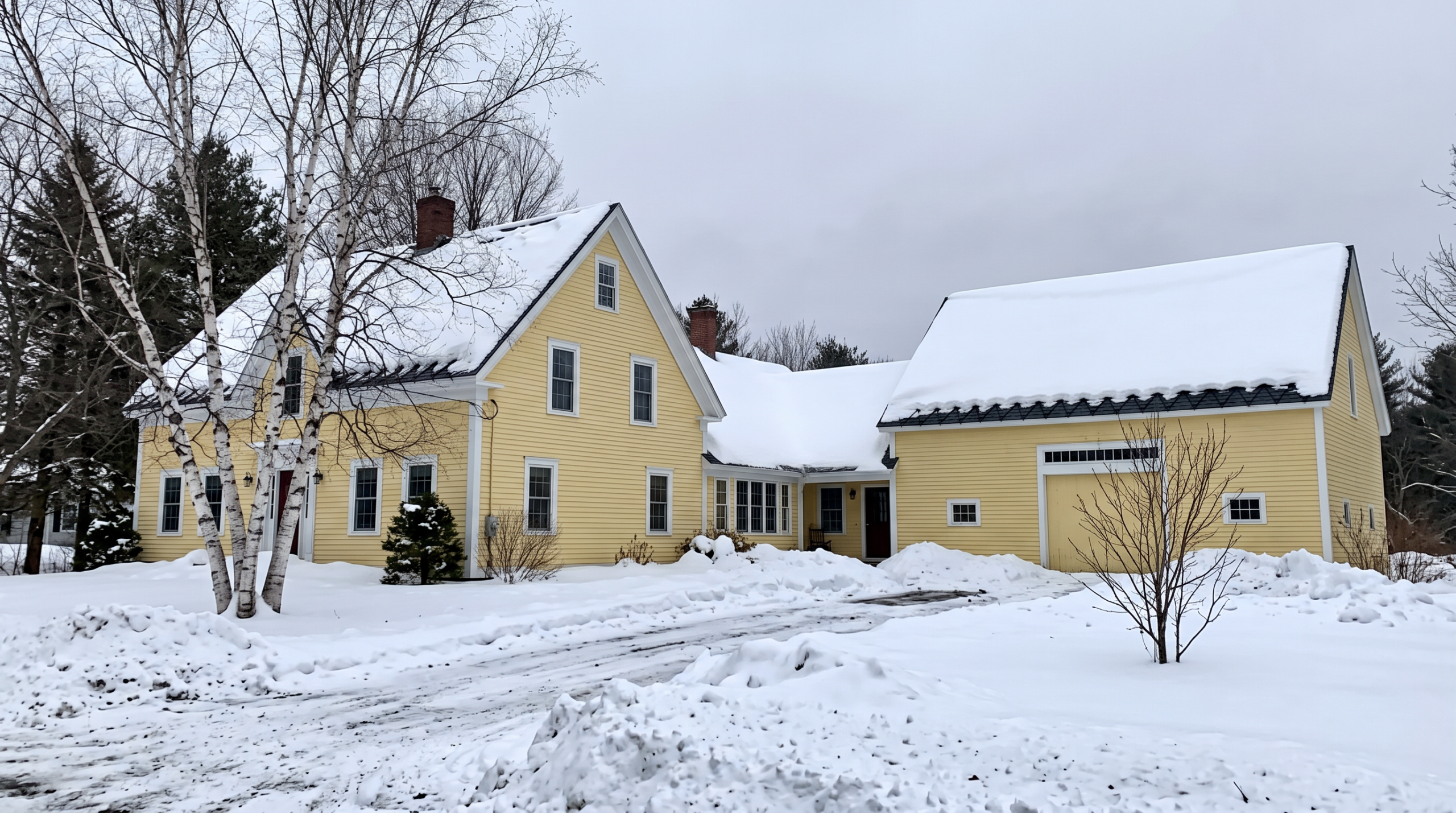
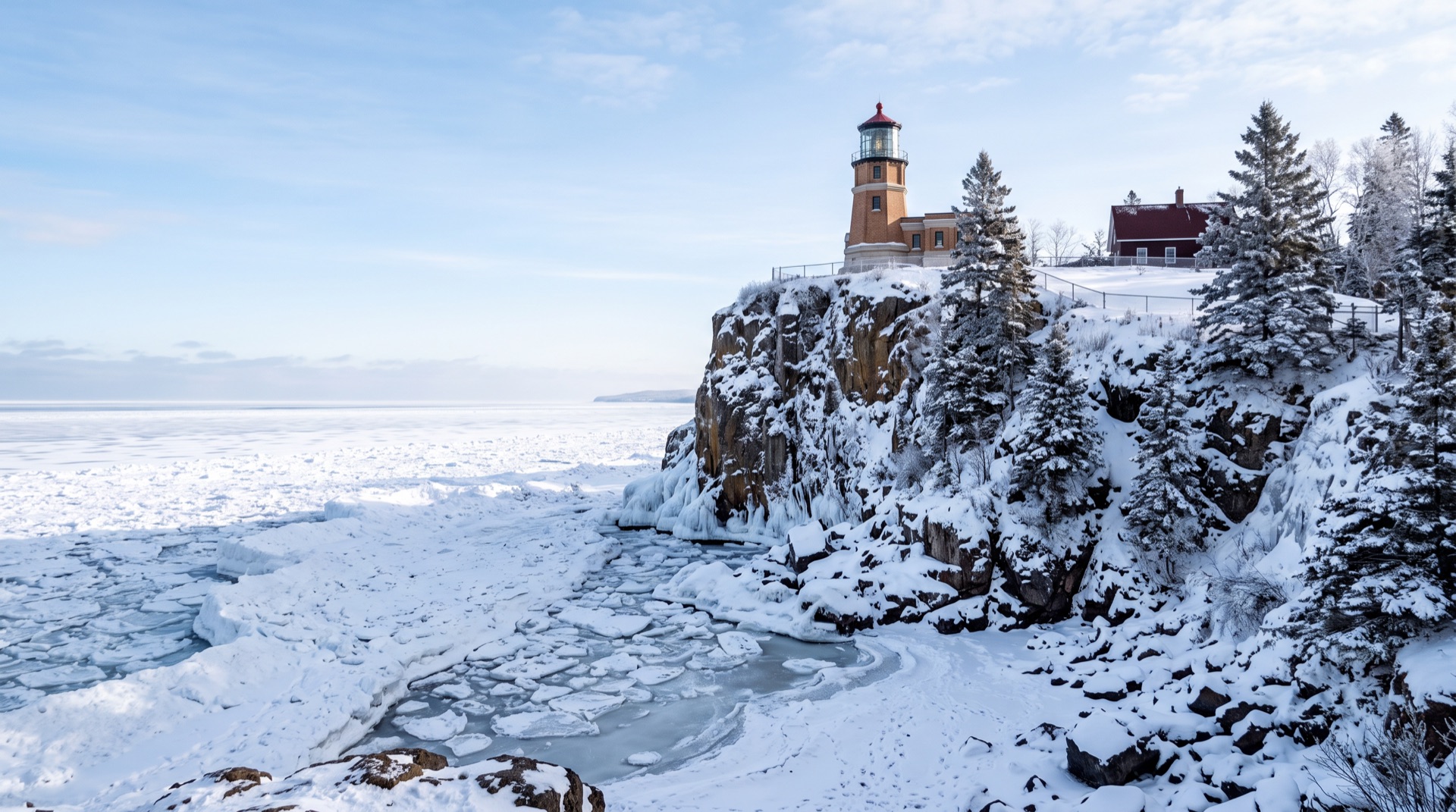
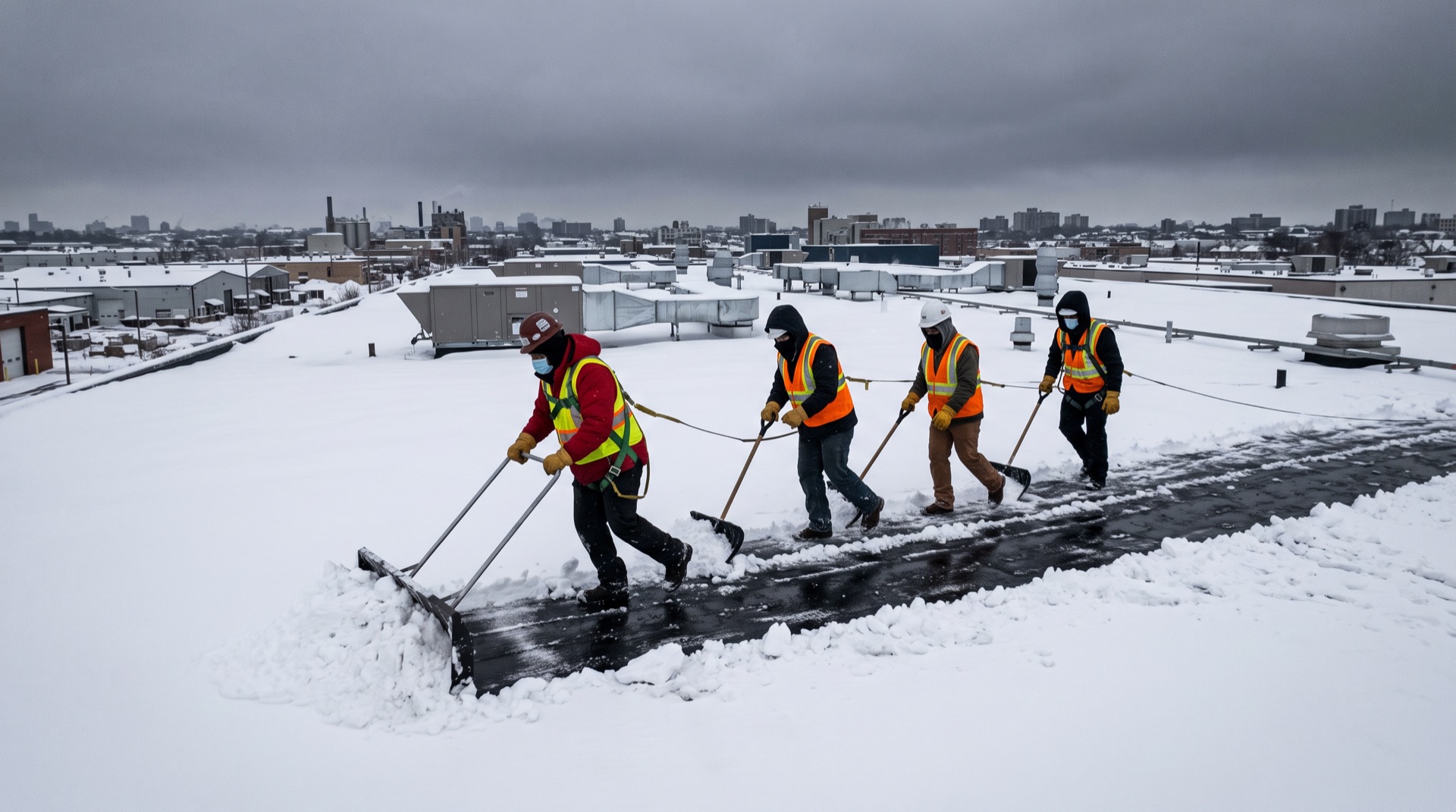
What makes Hennepin County roofs dam is not the seasonal total, it is how the snow arrives. Bands dump a heavy, saturated pack in hours, and that pack becomes a water reservoir sitting on a heated surface.

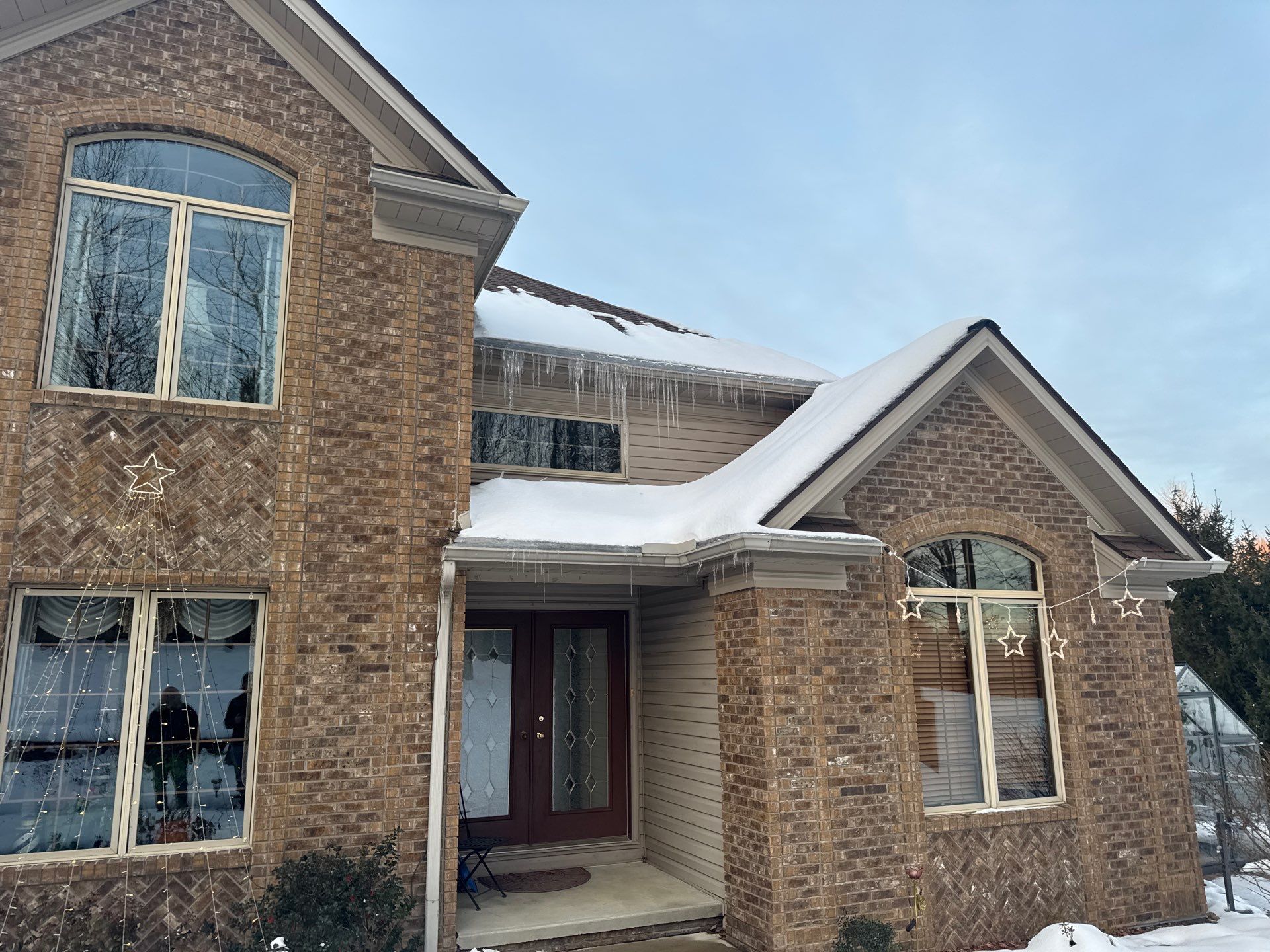
What turns that pack into a dam is the house underneath it. Warm air finds its way into the attic, the underside of the snow melts, and the water travels to an overhang that has no heated space below it. There it stops.
Ice-barrier practice in Hennepin County
Ice-barrier membrane at the eaves is standard practice across the lake-effect counties, and most Minnesota jurisdictions enforce it on re-roofs. If your roof predates that, the eave has nothing under the shingles holding water out.
How We Work a Plymouth Ice Dam
The first pass is assessment: eaves, valleys, gutter line and any interior staining, all photographed with timestamps. You see what the crew sees, and the rate and likely hours are agreed before work begins.
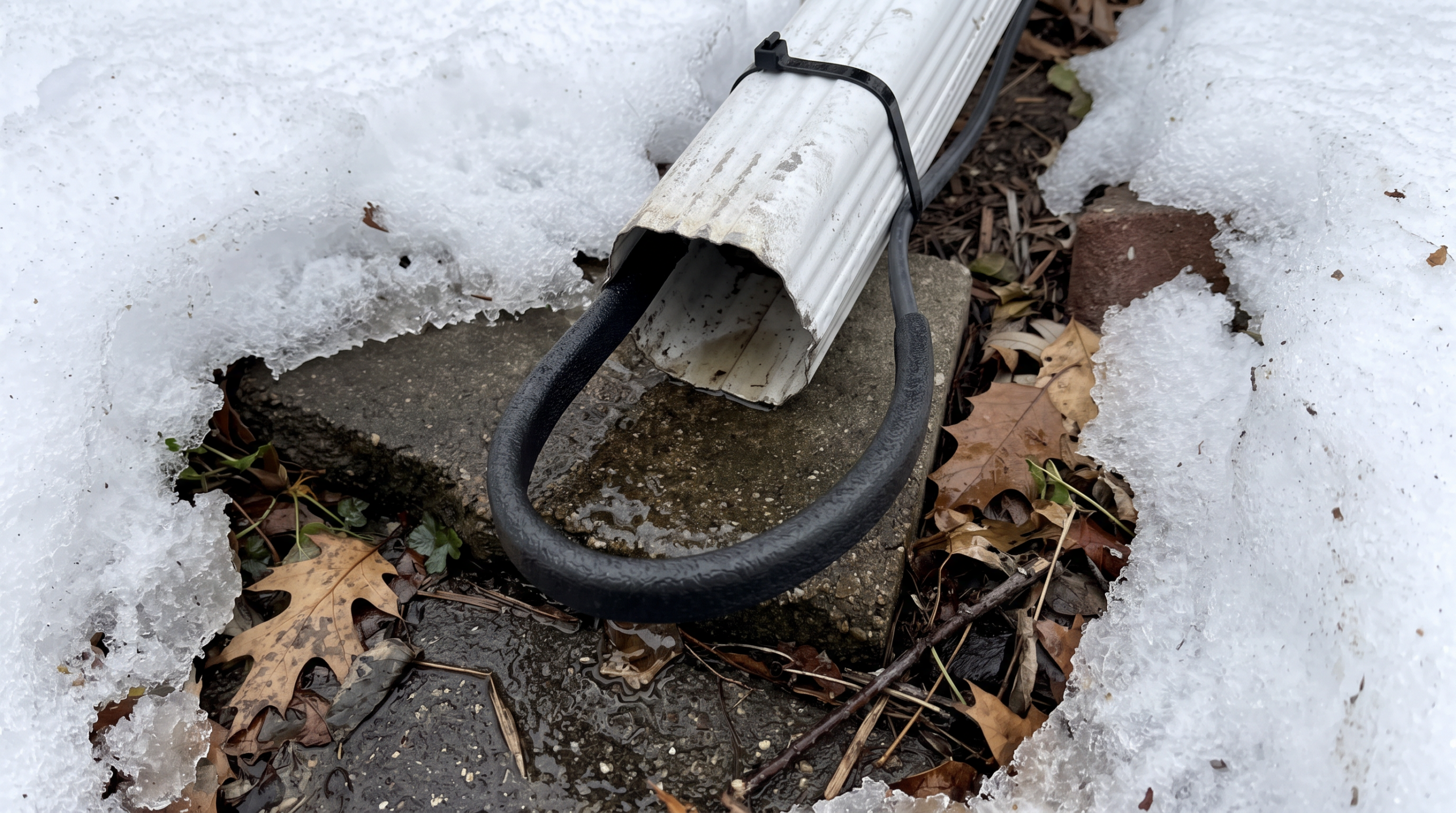
Steam then takes the dam off in sections, prioritizing wherever water is actively backing up behind it. The gutter trough and downspout are cleared through to daylight on the same visit, because a clear eave over a frozen gutter is a temporary fix.
Access, ladders and what the crew needs on site
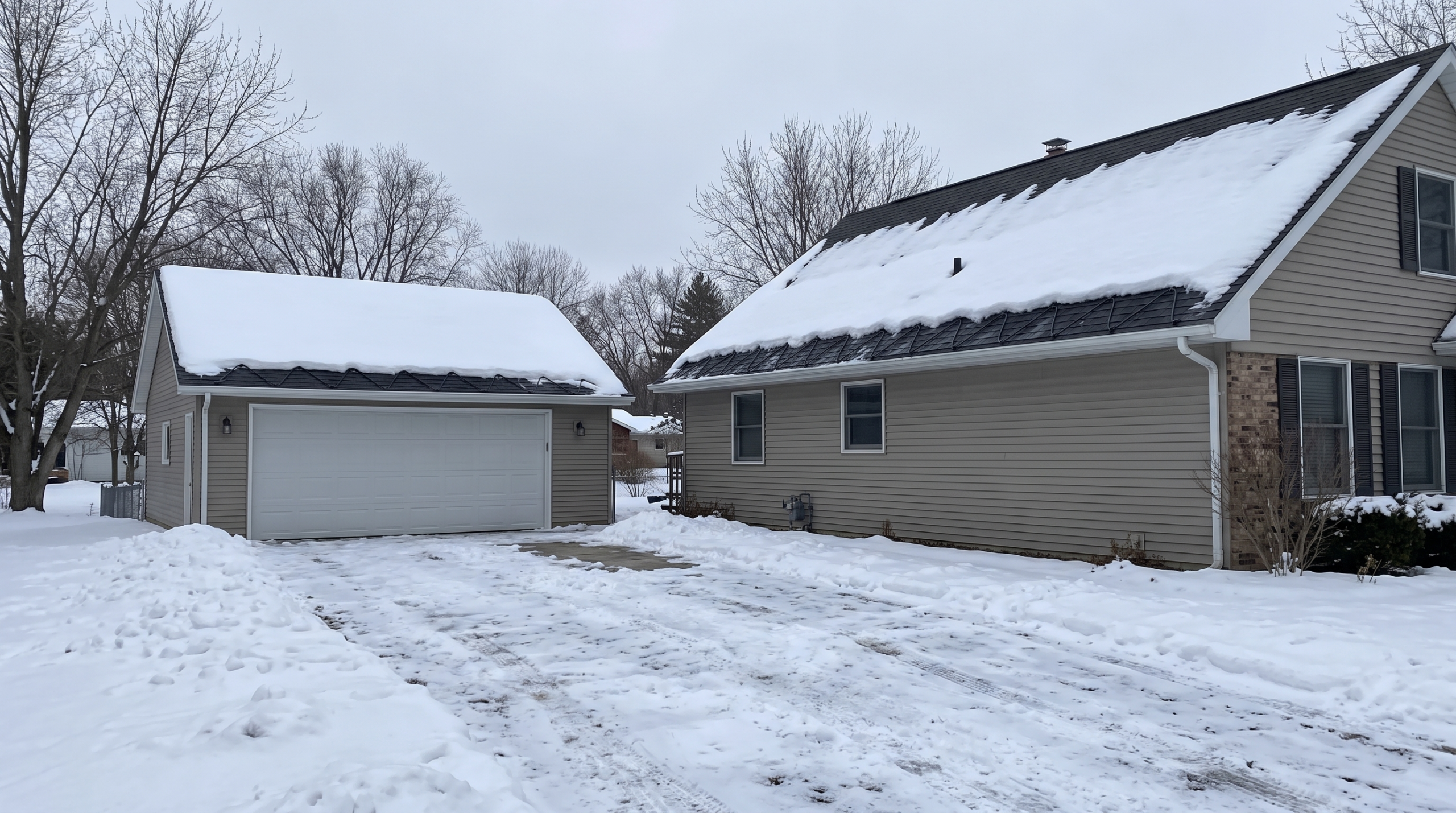
Steam equipment needs somewhere to park within hose reach, and ladders need footing that is not a buried flower bed or a sheet of ice. Clearing a path to the affected eave, moving vehicles off the driveway and unlocking a side gate takes ten minutes and saves considerably more than that on the clock.
Where the only access is through a neighbor's property, that conversation is worth having before the crew is in the street rather than while it waits.
Why the dam formed in the first place
Ice dams are a heat problem wearing a weather costume. Warm air escaping into the attic melts snow on the upper roof; that meltwater runs to the eave, which hangs past the heated envelope and stays below freezing; it refreezes there, and the ridge of ice grows a layer every cycle. Removal is the emergency fix. Before the crew leaves you will know which part of your attic is feeding it.
What happens after the ice is off
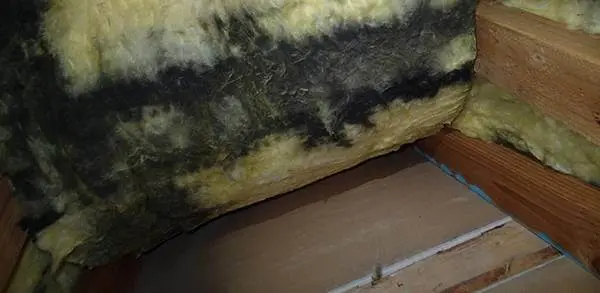
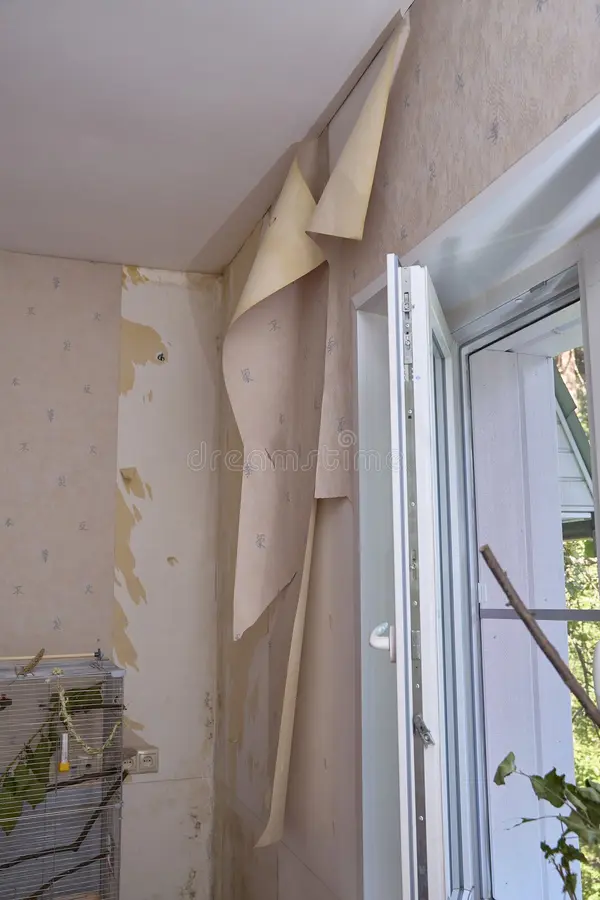
Once the eave is clear and water is draining, the crew walks the interior with you where there is visible damage and says plainly whether it needs drying. Wet insulation and a damp ceiling cavity do not resolve themselves in a cold Plymouth February.
If it does, that is a separate scope and it gets written separately — nobody is upsold a dryout on the strength of one damp patch.
| Pricing model | Billed by the crew hour, rate quoted before dispatch |
|---|---|
| Service | Ice dam removal in Plymouth, MN |
| Dispatch window | Same day to 24 hours |
| Local ice-barrier practice | Eave membrane expected on re-roofs |
| Primary climate stressor | Lake-effect bands, wet heavy pack |
| Typical scope | Steam, 6-12 crew hours typical |
| Documentation | Dated before and after photos, written scope in Xactimate line items |
Plymouth Coverage and the Adjoining Communities
Crews working Plymouth cover the adjoining communities on the same route — Wayzata, Navarre, Long Lake, Osseo and Crystal Bay — so a storm week usually means one truck handling several addresses in Hennepin County rather than separate trips.
Nearest hub towns with their own crew pages: Maple Grove, Golden Valley, Hopkins, Minnetonka, Brooklyn Park, St. Louis Park.
During a cold snap Plymouth gets worked alongside the neighboring Hennepin County towns on the same route, with active interior leaks moved to the front of the list.
Water through a ceiling in Plymouth is a same-day call, not a next-week one. (888) 561-9664 goes straight to dispatch.