


The Hennepin County Pattern: Heavy Bands, Fast Thaws
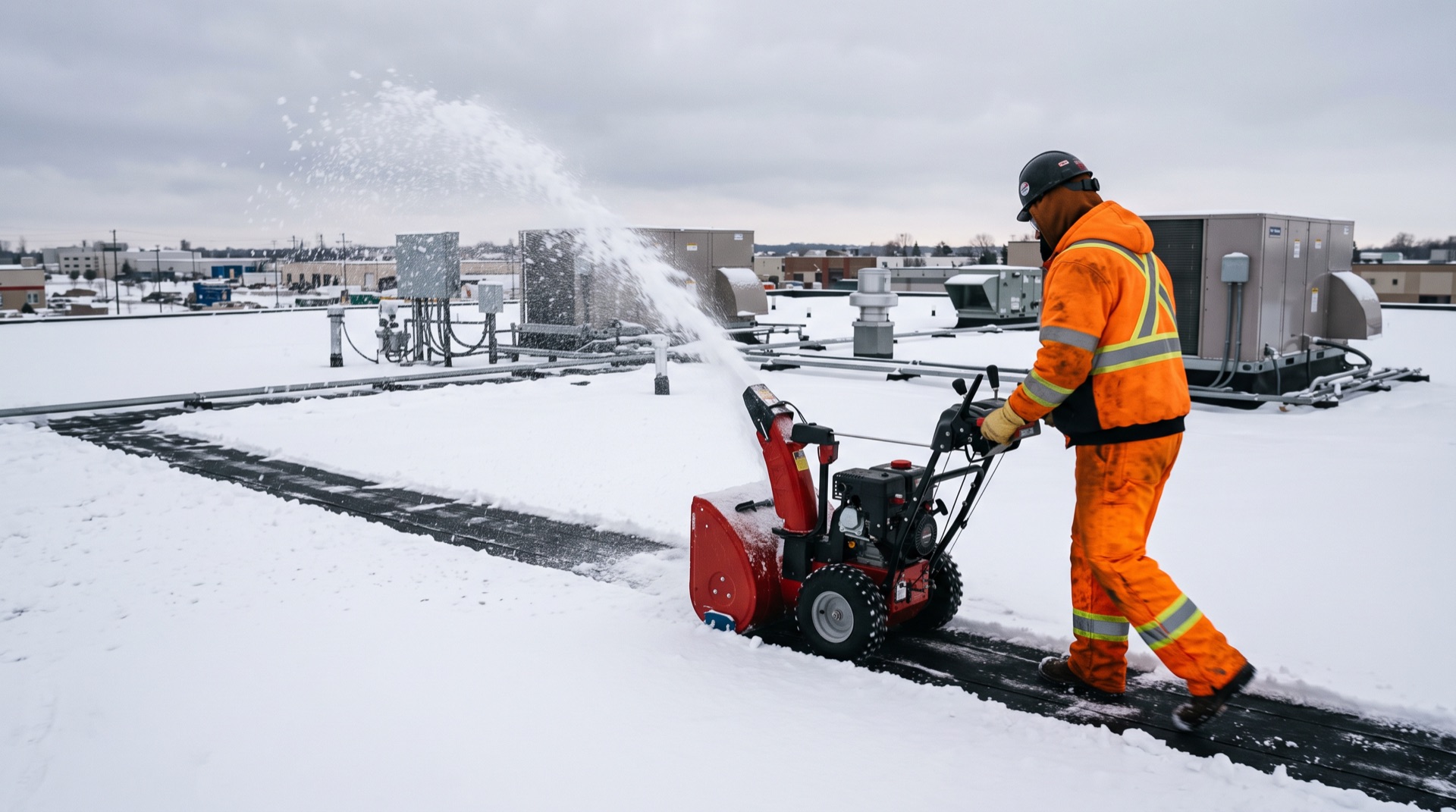
Lake-effect snow arrives in bands rather than fronts, which is why Brooklyn Park can take a foot overnight while a town twenty miles inland takes two inches. It falls wet, it compacts fast, and it does not blow off.

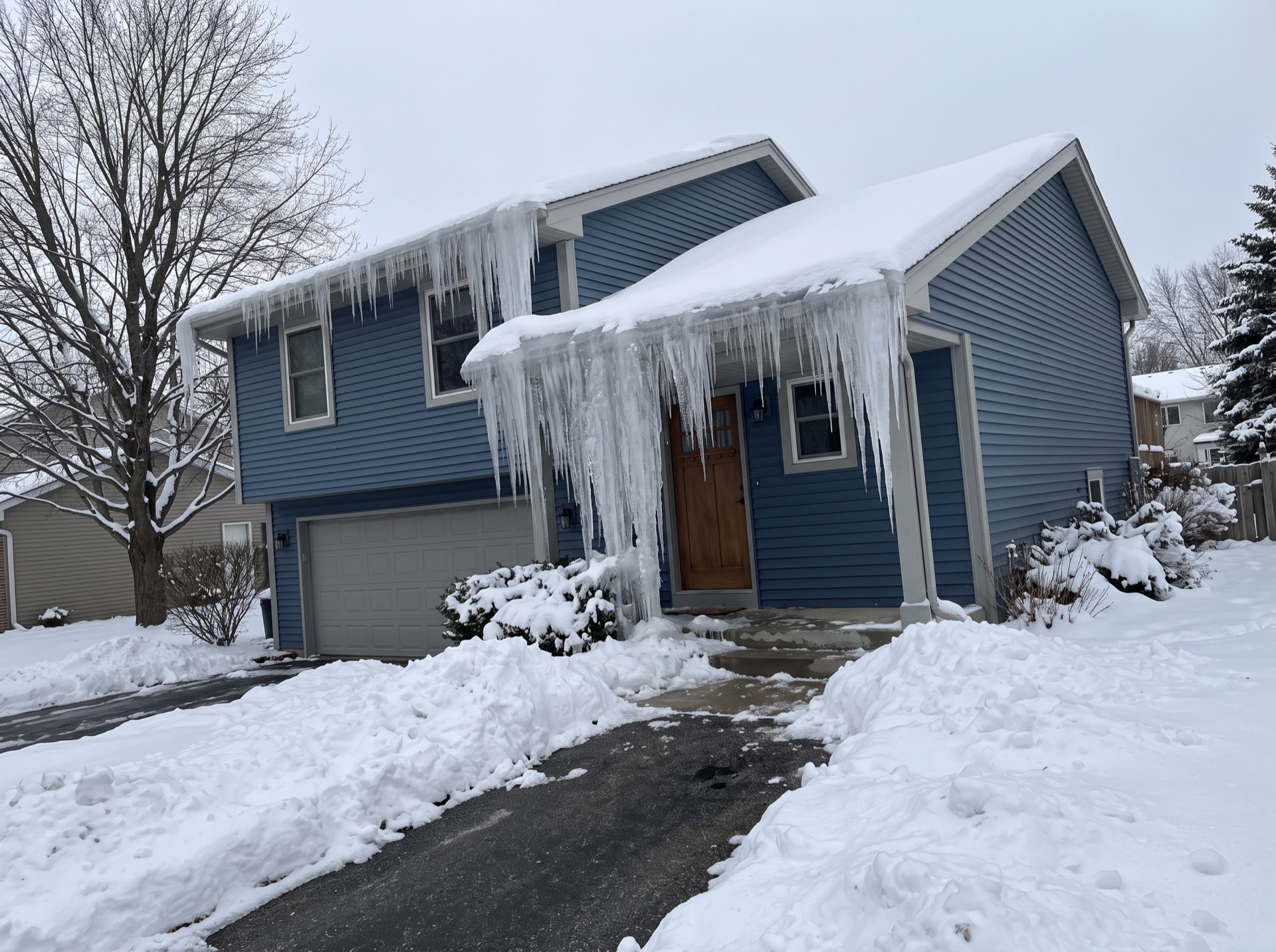
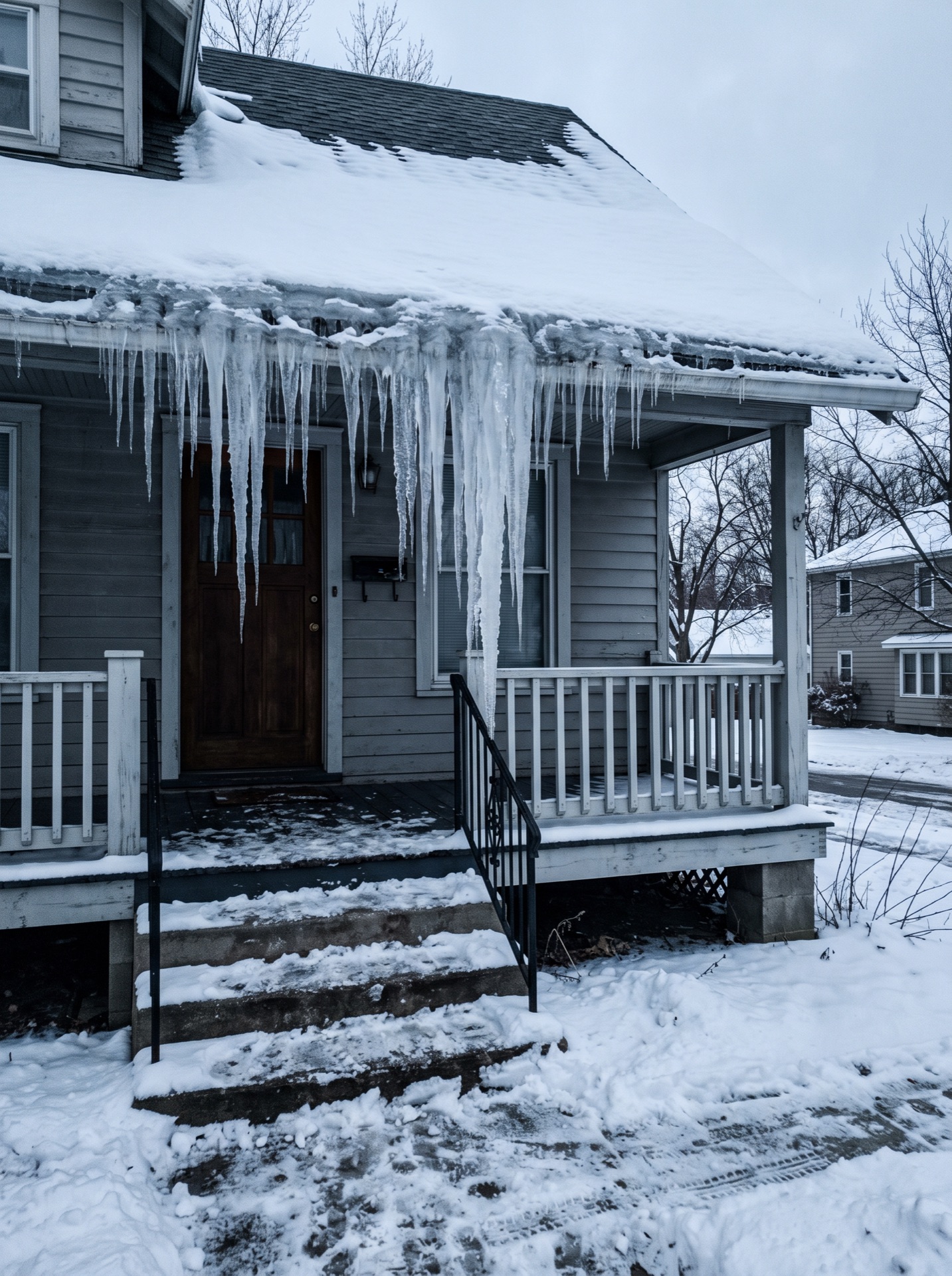
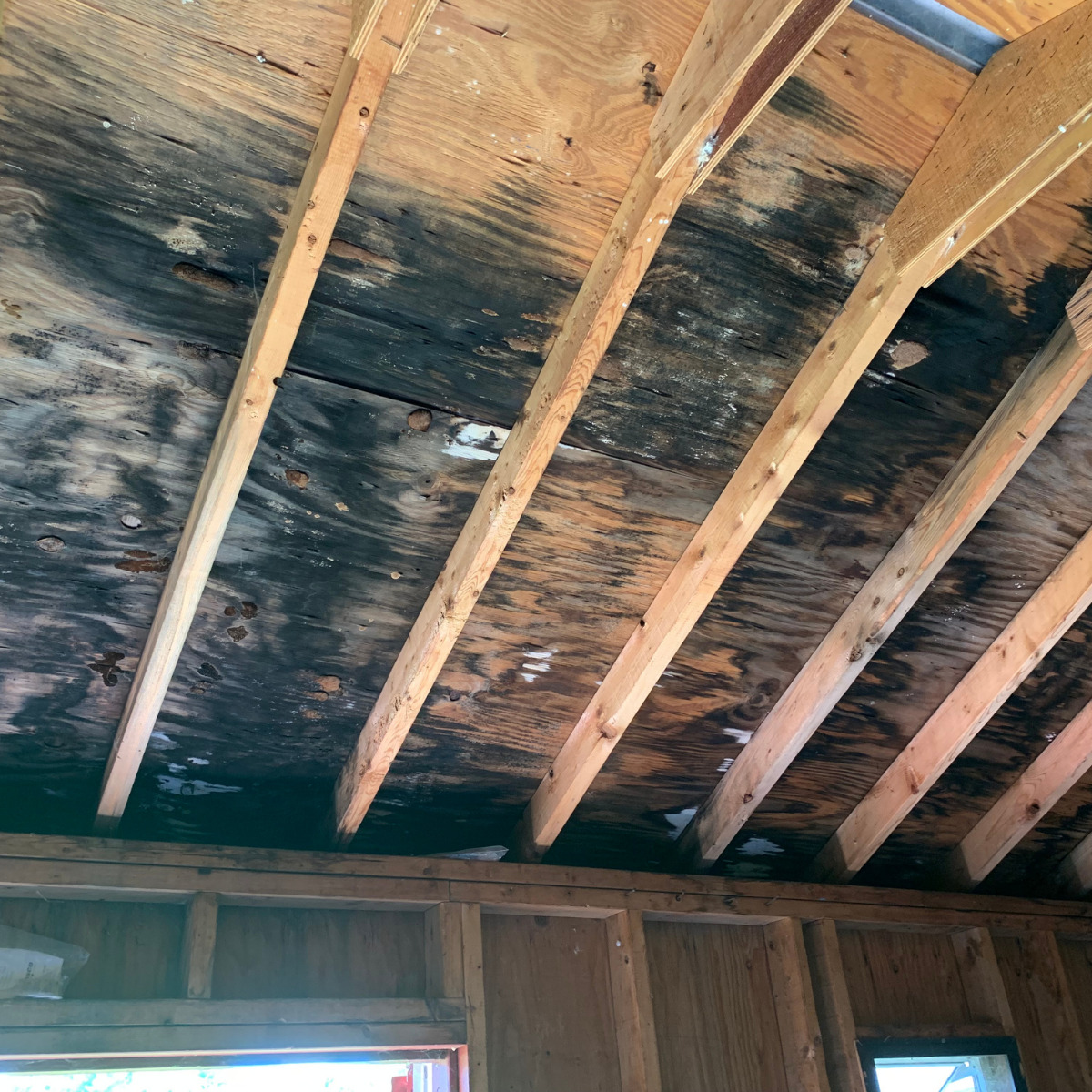
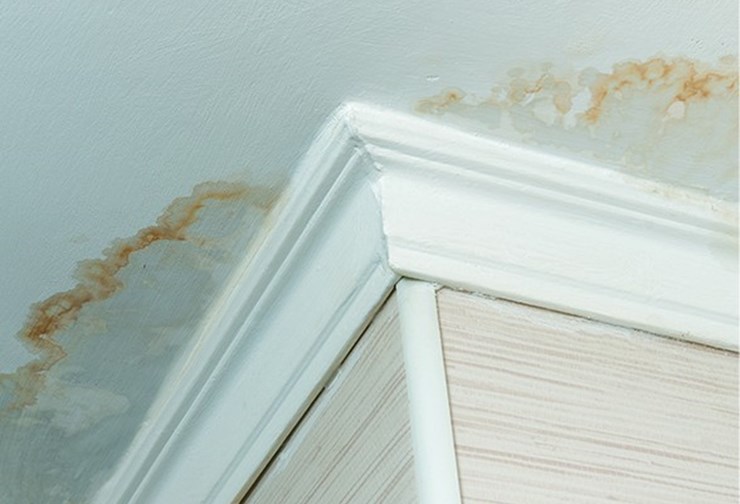
The damage comes on the thaw. Warm air leaking into the attic melts the underside of that pack, the meltwater runs to an eave that is still well below freezing, and it sets. Repeat that four or five times in a January and the ridge of ice at the gutter line stops being cosmetic.
Ice-barrier practice in Hennepin County
What matters on a Brooklyn Park roof is not whether ice barrier exists but how far up it runs. Water backed up behind a foot of ice travels much further than the first course, and a membrane that stops short is a membrane that stops working.
The Brooklyn Park Dispatch Process, Step by Step
Nothing gets touched until the roof has been walked and photographed. The crew finds every dam, locates where water is getting in, shows you, and gives you the crew-hour rate and a time estimate before the equipment comes off the truck.
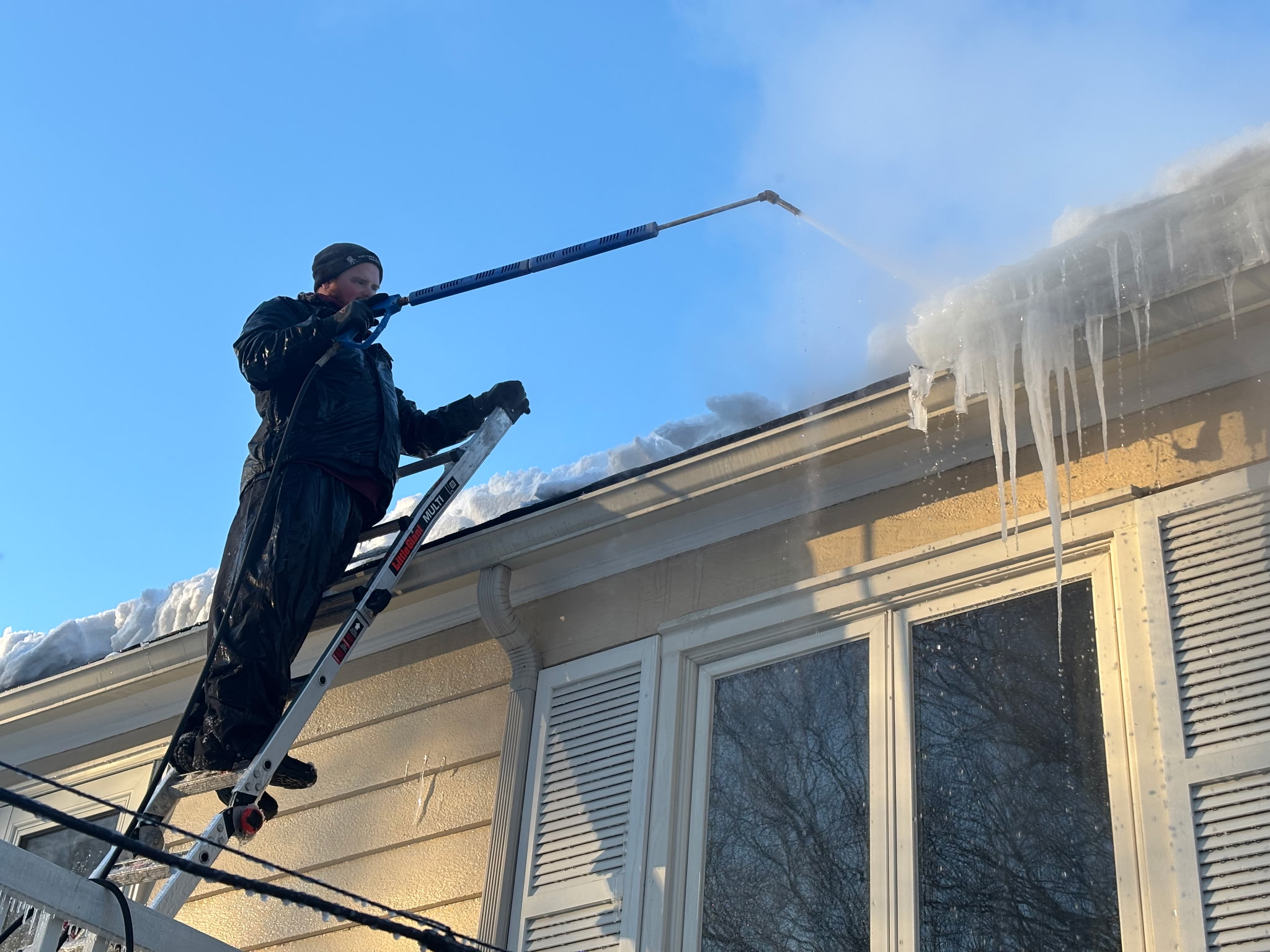
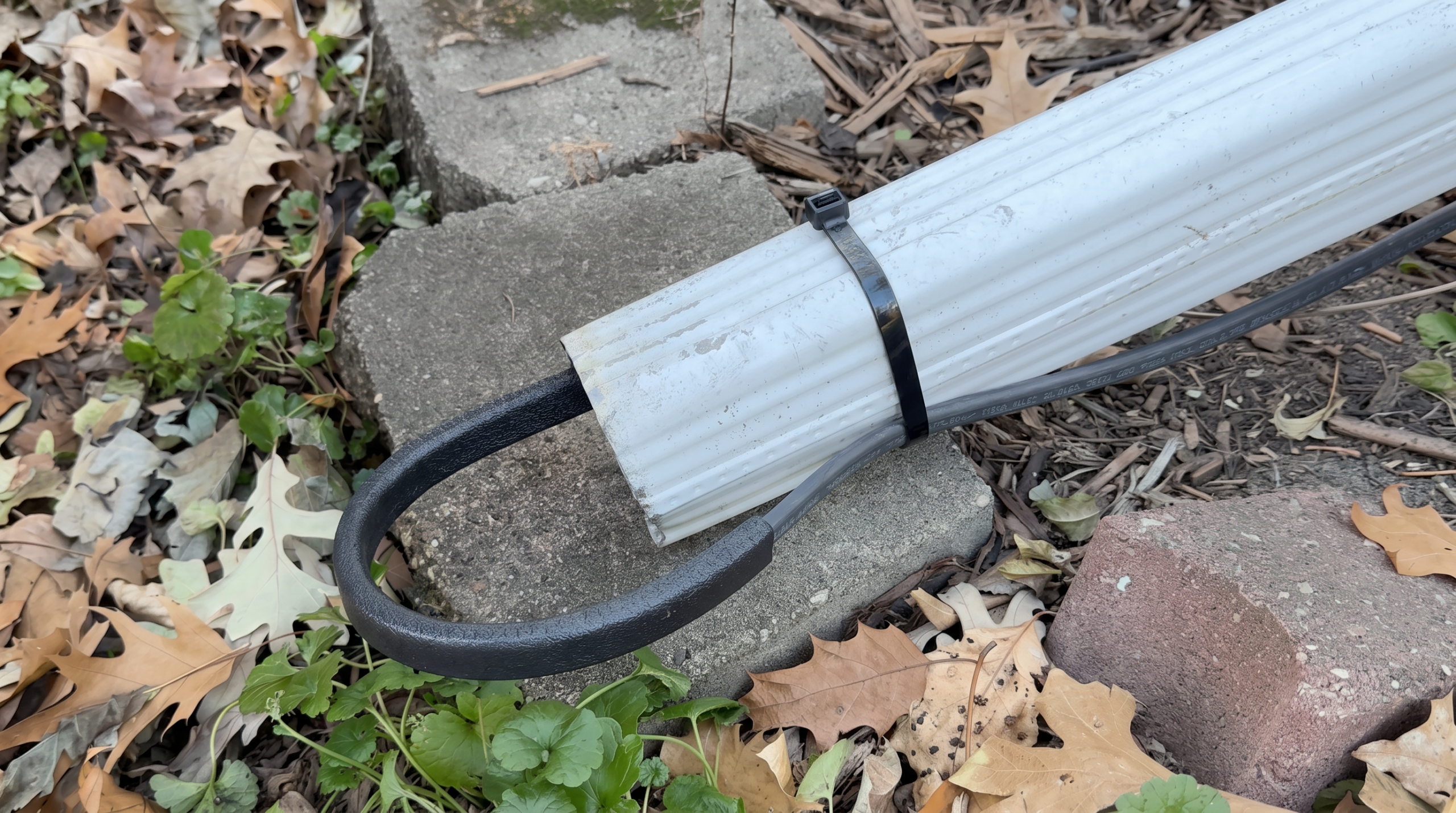
Removal then works from the worst point outward, so water starts draining early rather than at the end. Gutters and downspouts frozen solid get steamed through in the same visit — leaving them means the eave dams again within days.
Dormers, valleys and dead spots
Ice does not distribute evenly. It concentrates where two roof planes meet, behind dormers, in dead valleys that drain nowhere, and along the north face that never sees sun. Those pockets hold water deepest and leak first.
A crew working a roof in Brooklyn Park clears the full eave line and then goes back through the valleys and dormer pockets specifically, because clearing the easy straight run and calling it done is how a roof leaks again a week later.
What steam actually does
A steam unit delivers water at roughly 290°F at a pressure low enough to rest your hand in the plume. It cuts a channel straight through the ice and lifts the dam off in sections, right down to the shingle. The heat does the work, not force, so granules, seal strips and flashing come through untouched.
That is the whole difference between steam and the hot pressure washers often sold as steam. A pressure washer cuts ice fast because of its pressure — and that same pressure strips the granules off asphalt shingles and drives water up under the courses. One method removes ice. The other removes ice and roof.
Access, ladders and what the crew needs on site
Steam equipment needs somewhere to park within hose reach, and ladders need footing that is not a buried flower bed or a sheet of ice. Clearing a path to the affected eave, moving vehicles off the driveway and unlocking a side gate takes ten minutes and saves considerably more than that on the clock.
Where the only access is through a neighbor's property, that conversation is worth having before the crew is in the street rather than while it waits.
| Primary climate stressor | Lake-effect bands, wet heavy pack |
|---|---|
| Removal method | Low-pressure steam only. No chipping, salt or pressure washing. |
| Coverage area | Brooklyn Park and Hennepin County |
| Local ice-barrier practice | Eave membrane expected on re-roofs |
| Documentation | Dated before and after photos, written scope in Xactimate line items |
| Typical scope | Steam, 6-12 crew hours typical |
| Dispatch window | Same day to 24 hours |
Where We Dispatch Around Brooklyn Park
Crews working Brooklyn Park cover the adjoining communities on the same route — Champlin, Osseo, Dayton, Anoka and Hamel — so a storm week usually means one truck handling several addresses in Hennepin County rather than separate trips.
Nearest hub towns with their own crew pages: Coon Rapids, Fridley, Maple Grove, Golden Valley, Blaine, Plymouth.
Coverage runs across Brooklyn Park and the nearby towns all winter, and capacity is surged into whichever Minnesota market the storm actually hits.
Water coming in right now in Brooklyn Park? Call (888) 561-9664. Active interior leaks go to the front of the schedule.