




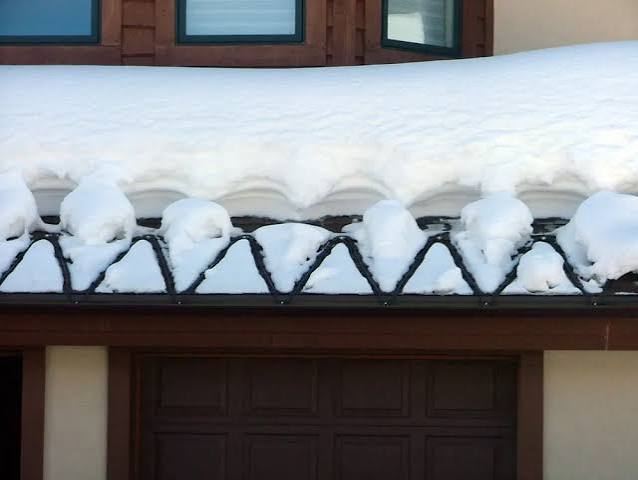
Why Hopkins Roofs Dam Up: Lake-Effect Load and Freeze-Thaw
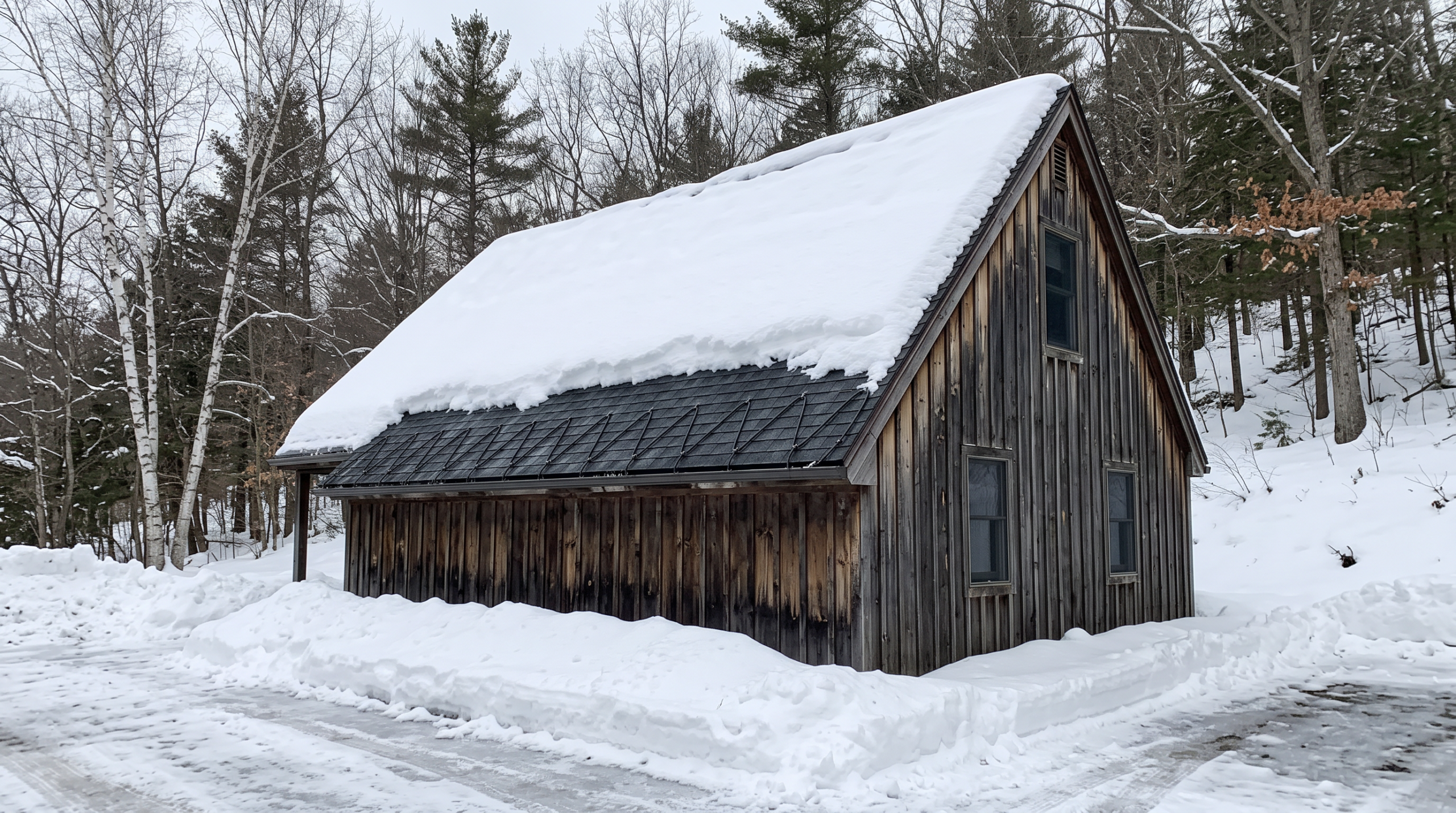
Lake-effect snow arrives in bands rather than fronts, which is why Hopkins can take a foot overnight while a town twenty miles inland takes two inches. It falls wet, it compacts fast, and it does not blow off.

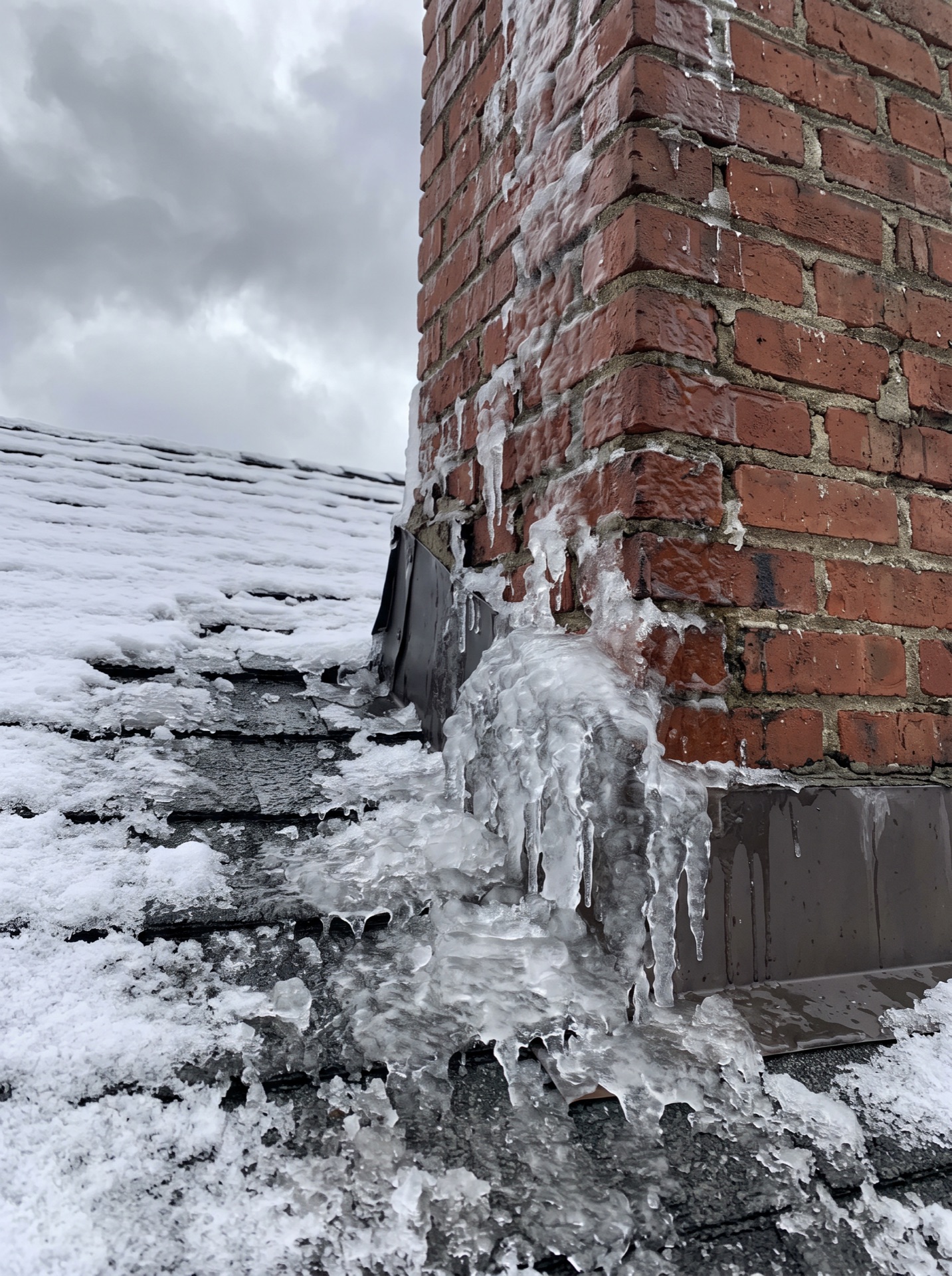
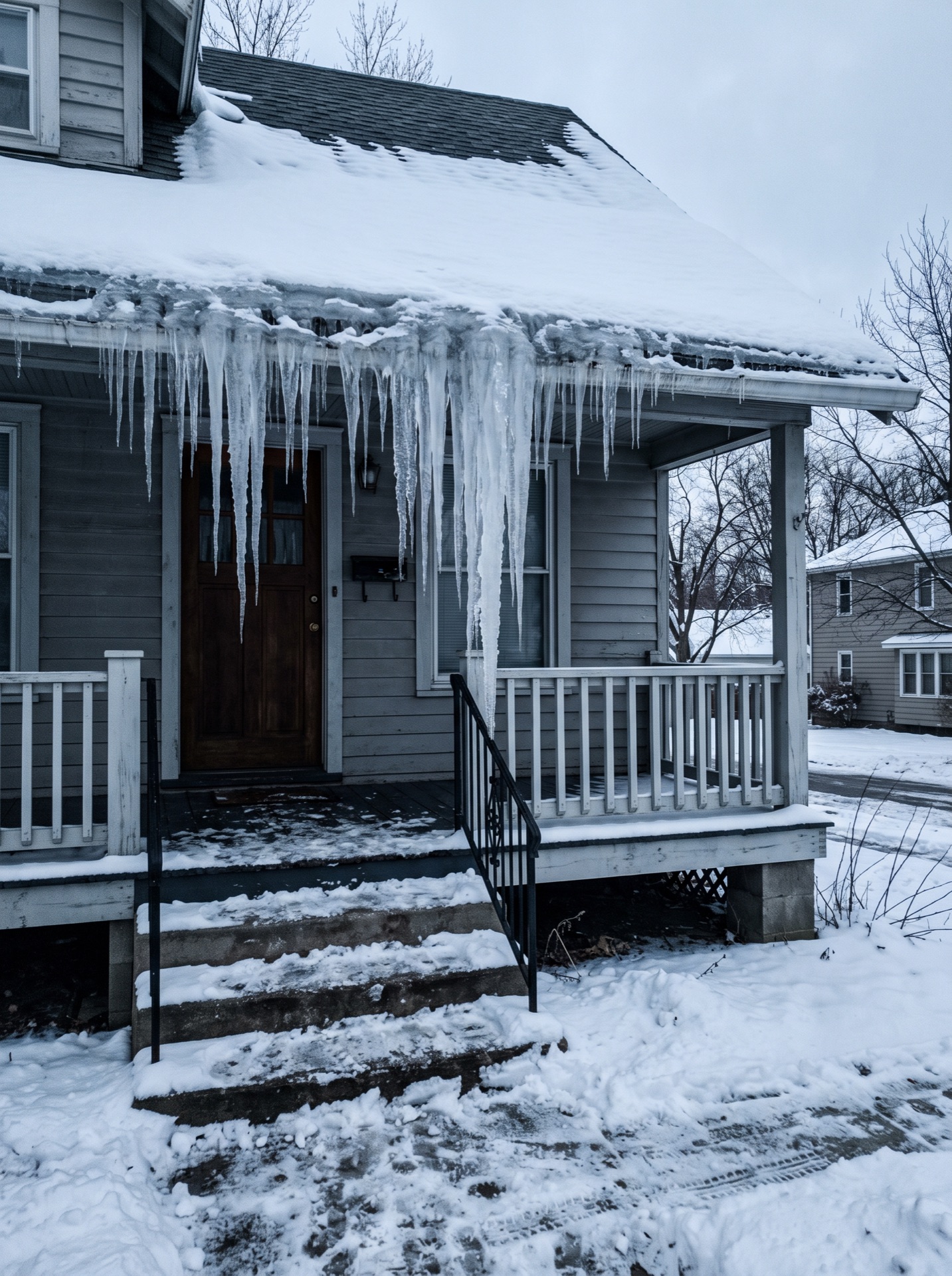
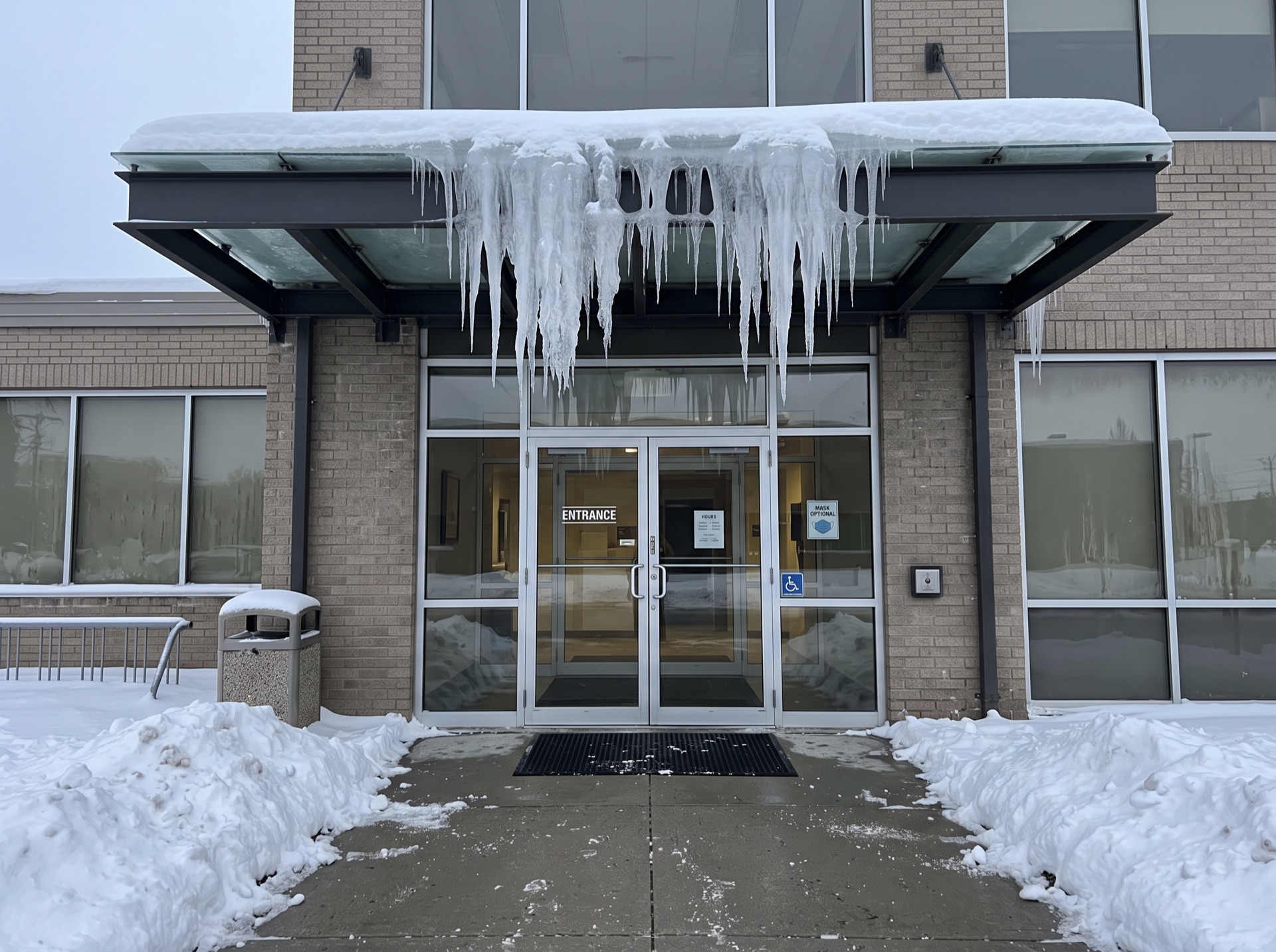
Melting happens from underneath, not from the sun. Attic heat releases water under the pack, it runs to the overhang where there is no heated space below, and it freezes. That is the engine, and in Hopkins it runs most of the winter.
Ice-barrier practice in Hennepin County
Most Hennepin County building departments expect self-adhering ice barrier at the eaves on any re-roof permit. The houses that leak are generally the ones last roofed before that became routine.
How We Work a Hopkins Ice Dam
Crews walk the eaves, valleys and gutter line first and photograph every dam and every point where water is tracking inside, before touching anything. You get shown what they found and quoted the crew-hour rate before work starts.
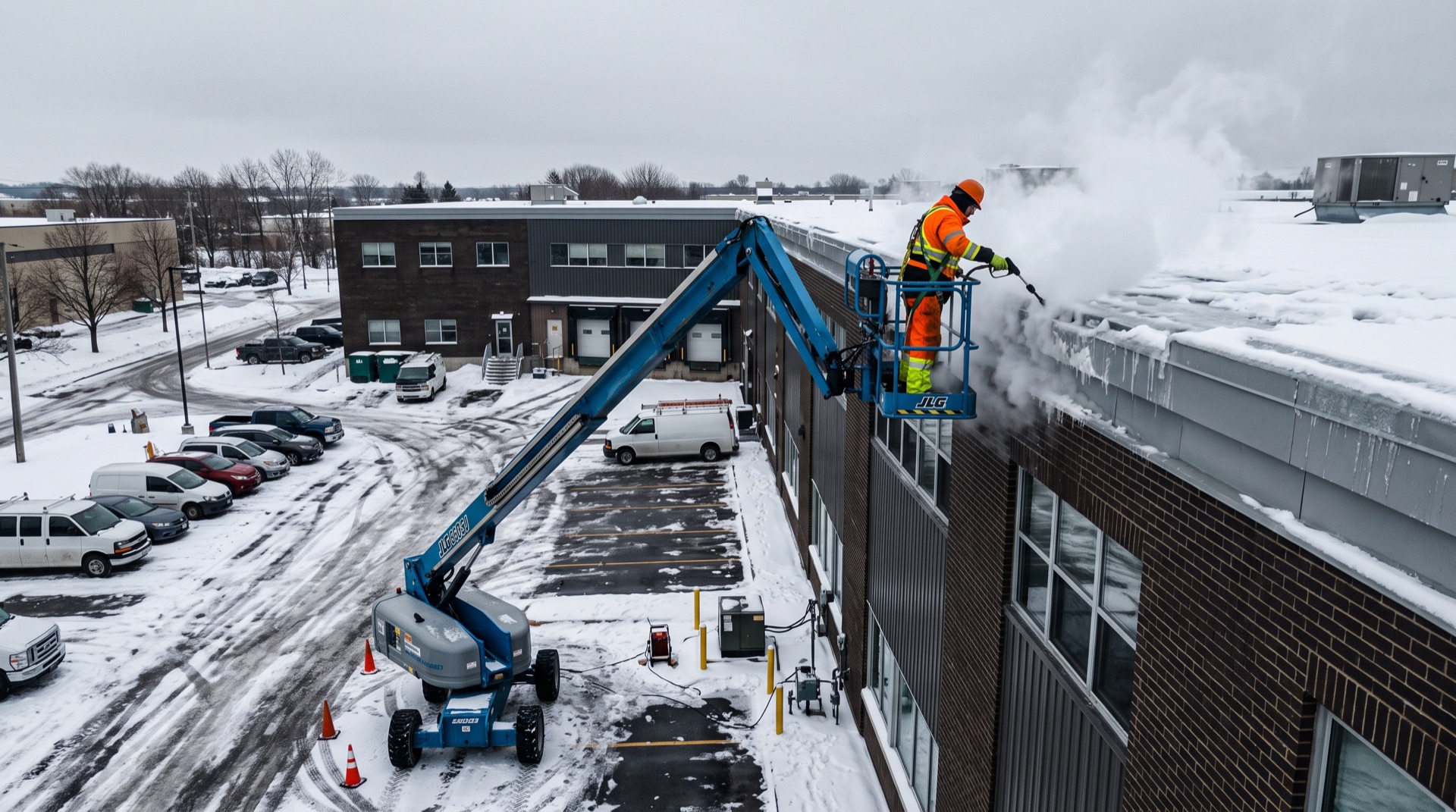
Then the ice comes off with low-pressure steam, starting wherever water is actively backing up so drainage opens early. Frozen gutters and downspouts are cleared in the same visit, because a cleared eave above a solid block of ice in the gutter dams again on the next cold night.
What happens after the ice is off
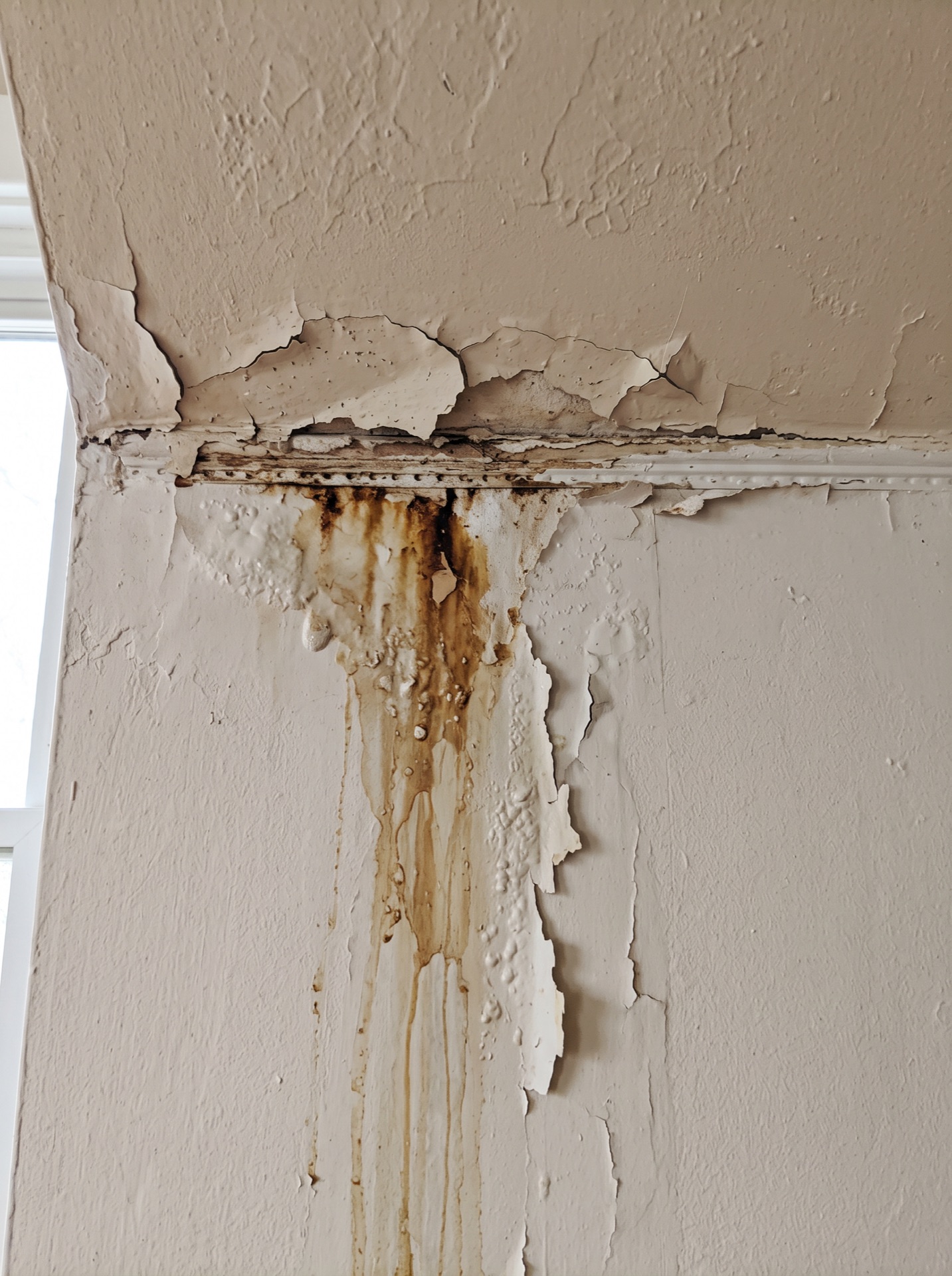
Once the eave is clear and water is draining, the crew walks the interior with you where there is visible damage and says plainly whether it needs drying. Wet insulation and a damp ceiling cavity do not resolve themselves in a cold Hopkins February.
If it does, that is a separate scope and it gets written separately — nobody is upsold a dryout on the strength of one damp patch.
Working at night and during an active storm
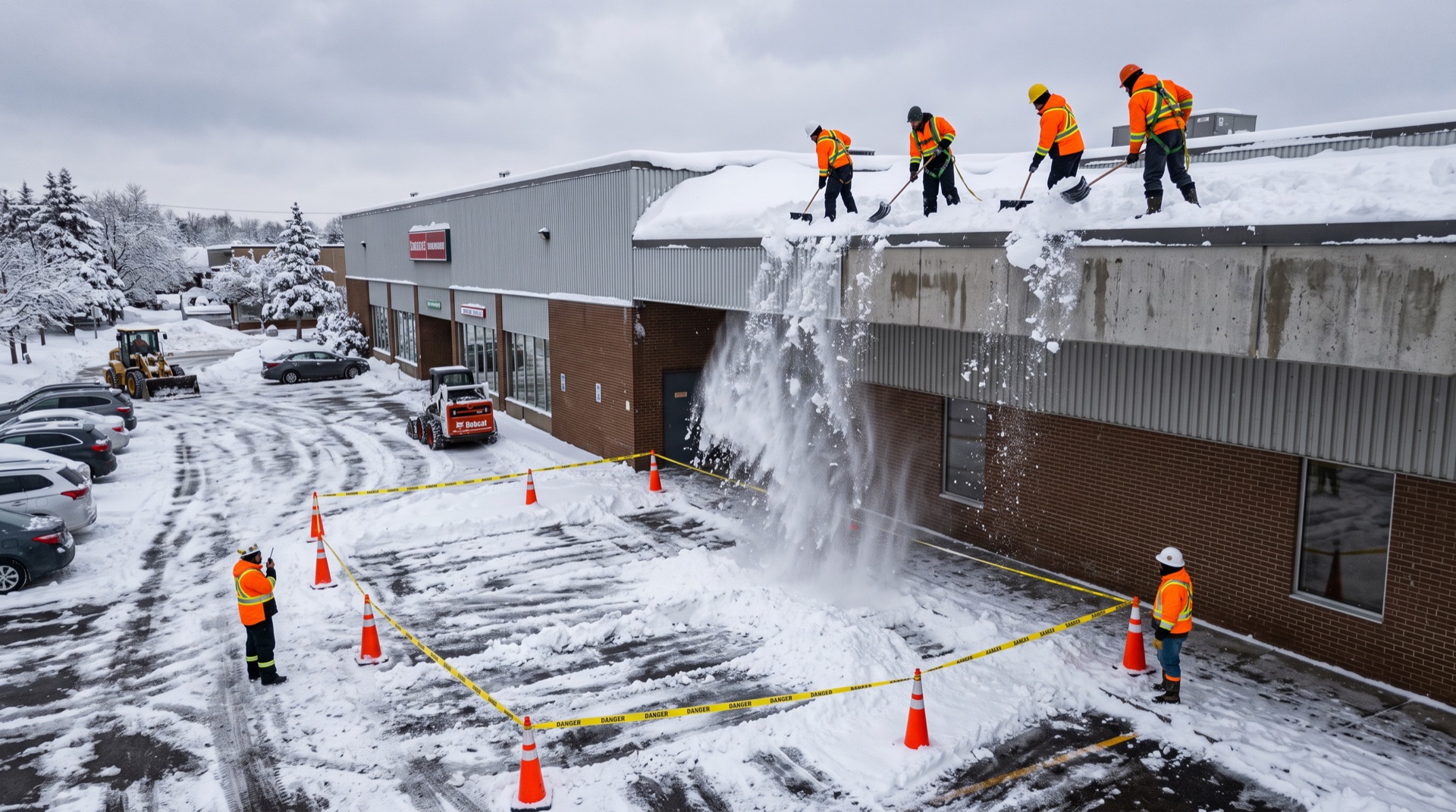
Freeze events do not keep office hours, and the worst leaks tend to announce themselves in the evening when the day's melt refreezes. Crews run lit, and a roof that is actively collecting snow is worked anyway, because waiting for better weather means the dam is bigger when somebody finally gets to it.
What does stop a crew is wind and lightning. Both are judgment calls made on site in Hopkins, and a postponed start gets explained rather than dressed up.
Why salt and ice melt make it worse
Calcium chloride opens a narrow channel and leaves the dam standing. The channel refreezes, the dam does not go anywhere, and in the meantime the runoff corrodes gutter seams, fasteners, flashing and anything growing underneath.
It is a stopgap at best. On a roof in Hopkins with an active leak it buys hours, not days, and it adds a corrosion problem to the water problem.
| Typical scope | Steam, 6-12 crew hours typical |
|---|---|
| Coverage area | Hopkins and Hennepin County |
| Service | Ice dam removal in Hopkins, MN |
| Primary climate stressor | Lake-effect bands, wet heavy pack |
| Documentation | Dated before and after photos, written scope in Xactimate line items |
| Removal method | Low-pressure steam only. No chipping, salt or pressure washing. |
| Local ice-barrier practice | Eave membrane expected on re-roofs |
Hopkins Coverage and the Adjoining Communities
Crews working Hopkins cover the adjoining communities on the same route — Wayzata, Navarre, Saint Louis Park, Minnetonka Beach and Crystal Bay — so a storm week usually means one truck handling several addresses in Hennepin County rather than separate trips.
Nearest hub towns with their own crew pages: Minnetonka, St. Louis Park, Eden Prairie, Chanhassen, Plymouth, Edina.
During a cold snap Hopkins gets worked alongside the neighboring Hennepin County towns on the same route, with active interior leaks moved to the front of the list.
Water through a ceiling in Hopkins is a same-day call, not a next-week one. (888) 561-9664 goes straight to dispatch.