

Skip to content
Fort Dodge, IA
Lake-Effect Snow Belt · Webster County

Ice Dam Removal in Fort Dodge, IA — Snow‑Belt Storm Response

Ice Dam Now provides emergency ice dam removal, roof snow clearing and water mitigation in Fort Dodge, IA and across Webster County. Removal uses low-pressure steam only, never chipping or pressure washing. Crews dispatch same day for active interior leaks, bill by the crew hour at a rate quoted beforehand, and document every job for insurance.

Steam removal across Fort Dodge and Webster County
No chipping, no salt, no pressure washing
Crew-hour rate quoted before anyone is dispatched
Before and after photographs on every job

Get Ice Dam Help Fort Dodge

A few quick questions, then pick a time. If water is coming in, call instead.

What is the zip code of the home?

Roof leaking right now? Call (888) 561-9664 — that is faster than any form.
Water coming through the ceiling?Every hour an ice dam sits there, more water gets under the shingles.Call (888) 561-9664
24/7
Storm Season Dispatch
No Chipping
Steam Only
Webster
County Coverage
Crew Hour
Rate Quoted Up Front
Documented
Photos On Every Job
Fort Dodge Services

What We Do In Fort Dodge

Every service below is dispatched to Fort Dodge and the surrounding Webster County addresses.

Emergency
Worker using steam equipment to remove ice dam from snowy roof at night

Ice Dam Removal in Fort Dodge

24/7 Emergency Steam

Low-pressure steam melts the dam off the eave in sections until the shingle is clear and water is draining again.

Book Ice Dam Removal in Fort Dodge
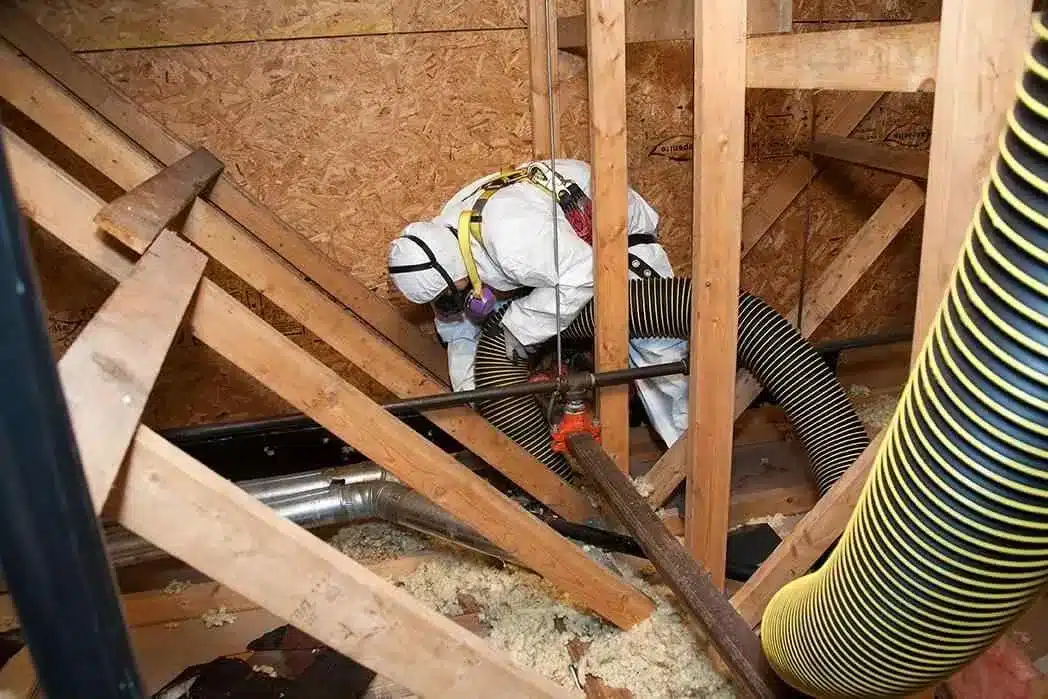
Technician in hazmat suit performing attic mold remediation with vacuum hose

Mold Remediation in Fort Dodge

IICRC S520 Standard

Attic, wall cavity and ceiling mold left behind by ice dam water, removed under containment and cleared before the room is rebuilt.

Book Inspection in Fort Dodge
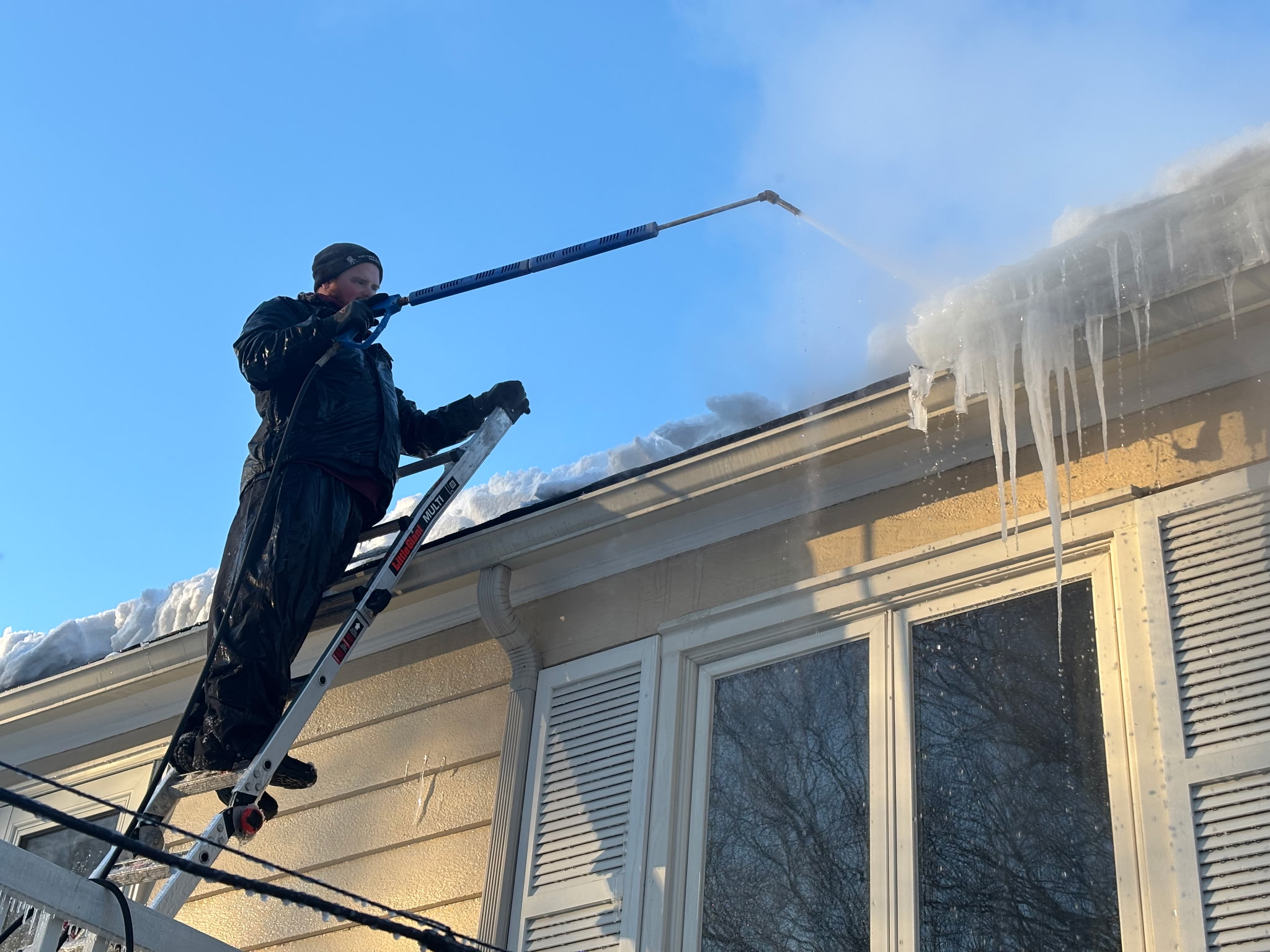
Worker on ladder using steam wand to remove ice dams and icicles from residential roof

Roof Snow Removal in Fort Dodge

Stops The Next Dam

No snow on the roof means no meltwater, and no meltwater means no new dam.

Request Snow Clearing in Fort Dodge
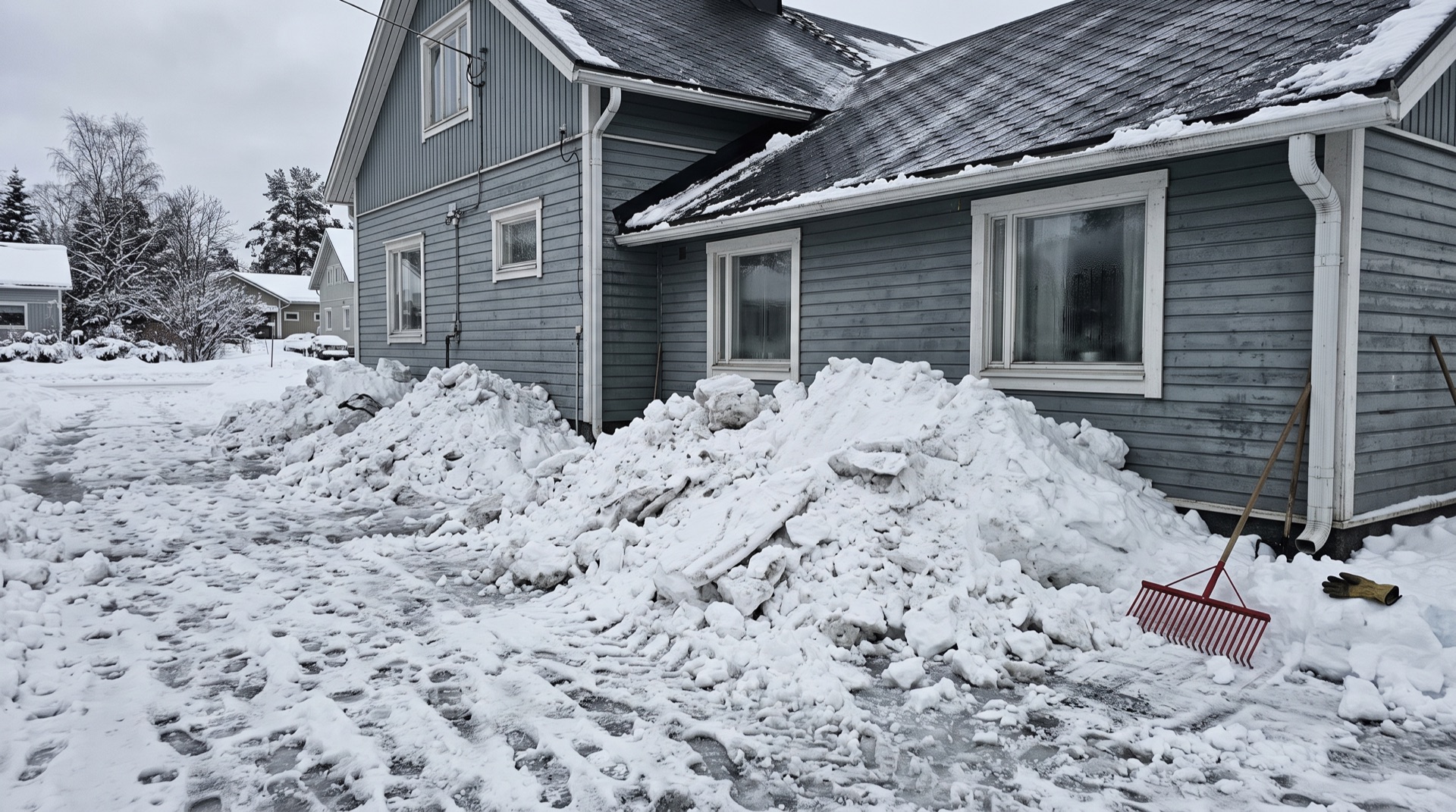
Large piles of raked snow beside a gray clapboard house in winter

Roof Shoveling in Fort Dodge

Hand Clearing

Deep pack, dead valleys and dormer pockets, cleared by hand where a rake cannot reach.

Request Hand Shoveling in Fort Dodge
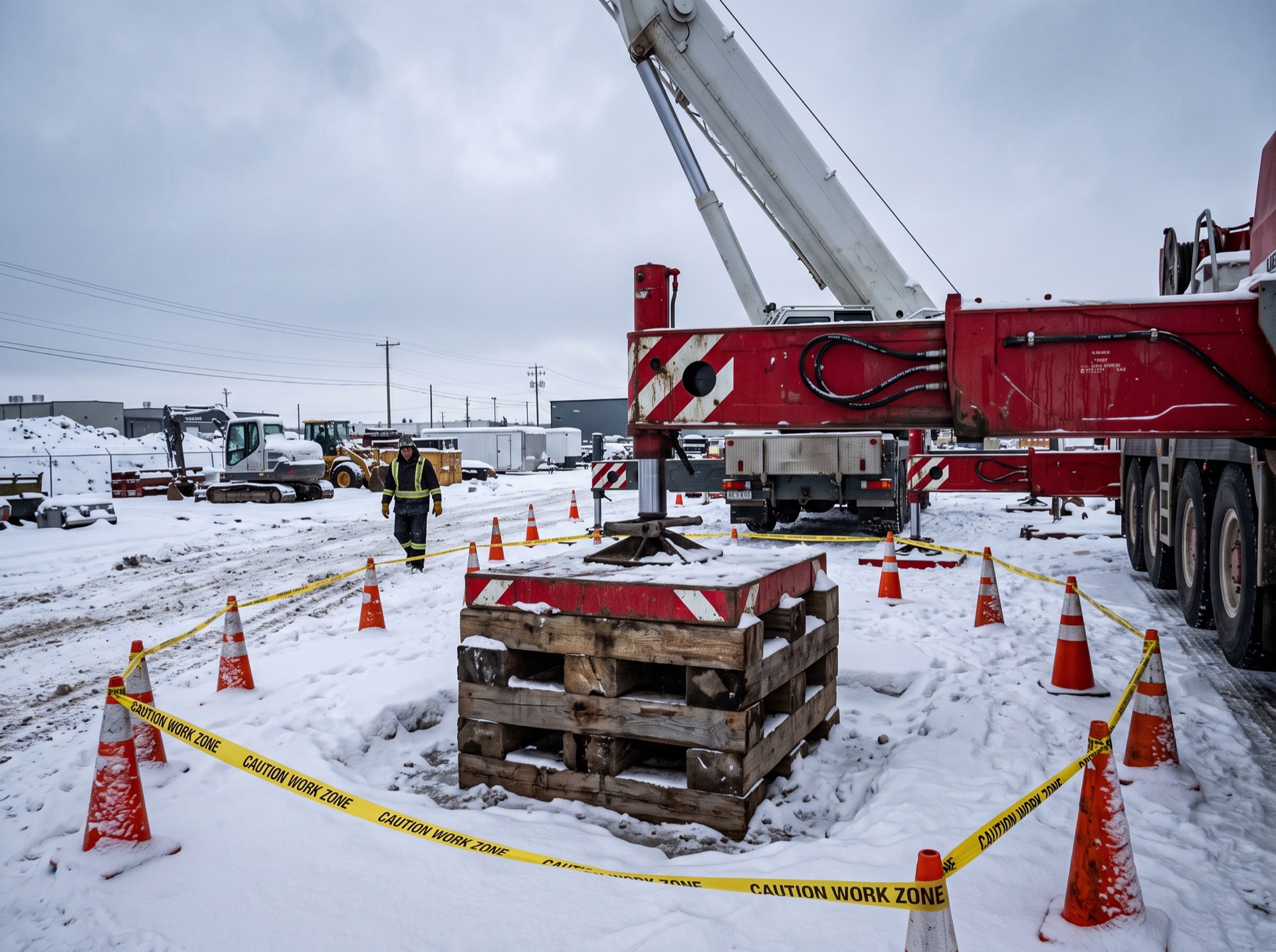
crane outrigger pad set on wood cribbing in snowy work zone

Crane-Assisted Snow Removal in Fort Dodge

Deep Drifts & Big Roofs

Snow tarps rigged and lifted by boom crane where drifts are too deep and too heavy to move by hand.

Ask About A Crane Pick in Fort Dodge
Emergency
technician in Tyvek suit and respirator removing contaminated pink insulation in attic

Water Mitigation & Dryout in Fort Dodge

IICRC S500 Standard

Extraction, drying and controlled tear-out to IICRC S500, then the interior repair, so the water that already got in does not become rot and mold by spring.

Start Dryout in Fort Dodge
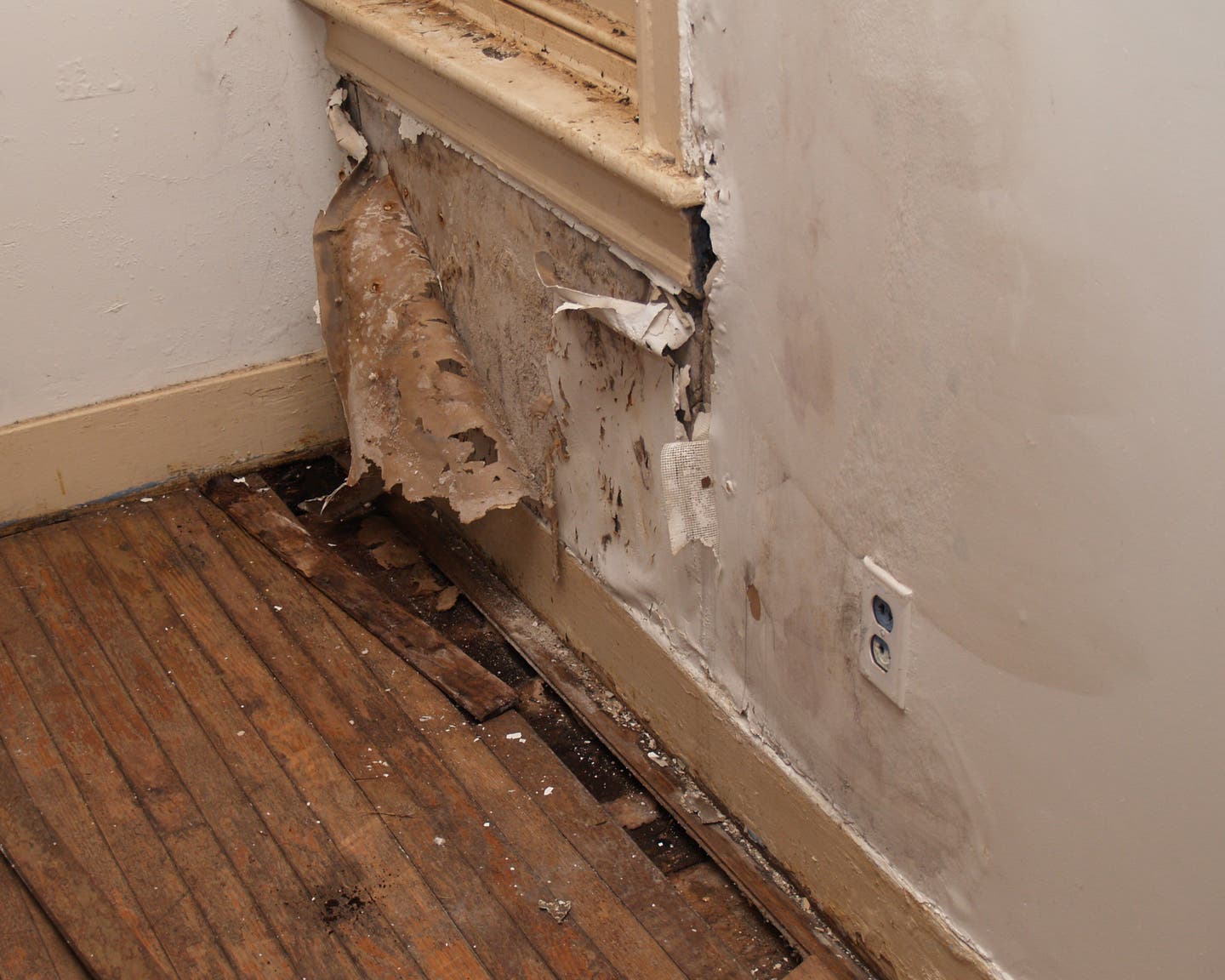
severe water damage to interior wall corner with peeling plaster and warped wood floor

Ice Dam Insurance Claims in Fort Dodge

Xactimate Scopes

One claim for the whole event: ice dam removal, water mitigation, mold remediation, interior repair and roof replacement where the storm damaged it, documented in Xactimate line items.

Get Claim Help in Fort Dodge
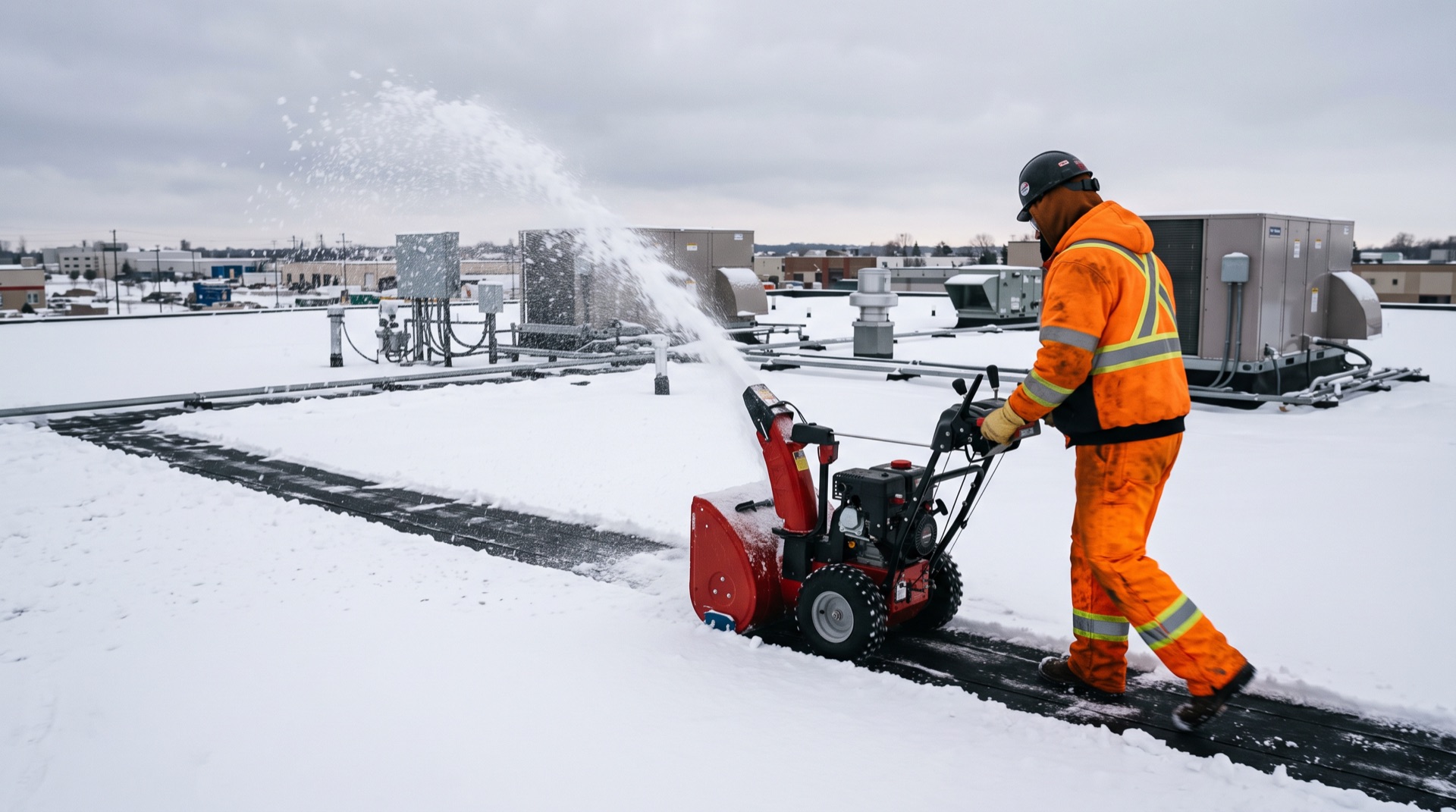
Worker in orange safety gear using snow blower on commercial flat roof

Commercial Ice Dam Removal in Fort Dodge

Flat Roof & Parapet

Membrane-safe steaming for EPDM and TPO decks, frozen parapet scuppers and blocked internal drains.

Book Commercial Steaming in Fort Dodge
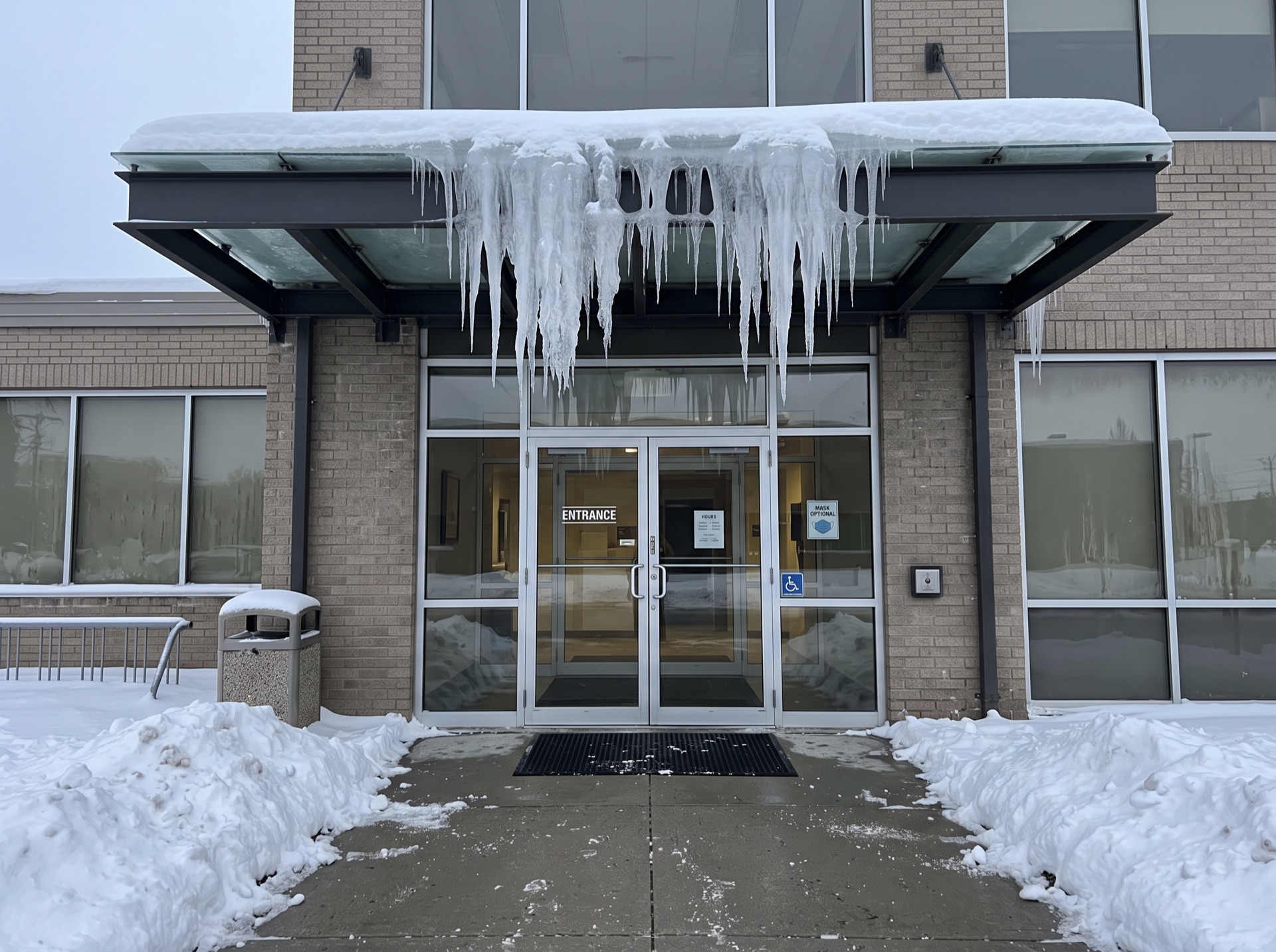
Large icicles hanging from commercial building entrance canopy in winter

Commercial Roof Snow Removal in Fort Dodge

Structural Snow Load

Scheduled load reduction for warehouses, retail, schools and multi-unit buildings before drift weight becomes a deflection problem.

Schedule Load Reduction in Fort Dodge
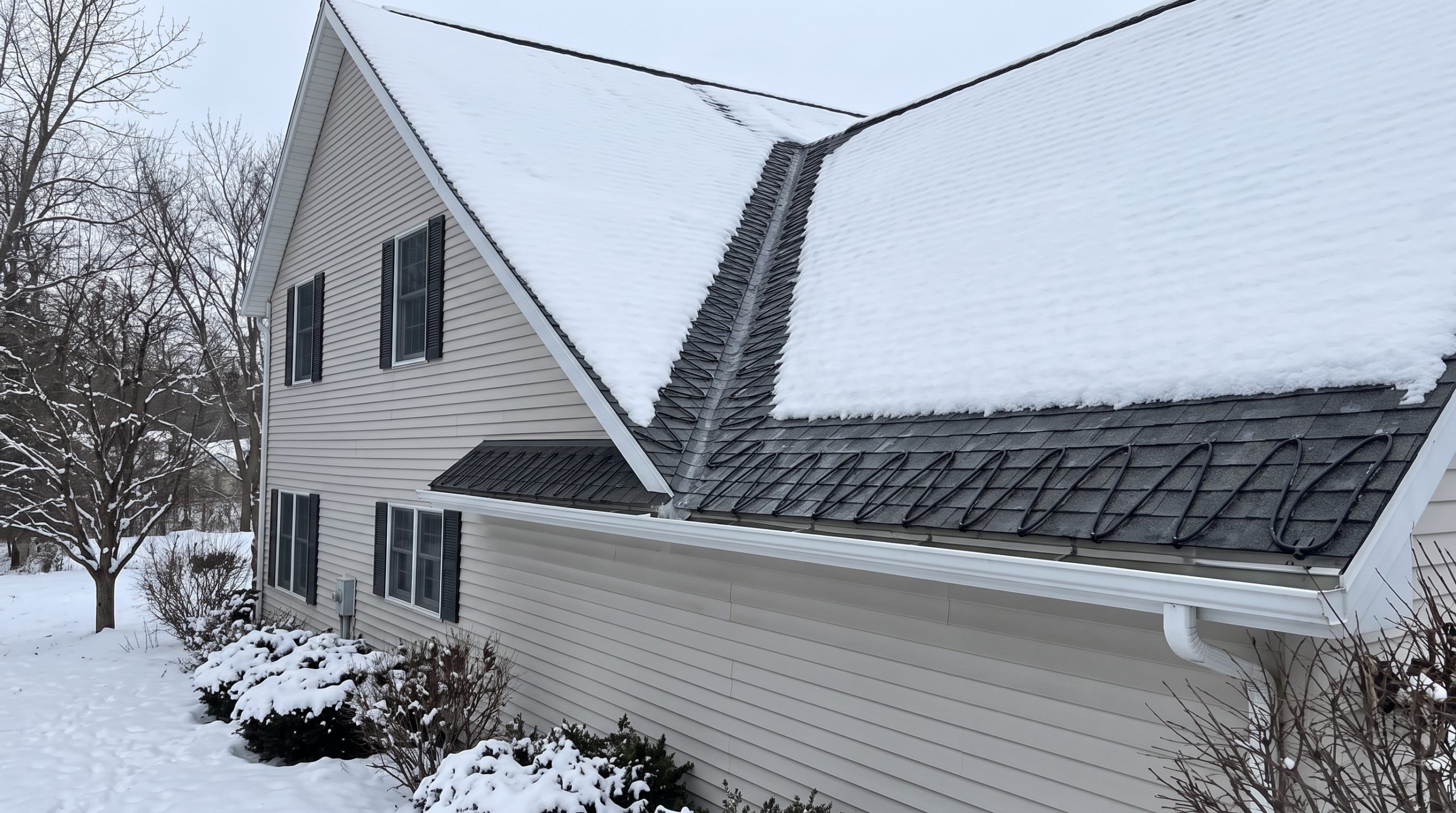
Roof valley with heat cable preventing ice dams on snow-covered house

Heated Roof & Gutter Cables in Fort Dodge

Permanent Prevention

Self-regulating heat trace on the eaves, valleys, gutters and downspouts, so meltwater keeps a path out all winter.

Get A Cable Quote in Fort Dodge

What the Lake Does to a Roof in Fort Dodge

Lake-effect snow arrives in bands rather than fronts, which is why Fort Dodge can take a foot overnight while a town twenty miles inland takes two inches. It falls wet, it compacts fast, and it does not blow off.

Diagram showing how ice dams form on roofs due to inadequate insulation and poor ventilation
Heat escaping into the attic melts roof snow; the meltwater refreezes at the cold eave and the dam grows a layer every cycle.

Each band is followed by a clearance and a cold night, and that is the cycle doing the damage. Meltwater released during the day sets at the eave after dark, and the ridge at the gutter line gains a layer every time.

Ice-barrier practice in Webster County

What matters on a Fort Dodge roof is not whether ice barrier exists but how far up it runs. Water backed up behind a foot of ice travels much further than the first course, and a membrane that stops short is a membrane that stops working.

How a Fort Dodge Steam Call Runs, Start to Finish

Crews walk the eaves, valleys and gutter line first and photograph every dam and every point where water is tracking inside, before touching anything. You get shown what they found and quoted the crew-hour rate before work starts.

Then the ice comes off with low-pressure steam, starting wherever water is actively backing up so drainage opens early. Frozen gutters and downspouts are cleared in the same visit, because a cleared eave above a solid block of ice in the gutter dams again on the next cold night.

What gets photographed, and why it matters later

Before the lance comes out, the crew shoots the dam from the ground and from the roof, the icicle line, any staining visible inside, and the specific courses where water is tracking under the shingles. Timestamps are on every frame.

That record is the whole case if a claim follows. An adjuster arriving in March sees a dry roof and a stained ceiling; the photographs are what connect the two, and they are what a maintenance-exclusion denial runs into.

Access, ladders and what the crew needs on site

Steam equipment needs somewhere to park within hose reach, and ladders need footing that is not a buried flower bed or a sheet of ice. Clearing a path to the affected eave, moving vehicles off the driveway and unlocking a side gate takes ten minutes and saves considerably more than that on the clock.

Where the only access is through a neighbor's property, that conversation is worth having before the crew is in the street rather than while it waits.

Steep, high and awkward Fort Dodge roofs

Pitch and height change the job more than ice thickness does. A walkable ranch eave is a ladder and a lance. A three-story roof with a steep pitch means anchors, rope, staging and two people where one would otherwise do.

Crews quote on that honestly. If a property in Fort Dodge needs a longer setup, it is said on the phone rather than discovered at the end of the invoice.

Ice dam removal in Fort Dodge, IA — specification
Service specification for Fort Dodge, IA
Primary climate stressorLake-effect bands, wet heavy pack
Local ice-barrier practiceEave membrane expected on re-roofs
Pricing modelBilled by the crew hour, rate quoted before dispatch
Coverage areaFort Dodge and Webster County
Dispatch windowSame day to 24 hours
Typical scopeSteam, 6-12 crew hours typical
Removal methodLow-pressure steam only. No chipping, salt or pressure washing.

Neighborhoods and Towns We Reach From Fort Dodge

Crews working Fort Dodge cover the adjoining communities on the same route — Otho, Badger, Duncombe, Vincent and Moorland — so a storm week usually means one truck handling several addresses in Webster County rather than separate trips.

Nearest hub towns with their own crew pages: Ames, Ankeny, Johnston, Urbandale, Waukee, Mason City.

Coverage runs across Fort Dodge and the nearby towns all winter, and capacity is surged into whichever Iowa market the storm actually hits.

Active leak at an address in Fort Dodge? (888) 561-9664 reaches dispatch directly. Interior water moves a job to the front of the day.
Nearby

Hub Towns Around Fort Dodge

Crews run these on the same route, so a storm week usually means one truck covering several of them.

All Iowa Locations
Conditions We Work In

What We Find On Fort Dodge Roofs

Every job is photographed before and after. These are the conditions crews work in across Webster County.

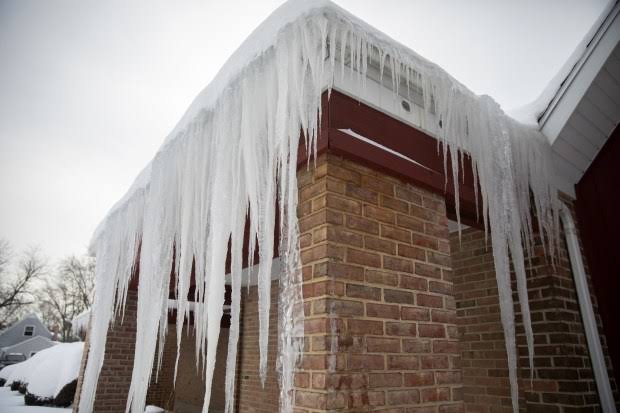
Large icicles and ice dam buildup along the edge of a brick home roof
Massive icicles hang from a heavy ice dam accumulated along the eave of a brick house after winter snowfall.
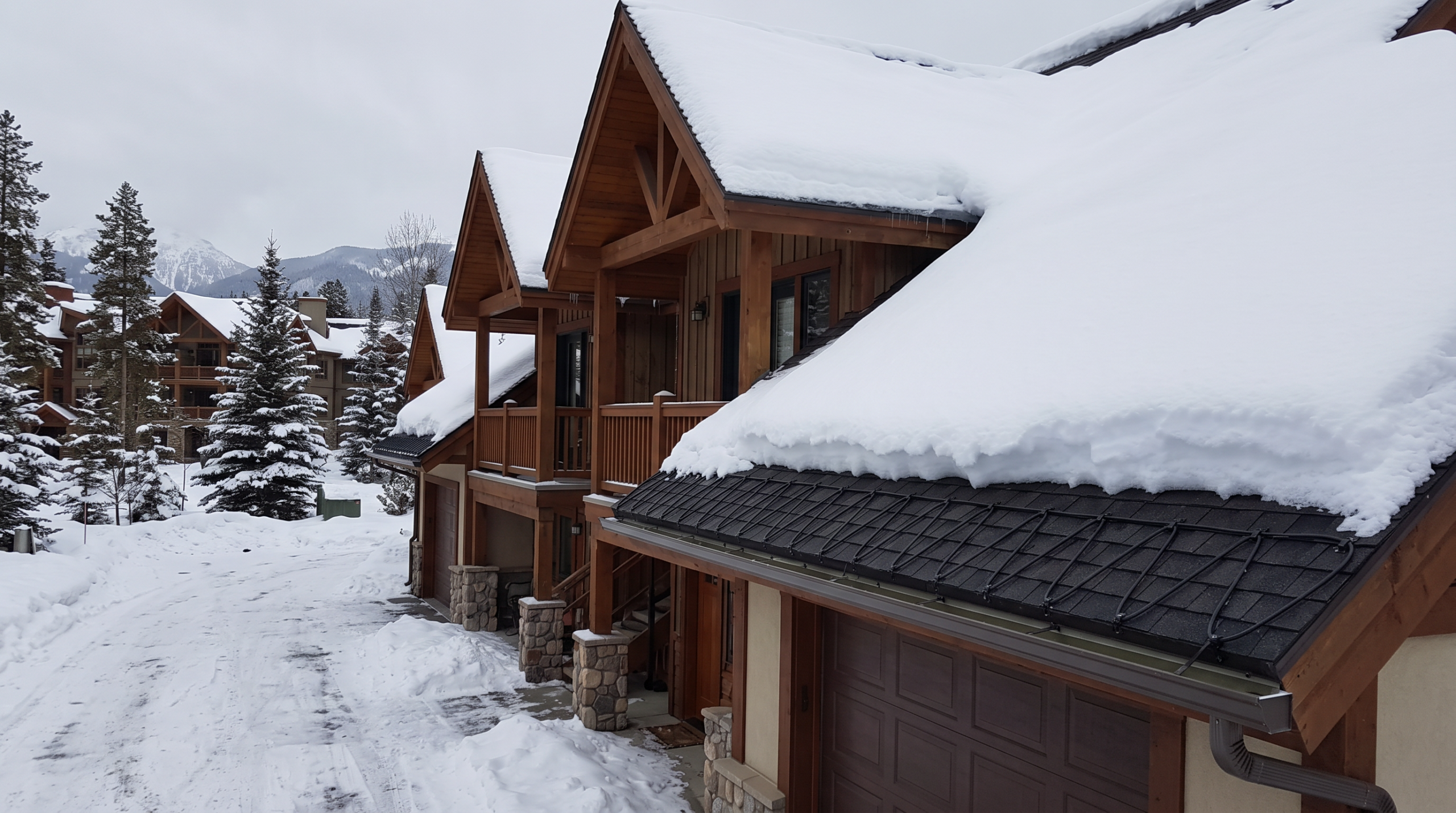
Snow-covered mountain chalet roofline with ice dam prevention cables in winter
A Rockies condo roofline stays ice dam free thanks to heat cable protection along the eaves.
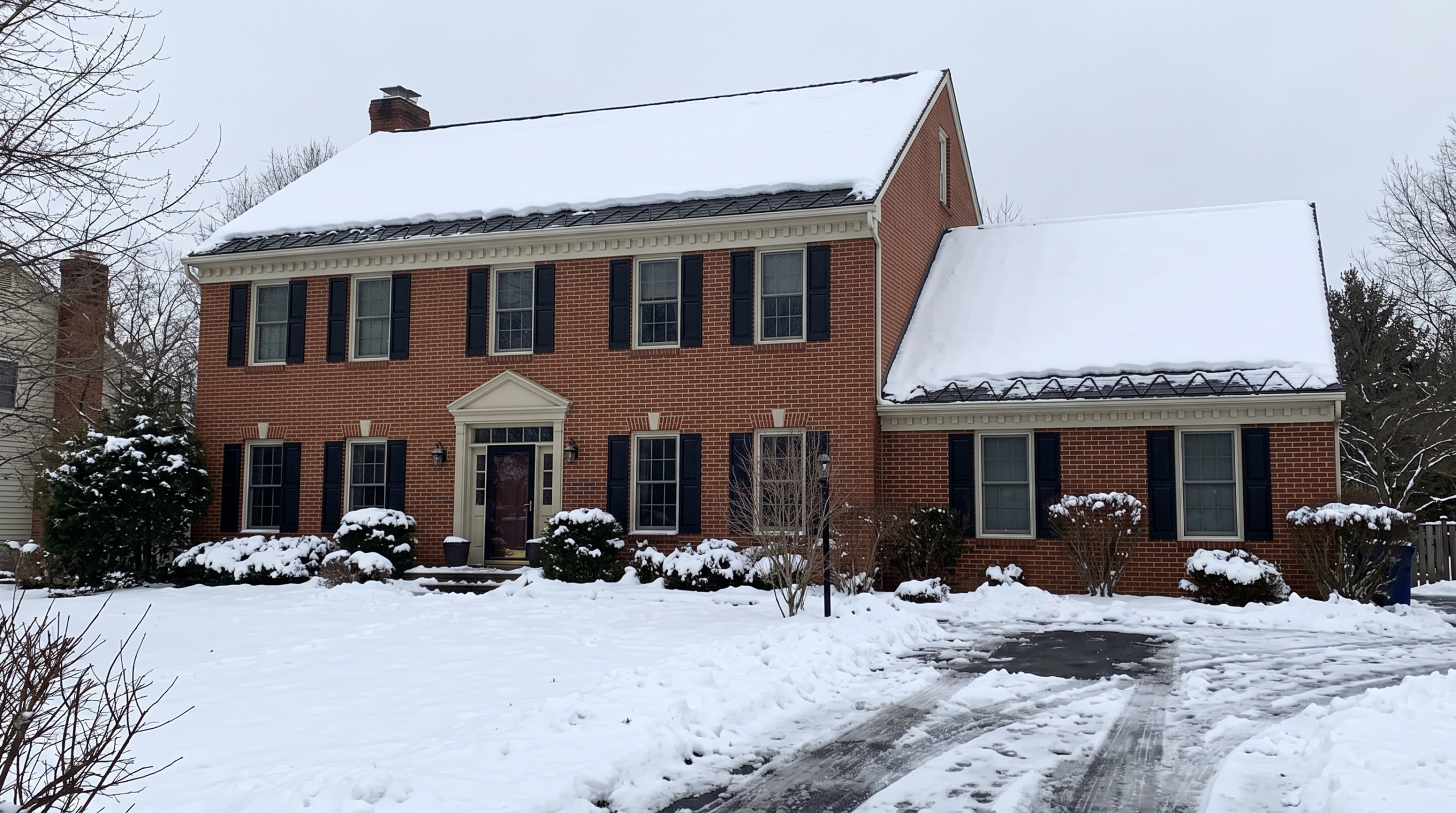
Red brick colonial home with snow-covered roof and heated cable ice dam prevention system
A Pennsylvania colonial brick home equipped with roof heating cables to prevent ice dam formation after snowfall.
Worker using steam equipment to remove ice dam from snowy roof at night
Method

Steam, Never A Hammer

Low-pressure steam removes ice with heat rather than force, so granules, seal strips and flashing come through untouched. It is the only method crews use on a roof in Fort Dodge.

FAQ

Fort Dodge Questions We Actually Get Asked

No, but there is a worse one: after the thaw, when the evidence has melted and the damage is all that is left.

  • Mid-storm calls are fine — crews work through freeze events.
  • An evening call for a leak that started that afternoon usually gets a next-morning slot.
  • Waiting for a weekend to pass is the most common and most expensive delay.

Not for exterior removal, provided access and payment are arranged in advance.

  • Somebody being home helps where there is interior damage to look at or document.
  • Photographs go to you either way, timestamped as the work happens.
  • A gate code or an unlocked side gate is usually all a crew needs on a Fort Dodge property.

Yes. The dispatch area runs across Webster County, and several addresses in one area are usually handled in the same run.

  • Adjoining communities are on the same route rather than treated as a separate trip.
  • Rural addresses outside the normal radius get told the travel position on the call.
  • Capacity is moved into whichever part of Iowa the storm actually hits.

Before the thaw rather than after it. The leak happens when the ice has water behind it, which is a day or two after the snow stops.

  • Calling during the storm is fine and often gets an earlier slot.
  • The expensive version is waiting until water appears on a ceiling.
  • Crews run across Webster County from first light through a freeze event.
Same-Day Response

Get A Fort Dodge Crew Out

Waiting for a thaw is a strategy, but it is an expensive one — the melt has to go somewhere, and it goes into the insulation first.

✓ Licensed & insured✓ Low-pressure steam only✓ Rate quoted up front✓ Photos for your claim
Online Quote(888) 561-9664