Ice dams are not a Council Bluffs problem so much as an Iowa one, and they show up on the same handful of eaves and valleys year after year. As part of our complete Council Bluffs winter roof services, crews handle mold remediation across Pottawattamie County.
Small Snow, Repeated Cycles: Council Bluffs Ice Dams
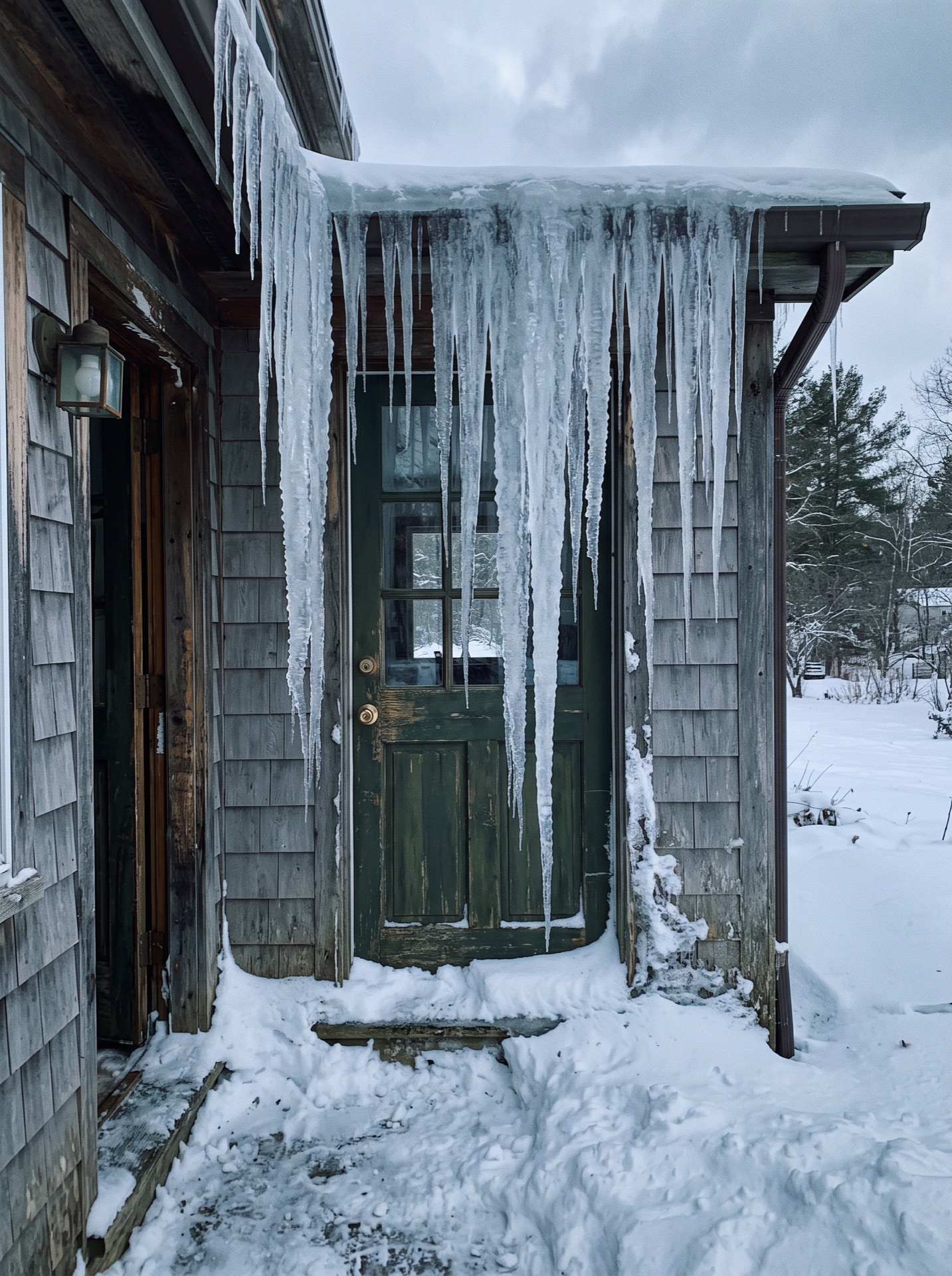
An ice dam needs meltwater and a cold eave, and Council Bluffs supplies both on an ordinary week. A thin cover that melts by lunchtime and sets again after dark is a perfectly good dam factory.

And the cycling is relentless rather than dramatic. Fifteen or twenty crossings of freezing in a season each add a layer, and the houses with the thinnest attic insulation in Pottawattamie County all find out in the same week.
Ice-barrier practice in Pottawattamie County
Because ice is not the first thing a homeowner in Council Bluffs thinks about, the eave membrane is the detail most often value-engineered out of a re-roof quote. It is worth asking for by name.
Mold Remediation in Council Bluffs: How The Work Runs
The attic is the usual starting point
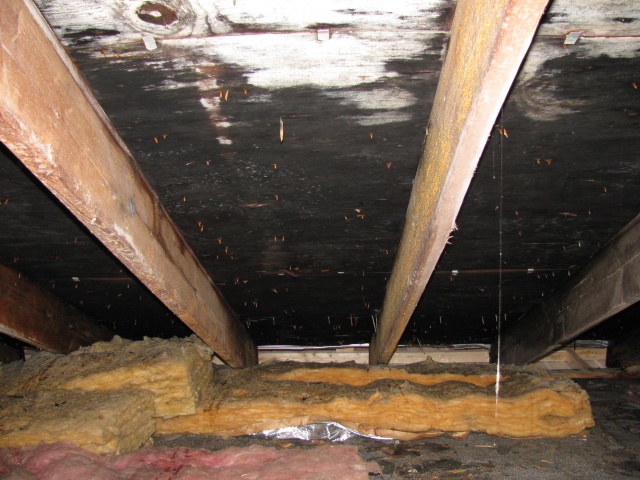
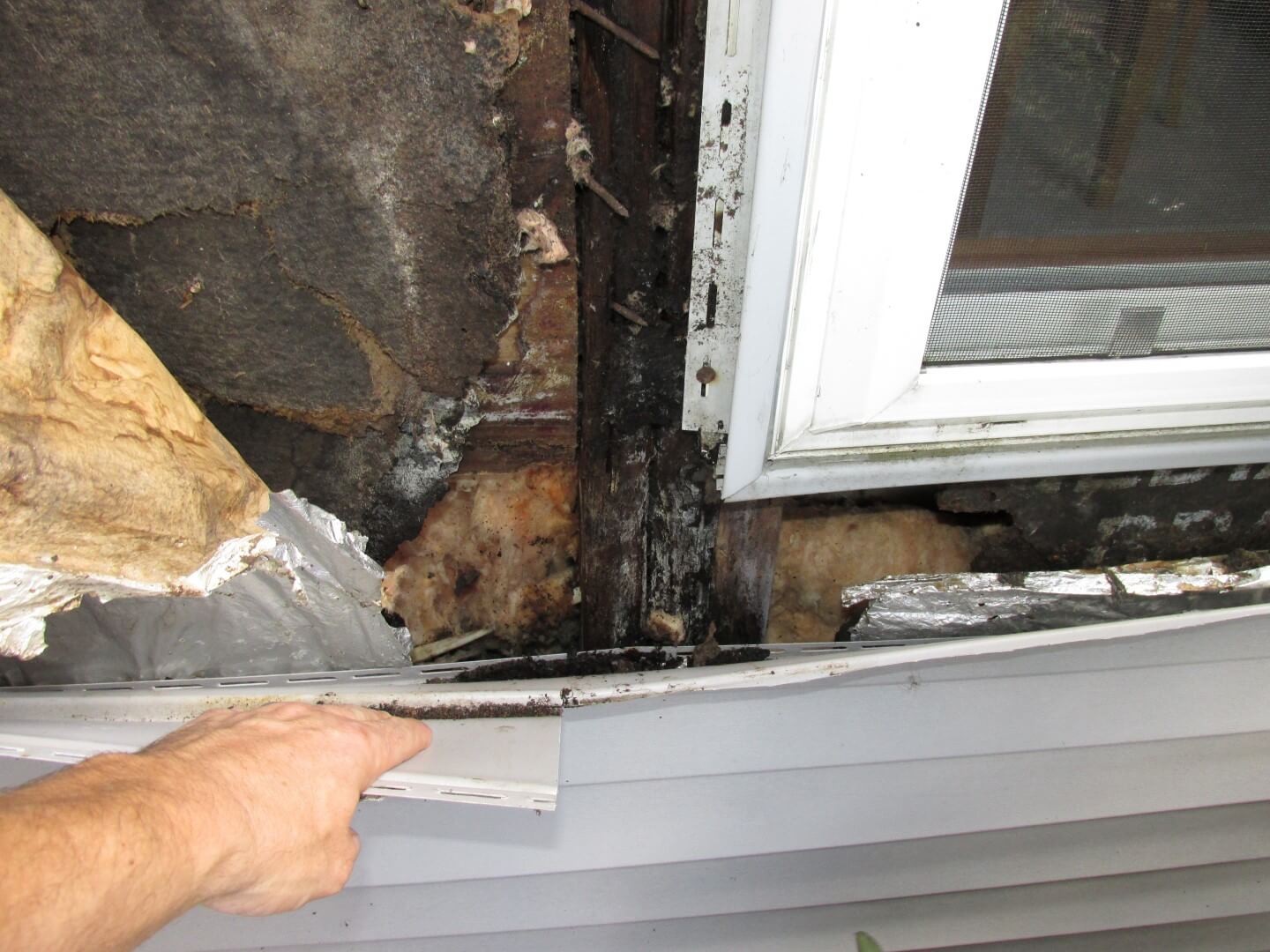
On most ice dam jobs in Council Bluffs the worst growth is on the underside of the roof deck in the first few feet above the eave, exactly where the meltwater backed up. It often looks like a band of dark spotting running along the eave line. Mold in the Attic After an Ice Dam.
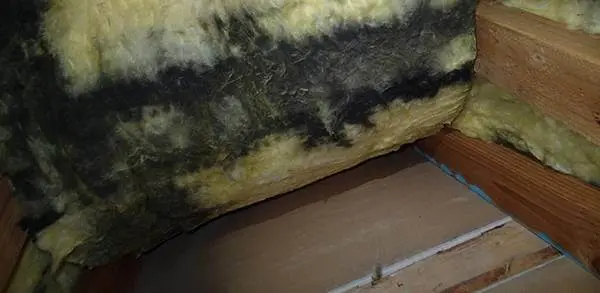
Insulation along the same line is usually matted and stained. Both come into the scope together, because drying the deck while leaving wet insulation against it does not work.
Interior repair by the same crews
Once the readings are at standard, the rebuild starts: new insulation to current R-value, drywall, tape, texture matched to the existing ceiling, trim and paint.
Doing the repair in-house keeps it in one scope and one claim, avoids the gap where a cleared room sits open waiting for another contractor, and keeps the documentation continuous from the first photo to the last coat of paint.
What it looks like from the homeowner side
Most people stay in the house. The affected room or attic is sealed off, the equipment runs for a few days, and the crew comes and goes through a zippered door in the containment.
The noise is the air scrubbers and dehumidifiers running around the clock. Placement can usually be worked around bedrooms, and the timeline is set out before anything starts.
Mold coverage and the sublimit
Where mold is the result of a covered water loss, many policies cover remediation, but often under a separate, smaller limit than the rest of the claim. Knowing that number before work starts matters, because it changes how the scope is written.
The water mitigation, the interior repair and the roof work generally sit under the dwelling coverage, while the mold-specific line items sit under the sublimit. Scoping them separately keeps the mold cap from swallowing the rest of the claim.
Containment and negative air
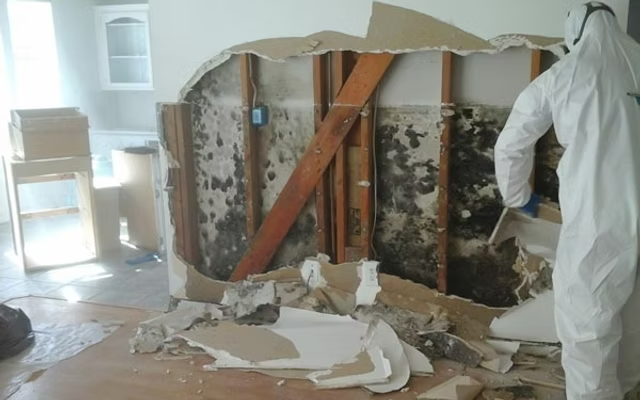
Before anything moldy is disturbed, the work area gets sealed off with poly sheeting and put under negative air pressure with an HEPA air scrubber exhausting it. Air flows into the work area, not out of it.
That is the step that keeps a contained attic or ceiling problem from becoming a whole-house problem in Council Bluffs. Disturbing mold without it spreads spores to rooms that were clean.
What you get in Council Bluffs
- Moldy material removedWet insulation, drywall and trim that cannot be cleaned are bagged and taken out
- Interior repair in-houseInsulation, drywall, texture, trim and paint put back by the same crews
- Containment firstPoly barriers and negative air so spores stay in the work area
| Primary climate stressor | Repeated thaw-freeze cycling |
|---|---|
| Dispatch window | Same day to 24 hours |
| Documentation | Dated before and after photos, written scope in Xactimate line items |
| Coverage area | Council Bluffs and Pottawattamie County |
| Method | Containment, HEPA filtration and drying to a measured IICRC standard |
| Local ice-barrier practice | Eave membrane on new work, often absent |
| Billing | Xactimate line items on one claim; carrier billed directly where the policy allows |
Council Bluffs Coverage and the Adjoining Communities
Crews working Council Bluffs cover the adjoining communities on the same route — Carter Lake, Crescent, Mc Clelland, Mineola and Treynor — so a storm week usually means one truck handling several addresses in Pottawattamie County rather than separate trips.
Nearest hub towns with their own mold remediation pages: Sioux City, Waukee, West Des Moines, Urbandale, Johnston, Des Moines.
Crews cover Council Bluffs and the surrounding Pottawattamie County towns through the whole season, and during a freeze event they run from first light until dark.
Most jobs do not stop at one service. Mold Remediation in Council Bluffs often runs alongside water mitigation & dryout in Council Bluffs, and both get written into one scope rather than billed as separate visits.
Active leak right now? Our 24/7 Council Bluffs steam ice dam removal crews are dispatched first during a freeze event. Call (888) 561-9664.