Skip to content
Glenview, IL
24/7 Emergency Steam · Cook County

Ice Dam Removal in Glenview, IL — Thaw‑Cycle Storm Response

Ice Dam Now handles ice dam removal for Glenview, IL properties and the wider Cook County. Removal is by low-pressure steam, never mechanical. Dispatch is same day where water is already inside, pricing is by the crew hour quoted before a crew leaves, and every job is photographed before and after for claim purposes. Crews are licensed, insured and harness-certified.

Valleys and dormers — The dead spots that hold the deepest ice get worked specifically
Steam only — Safe on asphalt, cedar, slate, tile and metal — no chipping, no pressure, no salt
No salt, no chipping — Nothing corrosive and nothing mechanical touches the covering
Cleared to the shingle — The dam comes off completely, not just a drainage channel cut through it

Get Ice Dam Help Glenview

A few quick questions, then pick a time. If water is coming in, call instead.

What is the zip code of the home?

Roof leaking right now? Call (888) 561-9664 — that is faster than any form.
Water coming through the ceiling?Every hour an ice dam sits there, more water gets under the shingles.Call (888) 561-9664
Same Day
For Water Already Inside
Steam
Safe On Every Covering
Cook
County Coverage
Insured
Harness-Certified On Every Roof
Written
Scope Before Work Starts

Ice dams are not a Glenview problem so much as an Illinois one, and they show up on the same handful of eaves and valleys year after year. As part of our complete Glenview winter roof services, crews handle ice dam removal across Cook County.

The Cook County Trap: Modest Snow, Constant Cycling

Glenview does not need a blizzard to get an ice dam. A few inches that melts by afternoon and refreezes overnight builds one just as effectively, and it does it over and over through the season.

Diagram showing how ice dams form on a roof from heat loss and snow melt
Heat escaping into the attic melts roof snow; the meltwater refreezes at the cold eave and the dam grows a layer every cycle.

Because the winters read as mild, the building stock is not built for ice. Attic insulation is thinner, eave details are less considered, and ice barrier is more often absent than present on a roof in Glenview.

Ice-barrier practice in Cook County

Because ice is not the first thing a homeowner in Glenview thinks about, the membrane is the detail most often value-engineered out of a re-roof. It is worth asking for by name on any quote.

Ice Dam Removal in Glenview: How The Work Runs

Why a drainage channel is not removal

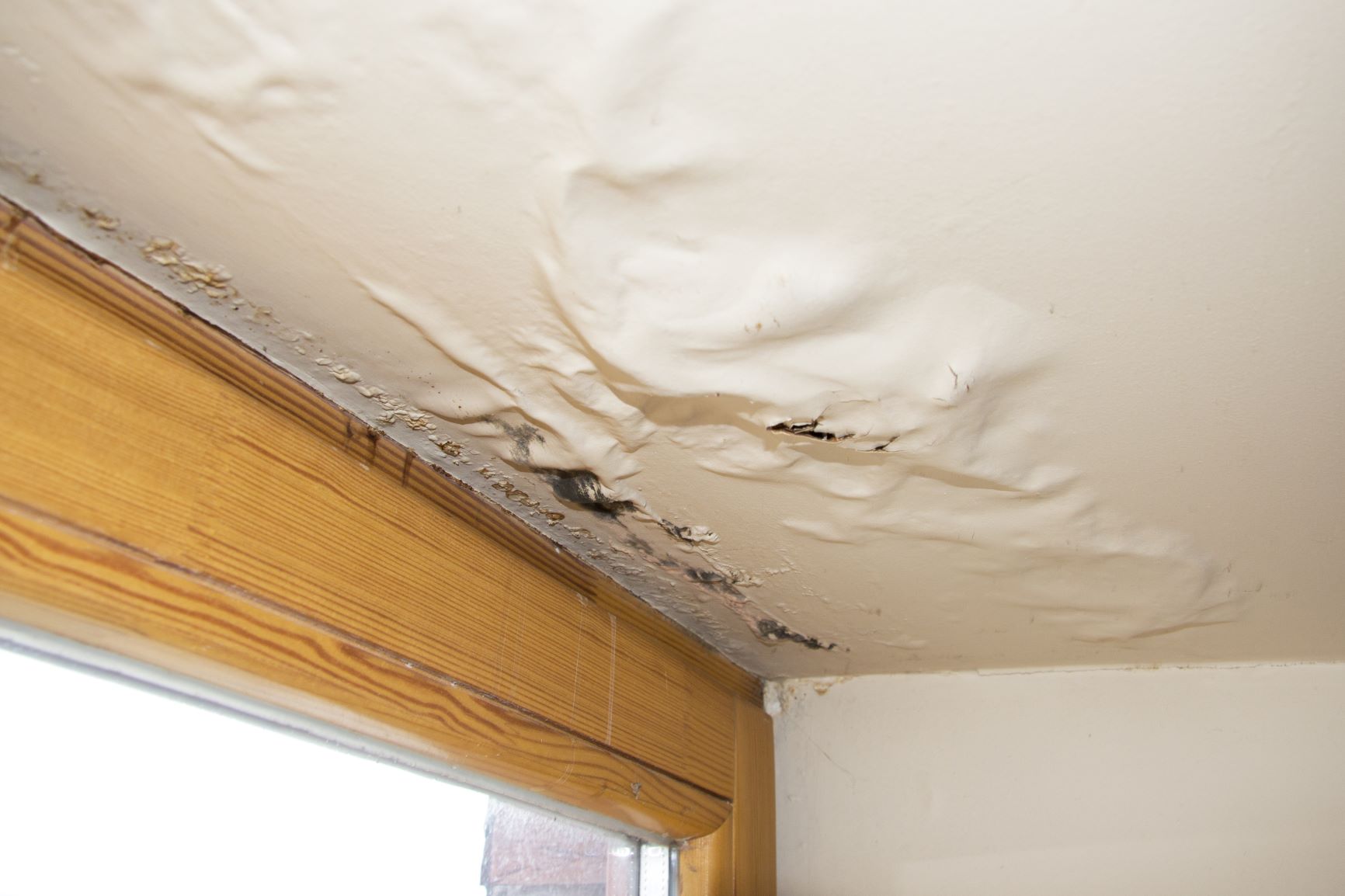
Cutting a few channels through a dam so water can get past is quick and it is sometimes sold as ice dam removal. It drains the roof for as long as the channels stay open, which in a Glenview cold snap can be a single night before they close again. Water Stain on the Ceiling in Winter.

Removing the dam means taking the ice off down to the shingle along the whole affected run, so the eave can drain the way it was built to. It takes longer and it is the only version that holds.

Why the gutter has to be cleared in the same visit

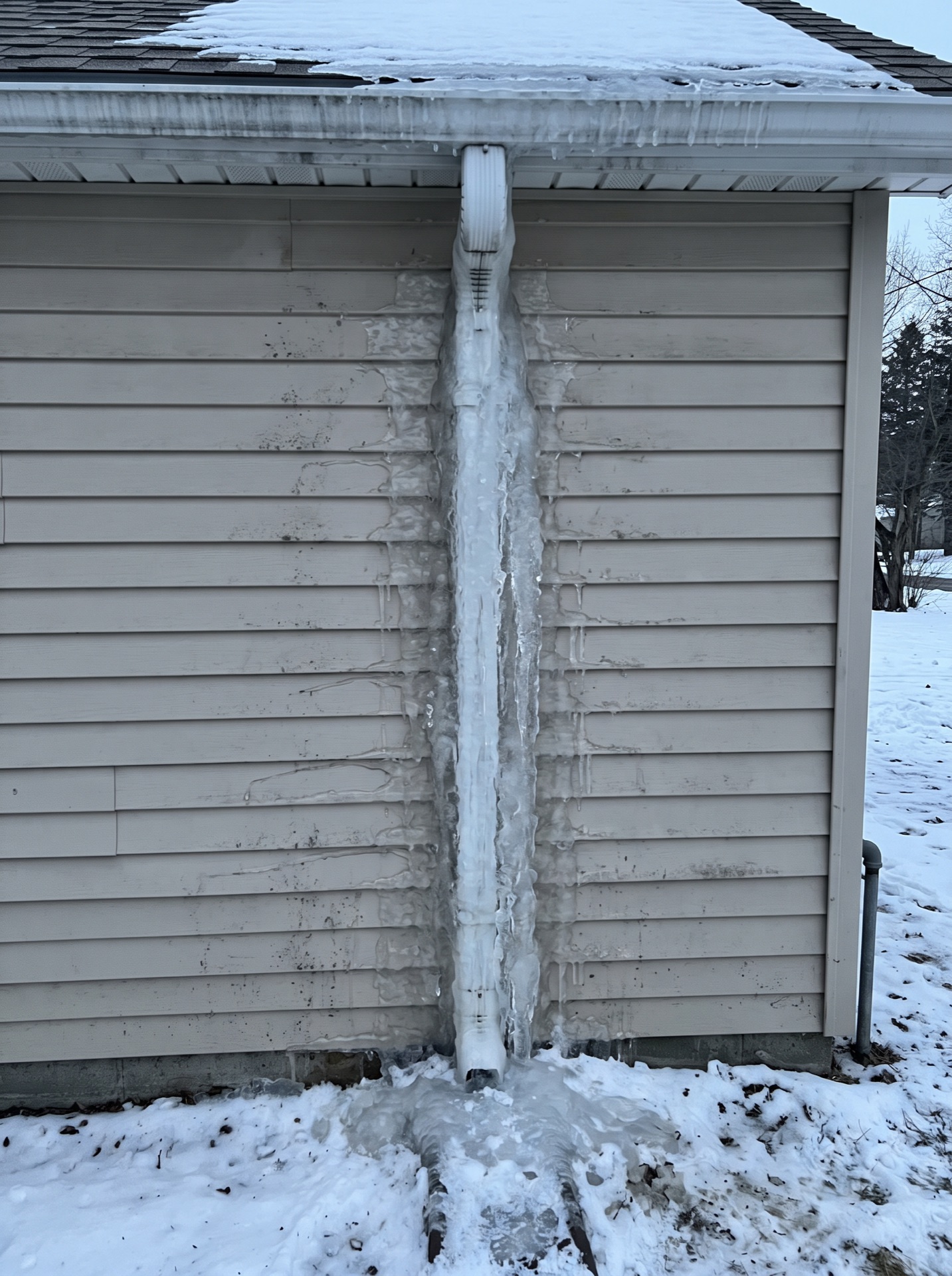
A dam sitting above a gutter packed solid with ice is only half the problem. Clear the eave and leave the trough frozen, and the next day's meltwater has nowhere to run — it backs up onto the roof and the dam rebuilds from the bottom.

Crews steam the trough and the downspout through to daylight on the same visit. It adds time, which is why the hour estimate given on the phone accounts for it, and it is the difference between a fix and a repeat visit in Glenview the following week.

Why the dam formed in the first place

Ice dams are a heat problem wearing a weather costume. Warm air escaping into the attic melts snow on the upper roof; that meltwater runs to the eave, which hangs past the heated envelope and stays below freezing; it refreezes there, and the ridge of ice grows a layer every cycle. Removal is the emergency fix. Before the crew leaves you will know which part of your attic is feeding it.

How long a removal actually takes

A single-story eave with a thin dam and clear gutters is often an hour or two. A two-story Glenview house with ice standing a foot deep across the front, frozen downspouts and a valley packed solid is most of a day for a two-man crew. The honest answer on the phone is a range and the reason for it, not a number designed to win the booking.

The estimate is revised out loud if the roof turns out worse than it looked from the ground, before the extra hours are worked rather than after they appear on the invoice.

What happens after the ice is off

Once the eave is clear and water is draining, the crew walks the interior with you where there is visible damage and says plainly whether it needs drying. Wet insulation and a damp ceiling cavity do not resolve themselves in a cold Glenview February.

If it does, that is a separate scope and it gets written separately — nobody is upsold a dryout on the strength of one damp patch.

Worker using steam equipment to remove ice dam from snowy roof at night
A technician uses professional steam equipment to safely remove a heavy ice dam from a residential roof.

What you get in Glenview

  • Steam onlySafe on asphalt, cedar, slate, tile and metal — no chipping, no pressure, no salt
  • Same-day dispatchActive interior leaks go to the front of the schedule during a freeze event
  • Photographed as we workDated before and after images and a written scope your adjuster will accept
Ice Dam Removal in Glenview, IL — specification
Service specification for Glenview, IL
Pricing modelBilled by the crew hour, rate quoted before dispatch
Typical scopeSteam, 4-8 crew hours typical
Coverage areaGlenview and Cook County
Dispatch windowSame day to 24 hours
Local ice-barrier practiceEave membrane on new work, often absent
Primary climate stressorRepeated thaw-freeze cycling
ServiceIce Dam Removal in Glenview, IL

Glenview Coverage and the Adjoining Communities

Crews working Glenview cover the adjoining communities on the same route — Golf, Morton Grove, Techny, Niles and Winnetka — so a storm week usually means one truck handling several addresses in Cook County rather than separate trips.

Nearest hub towns with their own ice dam removal pages: Northbrook, Des Plaines, Park Ridge, Wilmette, Glencoe, Skokie.

Coverage runs across Glenview and the nearby towns all winter, and capacity is surged into whichever Illinois market the storm actually hits.

Most jobs do not stop at one service. Ice Dam Removal in Glenview often runs alongside water mitigation & dryout in Glenview, and both get written into one scope rather than billed as separate visits.

Active leak right now? Our 24/7 Glenview steam ice dam removal crews are dispatched first during a freeze event. Call (888) 561-9664.


One Event, One Claim

Everything The Ice Dam Caused In Glenview, On One Claim

Taking the ice off is usually the cheapest part. The water that already got in, the mold it leaves, the ceiling that has to come down and sometimes the roof itself are one loss event, so they go on one insurance claim, handled by one company.

How it goes on the claim

  • One loss, one claim number. Removal, mitigation, mold, interior repair and roof damage from the same ice dam are reported as one event.
  • Broken out by coverage. Mitigation, mold (often under its own sublimit), interior repair and the roof are written as separate Xactimate sections, so a question on one line does not hold up the rest.
  • Documented the whole way. Dated photographs and moisture readings run from the ice on the roof to the finished room, from one company, in one file.
  • Honest about the limits. Coverage depends on your policy. A roof that was simply old is not storm damage, and you and your carrier make the coverage decision.
Ice Dam Claims In Glenview
Conditions We Work In

Ice Dam Removal In Practice

Conditions crews work in across Cook County. Every job is photographed before and after.

Worker using steam equipment to remove ice dam from snowy roof at night
A technician uses professional steam equipment to safely remove a heavy ice dam from a residential roof.
Worker on ladder using steam wand to remove ice dam from snowy roof
A professional uses a steam wand from a ladder to safely melt and remove a heavy ice dam from a residential roof.
Large icicles and thick snow ice dam along roof edge of dark gray house
Heavy snow and a significant ice dam have formed along the eaves of this dark gray home.
FAQ

Glenview Questions We Actually Get Asked

It is billed by the crew hour, and the rate plus a realistic time estimate are quoted on the phone before anyone is dispatched.

  • Scope drives the hours: length and thickness of the ice, roof pitch and height, and whether the gutters are frozen solid.
  • Access matters too — a three-story Glenview roof takes longer to set up on than a ranch.
  • The invoice matches the quote. There are no surprise add-ons written on the tailgate.

Yes. Steam is safe on slate, cedar shake, tile and metal as well as asphalt, because it removes ice with heat rather than force.

  • Older Glenview housing stock with original slate is exactly where chipping does the most damage.
  • Crews adjust the lance distance and dwell rather than the pressure.
  • Nothing mechanical touches the covering at any point.

Same day or next morning for most Glenview calls, with active interior leaks moved to the front of the schedule.

  • During a freeze event crews run from first light until dark across Cook County.
  • The same route covers Golf, Morton Grove, Techny, so several addresses are usually handled in one run.
  • Call rather than using the form if water is coming in — the phone is always faster.

Tell the crew. Chipping marks change what the roof needs and they matter for the claim.

  • Cracked shingles and punctures get photographed and reported rather than steamed over.
  • Damage caused by removal attempts is treated differently by carriers than storm damage.
  • It is extremely common and nobody is going to lecture you about it.

Yes. The dispatch area runs across Cook County, and several addresses in one area are usually handled in the same run.

  • Adjoining communities are on the same route rather than treated as a separate trip.
  • Rural addresses outside the normal radius get told the travel position on the call.
  • Capacity is moved into whichever part of Illinois the storm actually hits.

No. Steam removes ice with heat rather than force, at a pressure low enough to be safe on asphalt, cedar, slate, tile and metal roofing. That is exactly what separates it from a hot pressure washer, which relies on high pressure and strips the granules off asphalt shingles.

Not to remove the ice - that is all done from outside. A quick look in the attic before the crew leaves is offered anyway, because the dam formed for a reason and that reason is almost always up there. It takes a few minutes and it is what stops the same dam returning next month.

Nearby

Ice Dam Removal In Towns Around Glenview

Same-Day Response

Get A Glenview Crew Out

A dam left alone through February is not the same dam in March. It is bigger, and so is the repair behind it.

✓ Licensed & insured✓ Low-pressure steam only✓ Rate quoted up front✓ Photos for your claim
Online Quote(888) 561-9664