


The Wilmette Problem Is the Thermometer, Not the Snowfall
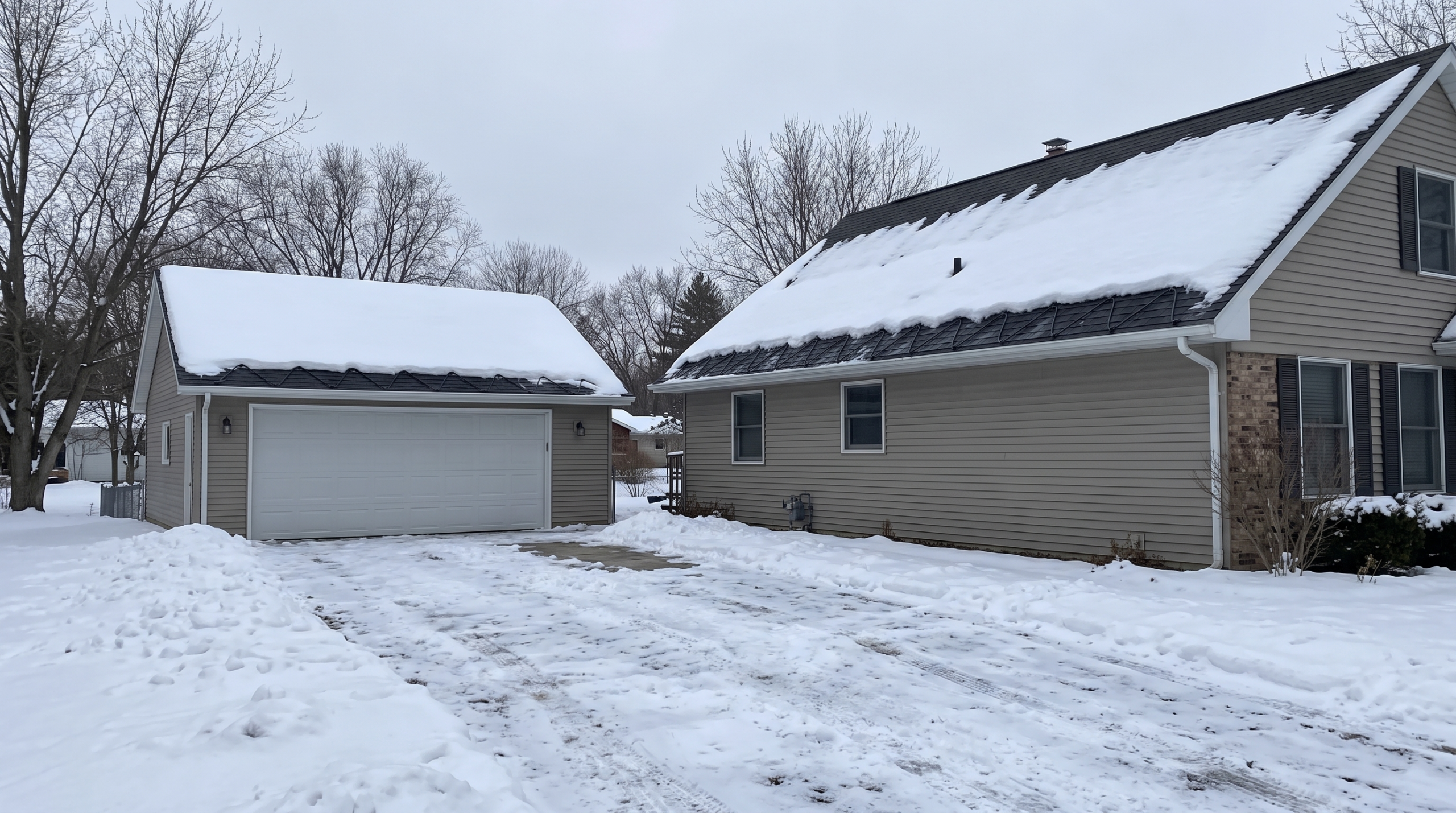
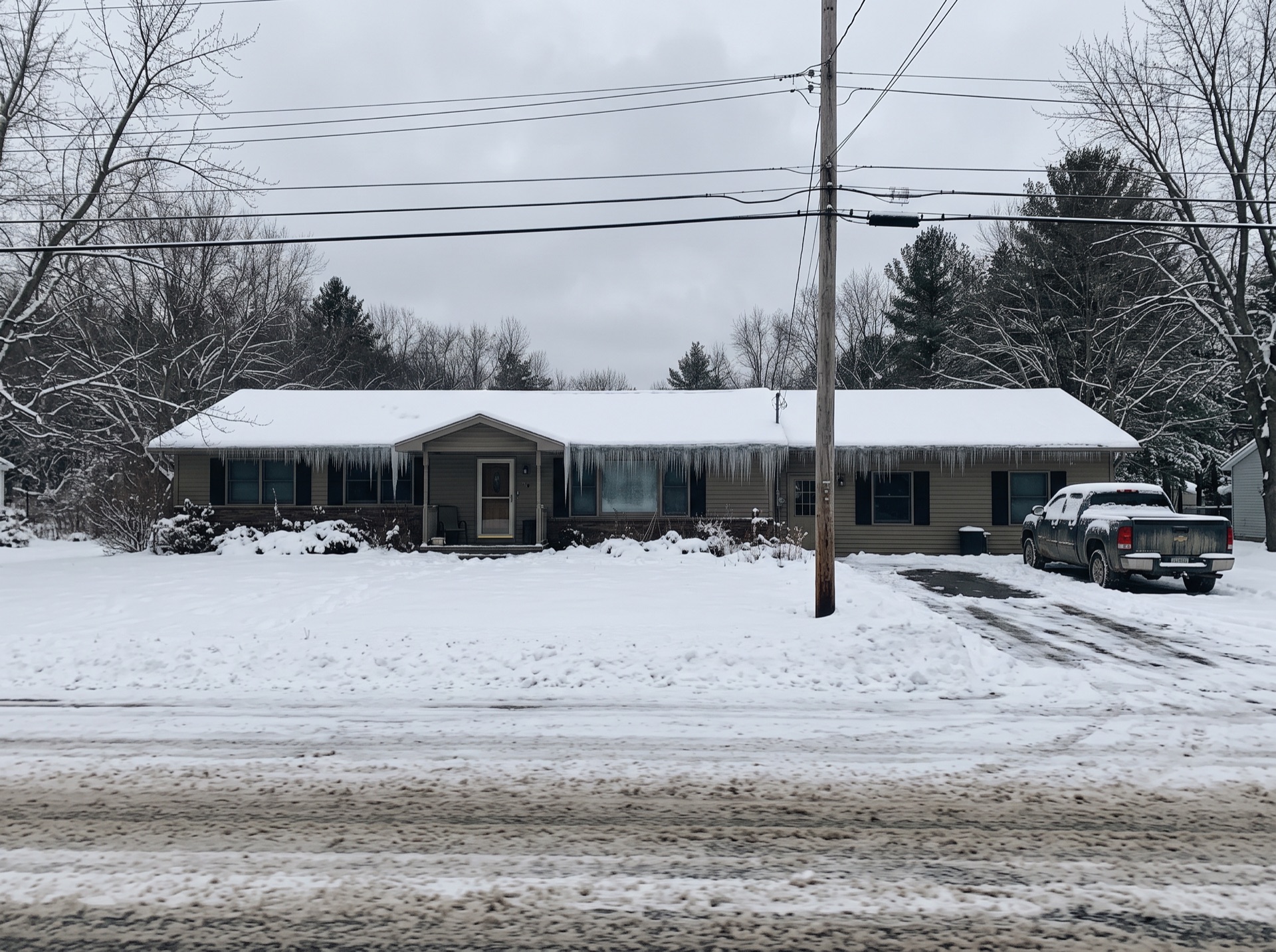
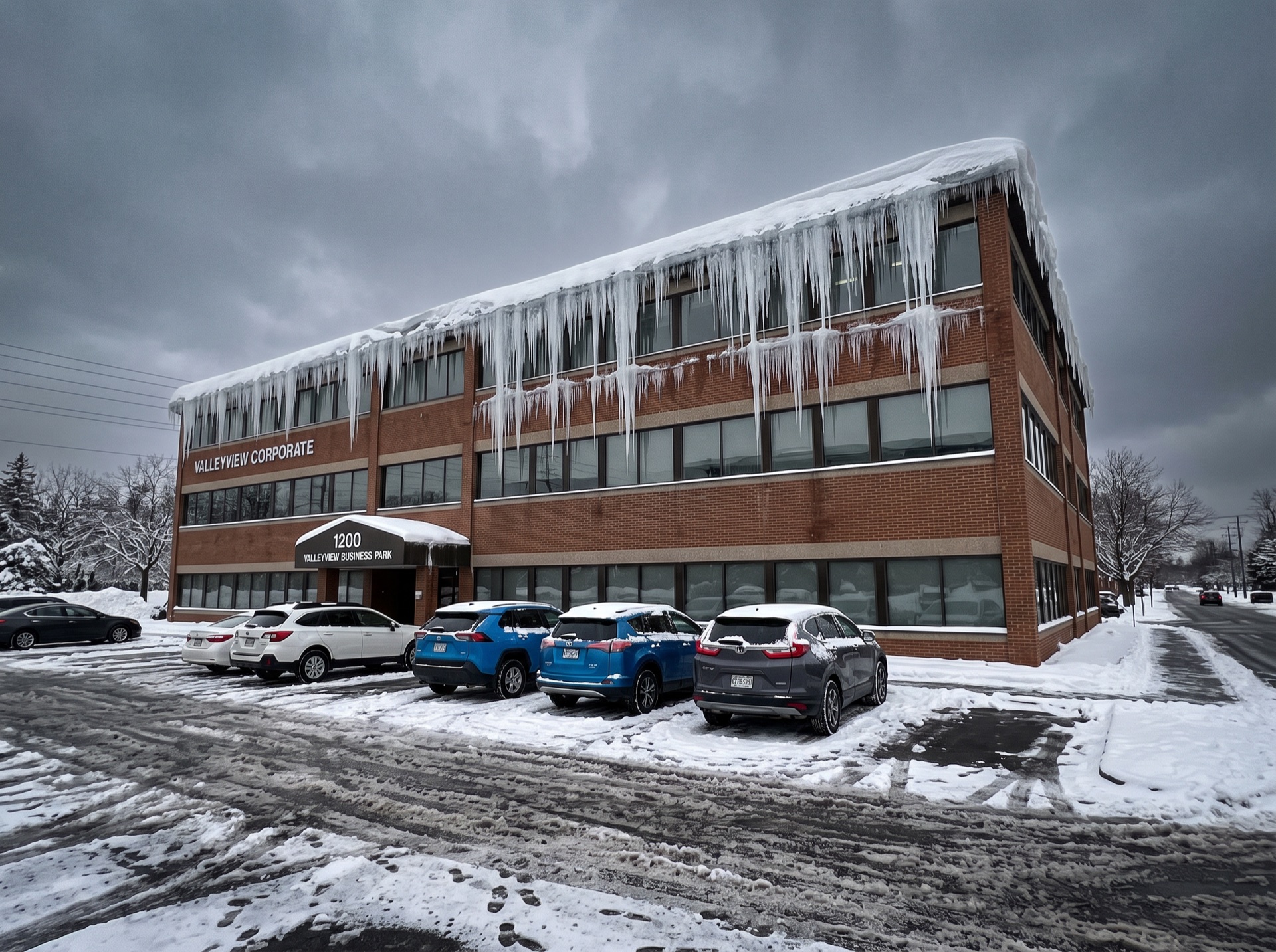
Three inches of snow and a week of days above freezing and nights below it will build ice on a Cook County eave just as reliably as a foot of snow further north.

The building stock has no margin for it. Because the winters here read as mild, attics tend to be under-insulated, eave details are less considered, and ice barrier is as often absent as present on a roof in Wilmette.
Ice-barrier practice in Cook County
The residential code Illinois follows requires eave ice barrier on new work, and Cook County enforces it. The variable on any given house is simply when it was last roofed.
What a Crew Does on a Wilmette Roof
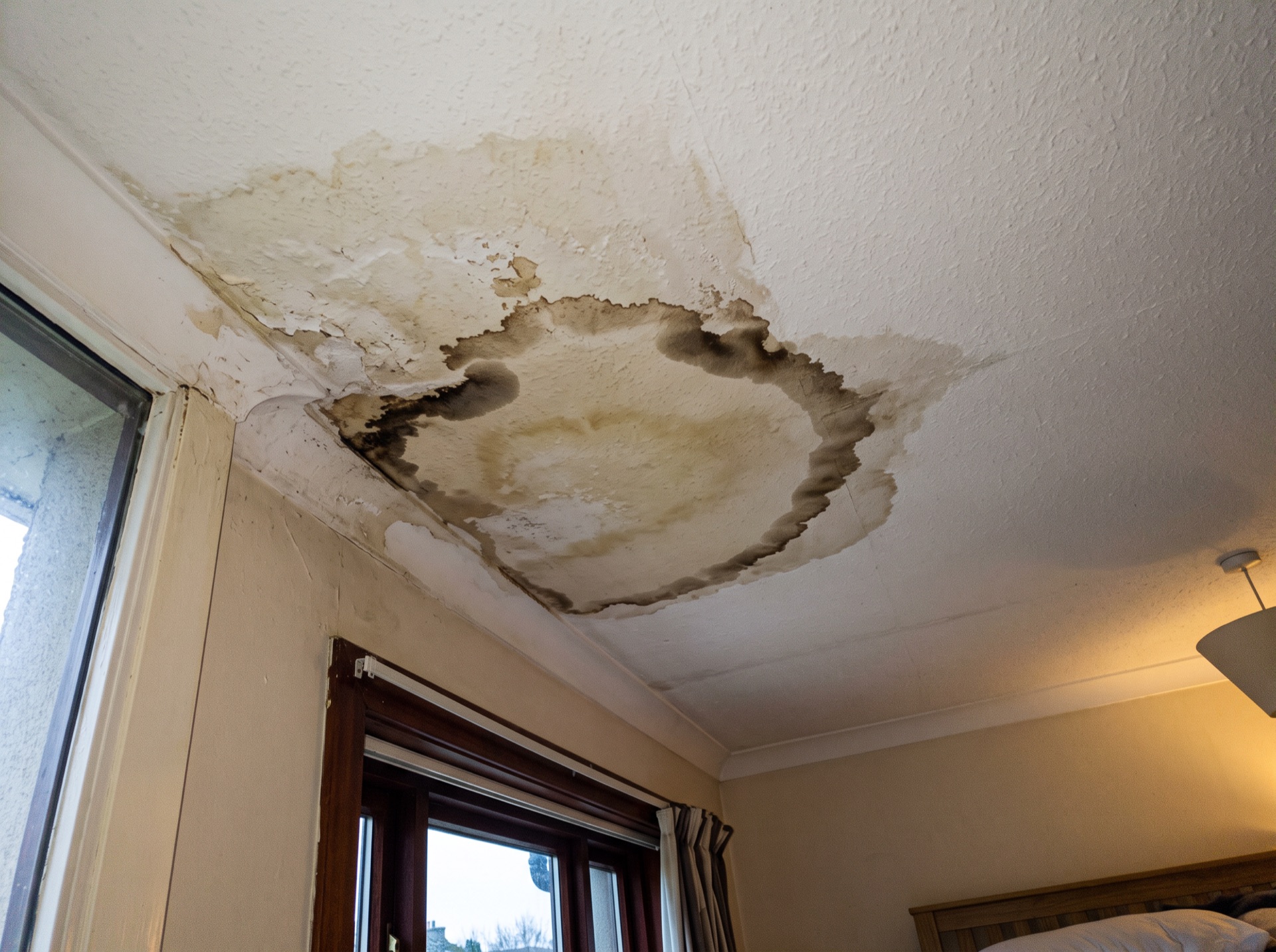
The first pass is assessment: eaves, valleys, gutter line and any interior staining, all photographed with timestamps. You see what the crew sees, and the rate and likely hours are agreed before work begins.
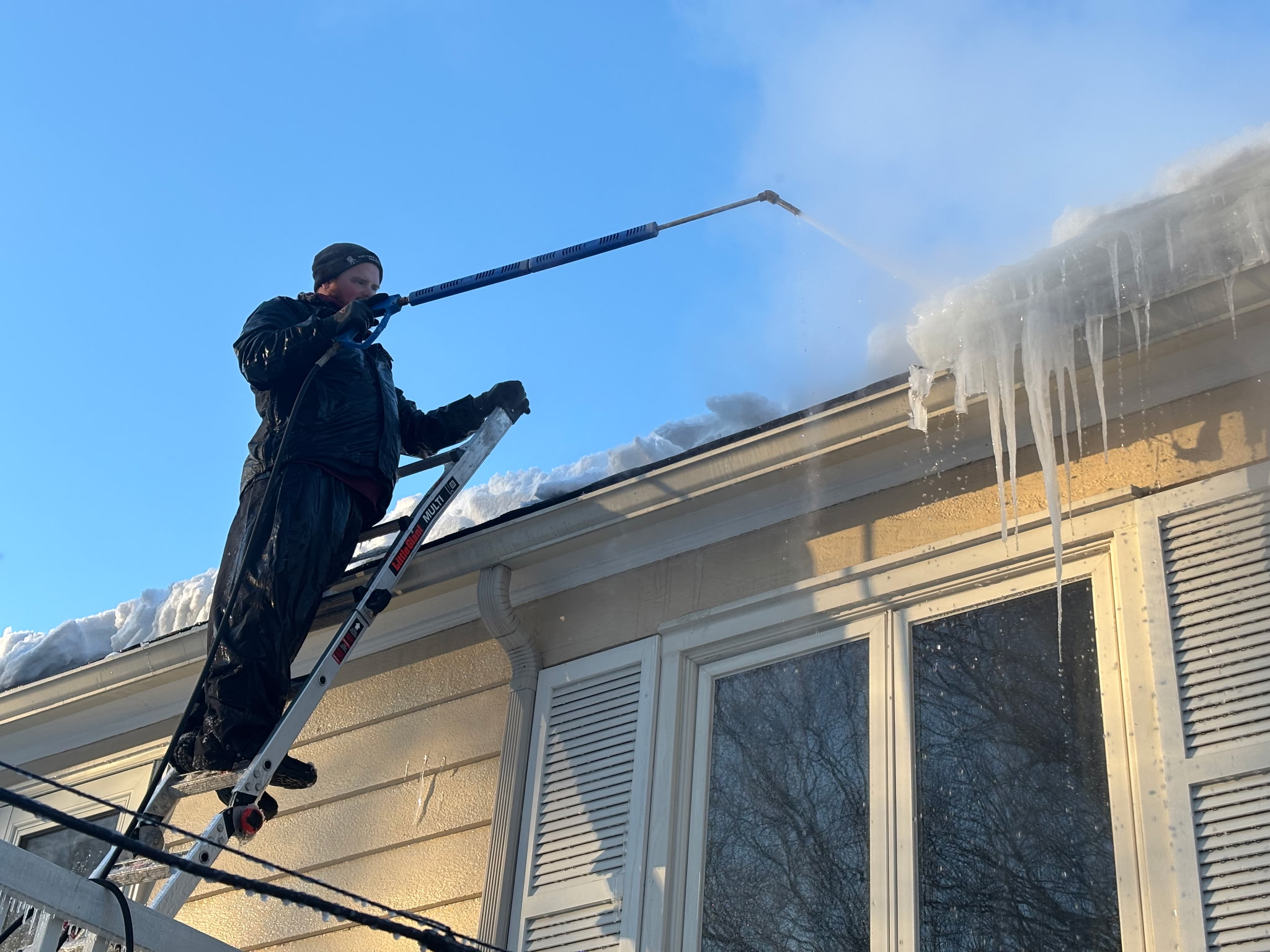
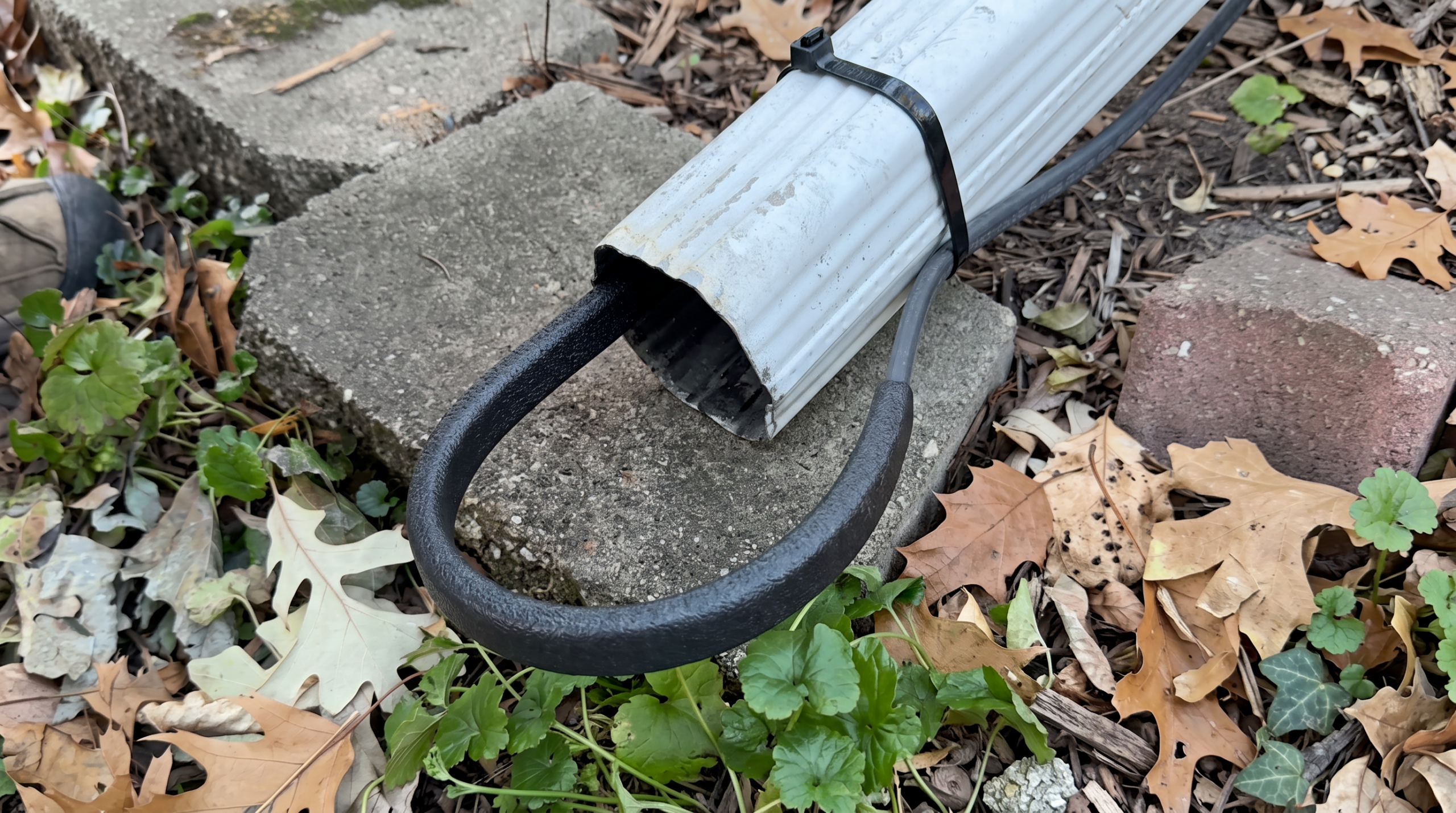
Steam then takes the dam off in sections, prioritizing wherever water is actively backing up behind it. The gutter trough and downspout are cleared through to daylight on the same visit, because a clear eave over a frozen gutter is a temporary fix.
Why a drainage channel is not removal
Cutting a few channels through a dam so water can get past is quick and it is sometimes sold as ice dam removal. It drains the roof for as long as the channels stay open, which in a Wilmette cold snap can be a single night before they close again.
Removing the dam means taking the ice off down to the shingle along the whole affected run, so the eave can drain the way it was built to. It takes longer and it is the only version that holds.
Dormers, valleys and dead spots
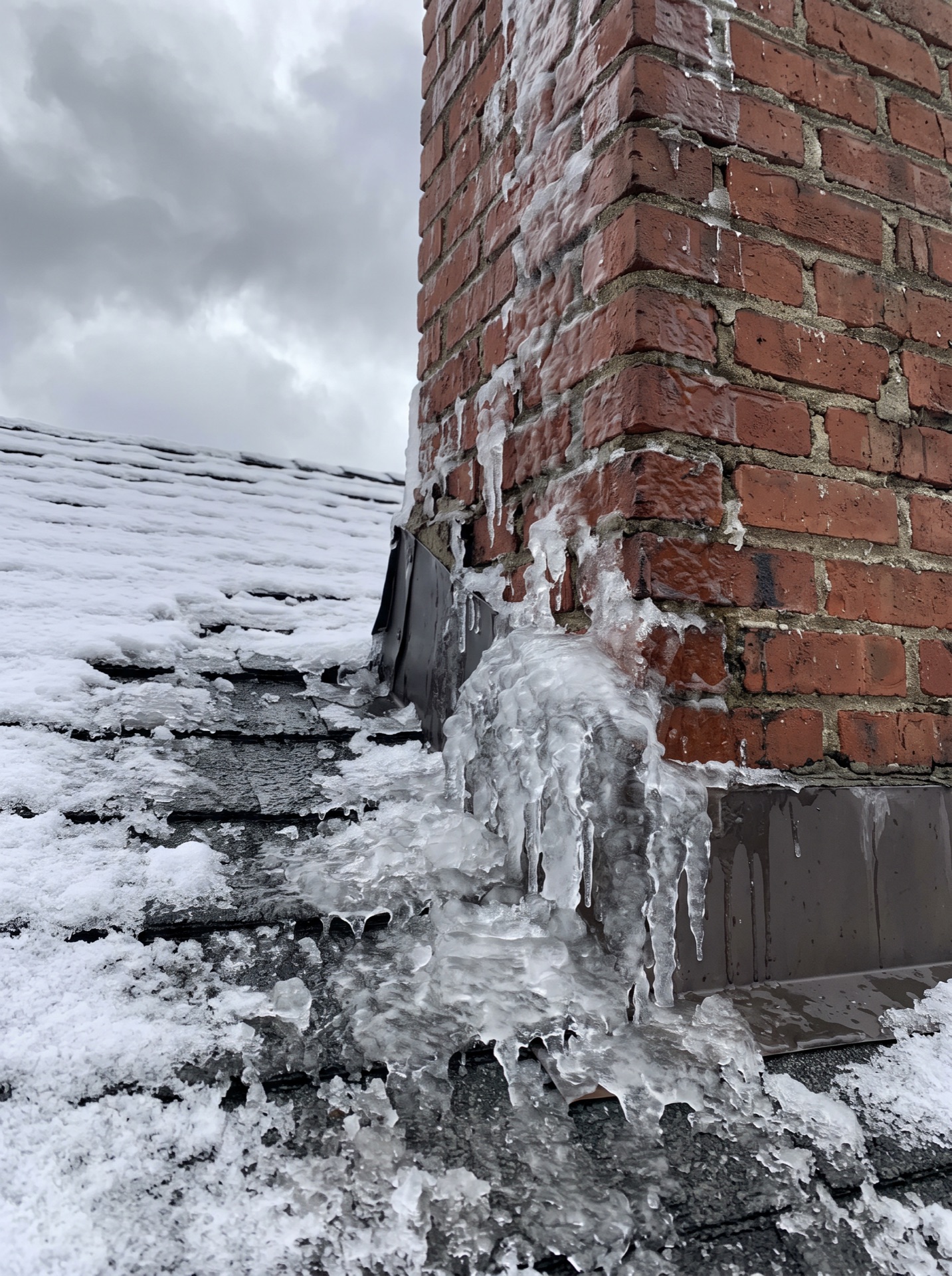
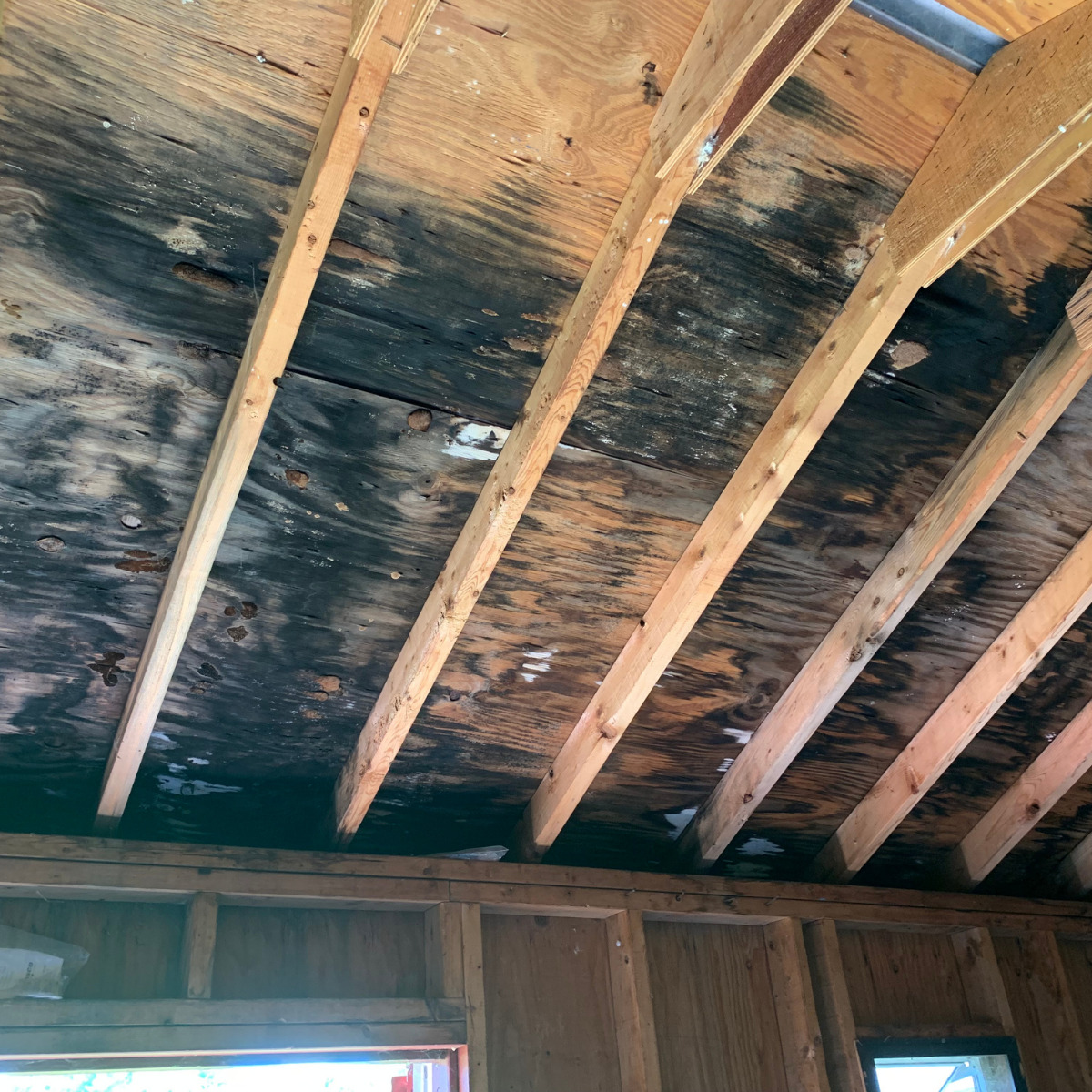
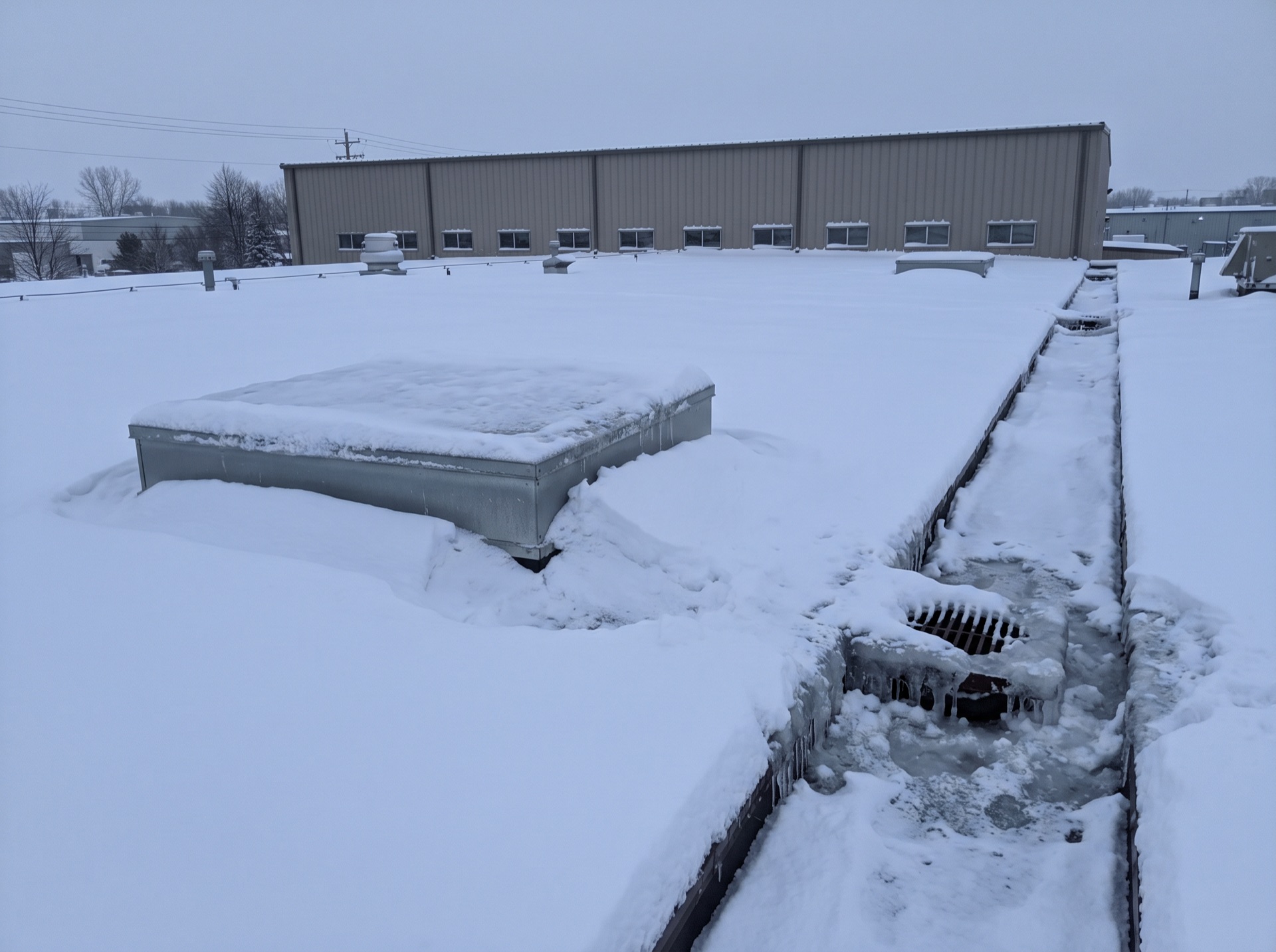
Ice does not distribute evenly. It concentrates where two roof planes meet, behind dormers, in dead valleys that drain nowhere, and along the north face that never sees sun. Those pockets hold water deepest and leak first.
A crew working a roof in Wilmette clears the full eave line and then goes back through the valleys and dormer pockets specifically, because clearing the easy straight run and calling it done is how a roof leaks again a week later.
Steep, high and awkward Wilmette roofs
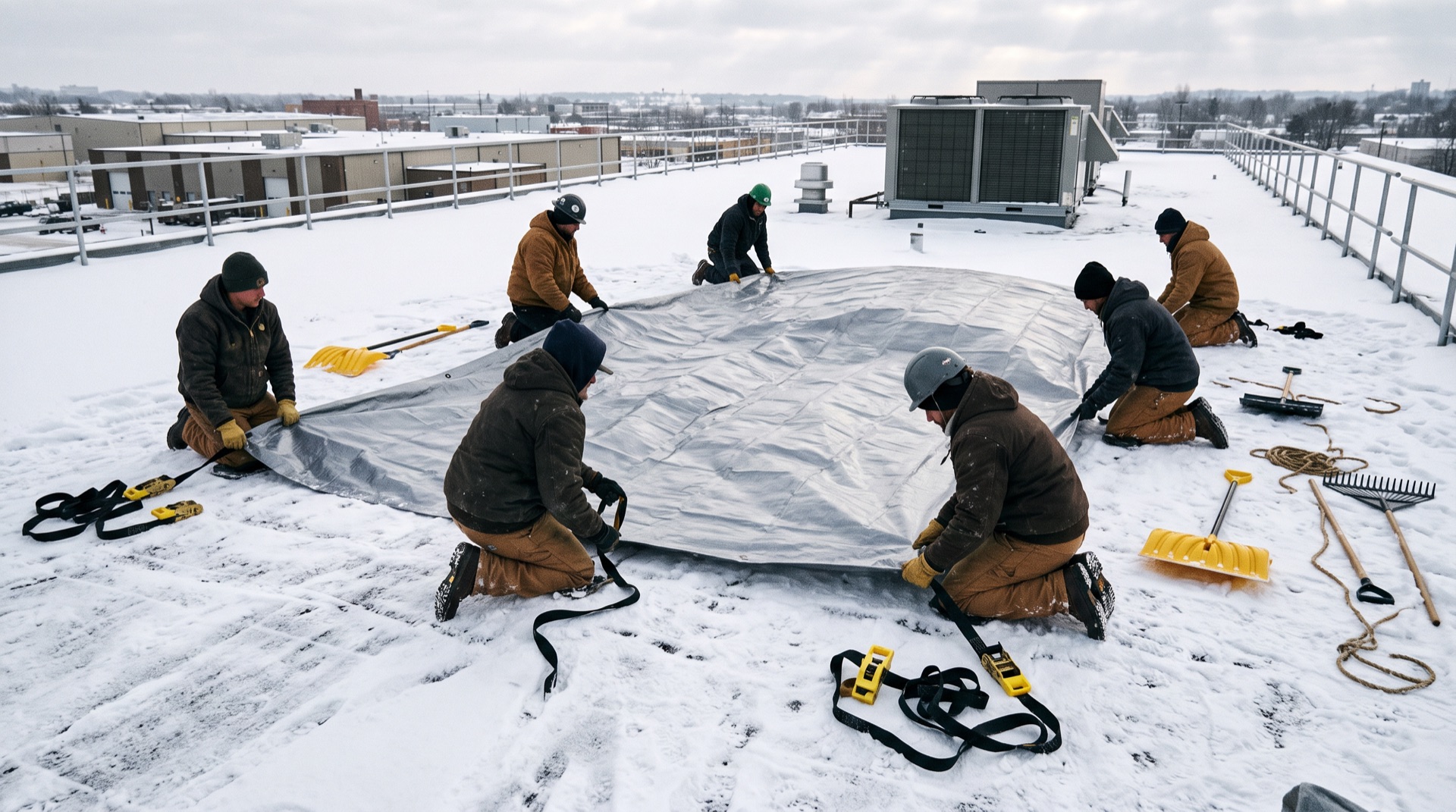
Pitch and height change the job more than ice thickness does. A walkable ranch eave is a ladder and a lance. A three-story roof with a steep pitch means anchors, rope, staging and two people where one would otherwise do.
Crews quote on that honestly. If a property in Wilmette needs a longer setup, it is said on the phone rather than discovered at the end of the invoice.
| Service | Ice dam removal in Wilmette, IL |
|---|---|
| Removal method | Low-pressure steam only. No chipping, salt or pressure washing. |
| Documentation | Dated before and after photos, written scope in Xactimate line items |
| Coverage area | Wilmette and Cook County |
| Pricing model | Billed by the crew hour, rate quoted before dispatch |
| Dispatch window | Same day to 24 hours |
| Local ice-barrier practice | Eave membrane on new work, often absent |
Wilmette Coverage and the Adjoining Communities
Crews working Wilmette cover the adjoining communities on the same route — Kenilworth, Winnetka, Golf, Morton Grove and Lincolnwood — so a storm week usually means one truck handling several addresses in Cook County rather than separate trips.
Nearest hub towns with their own crew pages: Evanston, Skokie, Glencoe, Glenview, Northbrook, Park Ridge.
During a cold snap Wilmette gets worked alongside the neighboring Cook County towns on the same route, with active interior leaks moved to the front of the list.
If water is already inside a property in Wilmette, call (888) 561-9664 rather than filling in a form — the phone is faster and leaks jump the line.