Every Longmont winter produces the same two calls: the ones who see the ice early, and the ones who see the ceiling stain first. As part of our complete Longmont winter roof services, crews handle mold remediation across Boulder County.
Why Longmont Roofs Dam on Days It Never Thaws
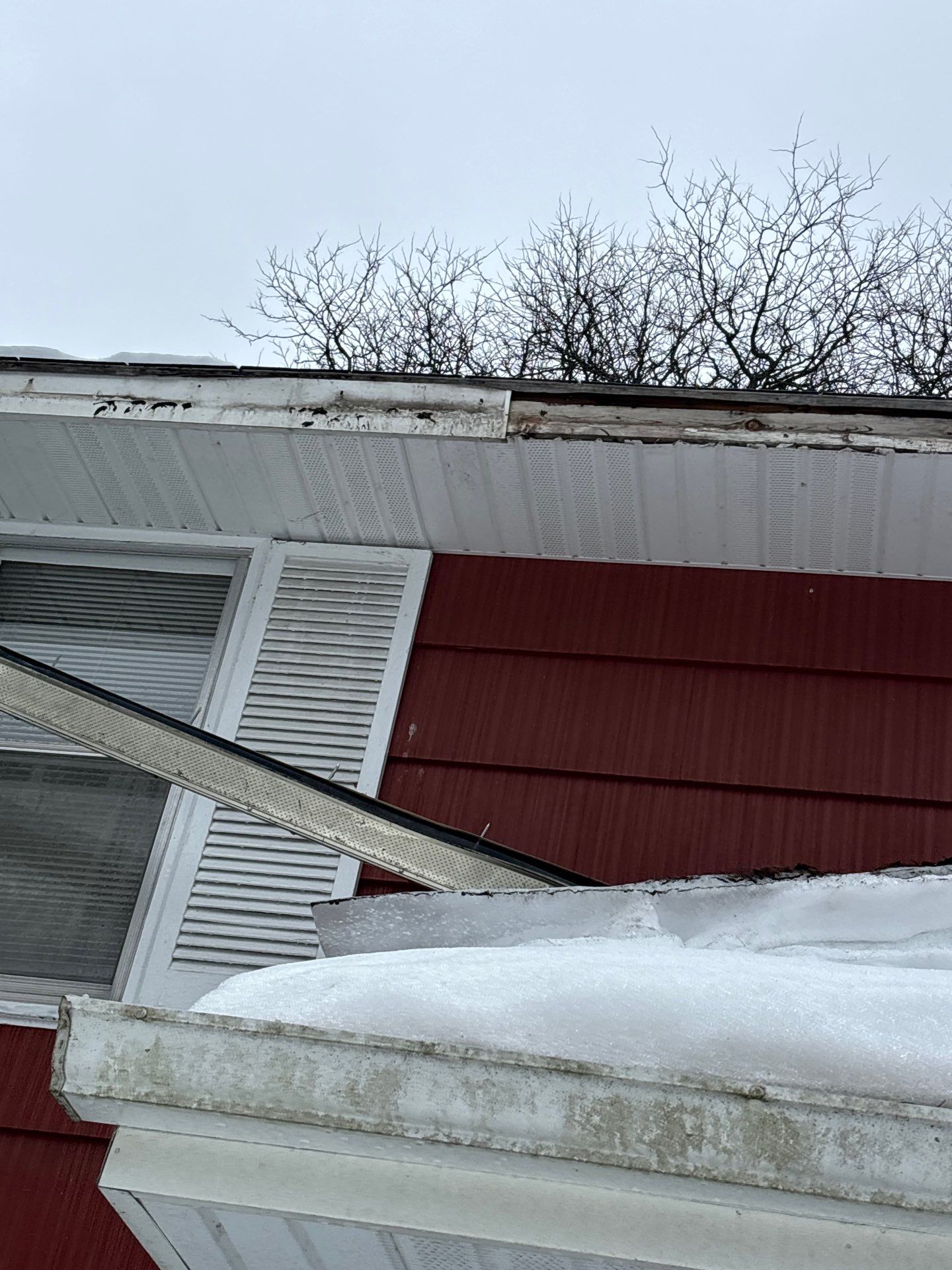
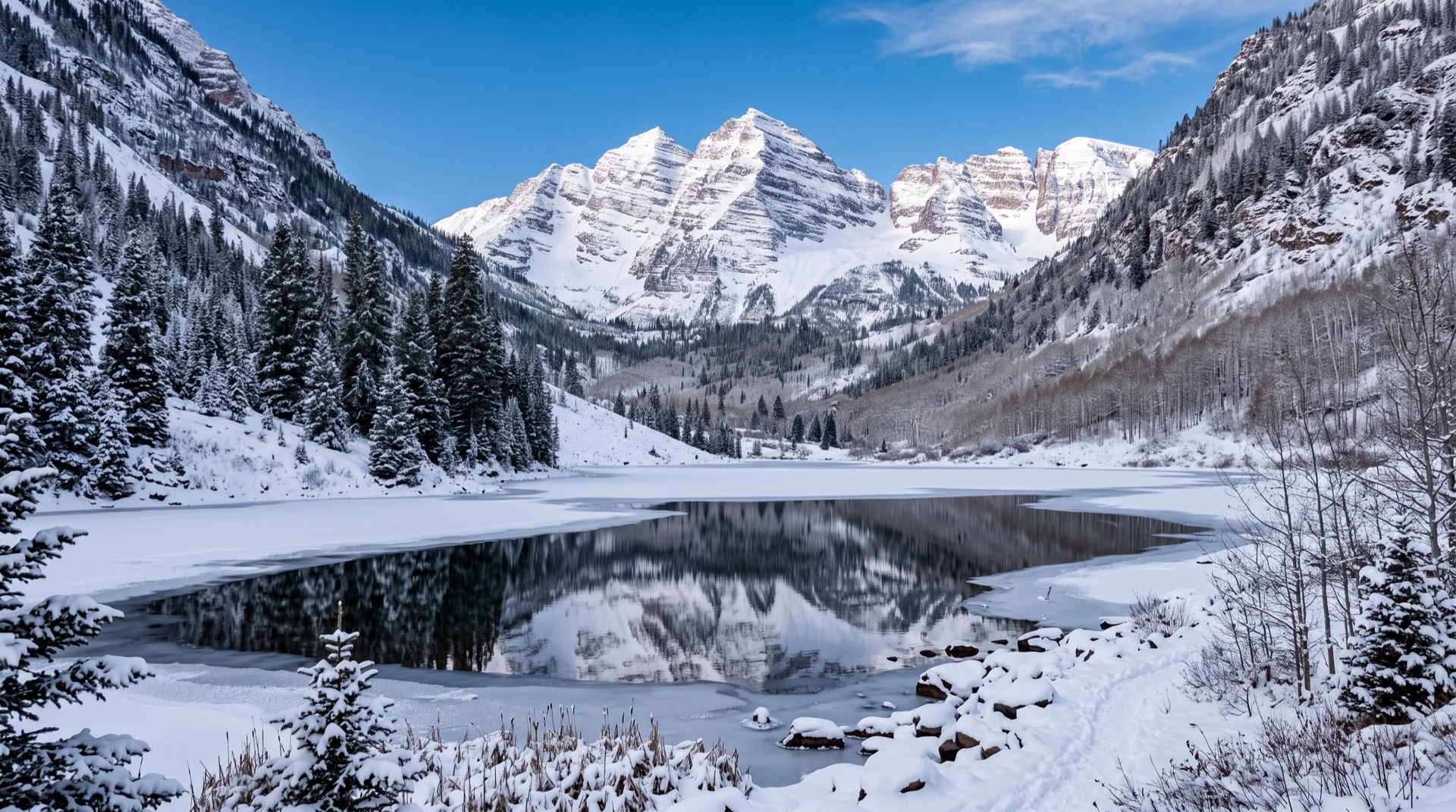
At Longmont's elevation the air can stay below freezing all day while direct sun still melts the top of the snowpack. That meltwater runs down under the pack, reaches a shaded eave, and refreezes — on a day the thermometer never rose above freezing.

Aspect decides which eaves suffer. A sunny plane sheds water across a roof in Longmont to a shaded eave that has not been above freezing for weeks, and that is where the ice builds into a wall.
Ice-barrier practice in Boulder County
High-country Colorado codes typically call for extended ice barrier and, on metal roofing, snow guards above any door, walkway or parking area. Both exist because of what comes off these roofs.
Mold Remediation in Longmont: How The Work Runs
Remediation, then the rebuild, from one company
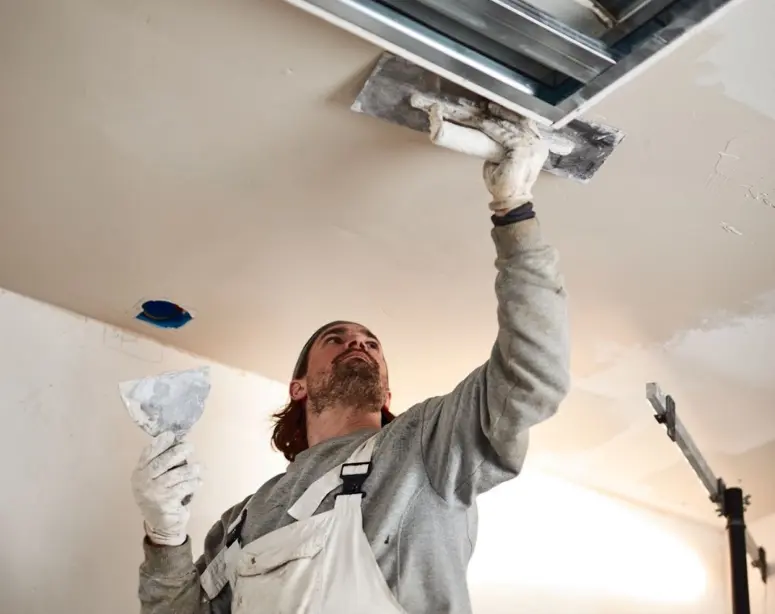
Removing mold is only half a job if you then have to find someone else to hang drywall, re-insulate and paint. Ice Dam Now does the interior repair as well: new insulation, drywall, texture, trim and paint, so the ceiling that came down to get the mold out goes back up under the same scope and the same claim. Mold in the Attic After an Ice Dam.
That also means one set of photographs and moisture readings runs from the first visit to the finished room, which is what an adjuster wants to see.
What it looks like from the homeowner side
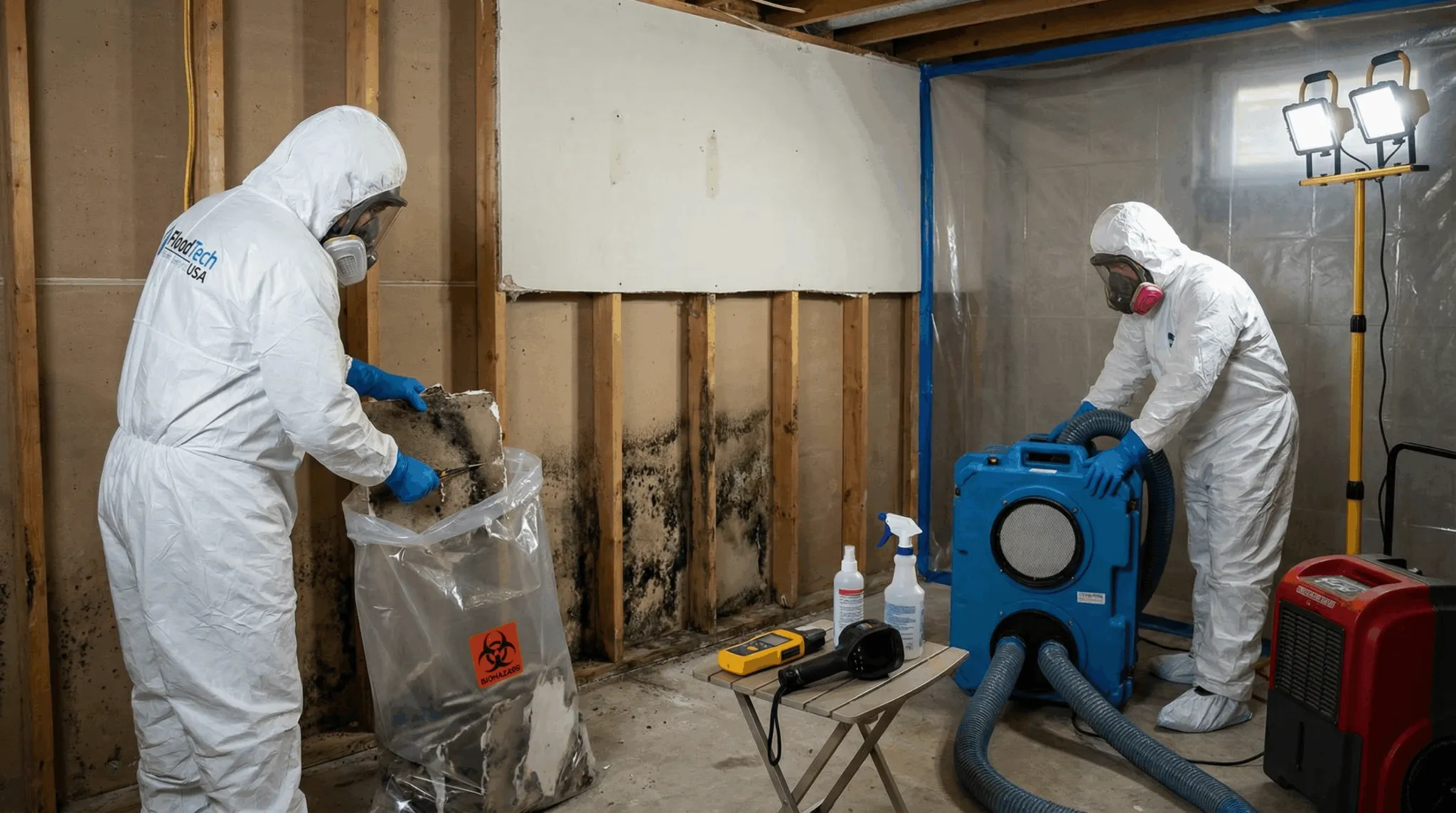
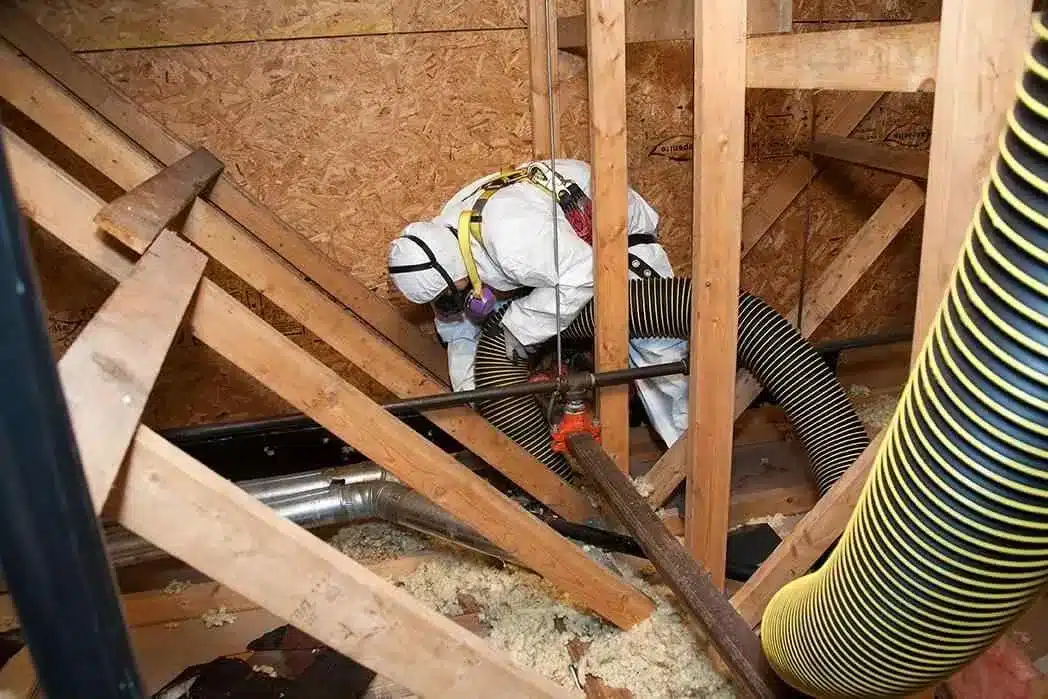
Most people stay in the house. The affected room or attic is sealed off, the equipment runs for a few days, and the crew comes and goes through a zippered door in the containment.
The noise is the air scrubbers and dehumidifiers running around the clock. Placement can usually be worked around bedrooms, and the timeline is set out before anything starts.
The attic is the usual starting point
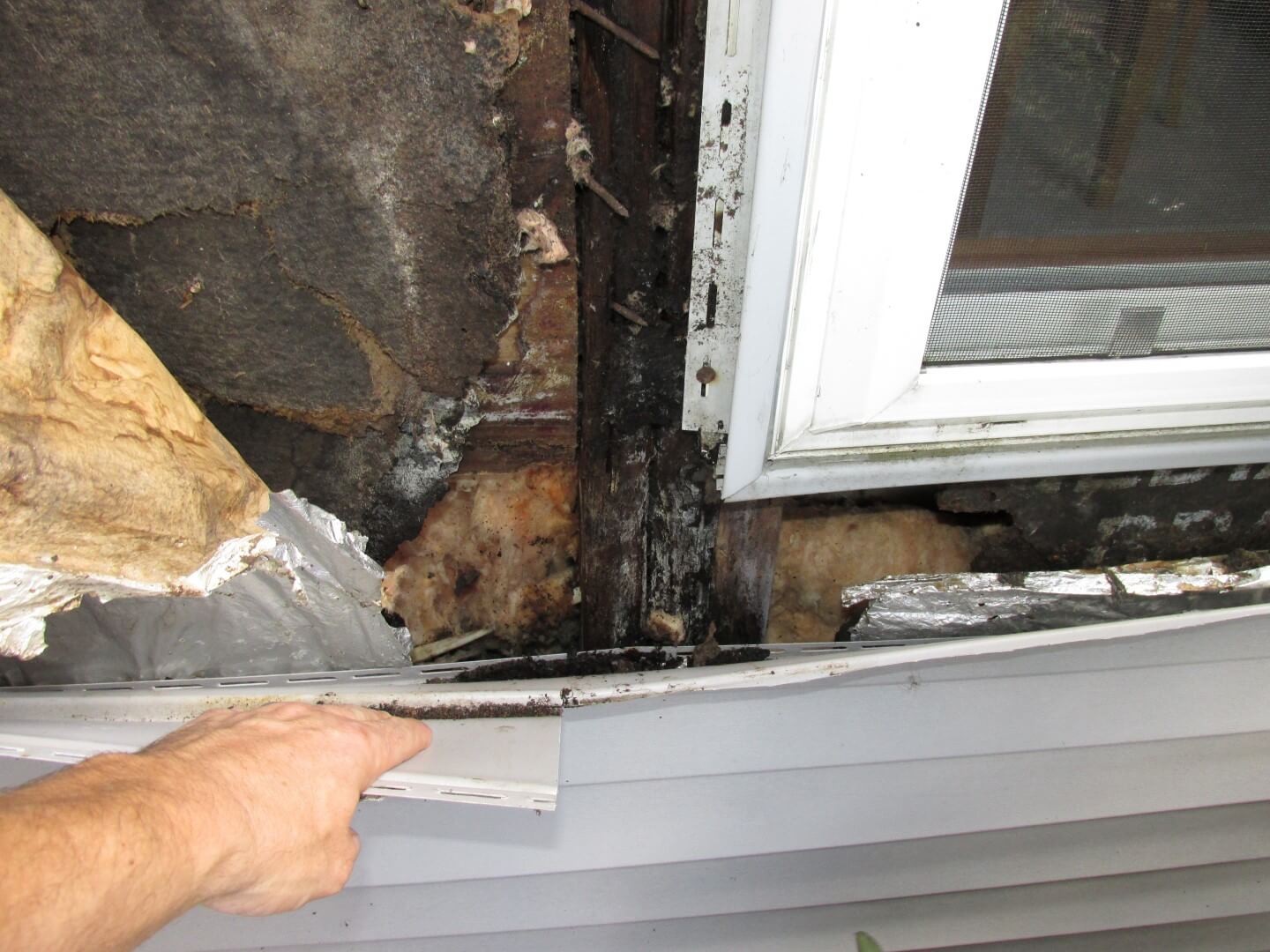
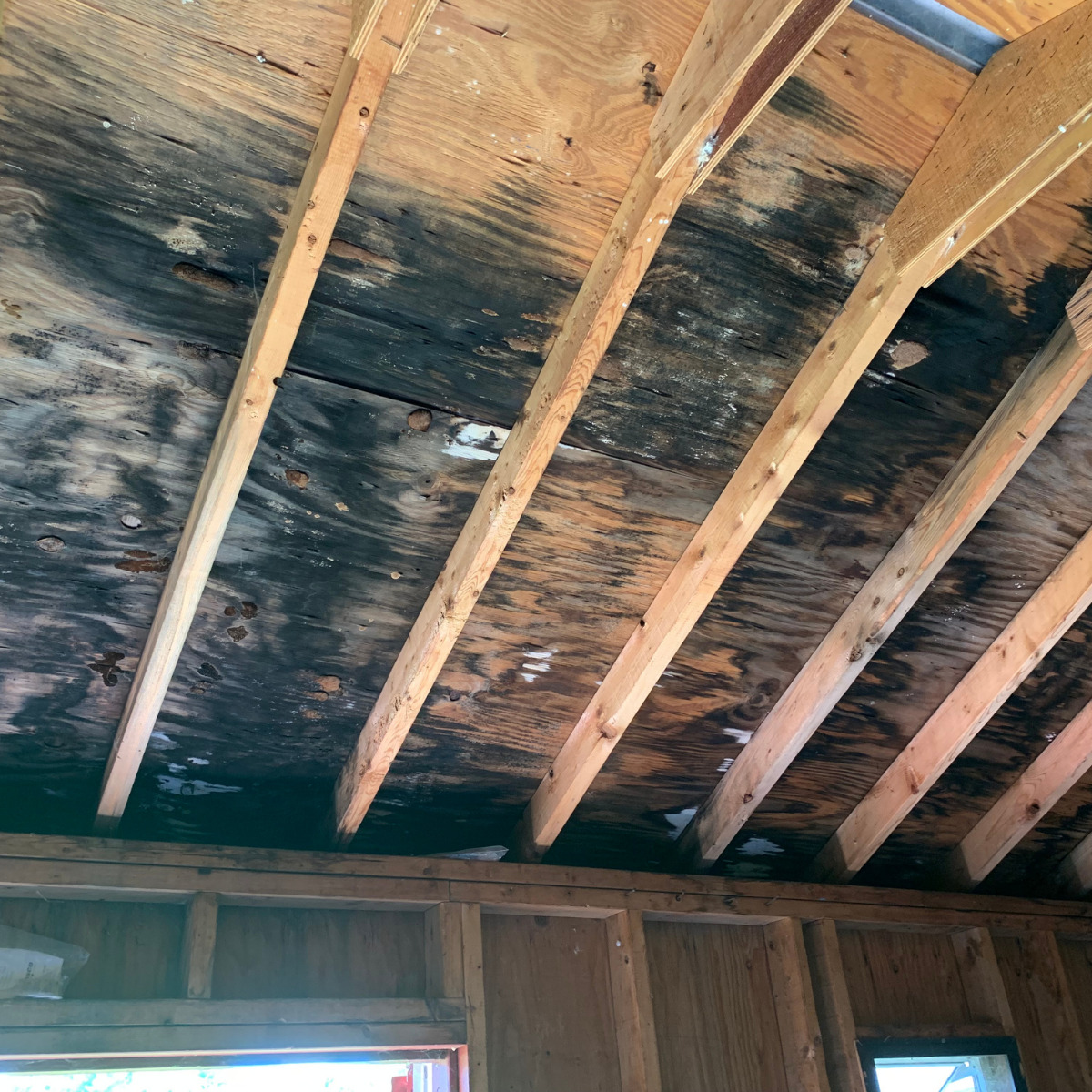
On most ice dam jobs in Longmont the worst growth is on the underside of the roof deck in the first few feet above the eave, exactly where the meltwater backed up. It often looks like a band of dark spotting running along the eave line.
Insulation along the same line is usually matted and stained. Both come into the scope together, because drying the deck while leaving wet insulation against it does not work.
Attic mold: the sheathing, the rafters and the insulation
Most ice dam mold is in the attic. Meltwater backs up under the shingles at the eave, wets the roof deck from above, and runs down onto the insulation. Black spotting on the underside of the OSB or plywood along the eave line, darkened rafters and matted, stained insulation are the signs.
Wet insulation comes out and is bagged inside the containment. Affected sheathing and framing are HEPA vacuumed, cleaned and treated, or cut out and replaced where the wood has lost strength. Then the attic is dried to a measured number before anything goes back in.
What comes out and what gets cleaned
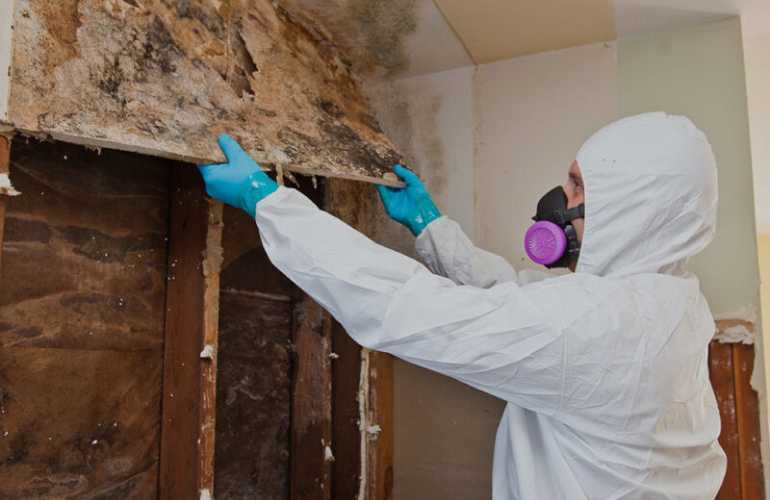
Porous material that has grown mold, such as wet insulation, drywall paper and ceiling tile, cannot be reliably cleaned, so it comes out, bagged inside the containment.
Structural wood is different. Rafters, joists and sheathing with surface growth are HEPA vacuumed, cleaned and treated. Where the wood has gone soft or lost strength from repeated wetting, it gets cut out and replaced.
What you get in Longmont
- Moldy material removedWet insulation, drywall and trim that cannot be cleaned are bagged and taken out
- Claim-ready recordsDated photos and Xactimate line items alongside the water loss
- Containment firstPoly barriers and negative air so spores stay in the work area
| Coverage area | Longmont and Boulder County |
|---|---|
| Interior repair | Insulation, drywall, texture, trim and paint, done in-house after drying |
| Documentation | Dated before and after photos, written scope in Xactimate line items |
| Billing | Xactimate line items on one claim; carrier billed directly where the policy allows |
| Service | Mold Remediation in Longmont, CO |
| Local ice-barrier practice | Extended membrane plus snow retention |
| Dispatch window | 24 to 48 hours in mountain terrain |
Neighborhoods and Towns We Reach From Longmont
Crews working Longmont cover the adjoining communities on the same route — Hygiene, Niwot, Mead, Berthoud and Firestone — so a storm week usually means one truck handling several addresses in Boulder County rather than separate trips.
Nearest hub towns with their own mold remediation pages: Erie, Boulder, Lafayette, Louisville, Loveland, Broomfield.
Scheduling for Longmont tightens up during a freeze event, which is exactly when the phone beats the form. Water coming in means a call, not an email.
Most jobs do not stop at one service. Mold Remediation in Longmont often runs alongside water mitigation & dryout in Longmont, and both get written into one scope rather than billed as separate visits.
Active leak right now? Our 24/7 Longmont steam ice dam removal crews are dispatched first during a freeze event. Call (888) 561-9664.