Homeowners across La Crosse County call about icicles. Icicles are cosmetic. The dam behind them, holding back standing water, is not. As part of our complete La Crosse winter roof services, crews handle mold remediation across La Crosse County.
Snow Bands, Warm Attics and the La Crosse Eave
The lake keeps producing snow long after a front has passed, so a roof in La Crosse County rarely gets the clear stretch it needs to shed. One band follows another and the pack simply deepens.

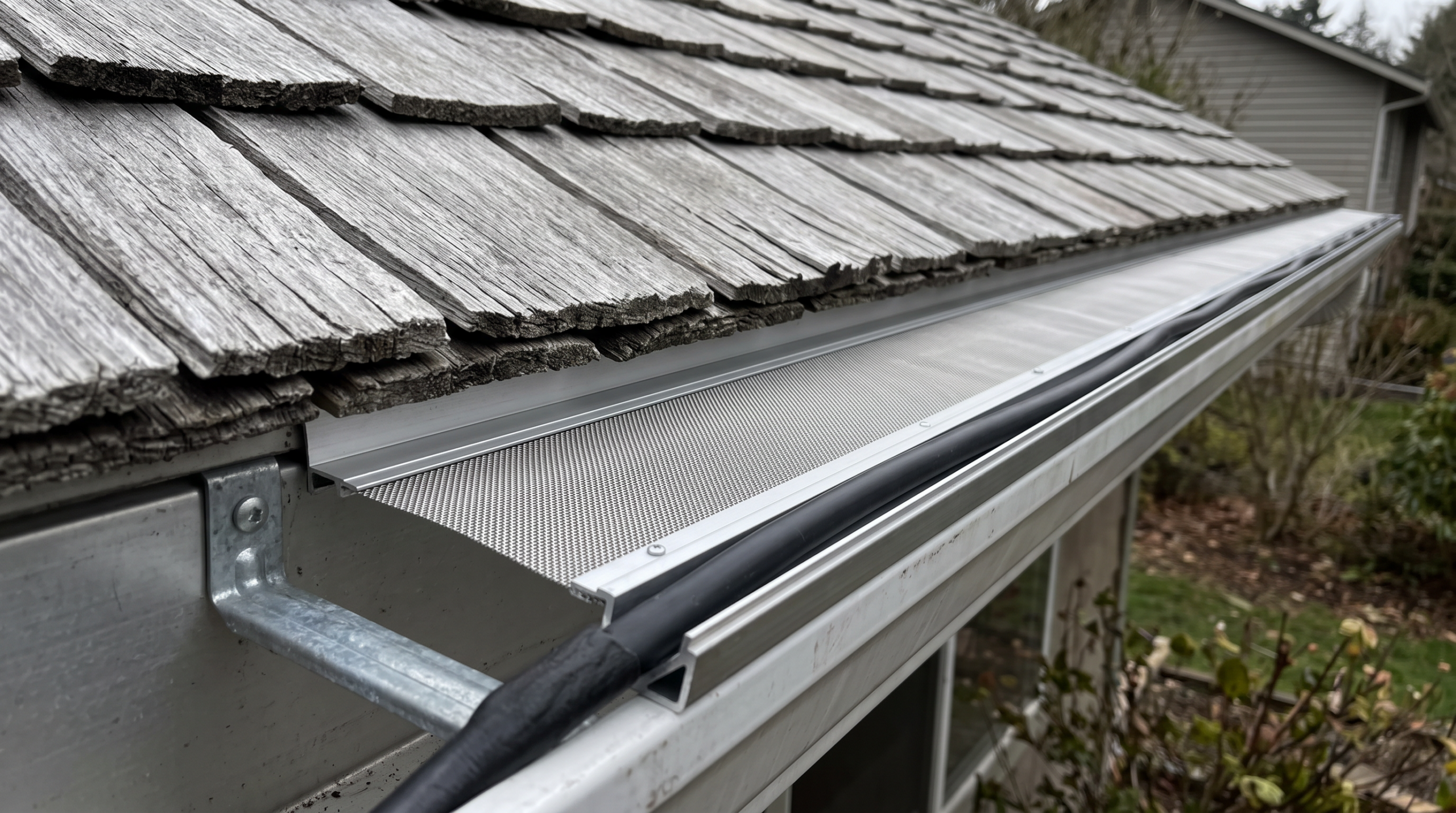
The damage comes on the thaw. Warm air leaking into the attic melts the underside of that pack, the meltwater runs to an eave that is still well below freezing, and it sets. Repeat that four or five times in a January and the ridge of ice at the gutter line stops being cosmetic.
Ice-barrier practice in La Crosse County
Most La Crosse County building departments expect self-adhering ice barrier at the eaves on any re-roof permit. The houses that leak are generally the ones last roofed before that became routine.
Mold Remediation in La Crosse: How The Work Runs
Why ice dam water turns into mold
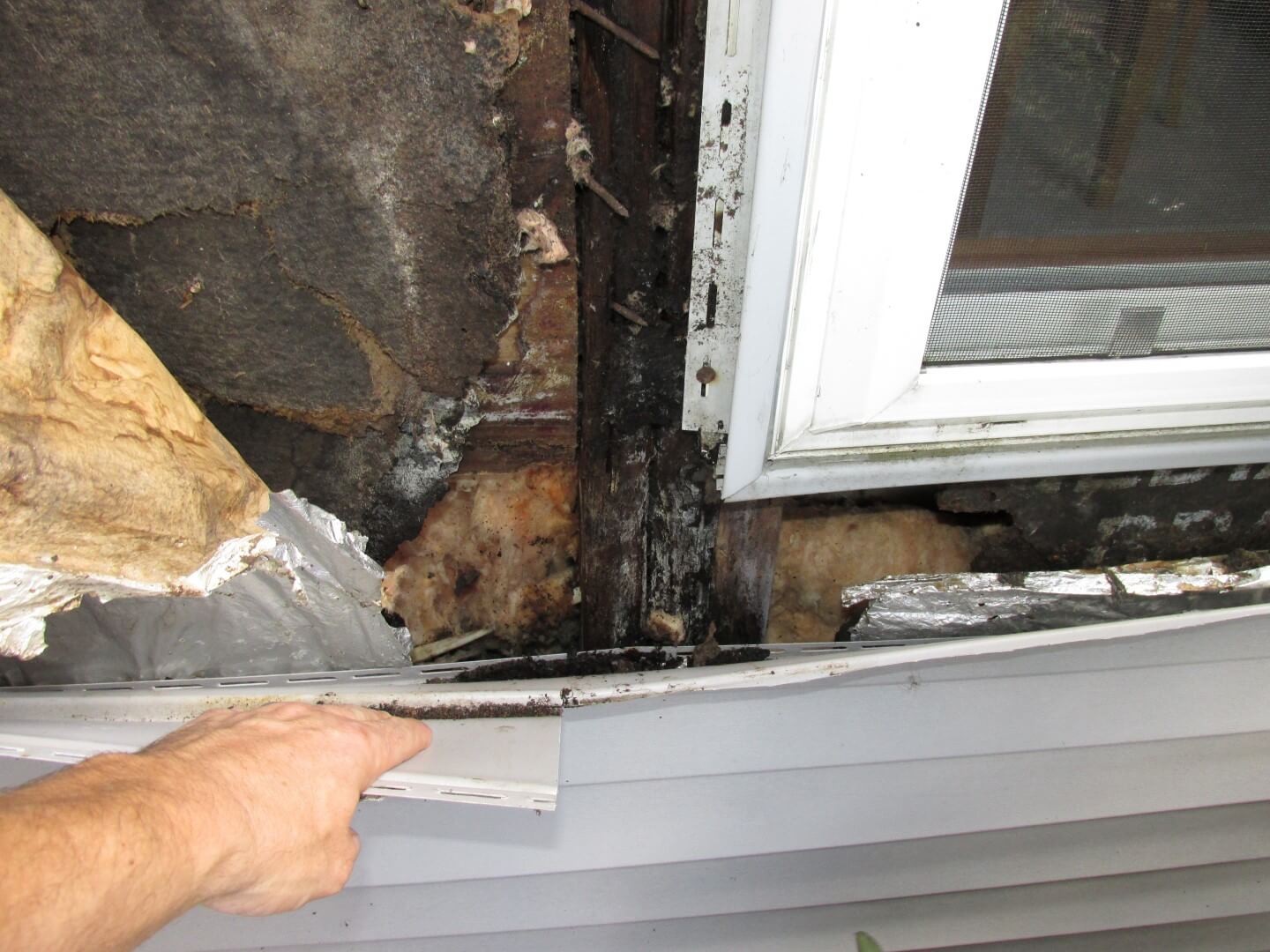
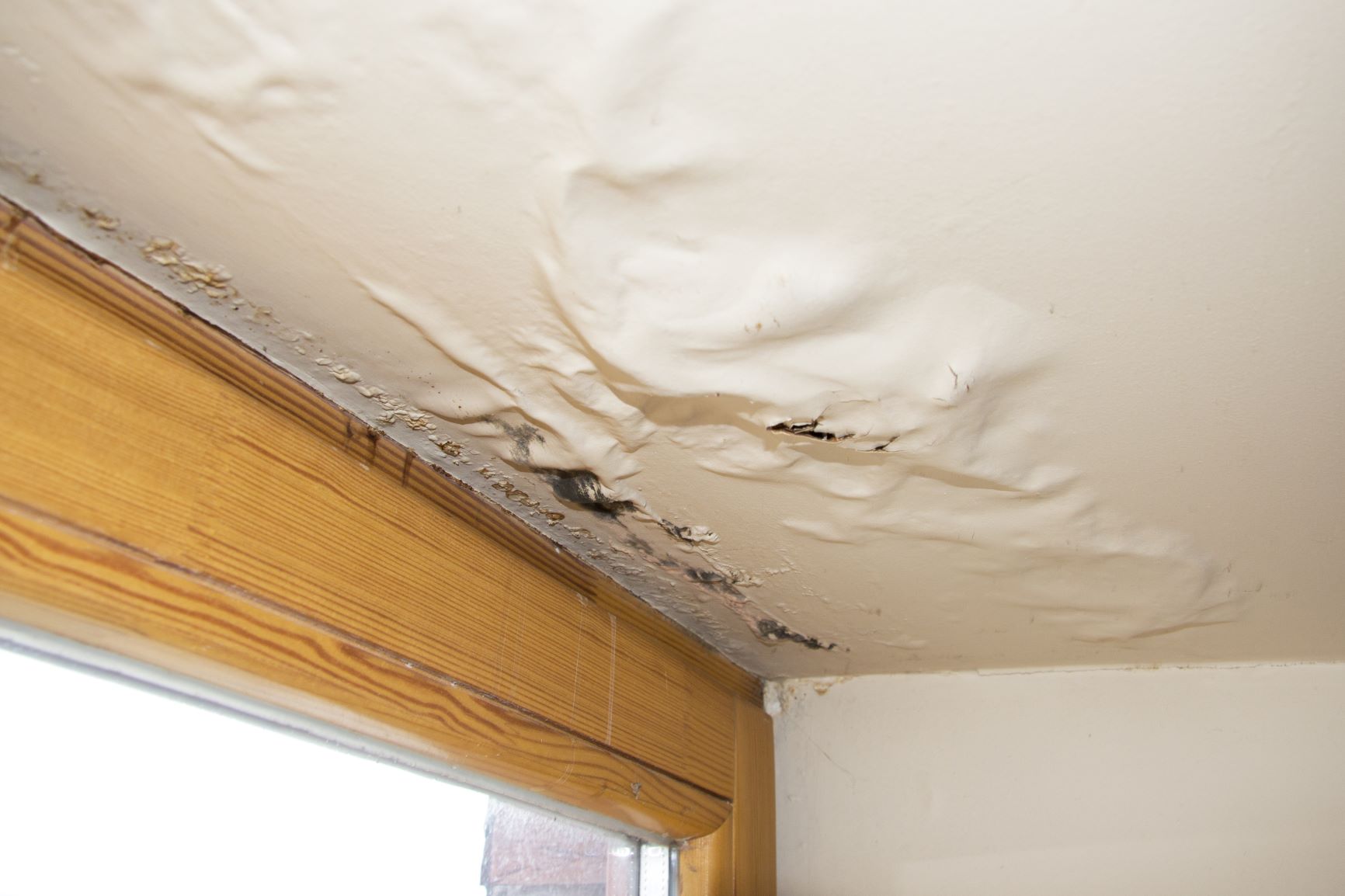
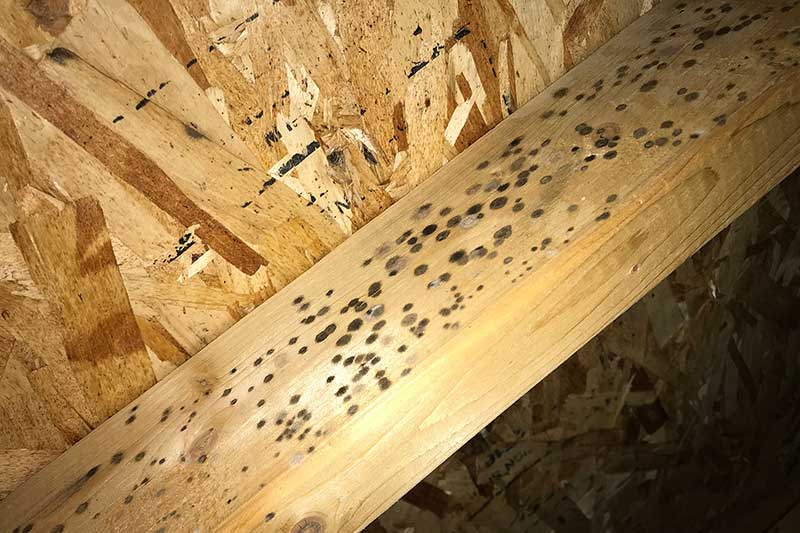
Ice dam water does not arrive like a burst pipe. It seeps in over days or weeks, into places nobody looks: the underside of the roof sheathing, the insulation along the eave, the top of an exterior wall. Those spaces are dark, they are full of wood and paper, and in winter they barely dry at all. Mold in the Attic After an Ice Dam.
That is the whole recipe. Give mold a damp organic surface and a couple of days and it starts. The cold slows it down, the spring warm-up speeds it up, and by the time there is a musty smell upstairs it has usually been growing for weeks.
Mold in the walls below an ice dam
Water that gets past the attic runs down the inside of exterior walls, wetting the top plate, the insulation in the stud bays and the back of the drywall. It is common to find growth inside a wall where the only visible sign was a faint stain at the ceiling line.
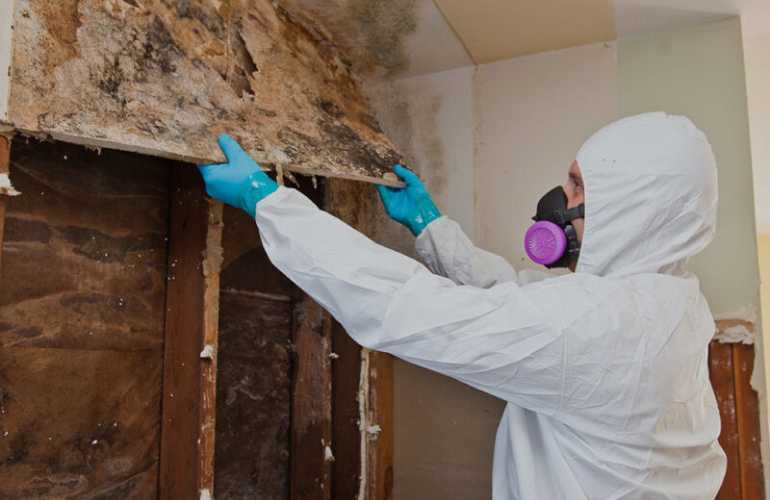
Those cavities get opened, the wet insulation and drywall come out, the studs are cleaned and dried, and the wall is rebuilt once readings are at standard.
Mold coverage and the sublimit
Where mold is the result of a covered water loss, many policies cover remediation, but often under a separate, smaller limit than the rest of the claim. Knowing that number before work starts matters, because it changes how the scope is written.
The water mitigation, the interior repair and the roof work generally sit under the dwelling coverage, while the mold-specific line items sit under the sublimit. Scoping them separately keeps the mold cap from swallowing the rest of the claim.
Remediation, then the rebuild, from one company
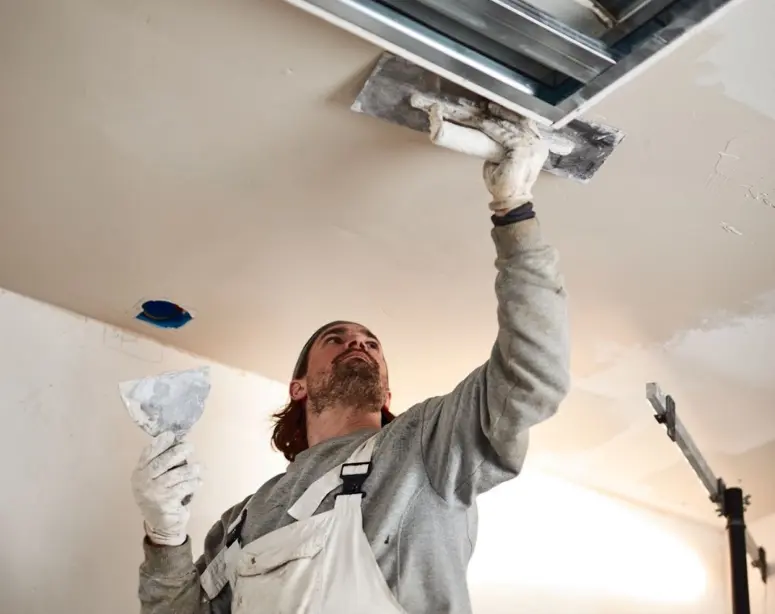
Removing mold is only half a job if you then have to find someone else to hang drywall, re-insulate and paint. Ice Dam Now does the interior repair as well: new insulation, drywall, texture, trim and paint, so the ceiling that came down to get the mold out goes back up under the same scope and the same claim.
That also means one set of photographs and moisture readings runs from the first visit to the finished room, which is what an adjuster wants to see.
Fixing the cause so it does not come back
Mold remediation without fixing the water source is temporary. The ice dam comes off with low-pressure steam, and the reason it formed (attic heat loss, crushed soffit baffles, bath fans venting into the attic) gets identified.
Where the attic needs air sealing, new baffles or ventilation, that is written into the scope too, so the next La Crosse winter does not start the whole cycle again.
What you get in La Crosse
- Framing and sheathing cleanedHEPA vacuuming, cleaning and treatment, or replacement where the wood is compromised
- Interior repair in-houseInsulation, drywall, texture, trim and paint put back by the same crews
- Dried and documentedMoisture readings to a dry standard before any rebuild starts
| Method | Containment, HEPA filtration and drying to a measured IICRC standard |
|---|---|
| Interior repair | Insulation, drywall, texture, trim and paint, done in-house after drying |
| Dispatch window | Same day to 24 hours |
| Coverage area | La Crosse and La Crosse County |
| Service | Mold Remediation in La Crosse, WI |
| Primary climate stressor | Lake-effect bands, wet heavy pack |
| Documentation | Dated before and after photos, written scope in Xactimate line items |
La Crosse Coverage and the Adjoining Communities
Crews working La Crosse cover the adjoining communities on the same route — Onalaska, Stoddard, West Salem, Chaseburg and Coon Valley — so a storm week usually means one truck handling several addresses in La Crosse County rather than separate trips.
Nearest hub towns with their own mold remediation pages: Eau Claire, Marshfield, Wisconsin Rapids, Stevens Point, Madison, Fitchburg.
Coverage runs across La Crosse and the nearby towns all winter, and capacity is surged into whichever Wisconsin market the storm actually hits.
Most jobs do not stop at one service. Mold Remediation in La Crosse often runs alongside water mitigation & dryout in La Crosse, and both get written into one scope rather than billed as separate visits.
Active leak right now? Our 24/7 La Crosse steam ice dam removal crews are dispatched first during a freeze event. Call (888) 561-9664.