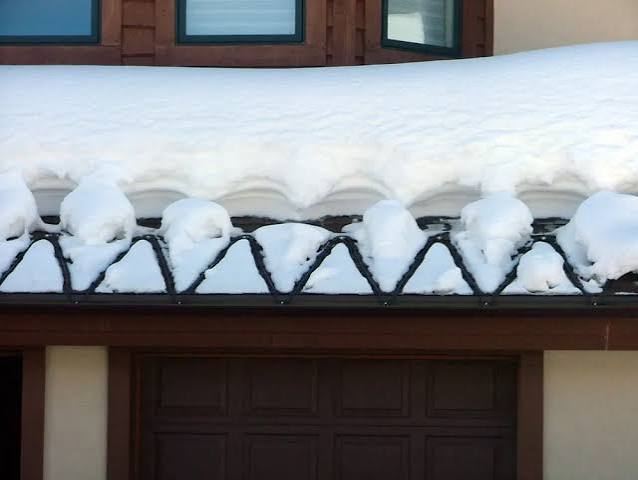
Spokane County sees the same pattern every winter: snow on the roof, warm air in the attic, and a line of ice building along the eave where the two meet. As part of our complete Spokane Valley winter roof services, crews handle heated roof & gutter cables across Spokane County.
Sun on Cold Snow: The Spokane Valley Pattern
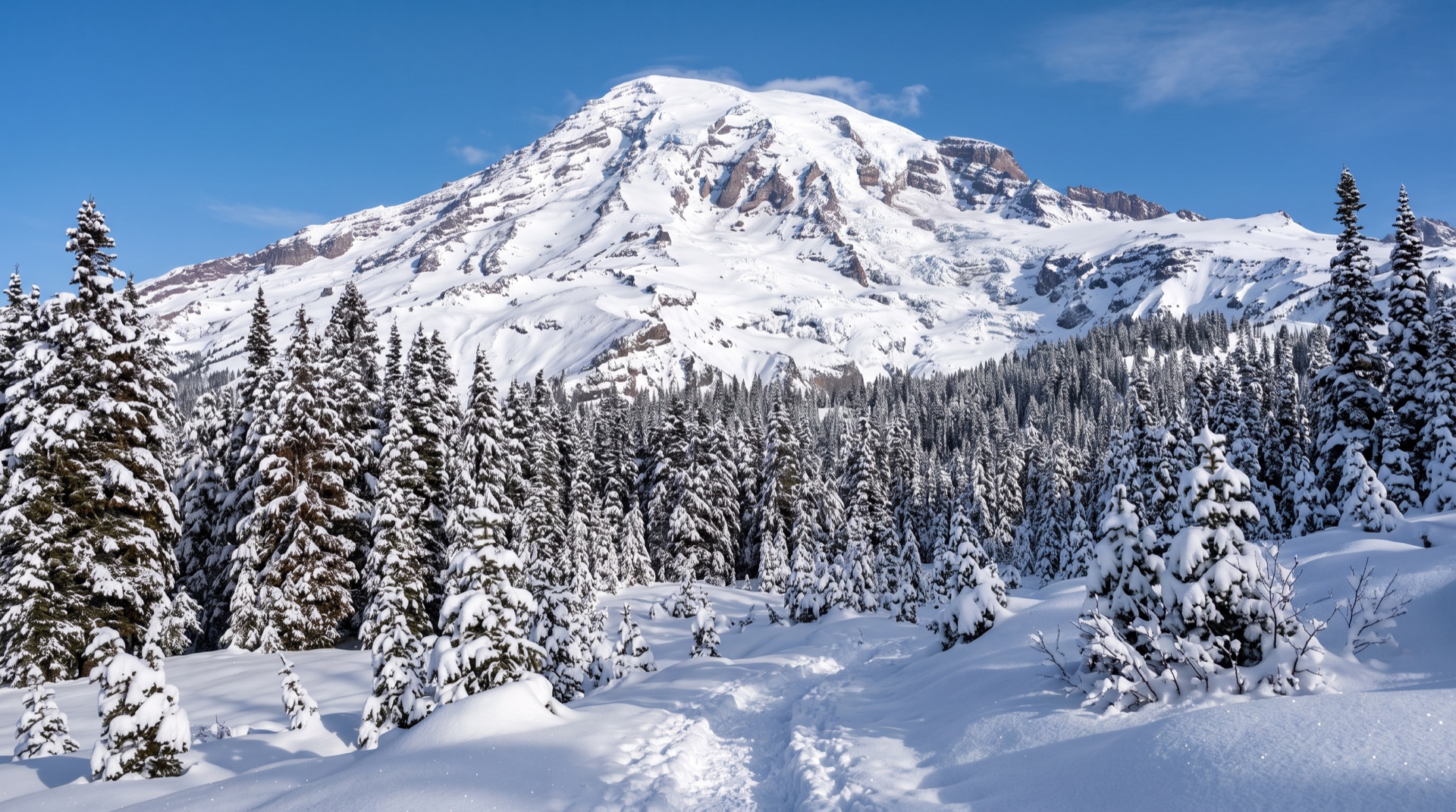
At Spokane Valley's elevation the air can stay below freezing all day while direct sun still melts the top of the snowpack. That meltwater runs down under the pack, reaches a shaded eave, and refreezes — on a day the thermometer never rose above freezing.

Volume is the other factor. A Spokane County roof carrying several feet of pack has an enormous reservoir above an overhang that never sees direct sun, and the supply does not run out until spring.
Ice-barrier practice in Spokane County
Snow retention above doors, walkways and parking is a requirement in most Spokane County jurisdictions for good reason: a release off a metal mountain roof is a serious event, not an inconvenience.
Heated Roof & Gutter Cables in Spokane Valley: How The Work Runs
Commercial and multi-family runs
The same cable on a large building becomes a different exercise - several hundred feet of run, multiple circuits, a controller that something has to monitor, and a decision about who gets the alarm when a circuit fails. Icicles and a Wet Ceiling.
Scope, circuit loading and control strategy get worked out with whoever maintains the Spokane Valley building, because a heat-trace system nobody owns is a heat-trace system that stops working in its third winter.
Cable is the backstop, not the cure
The underlying cause of an ice dam is heat leaving the house. Air sealing the attic, fixing crushed baffles and topping up insulation addresses that; cable manages what is left.
A Spokane Valley property that gets both rarely needs an emergency call again. One that gets only cable usually needs fewer.
Retrofit against installing during a roof replacement
Cable can be added to an existing roof at any time and usually is. If a Spokane Valley roof is being replaced anyway, that is the cheaper moment: clips can go under the courses, the downspout run can be planned properly, and the circuit can be brought to the eave while the fascia is open.
Where a replacement is a year or two out, it is worth saying so before the retrofit is designed, so the layout can be reused rather than scrapped.
Controls decide the running cost
A cable on a plain thermostat runs through every dry cold snap, which is most of the winter and none of the risk. A combined temperature and moisture sensor runs it only when there is both cold and water present.
On a Spokane Valley winter that difference is most of the operating cost, and the controller pays for itself quickly.
What happens when a section stops working
A dead run is usually one of four things: a tripped ground fault, a failed controller or sensor, physical damage at a specific point, or a connection at the end seal that has let water in.
They are diagnosed with a meter rather than by replacing the whole run. Self-regulating cable can generally be repaired in place with a proper splice kit, so a single damaged section does not mean a new system.
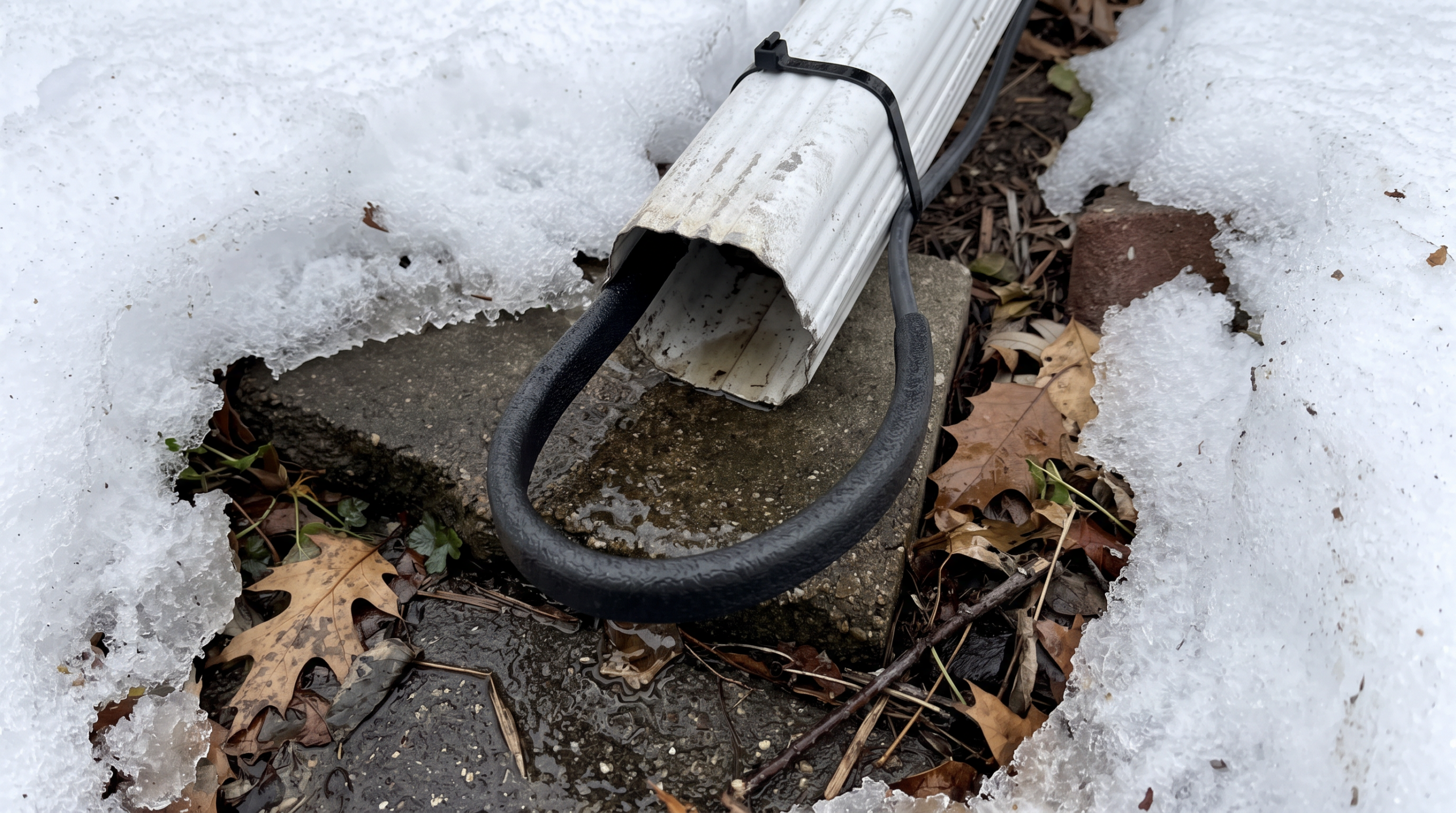
What you get in Spokane Valley
- No fasteners through the roofClips and standoffs only, nothing driven through the covering
- Zig-zag sized properlyEave coverage measured against the actual cold overhang
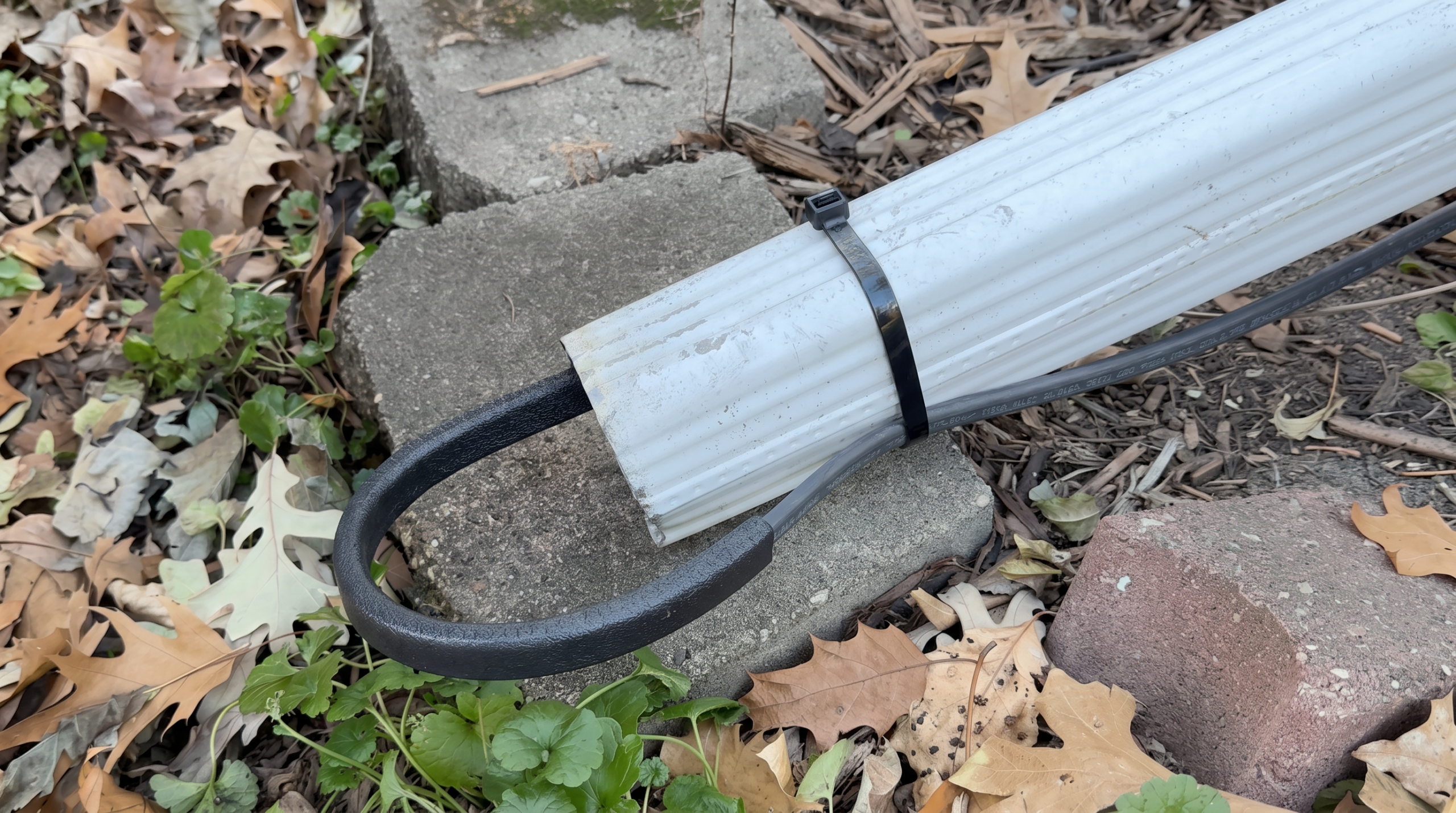
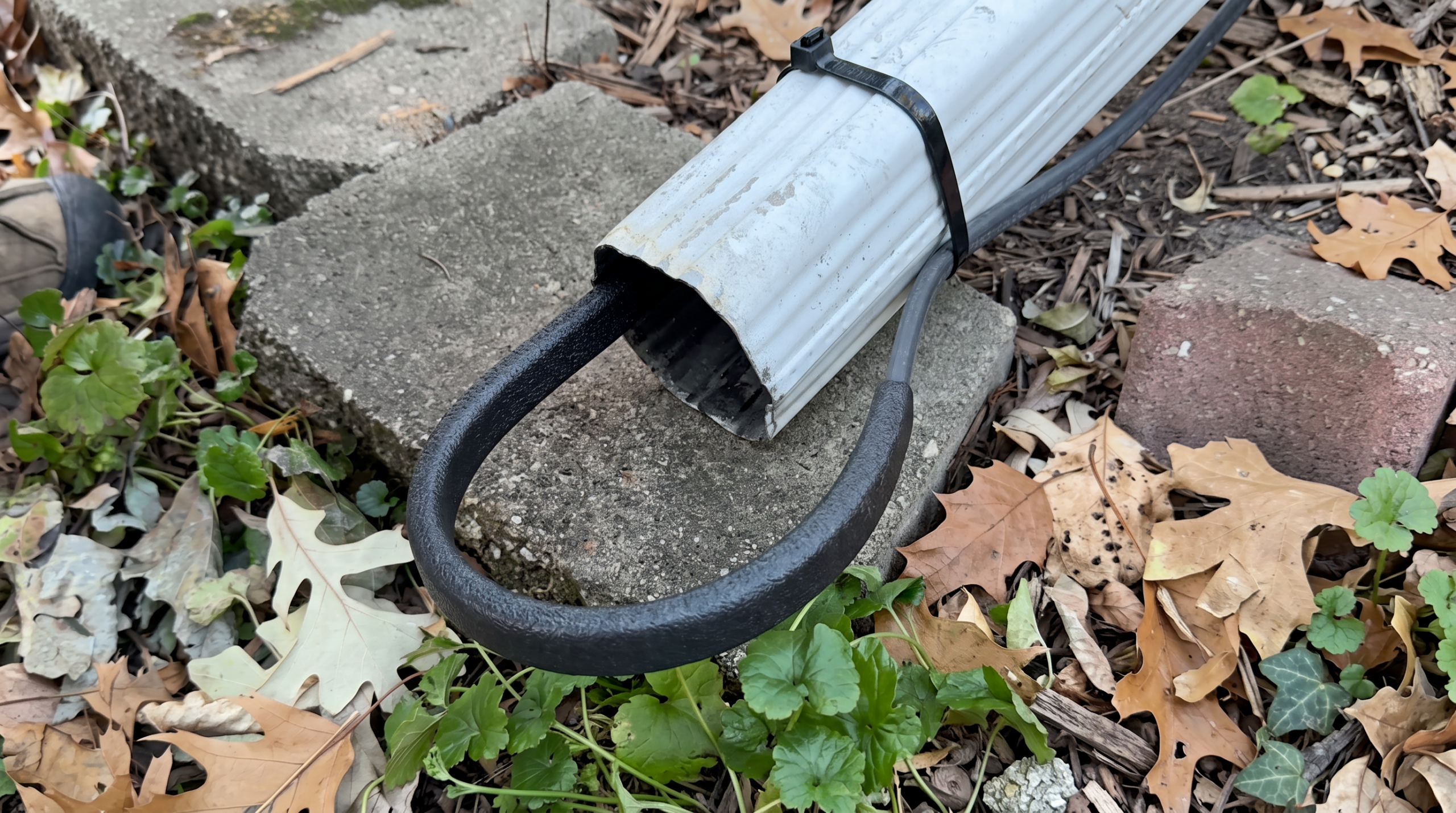
- Complete drain pathEave zig-zag, valleys, gutter trough and downspout to daylight
| Pricing model | Billed by the crew hour, rate quoted before dispatch |
|---|---|
| Service | Heated Roof & Gutter Cables in Spokane Valley, WA |
| Typical scope | Steam, 8-16 crew hours typical |
| Local ice-barrier practice | Extended membrane plus snow retention |
| Removal method | Low-pressure steam only. No chipping, salt or pressure washing. |
| Documentation | Dated before and after photos, written scope in Xactimate line items |
| Coverage area | Spokane Valley and Spokane County |
Where We Dispatch Around Spokane Valley
Crews working Spokane Valley cover the adjoining communities on the same route — Veradale, Greenacres, Otis Orchards, Liberty Lake and Mead — so a storm week usually means one truck handling several addresses in Spokane County rather than separate trips.
Nearest hub towns with their own heat cables pages: Spokane, Pullman, Moses Lake, Walla Walla, Pasco, Kennewick.
During a cold snap Spokane Valley gets worked alongside the neighboring Spokane County towns on the same route, with active interior leaks moved to the front of the list.
Most jobs do not stop at one service. Heat Cables in Spokane Valley often runs alongside ice dam removal in Spokane Valley, and both get written into one scope rather than billed as separate visits.
Active leak right now? Our 24/7 Spokane Valley steam ice dam removal crews are dispatched first during a freeze event. Call (888) 561-9664.