



Why Pullman Roofs Dam on Days It Never Thaws
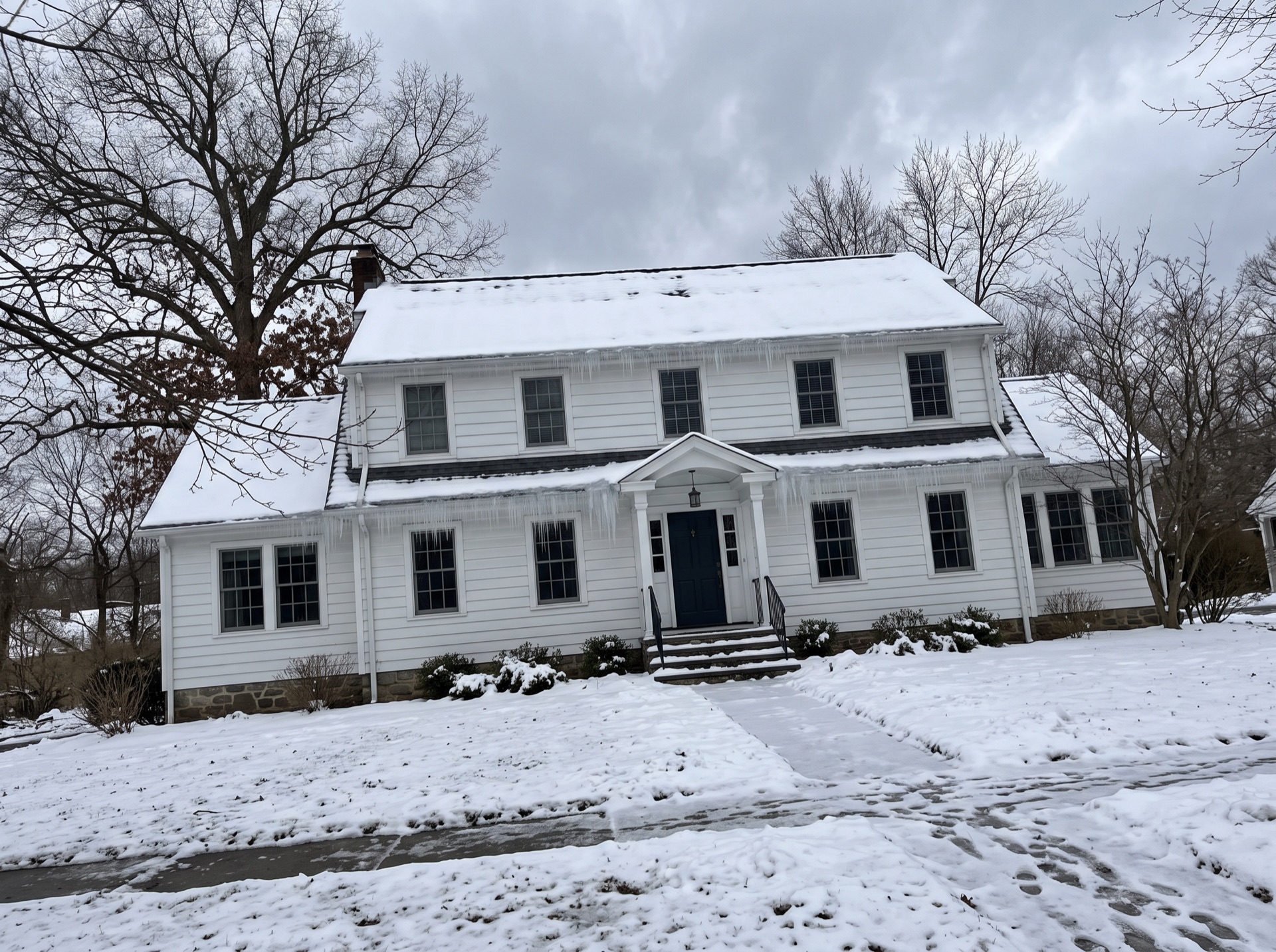
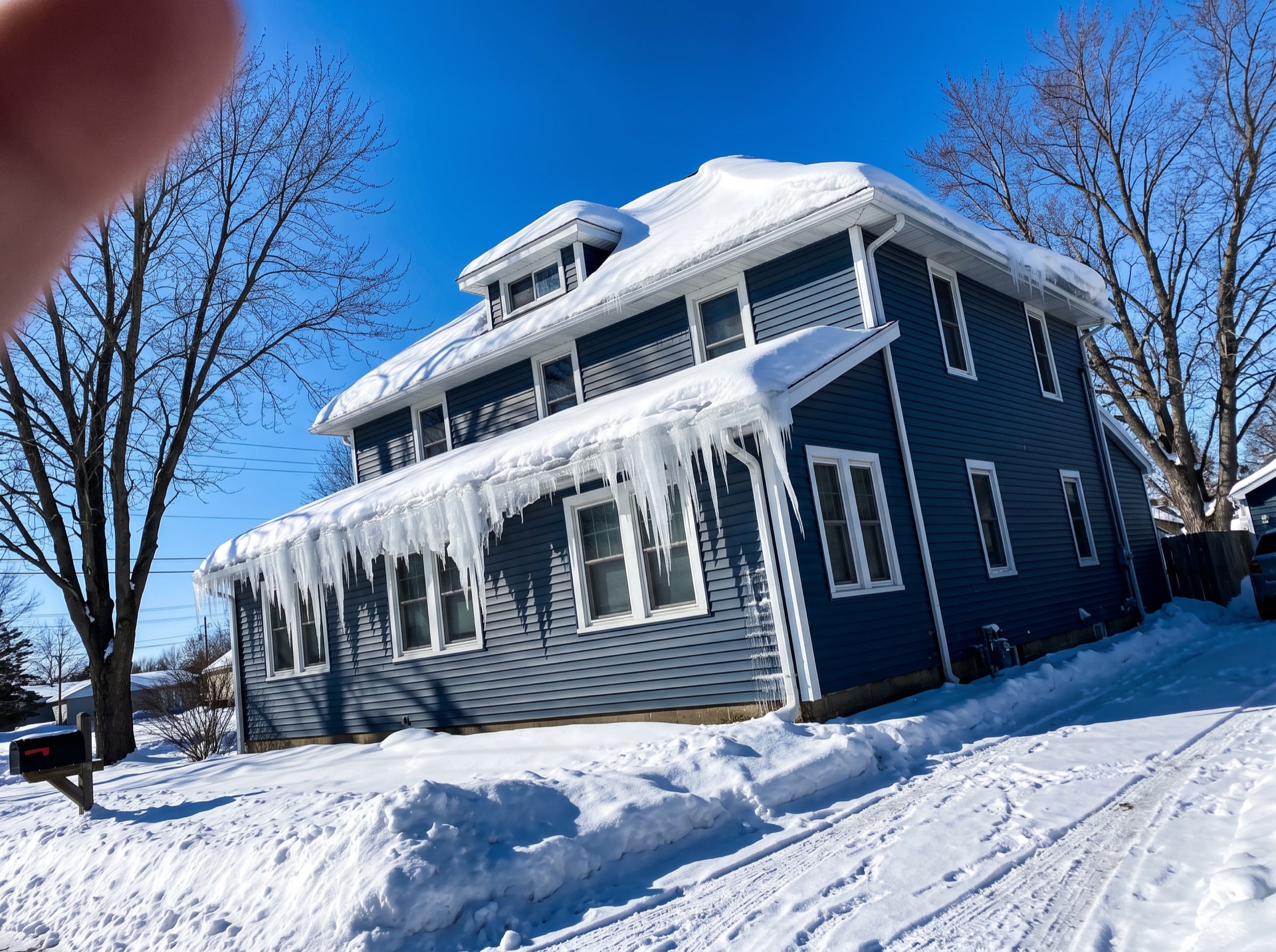
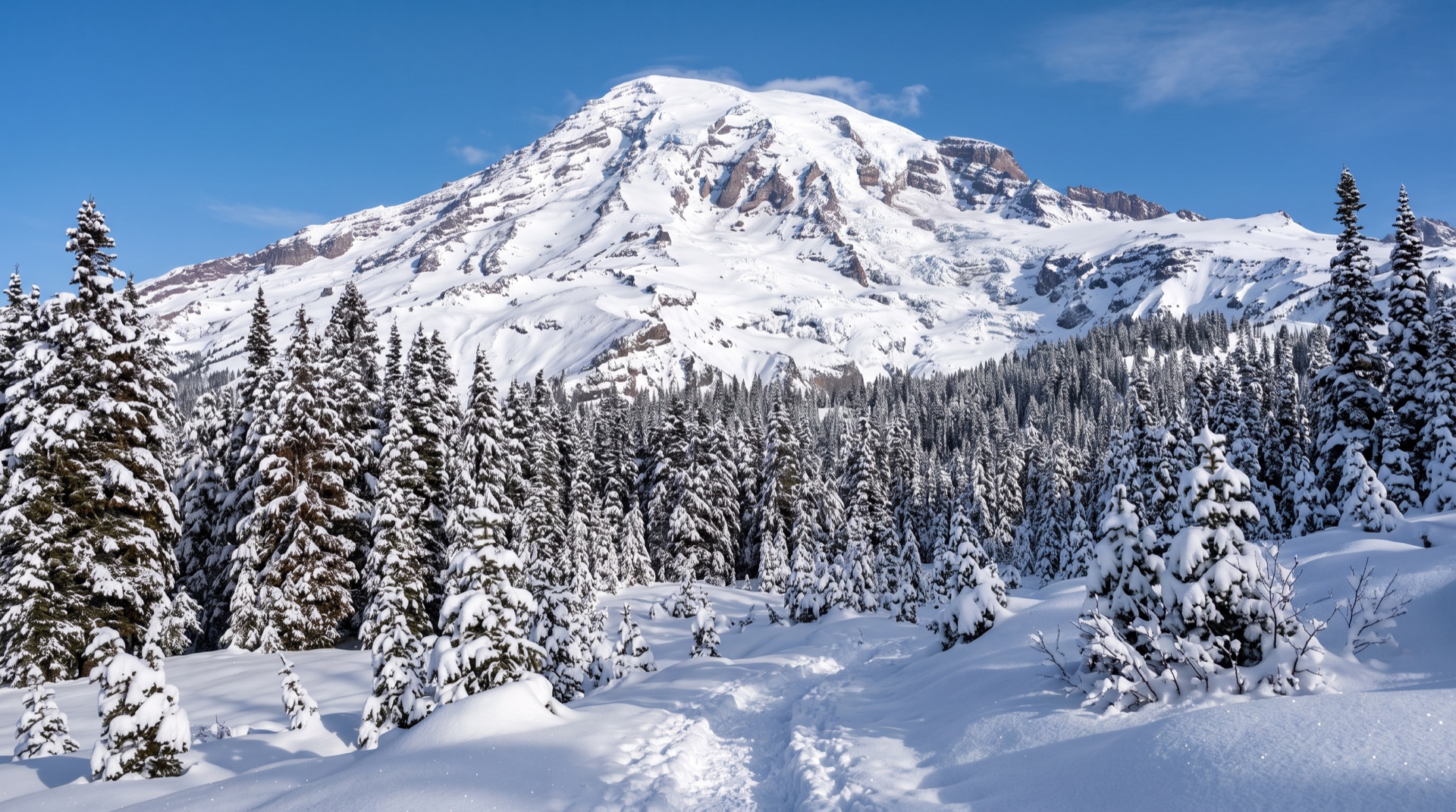
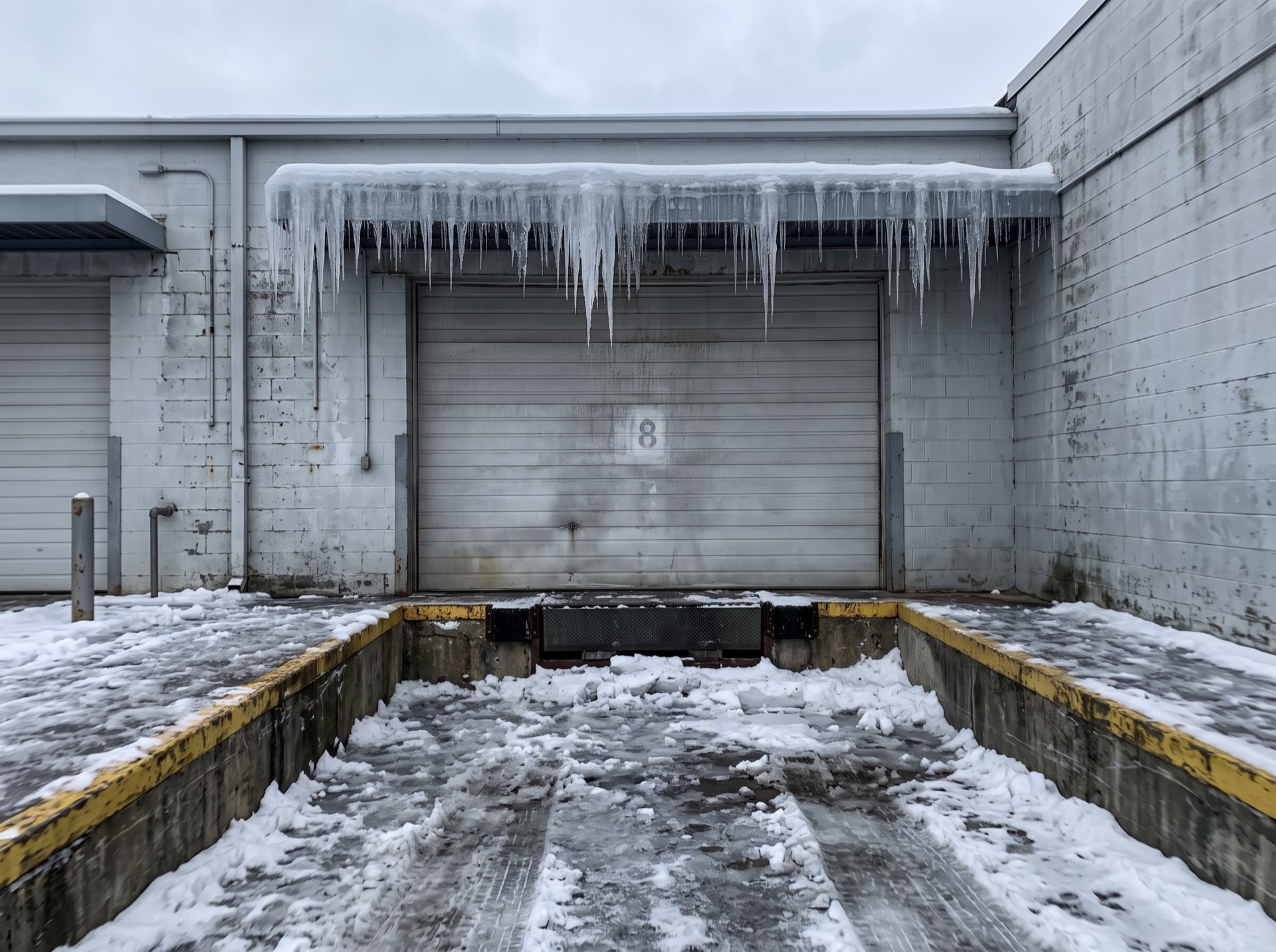
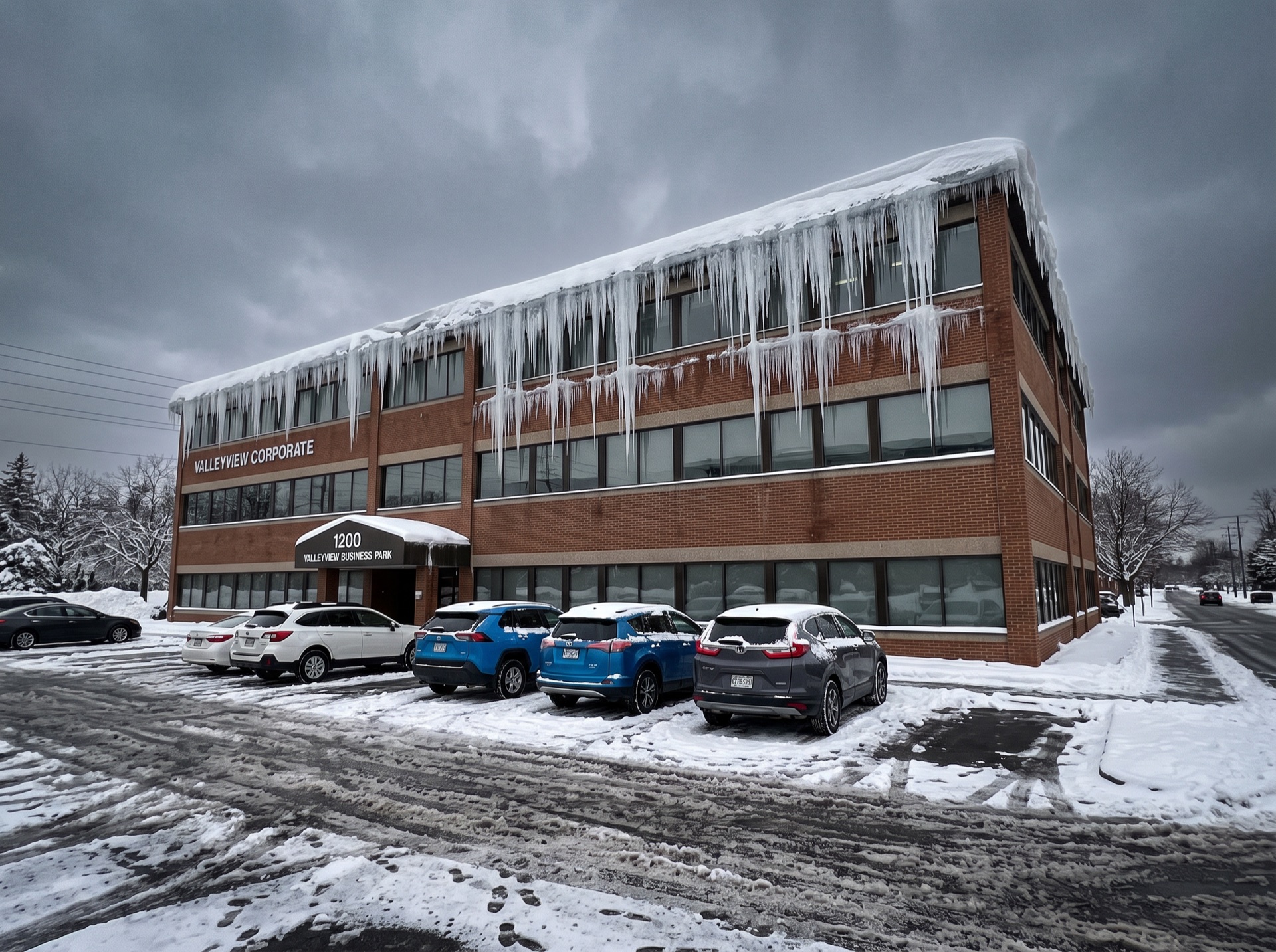
At Pullman's elevation the air can stay below freezing all day while direct sun still melts the top of the snowpack. That meltwater runs down under the pack, reaches a shaded eave, and refreezes — on a day the thermometer never rose above freezing.

Volume is the other factor. A Whitman County roof carrying several feet of pack has an enormous reservoir above an overhang that never sees direct sun, and the supply does not run out until spring.
Ice-barrier practice in Whitman County
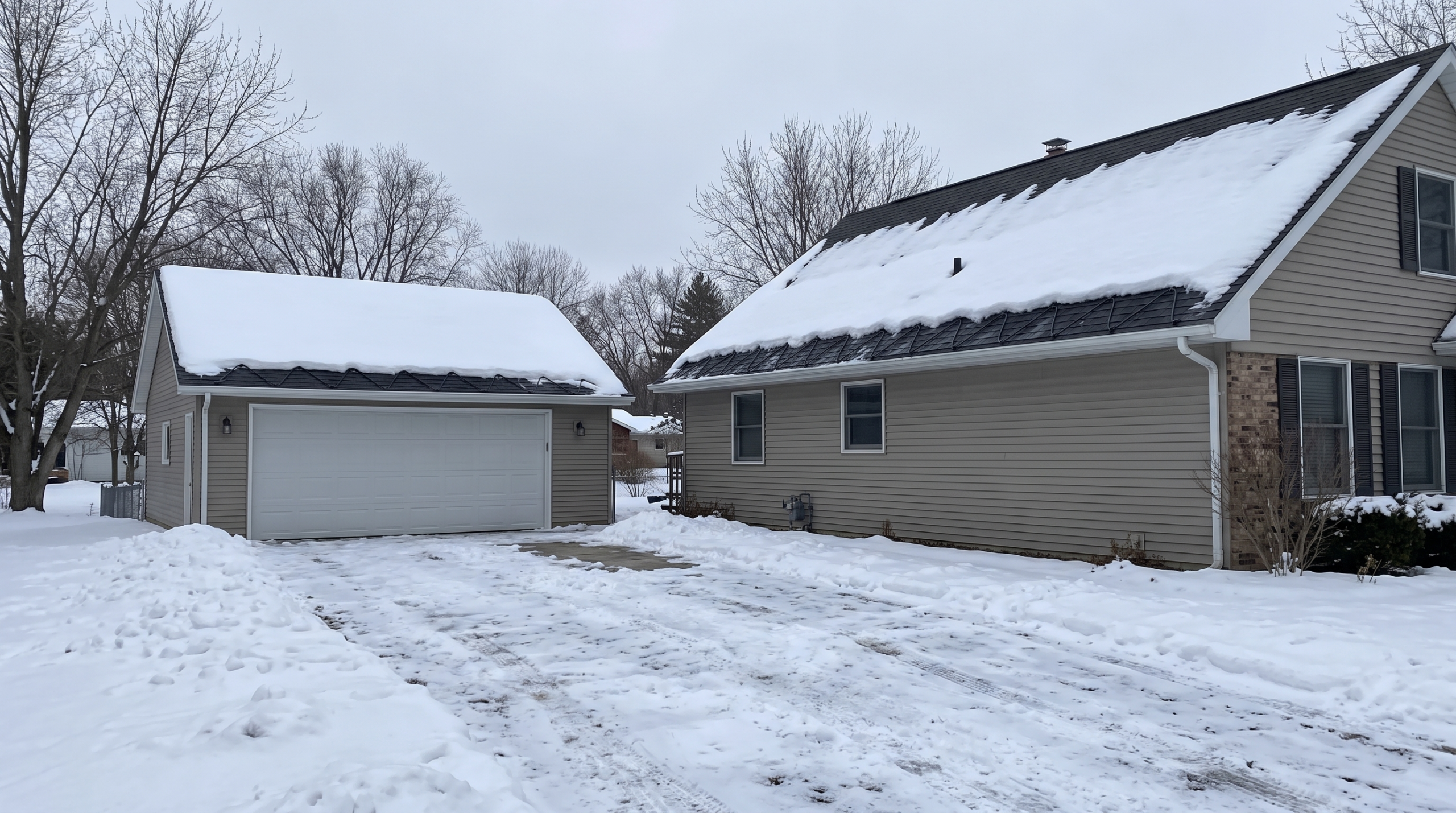
Design snow loads in Whitman County are among the highest anywhere, and the membrane and retention requirements that go with them are not formalities. On an older Pullman cabin or chalet neither may be present.
The Pullman Dispatch Process, Step by Step
Crews walk the eaves, valleys and gutter line first and photograph every dam and every point where water is tracking inside, before touching anything. You get shown what they found and quoted the crew-hour rate before work starts.
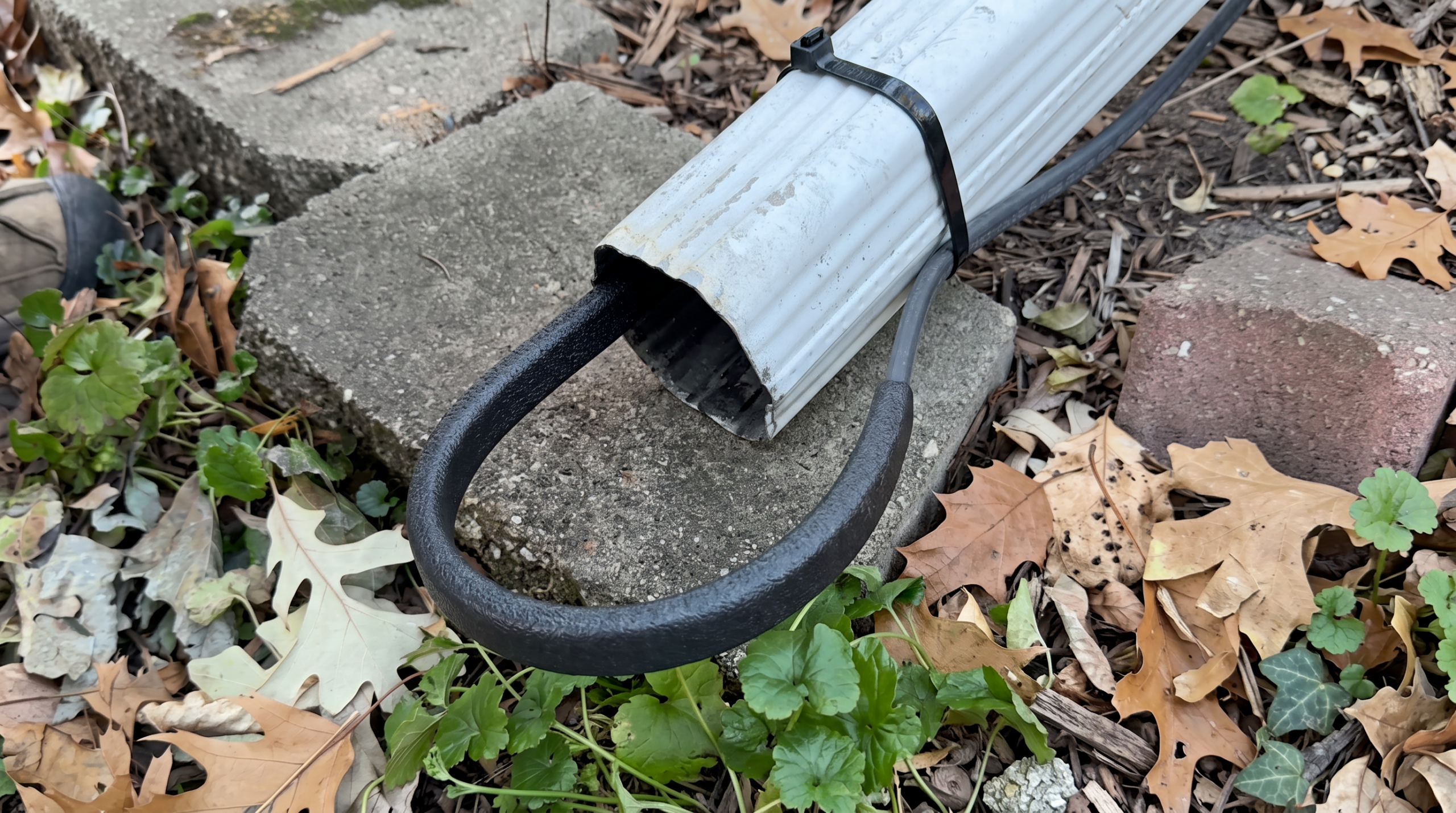
Then the ice comes off with low-pressure steam, starting wherever water is actively backing up so drainage opens early. Frozen gutters and downspouts are cleared in the same visit, because a cleared eave above a solid block of ice in the gutter dams again on the next cold night.
Steep, high and awkward Pullman roofs
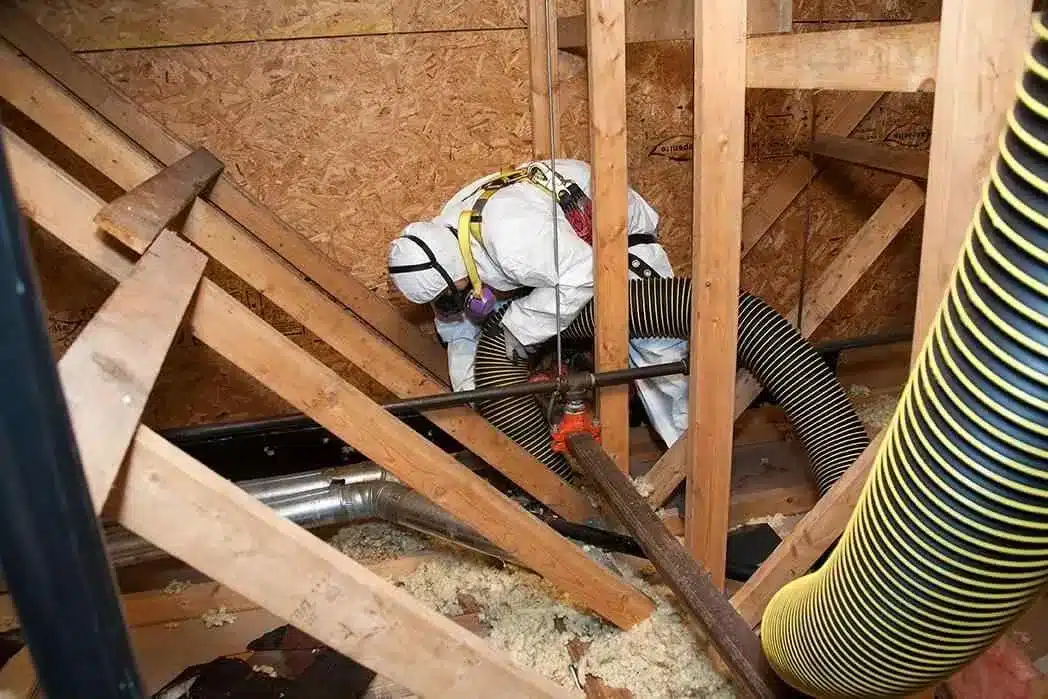
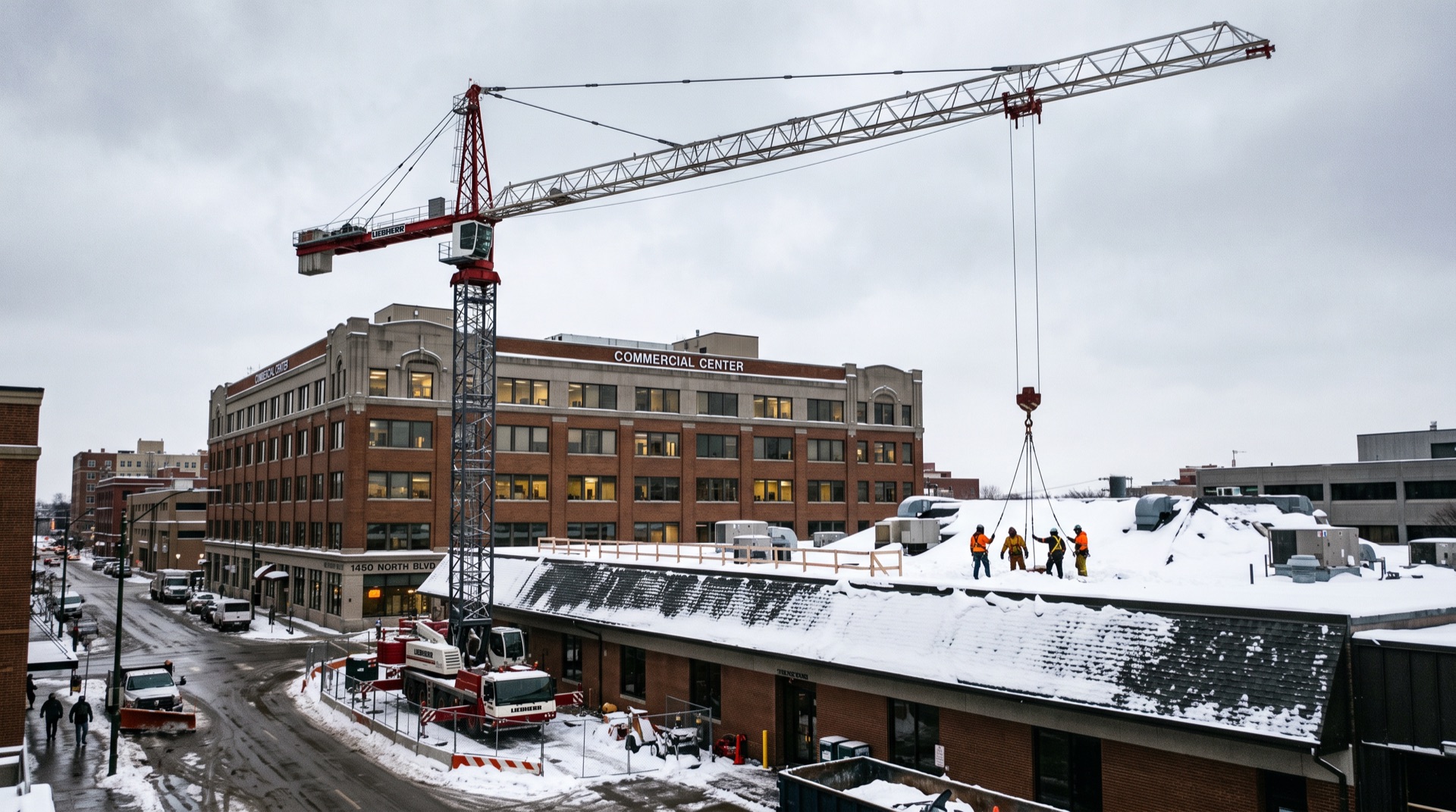
Pitch and height change the job more than ice thickness does. A walkable ranch eave is a ladder and a lance. A three-story roof with a steep pitch means anchors, rope, staging and two people where one would otherwise do.
Crews quote on that honestly. If a property in Pullman needs a longer setup, it is said on the phone rather than discovered at the end of the invoice.
What happens after the ice is off
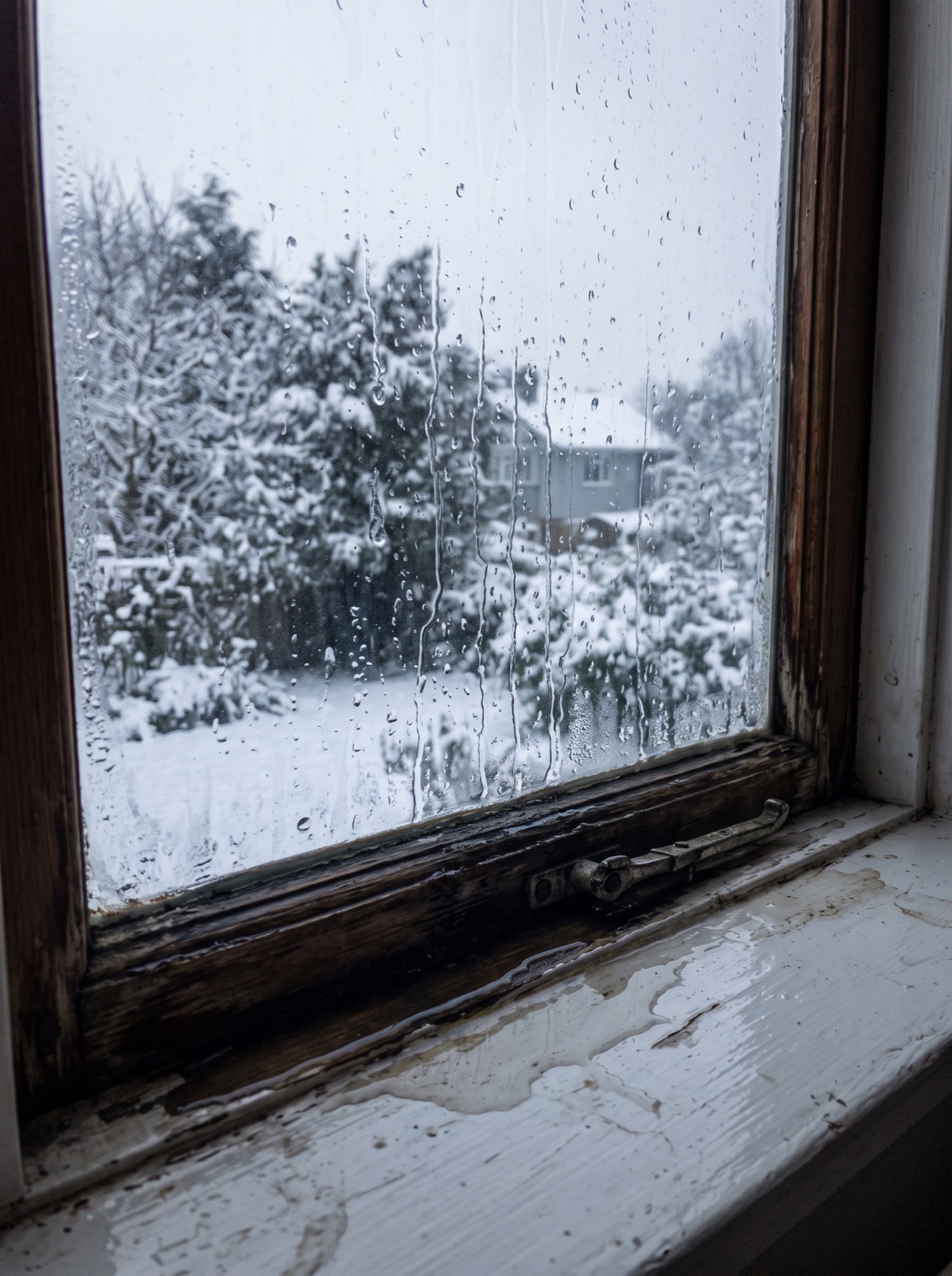
Once the eave is clear and water is draining, the crew walks the interior with you where there is visible damage and says plainly whether it needs drying. Wet insulation and a damp ceiling cavity do not resolve themselves in a cold Pullman February.
If it does, that is a separate scope and it gets written separately — nobody is upsold a dryout on the strength of one damp patch.
Why salt and ice melt make it worse
Calcium chloride opens a narrow channel and leaves the dam standing. The channel refreezes, the dam does not go anywhere, and in the meantime the runoff corrodes gutter seams, fasteners, flashing and anything growing underneath.
It is a stopgap at best. On a roof in Pullman with an active leak it buys hours, not days, and it adds a corrosion problem to the water problem.
| Typical scope | Steam, 8-16 crew hours typical |
|---|---|
| Documentation | Dated before and after photos, written scope in Xactimate line items |
| Service | Ice dam removal in Pullman, WA |
| Dispatch window | 24 to 48 hours in mountain terrain |
| Coverage area | Pullman and Whitman County |
| Removal method | Low-pressure steam only. No chipping, salt or pressure washing. |
| Primary climate stressor | Solar melt on deep pack, shaded eaves |
Where We Dispatch Around Pullman
Crews working Pullman cover the adjoining communities on the same route — Albion, Colton, Palouse and Colfax — so a storm week usually means one truck handling several addresses in Whitman County rather than separate trips.
Nearest hub towns with their own crew pages: Spokane Valley, Spokane, Walla Walla, Pasco, Kennewick, Moses Lake.
Pullman sits inside the regular Washington service area, so a crew is usually scheduled the same day or the following morning.
Water coming in right now in Pullman? Call (888) 561-9664. Active interior leaks go to the front of the schedule.