



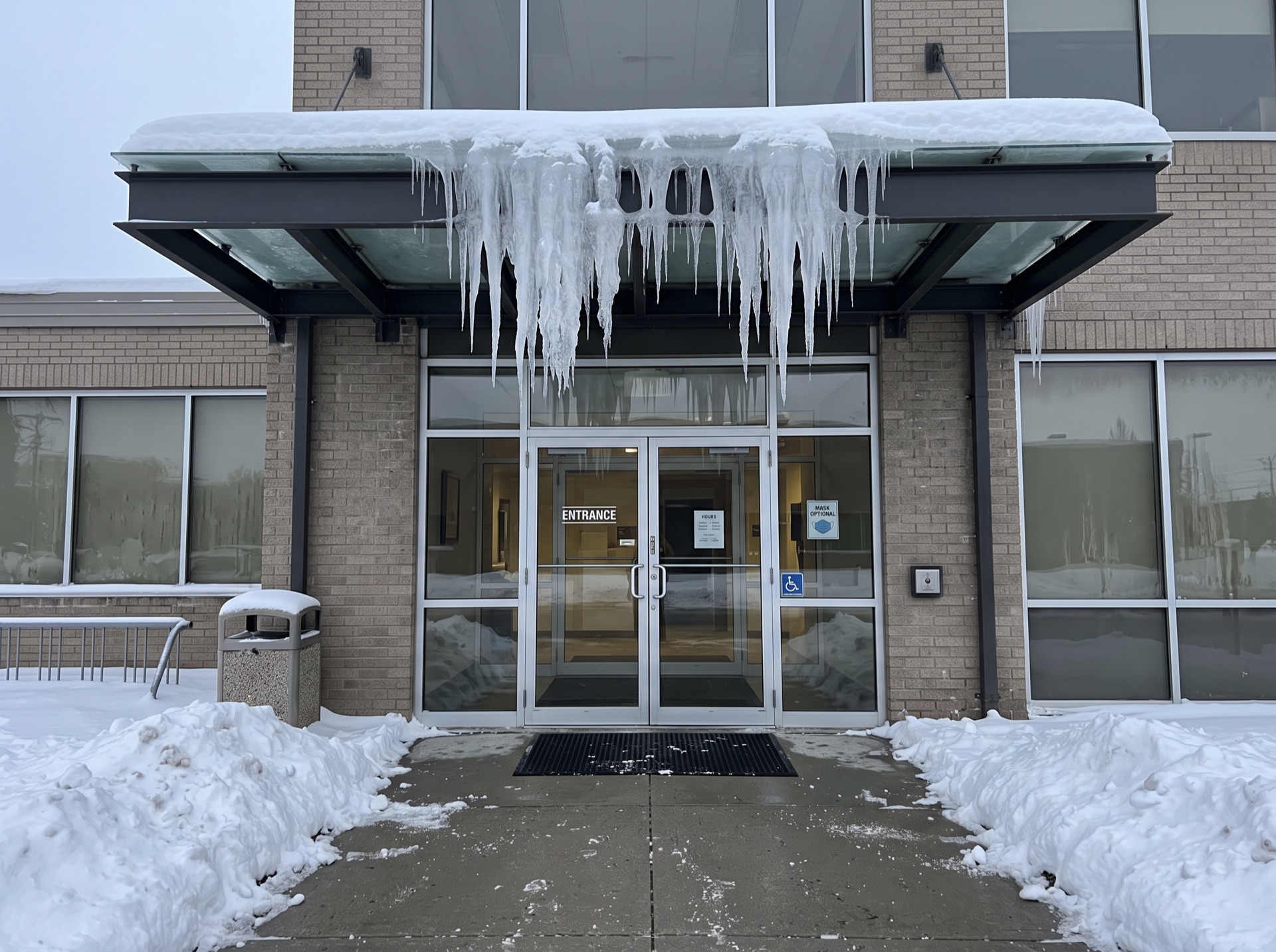
Moses Lake Ice Dams: Melting on Days It Never Thaws
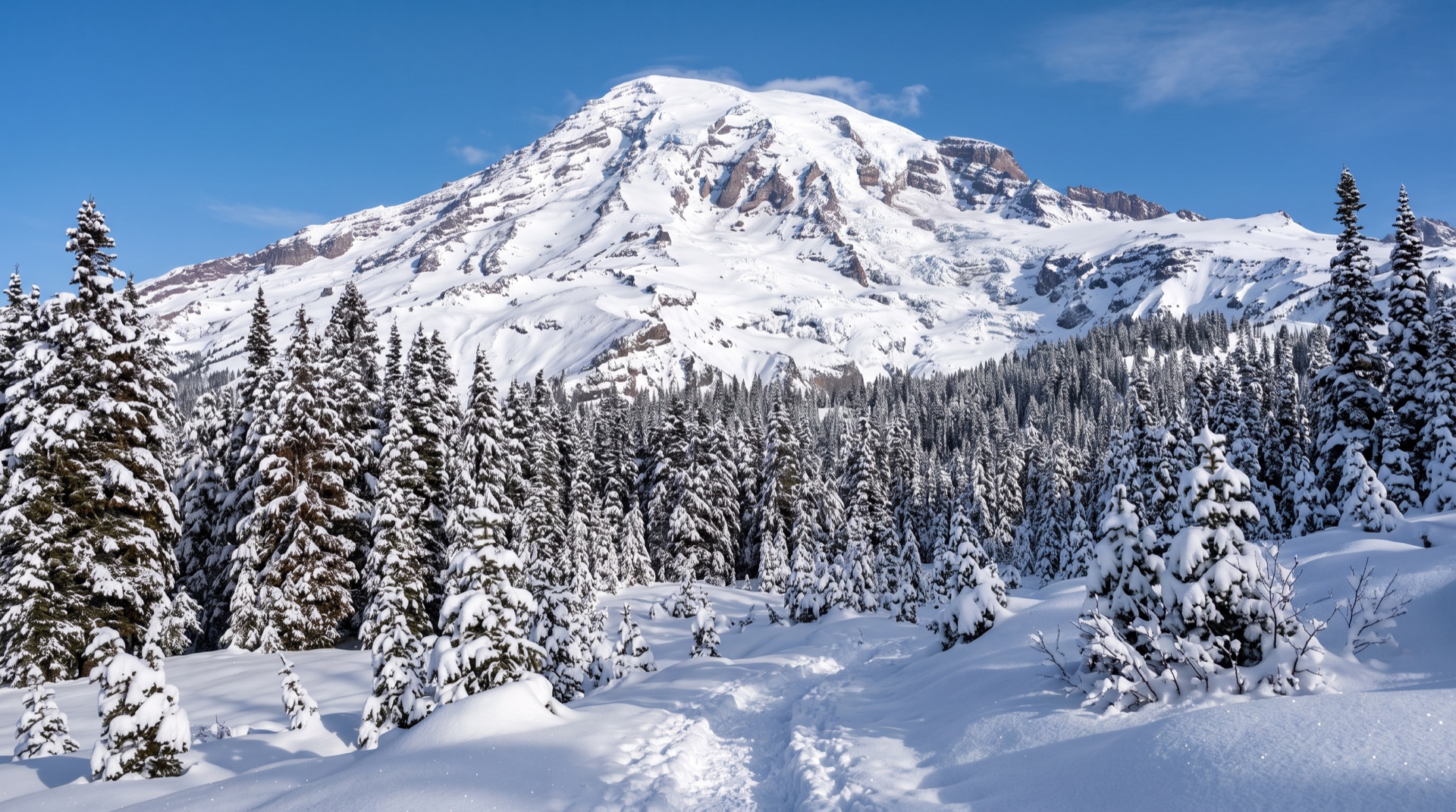
The pack at this elevation is deep enough to act as its own insulation, which means the surface melts under sun while the base stays locked. Water released at the top has to travel through and under all of it.

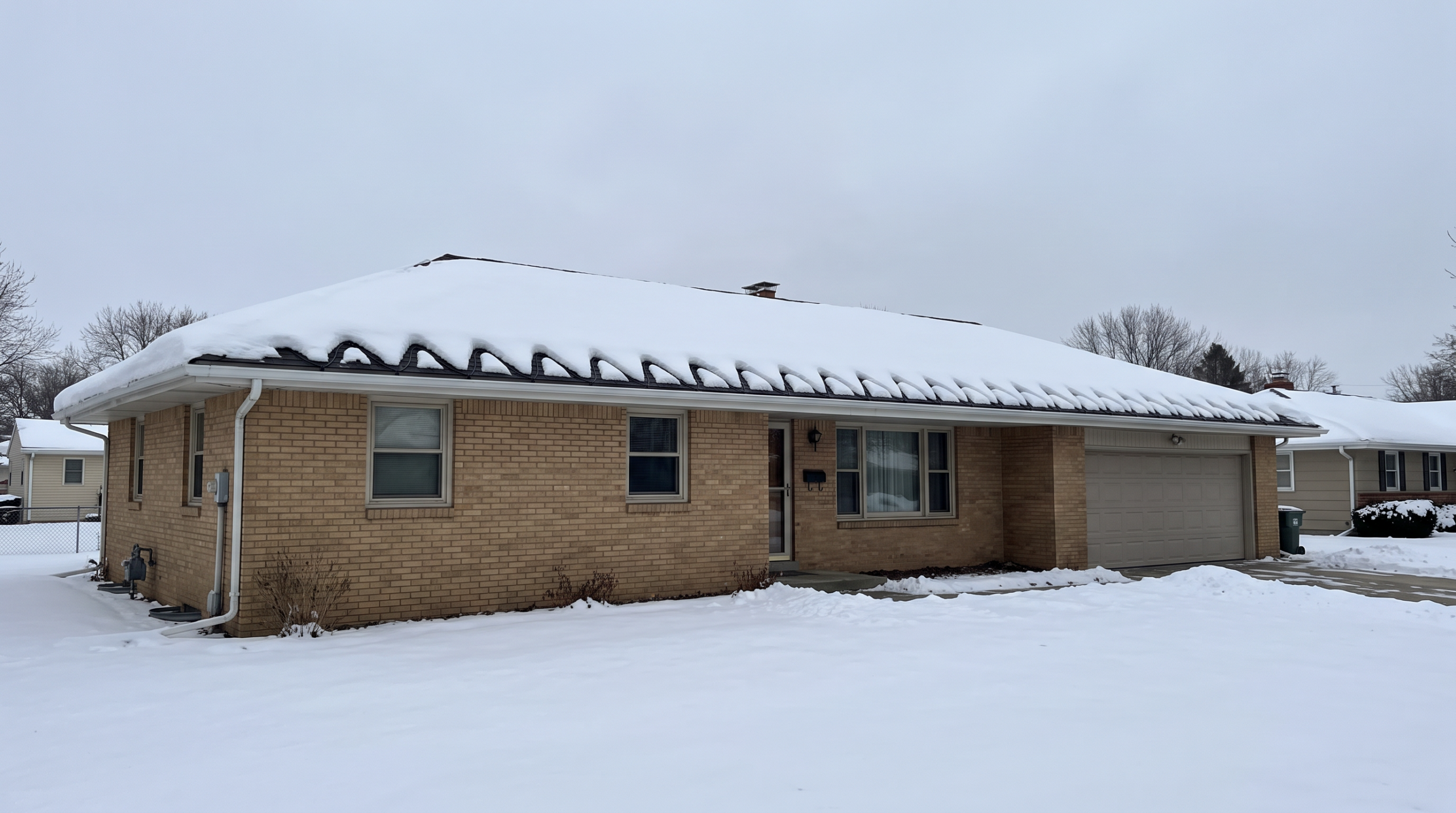
Aspect decides which eaves suffer. A sunny plane sheds water across a roof in Moses Lake to a shaded eave that has not been above freezing for weeks, and that is where the ice builds into a wall.
Ice-barrier practice in Grant County
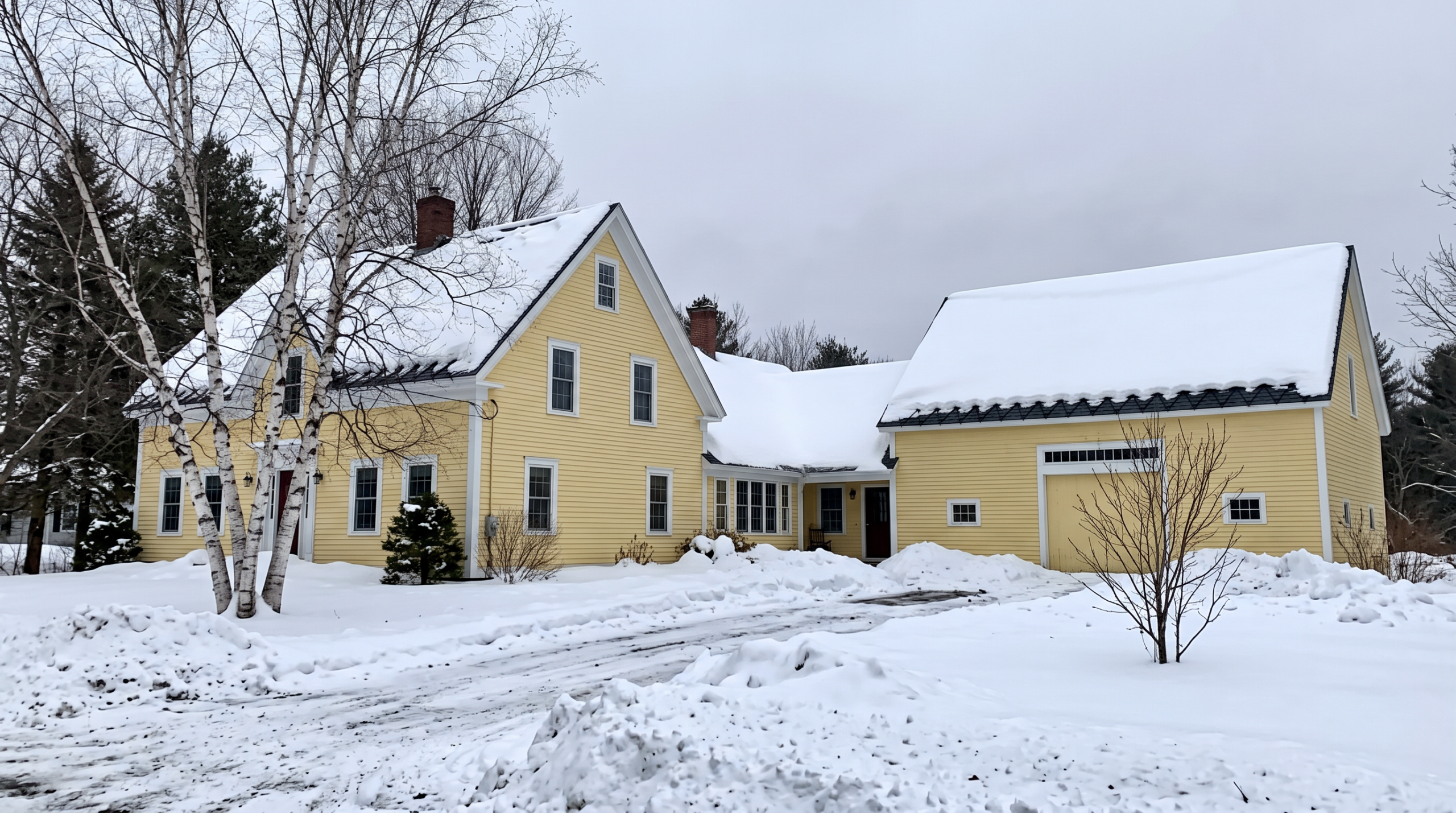
Design snow loads in Grant County are among the highest anywhere, and the membrane and retention requirements that go with them are not formalities. On an older Moses Lake cabin or chalet neither may be present.
The Moses Lake Dispatch Process, Step by Step
The first pass is assessment: eaves, valleys, gutter line and any interior staining, all photographed with timestamps. You see what the crew sees, and the rate and likely hours are agreed before work begins.
Steam then takes the dam off in sections, prioritizing wherever water is actively backing up behind it. The gutter trough and downspout are cleared through to daylight on the same visit, because a clear eave over a frozen gutter is a temporary fix.
What the dam has already done to the gutter and fascia
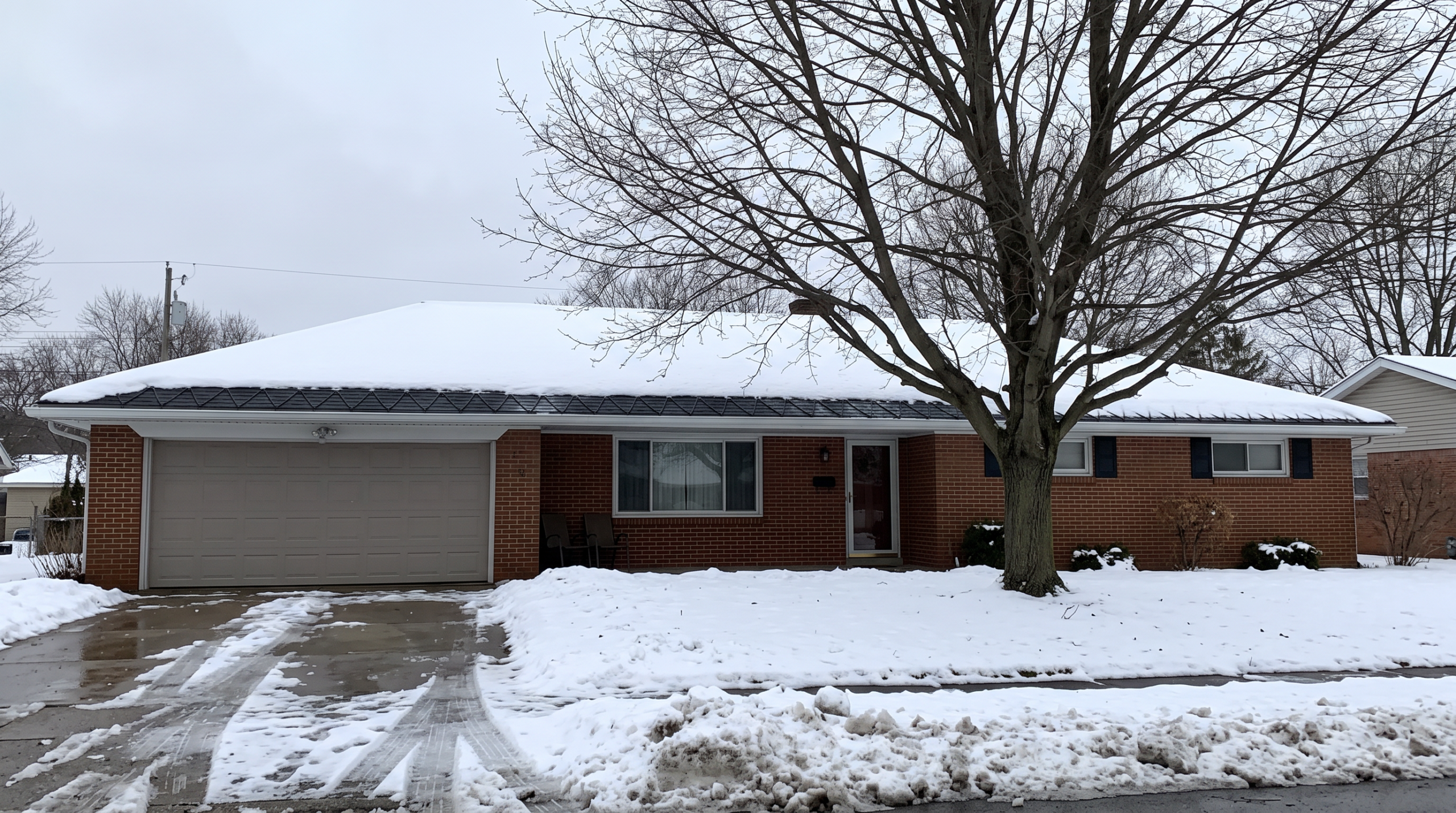
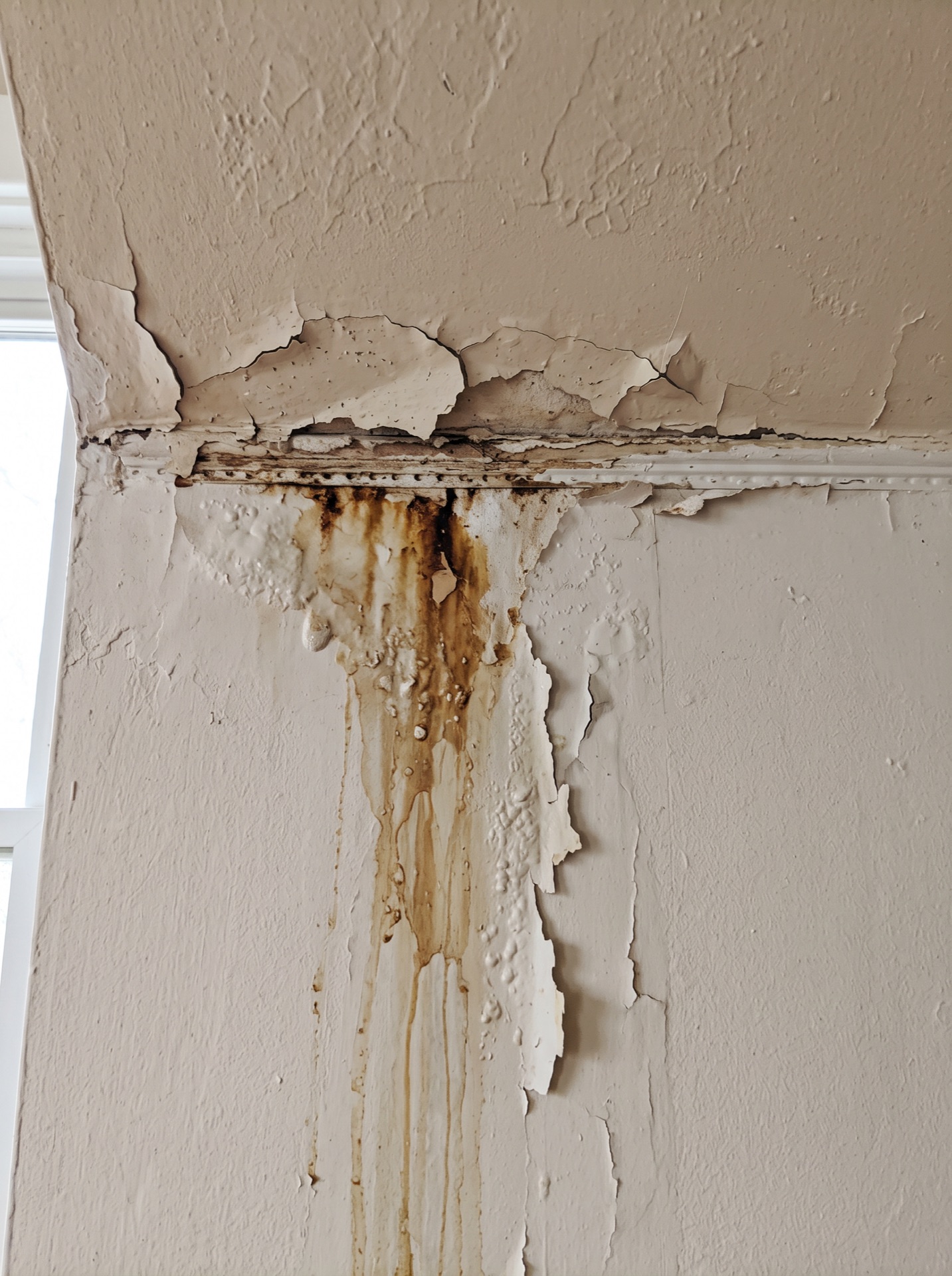
Ice expands as it forms, and a trough packed solid pushes the gutter away from the fascia a little more every cycle. By the time the dam is thick enough to leak, the hangers are often pulled, the back of the trough has lifted, and the fascia board behind it has been wet for weeks.
None of that is visible until the ice is off. It gets photographed when it appears, because a bent gutter found in February is a great deal easier to argue about with a carrier than one discovered in May.
How long a removal actually takes
A single-story eave with a thin dam and clear gutters is often an hour or two. A two-story Moses Lake house with ice standing a foot deep across the front, frozen downspouts and a valley packed solid is most of a day for a two-man crew. The honest answer on the phone is a range and the reason for it, not a number designed to win the booking.
The estimate is revised out loud if the roof turns out worse than it looked from the ground, before the extra hours are worked rather than after they appear on the invoice.
What the crew does on arrival
Before anything is touched, the crew walks the eaves, valleys and gutter line and photographs every dam and every point where water is tracking inside. You get shown what they found. Then the dam comes off in sections, starting wherever water is actively backing up, so drainage opens early rather than at the end.
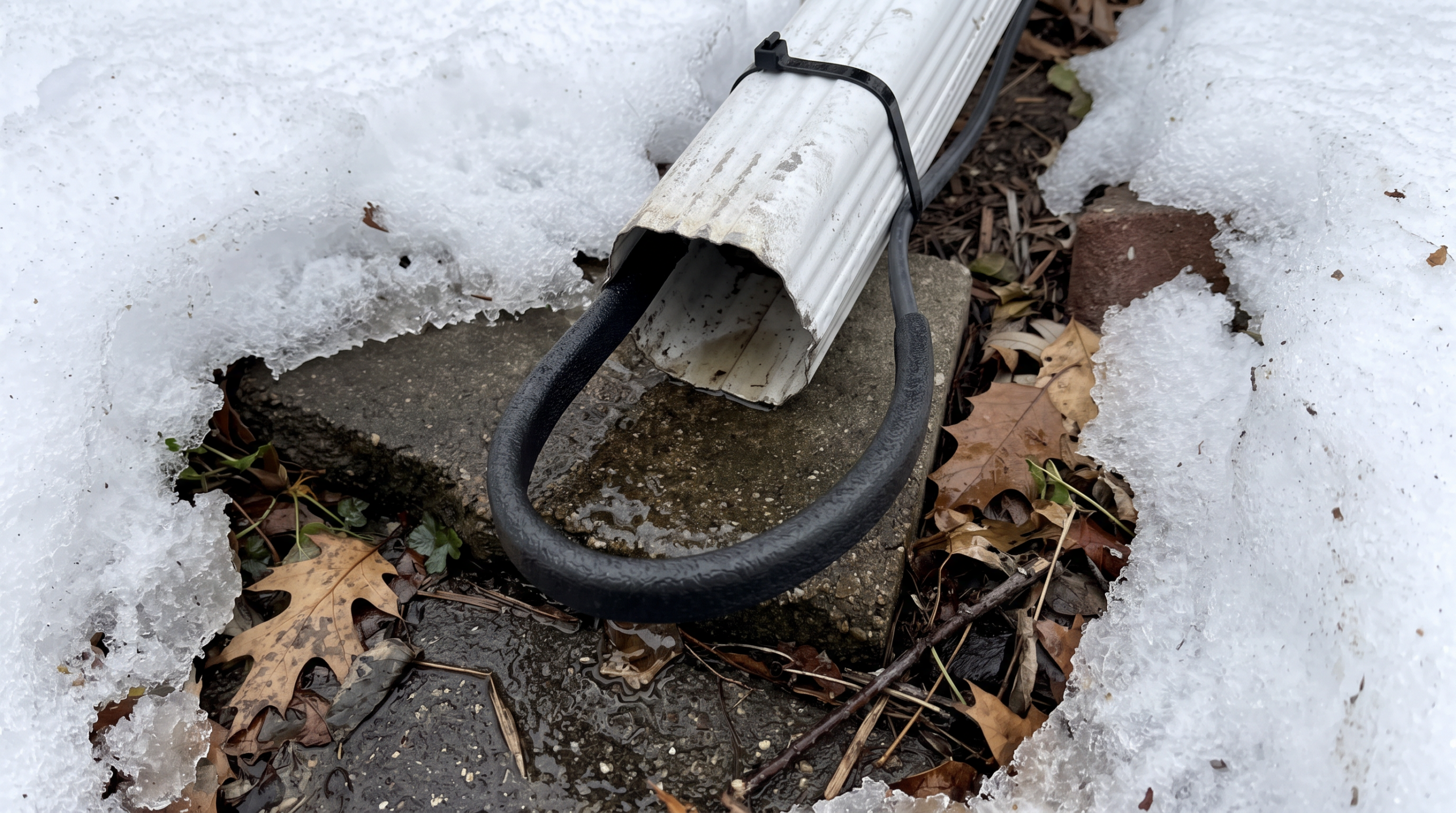
Downspouts and gutter troughs get cleared in the same visit where they are frozen, because a dam removed above a solid block of ice in the gutter just reforms in the next cold night.
| Typical scope | Steam, 8-16 crew hours typical |
|---|---|
| Documentation | Dated before and after photos, written scope in Xactimate line items |
| Primary climate stressor | Solar melt on deep pack, shaded eaves |
| Local ice-barrier practice | Extended membrane plus snow retention |
| Service | Ice dam removal in Moses Lake, WA |
| Dispatch window | 24 to 48 hours in mountain terrain |
| Coverage area | Moses Lake and Grant County |
Where We Dispatch Around Moses Lake
Crews working Moses Lake cover the surrounding Grant County addresses on the same route, so a storm week usually means one truck handling several properties rather than separate trips.
Nearest hub towns with their own crew pages: Wenatchee, Ellensburg, Richland, Pasco, Kennewick, Yakima.
Crews cover Moses Lake and the surrounding Grant County towns through the whole season, and during a freeze event they run from first light until dark.
Water coming in right now in Moses Lake? Call (888) 561-9664. Active interior leaks go to the front of the schedule.