Skip to content
Indiana, PA
Permanent Prevention · Indiana County

Heated Roof & Gutter Cables in Indiana, PA — Nor'easter Emergency Crews

Ice Dam Now provides heated roof & gutter cables in Indiana, PA and the surrounding Indiana County, using low-pressure steam only — never chipping, salt or pressure washing. Crews are licensed, insured and harness-certified, dispatch same day for active interior leaks, and bill by the crew hour at a rate quoted before dispatch. Dated photo documentation is supplied for insurance claims.

No fasteners through the roof — Clips and standoffs only, nothing driven through the covering
Zig-zag sized properly — Eave coverage measured against the actual cold overhang
Complete drain path — Eave zig-zag, valleys, gutter trough and downspout to daylight
GFCI-protected circuit — Dedicated circuit and proper terminations, not an extension cord

Get Ice Dam Help Indiana

A few quick questions, then pick a time. If water is coming in, call instead.

What is the zip code of the home?

Roof leaking right now? Call (888) 561-9664 — that is faster than any form.
Water coming through the ceiling?Every hour an ice dam sits there, more water gets under the shingles.Call (888) 561-9664
24/7
Dispatch All Winter
Steam
Only — No Pressure
Indiana
County Coverage
Same Day
For Active Leaks
Insured
Licensed & Harness-Certified

Homeowners across Indiana County call about icicles. Icicles are cosmetic. The dam behind them, holding back standing water, is not. As part of our complete Indiana winter roof services, crews handle heated roof & gutter cables across Indiana County.

Indiana Ice Dams: Wet Snow and a Thermometer That Will Not Settle

The maritime air is the other half of it. Temperatures in Indiana County move either side of freezing within the same day far more often than they do inland, and every crossing moves water down the roof and locks it at the eave.

Diagram showing how ice dams form on a roof from heat loss and snow melt
Heat escaping into the attic melts roof snow; the meltwater refreezes at the cold eave and the dam grows a layer every cycle.

Older Indiana County housing stock makes it worse. Shallow eave returns, knee-wall attics and additions built over unheated space all put warm air against a cold roof deck with very little insulation in between.

Ice-barrier practice in Indiana County

Ice-barrier membrane at the eaves is standard on re-roofs across coastal Pennsylvania, and many towns enforce it strictly. Homes that have not been re-roofed since that became normal practice are the ones that leak first.

Heated Roof & Gutter Cables in Indiana: How The Work Runs

What shortens the life of a cable run

Self-regulating cable is generally good for a decade or more. What ends it early is ultraviolet exposure on a run left unshaded through summer, physical damage from somebody raking or shovelling over it, rodents in the gutter, and ice loading on clips that were never rated for it. Icicles and a Wet Ceiling.

A system installed with UV-stable cable, proper clips and a note on the roof plan saying where it runs will usually outlast one that was simply stapled up in a hurry.

Controls decide the running cost

A cable on a plain thermostat runs through every dry cold snap, which is most of the winter and none of the risk. A combined temperature and moisture sensor runs it only when there is both cold and water present.

On an Indiana winter that difference is most of the operating cost, and the controller pays for itself quickly.

Layout is most of the job

The cable has to trace a complete path: a zig-zag at the eave deep enough to cover the cold overhang, down through the valleys, along the gutter trough and all the way down the downspout to daylight. A zig-zag that stops short of the heated wall line, or a gutter run with no downspout trace, produces a channel that dead-ends into ice.

Systems get a dedicated GFCI-protected circuit, and controls run on a combination thermostat and moisture sensor so the system runs when it matters and not through a dry January cold snap.

Retrofit against installing during a roof replacement

Cable can be added to an existing roof at any time and usually is. If an Indiana roof is being replaced anyway, that is the cheaper moment: clips can go under the courses, the downspout run can be planned properly, and the circuit can be brought to the eave while the fascia is open.

Where a replacement is a year or two out, it is worth saying so before the retrofit is designed, so the layout can be reused rather than scrapped.

Commercial and multi-family runs

The same cable on a large building becomes a different exercise - several hundred feet of run, multiple circuits, a controller that something has to monitor, and a decision about who gets the alarm when a circuit fails.

Scope, circuit loading and control strategy get worked out with whoever maintains the Indiana building, because a heat-trace system nobody owns is a heat-trace system that stops working in its third winter.
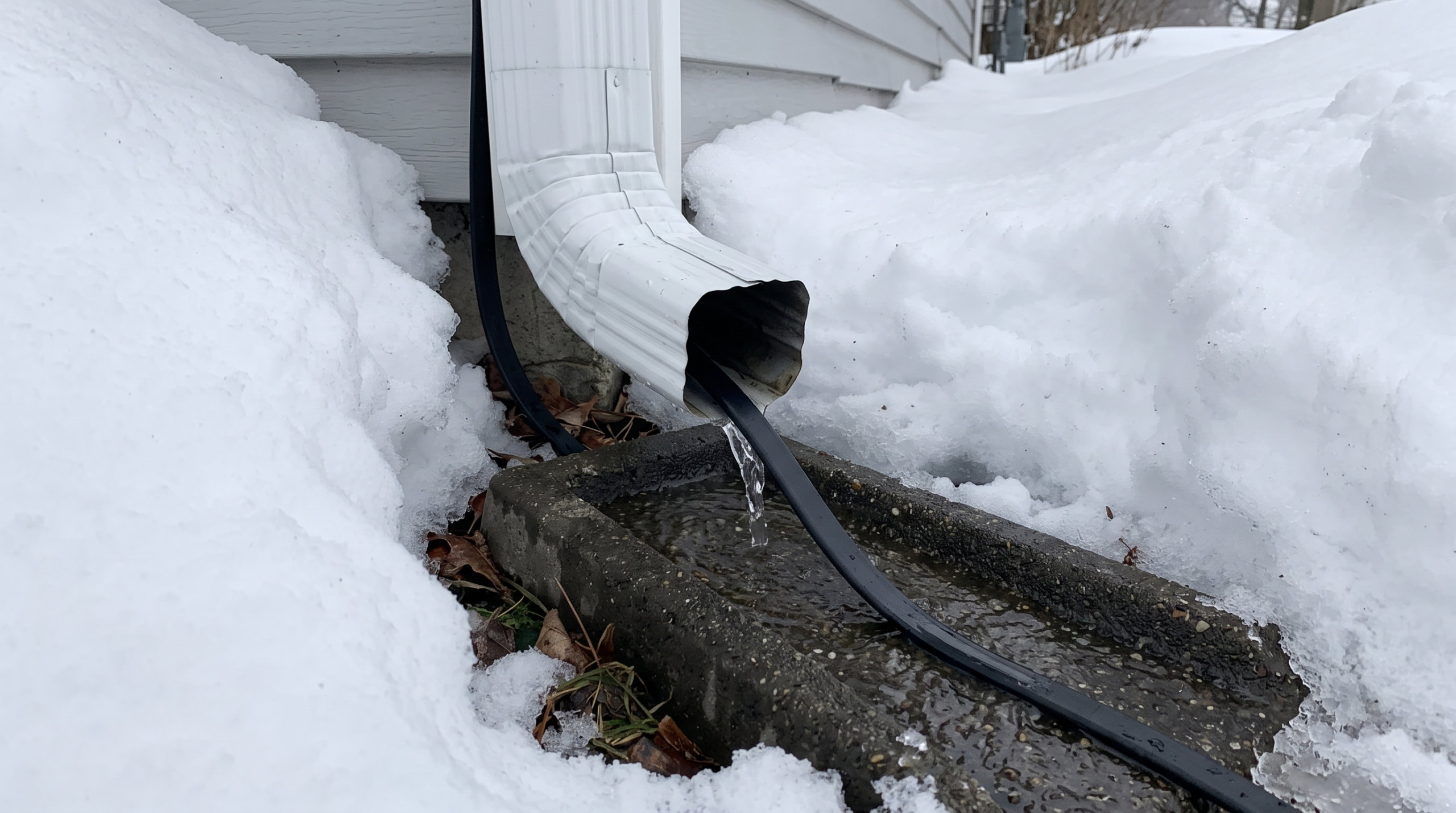
White downspout outlet draining water with heat cable in deep snow
A downspout outlet remains clear and actively draining during winter, assisted by a black heat cable.

What you get in Indiana

  • GFCI-protected circuitDedicated circuit and proper terminations, not an extension cord
  • Self-regulating cableOutput varies along the run; safe to overlap, cut to length on site
  • No fasteners through the roofClips and standoffs only, nothing driven through the covering
Heated Roof & Gutter Cables in Indiana, PA — specification
Service specification for Indiana, PA
Coverage areaIndiana and Indiana County
Typical scopeSteam, 4-10 crew hours typical
Dispatch windowSame day to 24 hours
ServiceHeated Roof & Gutter Cables in Indiana, PA
Local ice-barrier practiceEave membrane standard on re-roofs
Pricing modelBilled by the crew hour, rate quoted before dispatch
DocumentationDated before and after photos, written scope in Xactimate line items

Indiana Coverage and the Adjoining Communities

Crews working Indiana cover the adjoining communities on the same route — Lucernemines, Homer City, Chambersville, Aultman and Ernest — so a storm week usually means one truck handling several addresses in Indiana County rather than separate trips.

Nearest hub towns with their own heat cables pages: Greensburg, Murrysville, Plum, Monroeville, Penn Hills, Altoona.

Indiana sits inside the regular Pennsylvania service area, so a crew is usually scheduled the same day or the following morning.

Most jobs do not stop at one service. Heat Cables in Indiana often runs alongside ice dam removal in Indiana, and both get written into one scope rather than billed as separate visits.

Active leak right now? Our 24/7 Indiana steam ice dam removal crews are dispatched first during a freeze event. Call (888) 561-9664.
Conditions We Work In

Heated Roof & Gutter Cables In Practice

Conditions crews work in across Indiana County. Every job is photographed before and after.

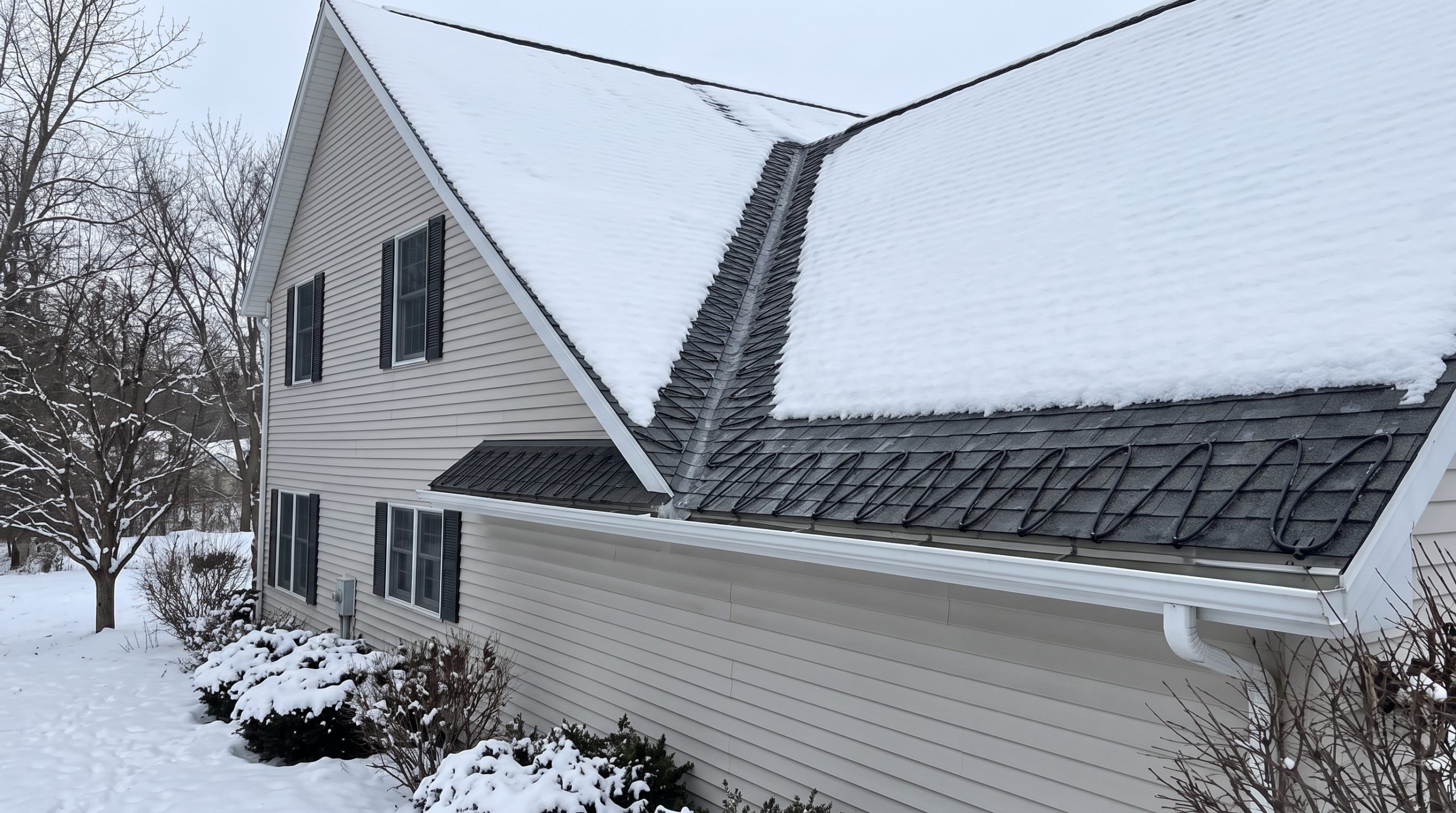
Roof valley with heat cable preventing ice dams on snow-covered house
Heat cables installed along a roof valley keep ice dams from forming during heavy snowfall.
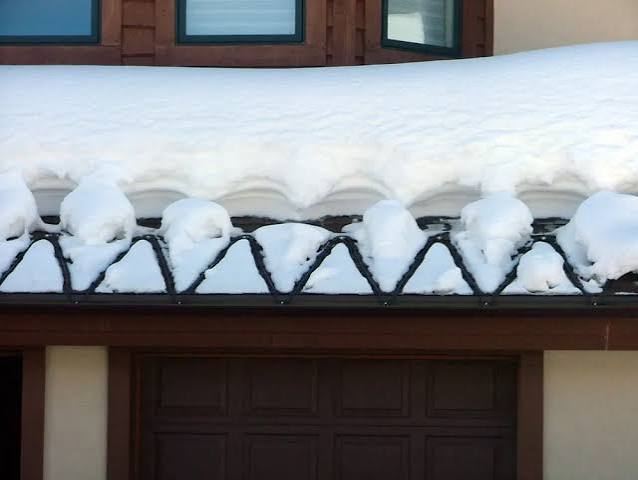
Heat cable installed along snow-covered roof eave and gutter in winter
Heat cables along the roof eave help prevent ice dams from forming during heavy winter snowfall.
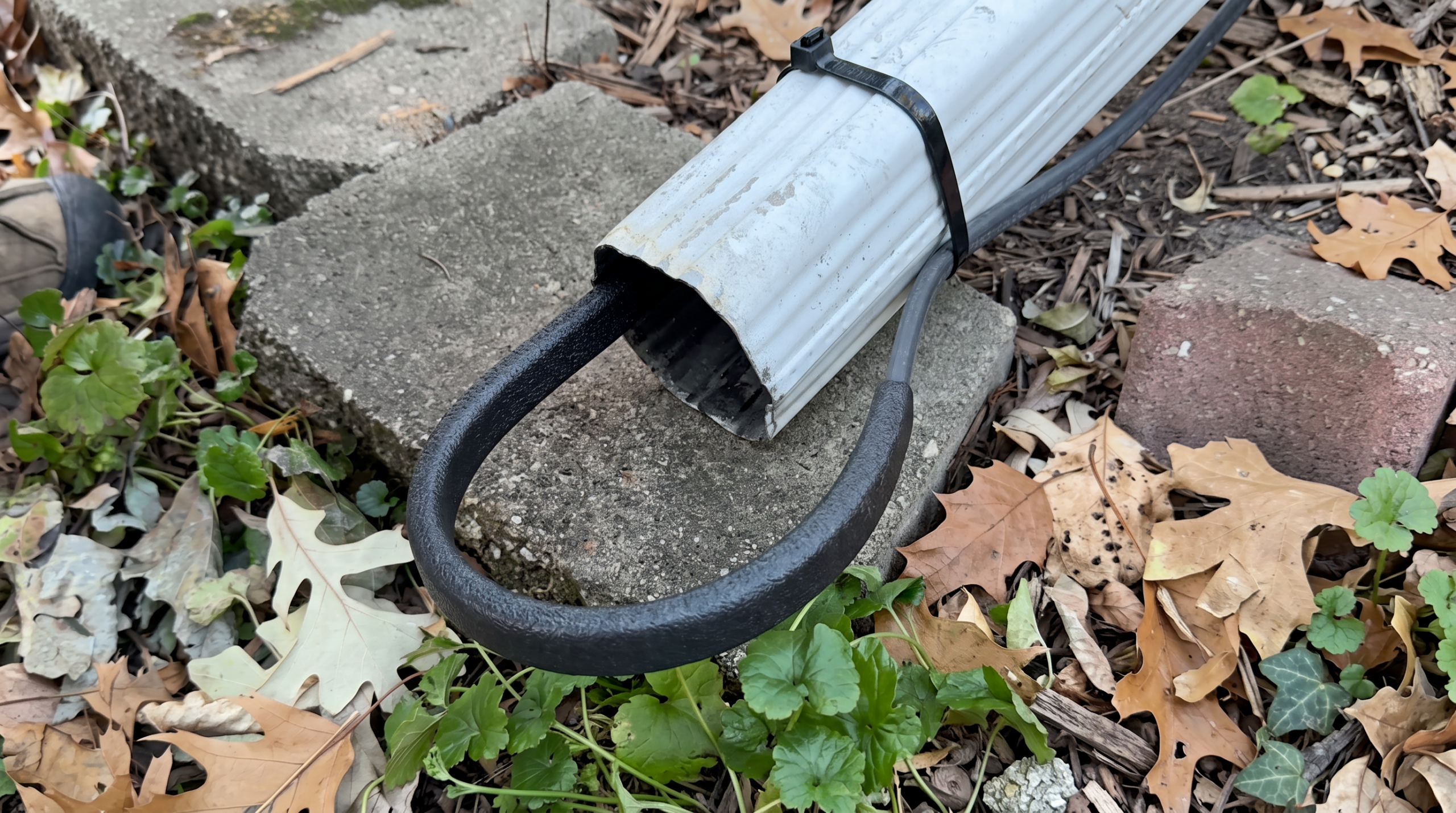
Heated cable loop extending from end of white aluminum downspout over concrete step
A self-regulating heat cable forms a loop at the base of a downspout to prevent ice buildup.
FAQ

Indiana and Indiana County FAQ

It is billed by the crew hour, and the rate plus a realistic time estimate are quoted on the phone before anyone is dispatched.

  • Scope drives the hours: length and thickness of the ice, roof pitch and height, and whether the gutters are frozen solid.
  • Access matters too — a three-story Indiana roof takes longer to set up on than a ranch.
  • The invoice matches the quote. There are no surprise add-ons written on the tailgate.

Often for the interior water damage, sometimes for the removal itself, but it depends entirely on your carrier and policy wording.

  • Many policies treat emergency mitigation separately under a duty to protect property clause.
  • Denials usually cite the maintenance exclusion, which dated photographs taken during the event are the direct counter to.
  • Crews photograph the dam, the entry points and the interior damage, and write the scope in Xactimate line items.
  • The coverage decision is between you and your carrier — no contractor can promise an outcome there.

Yes. The dispatch area runs across Indiana County, and several addresses in one area are usually handled in the same run.

  • Adjoining communities are on the same route rather than treated as a separate trip.
  • Rural addresses outside the normal radius get told the travel position on the call.
  • Capacity is moved into whichever part of Pennsylvania the storm actually hits.

More than it looks from the ground - a foot-deep dam across a thirty-foot eave is a few thousand pounds.

  • Depth is measured at the eave rather than estimated from the driveway.
  • The gutter trough underneath is usually frozen solid too and is part of the same mass.
  • That weight is one of the reasons chipping at it from a ladder goes badly.

Tell the crew. Chipping marks change what the roof needs and they matter for the claim.

  • Cracked shingles and punctures get photographed and reported rather than steamed over.
  • Damage caused by removal attempts is treated differently by carriers than storm damage.
  • It is extremely common and nobody is going to lecture you about it.

Yes, with the right fixing method for each. What changes is how the cable is held on: adhesive and clip systems that do not penetrate the covering, rather than anything that puts a fastener through a slate or a standing seam. Getting that wrong creates the leak the system was meant to prevent.

Not usefully. Clips cannot be fixed through ice, the layout cannot be set out properly, and a cable energised under a dam melts a cavity rather than a drainage path. The ice comes off first, then the system goes in - often in the same week.

Nearby

Heat Cables In Towns Around Indiana

Same-Day Response

Get A Indiana Crew Out

Waiting for a thaw is a strategy, but it is an expensive one — the melt has to go somewhere, and it goes into the insulation first.

✓ Licensed & insured✓ Low-pressure steam only✓ Rate quoted up front✓ Photos for your claim
Online Quote(888) 561-9664