


Wet Snow, Swinging Air: Altoona Ice Dams
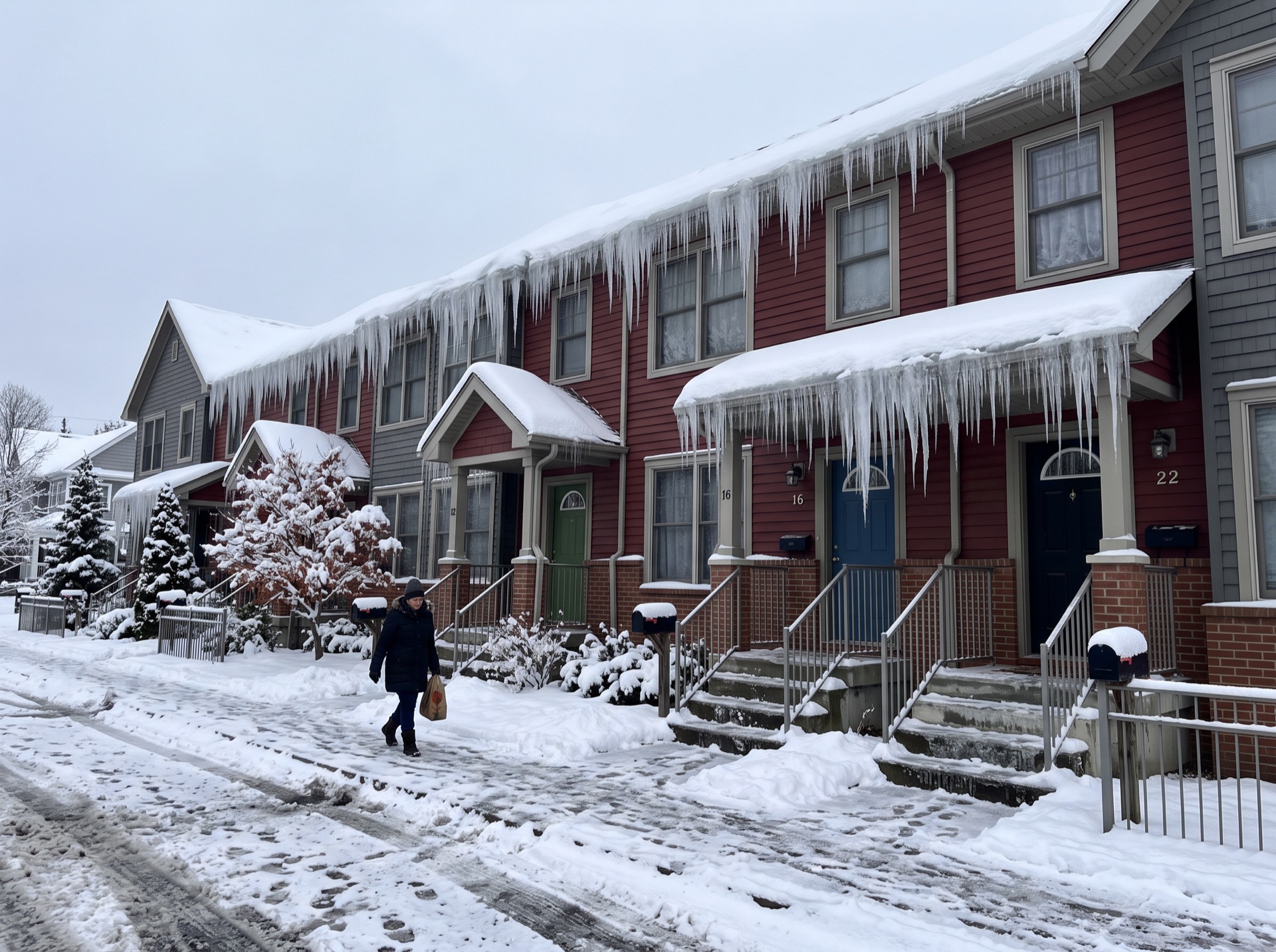
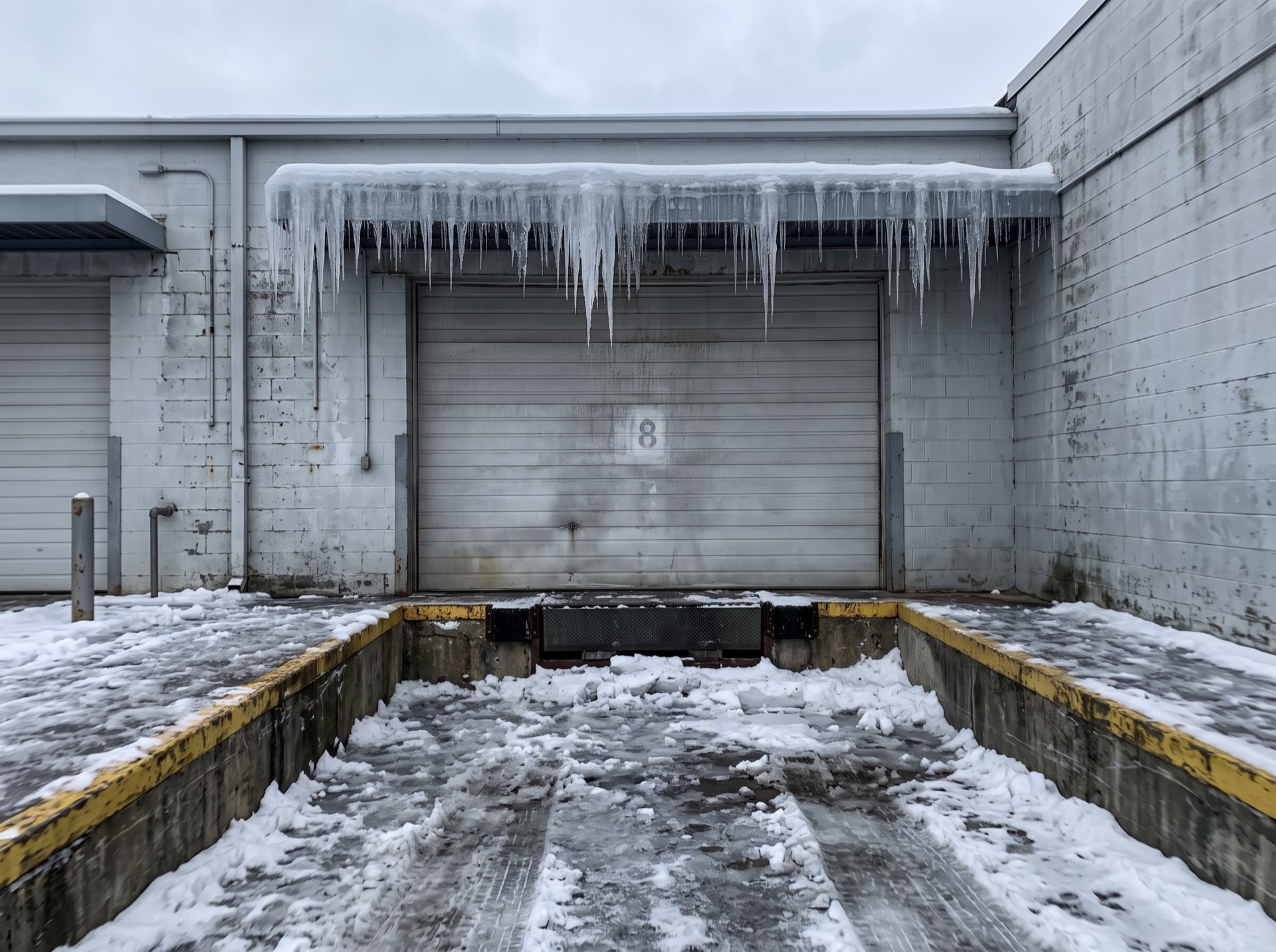
Coastal snow is heavy with water, and a roof in Altoona can take a foot of it in a night. That pack is a full reservoir from the moment it lands, not something that becomes one slowly.

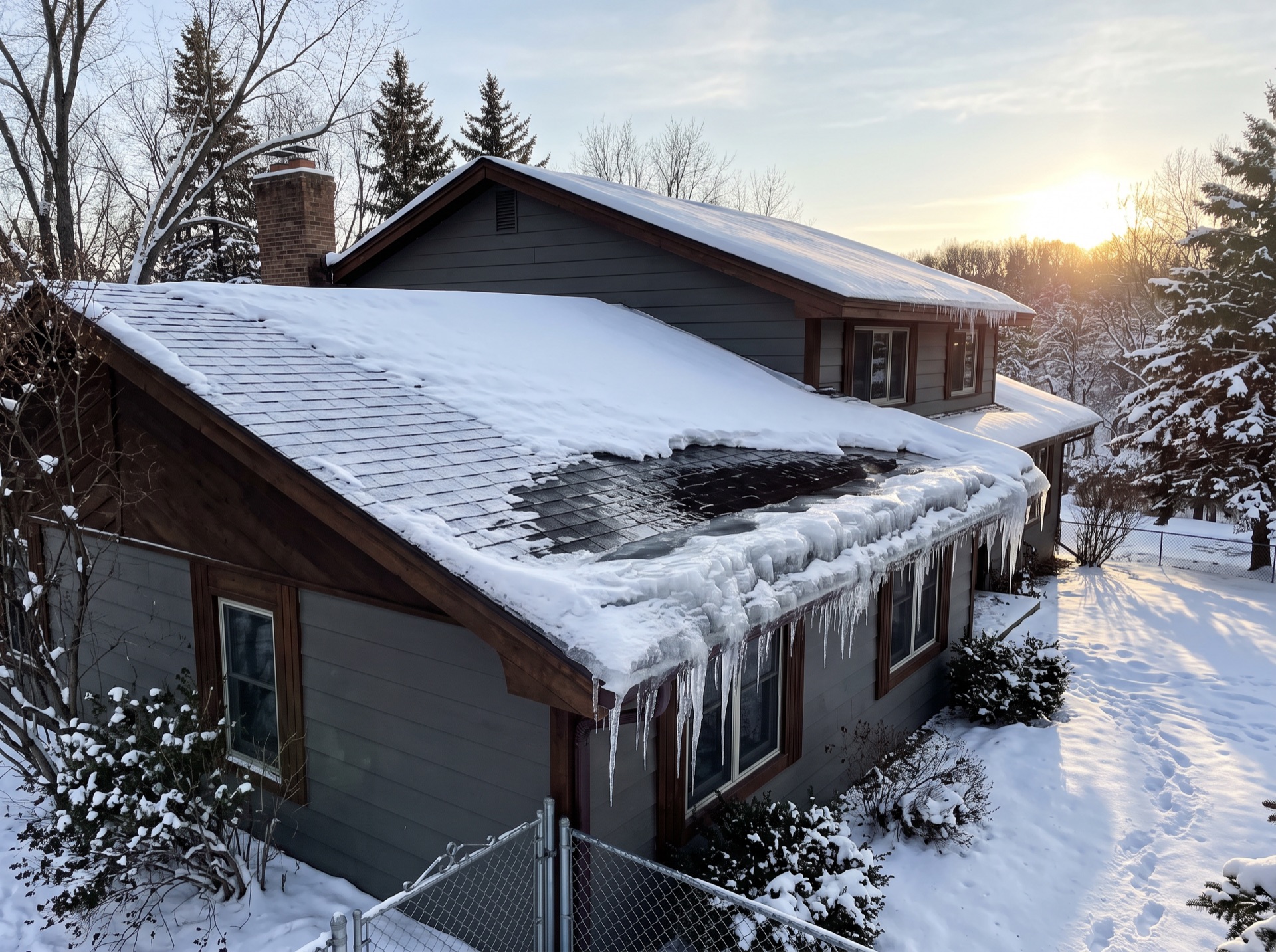
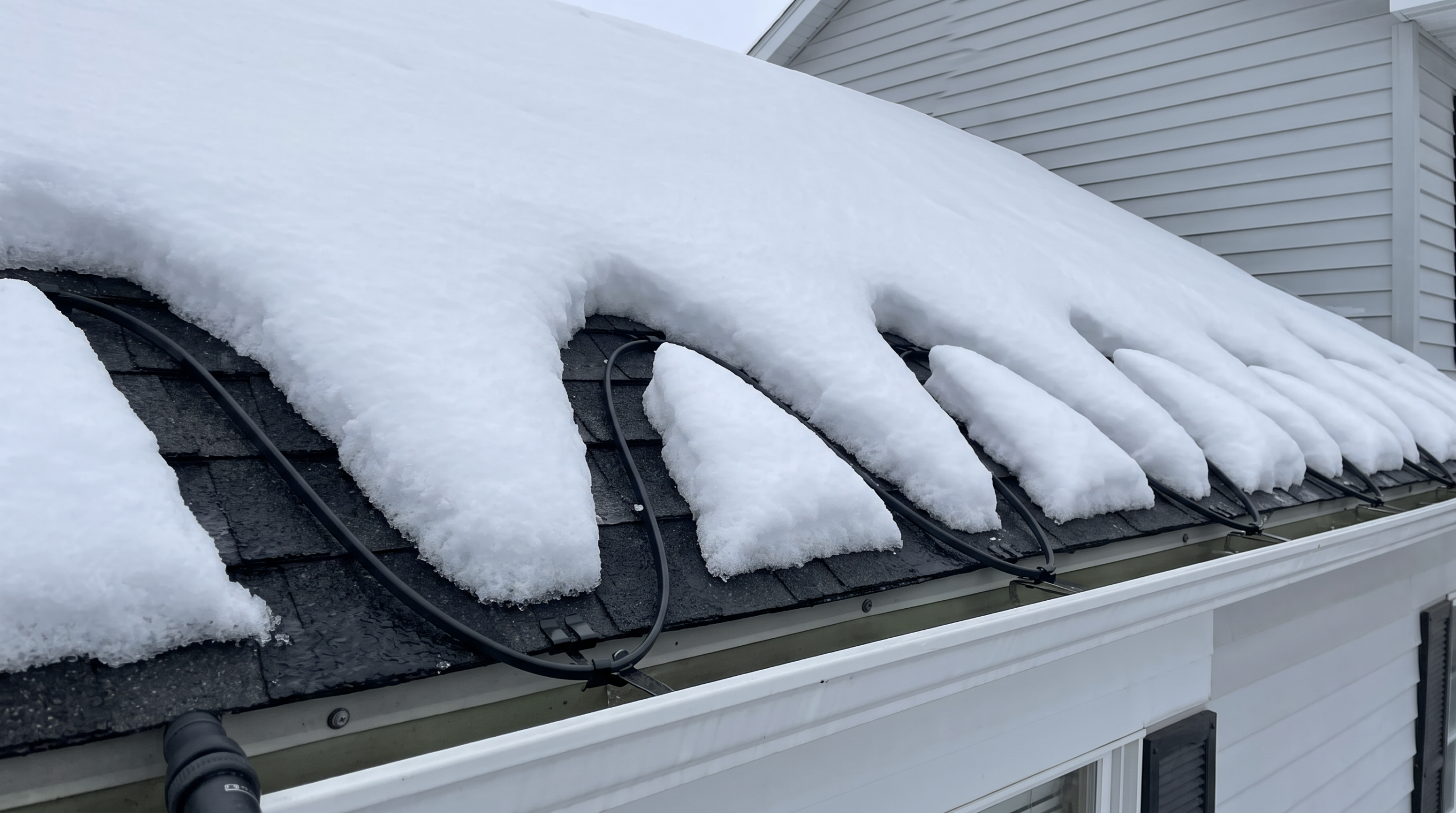
Older Blair County housing stock makes it worse. Shallow eave returns, knee-wall attics and additions built over unheated space all put warm air against a cold roof deck with very little insulation in between.
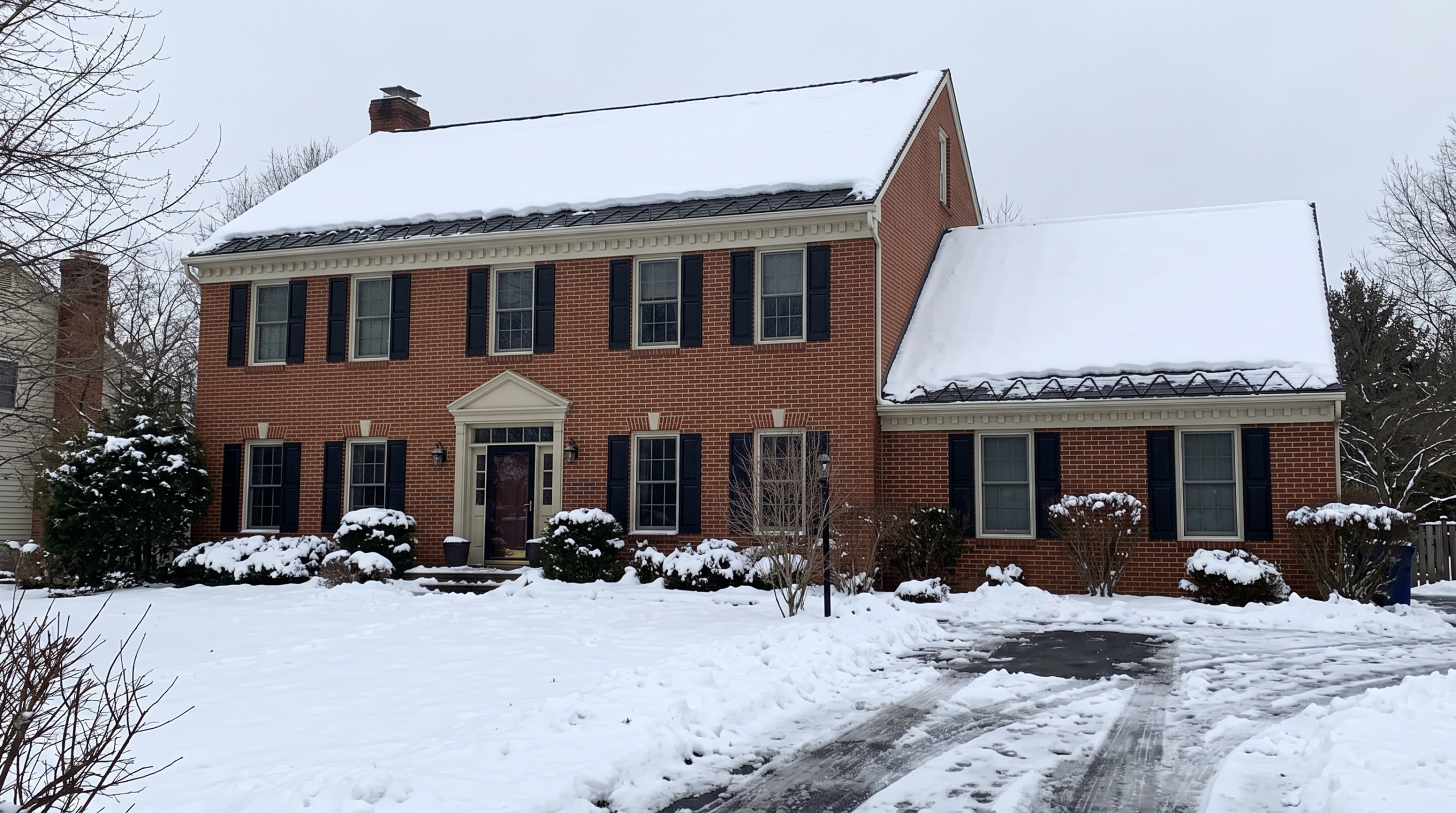
Ice-barrier practice in Blair County
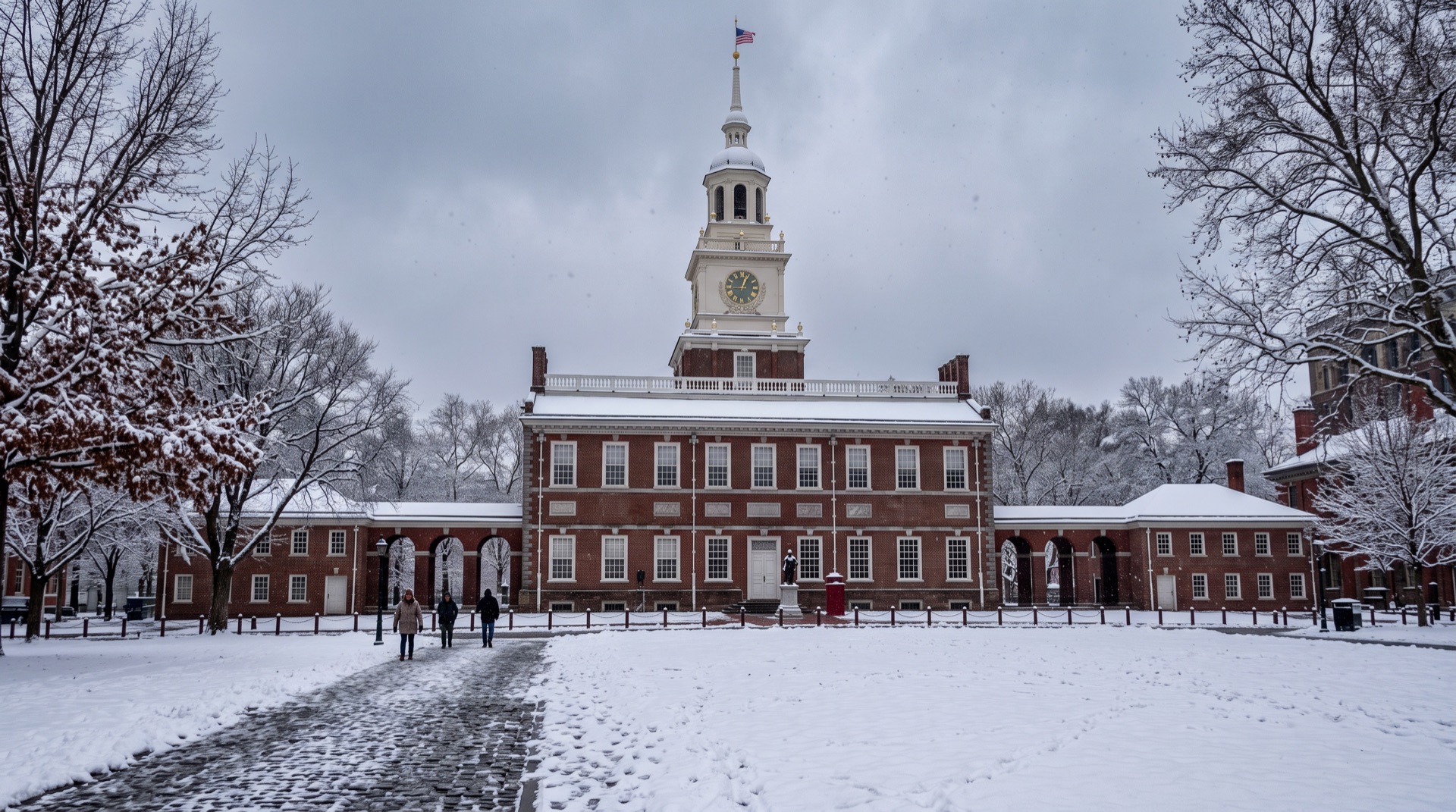
Historic district review in parts of Blair County adds a step on materials and sometimes on color, which is worth knowing before a re-roof is scheduled rather than after the permit is refused.
What a Crew Does on an Altoona Roof
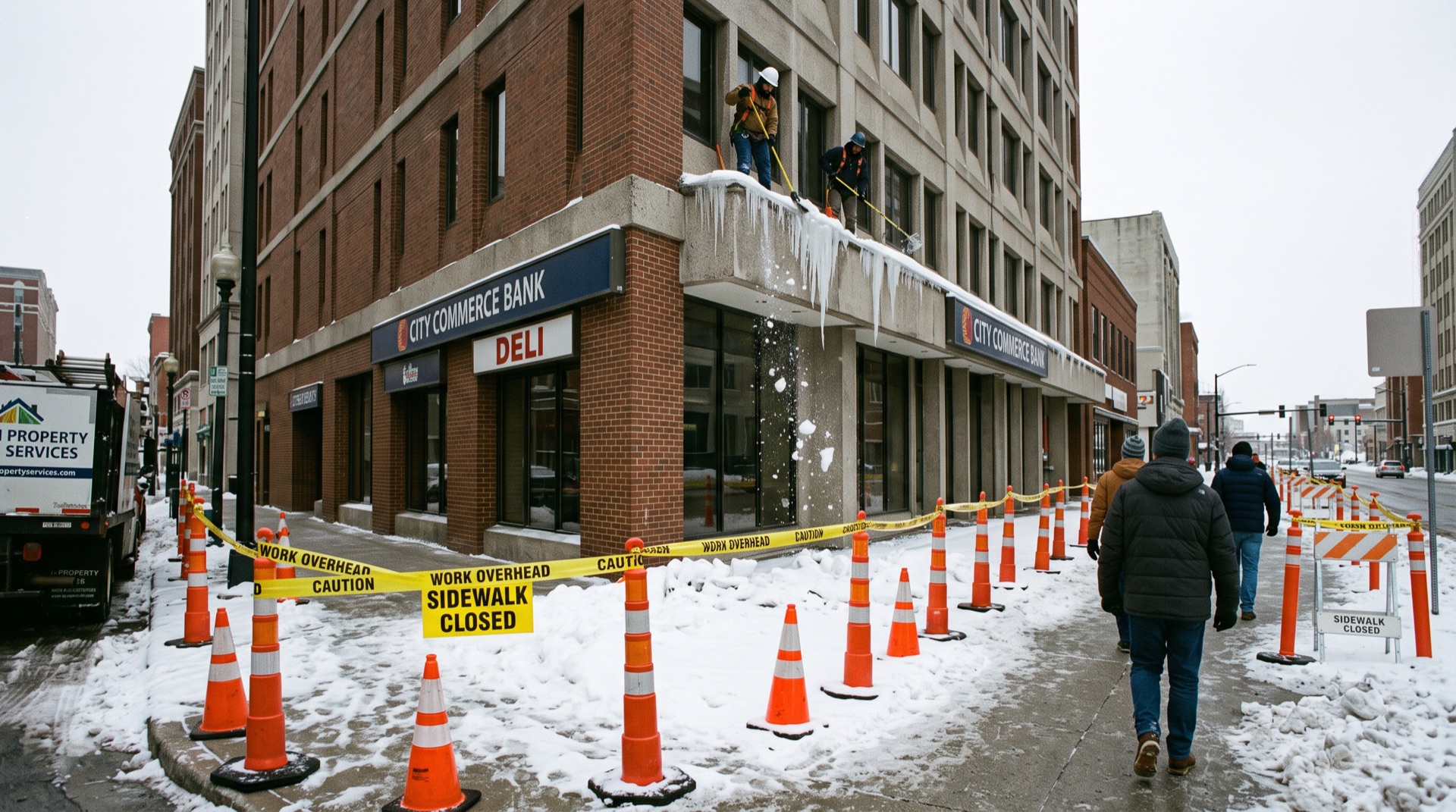
Nothing gets touched until the roof has been walked and photographed. The crew finds every dam, locates where water is getting in, shows you, and gives you the crew-hour rate and a time estimate before the equipment comes off the truck.
Removal then works from the worst point outward, so water starts draining early rather than at the end. Gutters and downspouts frozen solid get steamed through in the same visit — leaving them means the eave dams again within days.
What the crew does on arrival
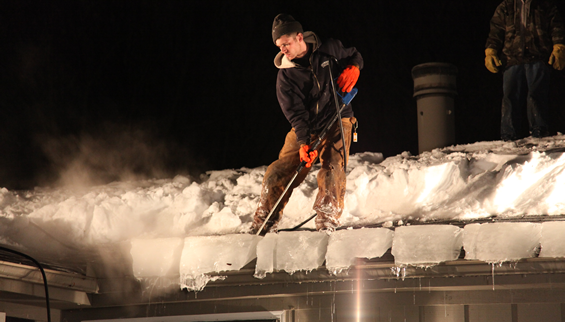
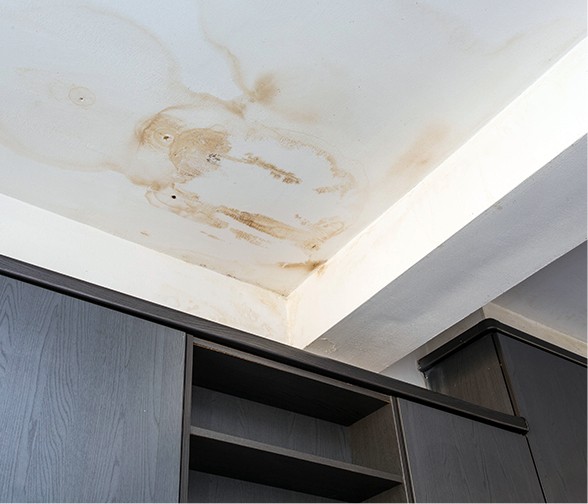
Before anything is touched, the crew walks the eaves, valleys and gutter line and photographs every dam and every point where water is tracking inside. You get shown what they found. Then the dam comes off in sections, starting wherever water is actively backing up, so drainage opens early rather than at the end.
Downspouts and gutter troughs get cleared in the same visit where they are frozen, because a dam removed above a solid block of ice in the gutter just reforms in the next cold night.
Working at night and during an active storm
Freeze events do not keep office hours, and the worst leaks tend to announce themselves in the evening when the day's melt refreezes. Crews run lit, and a roof that is actively collecting snow is worked anyway, because waiting for better weather means the dam is bigger when somebody finally gets to it.
What does stop a crew is wind and lightning. Both are judgment calls made on site in Altoona, and a postponed start gets explained rather than dressed up.
Steep, high and awkward Altoona roofs
Pitch and height change the job more than ice thickness does. A walkable ranch eave is a ladder and a lance. A three-story roof with a steep pitch means anchors, rope, staging and two people where one would otherwise do.
Crews quote on that honestly. If a property in Altoona needs a longer setup, it is said on the phone rather than discovered at the end of the invoice.
| Coverage area | Altoona and Blair County |
|---|---|
| Primary climate stressor | Nor'easters, rapid thaw-freeze swing |
| Service | Ice dam removal in Altoona, PA |
| Dispatch window | Same day to 24 hours |
| Removal method | Low-pressure steam only. No chipping, salt or pressure washing. |
| Local ice-barrier practice | Eave membrane standard on re-roofs |
| Pricing model | Billed by the crew hour, rate quoted before dispatch |
Blair County Coverage From Altoona
Crews working Altoona cover the adjoining communities on the same route — Coupon, Hollidaysburg, Duncansville, Bellwood and Ashville — so a storm week usually means one truck handling several addresses in Blair County rather than separate trips.
Nearest hub towns with their own crew pages: State College, Indiana, Chambersburg, Greensburg, Murrysville, Carlisle.
During a cold snap Altoona gets worked alongside the neighboring Blair County towns on the same route, with active interior leaks moved to the front of the list.
If water is already inside a property in Altoona, call (888) 561-9664 rather than filling in a form — the phone is faster and leaks jump the line.