


Older Housing, Heavy Snow: The Centre County Case
The maritime air is the other half of it. Temperatures in Centre County move either side of freezing within the same day far more often than they do inland, and every crossing moves water down the roof and locks it at the eave.

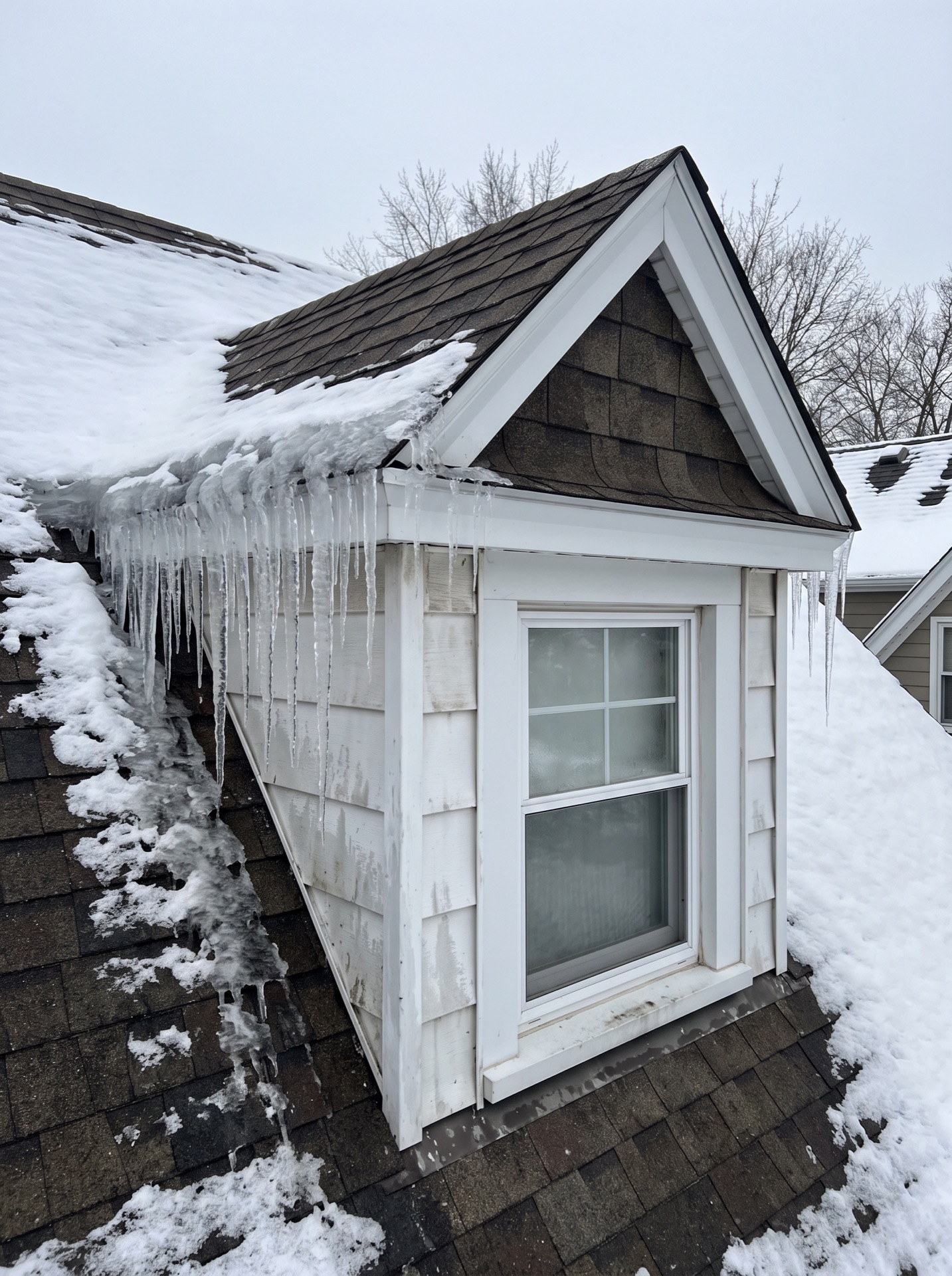
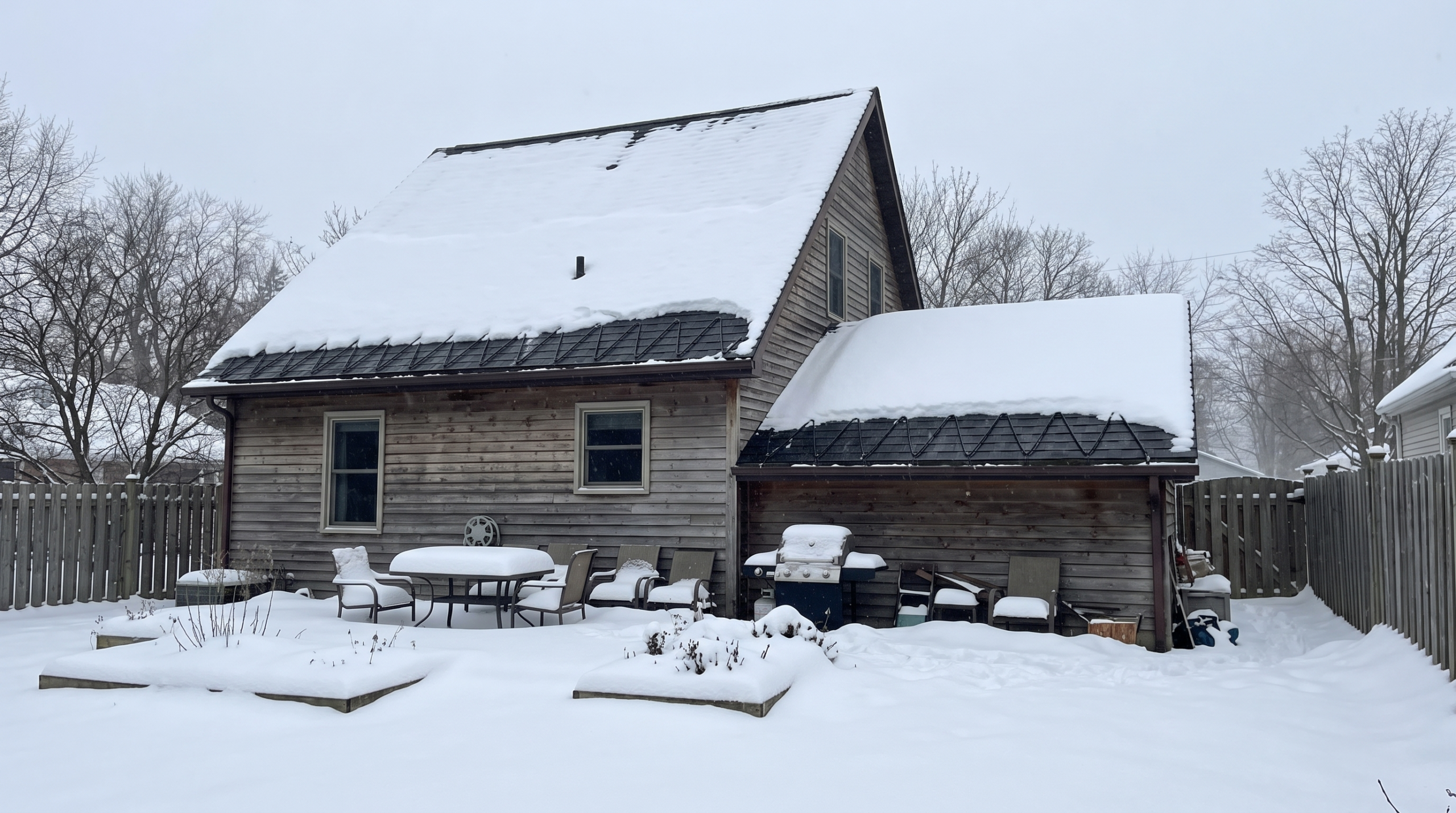
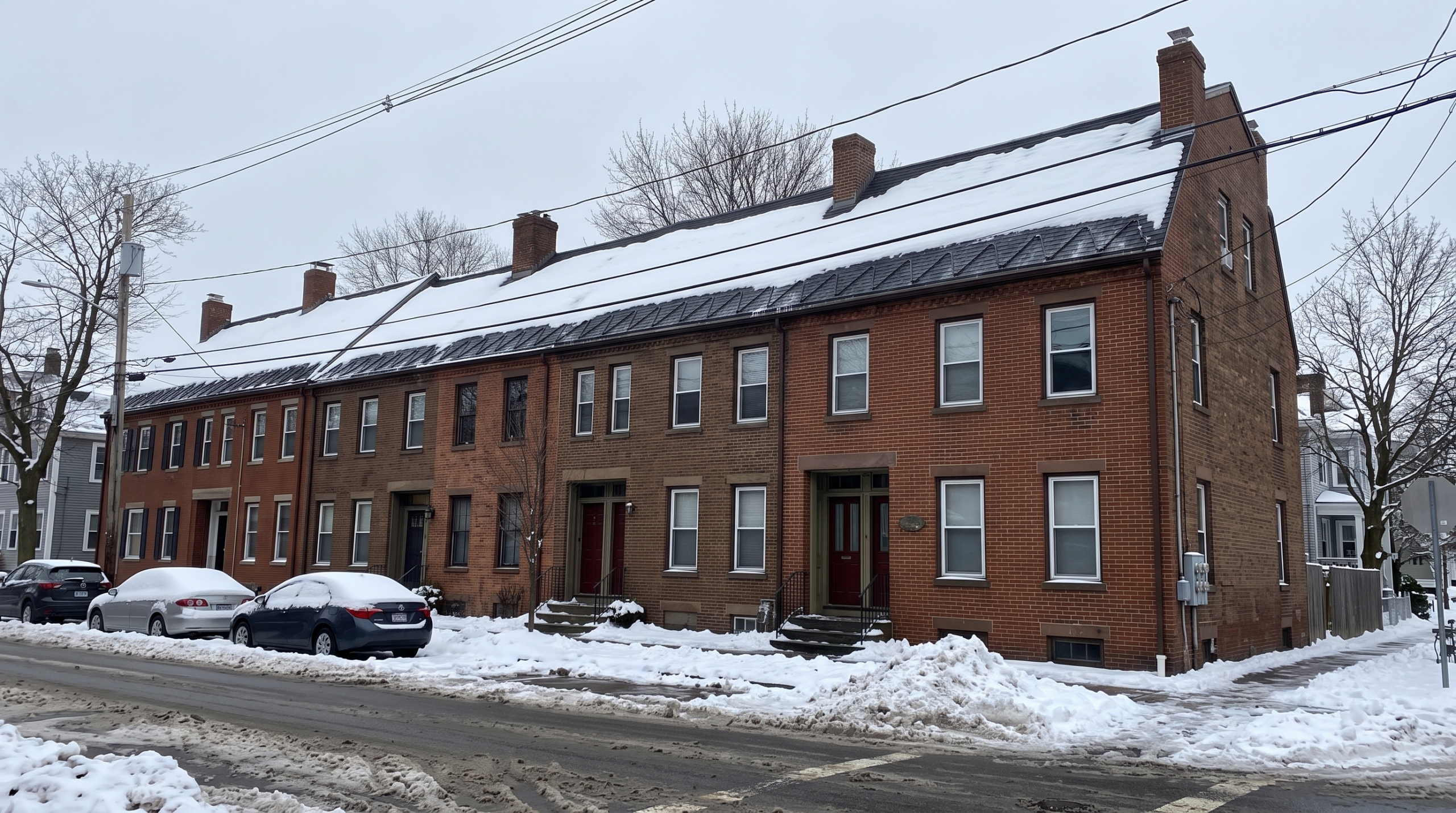
Add the architecture and the problem concentrates. Dormers, ells, knee walls and additions over porches all create pockets where warm air meets cold deck, and those are the eaves that dam first on a roof in State College.
Ice-barrier practice in Centre County
Ice-barrier membrane at the eaves is standard on re-roofs across coastal Pennsylvania, and many towns enforce it strictly. Homes that have not been re-roofed since that became normal practice are the ones that leak first.
How a State College Steam Call Runs, Start to Finish
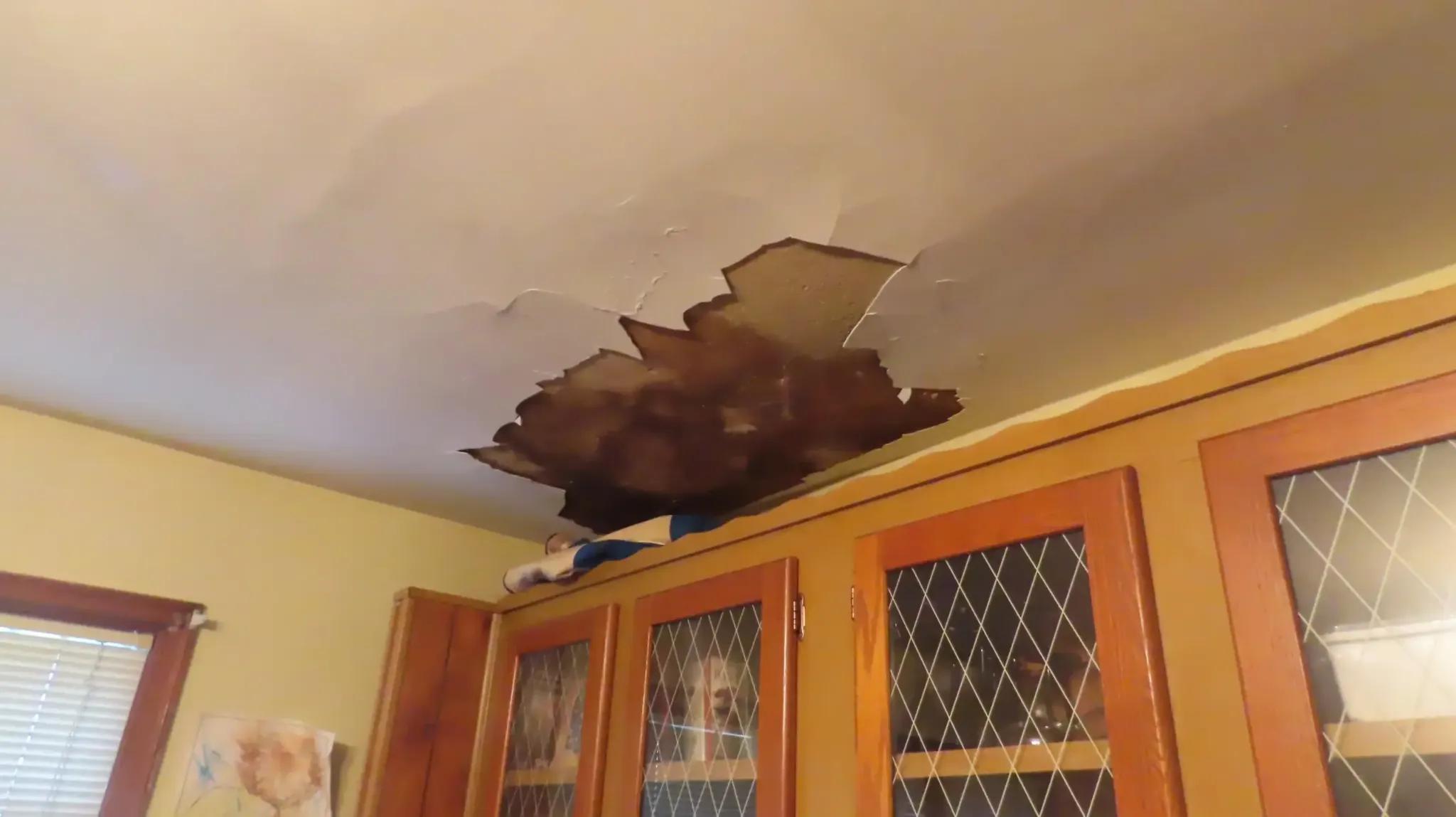
The first pass is assessment: eaves, valleys, gutter line and any interior staining, all photographed with timestamps. You see what the crew sees, and the rate and likely hours are agreed before work begins.
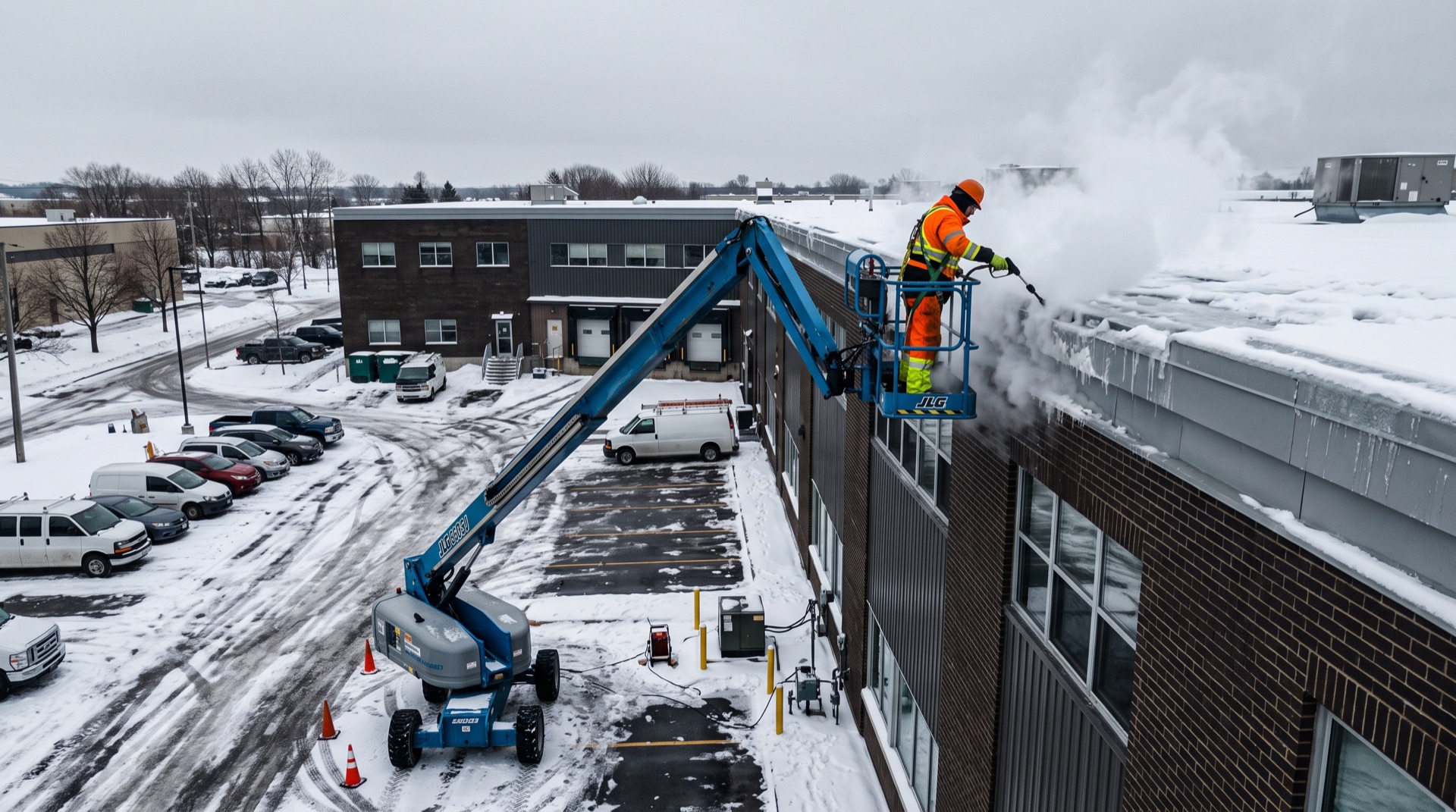
Steam then takes the dam off in sections, prioritizing wherever water is actively backing up behind it. The gutter trough and downspout are cleared through to daylight on the same visit, because a clear eave over a frozen gutter is a temporary fix.
Why the gutter has to be cleared in the same visit
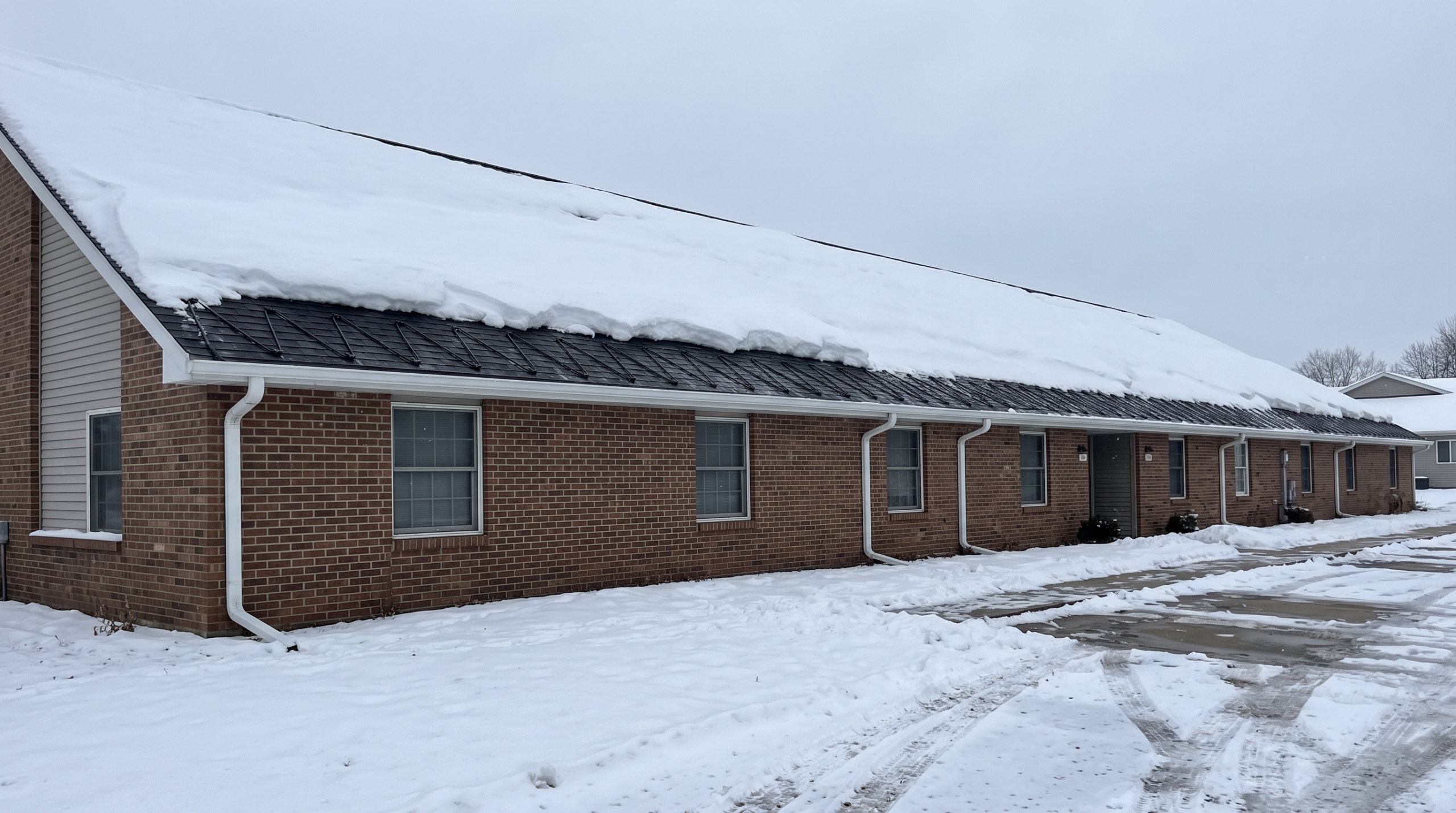
A dam sitting above a gutter packed solid with ice is only half the problem. Clear the eave and leave the trough frozen, and the next day's meltwater has nowhere to run — it backs up onto the roof and the dam rebuilds from the bottom.
Crews steam the trough and the downspout through to daylight on the same visit. It adds time, which is why the hour estimate given on the phone accounts for it, and it is the difference between a fix and a repeat visit in State College the following week.
Access, ladders and what the crew needs on site
Steam equipment needs somewhere to park within hose reach, and ladders need footing that is not a buried flower bed or a sheet of ice. Clearing a path to the affected eave, moving vehicles off the driveway and unlocking a side gate takes ten minutes and saves considerably more than that on the clock.
Where the only access is through a neighbor's property, that conversation is worth having before the crew is in the street rather than while it waits.
Why salt and ice melt make it worse
Calcium chloride opens a narrow channel and leaves the dam standing. The channel refreezes, the dam does not go anywhere, and in the meantime the runoff corrodes gutter seams, fasteners, flashing and anything growing underneath.
It is a stopgap at best. On a roof in State College with an active leak it buys hours, not days, and it adds a corrosion problem to the water problem.
| Removal method | Low-pressure steam only. No chipping, salt or pressure washing. |
|---|---|
| Primary climate stressor | Nor'easters, rapid thaw-freeze swing |
| Pricing model | Billed by the crew hour, rate quoted before dispatch |
| Dispatch window | Same day to 24 hours |
| Service | Ice dam removal in State College, PA |
| Documentation | Dated before and after photos, written scope in Xactimate line items |
| Typical scope | Steam, 4-10 crew hours typical |
Neighborhoods and Towns We Reach From State College
Crews working State College cover the adjoining communities on the same route — University Park, Lemont, Boalsburg, Pine Grove Mills and Pennsylvania Furnace — so a storm week usually means one truck handling several addresses in Centre County rather than separate trips.
Nearest hub towns with their own crew pages: Altoona, Carlisle, Chambersburg, Harrisburg, Indiana, Lebanon.
Crews cover State College and the surrounding Centre County towns through the whole season, and during a freeze event they run from first light until dark.
Active leak at an address in State College? (888) 561-9664 reaches dispatch directly. Interior water moves a job to the front of the day.