



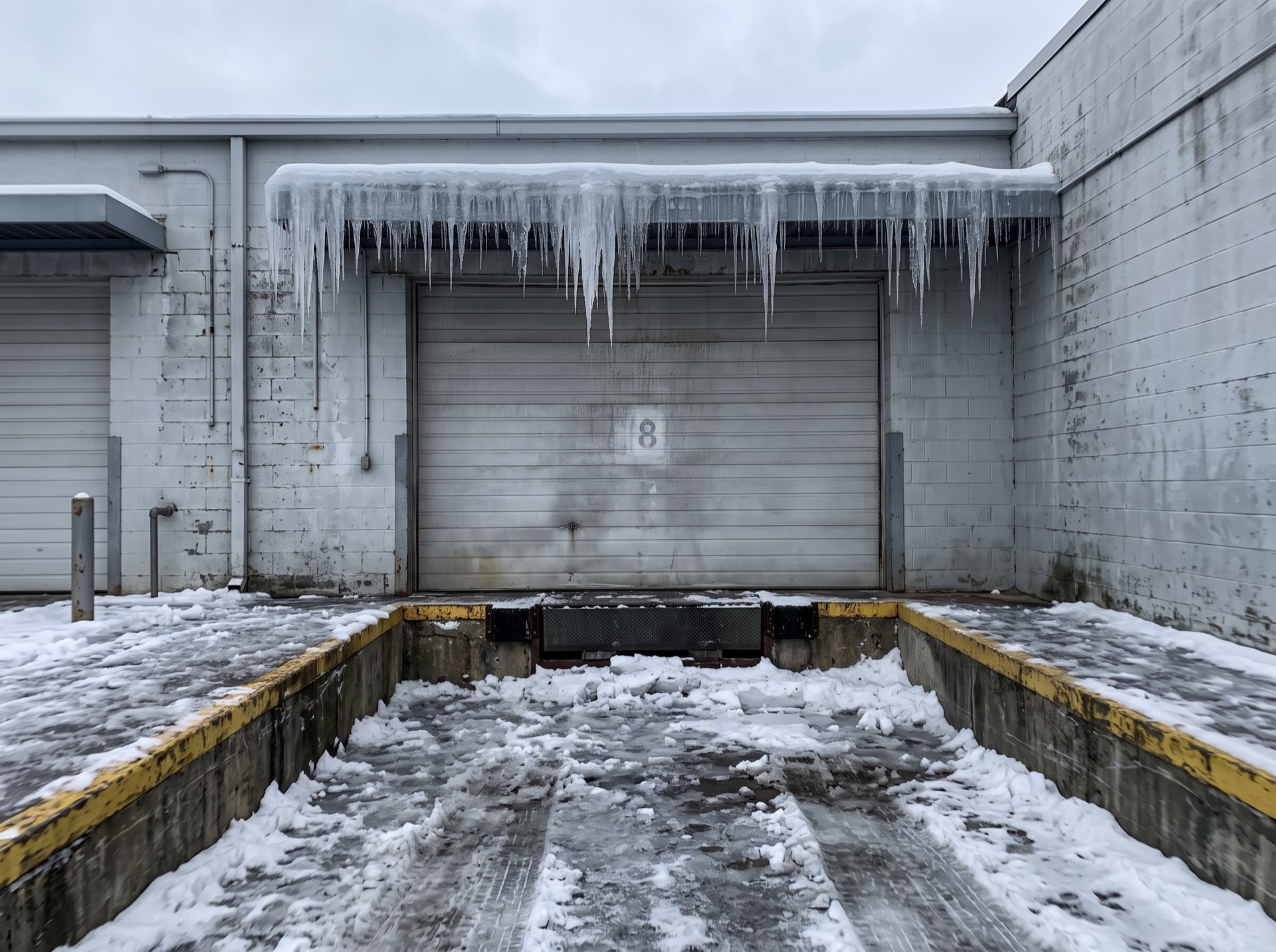
Eugene Ice Dams: Melting on Days It Never Thaws
Altitude makes the sun stronger and the air colder at the same time. A roof in Eugene can be producing meltwater on its south face at midday while the thermometer reads well below freezing.

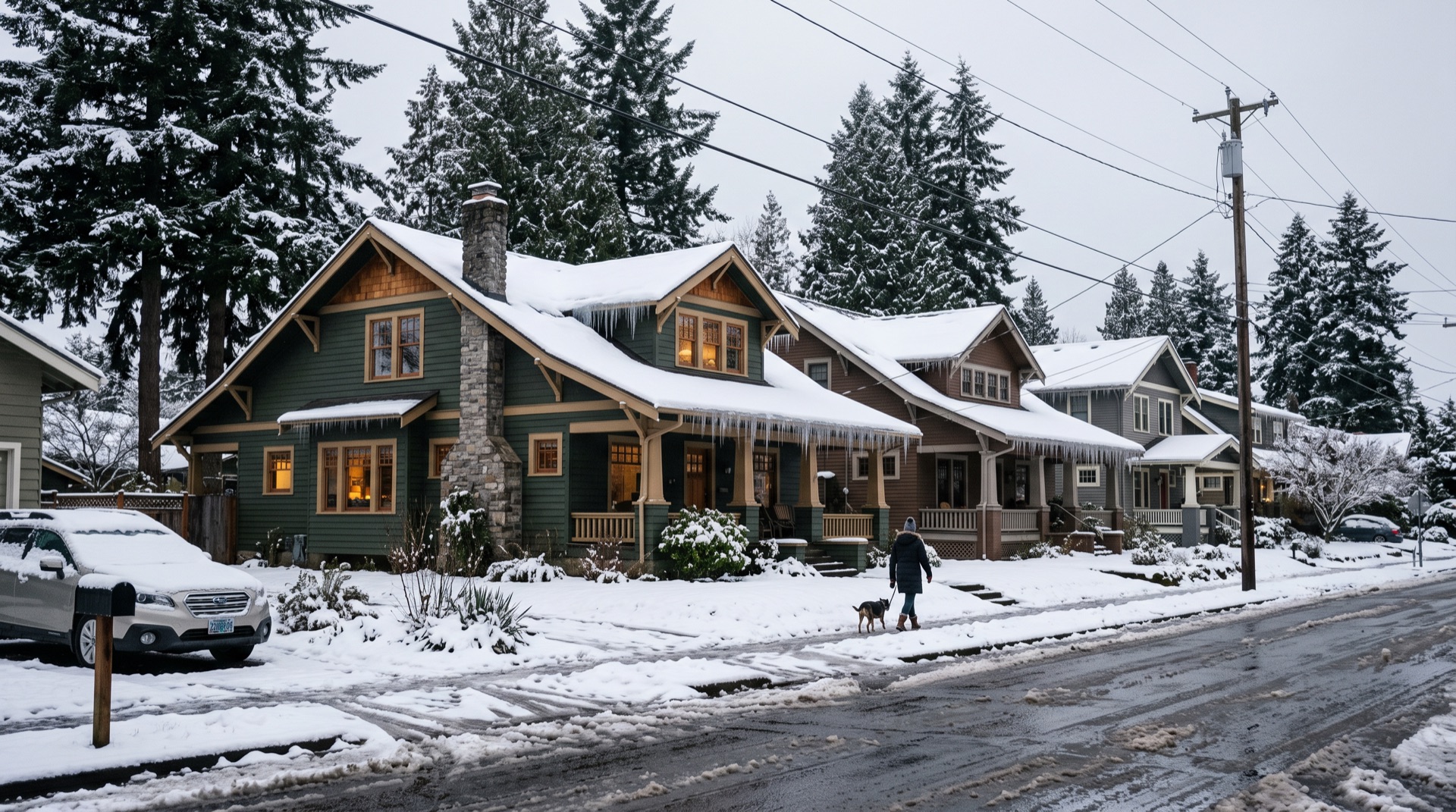
Aspect decides everything here. The sunny plane sheds water that the shaded plane and the shaded eave then lock up, so one side of a roof in Eugene is clear while the other carries a wall of ice.
Ice-barrier practice in Lane County
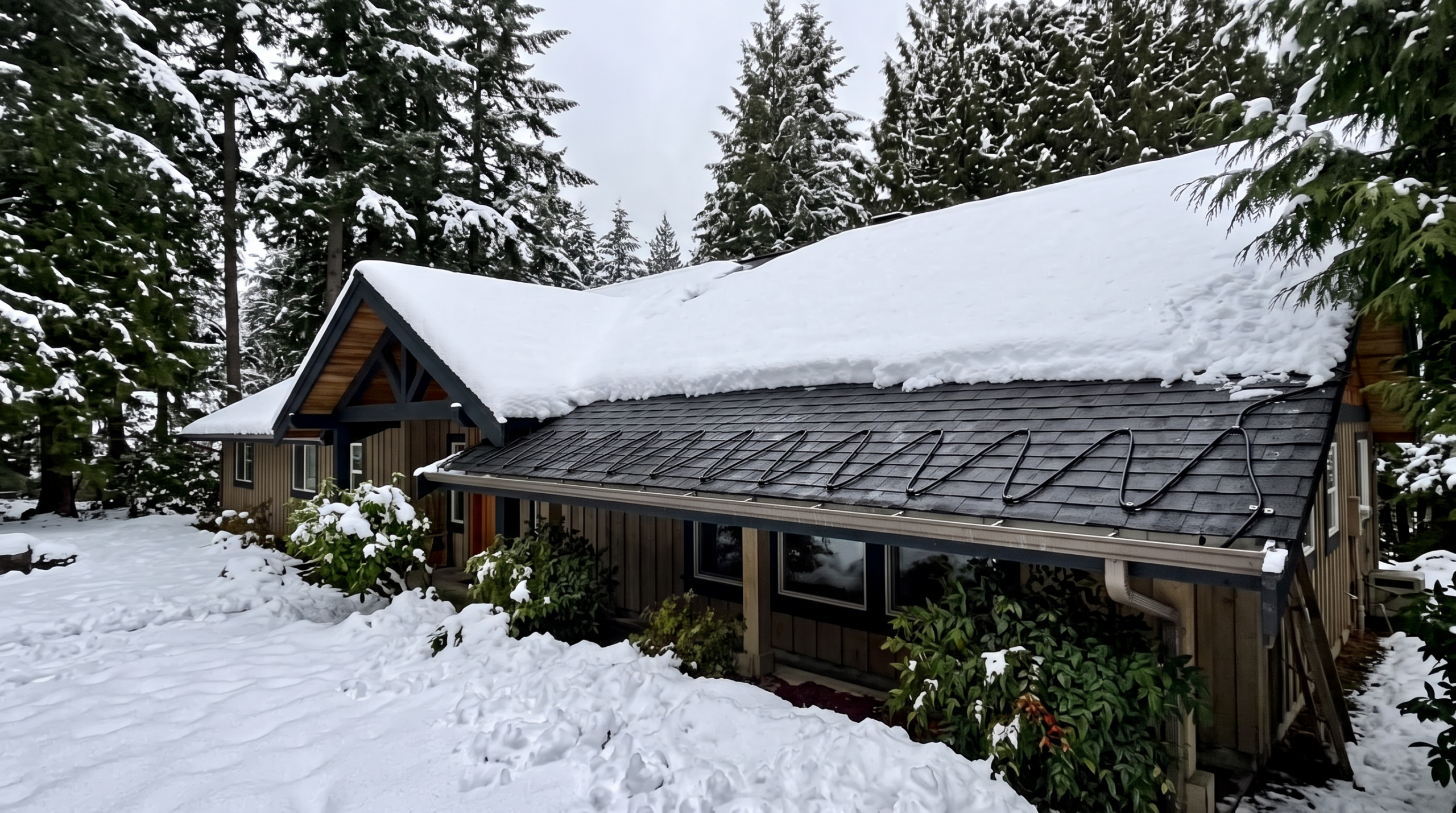
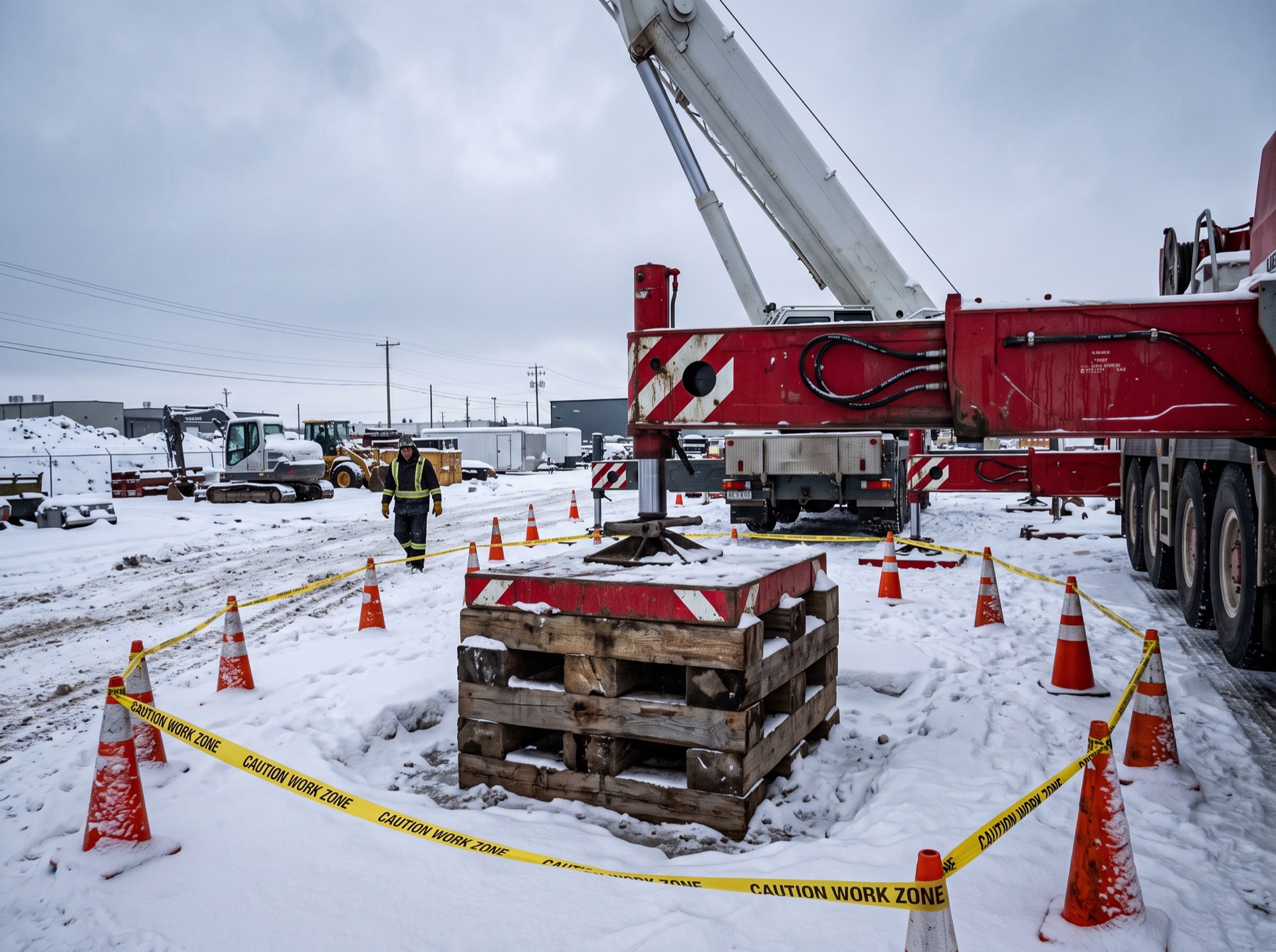
Design snow loads up here are among the highest in the country, and the membrane and retention details that come with them are not paperwork. On an older Eugene cabin neither is likely to be present.
How a Eugene Steam Call Runs, Start to Finish
The first pass is assessment: eaves, valleys, gutter line and any interior staining, all photographed with timestamps. You see what the crew sees, and the rate and likely hours are agreed before work begins.
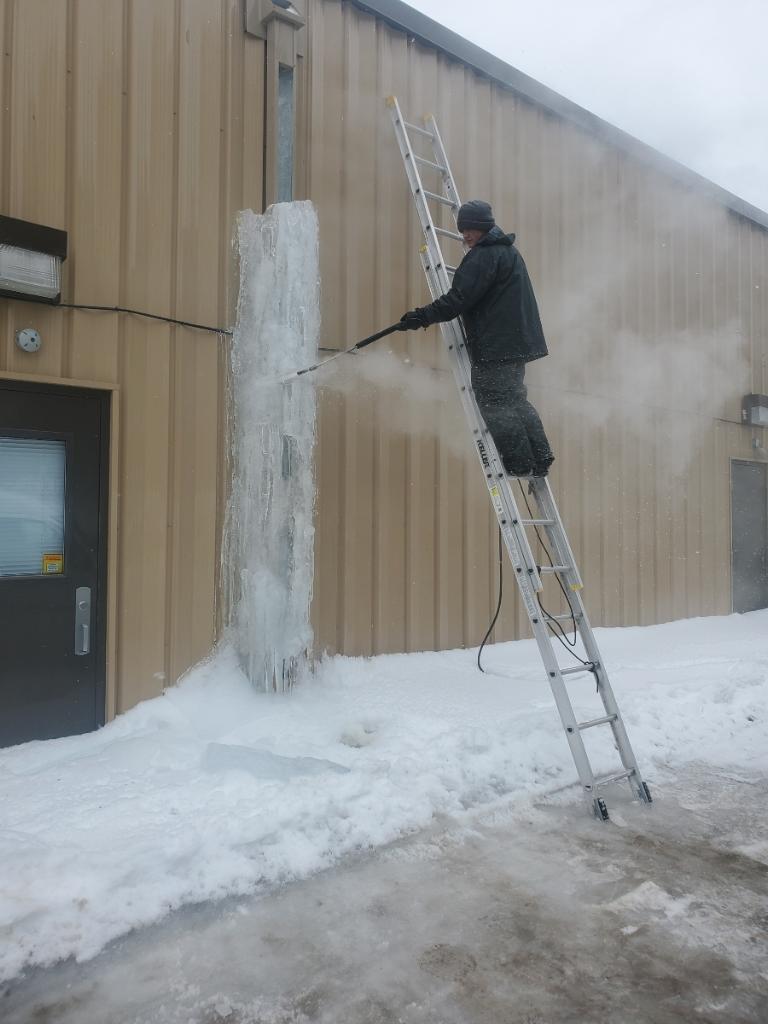
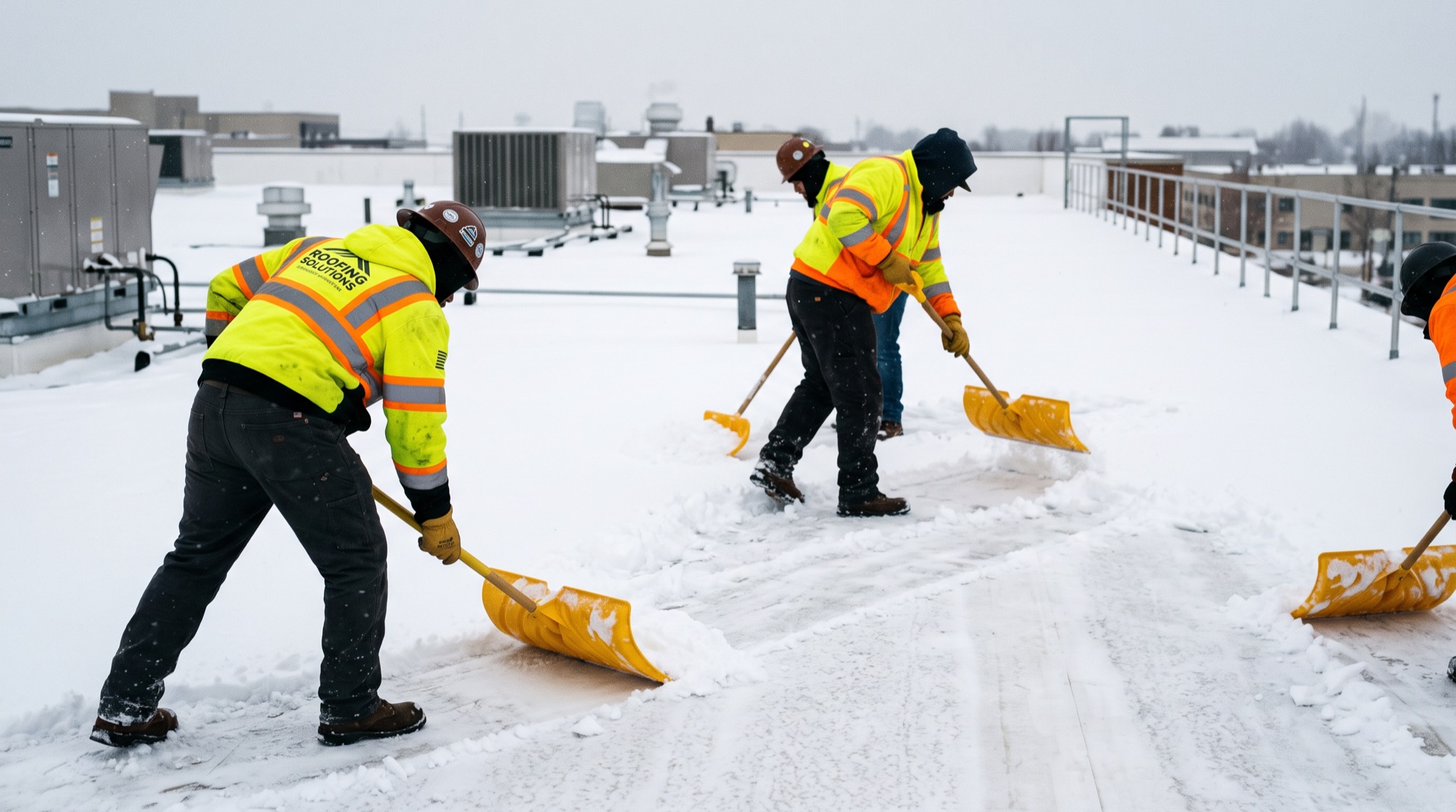
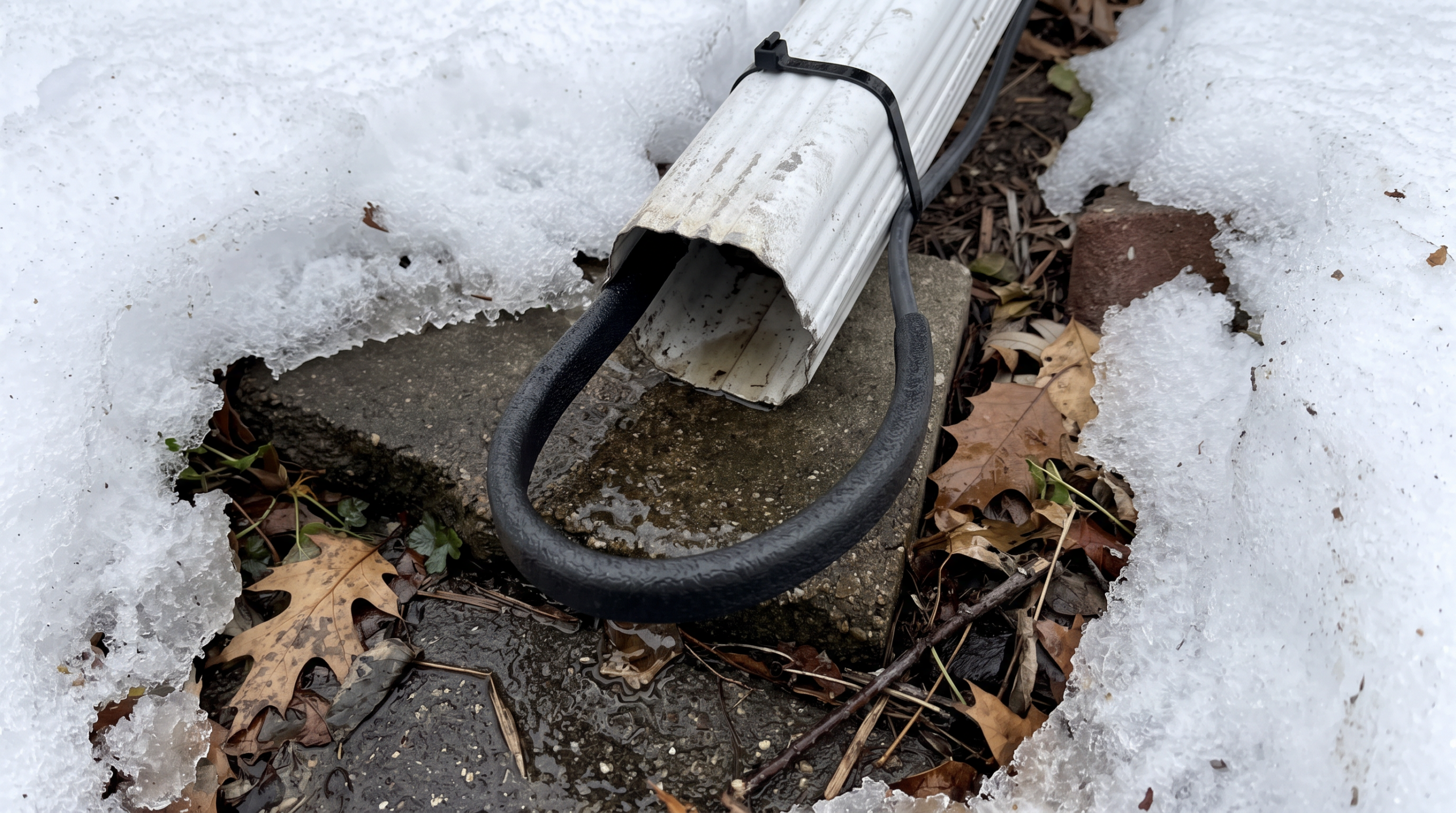
Steam then takes the dam off in sections, prioritizing wherever water is actively backing up behind it. The gutter trough and downspout are cleared through to daylight on the same visit, because a clear eave over a frozen gutter is a temporary fix.
What the crew does on arrival
Before anything is touched, the crew walks the eaves, valleys and gutter line and photographs every dam and every point where water is tracking inside. You get shown what they found. Then the dam comes off in sections, starting wherever water is actively backing up, so drainage opens early rather than at the end.
Downspouts and gutter troughs get cleared in the same visit where they are frozen, because a dam removed above a solid block of ice in the gutter just reforms in the next cold night.
If water already got inside
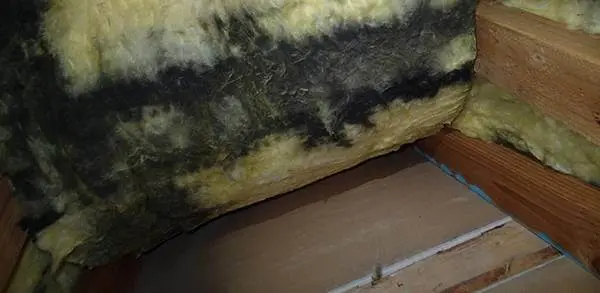
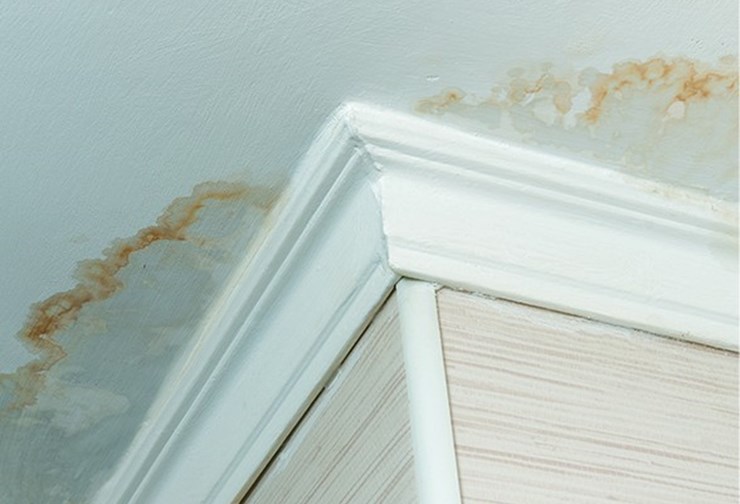
Taking the ice off stops new water. It does nothing about what is already in the insulation, the ceiling and the walls of a Eugene home.
The same company handles the rest: water mitigation and dryout, mold remediation where the water has led to growth, the interior repair, and the roof where the dam damaged it, all documented on one insurance claim.
What happens after the ice is off
Once the eave is clear and water is draining, the crew walks the interior with you where there is visible damage and says plainly whether it needs drying. Wet insulation and a damp ceiling cavity do not resolve themselves in a cold Eugene February.
If it does, that is a separate scope and it gets written separately — nobody is upsold a dryout on the strength of one damp patch.
| Dispatch window | 24 to 48 hours in mountain terrain |
|---|---|
| Local ice-barrier practice | Extended membrane plus snow retention |
| Pricing model | Billed by the crew hour, rate quoted before dispatch |
| Removal method | Low-pressure steam only. No chipping, salt or pressure washing. |
| Typical scope | Steam, 8-16 crew hours typical |
| Service | Ice dam removal in Eugene, OR |
| Documentation | Dated before and after photos, written scope in Xactimate line items |
Neighborhoods and Towns We Reach From Eugene
Crews working Eugene cover the adjoining communities on the same route — Thurston, Alvadore, Junction City, Pleasant Hill and Creswell — so a storm week usually means one truck handling several addresses in Lane County rather than separate trips.
Nearest hub towns with their own crew pages: Springfield, Corvallis, Albany, Salem, Keizer, McMinnville.
Coverage runs across Eugene and the nearby towns all winter, and capacity is surged into whichever Oregon market the storm actually hits.
Active leak at an address in Eugene? (888) 561-9664 reaches dispatch directly. Interior water moves a job to the front of the day.