




Elevation, Aspect and Ice: The Polk County Pattern
Thin air at altitude means intense direct sun even in deep cold. A Salem roof can be melting on its south face at midday in air that never gets near freezing, and all of that water has to go somewhere.

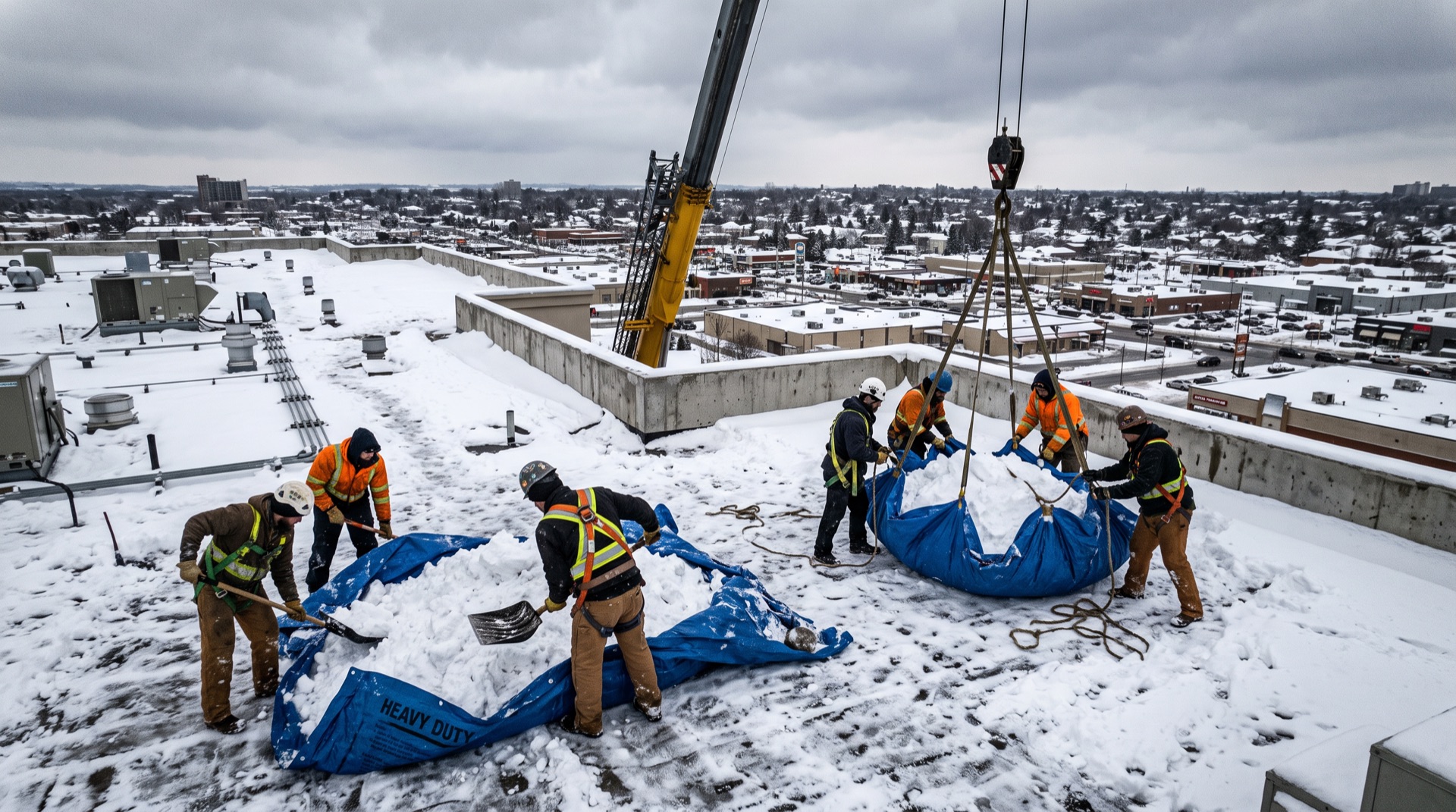
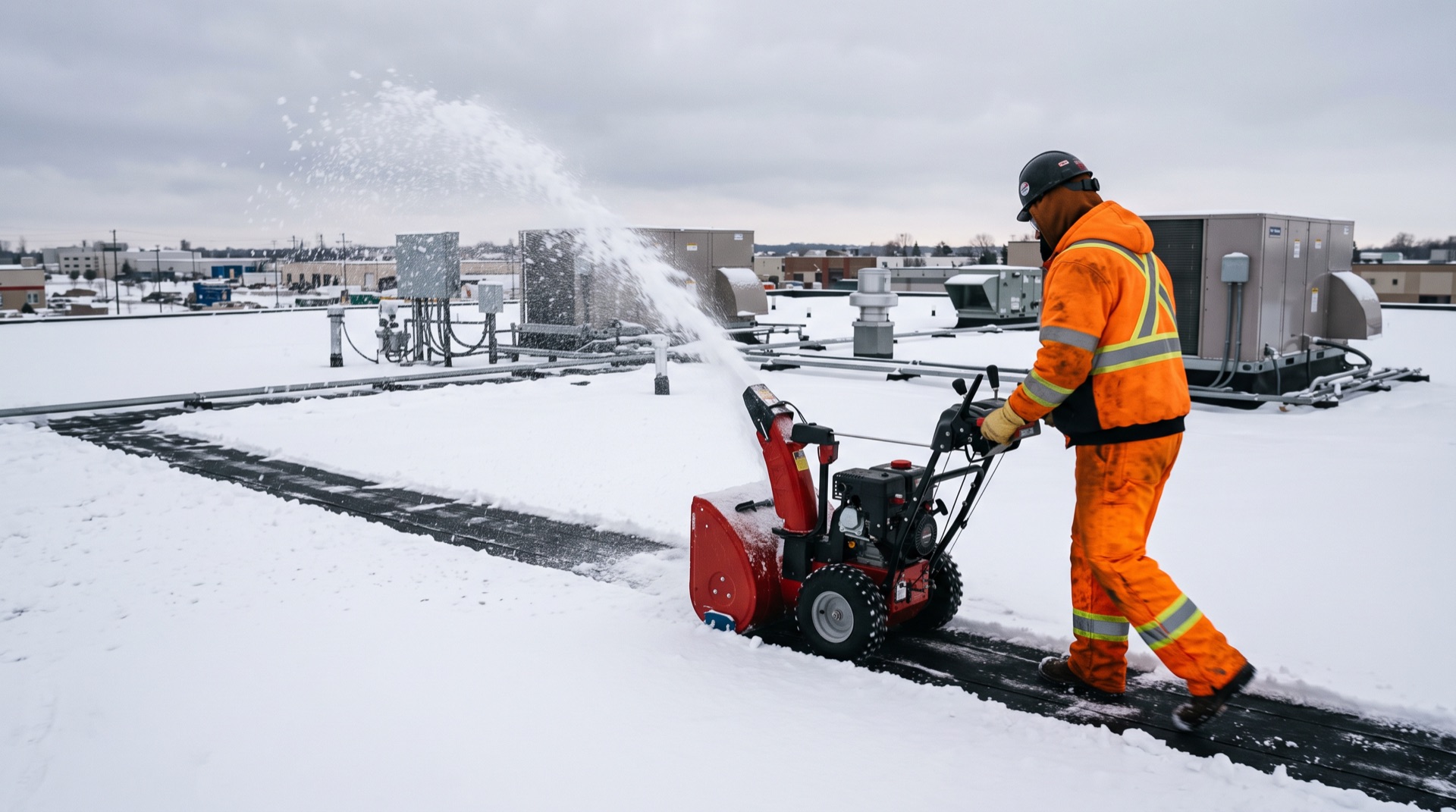
Depth makes it worse. A Polk County roof can carry several feet of pack, and all of that is a reservoir sitting above an eave that never sees sun.
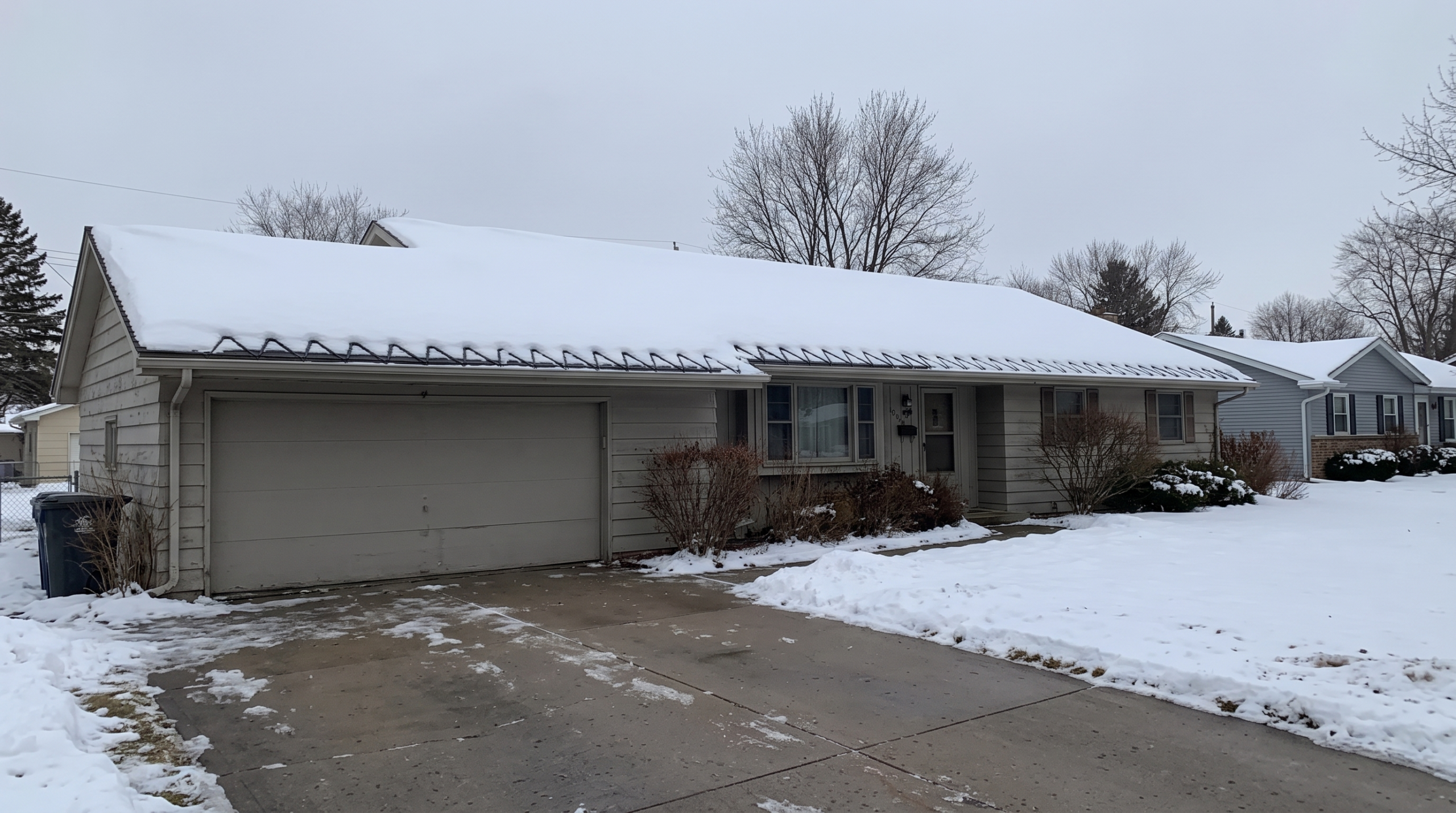
Ice-barrier practice in Polk County
Design snow loads up here are among the highest in the country, and the membrane and retention details that come with them are not paperwork. On an older Salem cabin neither is likely to be present.
How We Work a Salem Ice Dam
Nothing gets touched until the roof has been walked and photographed. The crew finds every dam, locates where water is getting in, shows you, and gives you the crew-hour rate and a time estimate before the equipment comes off the truck.
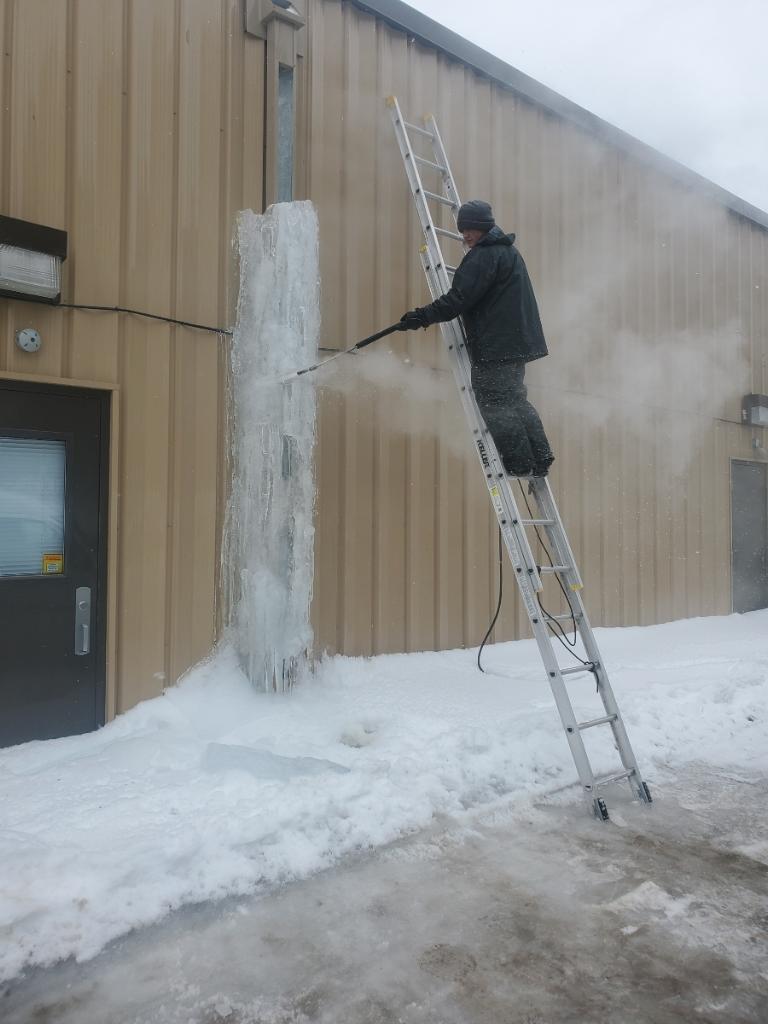
Removal then works from the worst point outward, so water starts draining early rather than at the end. Gutters and downspouts frozen solid get steamed through in the same visit — leaving them means the eave dams again within days.
Why the dam formed in the first place
Ice dams are a heat problem wearing a weather costume. Warm air escaping into the attic melts snow on the upper roof; that meltwater runs to the eave, which hangs past the heated envelope and stays below freezing; it refreezes there, and the ridge of ice grows a layer every cycle. Removal is the emergency fix. Before the crew leaves you will know which part of your attic is feeding it.
What the crew does on arrival
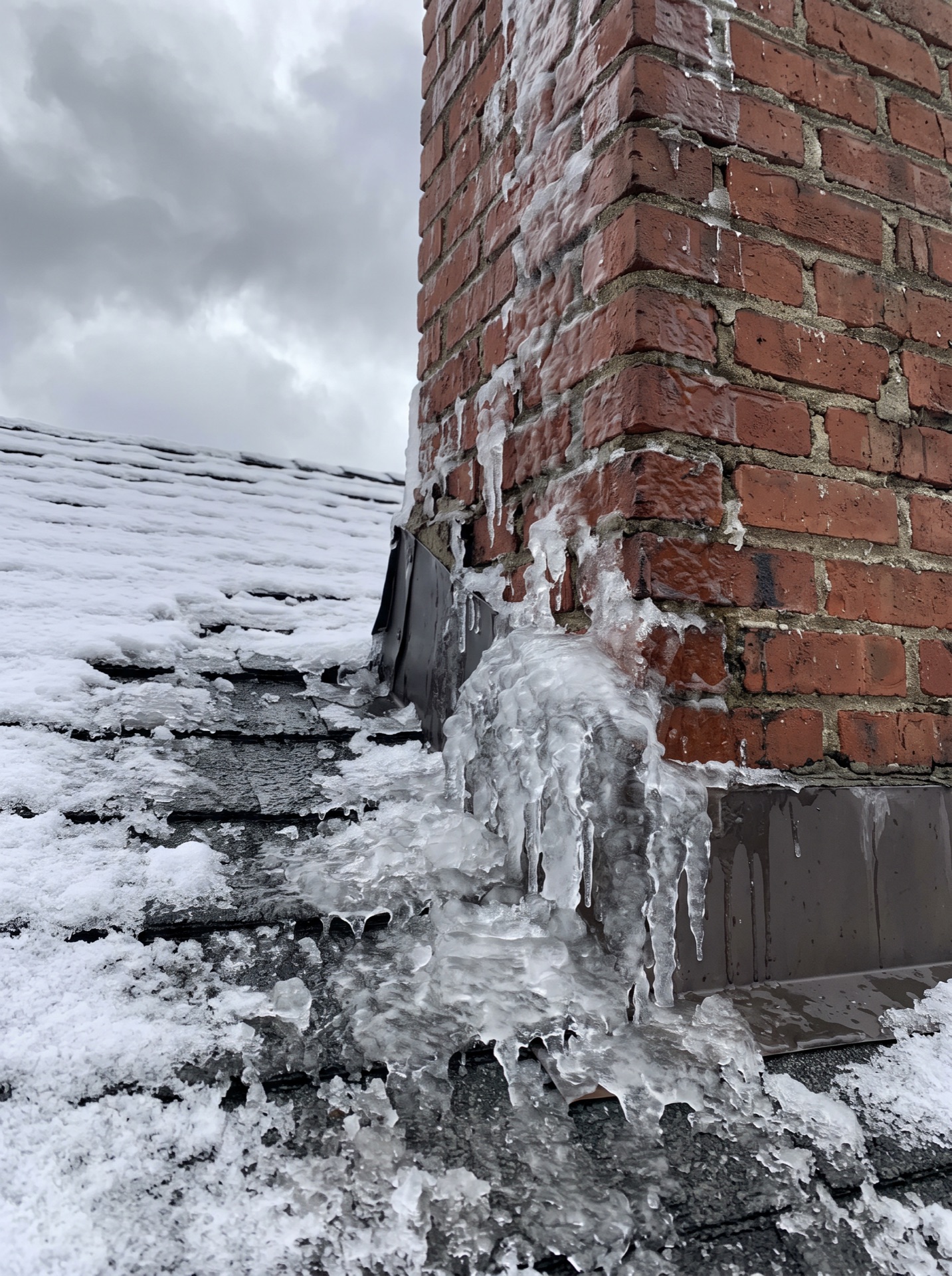
Before anything is touched, the crew walks the eaves, valleys and gutter line and photographs every dam and every point where water is tracking inside. You get shown what they found. Then the dam comes off in sections, starting wherever water is actively backing up, so drainage opens early rather than at the end.
Downspouts and gutter troughs get cleared in the same visit where they are frozen, because a dam removed above a solid block of ice in the gutter just reforms in the next cold night.
What gets photographed, and why it matters later
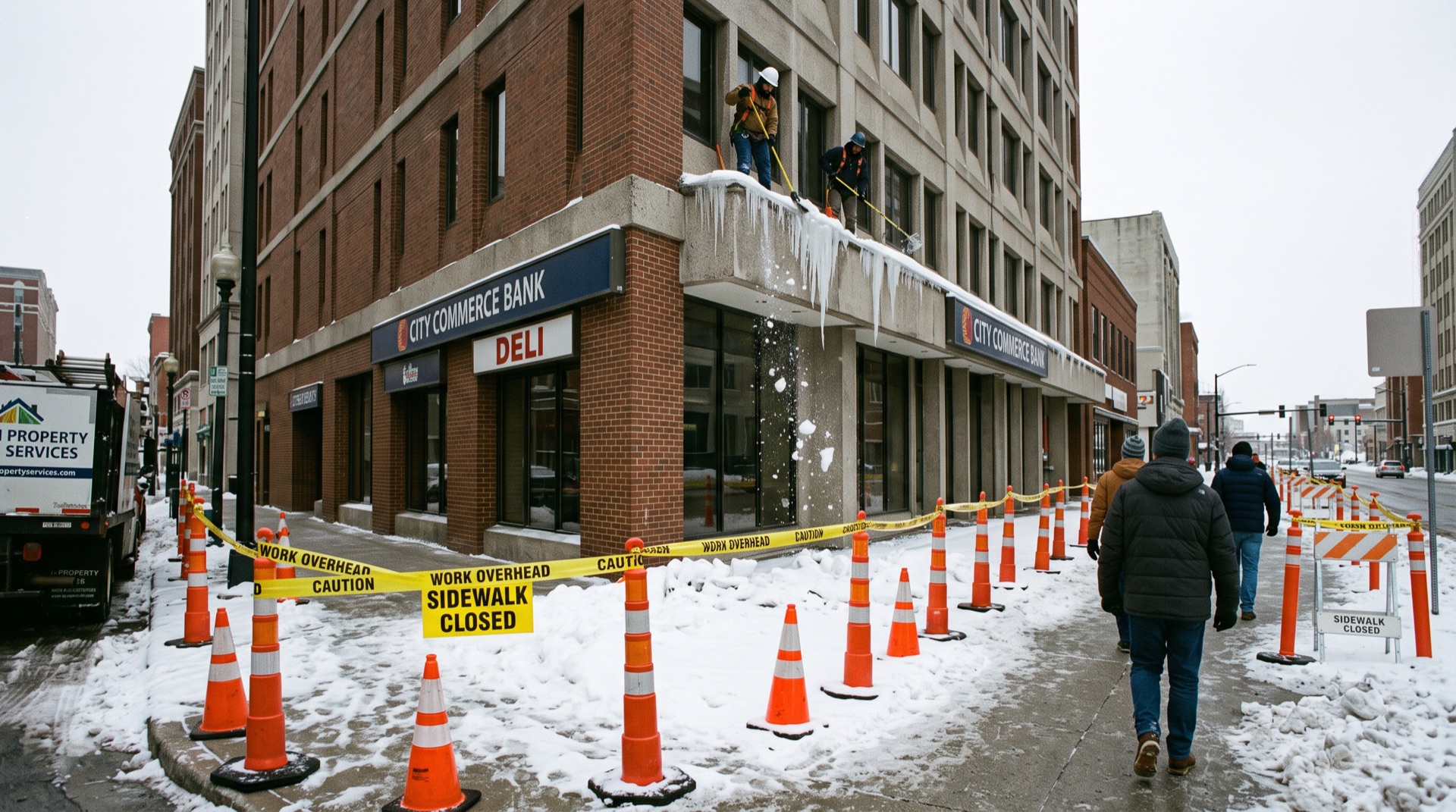
Before the lance comes out, the crew shoots the dam from the ground and from the roof, the icicle line, any staining visible inside, and the specific courses where water is tracking under the shingles. Timestamps are on every frame.
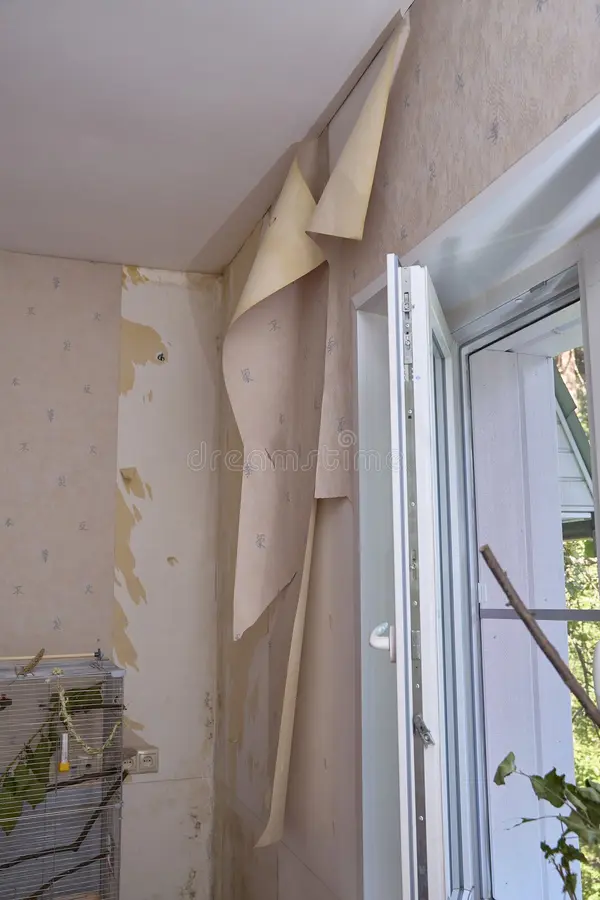
That record is the whole case if a claim follows. An adjuster arriving in March sees a dry roof and a stained ceiling; the photographs are what connect the two, and they are what a maintenance-exclusion denial runs into.
| Primary climate stressor | Solar melt on deep pack, shaded eaves |
|---|---|
| Local ice-barrier practice | Extended membrane plus snow retention |
| Removal method | Low-pressure steam only. No chipping, salt or pressure washing. |
| Dispatch window | 24 to 48 hours in mountain terrain |
| Pricing model | Billed by the crew hour, rate quoted before dispatch |
| Documentation | Dated before and after photos, written scope in Xactimate line items |
| Service | Ice dam removal in Salem, OR |
Salem Coverage and the Adjoining Communities
Crews working Salem cover the adjoining communities on the same route — Rickreall, Independence, Turner, Amity and Monmouth — so a storm week usually means one truck handling several addresses in Polk County rather than separate trips.
Nearest hub towns with their own crew pages: Keizer, McMinnville, Albany, Corvallis, Tigard, Oregon City.
Scheduling for Salem tightens up during a freeze event, which is exactly when the phone beats the form. Water coming in means a call, not an email.
Water through a ceiling in Salem is a same-day call, not a next-week one. (888) 561-9664 goes straight to dispatch.