



Elevation, Aspect and Ice: The Washington County Pattern
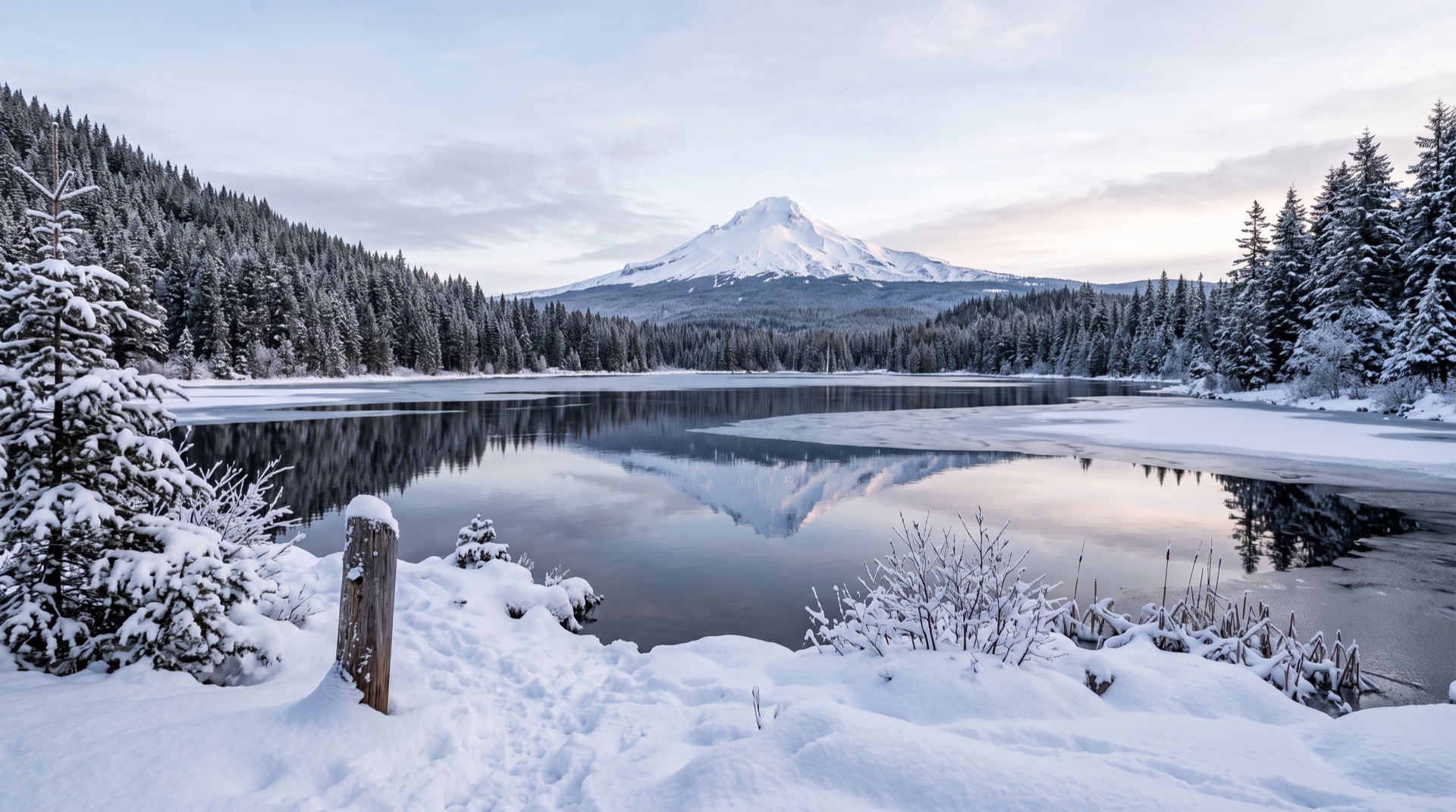
The pack at this elevation is deep enough to act as its own insulation, which means the surface melts under sun while the base stays locked. Water released at the top has to travel through and under all of it.

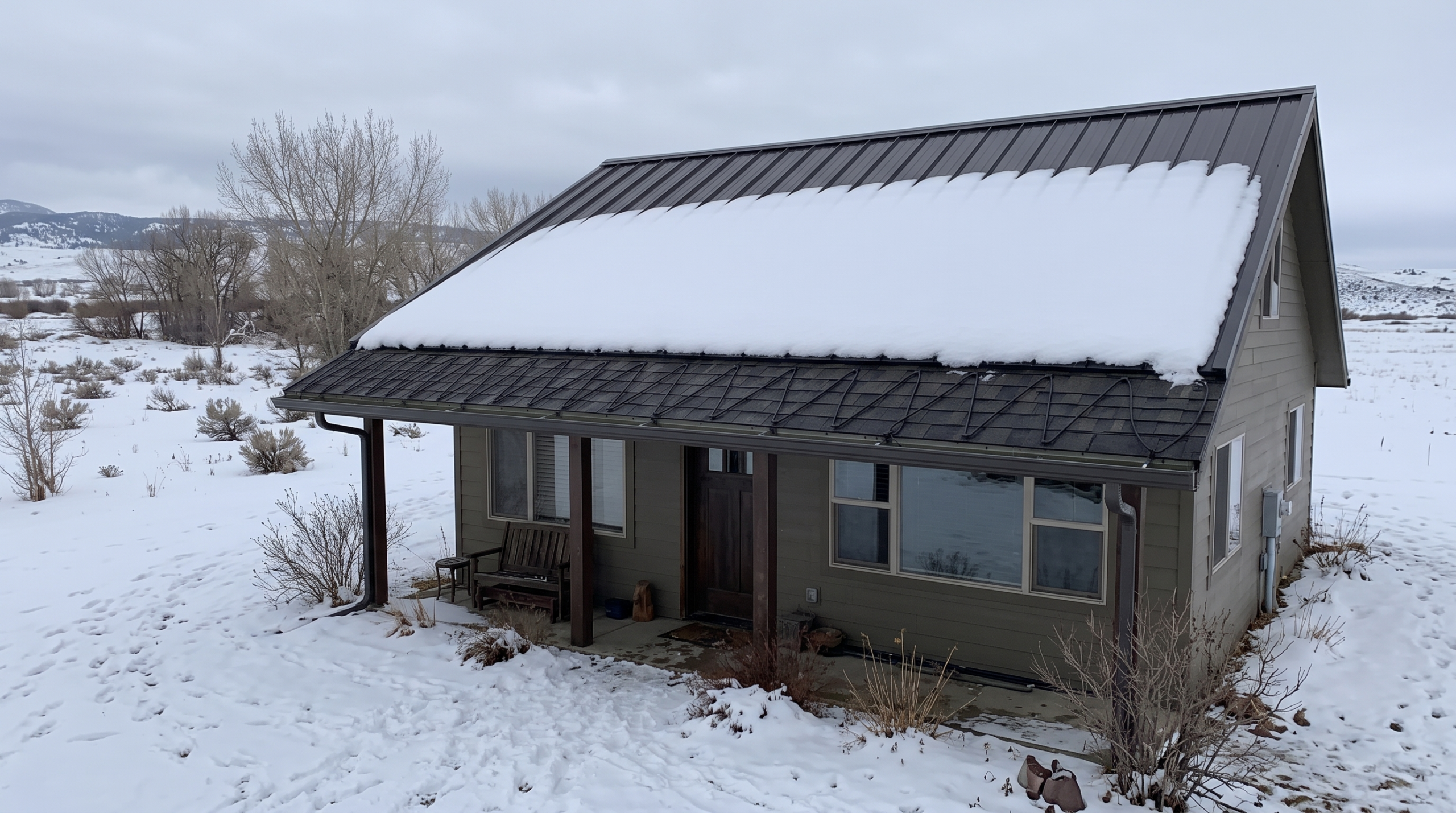
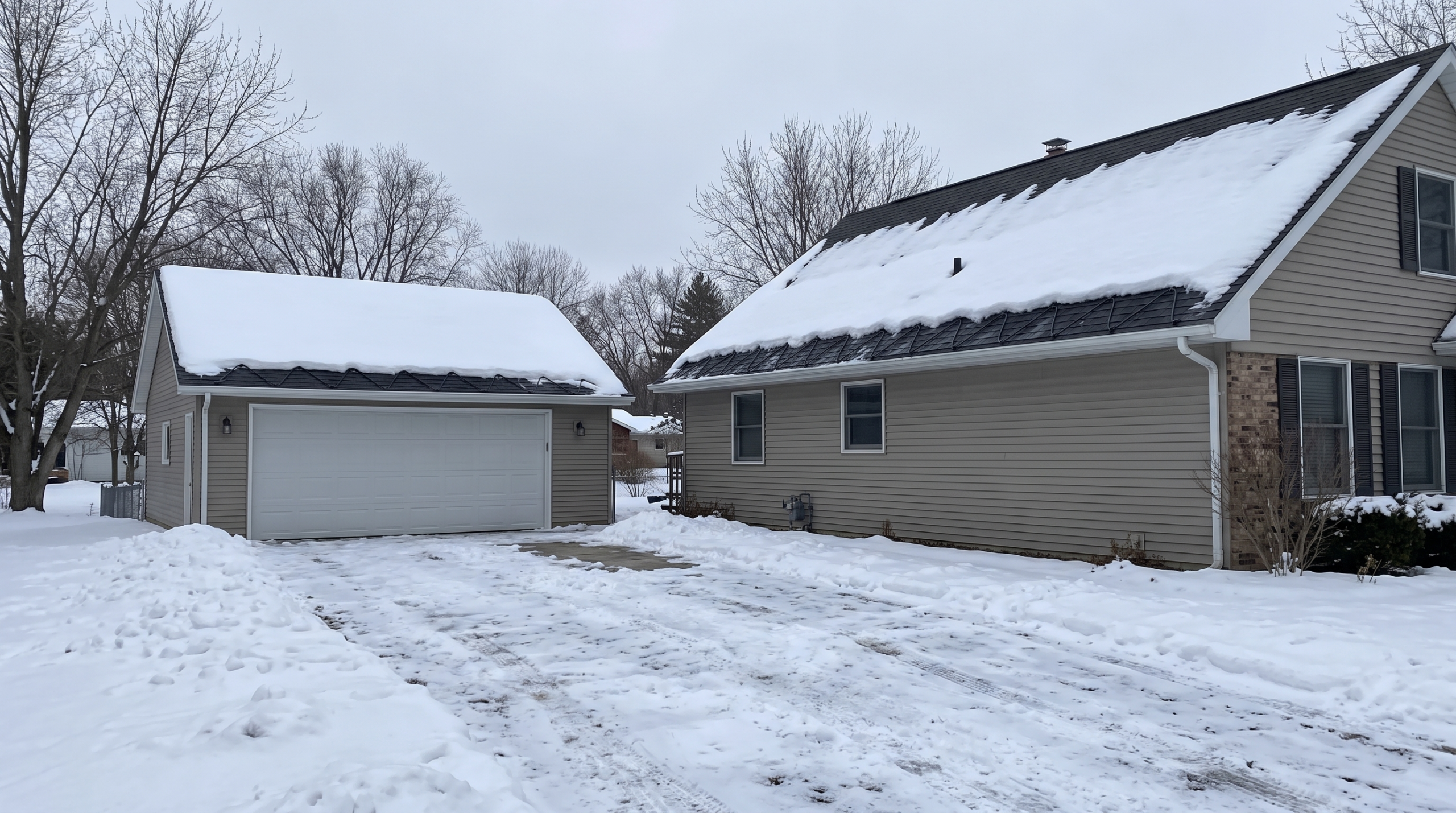
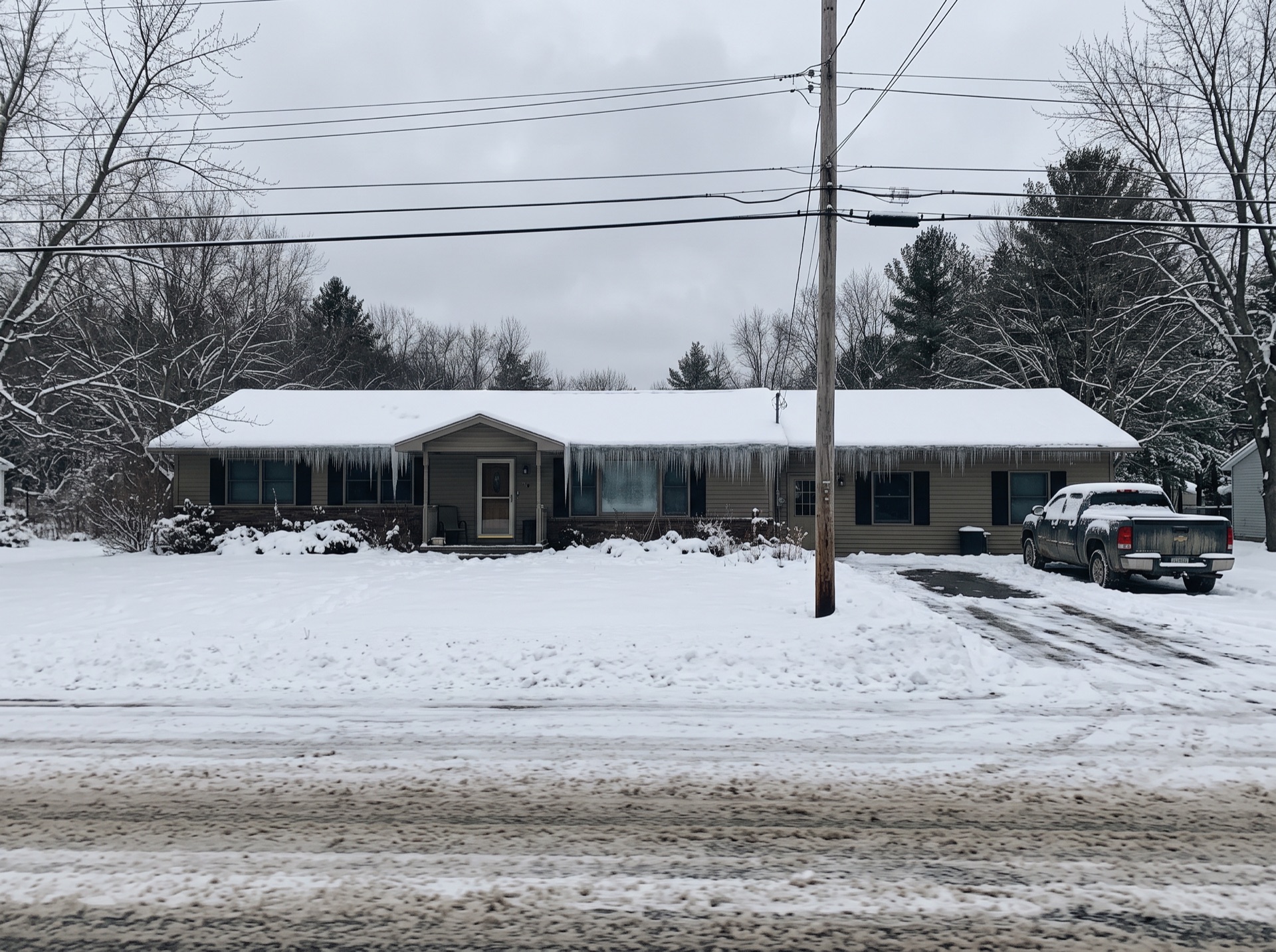
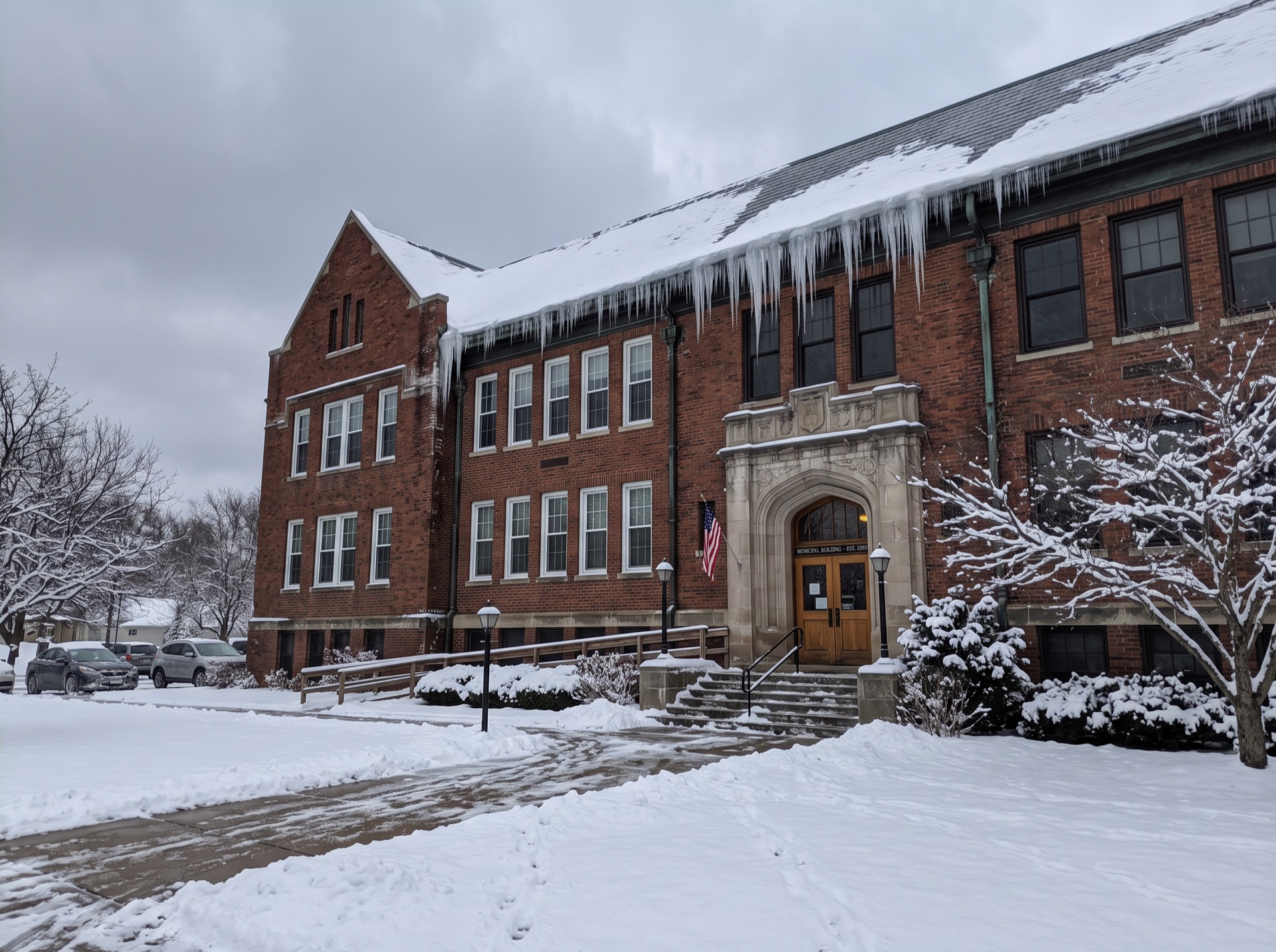
Aspect decides which eaves suffer. A sunny plane sheds water across a roof in Tigard to a shaded eave that has not been above freezing for weeks, and that is where the ice builds into a wall.
Ice-barrier practice in Washington County
Design snow loads in Washington County are among the highest anywhere, and the membrane and retention requirements that go with them are not formalities. On an older Tigard cabin or chalet neither may be present.
The Tigard Dispatch Process, Step by Step
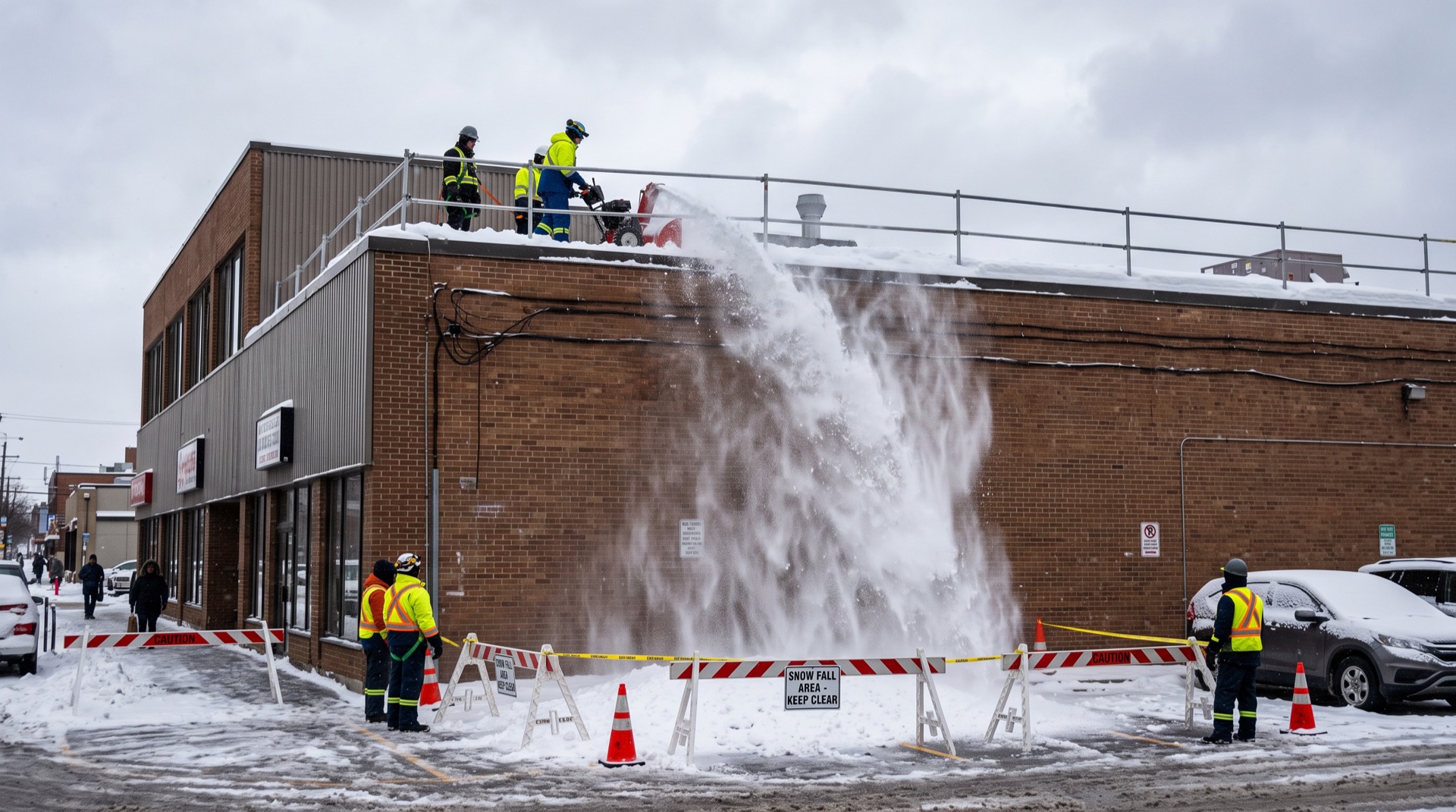
Nothing gets touched until the roof has been walked and photographed. The crew finds every dam, locates where water is getting in, shows you, and gives you the crew-hour rate and a time estimate before the equipment comes off the truck.
Removal then works from the worst point outward, so water starts draining early rather than at the end. Gutters and downspouts frozen solid get steamed through in the same visit — leaving them means the eave dams again within days.
Dormers, valleys and dead spots
Ice does not distribute evenly. It concentrates where two roof planes meet, behind dormers, in dead valleys that drain nowhere, and along the north face that never sees sun. Those pockets hold water deepest and leak first.
A crew working a roof in Tigard clears the full eave line and then goes back through the valleys and dormer pockets specifically, because clearing the easy straight run and calling it done is how a roof leaks again a week later.
What the crew does on arrival
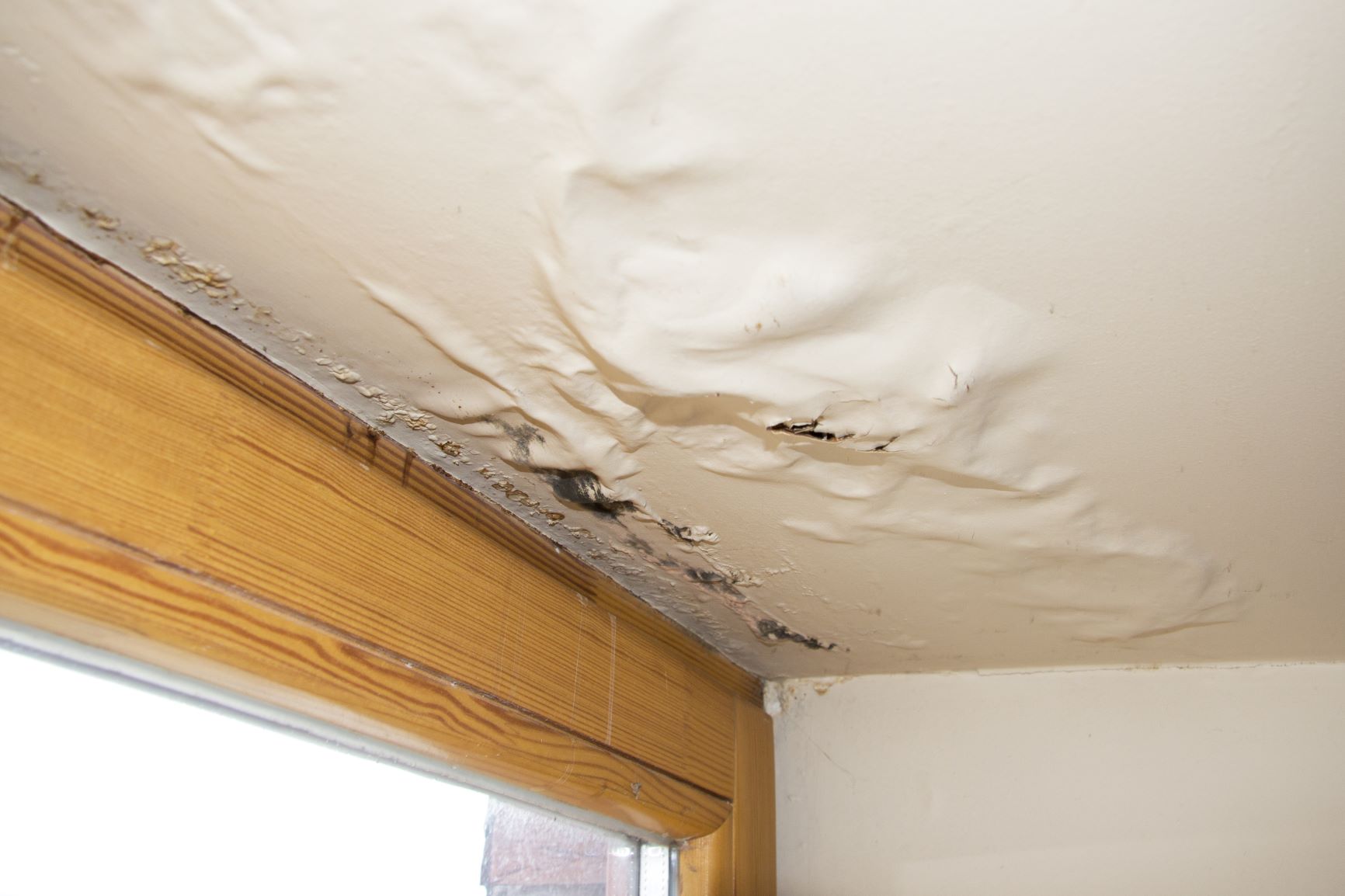
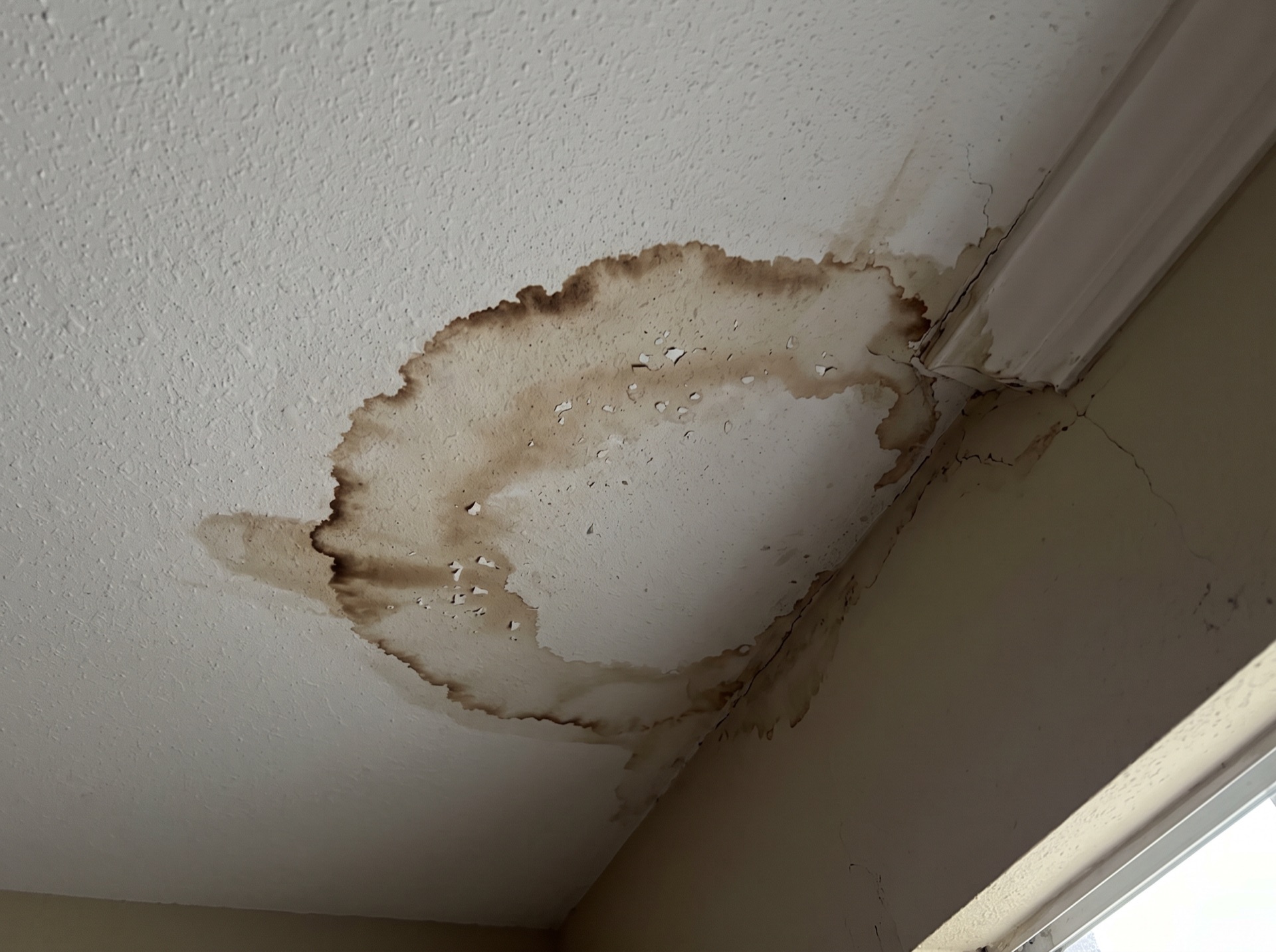
Before anything is touched, the crew walks the eaves, valleys and gutter line and photographs every dam and every point where water is tracking inside. You get shown what they found. Then the dam comes off in sections, starting wherever water is actively backing up, so drainage opens early rather than at the end.
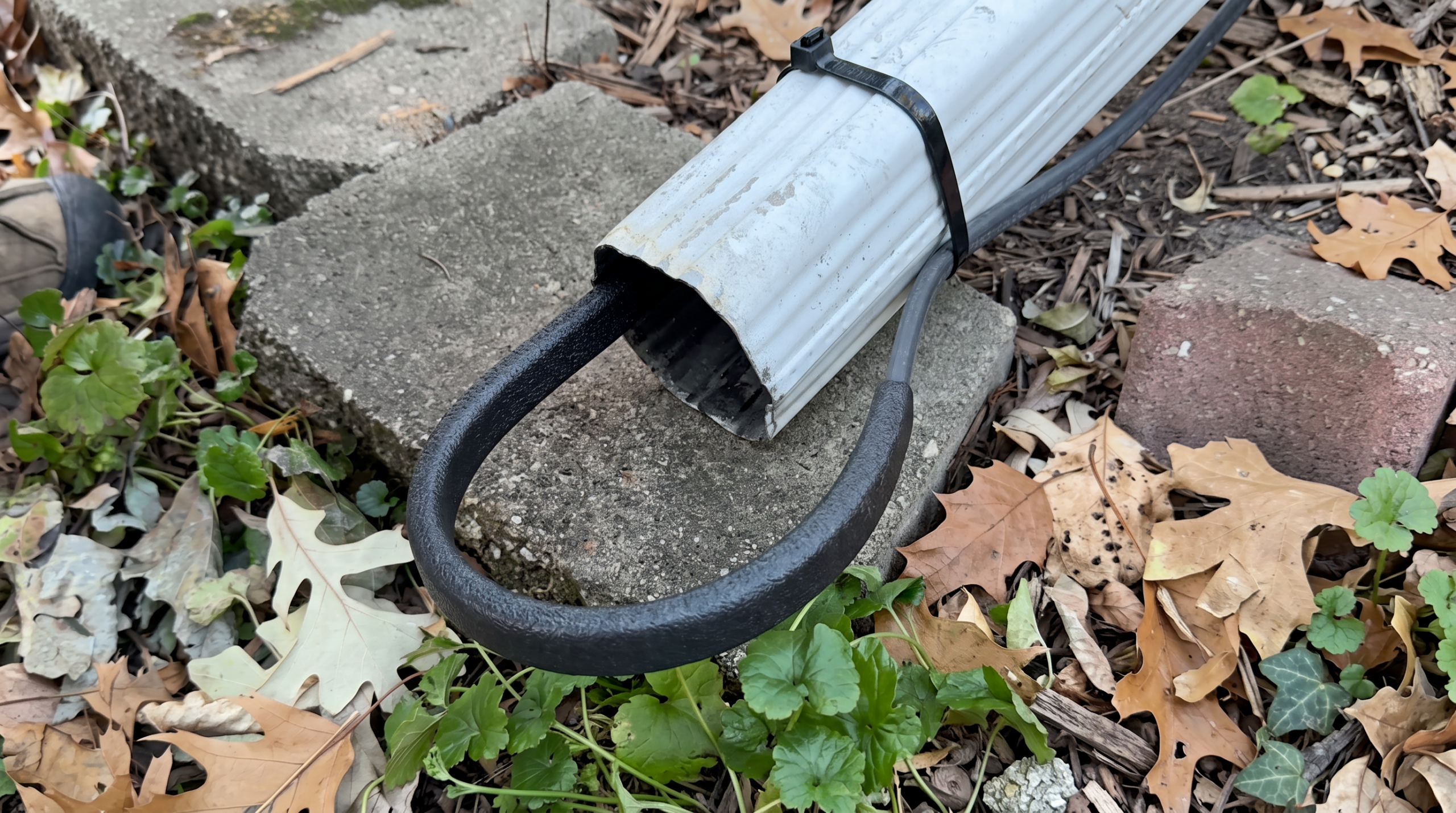
Downspouts and gutter troughs get cleared in the same visit where they are frozen, because a dam removed above a solid block of ice in the gutter just reforms in the next cold night.
Access, ladders and what the crew needs on site
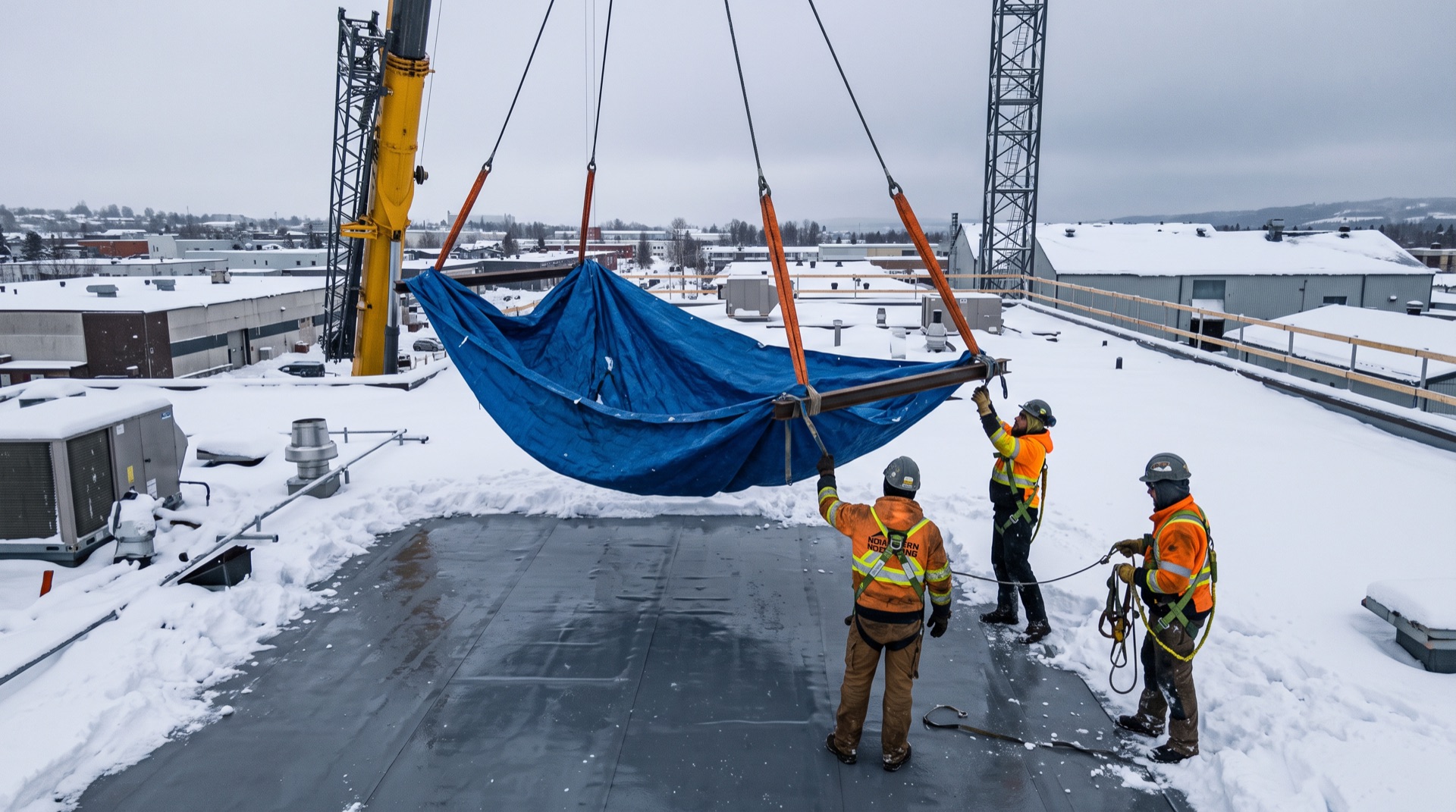
Steam equipment needs somewhere to park within hose reach, and ladders need footing that is not a buried flower bed or a sheet of ice. Clearing a path to the affected eave, moving vehicles off the driveway and unlocking a side gate takes ten minutes and saves considerably more than that on the clock.
Where the only access is through a neighbor's property, that conversation is worth having before the crew is in the street rather than while it waits.
| Removal method | Low-pressure steam only. No chipping, salt or pressure washing. |
|---|---|
| Local ice-barrier practice | Extended membrane plus snow retention |
| Typical scope | Steam, 8-16 crew hours typical |
| Pricing model | Billed by the crew hour, rate quoted before dispatch |
| Service | Ice dam removal in Tigard, OR |
| Coverage area | Tigard and Washington County |
| Documentation | Dated before and after photos, written scope in Xactimate line items |
Where We Dispatch Around Tigard
Crews working Tigard cover the adjoining communities on the same route — Tualatin, Marylhurst, Sherwood, West Linn and Wilsonville — so a storm week usually means one truck handling several addresses in Washington County rather than separate trips.
Nearest hub towns with their own crew pages: Beaverton, Lake Oswego, Portland, Hillsboro, Oregon City, Gresham.
Coverage runs across Tigard and the nearby towns all winter, and capacity is surged into whichever Oregon market the storm actually hits.
Water coming in right now in Tigard? Call (888) 561-9664. Active interior leaks go to the front of the schedule.