Winter in Montclair does not need a record storm to put water inside a house. It needs a roof with snow on it, an attic leaking heat, and one cold night. As part of our complete Montclair winter roof services, crews handle ice dam removal across Essex County.
Why a Montclair Roof Dams Between Storms
A nor'easter can load a roof in Montclair with heavy, wet snow overnight. Coastal air then swings the temperature either side of freezing for days, which is the exact condition that builds ice fastest.

Add the architecture and the problem concentrates. Dormers, ells, knee walls and additions over porches all create pockets where warm air meets cold deck, and those are the eaves that dam first on a roof in Montclair.
Ice-barrier practice in Essex County
Ice-barrier membrane at the eaves is standard on re-roofs across coastal New Jersey, and many towns enforce it strictly. Homes that have not been re-roofed since that became normal practice are the ones that leak first.
Ice Dam Removal in Montclair: How The Work Runs
What steam actually does
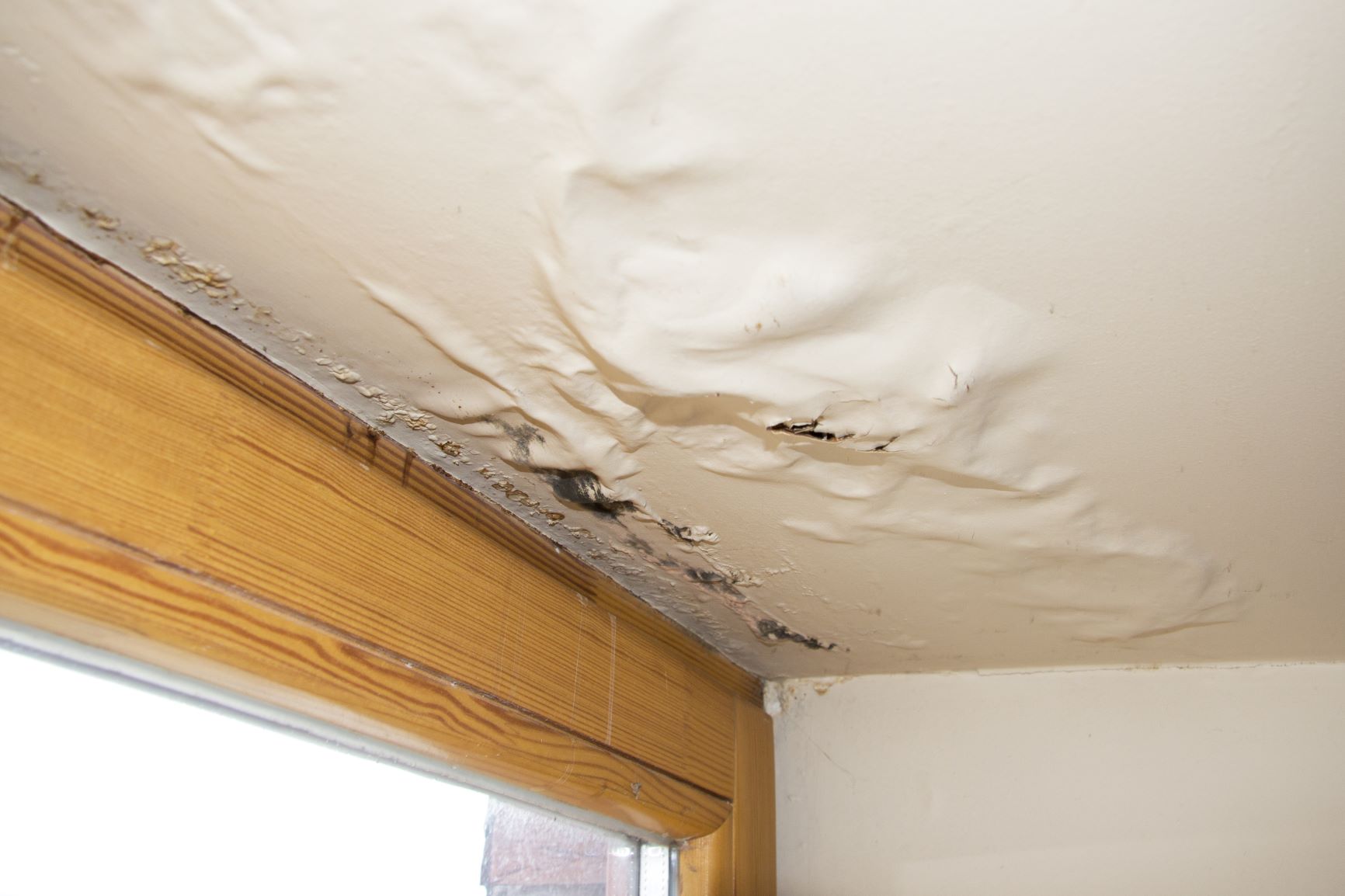
A steam unit delivers water at roughly 290°F at a pressure low enough to rest your hand in the plume. It cuts a channel straight through the ice and lifts the dam off in sections, right down to the shingle. The heat does the work, not force, so granules, seal strips and flashing come through untouched. Water Stain on the Ceiling in Winter.
That is the whole difference between steam and the hot pressure washers often sold as steam. A pressure washer cuts ice fast because of its pressure — and that same pressure strips the granules off asphalt shingles and drives water up under the courses. One method removes ice. The other removes ice and roof.
How long a removal actually takes
A single-story eave with a thin dam and clear gutters is often an hour or two. A two-story Montclair house with ice standing a foot deep across the front, frozen downspouts and a valley packed solid is most of a day for a two-man crew. The honest answer on the phone is a range and the reason for it, not a number designed to win the booking.
The estimate is revised out loud if the roof turns out worse than it looked from the ground, before the extra hours are worked rather than after they appear on the invoice.
What happens after the ice is off
Once the eave is clear and water is draining, the crew walks the interior with you where there is visible damage and says plainly whether it needs drying. Wet insulation and a damp ceiling cavity do not resolve themselves in a cold Montclair February.
If it does, that is a separate scope and it gets written separately — nobody is upsold a dryout on the strength of one damp patch.
Access, ladders and what the crew needs on site
Steam equipment needs somewhere to park within hose reach, and ladders need footing that is not a buried flower bed or a sheet of ice. Clearing a path to the affected eave, moving vehicles off the driveway and unlocking a side gate takes ten minutes and saves considerably more than that on the clock.
Where the only access is through a neighbor's property, that conversation is worth having before the crew is in the street rather than while it waits.
Working at night and during an active storm
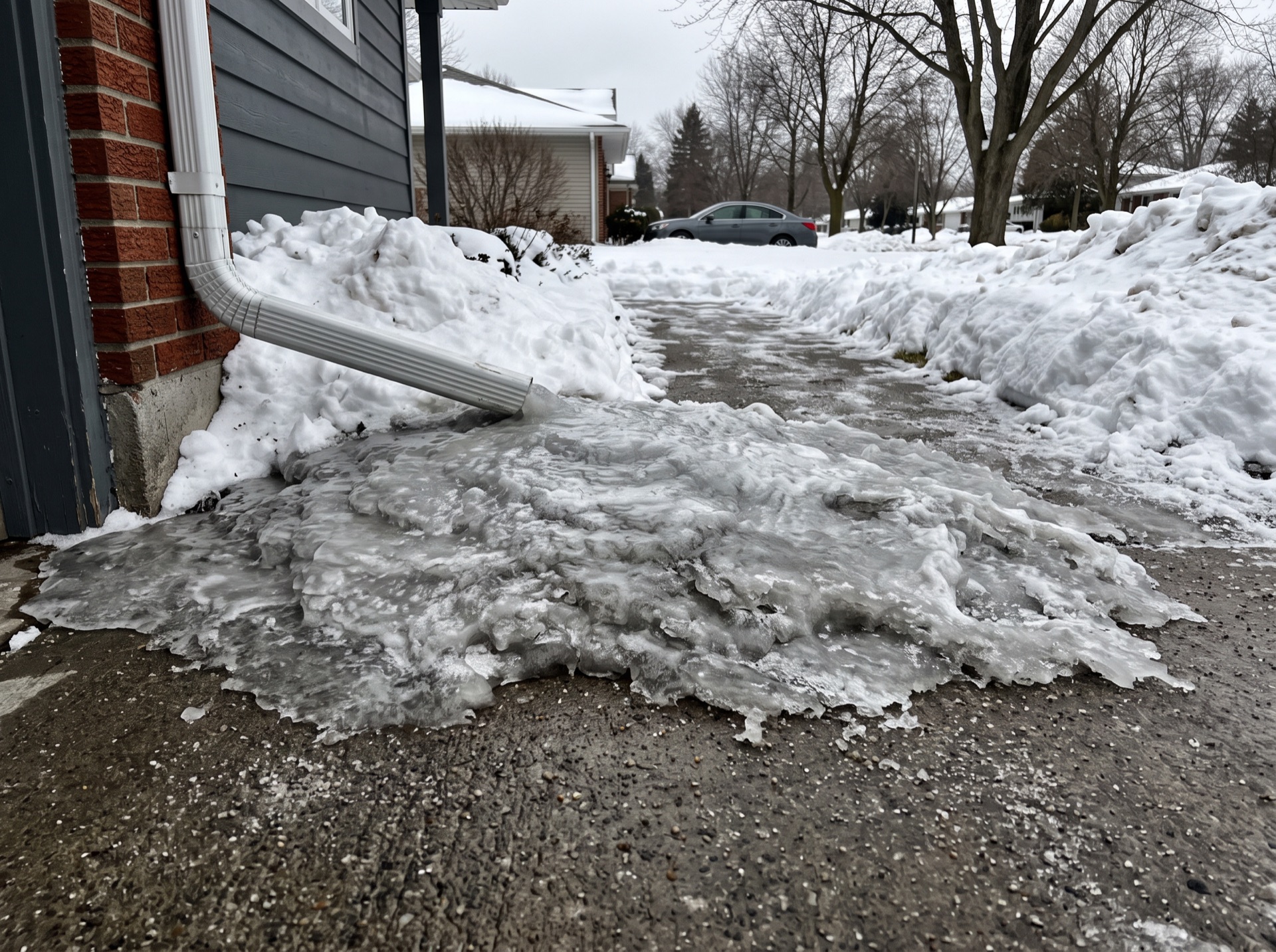
Freeze events do not keep office hours, and the worst leaks tend to announce themselves in the evening when the day's melt refreezes. Crews run lit, and a roof that is actively collecting snow is worked anyway, because waiting for better weather means the dam is bigger when somebody finally gets to it.
What does stop a crew is wind and lightning. Both are judgment calls made on site in Montclair, and a postponed start gets explained rather than dressed up.

What you get in Montclair
- Steam onlySafe on asphalt, cedar, slate, tile and metal — no chipping, no pressure, no salt
- Photographed as we workDated before and after images and a written scope your adjuster will accept
- Gutters cleared tooTrough and downspout steamed through to daylight in the same visit
| Primary climate stressor | Nor'easters, rapid thaw-freeze swing |
|---|---|
| Typical scope | Steam, 4-10 crew hours typical |
| Documentation | Dated before and after photos, written scope in Xactimate line items |
| Coverage area | Montclair and Essex County |
| Pricing model | Billed by the crew hour, rate quoted before dispatch |
| Dispatch window | Same day to 24 hours |
| Removal method | Low-pressure steam only. No chipping, salt or pressure washing. |
Essex County Coverage From Montclair
Crews working Montclair cover the adjoining communities on the same route — Glen Ridge, Bloomfield, Verona, West Orange and Cedar Grove — so a storm week usually means one truck handling several addresses in Essex County rather than separate trips.
Nearest hub towns with their own ice dam removal pages: East Orange, Kearny, Passaic, Clifton, Irvington, Newark.
Crews cover Montclair and the surrounding Essex County towns through the whole season, and during a freeze event they run from first light until dark.
Most jobs do not stop at one service. Ice Dam Removal in Montclair often runs alongside water mitigation & dryout in Montclair, and both get written into one scope rather than billed as separate visits.
Active leak right now? Our 24/7 Montclair steam ice dam removal crews are dispatched first during a freeze event. Call (888) 561-9664.