The ice along a roof in Columbia Fallsline is the symptom. The cause is warm air escaping into the attic, and it is still running right now. As part of our complete Columbia Falls winter roof services, crews handle heated roof & gutter cables across Flathead County.
Elevation, Aspect and Ice: The Flathead County Pattern
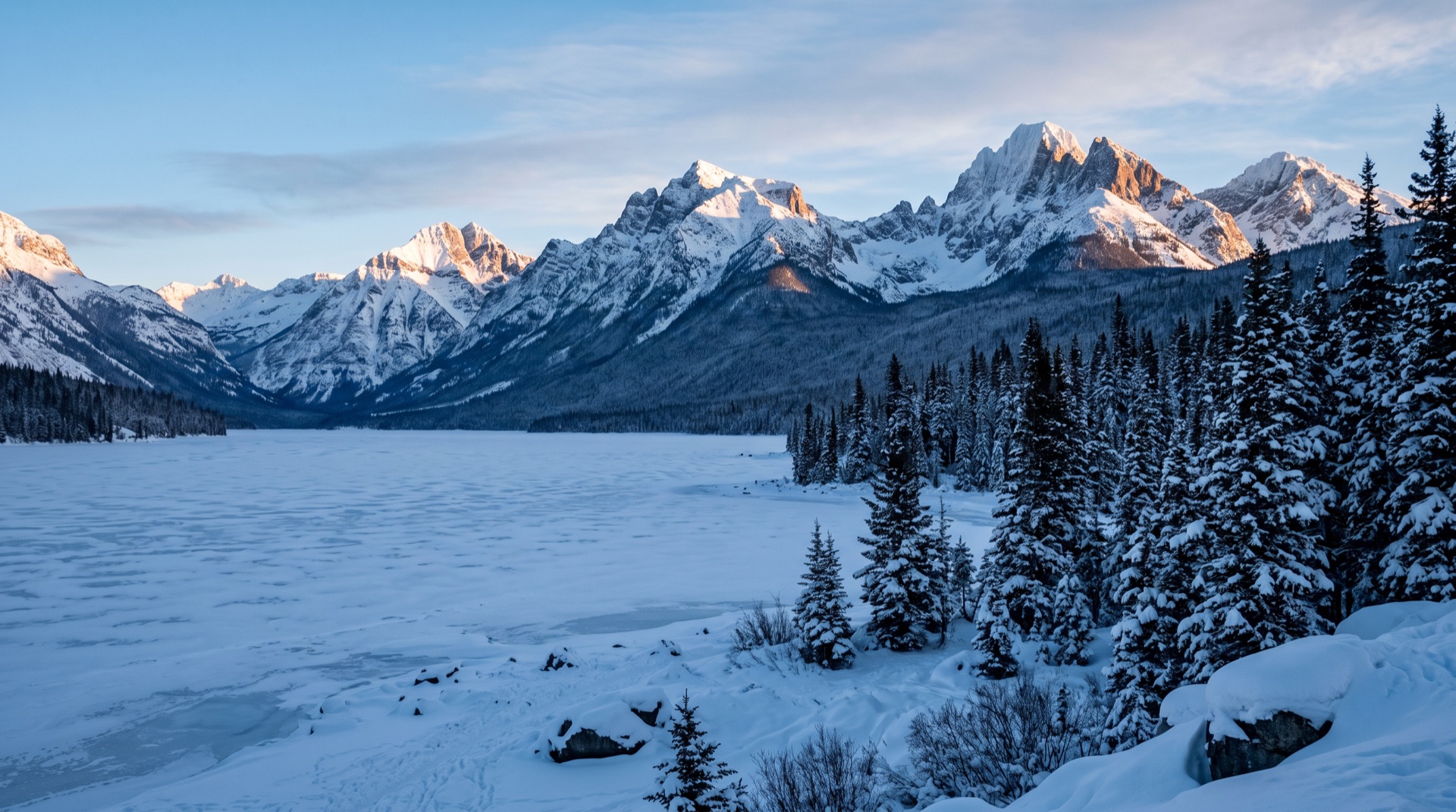
Mountain ice dams are a solar problem more than a temperature one. The sun works the pack from above while the air stays cold, so meltwater is produced and refrozen within the same afternoon.

Aspect decides everything here. The sunny plane sheds water that the shaded plane and the shaded eave then lock up, so one side of a roof in Columbia Falls is clear while the other carries a wall of ice.
Ice-barrier practice in Flathead County
Design snow loads up here are among the highest in the country, and the membrane and retention details that come with them are not paperwork. On an older Columbia Falls cabin neither is likely to be present.
Heated Roof & Gutter Cables in Columbia Falls: How The Work Runs
Fastening without putting holes in the roof
Clips and standoffs designed for the job, adhered or clipped to the shingle edge. Never a fastener driven through the covering, and never left loose to abrade in the wind. Icicles and a Wet Ceiling.
The failures that give heat cable a bad name are nearly all installation failures of this kind rather than product failures.
Retrofit against installing during a roof replacement
Cable can be added to an existing roof at any time and usually is. If a Columbia Falls roof is being replaced anyway, that is the cheaper moment: clips can go under the courses, the downspout run can be planned properly, and the circuit can be brought to the eave while the fascia is open.
Where a replacement is a year or two out, it is worth saying so before the retrofit is designed, so the layout can be reused rather than scrapped.
Layout is most of the job
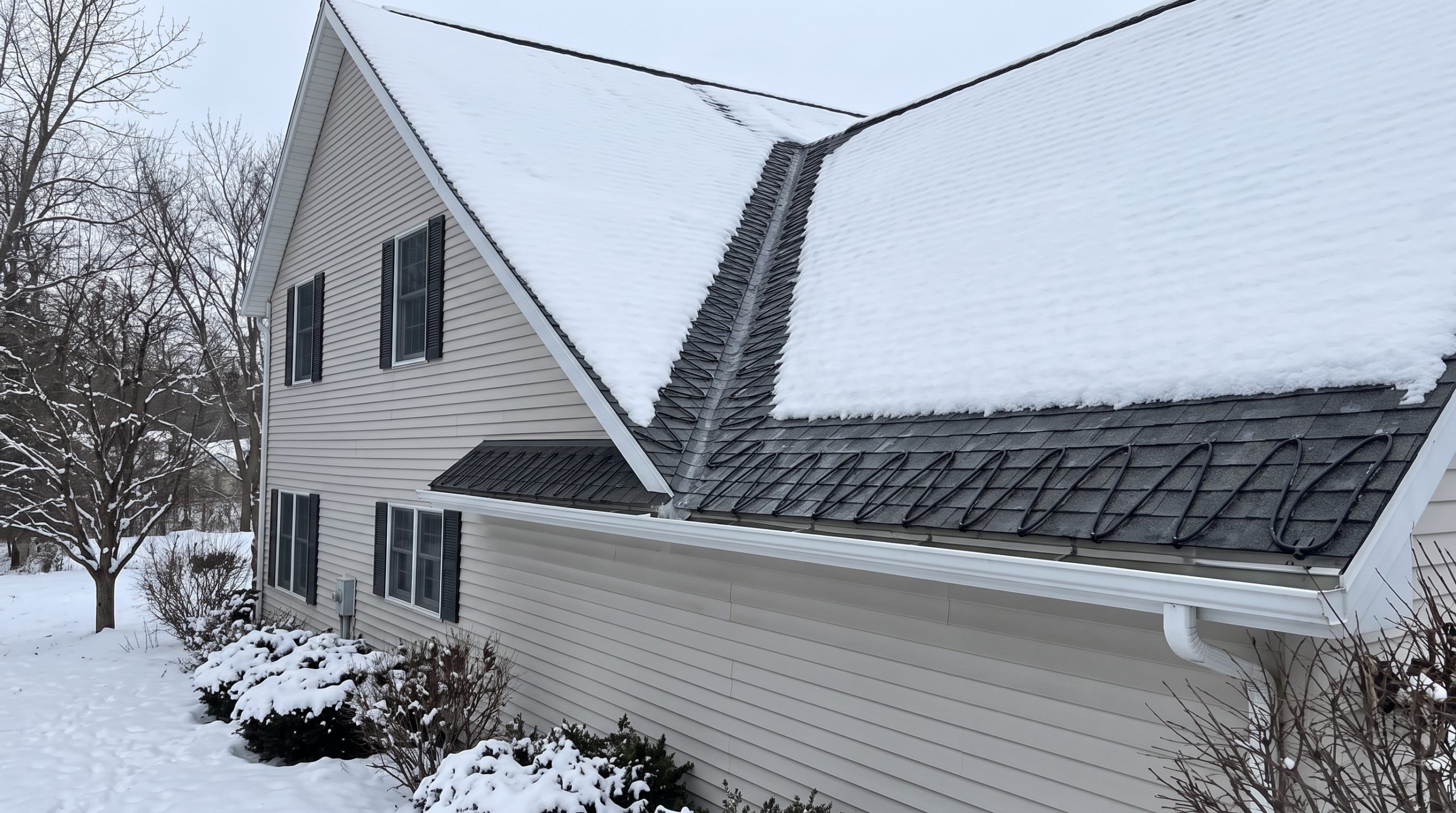
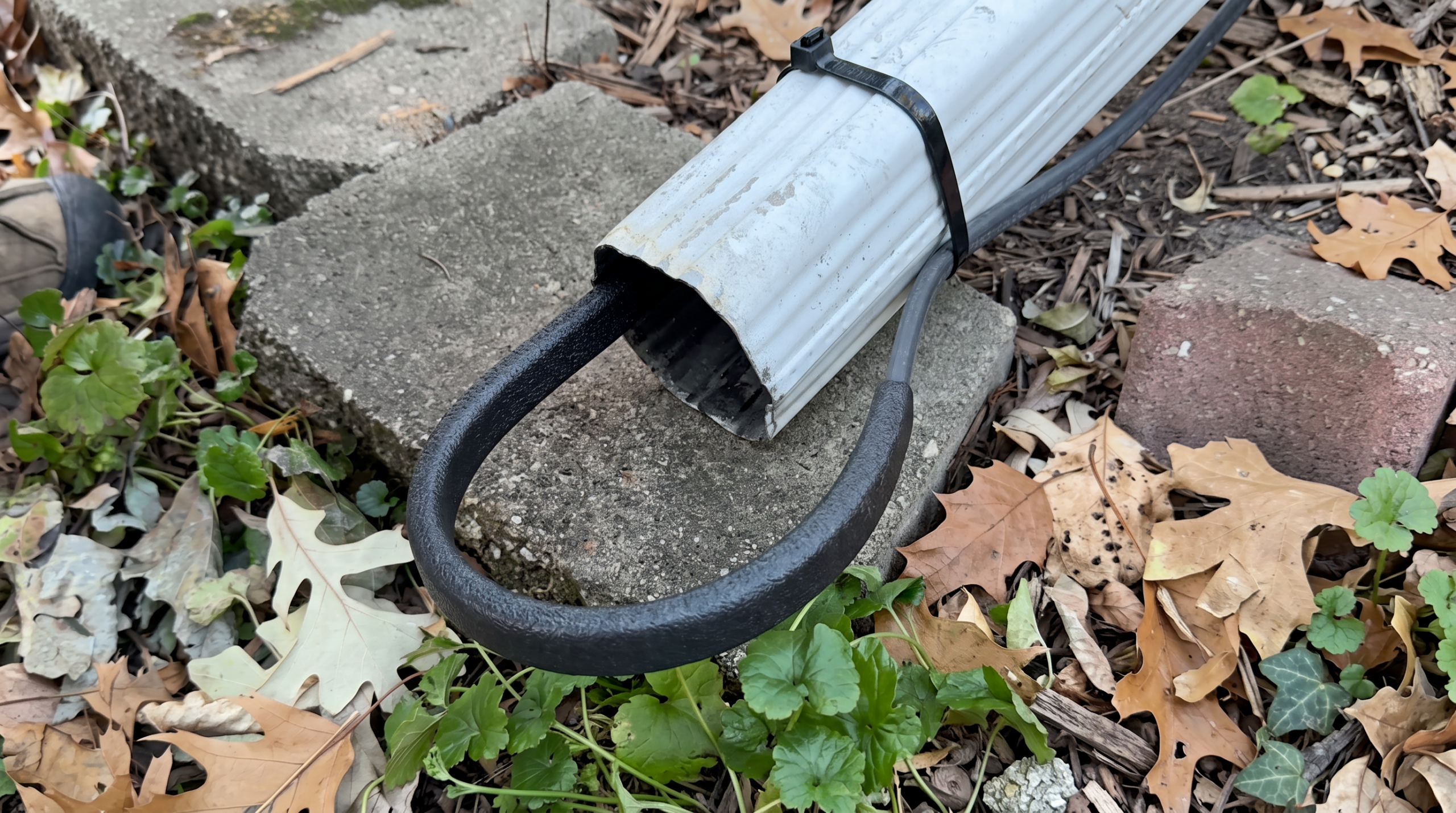
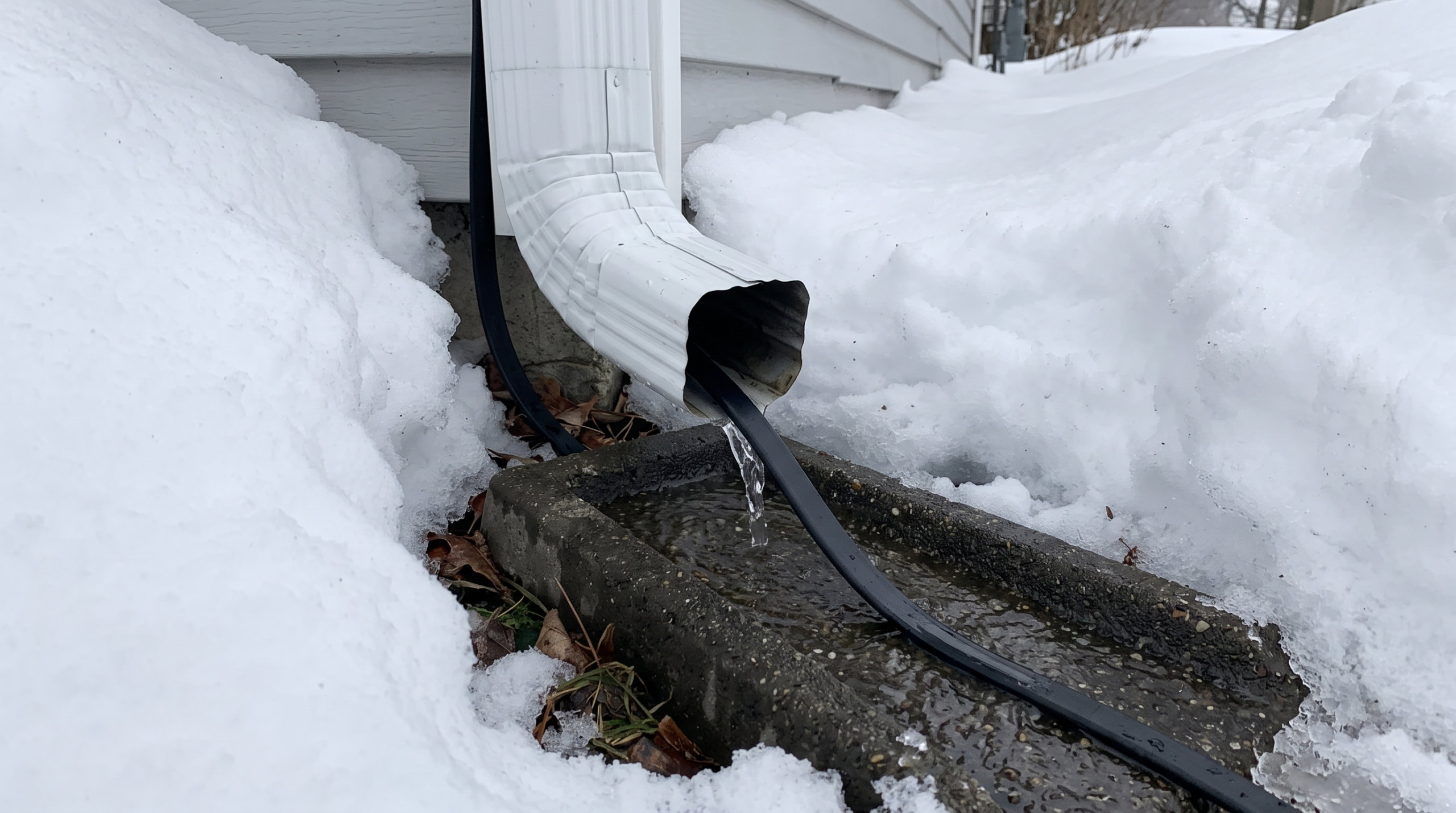
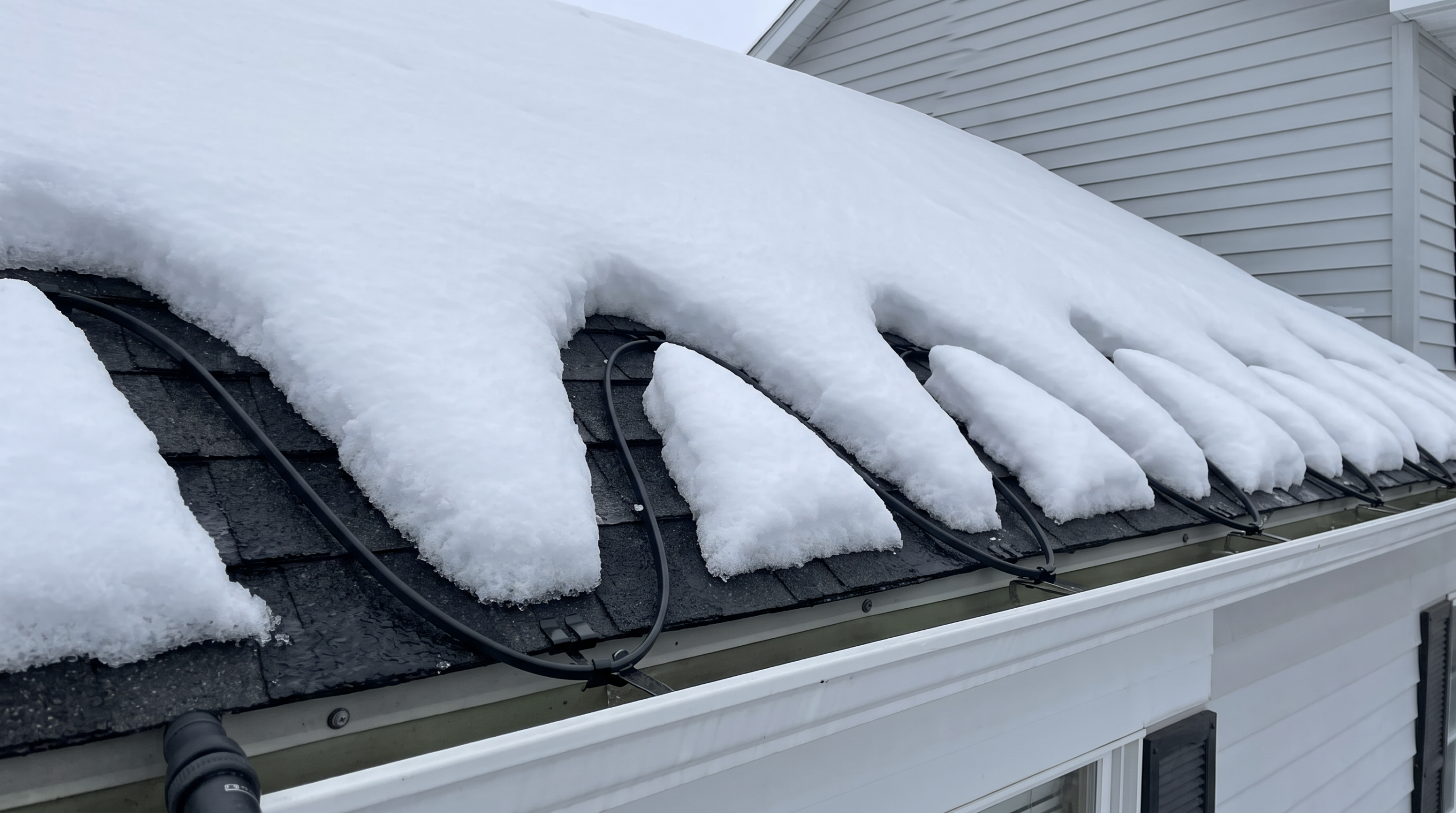
The cable has to trace a complete path: a zig-zag at the eave deep enough to cover the cold overhang, down through the valleys, along the gutter trough and all the way down the downspout to daylight. A zig-zag that stops short of the heated wall line, or a gutter run with no downspout trace, produces a channel that dead-ends into ice.
Systems get a dedicated GFCI-protected circuit, and controls run on a combination thermostat and moisture sensor so the system runs when it matters and not through a dry January cold snap.
What heat trace does and does not do
A properly designed system keeps a continuous drainage channel open from the roof surface through the gutter and down the leader to the ground. Meltwater that would have refrozen at the cold eave instead keeps running. It does not melt the snow off your roof, and it will not remove a dam that has already formed — it prevents the dam from establishing in the first place.
That distinction matters when comparing quotes. Anyone selling cable as an emergency fix for an existing dam is selling the wrong product.
Controls decide the running cost
A cable on a plain thermostat runs through every dry cold snap, which is most of the winter and none of the risk. A combined temperature and moisture sensor runs it only when there is both cold and water present.
On a Columbia Falls winter that difference is most of the operating cost, and the controller pays for itself quickly.
What you get in Columbia Falls
- No fasteners through the roofClips and standoffs only, nothing driven through the covering
- GFCI-protected circuitDedicated circuit and proper terminations, not an extension cord
- Zig-zag sized properlyEave coverage measured against the actual cold overhang
| Coverage area | Columbia Falls and Flathead County |
|---|---|
| Primary climate stressor | Solar melt on deep pack, shaded eaves |
| Typical scope | Steam, 8-16 crew hours typical |
| Dispatch window | 24 to 48 hours in mountain terrain |
| Service | Heated Roof & Gutter Cables in Columbia Falls, MT |
| Local ice-barrier practice | Extended membrane plus snow retention |
| Removal method | Low-pressure steam only. No chipping, salt or pressure washing. |
Where We Dispatch Around Columbia Falls
Crews working Columbia Falls cover the adjoining communities on the same route — Hungry Horse, Martin City, Coram and West Glacier — so a storm week usually means one truck handling several addresses in Flathead County rather than separate trips.
Nearest hub towns with their own heat cables pages: Whitefish, Kalispell, Missoula, Hamilton, Great Falls, Helena.
When a storm hits Flathead County, crews are dispatched by severity rather than by call order — water already inside the house goes first.
Most jobs do not stop at one service. Heat Cables in Columbia Falls often runs alongside ice dam removal in Columbia Falls, and both get written into one scope rather than billed as separate visits.
Active leak right now? Our 24/7 Columbia Falls steam ice dam removal crews are dispatched first during a freeze event. Call (888) 561-9664.