



Skip to content
St. Louis, MO
Freeze-Thaw Cycling · Saint Louis County

Ice Dam Removal in St. Louis, MO — Freeze‑Thaw Response

Ice Dam Now provides emergency ice dam removal, roof snow clearing and water mitigation in St. Louis, MO and across Saint Louis County. Removal uses low-pressure steam only, never chipping or pressure washing. Crews dispatch same day for active interior leaks, bill by the crew hour at a rate quoted beforehand, and document every job for insurance.

Steam removal across St. Louis and Saint Louis County
No chipping, no salt, no pressure washing
Crew-hour rate quoted before anyone is dispatched
Before and after photographs on every job

Get Ice Dam Help St. Louis

A few quick questions, then pick a time. If water is coming in, call instead.

What is the zip code of the home?

Roof leaking right now? Call (888) 561-9664 — that is faster than any form.
Water coming through the ceiling?Every hour an ice dam sits there, more water gets under the shingles.Call (888) 561-9664
24/7
Storm Season Dispatch
No Chipping
Steam Only
Saint Louis
County Coverage
Crew Hour
Rate Quoted Up Front
Documented
Photos On Every Job
St. Louis Services

What We Do In St. Louis

Every service below is dispatched to St. Louis and the surrounding Saint Louis County addresses.

Emergency
contractor using steam equipment to remove ice dam from snowy roof

Ice Dam Removal in St. Louis

24/7 Emergency Steam

Low-pressure steam melts the dam off the eave in sections until the shingle is clear and water is draining again.

Book Ice Dam Removal in St. Louis
technician in Tyvek suit and respirator removing contaminated pink insulation in attic

Mold Remediation in St. Louis

IICRC S520 Standard

Attic, wall cavity and ceiling mold left behind by ice dam water, removed under containment and cleared before the room is rebuilt.

Book Inspection in St. Louis
Man using a roof rake to pull heavy snow off house eaves in winter

Roof Snow Removal in St. Louis

Stops The Next Dam

No snow on the roof means no meltwater, and no meltwater means no new dam.

Request Snow Clearing in St. Louis
Large sheet of snow sliding off residential roof during winter removal

Roof Shoveling in St. Louis

Hand Clearing

Deep pack, dead valleys and dormer pockets, cleared by hand where a rake cannot reach.

Request Hand Shoveling in St. Louis
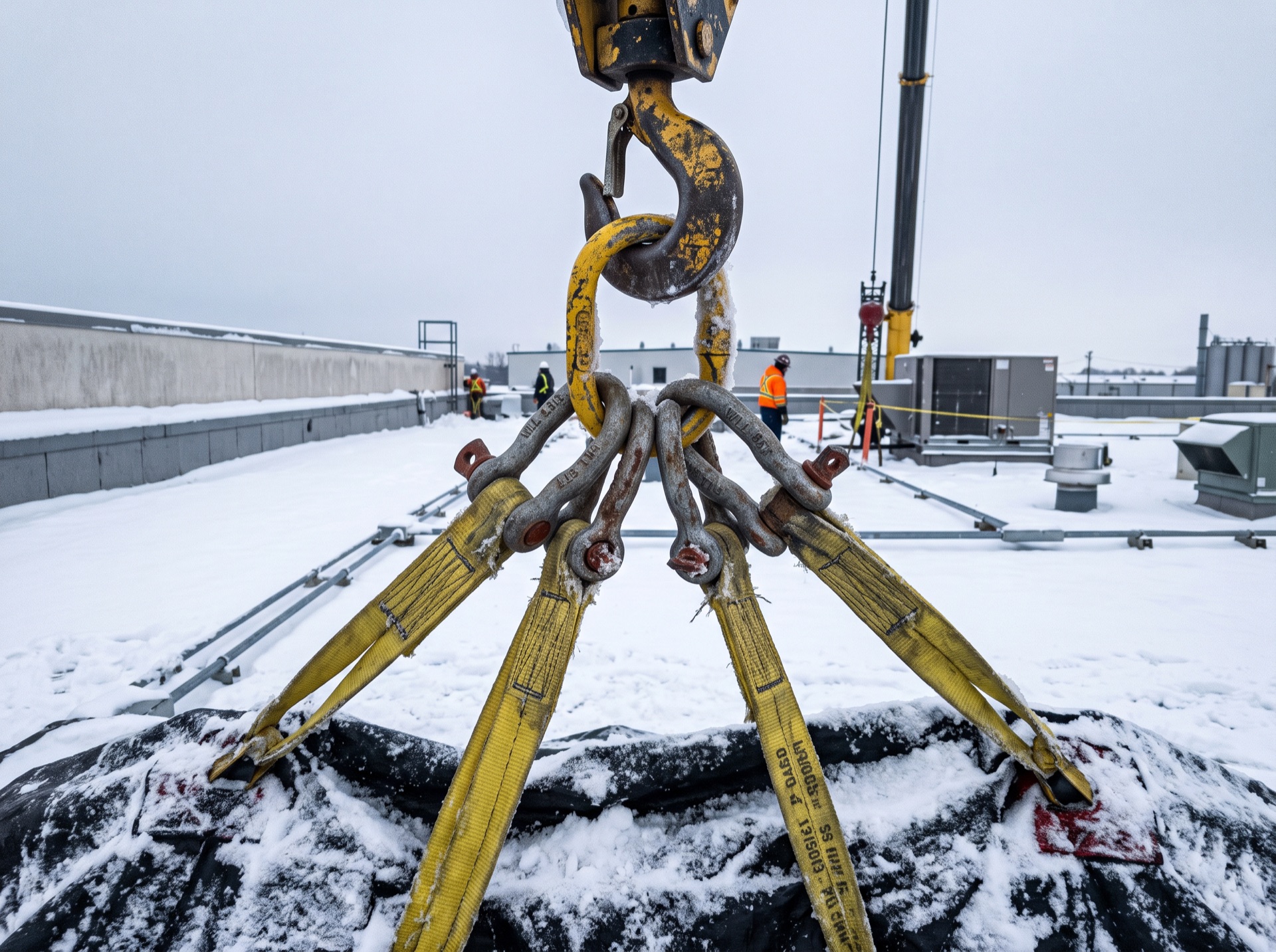
Crane hook with yellow lifting straps and shackles attached to snow-covered tarp on rooftop

Crane-Assisted Snow Removal in St. Louis

Deep Drifts & Big Roofs

Snow tarps rigged and lifted by boom crane where drifts are too deep and too heavy to move by hand.

Ask About A Crane Pick in St. Louis
Emergency
technician in Tyvek suit and respirator removing contaminated pink insulation in attic

Water Mitigation & Dryout in St. Louis

IICRC S500 Standard

Extraction, drying and controlled tear-out to IICRC S500, then the interior repair, so the water that already got in does not become rot and mold by spring.

Start Dryout in St. Louis
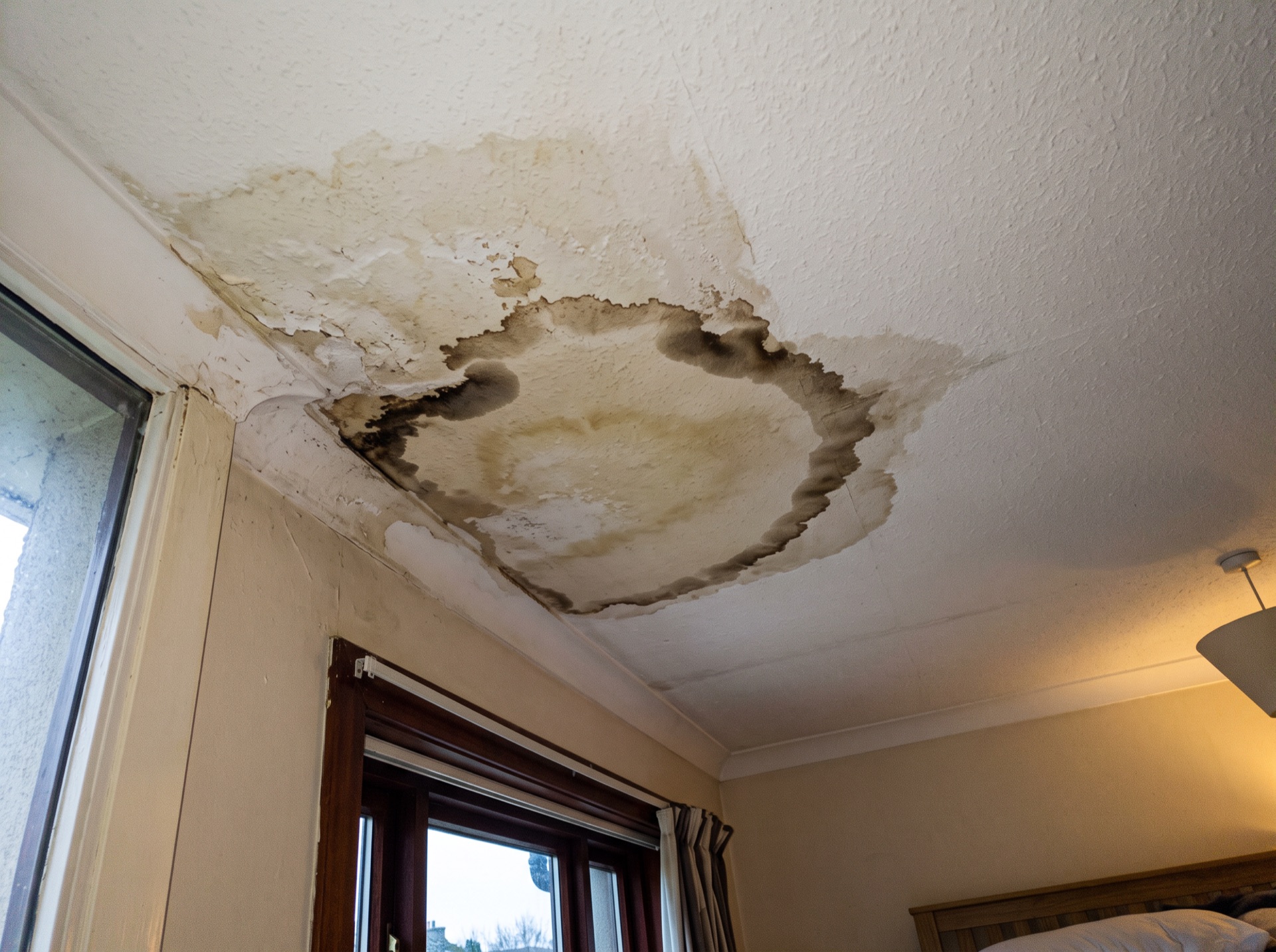
Large water stain with black mold spreading across bedroom ceiling near window

Ice Dam Insurance Claims in St. Louis

Xactimate Scopes

One claim for the whole event: ice dam removal, water mitigation, mold remediation, interior repair and roof replacement where the storm damaged it, documented in Xactimate line items.

Get Claim Help in St. Louis
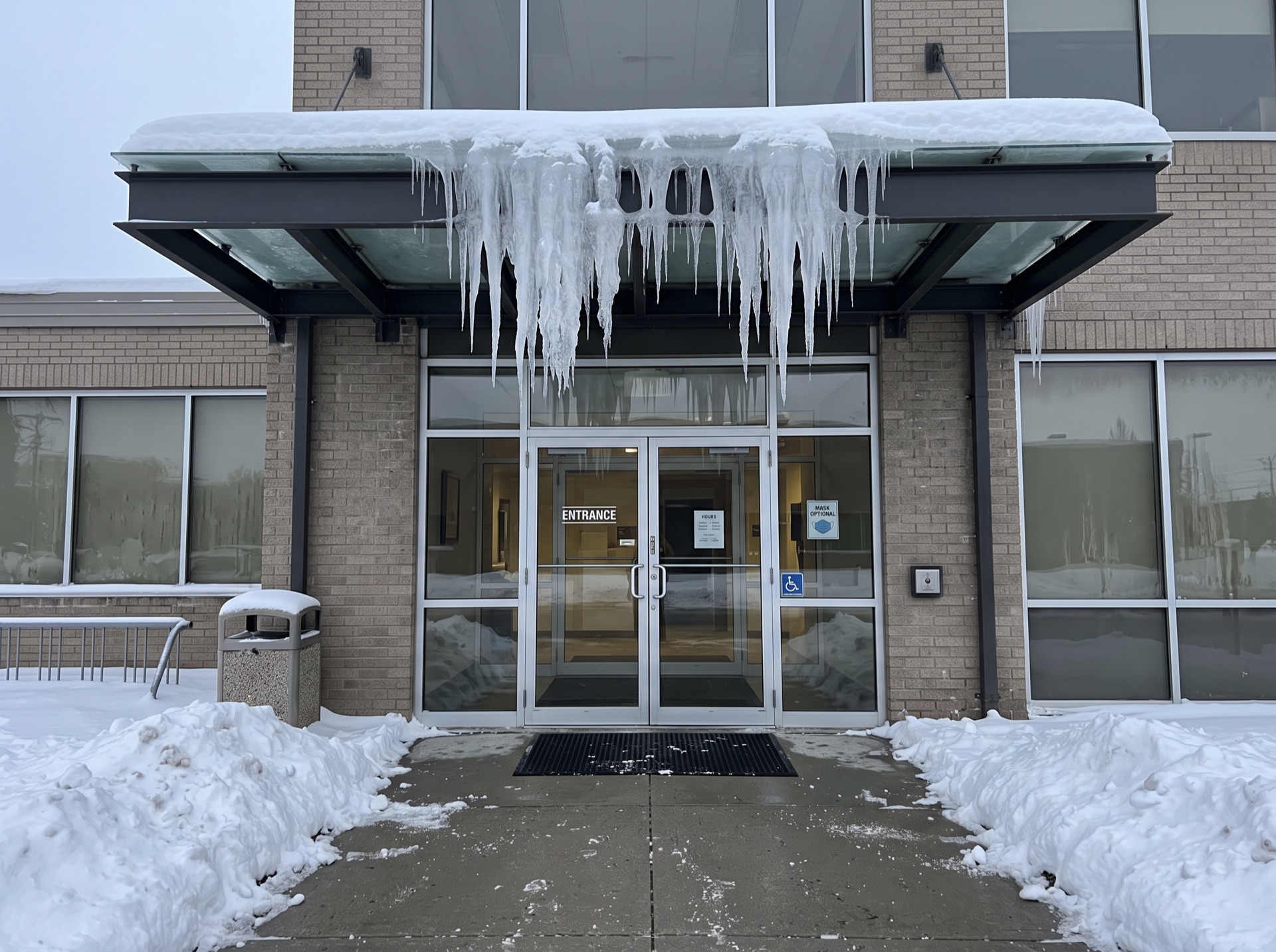
Large icicles hanging from commercial building entrance canopy in winter

Commercial Ice Dam Removal in St. Louis

Flat Roof & Parapet

Membrane-safe steaming for EPDM and TPO decks, frozen parapet scuppers and blocked internal drains.

Book Commercial Steaming in St. Louis
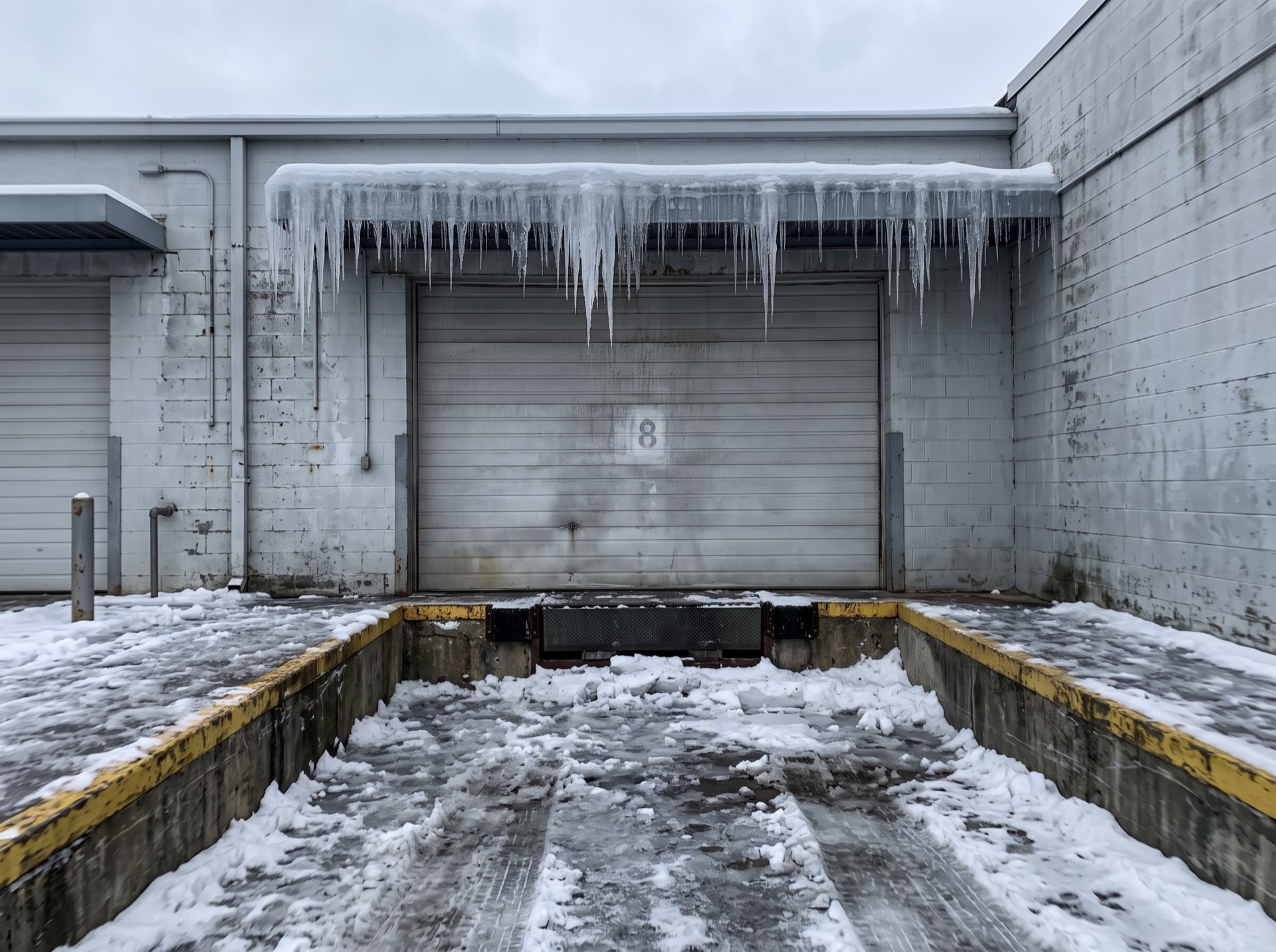
Large icicles hanging over warehouse loading dock number 8 in winter

Commercial Roof Snow Removal in St. Louis

Structural Snow Load

Scheduled load reduction for warehouses, retail, schools and multi-unit buildings before drift weight becomes a deflection problem.

Schedule Load Reduction in St. Louis
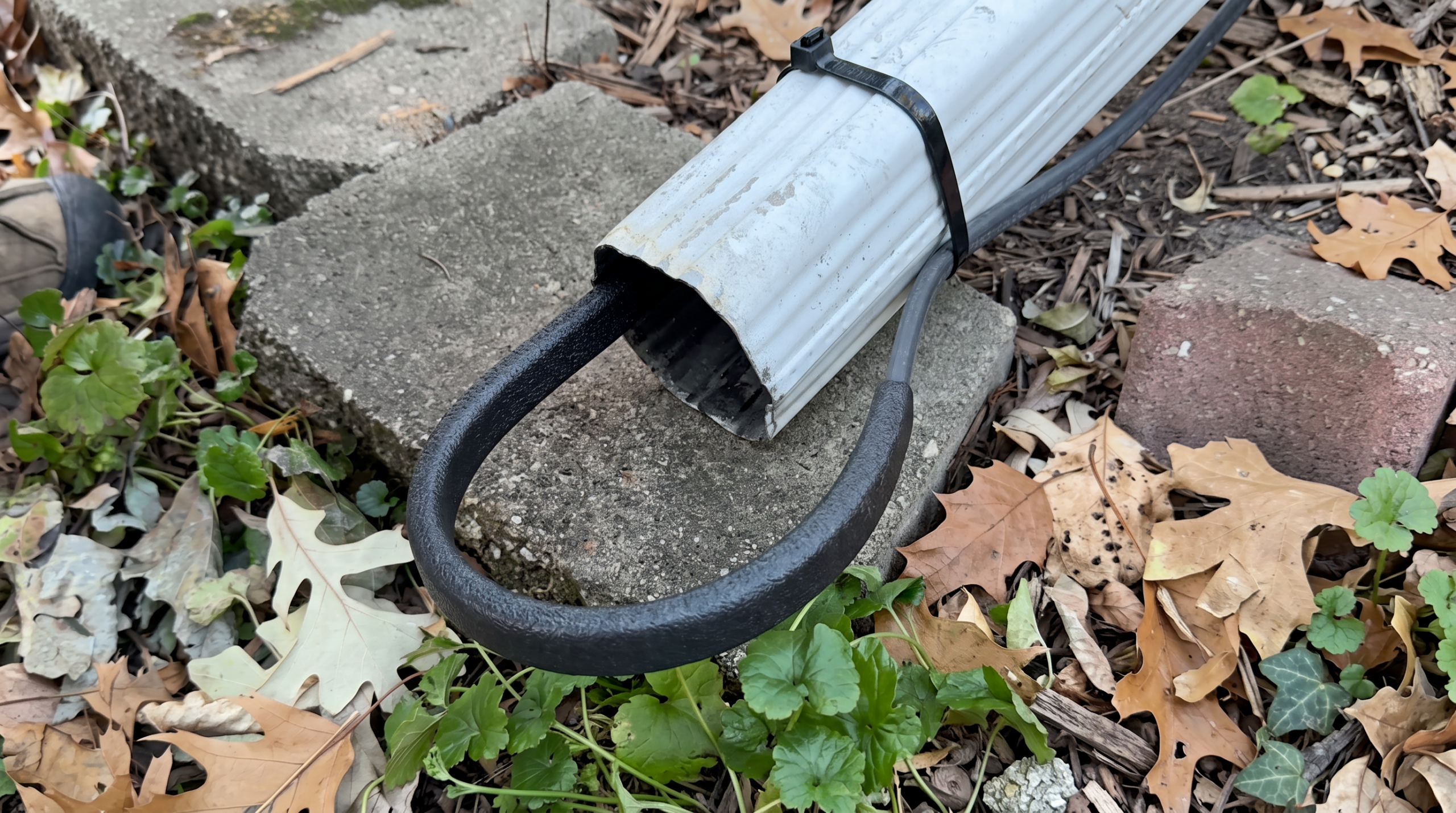
Heated cable loop extending from end of white aluminum downspout over concrete step

Heated Roof & Gutter Cables in St. Louis

Permanent Prevention

Self-regulating heat trace on the eaves, valleys, gutters and downspouts, so meltwater keeps a path out all winter.

Get A Cable Quote in St. Louis

The Saint Louis County Trap: Modest Snow, Constant Cycling

What catches people out in Saint Louis County is that the snow looks harmless. Two or three inches reads as nothing, and it builds ice on an eave just as effectively as a northern storm given enough cycles.

Diagram showing how ice dams form on roofs due to inadequate insulation and poor ventilation
Heat escaping into the attic melts roof snow; the meltwater refreezes at the cold eave and the dam grows a layer every cycle.

The expectation is the problem. Nobody in St. Louis re-roofs with ice dams in mind, so when a cycling stretch arrives the houses with the least margin all leak in the same week.

Ice-barrier practice in Saint Louis County

The residential code Missouri follows requires eave ice barrier on new work, and Saint Louis County enforces it. The variable on any given house is simply when it was last roofed.

The St. Louis Dispatch Process, Step by Step

Crews walk the eaves, valleys and gutter line first and photograph every dam and every point where water is tracking inside, before touching anything. You get shown what they found and quoted the crew-hour rate before work starts.

Then the ice comes off with low-pressure steam, starting wherever water is actively backing up so drainage opens early. Frozen gutters and downspouts are cleared in the same visit, because a cleared eave above a solid block of ice in the gutter dams again on the next cold night.

Why the gutter has to be cleared in the same visit

A dam sitting above a gutter packed solid with ice is only half the problem. Clear the eave and leave the trough frozen, and the next day's meltwater has nowhere to run — it backs up onto the roof and the dam rebuilds from the bottom.

Crews steam the trough and the downspout through to daylight on the same visit. It adds time, which is why the hour estimate given on the phone accounts for it, and it is the difference between a fix and a repeat visit in St. Louis the following week.

Why salt and ice melt make it worse

Calcium chloride opens a narrow channel and leaves the dam standing. The channel refreezes, the dam does not go anywhere, and in the meantime the runoff corrodes gutter seams, fasteners, flashing and anything growing underneath.

It is a stopgap at best. On a roof in St. Louis with an active leak it buys hours, not days, and it adds a corrosion problem to the water problem.

What happens after the ice is off

Once the eave is clear and water is draining, the crew walks the interior with you where there is visible damage and says plainly whether it needs drying. Wet insulation and a damp ceiling cavity do not resolve themselves in a cold St. Louis February.

If it does, that is a separate scope and it gets written separately — nobody is upsold a dryout on the strength of one damp patch.

Ice dam removal in St. Louis, MO — specification
Service specification for St. Louis, MO
Primary climate stressorRepeated thaw-freeze cycling
Pricing modelBilled by the crew hour, rate quoted before dispatch
DocumentationDated before and after photos, written scope in Xactimate line items
Local ice-barrier practiceEave membrane on new work, often absent
Dispatch windowSame day to 24 hours
Typical scopeSteam, 4-8 crew hours typical
ServiceIce dam removal in St. Louis, MO

Neighborhoods and Towns We Reach From St. Louis

Crews working St. Louis cover the adjoining communities on the same route — Saint Louis, Saint Ann, Maryland Heights, Bridgeton and Hazelwood — so a storm week usually means one truck handling several addresses in Saint Louis County rather than separate trips.

Nearest hub towns with their own crew pages: University City, Kirkwood, Florissant, Ballwin, St. Charles, Chesterfield.

Crews cover St. Louis and the surrounding Saint Louis County towns through the whole season, and during a freeze event they run from first light until dark.

Water coming in right now in St. Louis? Call (888) 561-9664. Active interior leaks go to the front of the schedule.
Nearby

Hub Towns Around St. Louis

Crews run these on the same route, so a storm week usually means one truck covering several of them.

All Missouri Locations
Conditions We Work In

What We Find On St. Louis Roofs

Every job is photographed before and after. These are the conditions crews work in across Saint Louis County.

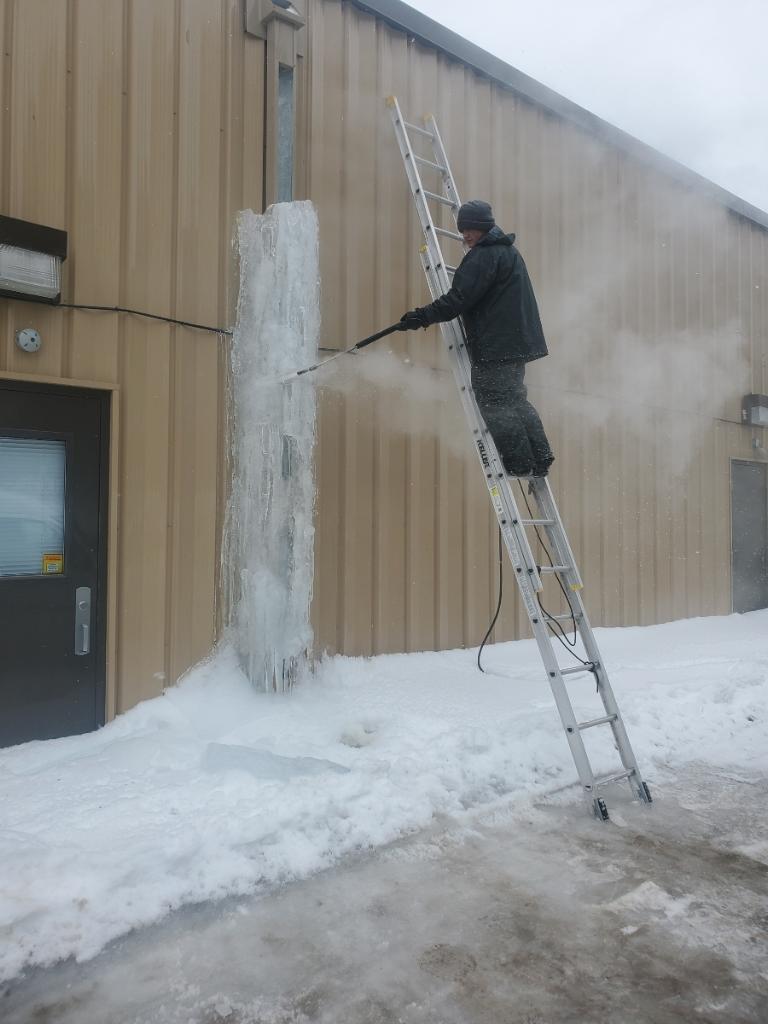
Worker on ladder using steam wand to remove large ice dam from building wall
A technician uses a steam lance from a ladder to melt a massive ice dam buildup on a commercial building.
Large ice dam with hanging icicles along residential roof edge and gutters
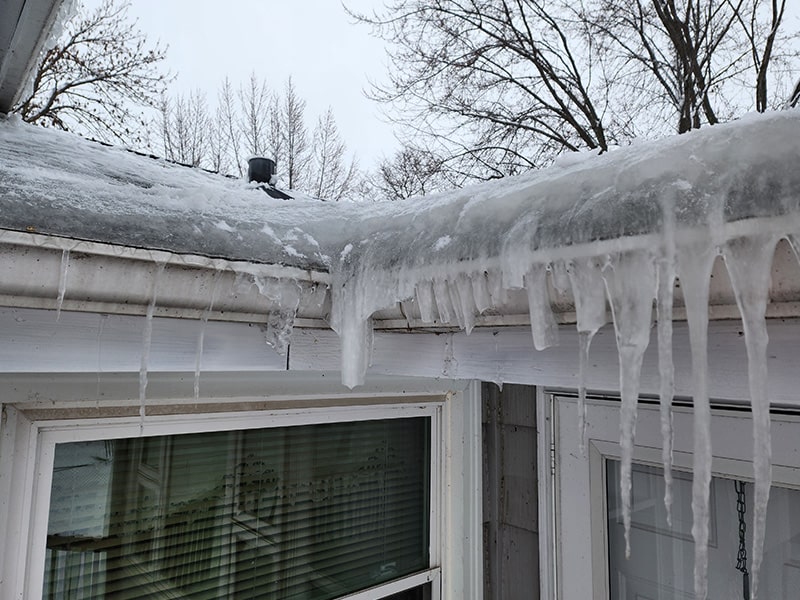
A severe ice dam has formed along the roofline, with large icicles hanging from clogged gutters.
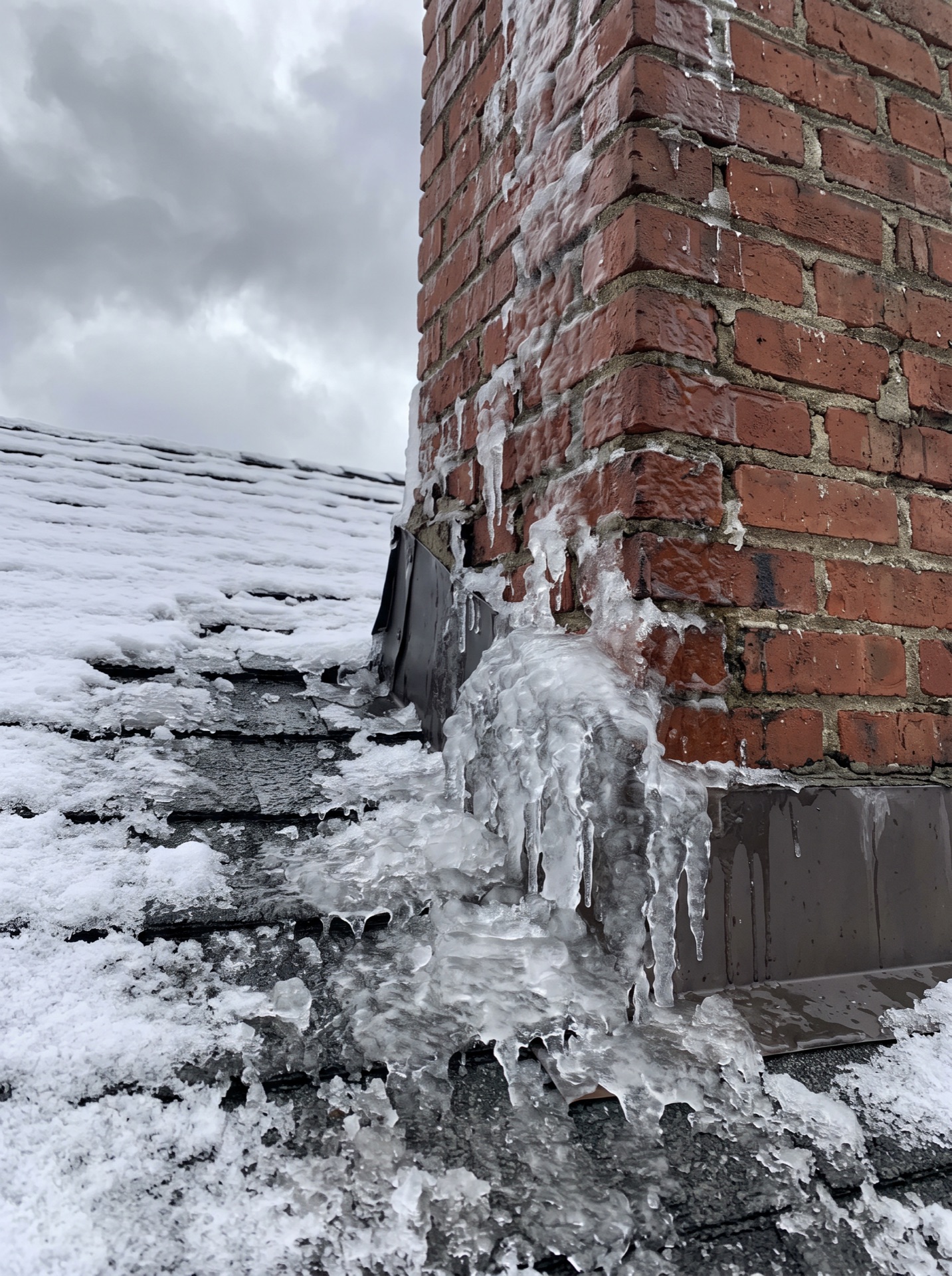
Ice buildup and icicles forming at brick chimney flashing on snowy roof
Heavy ice accumulation at the chimney flashing indicates poor drainage and potential water intrusion risk.
Worker using steam equipment to remove ice dam from snowy roof at night
Method

Steam, Never A Hammer

Low-pressure steam removes ice with heat rather than force, so granules, seal strips and flashing come through untouched. It is the only method crews use on a roof in St. Louis.

FAQ

St. Louis and Saint Louis County FAQ

Same day or next morning for most St. Louis calls, with active interior leaks moved to the front of the schedule.

  • During a freeze event crews run from first light until dark across Saint Louis County.
  • The same route covers Saint Louis, Saint Ann, Maryland Heights, so several addresses are usually handled in one run.
  • Call rather than using the form if water is coming in — the phone is always faster.

Not for exterior removal, provided access and payment are arranged in advance.

  • Somebody being home helps where there is interior damage to look at or document.
  • Photographs go to you either way, timestamped as the work happens.
  • A gate code or an unlocked side gate is usually all a crew needs on a St. Louis property.

Often for the interior water damage, sometimes for the removal itself, but it depends entirely on your carrier and policy wording.

  • Many policies treat emergency mitigation separately under a duty to protect property clause.
  • Denials usually cite the maintenance exclusion, which dated photographs taken during the event are the direct counter to.
  • Crews photograph the dam, the entry points and the interior damage, and write the scope in Xactimate line items.
  • The coverage decision is between you and your carrier — no contractor can promise an outcome there.

On a roof that is still leaking heat, it can — removal treats the symptom and the cause is in the attic.

  • Crews say so before leaving if the attic is obviously the problem.
  • A second visit in the same season at the same property is priced as the shorter job it usually is.
  • Air sealing, insulation and heat trace are what stop the cycle for good.
Same-Day Response

Get A St. Louis Crew Out

A dam left alone through February is not the same dam in March. It is bigger, and so is the repair behind it.

✓ Licensed & insured✓ Low-pressure steam only✓ Rate quoted up front✓ Photos for your claim
Online Quote(888) 561-9664