



Why Kirkwood Roofs Dam Up: Cycling, Not Snowfall Totals
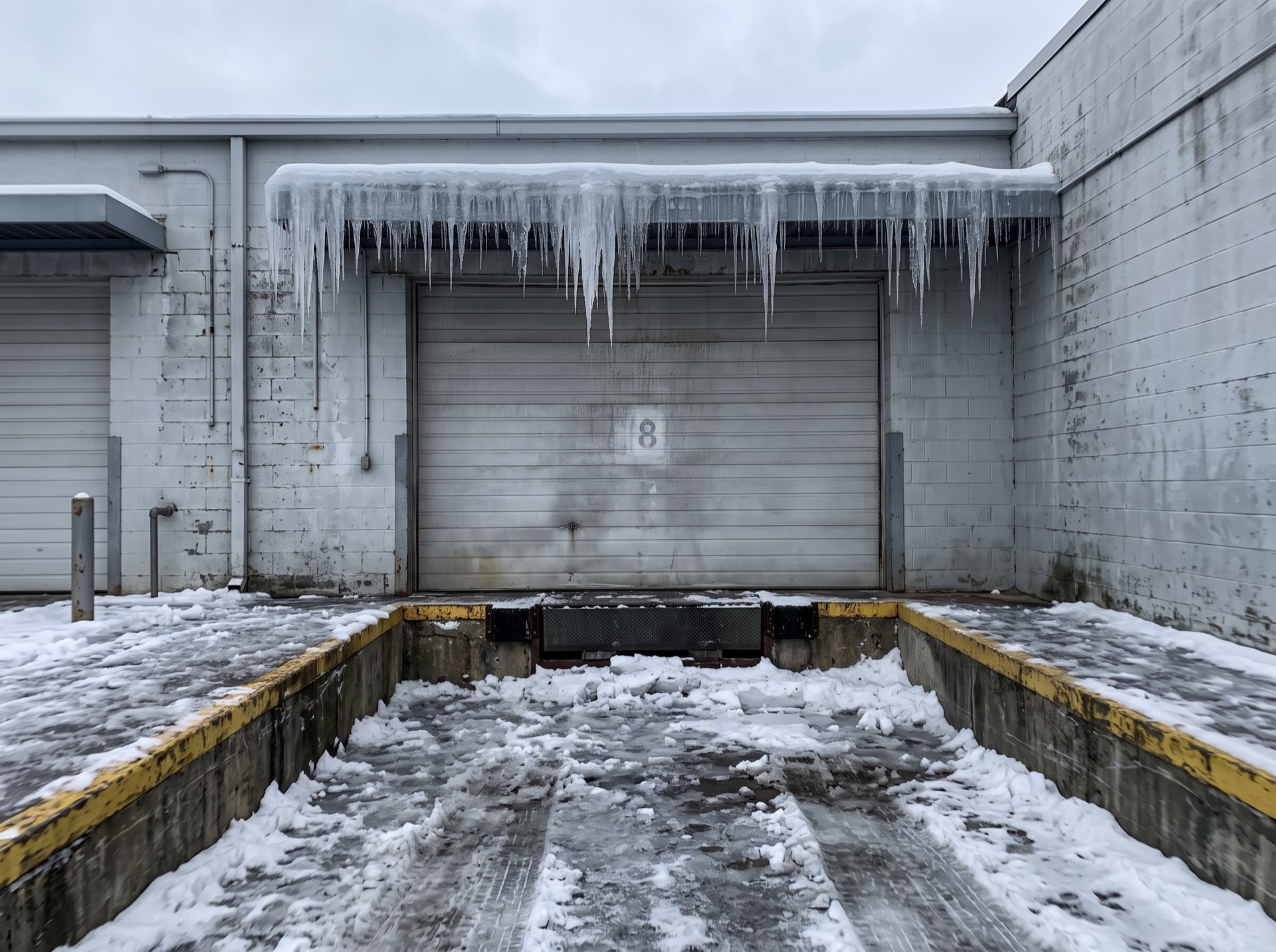
An ice dam needs meltwater and a cold eave, and Kirkwood supplies both on an ordinary week. A thin cover that melts by lunchtime and sets again after dark is a perfectly good dam factory.

Because the winters read as mild, the building stock is not built for ice. Attic insulation is thinner, eave details are less considered, and ice barrier is more often absent than present on a roof in Kirkwood.
Ice-barrier practice in Saint Louis County
Ice-barrier membrane at the eaves is required on new work under the residential code Missouri follows, but on a roof built before that it is frequently absent — and this is the region where it is most often skipped.
The Kirkwood Dispatch Process, Step by Step
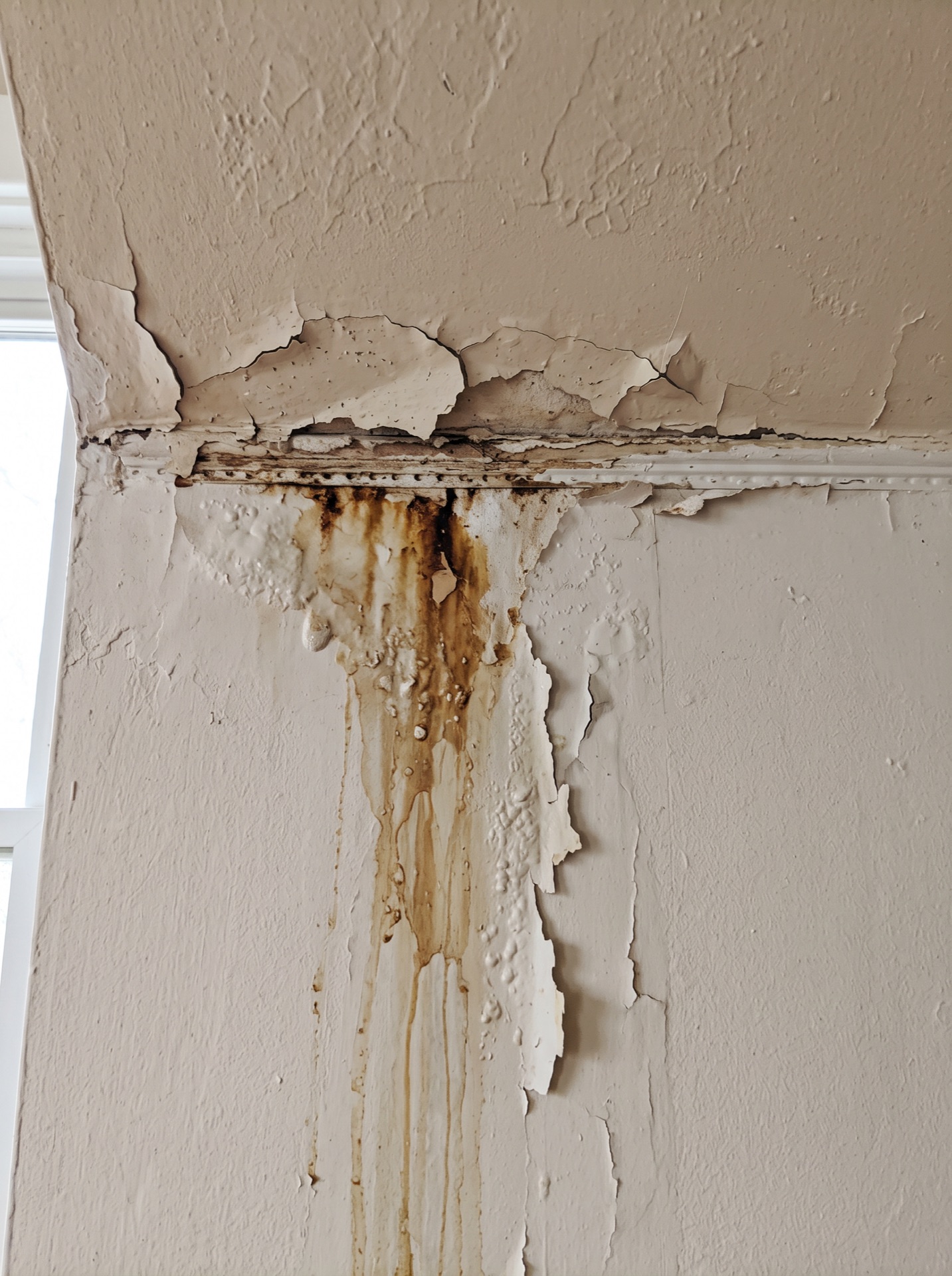
Nothing gets touched until the roof has been walked and photographed. The crew finds every dam, locates where water is getting in, shows you, and gives you the crew-hour rate and a time estimate before the equipment comes off the truck.
Removal then works from the worst point outward, so water starts draining early rather than at the end. Gutters and downspouts frozen solid get steamed through in the same visit — leaving them means the eave dams again within days.
Why a drainage channel is not removal
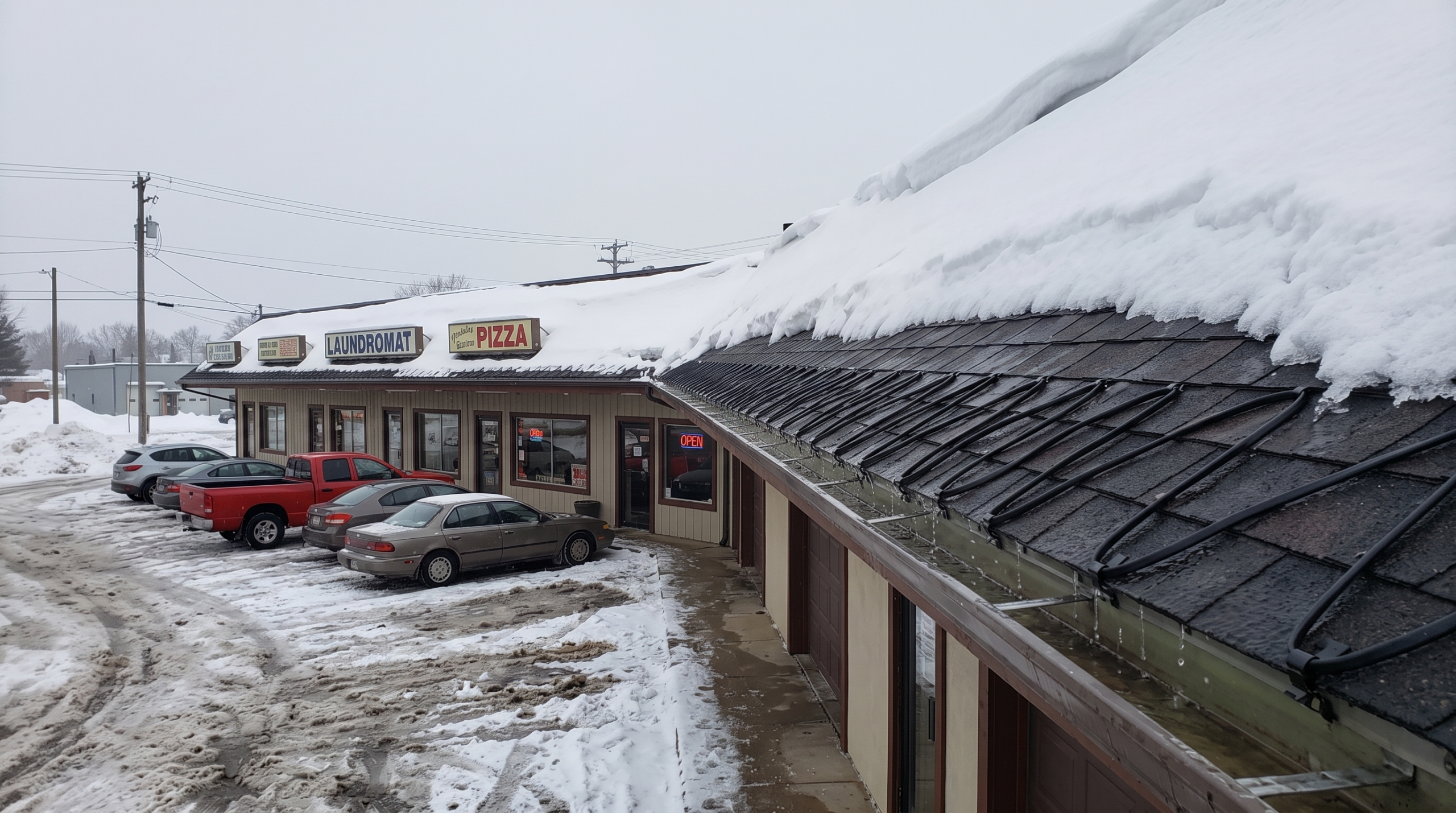
Cutting a few channels through a dam so water can get past is quick and it is sometimes sold as ice dam removal. It drains the roof for as long as the channels stay open, which in a Kirkwood cold snap can be a single night before they close again.
Removing the dam means taking the ice off down to the shingle along the whole affected run, so the eave can drain the way it was built to. It takes longer and it is the only version that holds.
Working at night and during an active storm
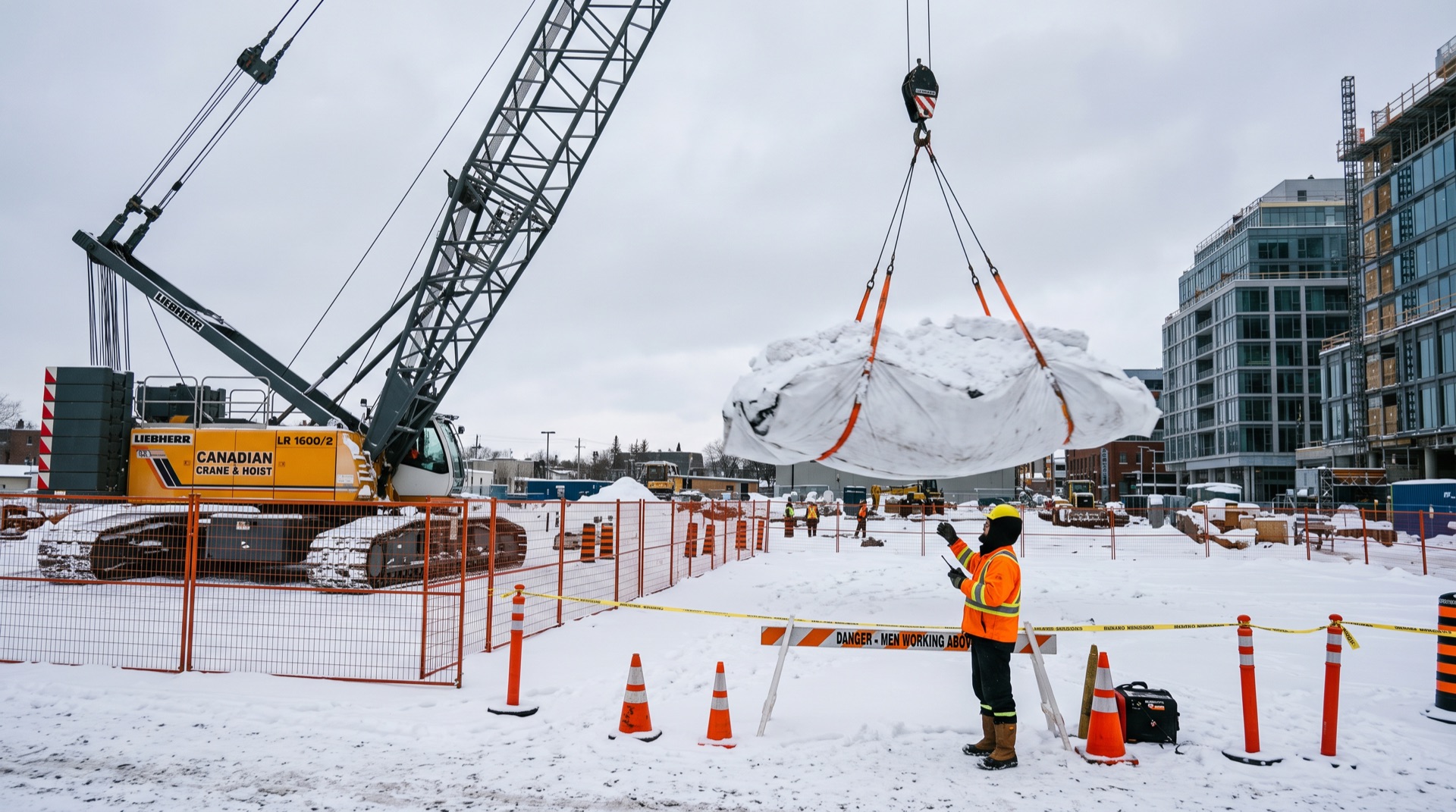
Freeze events do not keep office hours, and the worst leaks tend to announce themselves in the evening when the day's melt refreezes. Crews run lit, and a roof that is actively collecting snow is worked anyway, because waiting for better weather means the dam is bigger when somebody finally gets to it.
What does stop a crew is wind and lightning. Both are judgment calls made on site in Kirkwood, and a postponed start gets explained rather than dressed up.
Why the dam formed in the first place
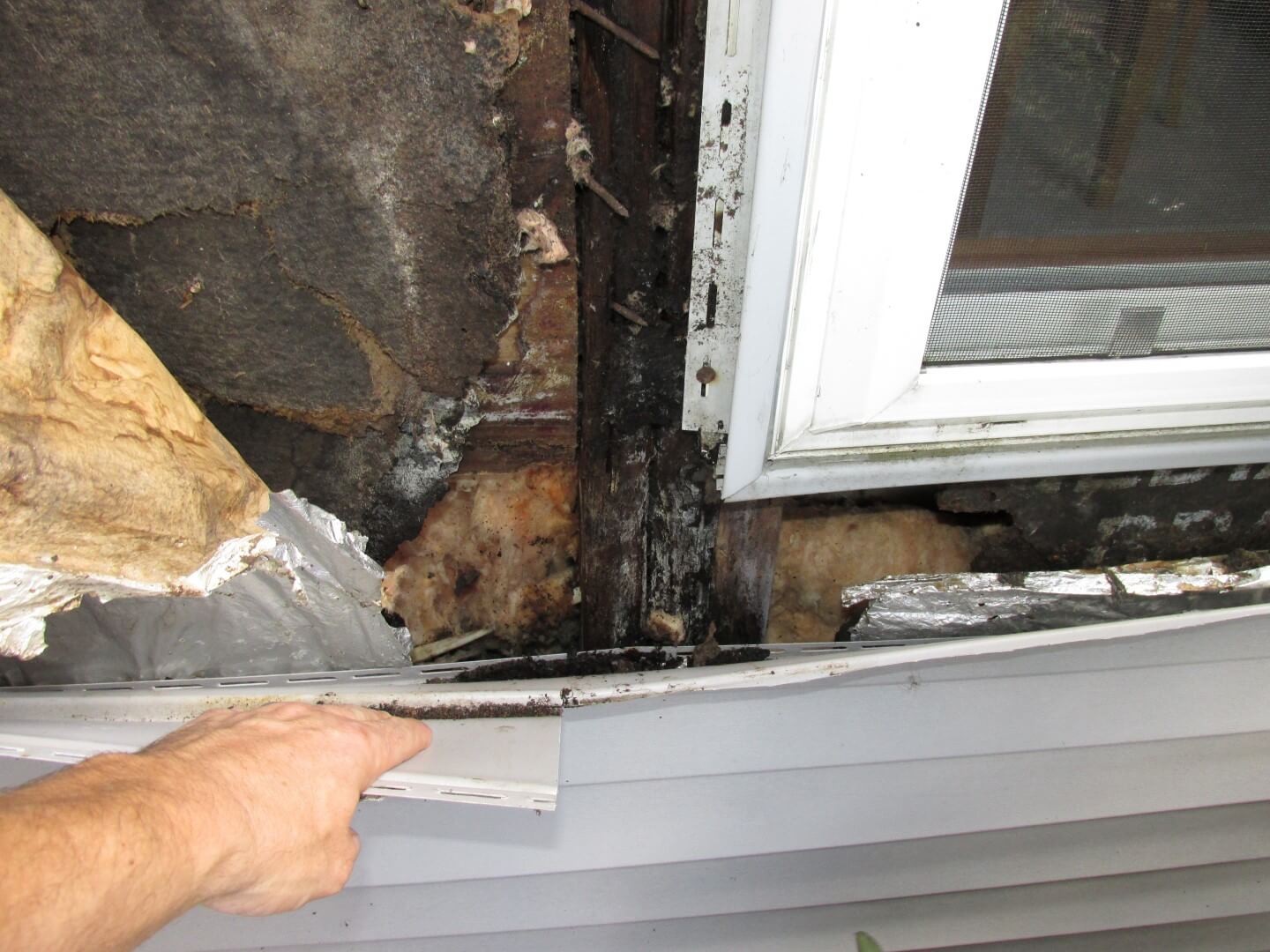
Ice dams are a heat problem wearing a weather costume. Warm air escaping into the attic melts snow on the upper roof; that meltwater runs to the eave, which hangs past the heated envelope and stays below freezing; it refreezes there, and the ridge of ice grows a layer every cycle. Removal is the emergency fix. Before the crew leaves you will know which part of your attic is feeding it.
| Pricing model | Billed by the crew hour, rate quoted before dispatch |
|---|---|
| Local ice-barrier practice | Eave membrane on new work, often absent |
| Primary climate stressor | Repeated thaw-freeze cycling |
| Typical scope | Steam, 4-8 crew hours typical |
| Dispatch window | Same day to 24 hours |
| Documentation | Dated before and after photos, written scope in Xactimate line items |
| Service | Ice dam removal in Kirkwood, MO |
Neighborhoods and Towns We Reach From Kirkwood
Crews working Kirkwood cover the adjoining communities on the same route — Valley Park, Fenton, Saint Louis, Maryland Heights and Saint Ann — so a storm week usually means one truck handling several addresses in Saint Louis County rather than separate trips.
Nearest hub towns with their own crew pages: St. Louis, University City, Ballwin, Chesterfield, Wildwood, Florissant.
Crews cover Kirkwood and the surrounding Saint Louis County towns through the whole season, and during a freeze event they run from first light until dark.
Water coming in right now in Kirkwood? Call (888) 561-9664. Active interior leaks go to the front of the schedule.