By the time a roof in Lawrence has a visible ridge of ice at the eave, meltwater has already been pooling behind it for several freeze-thaw cycles. As part of our complete Lawrence winter roof services, crews handle ice dam insurance claims across Douglas County.
Lawrence Ice Dams: Why a Few Inches Is Enough
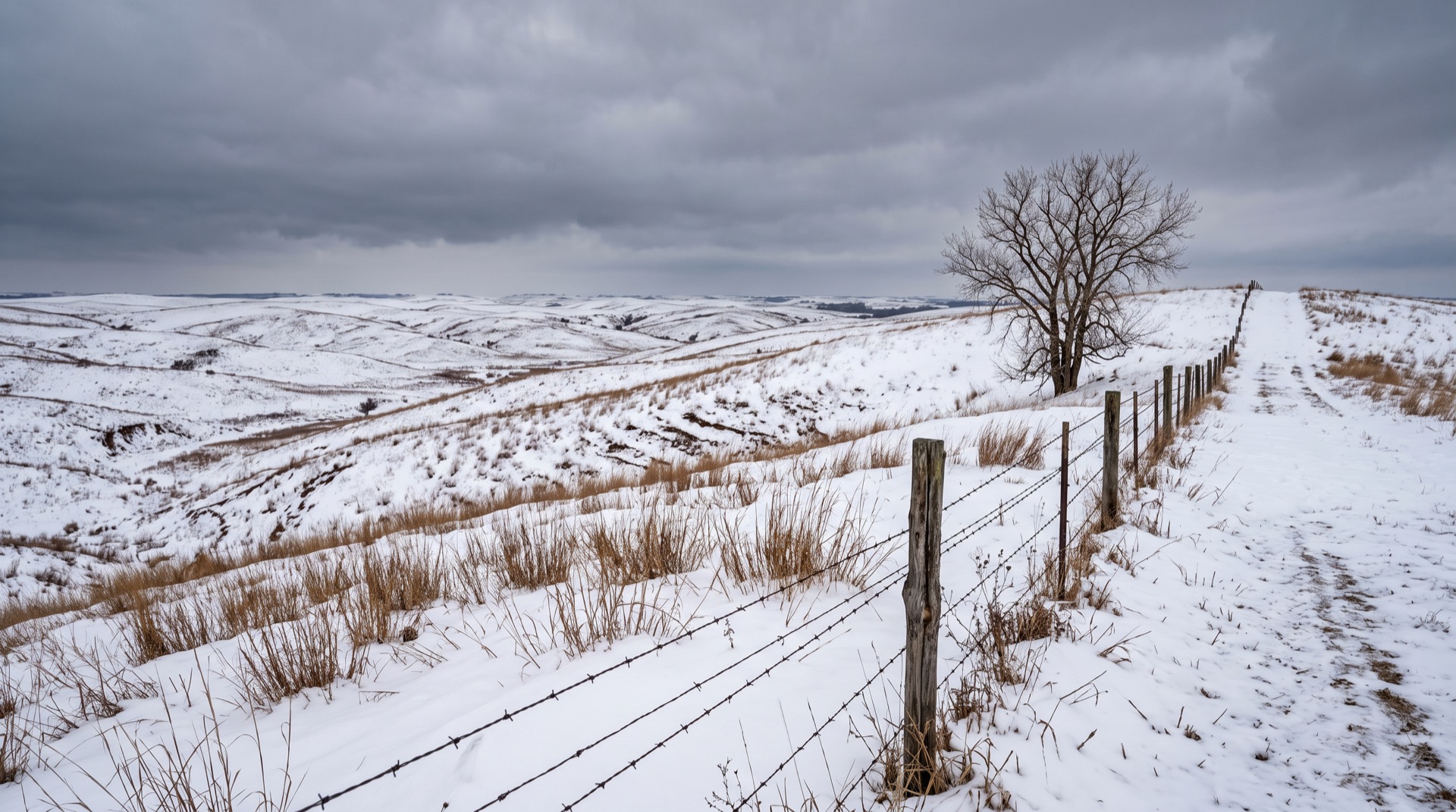
The snow totals here are unremarkable, which is exactly why Lawrence roofs get caught out. An ice dam needs meltwater and a cold eave, not a record storm.

The building stock has no margin for it. Because the winters here read as mild, attics tend to be under-insulated, eave details are less considered, and ice barrier is as often absent as present on a roof in Lawrence.
Ice-barrier practice in Douglas County
Because ice is not the first thing a homeowner in Lawrence thinks about, the membrane is the detail most often value-engineered out of a re-roof. It is worth asking for by name on any quote.
Ice Dam Insurance Claims in Lawrence: How The Work Runs
What a carrier is actually looking for
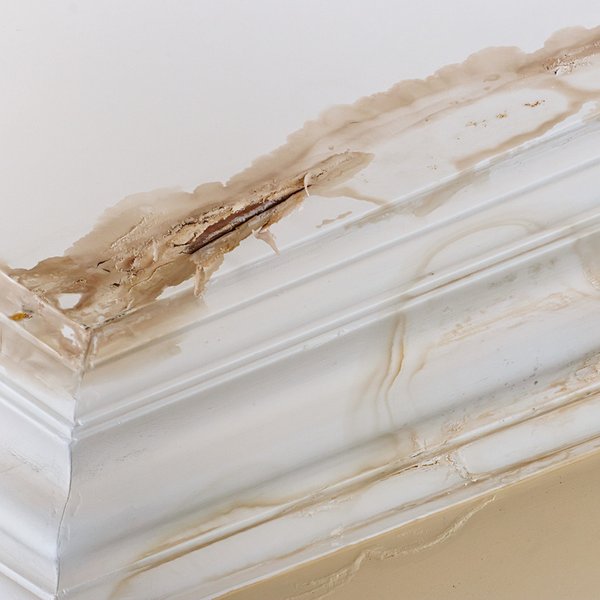
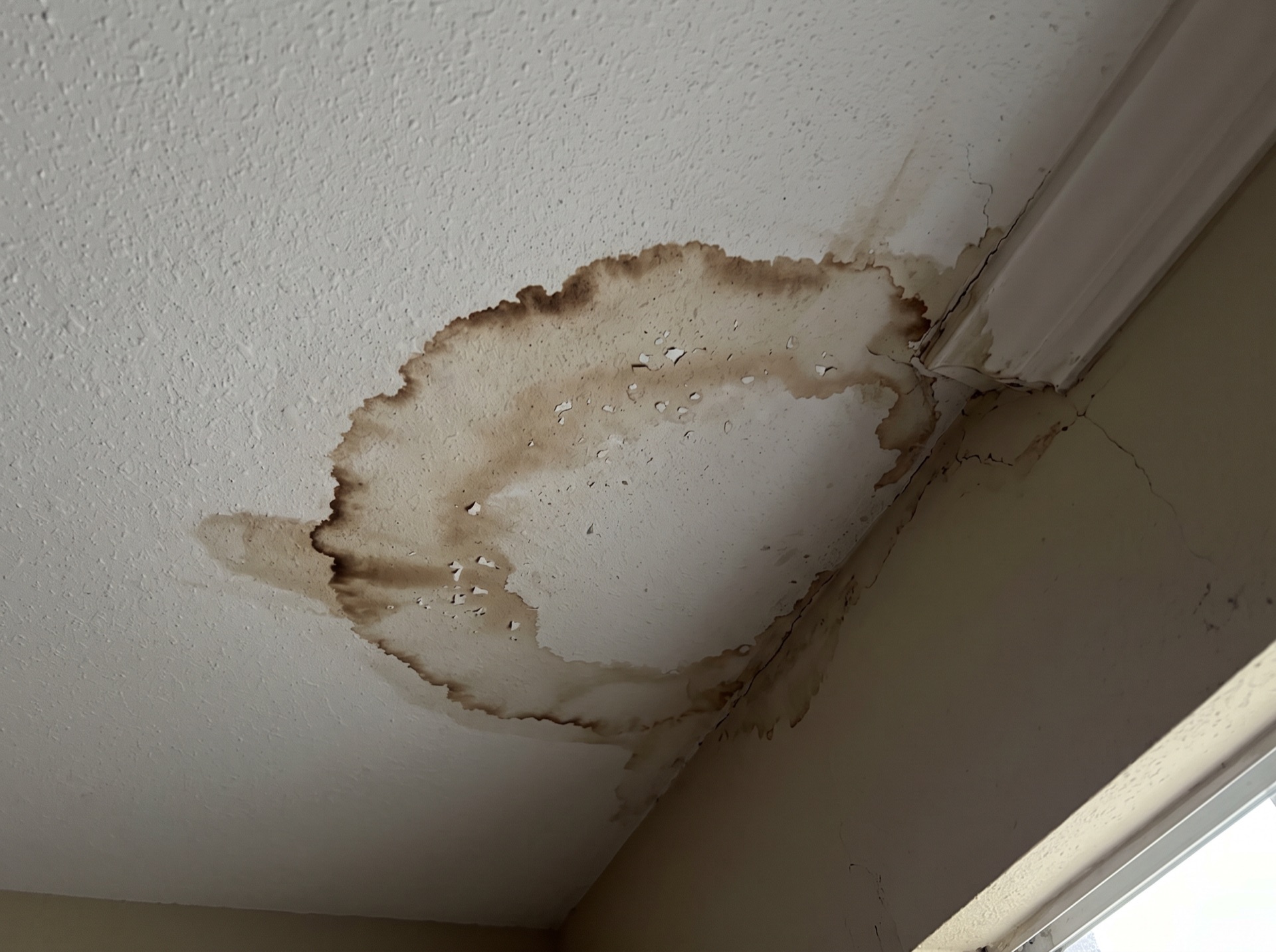
A claim turns on proving sudden, accidental water intrusion rather than a maintenance failure the homeowner let develop. In practice that means dated photographs of the dam, the entry points and the interior damage, taken while the event is live — not reconstructed in March from memory. Does Insurance Pay for Ice Dam Water Damage?.
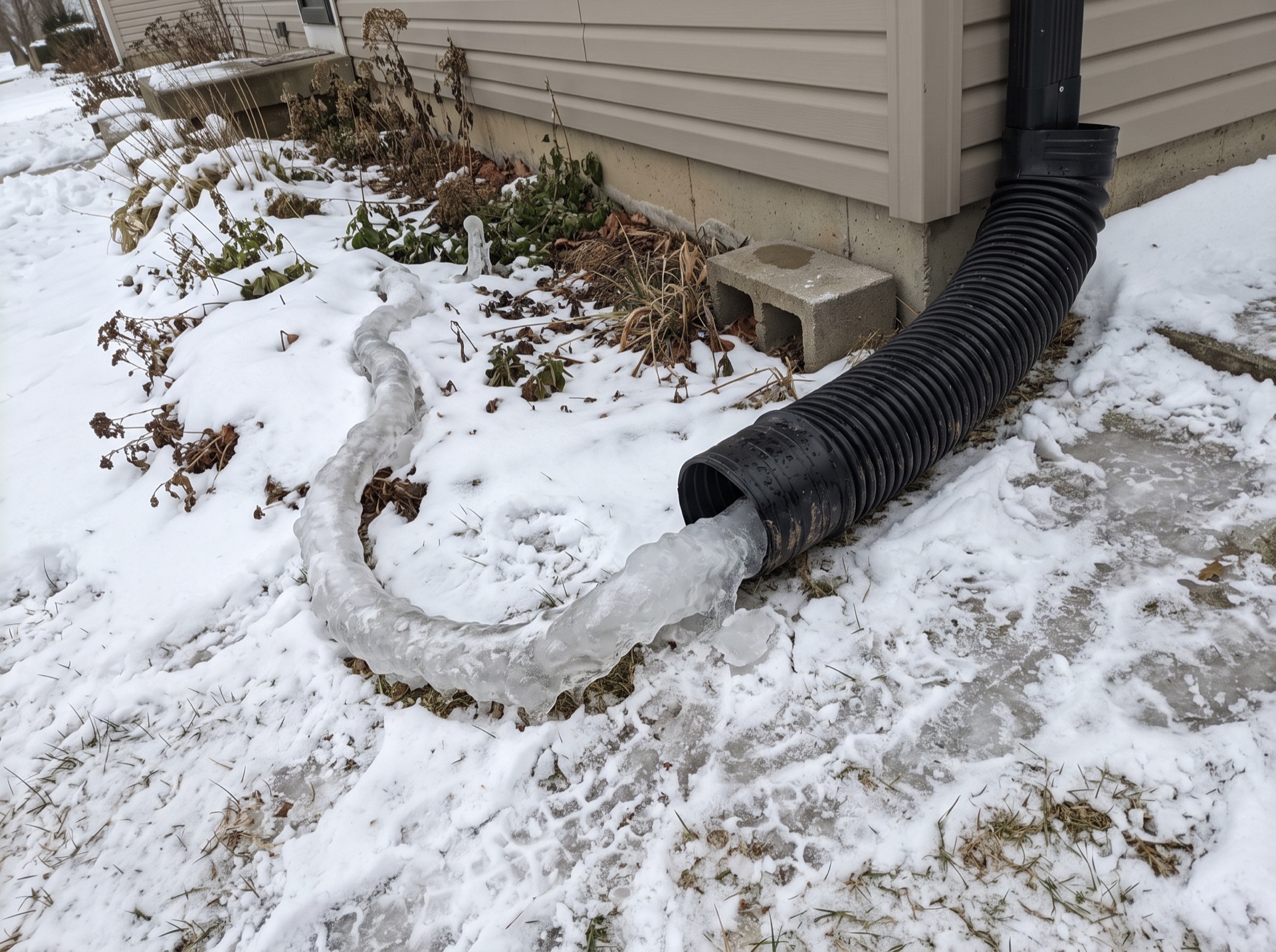
Crews photograph as they work for exactly this reason. Timestamped images of the ice before removal, the water path, the affected interior and the dried-out result form the spine of a claim that survives review.
The roof on the same claim
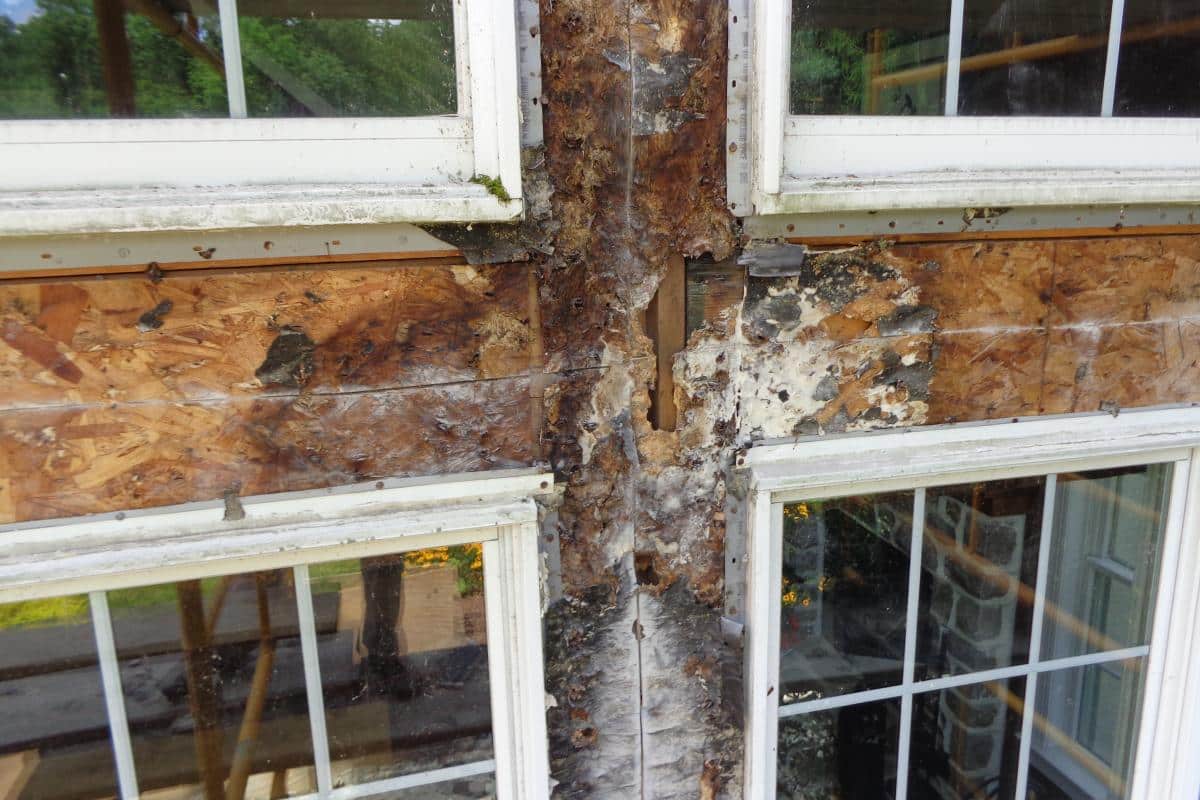
Ice dams can damage the roof itself: shingles lifted or cracked by ice, seal strips broken, underlayment and decking soaked and softened along the eave. Where that damage came from the storm event, it belongs on the same claim as the interior.
It does not cover a roof that was simply old. Photographs of the deck from the attic side, the shingles at the eave and the extent of the wet decking are what separate storm damage from wear.
Why one contractor for the whole event helps the claim
When the removal company, the drying company, the mold company and the builder are all different firms, the adjuster gets four sets of photographs with gaps between them and four invoices with overlapping lines.
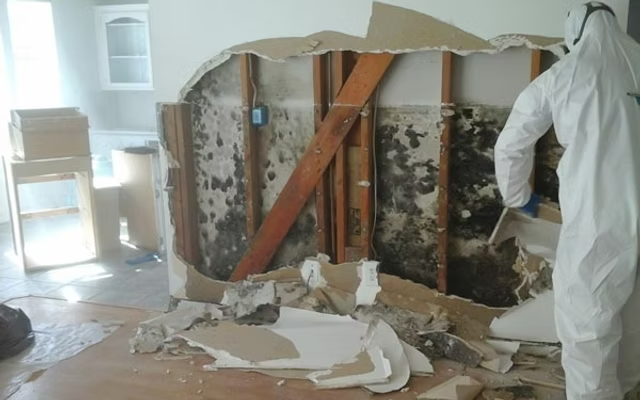
One company doing the whole job produces one continuous record: the ice before removal, the water inside, the readings, the mold found when the ceiling came down, and the finished repair. That record is much harder to argue with.
Supplements: when the tear-out finds more
Scopes are written from what can be seen. Open a ceiling and the damage frequently runs further than the stain did, and the original estimate no longer covers the work.
That is a supplement, and it is ordinary. What makes it go smoothly is photographs of the newly exposed damage, a revised line-item scope, and raising it when it is found rather than at the end. Work carried out before the carrier has seen it is the version that tends to go unpaid.
Meeting the adjuster on site
A lot of disputes come down to the adjuster never having seen what was behind the drywall. Crews meet them at the Lawrence property, walk the damage, and hand over the photo record and the readings.
Fifteen minutes on site is worth more than two weeks of emails, and it is free.
What you get in Lawrence
- Direct billingCarriers billed directly wherever the policy allows it
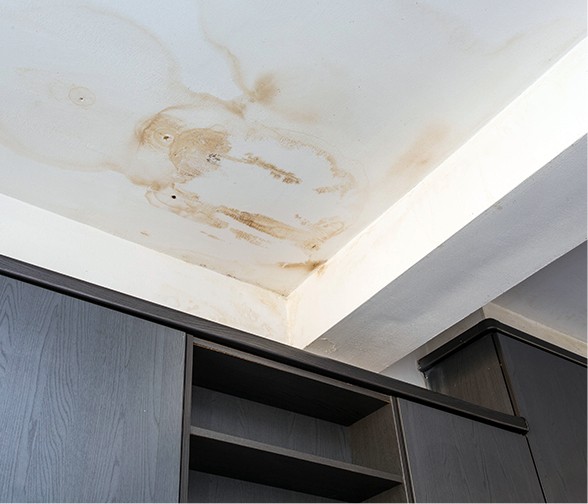
- Dated photo recordThe dam, the entry points and the interior damage, captured while it is happening
- Interior repair in-houseDrywall, insulation, paint and trim scoped and done by the same company
| Billing | Xactimate line items on one claim; carrier billed directly where the policy allows |
|---|---|
| Coverage area | Lawrence and Douglas County |
| Dispatch window | Same day to 24 hours |
| Method | Containment, HEPA filtration and drying to a measured IICRC standard |
| Primary climate stressor | Repeated thaw-freeze cycling |
| Interior repair | Insulation, drywall, texture, trim and paint, done in-house after drying |
| Local ice-barrier practice | Eave membrane on new work, often absent |
Douglas County Coverage From Lawrence
Crews working Lawrence cover the adjoining communities on the same route — Eudora, Lecompton, Perry, Baldwin City and Tonganoxie — so a storm week usually means one truck handling several addresses in Douglas County rather than separate trips.
Nearest hub towns with their own insurance claims pages: Olathe, Topeka, Lenexa, Leavenworth, Shawnee, Overland Park.
Lawrence sits inside the regular Kansas service area, so a crew is usually scheduled the same day or the following morning.
Most jobs do not stop at one service. Insurance Claims in Lawrence often runs alongside water mitigation & dryout in Lawrence, and both get written into one scope rather than billed as separate visits.
Active leak right now? Our 24/7 Lawrence steam ice dam removal crews are dispatched first during a freeze event. Call (888) 561-9664.