A Lafayette roof can look fine from the driveway and still be backing water under the shingles at the eave, where nobody can see it. As part of our complete Lafayette winter roof services, crews handle ice dam removal across Tippecanoe County.
Lafayette Ice Dams: Why a Few Inches Is Enough
What catches people out in Tippecanoe County is that the snow looks harmless. Two or three inches reads as nothing, and it builds ice on an eave just as effectively as a northern storm given enough cycles.

The building stock has no margin for it. Because the winters here read as mild, attics tend to be under-insulated, eave details are less considered, and ice barrier is as often absent as present on a roof in Lafayette.
Ice-barrier practice in Tippecanoe County
Because ice is not the first thing a homeowner in Lafayette thinks about, the eave membrane is the detail most often value-engineered out of a re-roof quote. It is worth asking for by name.
Ice Dam Removal in Lafayette: How The Work Runs
What the crew does on arrival
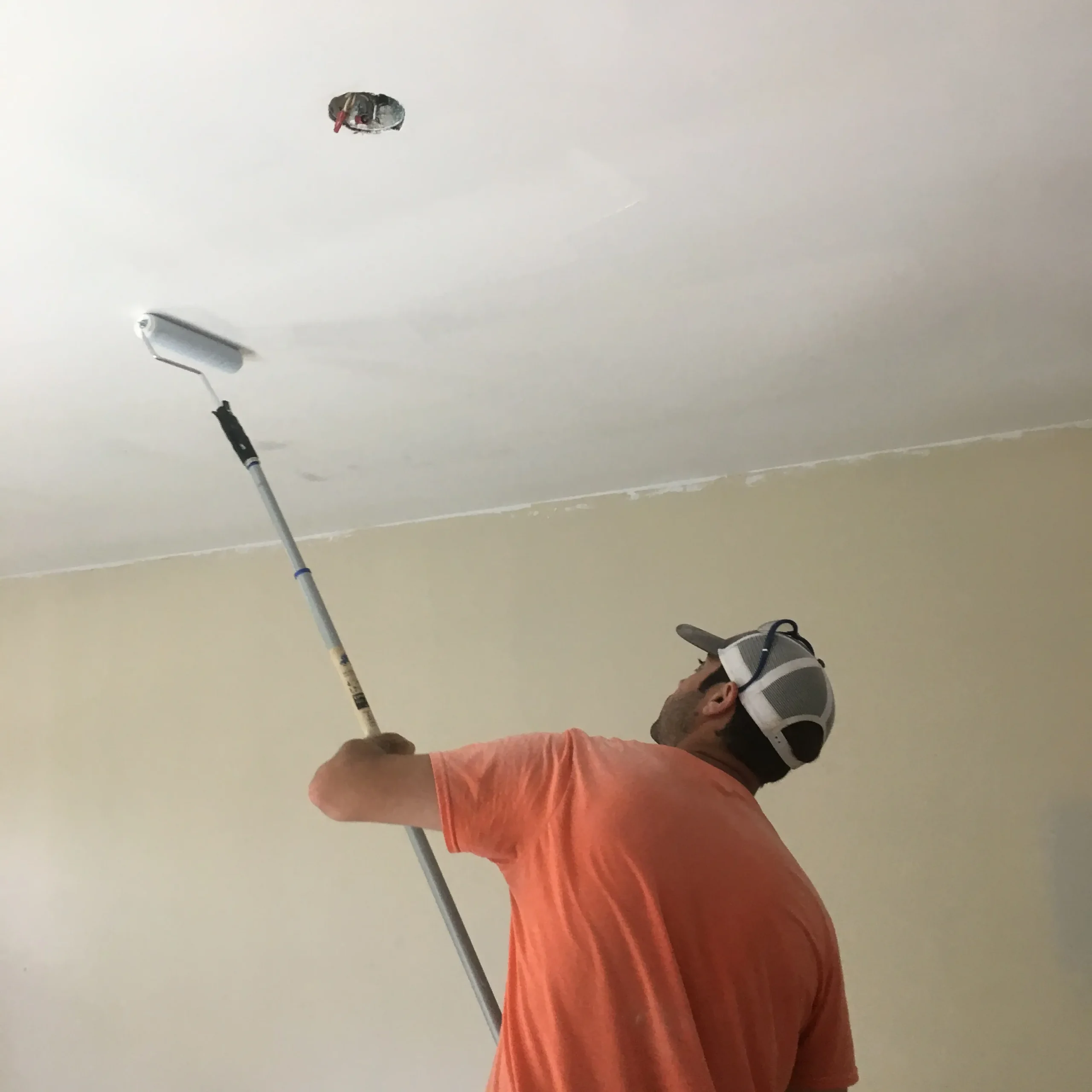
Before anything is touched, the crew walks the eaves, valleys and gutter line and photographs every dam and every point where water is tracking inside. You get shown what they found. Then the dam comes off in sections, starting wherever water is actively backing up, so drainage opens early rather than at the end. Water Stain on the Ceiling in Winter.
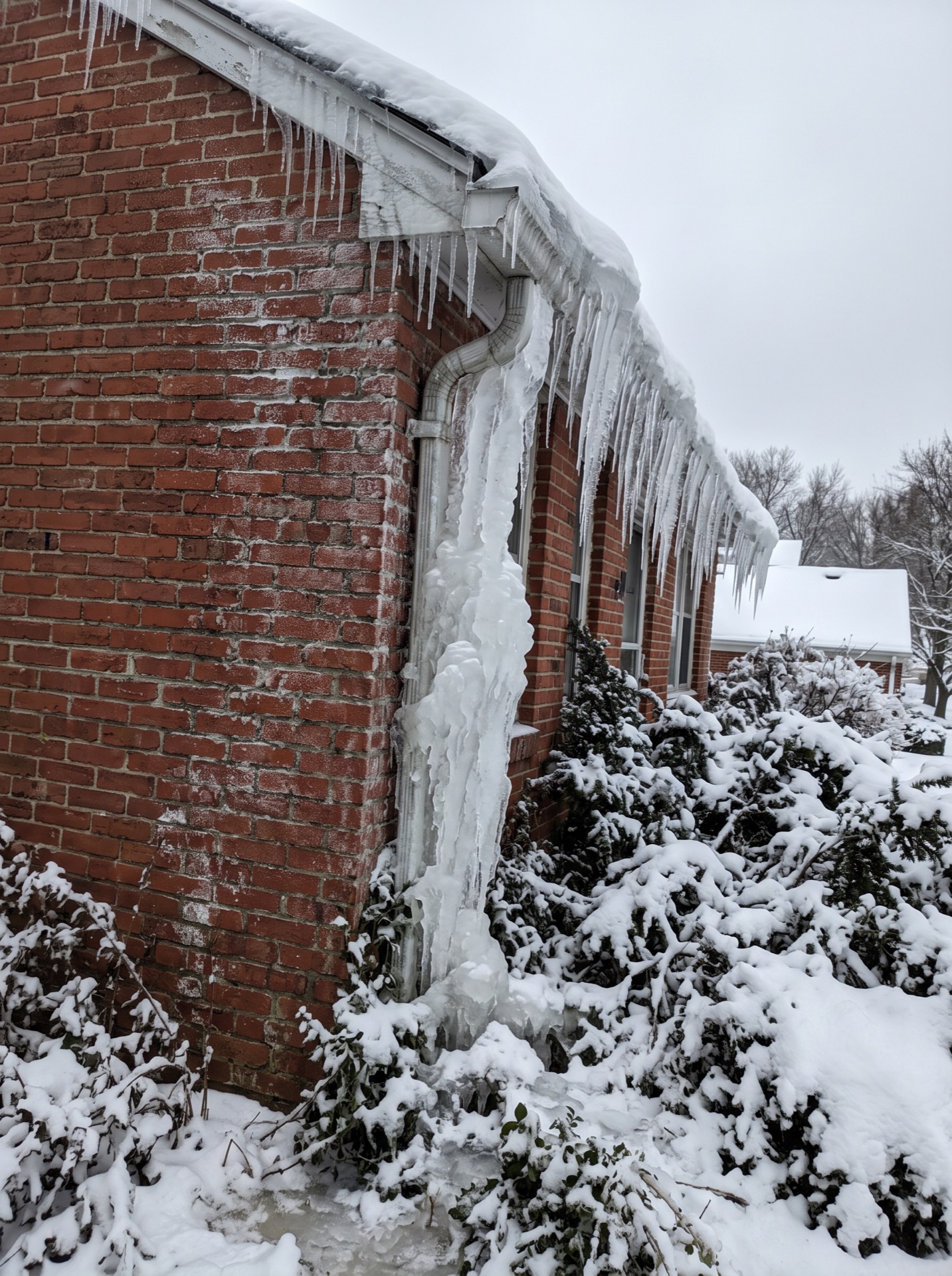
Downspouts and gutter troughs get cleared in the same visit where they are frozen, because a dam removed above a solid block of ice in the gutter just reforms in the next cold night.
What gets photographed, and why it matters later
Before the lance comes out, the crew shoots the dam from the ground and from the roof, the icicle line, any staining visible inside, and the specific courses where water is tracking under the shingles. Timestamps are on every frame.
That record is the whole case if a claim follows. An adjuster arriving in March sees a dry roof and a stained ceiling; the photographs are what connect the two, and they are what a maintenance-exclusion denial runs into.
What steam actually does
A steam unit delivers water at roughly 290°F at a pressure low enough to rest your hand in the plume. It cuts a channel straight through the ice and lifts the dam off in sections, right down to the shingle. The heat does the work, not force, so granules, seal strips and flashing come through untouched.
That is the whole difference between steam and the hot pressure washers often sold as steam. A pressure washer cuts ice fast because of its pressure — and that same pressure strips the granules off asphalt shingles and drives water up under the courses. One method removes ice. The other removes ice and roof.
What the dam has already done to the gutter and fascia
Ice expands as it forms, and a trough packed solid pushes the gutter away from the fascia a little more every cycle. By the time the dam is thick enough to leak, the hangers are often pulled, the back of the trough has lifted, and the fascia board behind it has been wet for weeks.
None of that is visible until the ice is off. It gets photographed when it appears, because a bent gutter found in February is a great deal easier to argue about with a carrier than one discovered in May.
If water already got inside
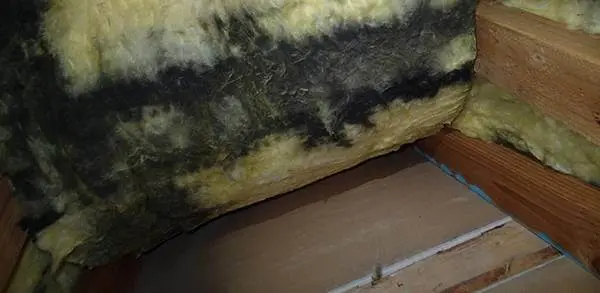
Taking the ice off stops new water. It does nothing about what is already in the insulation, the ceiling and the walls of a Lafayette home.
The same company handles the rest: water mitigation and dryout, mold remediation where the water has led to growth, the interior repair, and the roof where the dam damaged it, all documented on one insurance claim.

What you get in Lafayette
- Photographed as we workDated before and after images and a written scope your adjuster will accept
- Steam onlySafe on asphalt, cedar, slate, tile and metal — no chipping, no pressure, no salt
- Valleys and dormersThe dead spots that hold the deepest ice get worked specifically
| Documentation | Dated before and after photos, written scope in Xactimate line items |
|---|---|
| Primary climate stressor | Repeated thaw-freeze cycling |
| Coverage area | Lafayette and Tippecanoe County |
| Dispatch window | Same day to 24 hours |
| Typical scope | Steam, 4-8 crew hours typical |
| Removal method | Low-pressure steam only. No chipping, salt or pressure washing. |
| Pricing model | Billed by the crew hour, rate quoted before dispatch |
Where We Dispatch Around Lafayette
Crews working Lafayette cover the adjoining communities on the same route — West Lafayette, Dayton, Battle Ground, Buck Creek and Montmorenci — so a storm week usually means one truck handling several addresses in Tippecanoe County rather than separate trips.
Nearest hub towns with their own ice dam removal pages: Kokomo, Zionsville, Westfield, Brownsburg, Carmel, Noblesville.
Scheduling for Lafayette tightens up during a freeze event, which is exactly when the phone beats the form. Water coming in means a call, not an email.
Most jobs do not stop at one service. Ice Dam Removal in Lafayette often runs alongside water mitigation & dryout in Lafayette, and both get written into one scope rather than billed as separate visits.
Active leak right now? Our 24/7 Lafayette steam ice dam removal crews are dispatched first during a freeze event. Call (888) 561-9664.