



The Howard County Trap: Modest Snow, Constant Cycling
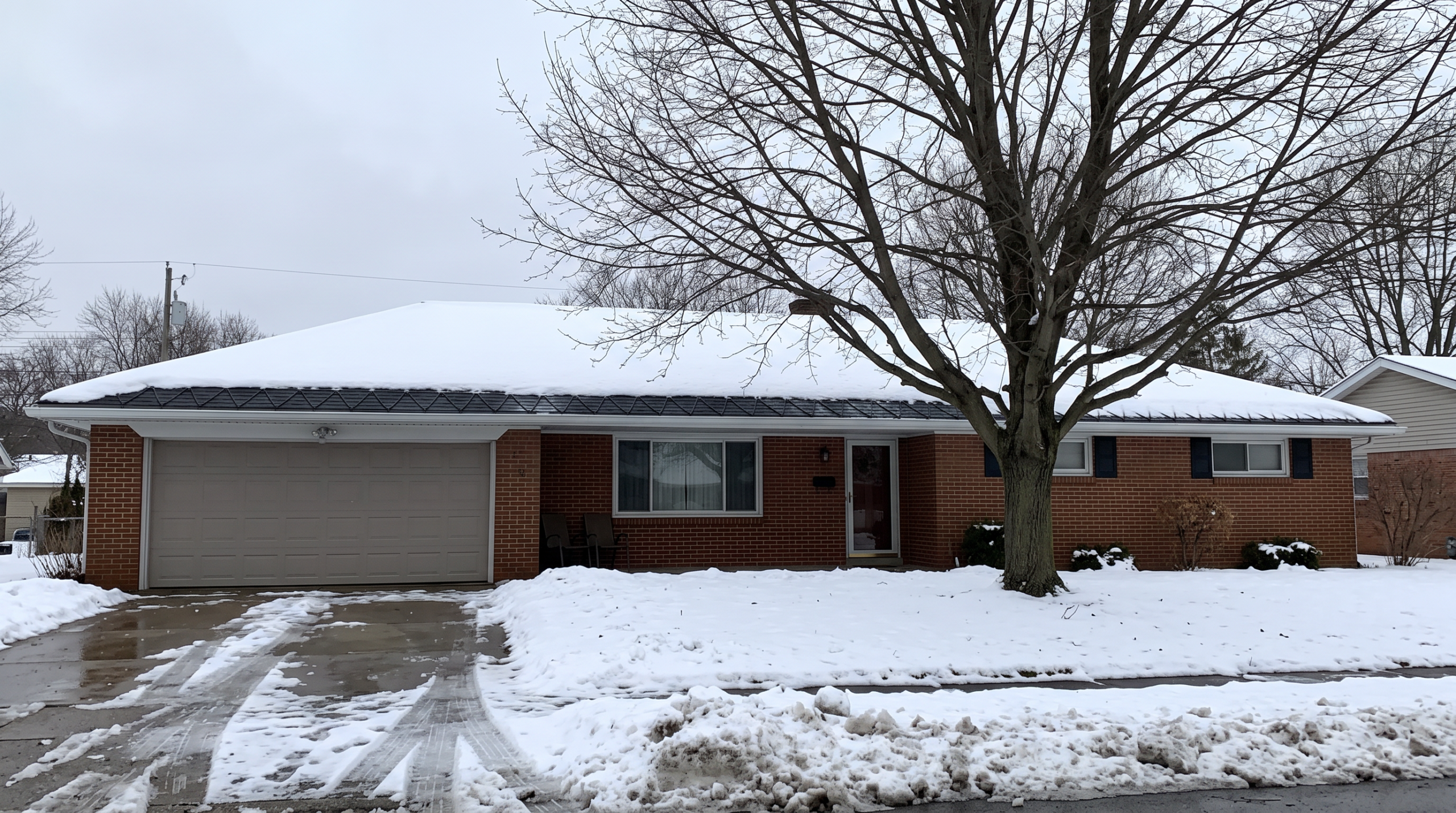
Three inches of snow and a week of days above freezing and nights below it will build ice on a Howard County eave just as reliably as a foot of snow further north.

The building stock has no margin for it. Because the winters here read as mild, attics tend to be under-insulated, eave details are less considered, and ice barrier is as often absent as present on a roof in Kokomo.
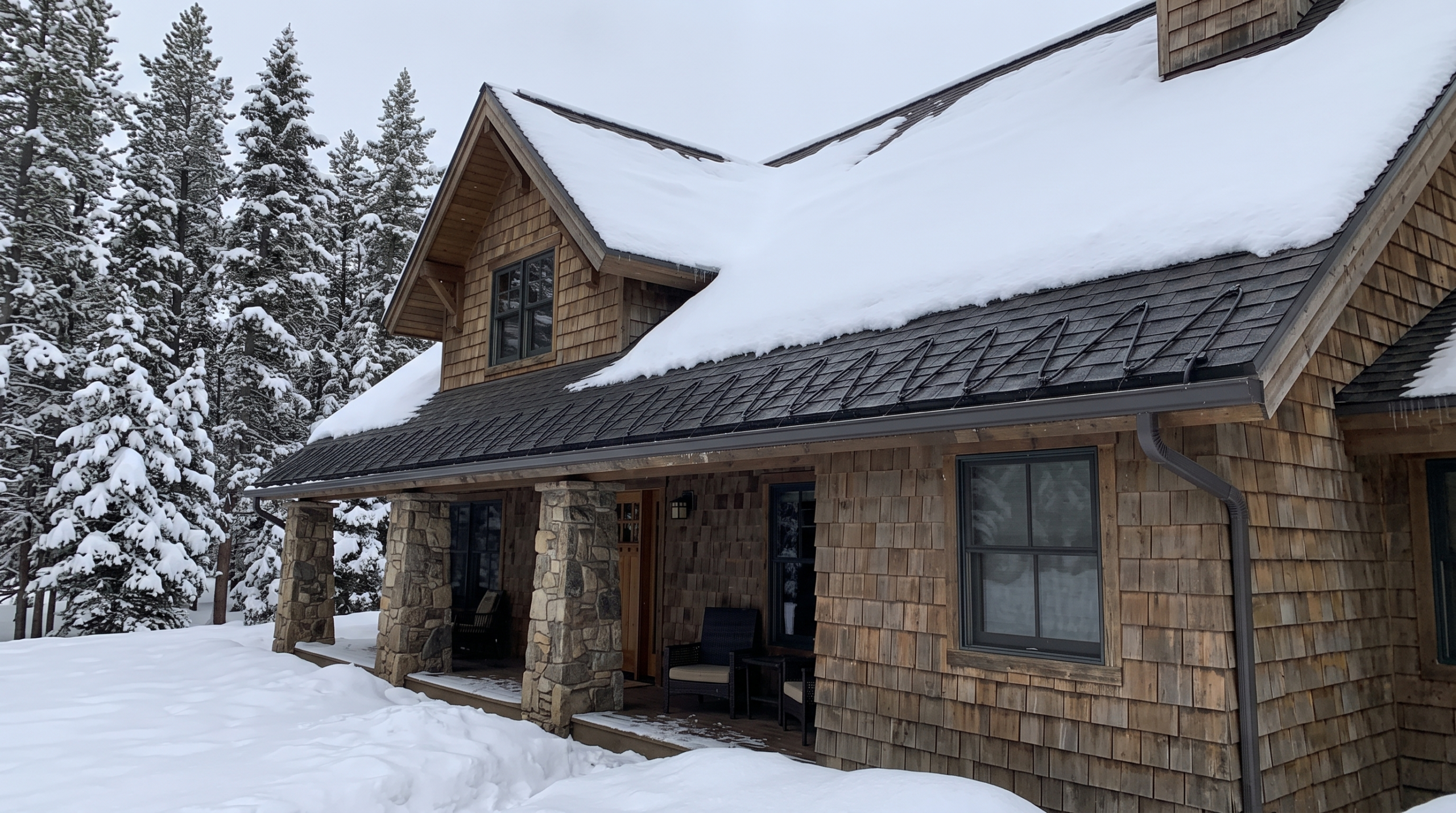
Ice-barrier practice in Howard County
Because ice is not the first thing a homeowner in Kokomo thinks about, the eave membrane is the detail most often value-engineered out of a re-roof quote. It is worth asking for by name.
How We Work a Kokomo Ice Dam
Crews walk the eaves, valleys and gutter line first and photograph every dam and every point where water is tracking inside, before touching anything. You get shown what they found and quoted the crew-hour rate before work starts.
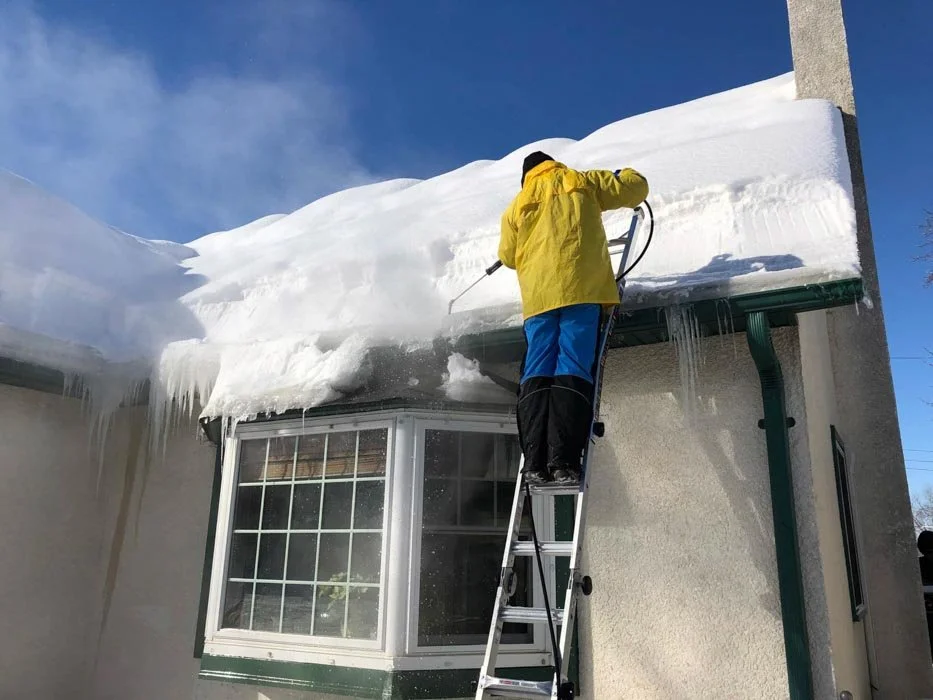
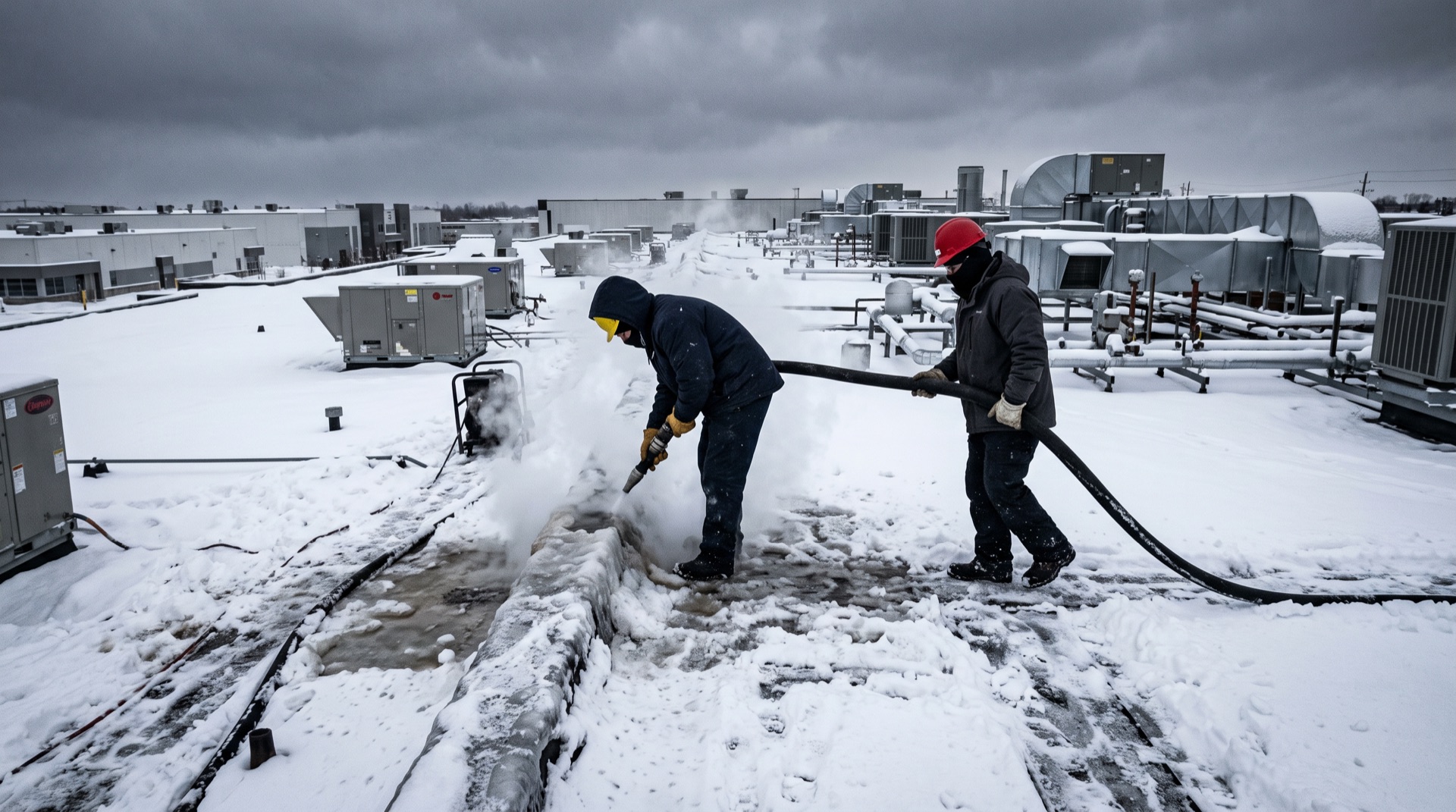
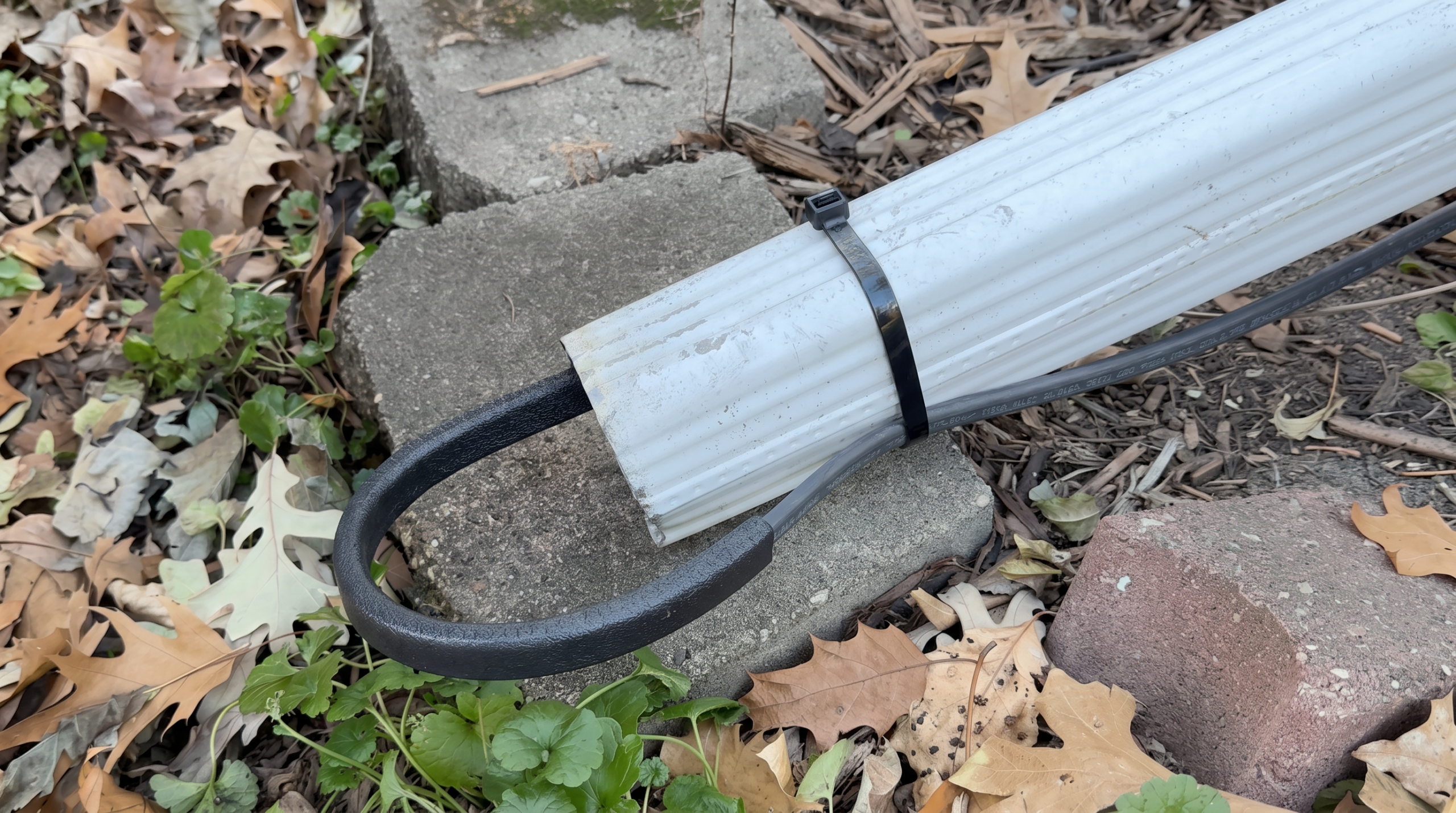
Then the ice comes off with low-pressure steam, starting wherever water is actively backing up so drainage opens early. Frozen gutters and downspouts are cleared in the same visit, because a cleared eave above a solid block of ice in the gutter dams again on the next cold night.
What happens after the ice is off
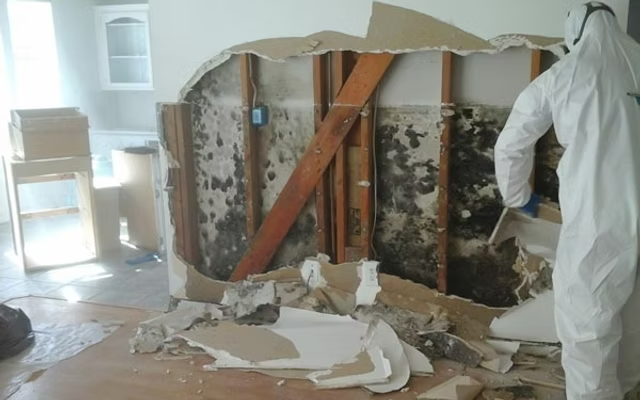
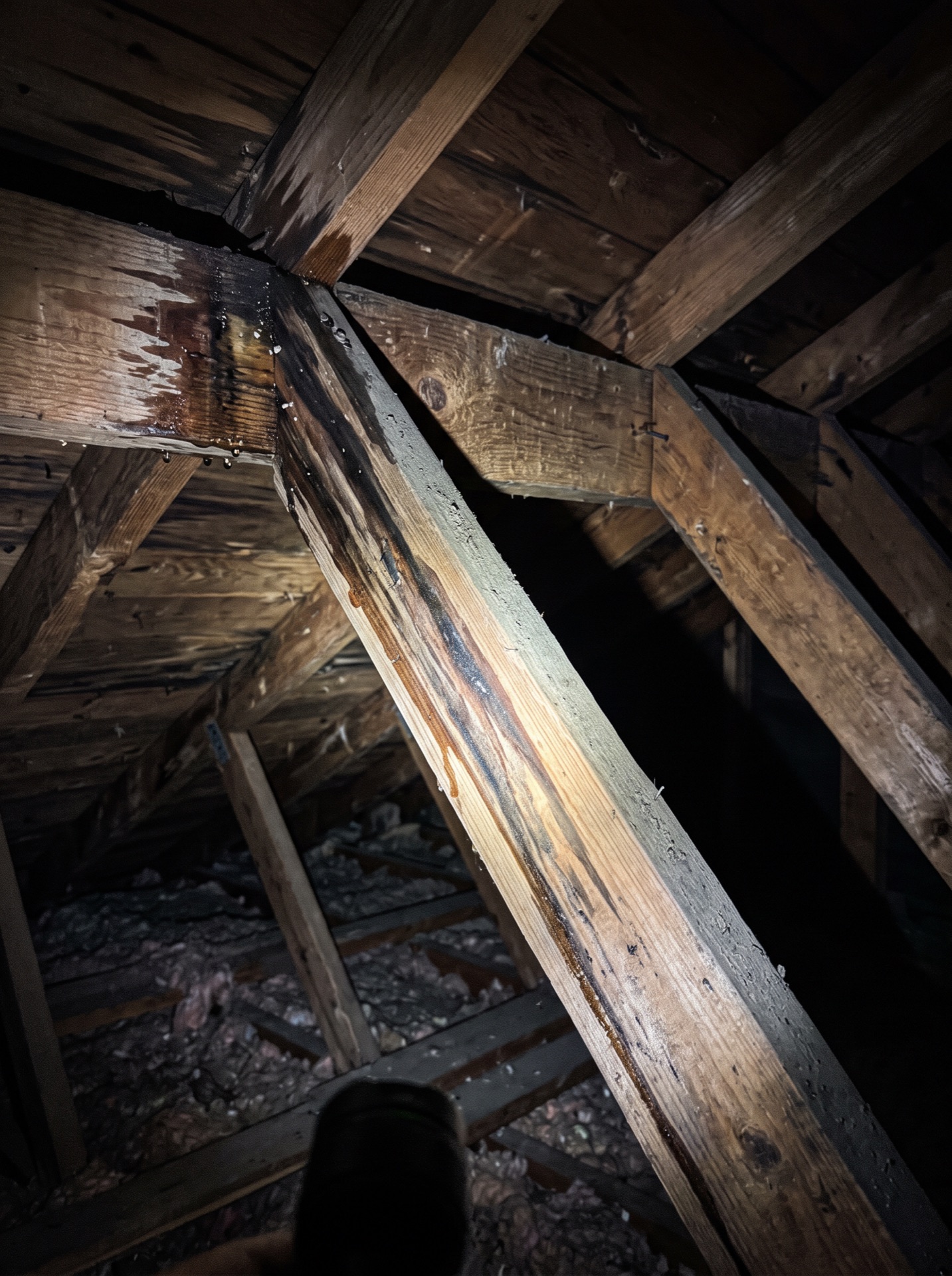
Once the eave is clear and water is draining, the crew walks the interior with you where there is visible damage and says plainly whether it needs drying. Wet insulation and a damp ceiling cavity do not resolve themselves in a cold Kokomo February.
If it does, that is a separate scope and it gets written separately — nobody is upsold a dryout on the strength of one damp patch.
What the dam has already done to the gutter and fascia
Ice expands as it forms, and a trough packed solid pushes the gutter away from the fascia a little more every cycle. By the time the dam is thick enough to leak, the hangers are often pulled, the back of the trough has lifted, and the fascia board behind it has been wet for weeks.
None of that is visible until the ice is off. It gets photographed when it appears, because a bent gutter found in February is a great deal easier to argue about with a carrier than one discovered in May.
Why salt and ice melt make it worse
Calcium chloride opens a narrow channel and leaves the dam standing. The channel refreezes, the dam does not go anywhere, and in the meantime the runoff corrodes gutter seams, fasteners, flashing and anything growing underneath.
It is a stopgap at best. On a roof in Kokomo with an active leak it buys hours, not days, and it adds a corrosion problem to the water problem.
| Documentation | Dated before and after photos, written scope in Xactimate line items |
|---|---|
| Pricing model | Billed by the crew hour, rate quoted before dispatch |
| Dispatch window | Same day to 24 hours |
| Primary climate stressor | Repeated thaw-freeze cycling |
| Removal method | Low-pressure steam only. No chipping, salt or pressure washing. |
| Local ice-barrier practice | Eave membrane on new work, often absent |
| Service | Ice dam removal in Kokomo, IN |
Kokomo Coverage and the Adjoining Communities
Crews working Kokomo cover the adjoining communities on the same route — West Middleton, Oakford, Galveston, Hemlock and Miami — so a storm week usually means one truck handling several addresses in Howard County rather than separate trips.
Nearest hub towns with their own crew pages: Westfield, Noblesville, Anderson, Carmel, Zionsville, Fishers.
During a cold snap Kokomo gets worked alongside the neighboring Howard County towns on the same route, with active interior leaks moved to the front of the list.
Water through a ceiling in Kokomo is a same-day call, not a next-week one. (888) 561-9664 goes straight to dispatch.