




Fishers Ice Dams: Why a Few Inches Is Enough
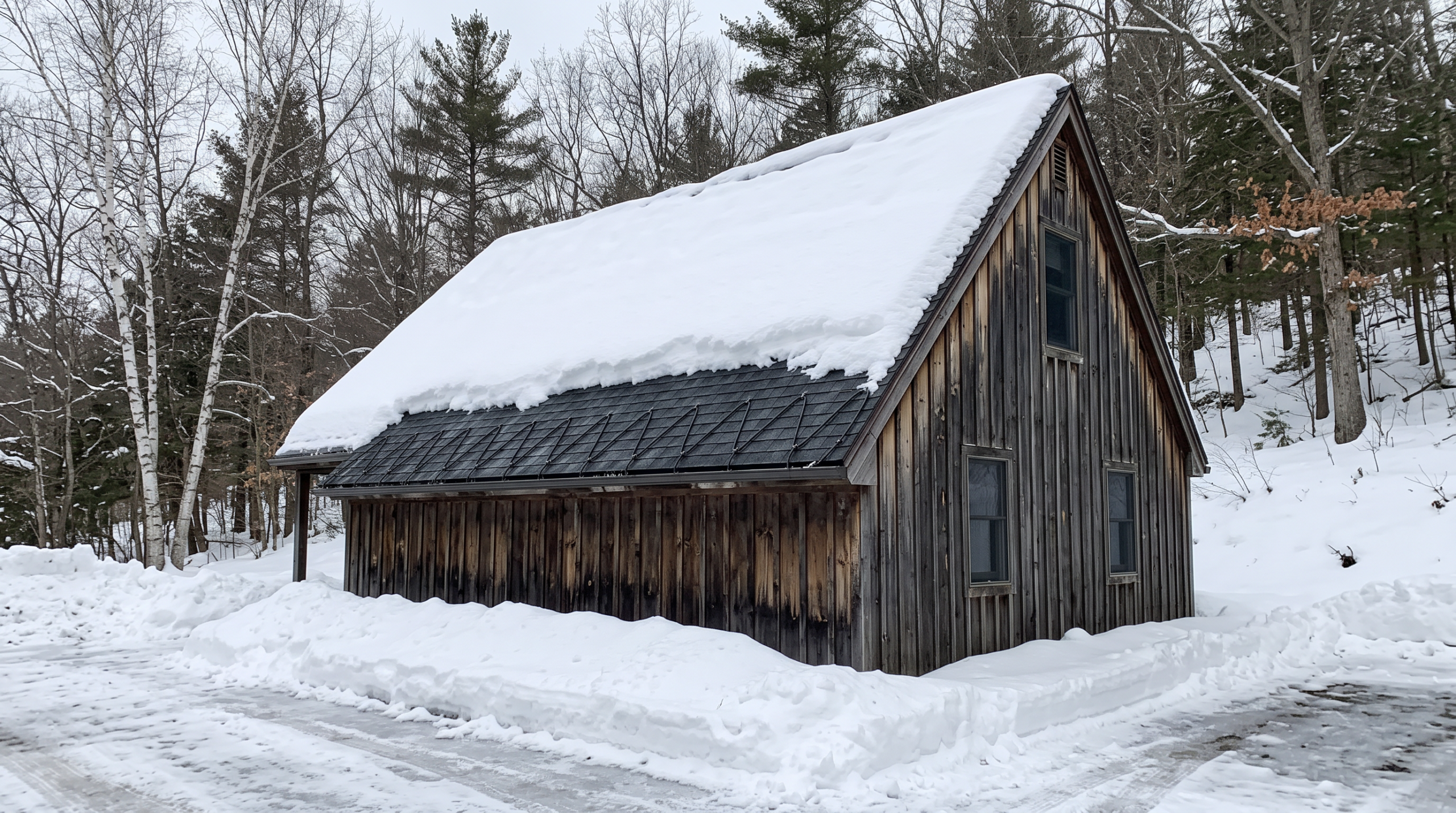
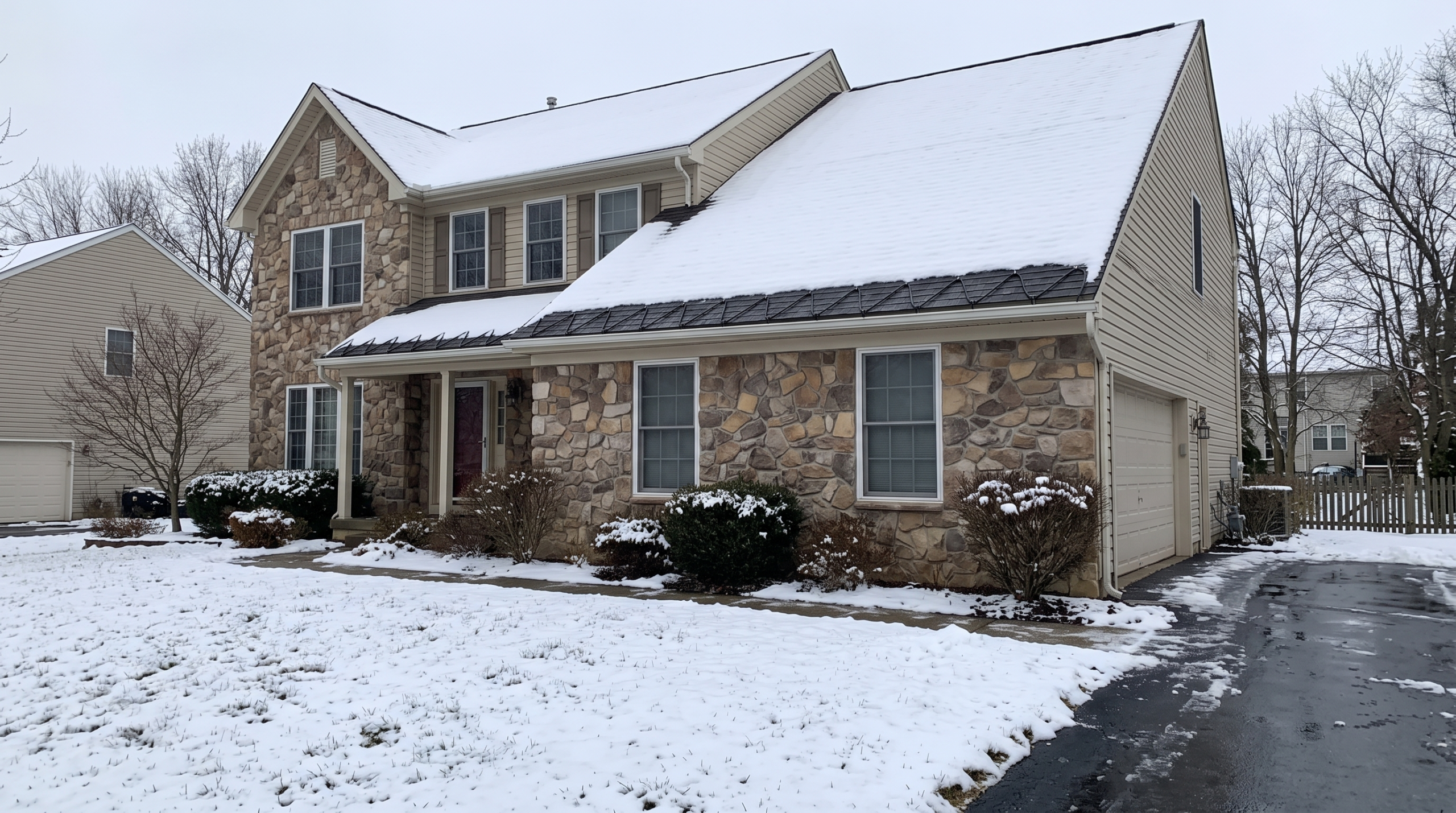
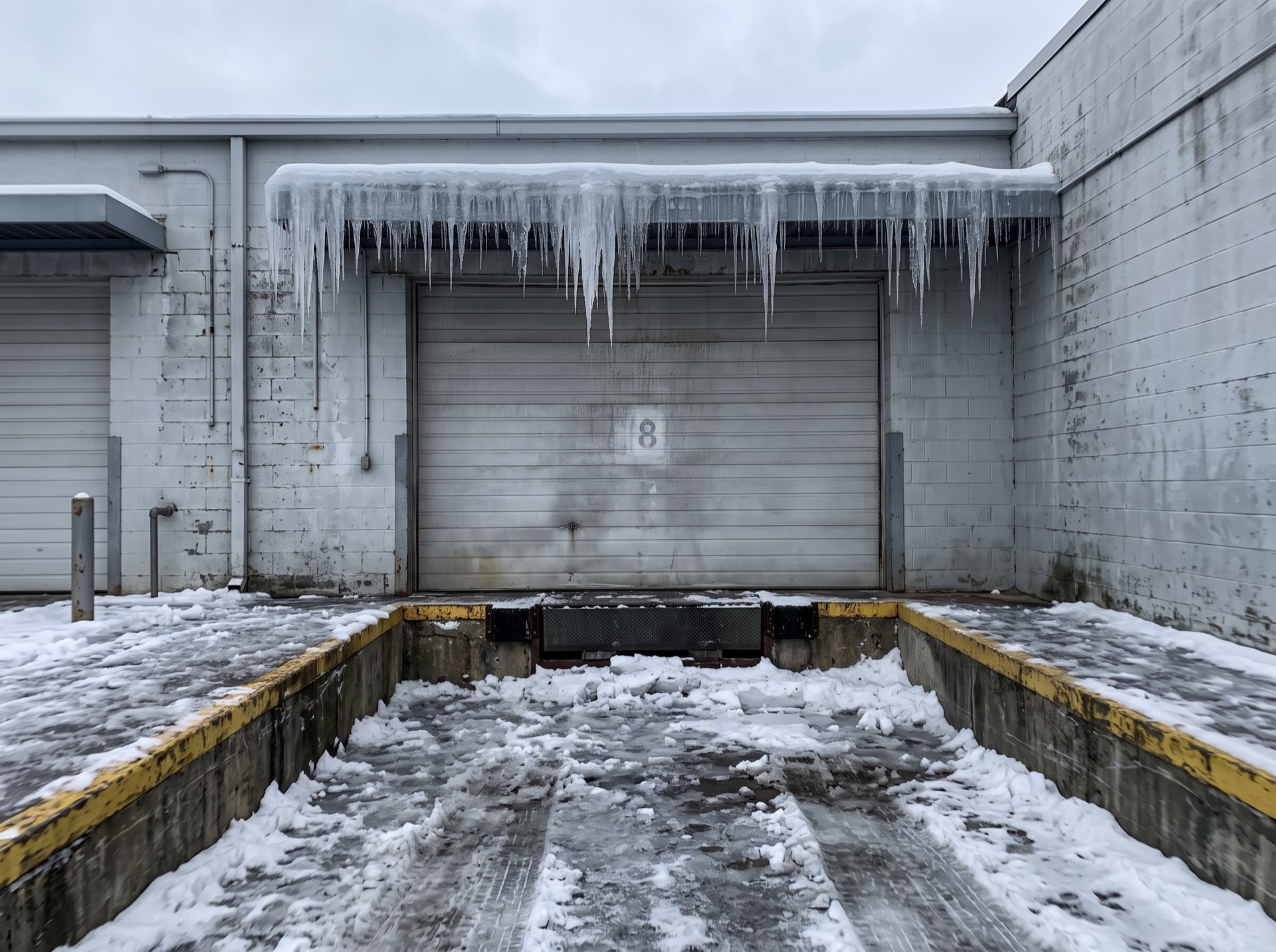
What catches people out in Hamilton County is that the snow looks harmless. Two or three inches reads as nothing, and it builds ice on an eave just as effectively as a northern storm given enough cycles.

That is the part homeowners miss. Total snowfall here is modest compared with the northern belt, so roofs in Hamilton County are often built and insulated as though ice is not a concern. Then a cycling week in January finds every weak eave at once.
Ice-barrier practice in Hamilton County
Because ice is not the first thing a homeowner in Fishers thinks about, the eave membrane is the detail most often value-engineered out of a re-roof quote. It is worth asking for by name.
How We Work a Fishers Ice Dam
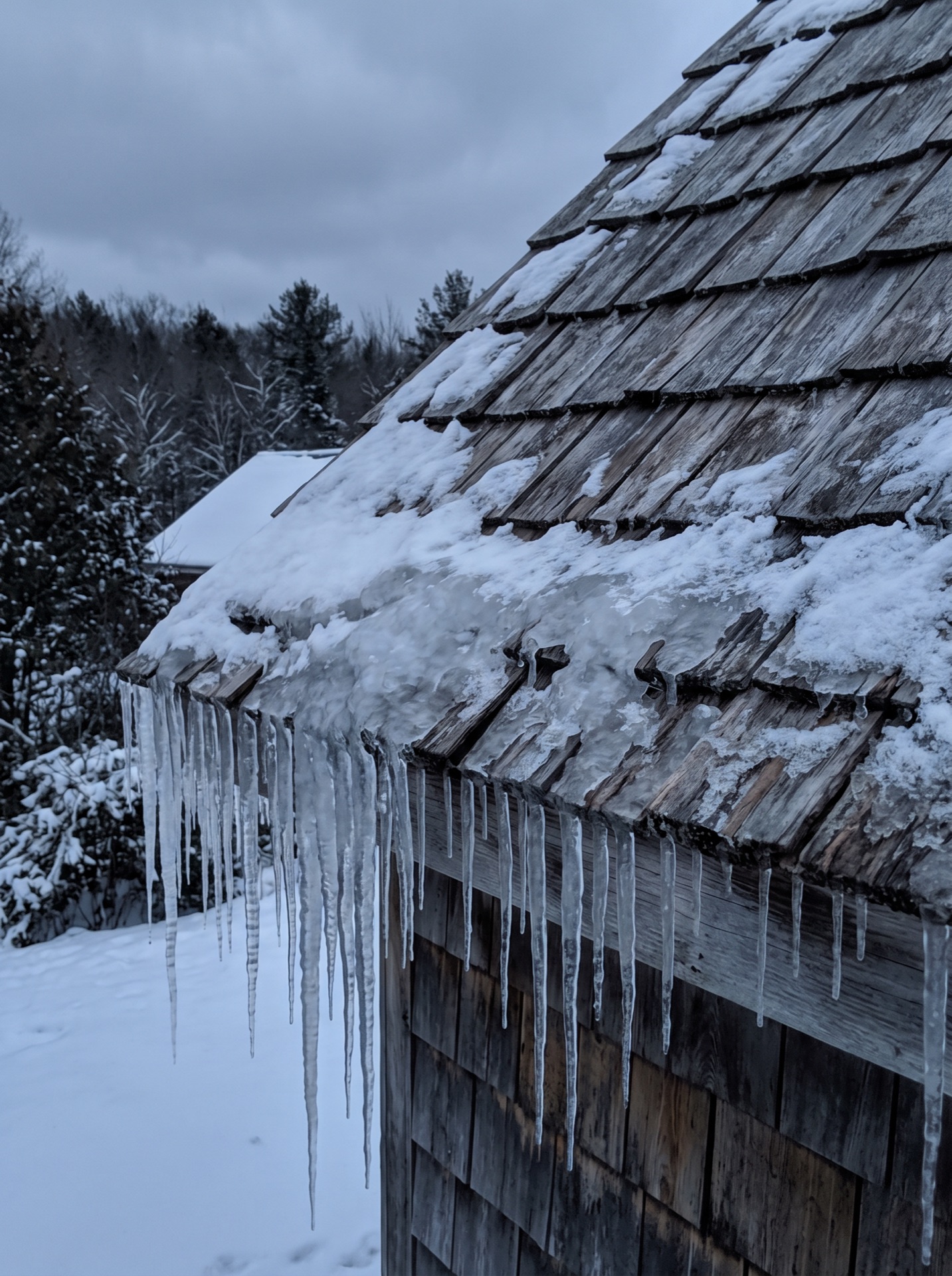
Crews walk the eaves, valleys and gutter line first and photograph every dam and every point where water is tracking inside, before touching anything. You get shown what they found and quoted the crew-hour rate before work starts.
Then the ice comes off with low-pressure steam, starting wherever water is actively backing up so drainage opens early. Frozen gutters and downspouts are cleared in the same visit, because a cleared eave above a solid block of ice in the gutter dams again on the next cold night.
What happens after the ice is off
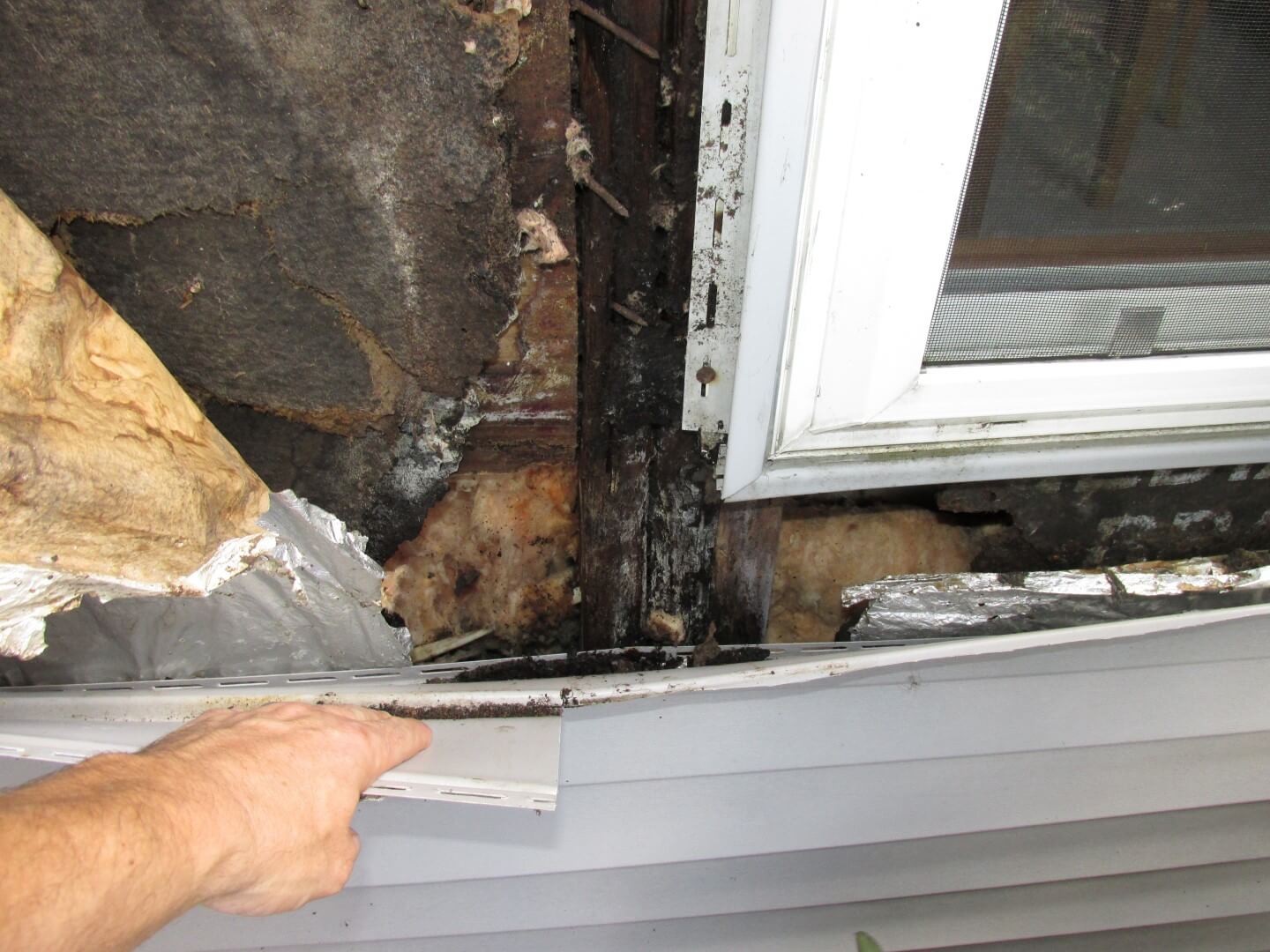
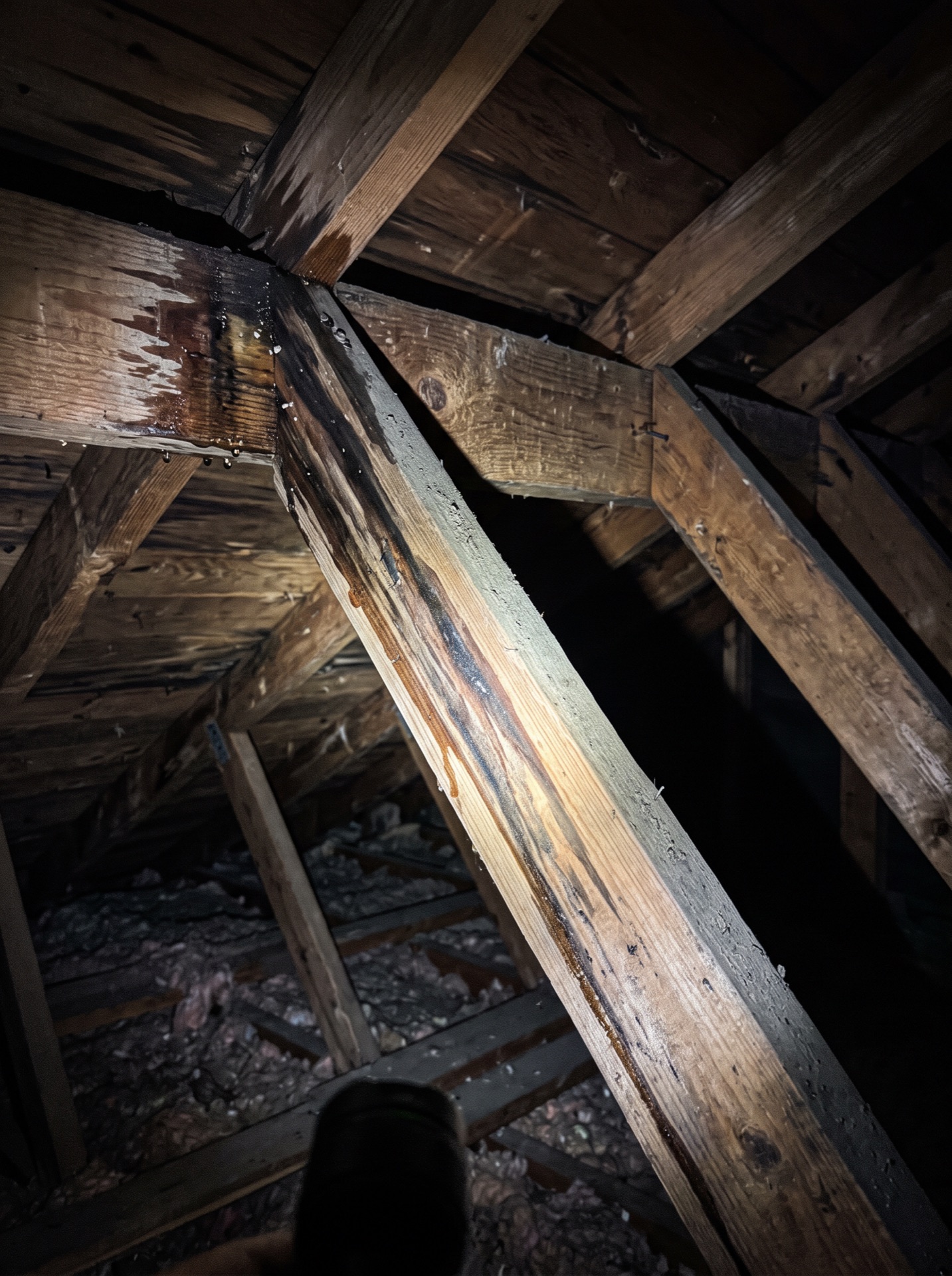
Once the eave is clear and water is draining, the crew walks the interior with you where there is visible damage and says plainly whether it needs drying. Wet insulation and a damp ceiling cavity do not resolve themselves in a cold Fishers February.
If it does, that is a separate scope and it gets written separately — nobody is upsold a dryout on the strength of one damp patch.
What steam actually does
A steam unit delivers water at roughly 290°F at a pressure low enough to rest your hand in the plume. It cuts a channel straight through the ice and lifts the dam off in sections, right down to the shingle. The heat does the work, not force, so granules, seal strips and flashing come through untouched.
That is the whole difference between steam and the hot pressure washers often sold as steam. A pressure washer cuts ice fast because of its pressure — and that same pressure strips the granules off asphalt shingles and drives water up under the courses. One method removes ice. The other removes ice and roof.
What the crew does on arrival
Before anything is touched, the crew walks the eaves, valleys and gutter line and photographs every dam and every point where water is tracking inside. You get shown what they found. Then the dam comes off in sections, starting wherever water is actively backing up, so drainage opens early rather than at the end.
Downspouts and gutter troughs get cleared in the same visit where they are frozen, because a dam removed above a solid block of ice in the gutter just reforms in the next cold night.
| Dispatch window | Same day to 24 hours |
|---|---|
| Pricing model | Billed by the crew hour, rate quoted before dispatch |
| Removal method | Low-pressure steam only. No chipping, salt or pressure washing. |
| Local ice-barrier practice | Eave membrane on new work, often absent |
| Typical scope | Steam, 4-8 crew hours typical |
| Service | Ice dam removal in Fishers, IN |
| Documentation | Dated before and after photos, written scope in Xactimate line items |
Fishers Coverage and the Adjoining Communities
Crews working Fishers cover the adjoining communities on the same route — Mc Cordsville, Ingalls, Fortville, Pendleton and Lapel — so a storm week usually means one truck handling several addresses in Hamilton County rather than separate trips.
Nearest hub towns with their own crew pages: Noblesville, Lawrence, Carmel, Westfield, Indianapolis, Anderson.
During a cold snap Fishers gets worked alongside the neighboring Hamilton County towns on the same route, with active interior leaks moved to the front of the list.
Water through a ceiling in Fishers is a same-day call, not a next-week one. (888) 561-9664 goes straight to dispatch.