Most Lakewood homeowners find out about an ice dam from the inside — a damp patch on a bedroom ceiling, or water tracking down the inside of a window frame. As part of our complete Lakewood winter roof services, crews handle heated roof & gutter cables across Jefferson County.
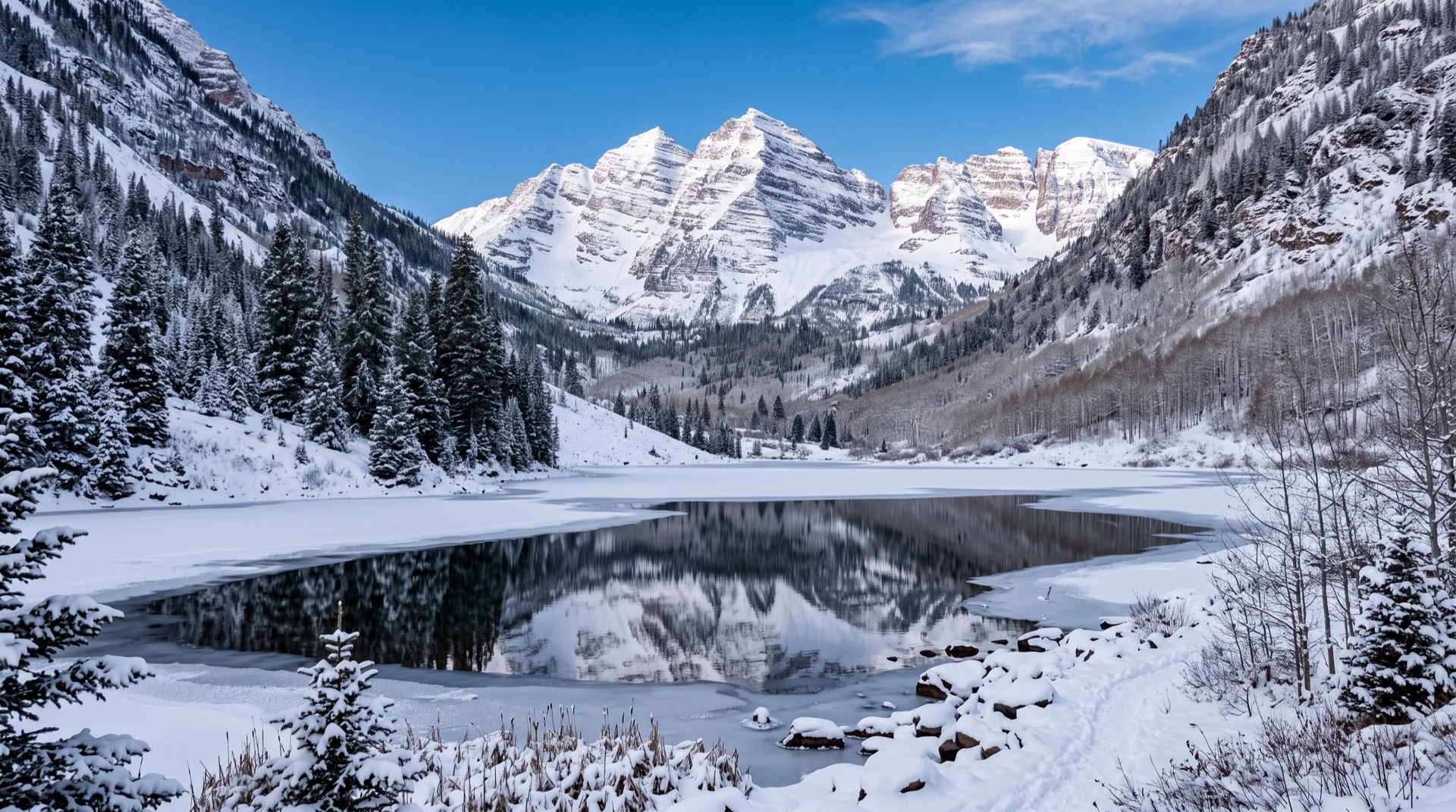
Elevation, Aspect and Ice: The Jefferson County Pattern
The pack at this elevation is deep enough to act as its own insulation, which means the surface melts under sun while the base stays locked. Water released at the top has to travel through and under all of it.

Aspect decides which eaves suffer. A sunny plane sheds water across a roof in Lakewood to a shaded eave that has not been above freezing for weeks, and that is where the ice builds into a wall.
Ice-barrier practice in Jefferson County
Design snow loads up here are among the highest in the country, and the membrane and retention details that come with them are not paperwork. On an older Lakewood cabin neither is likely to be present.
Heated Roof & Gutter Cables in Lakewood: How The Work Runs
Valleys, downspouts and the parts people forget
A zig-zag along the eave with nothing in the valley and nothing down the downspout produces a melted strip of roof draining into a solid block of ice. The water still has nowhere to go, and the dam just forms somewhere slightly different. Icicles and a Wet Ceiling.
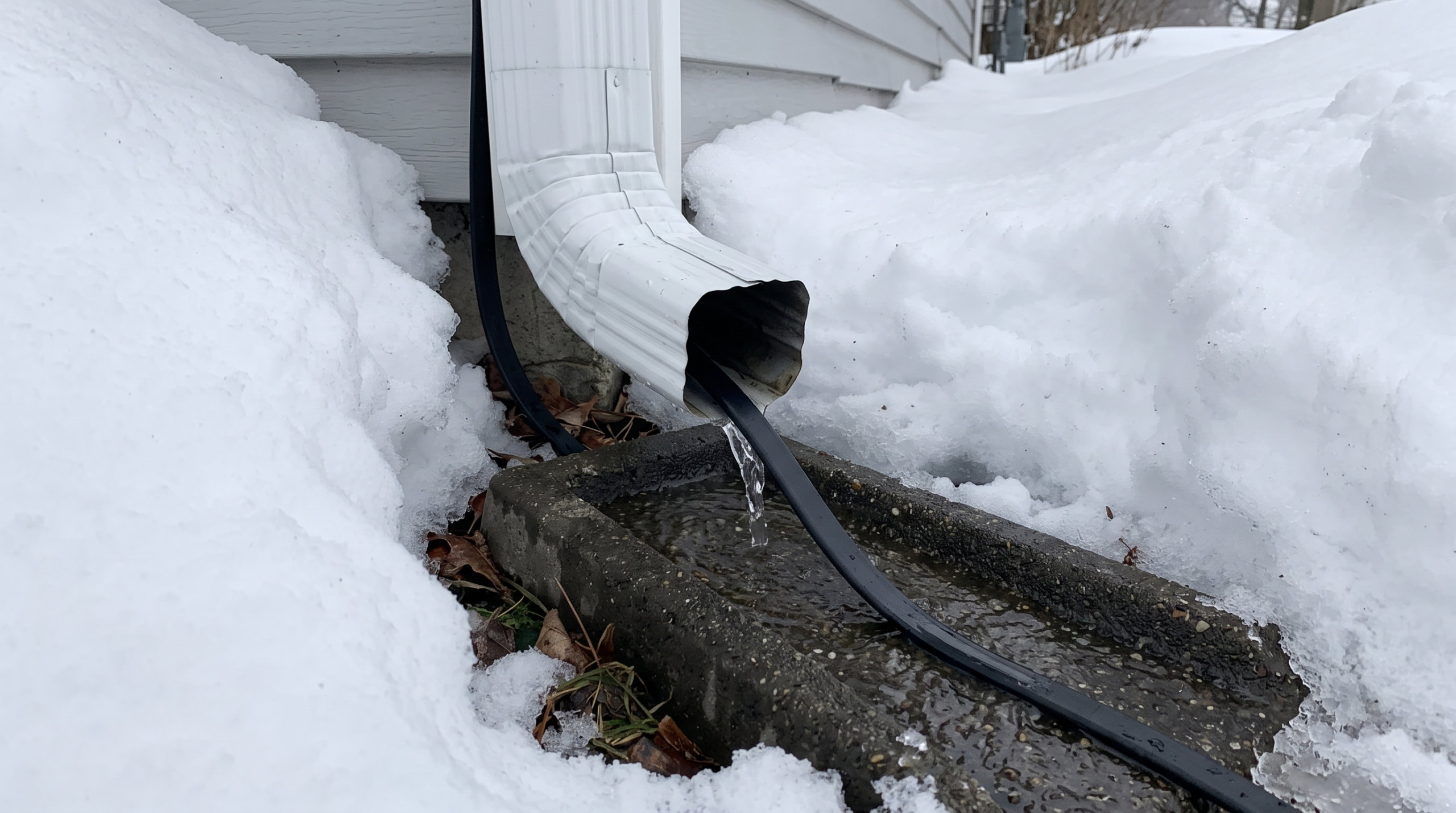
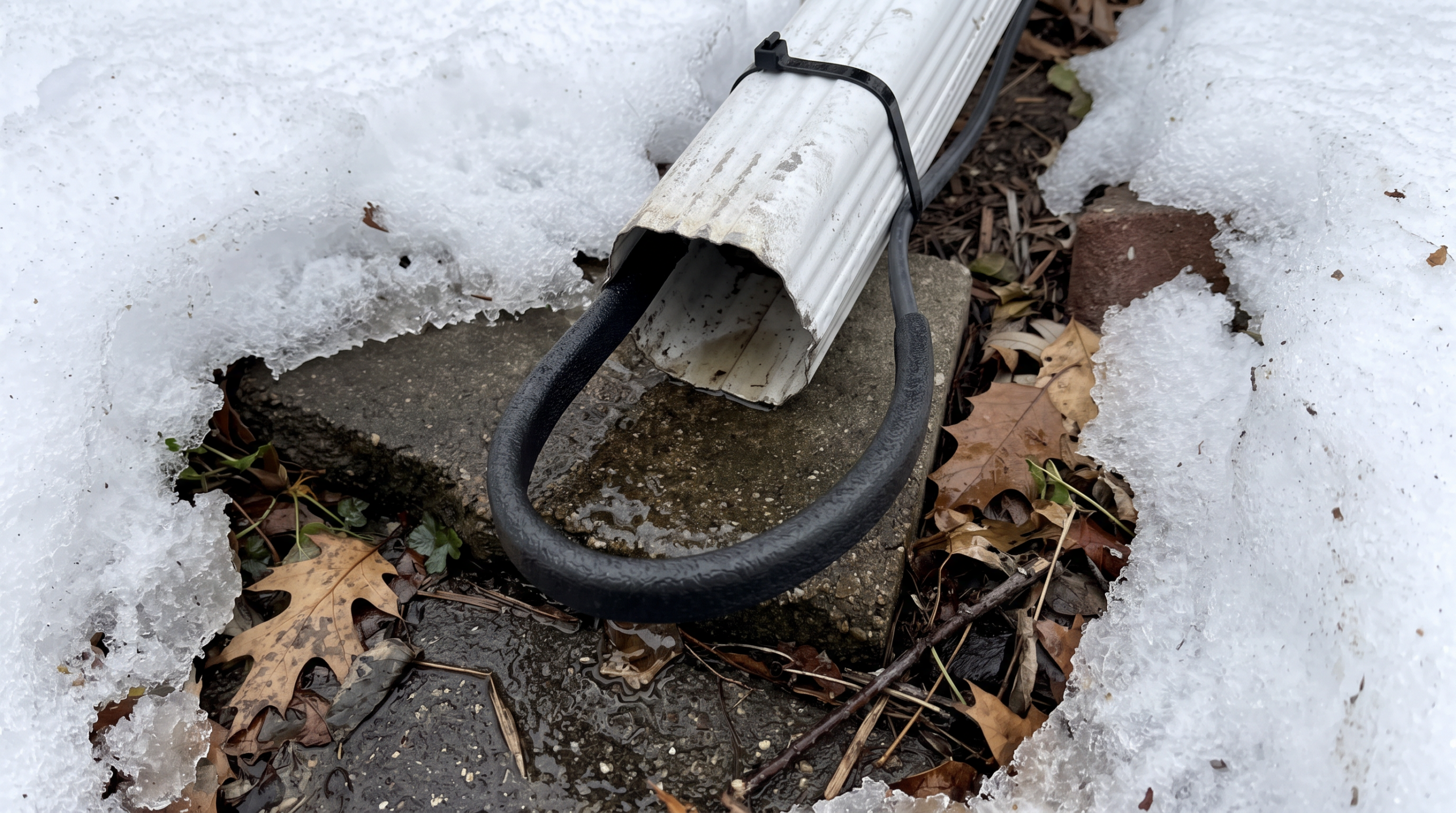
A system that works runs the full path: eave, valley, gutter trough and all the way down the downspout to daylight. The downspout run is the piece most often left out and the piece most often responsible for the system not working.
What heat trace does and does not do
A properly designed system keeps a continuous drainage channel open from the roof surface through the gutter and down the leader to the ground. Meltwater that would have refrozen at the cold eave instead keeps running. It does not melt the snow off your roof, and it will not remove a dam that has already formed — it prevents the dam from establishing in the first place.
That distinction matters when comparing quotes. Anyone selling cable as an emergency fix for an existing dam is selling the wrong product.
What shortens the life of a cable run
Self-regulating cable is generally good for a decade or more. What ends it early is ultraviolet exposure on a run left unshaded through summer, physical damage from somebody raking or shovelling over it, rodents in the gutter, and ice loading on clips that were never rated for it.
A system installed with UV-stable cable, proper clips and a note on the roof plan saying where it runs will usually outlast one that was simply stapled up in a hurry.
Controls decide the running cost
A cable on a plain thermostat runs through every dry cold snap, which is most of the winter and none of the risk. A combined temperature and moisture sensor runs it only when there is both cold and water present.
On a Lakewood winter that difference is most of the operating cost, and the controller pays for itself quickly.
Commercial and multi-family runs
The same cable on a large building becomes a different exercise - several hundred feet of run, multiple circuits, a controller that something has to monitor, and a decision about who gets the alarm when a circuit fails.
Scope, circuit loading and control strategy get worked out with whoever maintains the Lakewood building, because a heat-trace system nobody owns is a heat-trace system that stops working in its third winter.
What you get in Lakewood
- Self-regulating cableOutput varies along the run; safe to overlap, cut to length on site
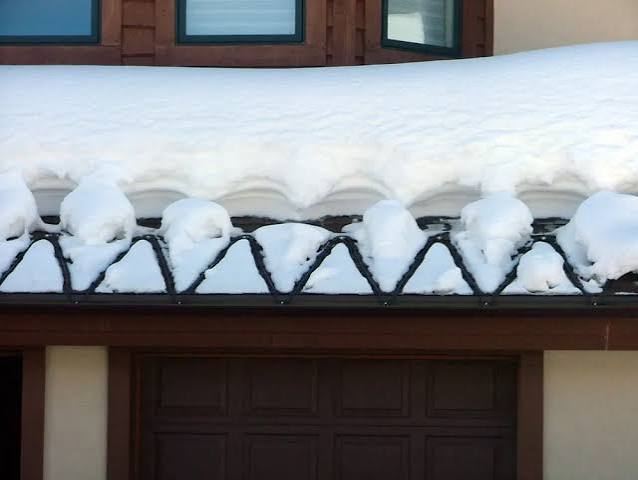
- Complete drain pathEave zig-zag, valleys, gutter trough and downspout to daylight
- Downspout traced to daylightThe drain path ends on the ground, not in a block of ice
| Removal method | Low-pressure steam only. No chipping, salt or pressure washing. |
|---|---|
| Primary climate stressor | Solar melt on deep pack, shaded eaves |
| Documentation | Dated before and after photos, written scope in Xactimate line items |
| Local ice-barrier practice | Extended membrane plus snow retention |
| Coverage area | Lakewood and Jefferson County |
| Dispatch window | 24 to 48 hours in mountain terrain |
| Service | Heated Roof & Gutter Cables in Lakewood, CO |
Where We Dispatch Around Lakewood
Crews working Lakewood cover the adjoining communities on the same route — Morrison, Idledale, Indian Hills, Kittredge and Dupont — so a storm week usually means one truck handling several addresses in Jefferson County rather than separate trips.
Nearest hub towns with their own heat cables pages: Wheat Ridge, Denver, Golden, Englewood, Arvada, Littleton.
During a cold snap Lakewood gets worked alongside the neighboring Jefferson County towns on the same route, with active interior leaks moved to the front of the list.
Most jobs do not stop at one service. Heat Cables in Lakewood often runs alongside ice dam removal in Lakewood, and both get written into one scope rather than billed as separate visits.
Active leak right now? Our 24/7 Lakewood steam ice dam removal crews are dispatched first during a freeze event. Call (888) 561-9664.