



Skip to content
Denver, CO
High-Altitude Solar Melt · Denver County

Ice Dam Removal in Denver, CO — Alpine Emergency Crews

Ice Dam Now provides emergency ice dam removal, roof snow clearing and water mitigation in Denver, CO and across Denver County. Removal uses low-pressure steam only, never chipping or pressure washing. Crews dispatch same day for active interior leaks, bill by the crew hour at a rate quoted beforehand, and document every job for insurance.

Same-day steam crews in Denver
Roof snow cleared before the next dam forms
Frozen gutters and downspouts opened up
Photos and a written scope for your claim

Get Ice Dam Help Denver

A few quick questions, then pick a time. If water is coming in, call instead.

What is the zip code of the home?

Roof leaking right now? Call (888) 561-9664 — that is faster than any form.
Water coming through the ceiling?Every hour an ice dam sits there, more water gets under the shingles.Call (888) 561-9664
24/7
Dispatch All Winter
Steam
Only — No Pressure
Denver
County Coverage
Same Day
For Active Leaks
Insured
Licensed & Harness-Certified
Denver Services

What We Do In Denver

Every service below is dispatched to Denver and the surrounding Denver County addresses.

Emergency
Large icicles and ice dam forming along gutters of gray house in winter

Ice Dam Removal in Denver

24/7 Emergency Steam

Low-pressure steam melts the dam off the eave in sections until the shingle is clear and water is draining again.

Book Ice Dam Removal in Denver
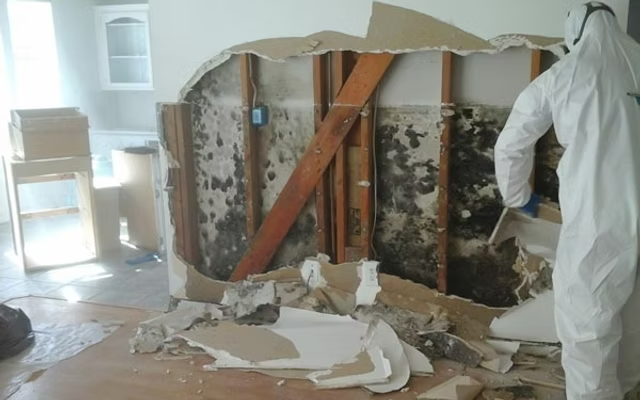
Mold remediation specialist in hazmat suit removing black mold from exposed wall studs

Mold Remediation in Denver

IICRC S520 Standard

Attic, wall cavity and ceiling mold left behind by ice dam water, removed under containment and cleared before the room is rebuilt.

Book Inspection in Denver
Worker in safety harness shoveling heavy snow off a residential roof

Roof Snow Removal in Denver

Stops The Next Dam

No snow on the roof means no meltwater, and no meltwater means no new dam.

Request Snow Clearing in Denver
Man using a roof rake to pull heavy snow off house eaves in winter

Roof Shoveling in Denver

Hand Clearing

Deep pack, dead valleys and dormer pockets, cleared by hand where a rake cannot reach.

Request Hand Shoveling in Denver
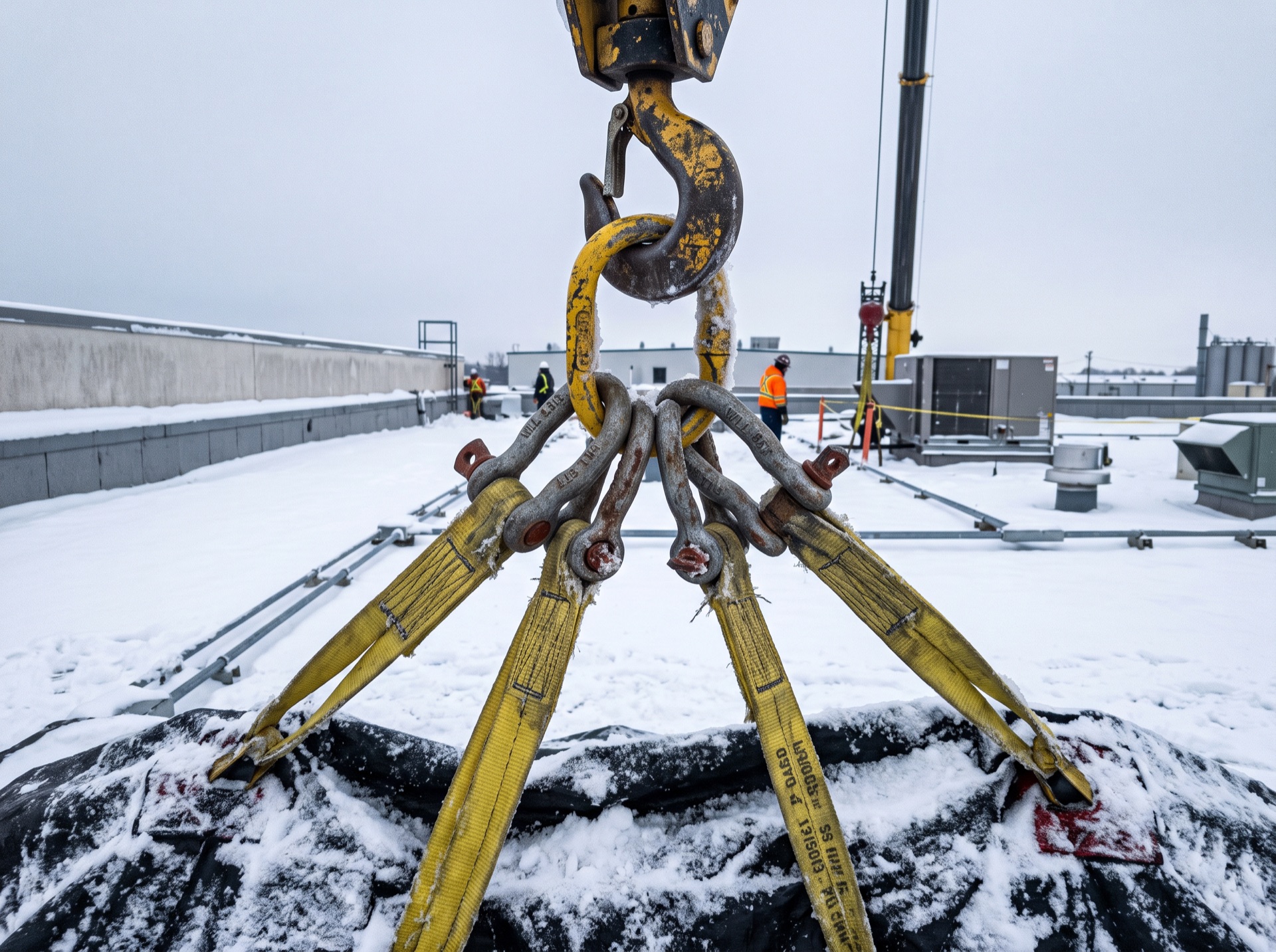
Crane hook with yellow lifting straps and shackles attached to snow-covered tarp on rooftop

Crane-Assisted Snow Removal in Denver

Deep Drifts & Big Roofs

Snow tarps rigged and lifted by boom crane where drifts are too deep and too heavy to move by hand.

Ask About A Crane Pick in Denver
Emergency
technician in Tyvek suit and respirator removing contaminated pink insulation in attic

Water Mitigation & Dryout in Denver

IICRC S500 Standard

Extraction, drying and controlled tear-out to IICRC S500, then the interior repair, so the water that already got in does not become rot and mold by spring.

Start Dryout in Denver
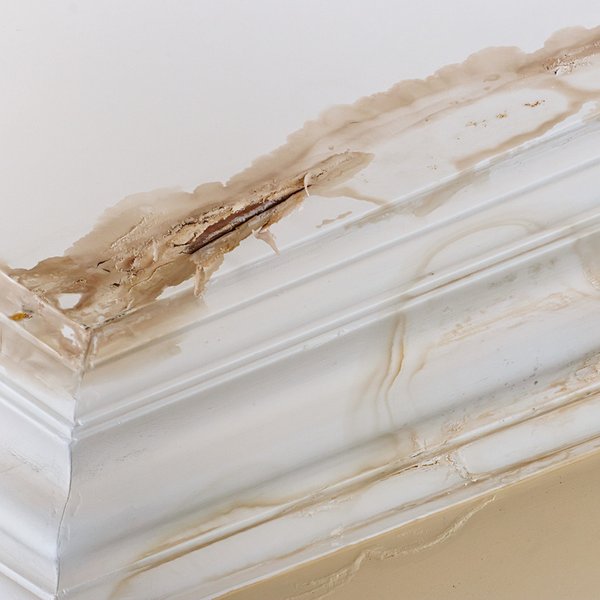
water damaged ceiling and crown molding with brown stains from ice dam leak

Ice Dam Insurance Claims in Denver

Xactimate Scopes

One claim for the whole event: ice dam removal, water mitigation, mold remediation, interior repair and roof replacement where the storm damaged it, documented in Xactimate line items.

Get Claim Help in Denver
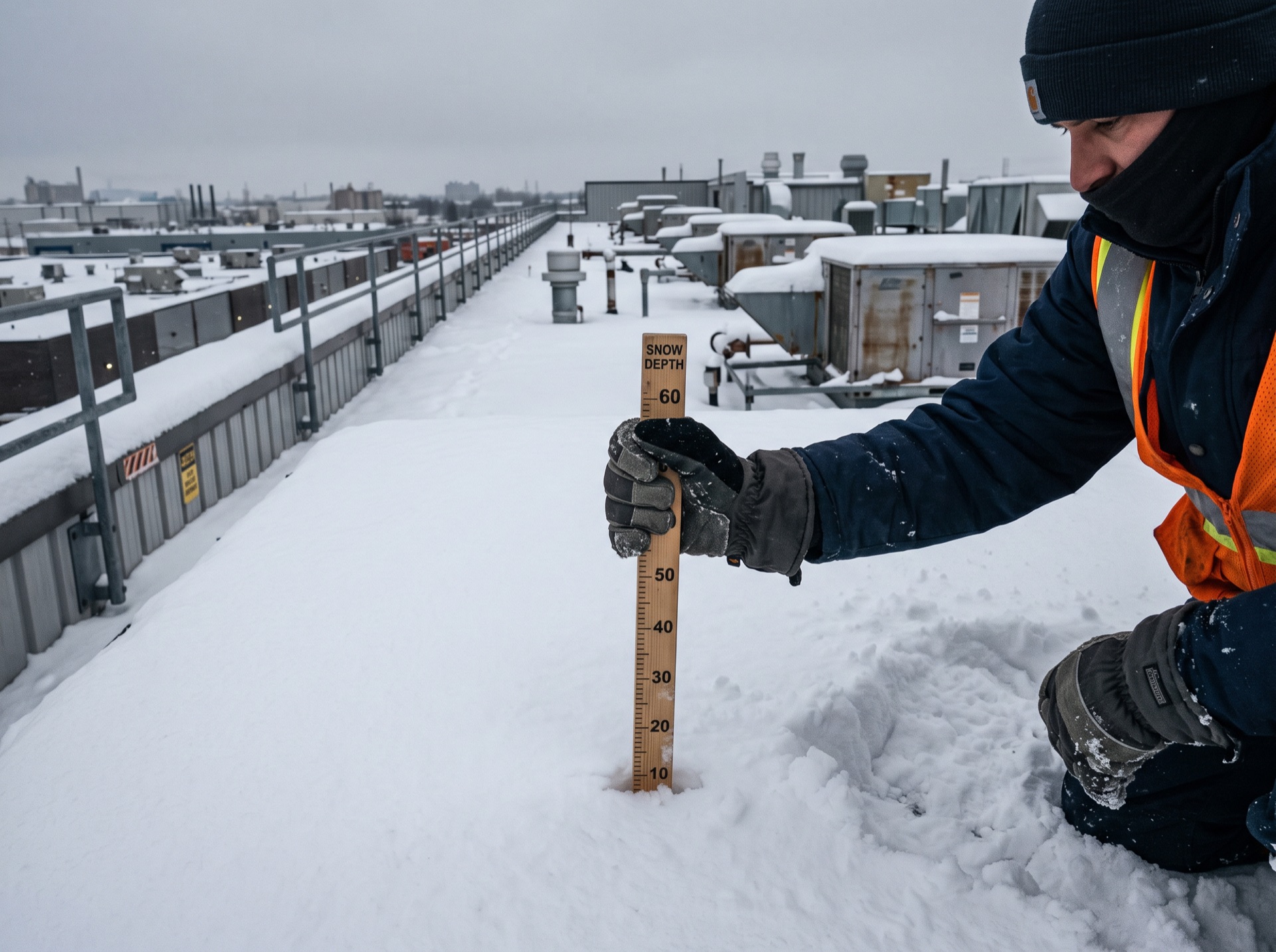
Worker in safety vest measuring snow depth on commercial rooftop with ruler

Commercial Ice Dam Removal in Denver

Flat Roof & Parapet

Membrane-safe steaming for EPDM and TPO decks, frozen parapet scuppers and blocked internal drains.

Book Commercial Steaming in Denver
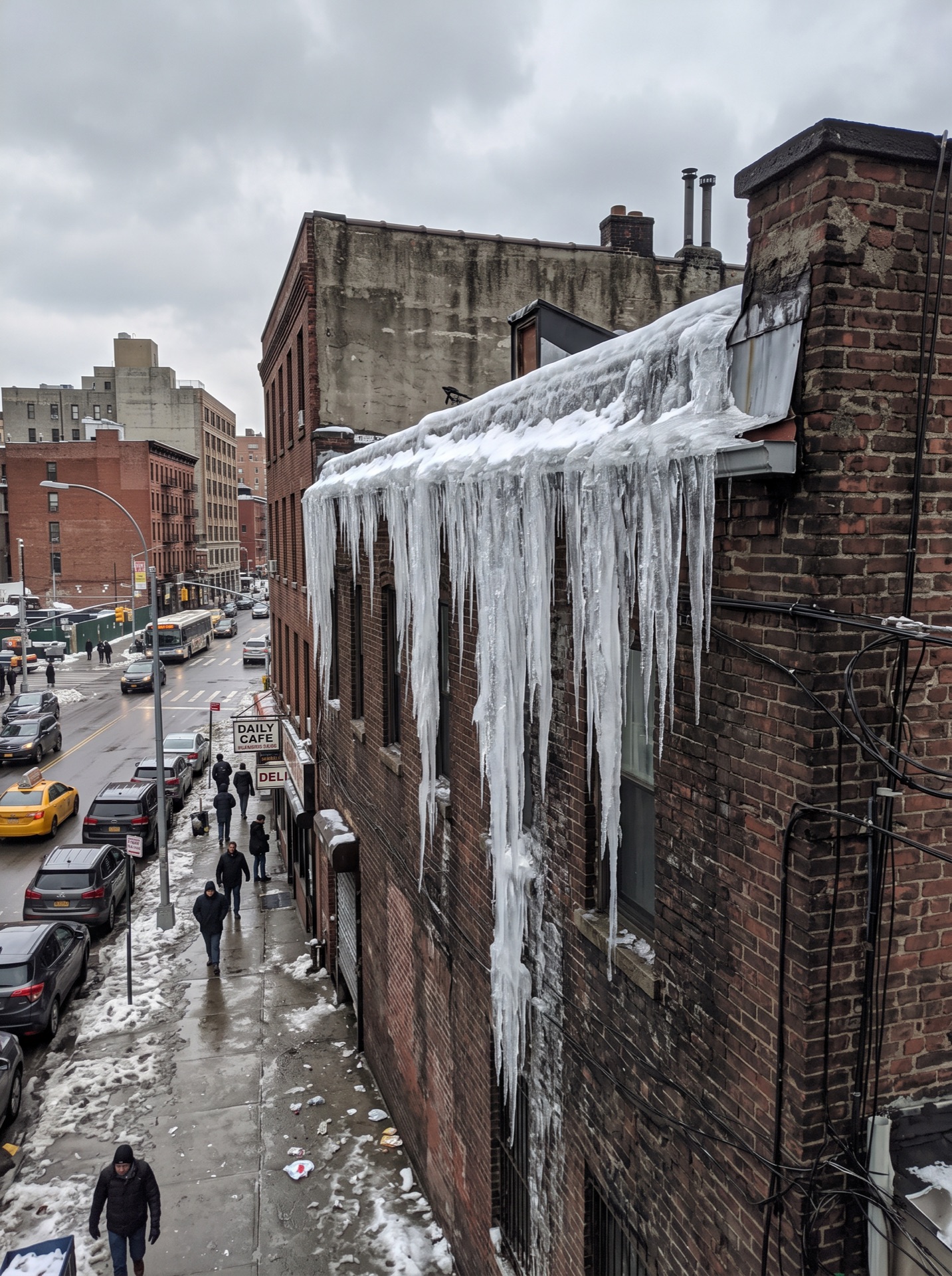
Large icicles hanging from snowy rooftop of brick building on urban New York City street

Commercial Roof Snow Removal in Denver

Structural Snow Load

Scheduled load reduction for warehouses, retail, schools and multi-unit buildings before drift weight becomes a deflection problem.

Schedule Load Reduction in Denver
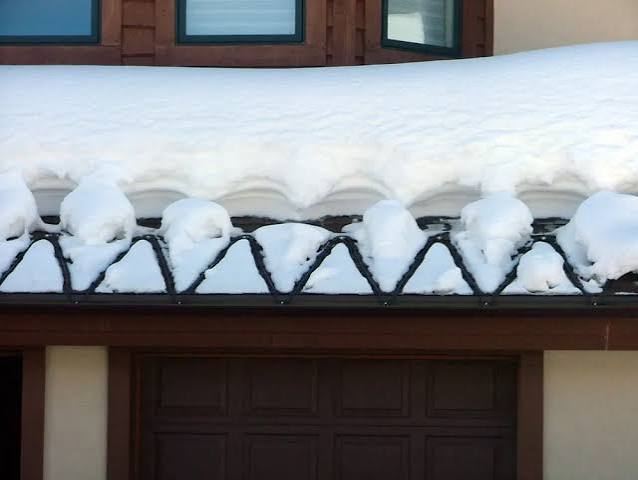
Heat cable installed along snow-covered roof eave and gutter in winter

Heated Roof & Gutter Cables in Denver

Permanent Prevention

Self-regulating heat trace on the eaves, valleys, gutters and downspouts, so meltwater keeps a path out all winter.

Get A Cable Quote in Denver

Elevation, Aspect and Ice: The Denver County Pattern

The pack at this elevation is deep enough to act as its own insulation, which means the surface melts under sun while the base stays locked. Water released at the top has to travel through and under all of it.

Diagram showing how ice dams form on roofs due to inadequate insulation and poor ventilation
Heat escaping into the attic melts roof snow; the meltwater refreezes at the cold eave and the dam grows a layer every cycle.

Depth makes it worse. A Denver County roof can carry several feet of pack, and all of that is a reservoir sitting above an eave that never sees sun.

Ice-barrier practice in Denver County

Design snow loads up here are among the highest in the country, and the membrane and retention details that come with them are not paperwork. On an older Denver cabin neither is likely to be present.

The Denver Dispatch Process, Step by Step

The first pass is assessment: eaves, valleys, gutter line and any interior staining, all photographed with timestamps. You see what the crew sees, and the rate and likely hours are agreed before work begins.

Steam then takes the dam off in sections, prioritizing wherever water is actively backing up behind it. The gutter trough and downspout are cleared through to daylight on the same visit, because a clear eave over a frozen gutter is a temporary fix.

Working at night and during an active storm

Freeze events do not keep office hours, and the worst leaks tend to announce themselves in the evening when the day's melt refreezes. Crews run lit, and a roof that is actively collecting snow is worked anyway, because waiting for better weather means the dam is bigger when somebody finally gets to it.

What does stop a crew is wind and lightning. Both are judgment calls made on site in Denver, and a postponed start gets explained rather than dressed up.

What gets photographed, and why it matters later

Before the lance comes out, the crew shoots the dam from the ground and from the roof, the icicle line, any staining visible inside, and the specific courses where water is tracking under the shingles. Timestamps are on every frame.

That record is the whole case if a claim follows. An adjuster arriving in March sees a dry roof and a stained ceiling; the photographs are what connect the two, and they are what a maintenance-exclusion denial runs into.

Why a drainage channel is not removal

Cutting a few channels through a dam so water can get past is quick and it is sometimes sold as ice dam removal. It drains the roof for as long as the channels stay open, which in a Denver cold snap can be a single night before they close again.

Removing the dam means taking the ice off down to the shingle along the whole affected run, so the eave can drain the way it was built to. It takes longer and it is the only version that holds.

Ice dam removal in Denver, CO — specification
Service specification for Denver, CO
Local ice-barrier practiceExtended membrane plus snow retention
Coverage areaDenver and Denver County
Removal methodLow-pressure steam only. No chipping, salt or pressure washing.
DocumentationDated before and after photos, written scope in Xactimate line items
Dispatch window24 to 48 hours in mountain terrain
Primary climate stressorSolar melt on deep pack, shaded eaves
Typical scopeSteam, 8-16 crew hours typical

Neighborhoods and Towns We Reach From Denver

Crews working Denver cover the adjoining communities on the same route — Dupont, Henderson, Eastlake and Morrison — so a storm week usually means one truck handling several addresses in Denver County rather than separate trips.

Nearest hub towns with their own crew pages: Lakewood, Wheat Ridge, Arvada, Commerce City, Englewood, Westminster.

Denver sits inside the regular Colorado service area, so a crew is usually scheduled the same day or the following morning.

Water coming in right now in Denver? Call (888) 561-9664. Active interior leaks go to the front of the schedule.
Nearby

Hub Towns Around Denver

Crews run these on the same route, so a storm week usually means one truck covering several of them.

All Colorado Locations
Conditions We Work In

What We Find On Denver Roofs

Every job is photographed before and after. These are the conditions crews work in across Denver County.

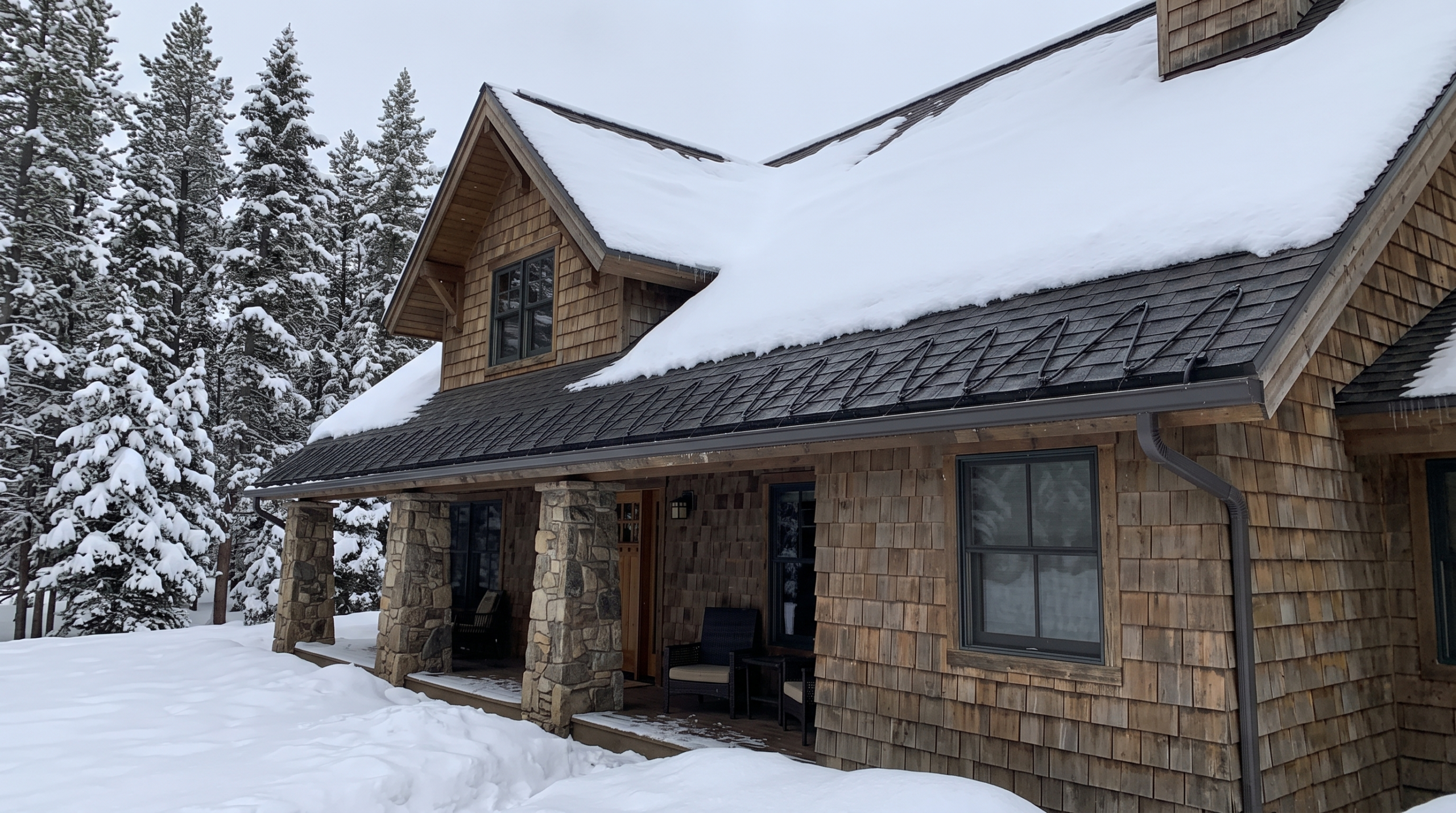
Snow-covered cedar shake roof with ice dam prevention system on mountain home
A rustic mountain home in Colorado showcases proper roof design and ice dam prevention during heavy snowfall.
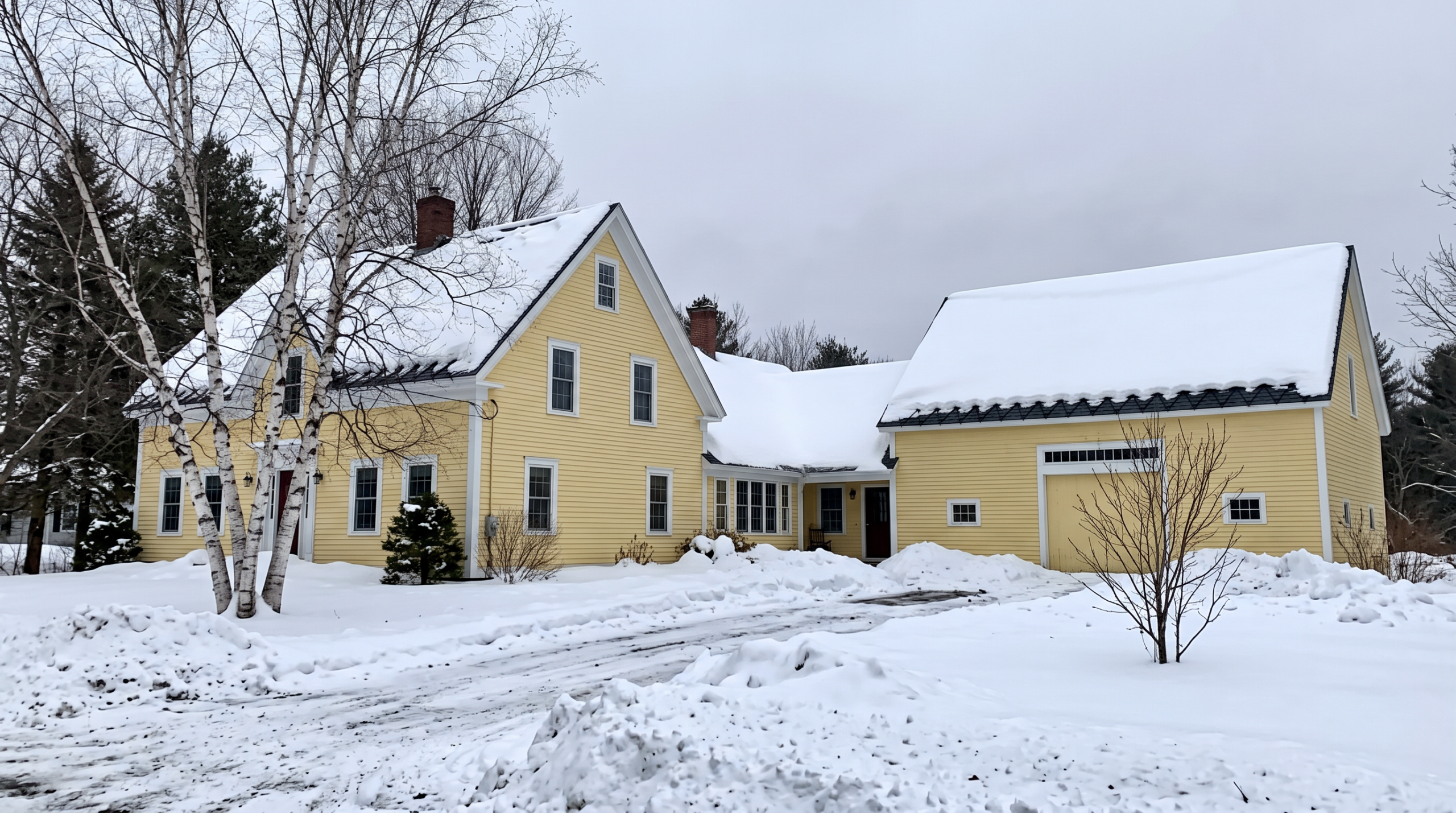
Yellow farmhouse with heavy snow on roof showing ice dam risk in winter
A classic yellow Maine farmhouse carries a heavy snow load, creating ideal conditions for ice dam formation.
Snow-covered stone front colonial home with solar panels on roof in suburb
A light snowfall blankets a Maryland colonial home, highlighting conditions ideal for ice dam formation along the roofline.
contractor using steam equipment to remove ice dam from snowy roof
Method

Steam, Never A Hammer

Low-pressure steam removes ice with heat rather than force, so granules, seal strips and flashing come through untouched. It is the only method crews use on a roof in Denver.

FAQ

Denver and Denver County FAQ

On a roof that is still leaking heat, it can — removal treats the symptom and the cause is in the attic.

  • Crews say so before leaving if the attic is obviously the problem.
  • A second visit in the same season at the same property is priced as the shorter job it usually is.
  • Air sealing, insulation and heat trace are what stop the cycle for good.

Same day or next morning for most Denver calls, with active interior leaks moved to the front of the schedule.

  • During a freeze event crews run from first light until dark across Denver County.
  • The same route covers Dupont, Henderson, Eastlake, so several addresses are usually handled in one run.
  • Call rather than using the form if water is coming in — the phone is always faster.

Usually. The equipment needs a water supply and a place to park within hose reach, which is normally achievable even on a tight lot.

  • Hose runs of a few hundred feet are routine.
  • Street parking in a Denver County residential area is generally workable.
  • Tell dispatch about access on the call so the right setup arrives.

No, but there is a worse one: after the thaw, when the evidence has melted and the damage is all that is left.

  • Mid-storm calls are fine — crews work through freeze events.
  • An evening call for a leak that started that afternoon usually gets a next-morning slot.
  • Waiting for a weekend to pass is the most common and most expensive delay.
Same-Day Response

Get A Denver Crew Out

A dam left alone through February is not the same dam in March. It is bigger, and so is the repair behind it.

✓ Licensed & insured✓ Low-pressure steam only✓ Rate quoted up front✓ Photos for your claim
Online Quote(888) 561-9664