


Elevation, Aspect and Ice: The Jefferson County Pattern
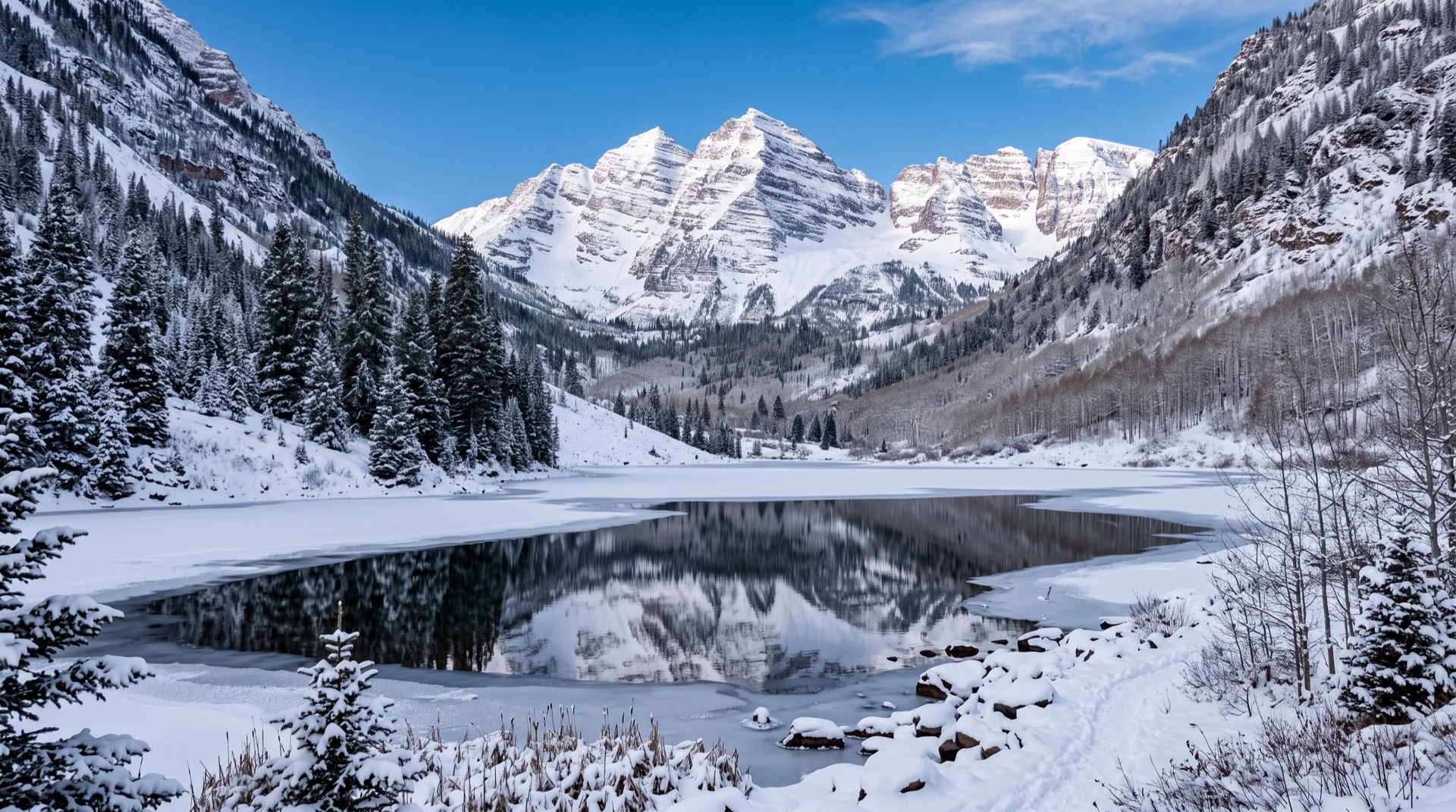
The pack at this elevation is deep enough to act as its own insulation, which means the surface melts under sun while the base stays locked. Water released at the top has to travel through and under all of it.

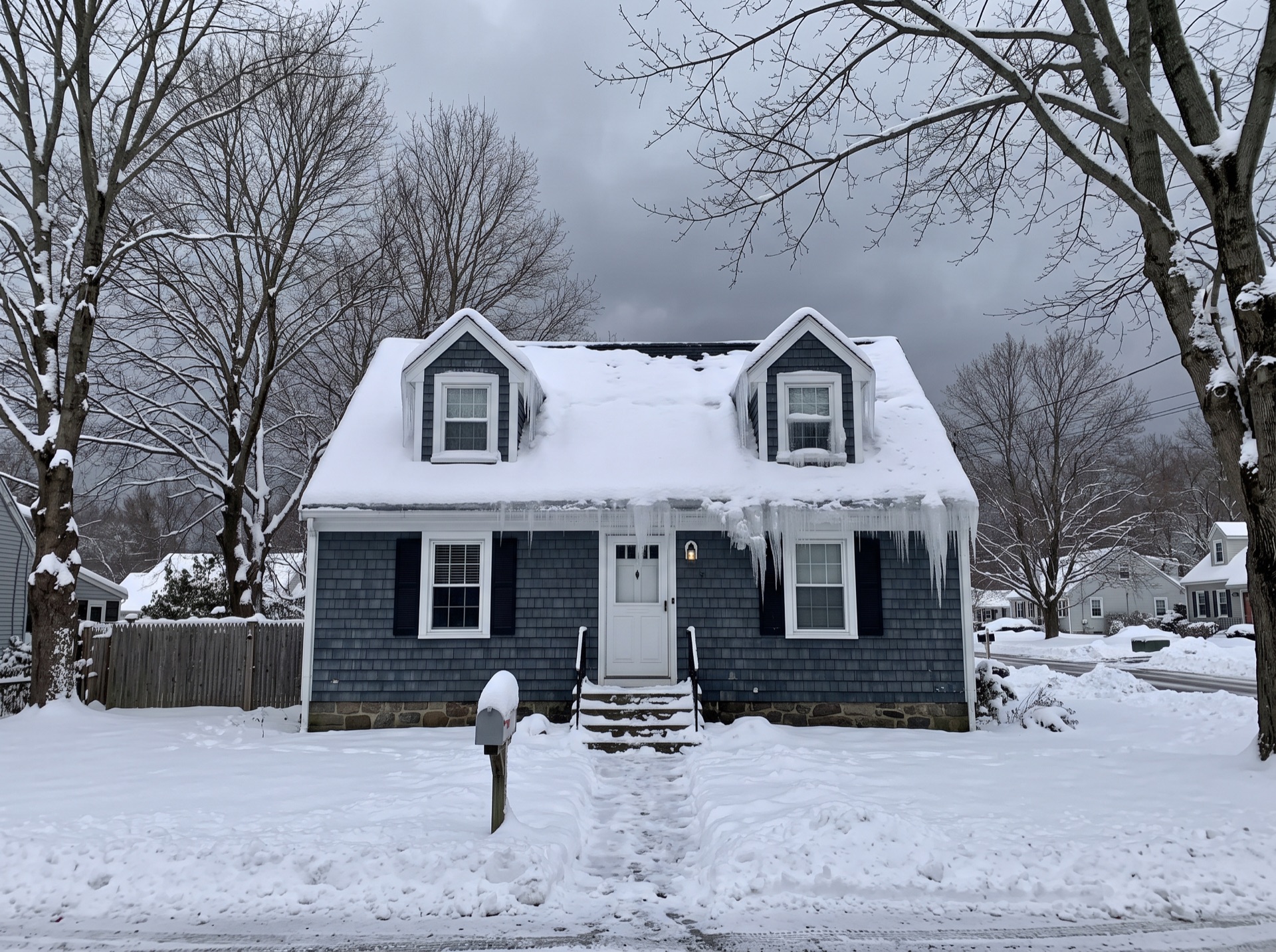
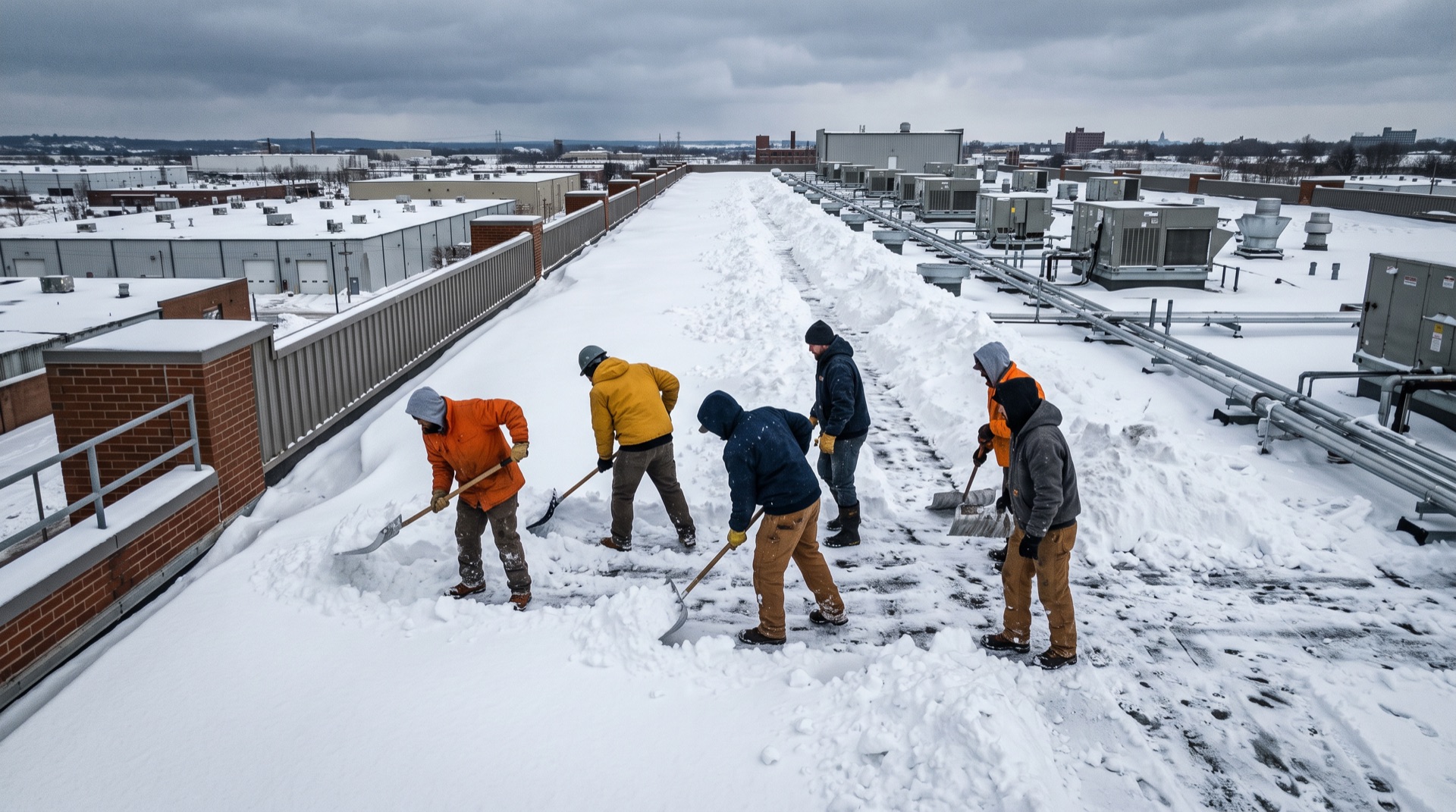
Aspect decides which eaves suffer. A sunny plane sheds water across a roof in Lakewood to a shaded eave that has not been above freezing for weeks, and that is where the ice builds into a wall.
Ice-barrier practice in Jefferson County
Design snow loads up here are among the highest in the country, and the membrane and retention details that come with them are not paperwork. On an older Lakewood cabin neither is likely to be present.
How a Lakewood Steam Call Runs, Start to Finish
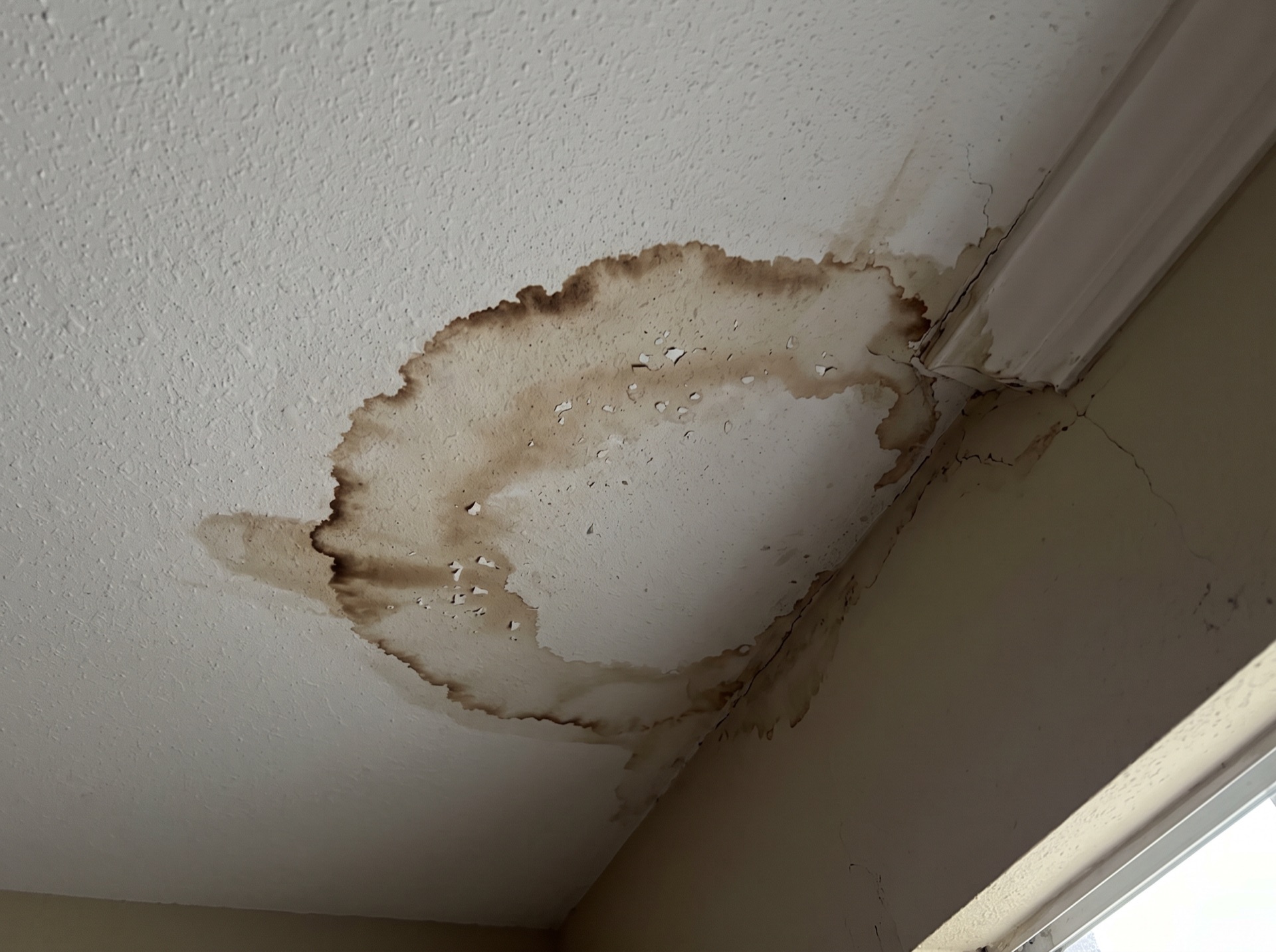
Crews walk the eaves, valleys and gutter line first and photograph every dam and every point where water is tracking inside, before touching anything. You get shown what they found and quoted the crew-hour rate before work starts.
Then the ice comes off with low-pressure steam, starting wherever water is actively backing up so drainage opens early. Frozen gutters and downspouts are cleared in the same visit, because a cleared eave above a solid block of ice in the gutter dams again on the next cold night.
Why the gutter has to be cleared in the same visit
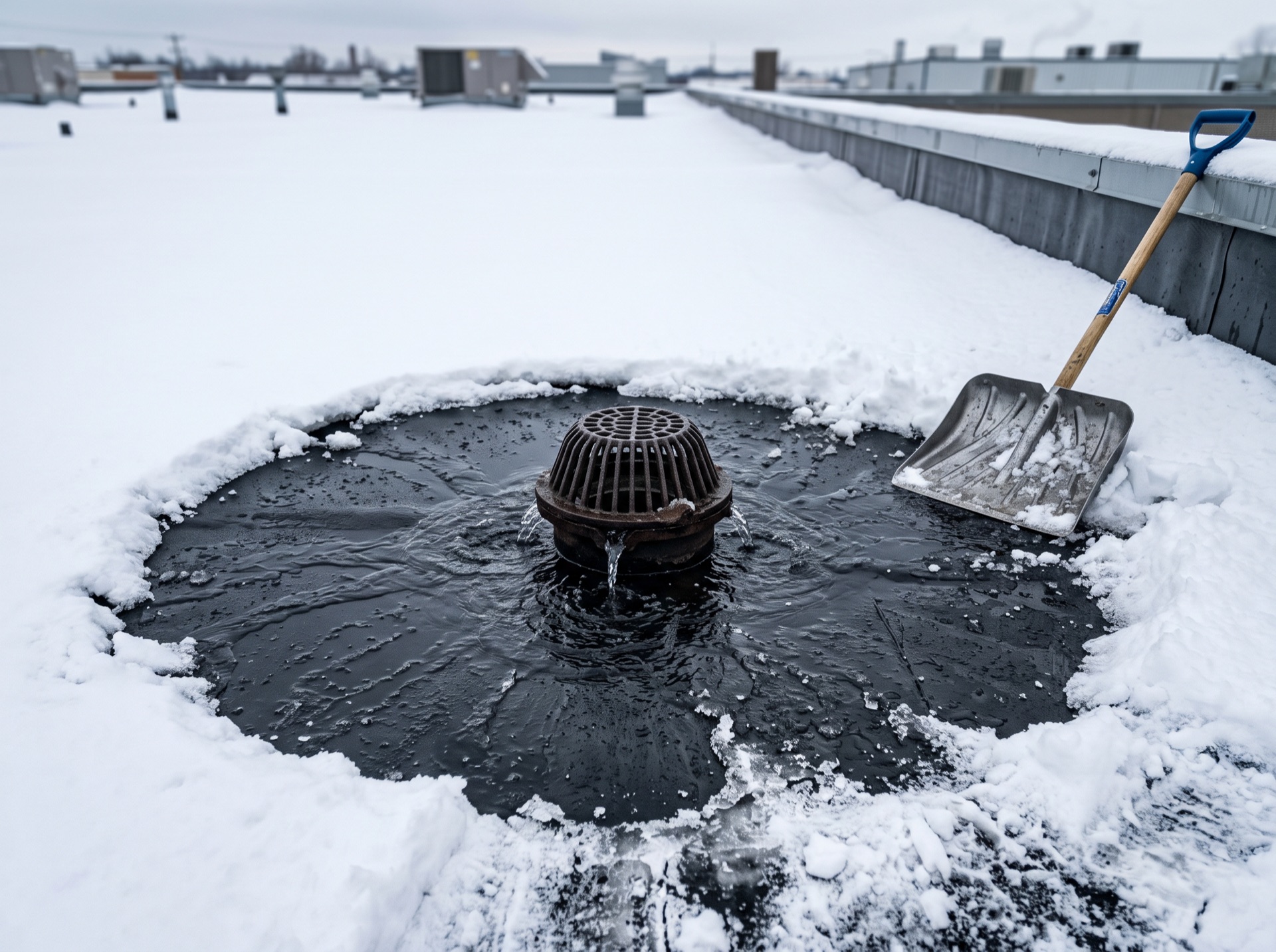
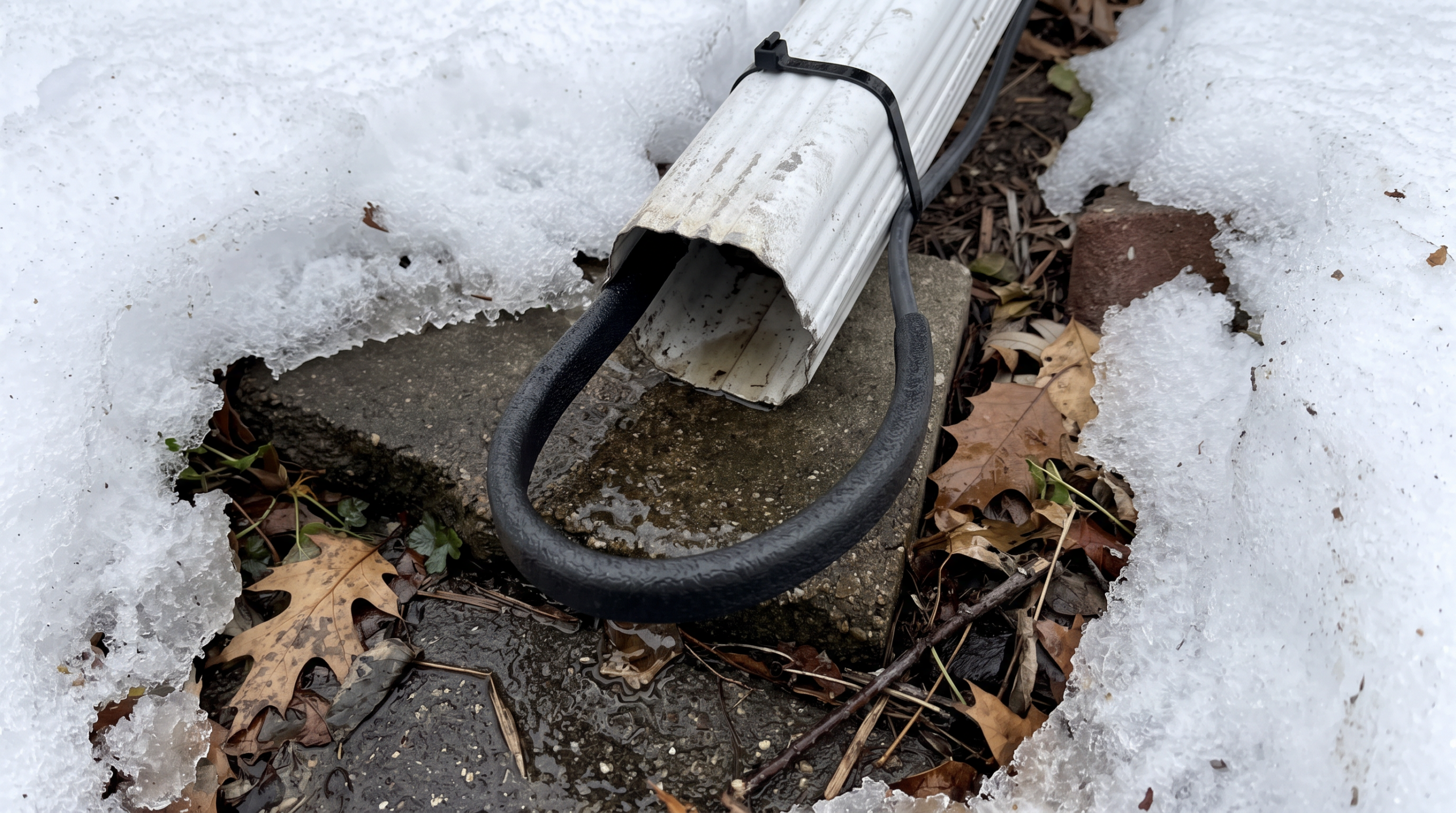
A dam sitting above a gutter packed solid with ice is only half the problem. Clear the eave and leave the trough frozen, and the next day's meltwater has nowhere to run — it backs up onto the roof and the dam rebuilds from the bottom.
Crews steam the trough and the downspout through to daylight on the same visit. It adds time, which is why the hour estimate given on the phone accounts for it, and it is the difference between a fix and a repeat visit in Lakewood the following week.
Why the dam formed in the first place
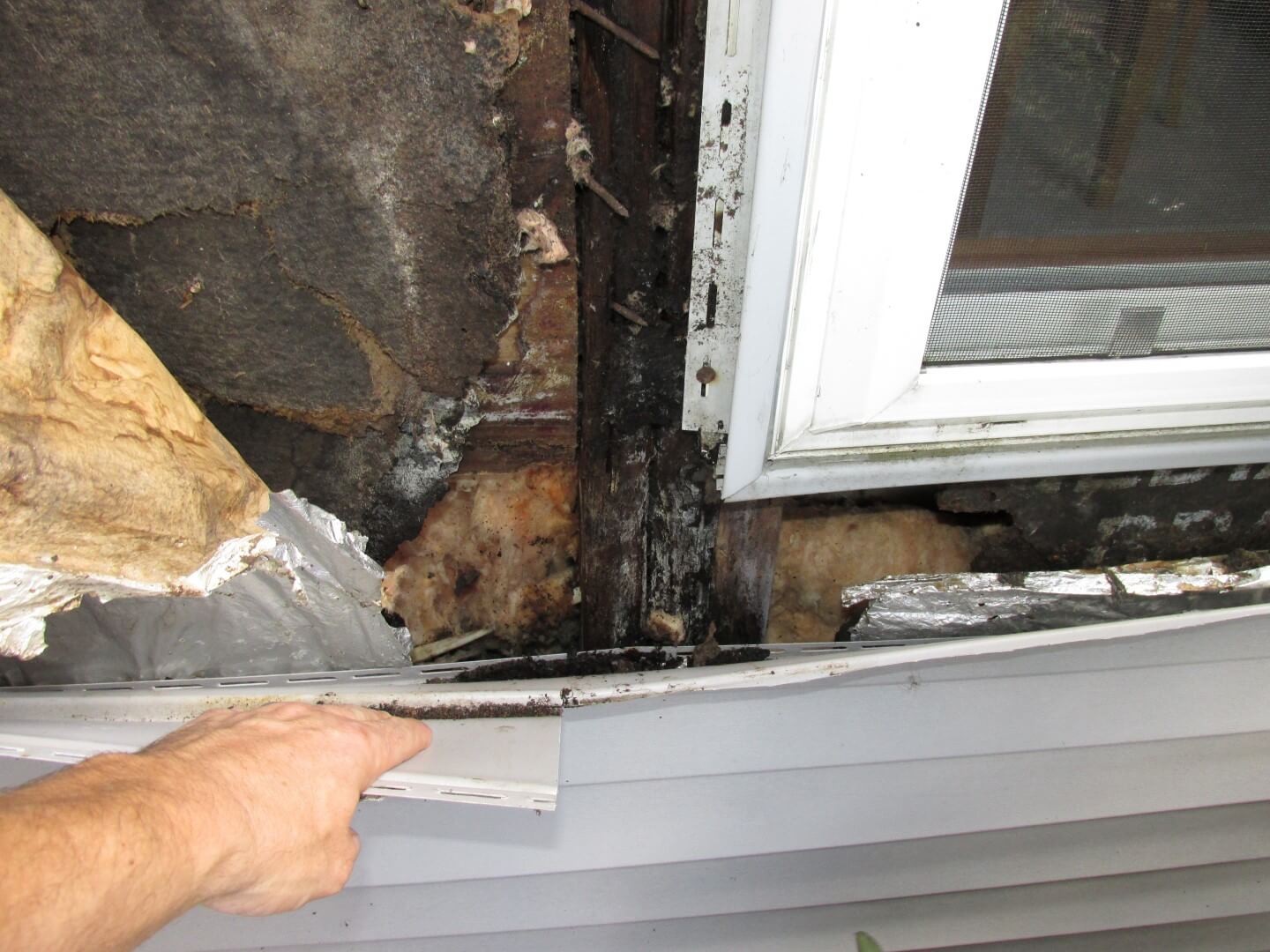
Ice dams are a heat problem wearing a weather costume. Warm air escaping into the attic melts snow on the upper roof; that meltwater runs to the eave, which hangs past the heated envelope and stays below freezing; it refreezes there, and the ridge of ice grows a layer every cycle. Removal is the emergency fix. Before the crew leaves you will know which part of your attic is feeding it.
What the crew does on arrival
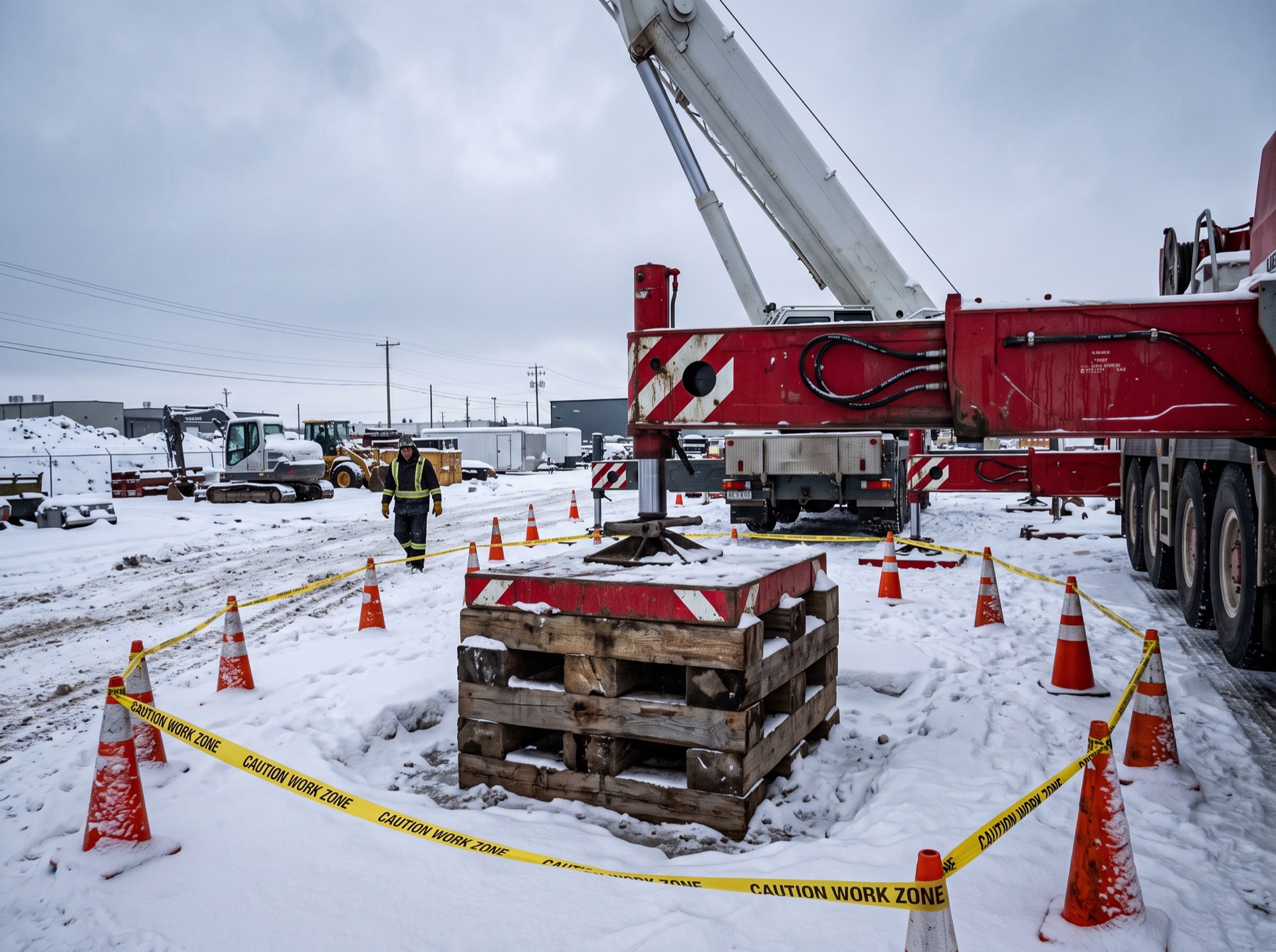
Before anything is touched, the crew walks the eaves, valleys and gutter line and photographs every dam and every point where water is tracking inside. You get shown what they found. Then the dam comes off in sections, starting wherever water is actively backing up, so drainage opens early rather than at the end.
Downspouts and gutter troughs get cleared in the same visit where they are frozen, because a dam removed above a solid block of ice in the gutter just reforms in the next cold night.
| Local ice-barrier practice | Extended membrane plus snow retention |
|---|---|
| Typical scope | Steam, 8-16 crew hours typical |
| Pricing model | Billed by the crew hour, rate quoted before dispatch |
| Removal method | Low-pressure steam only. No chipping, salt or pressure washing. |
| Coverage area | Lakewood and Jefferson County |
| Service | Ice dam removal in Lakewood, CO |
| Primary climate stressor | Solar melt on deep pack, shaded eaves |
Where We Dispatch Around Lakewood
Crews working Lakewood cover the adjoining communities on the same route — Morrison, Idledale, Indian Hills, Kittredge and Dupont — so a storm week usually means one truck handling several addresses in Jefferson County rather than separate trips.
Nearest hub towns with their own crew pages: Wheat Ridge, Denver, Golden, Englewood, Arvada, Littleton.
Crews cover Lakewood and the surrounding Jefferson County towns through the whole season, and during a freeze event they run from first light until dark.
Active leak at an address in Lakewood? (888) 561-9664 reaches dispatch directly. Interior water moves a job to the front of the day.