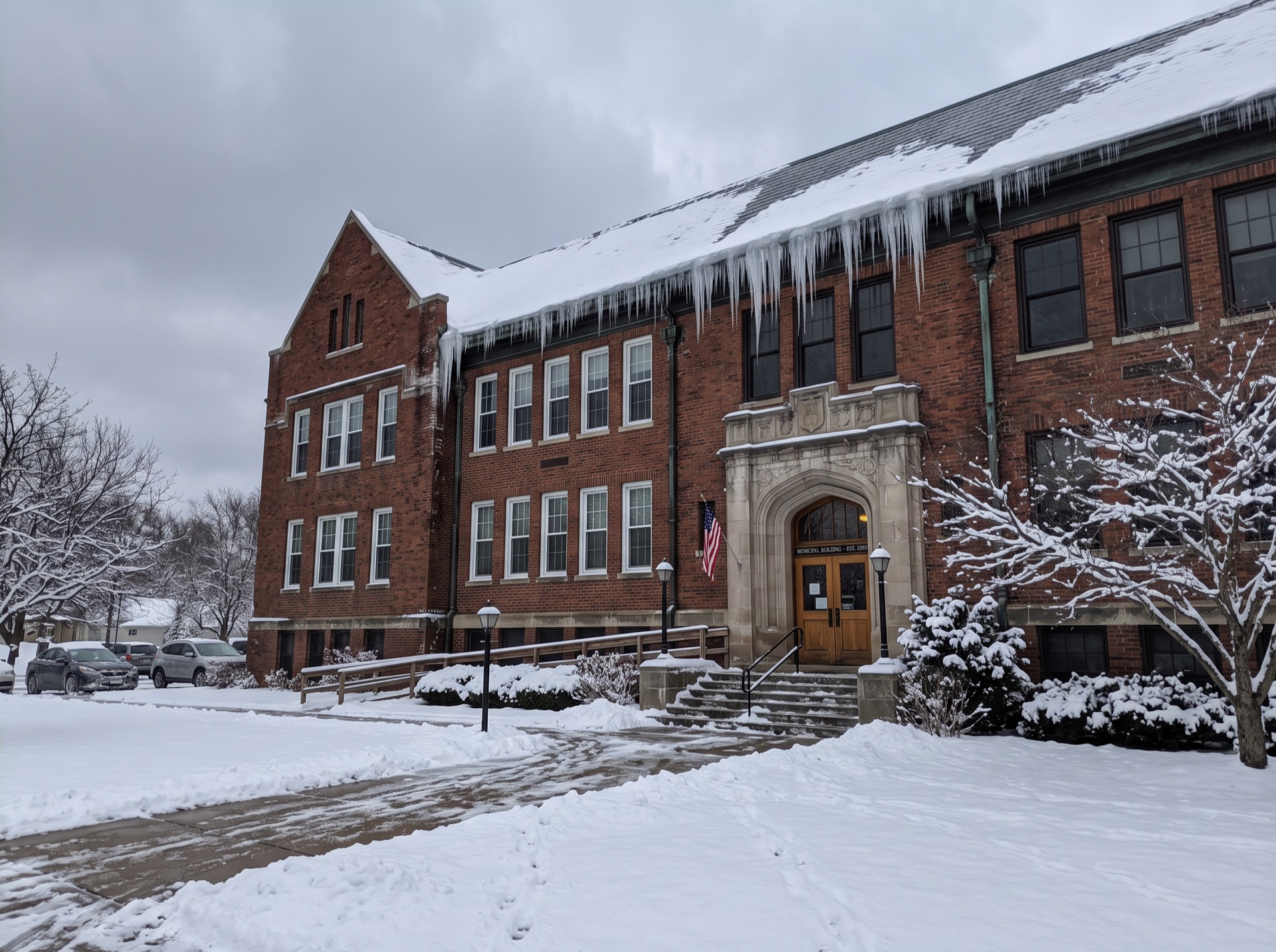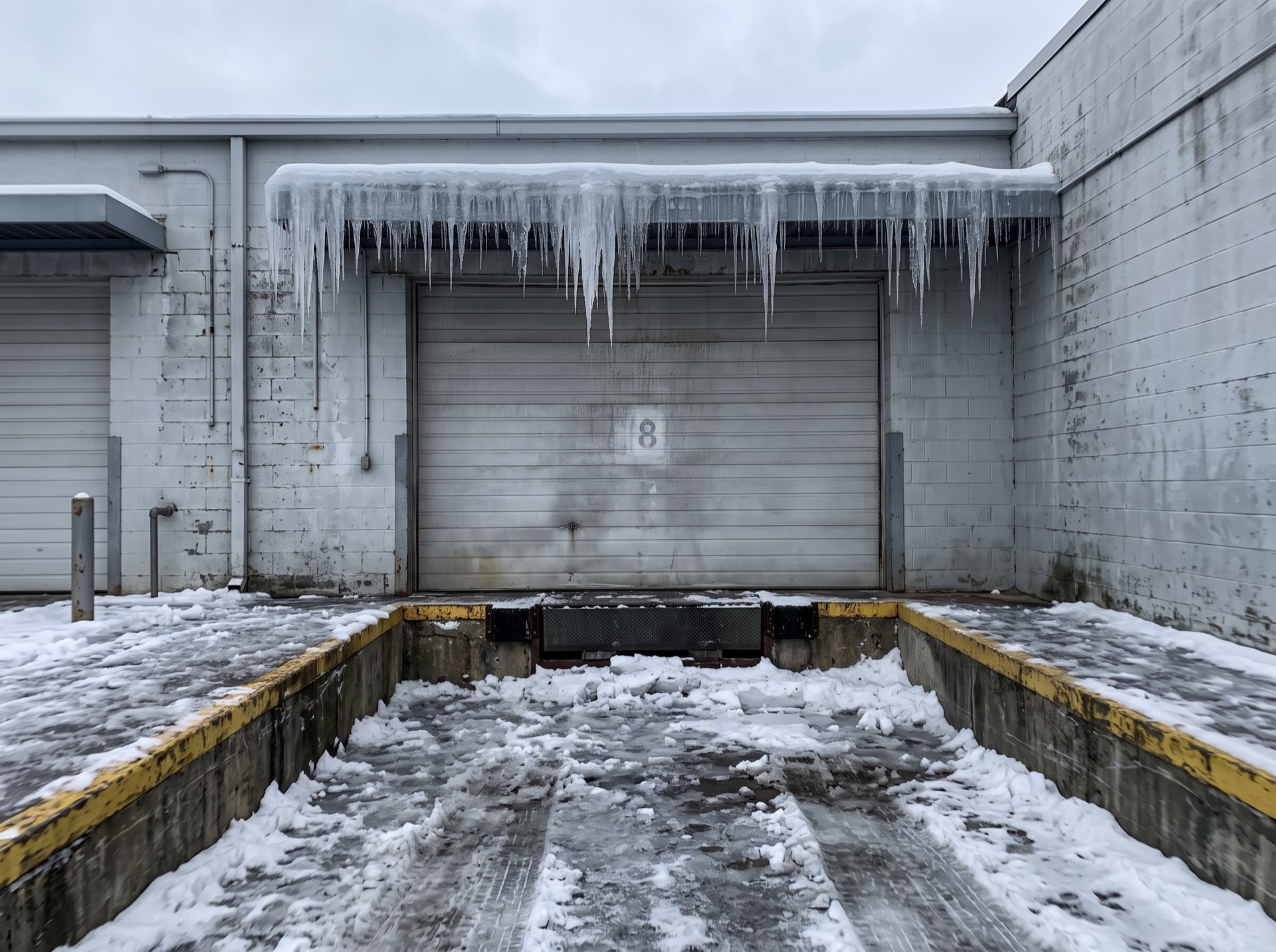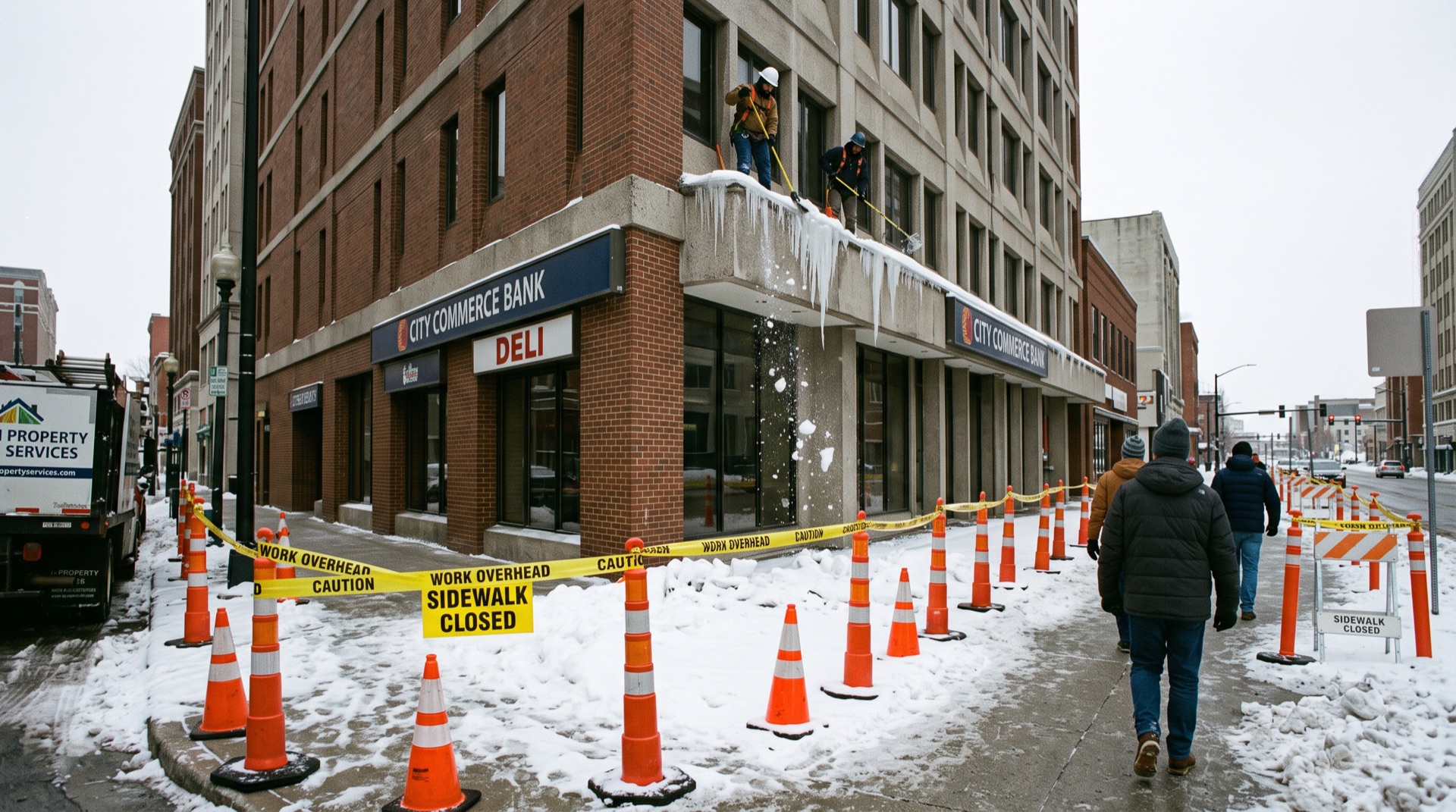
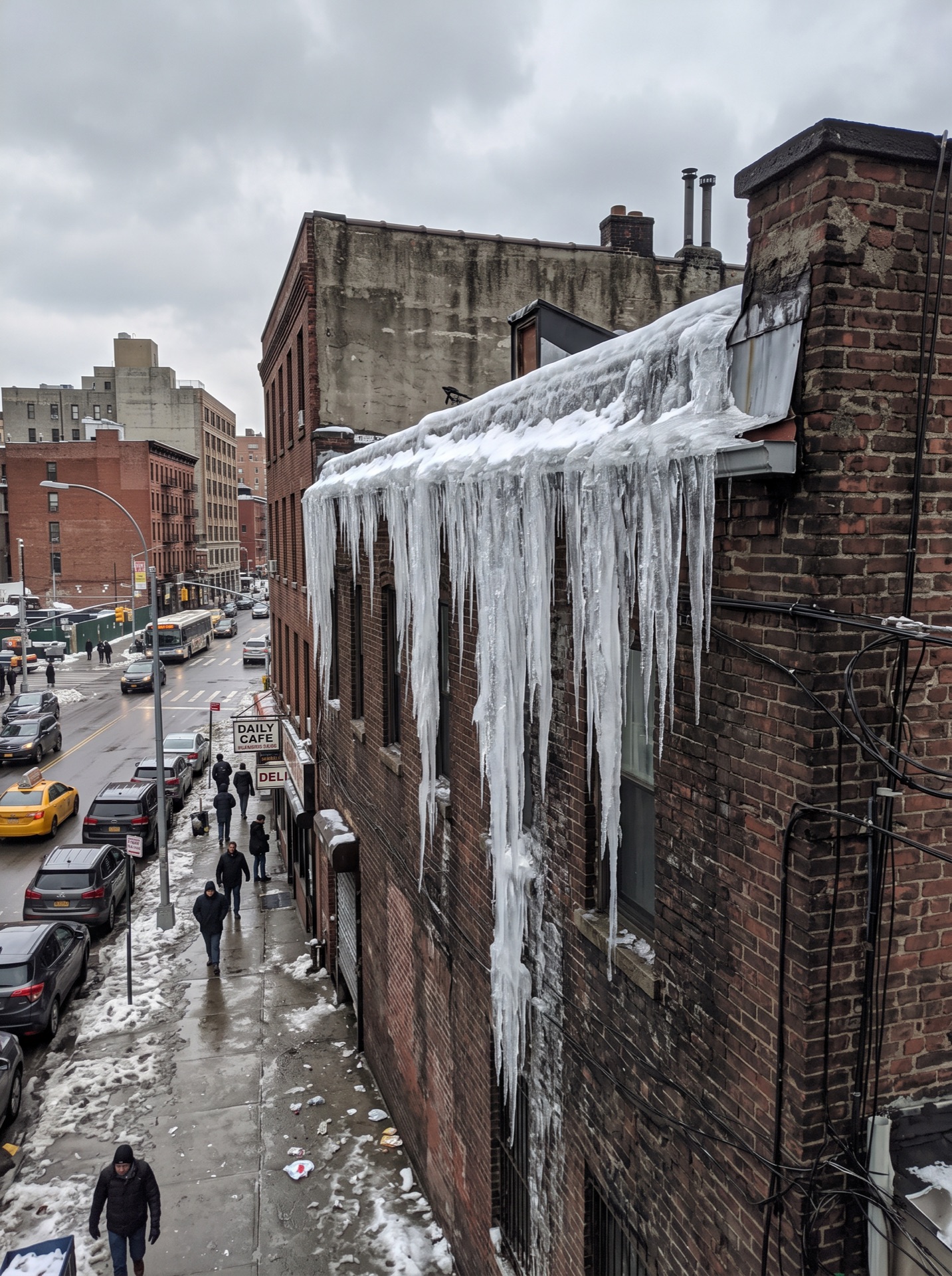
Summit County sees the same pattern every winter: snow on the roof, warm air in the attic, and a line of ice building along the eave where the two meet. As part of our complete Breckenridge winter roof services, crews handle commercial roof snow removal across Summit County.
Why Breckenridge Roofs Dam Up: Altitude Sun on a Deep Pack
Mountain ice dams are a solar problem more than a temperature one. The sun works the pack from above while the air stays cold, so meltwater is produced and refrozen within the same afternoon.

Volume is the other factor. A Summit County roof carrying several feet of pack has an enormous reservoir above an overhang that never sees direct sun, and the supply does not run out until spring.
Ice-barrier practice in Summit County
Mountain jurisdictions across Summit County generally require ice-barrier membrane well up the roof plane, not just the first course, along with snow retention on metal roofs above entries and walkways.
Commercial Roof Snow Removal in Breckenridge: How The Work Runs
Drains and overflows come first
Before anything else comes off, the drains, scuppers and overflow outlets get opened. Otherwise the melt from the clearing has nowhere to go and the roof trades a snow problem for a ponding one. Ceiling Sagging or Bulging After Snow.
On a deck in Breckenridge with internal drains that means confirming flow below, not just clearing the grate.
Reduction, not bare deck
The goal is to bring the load under threshold safely, not to scrape a roof in Breckenridge clean. Clearing is balanced across the deck so load is not shifted onto one bay, drains and scuppers are opened so melt has an exit, and a cushion layer always stays on the membrane.
Where the figures call for it, crews bring in crane-assisted picks instead of adding bodies to a roof that is already carrying too much.
The cost of a shutdown against the cost of a clear
Clearing a large deck is a real number and it is easy to defer. The comparison that matters is not clearing against nothing, it is clearing against the day the building is closed while an engineer inspects it - lost trade, displaced tenants, and an insurer asking what was done beforehand.
The load reading is what makes that decision for you rather than a feeling about how deep the snow looks.
Storm routes and standing contracts
Properties on a standing contract get a scheduled clear after each qualifying snowfall, with a single point of contact and a condition report per visit. For a portfolio, that means the clearing order is decided in advance by risk rather than by whoever calls first during the storm.
Why large decks carry the most risk
A long-span steel or open-web joist roof has the least margin exactly where the drift is deepest — mid-span. Snow does not settle evenly either: it piles against parapets, behind rooftop units, in the lee of higher adjoining roofs, and in valleys between bays. The average depth across the roof is not the number that matters.
Crews survey depth and density at the drift points rather than the middle of the field, and calculate the working load from that against the structure's design capacity.
What you get in Breckenridge
- Overflows opened firstDrains and scuppers cleared before the load comes off
- Balanced reductionLoad brought under threshold without shifting it onto one bay
- Mid-span measuredDepth read over the longest unsupported span, not the average
| Primary climate stressor | Solar melt on deep pack, shaded eaves |
|---|---|
| Pricing model | Billed by the crew hour, rate quoted before dispatch |
| Dispatch window | 24 to 48 hours in mountain terrain |
| Coverage area | Breckenridge and Summit County |
| Local ice-barrier practice | Extended membrane plus snow retention |
| Documentation | Dated before and after photos, written scope in Xactimate line items |
| Typical scope | Steam, 8-16 crew hours typical |
Summit County Coverage From Breckenridge
Crews working Breckenridge cover the adjoining communities on the same route — Alma and Como — so a storm week usually means one truck handling several addresses in Summit County rather than separate trips.
Nearest hub towns with their own commercial snow pages: Frisco, Dillon, Silverthorne, Vail, Aspen, Golden.
During a cold snap Breckenridge gets worked alongside the neighboring Summit County towns on the same route, with active interior leaks moved to the front of the list.
Most jobs do not stop at one service. Commercial Snow in Breckenridge often runs alongside crane-assisted snow removal in Breckenridge, and both get written into one scope rather than billed as separate visits.
Active leak right now? Our 24/7 Breckenridge steam ice dam removal crews are dispatched first during a freeze event. Call (888) 561-9664.