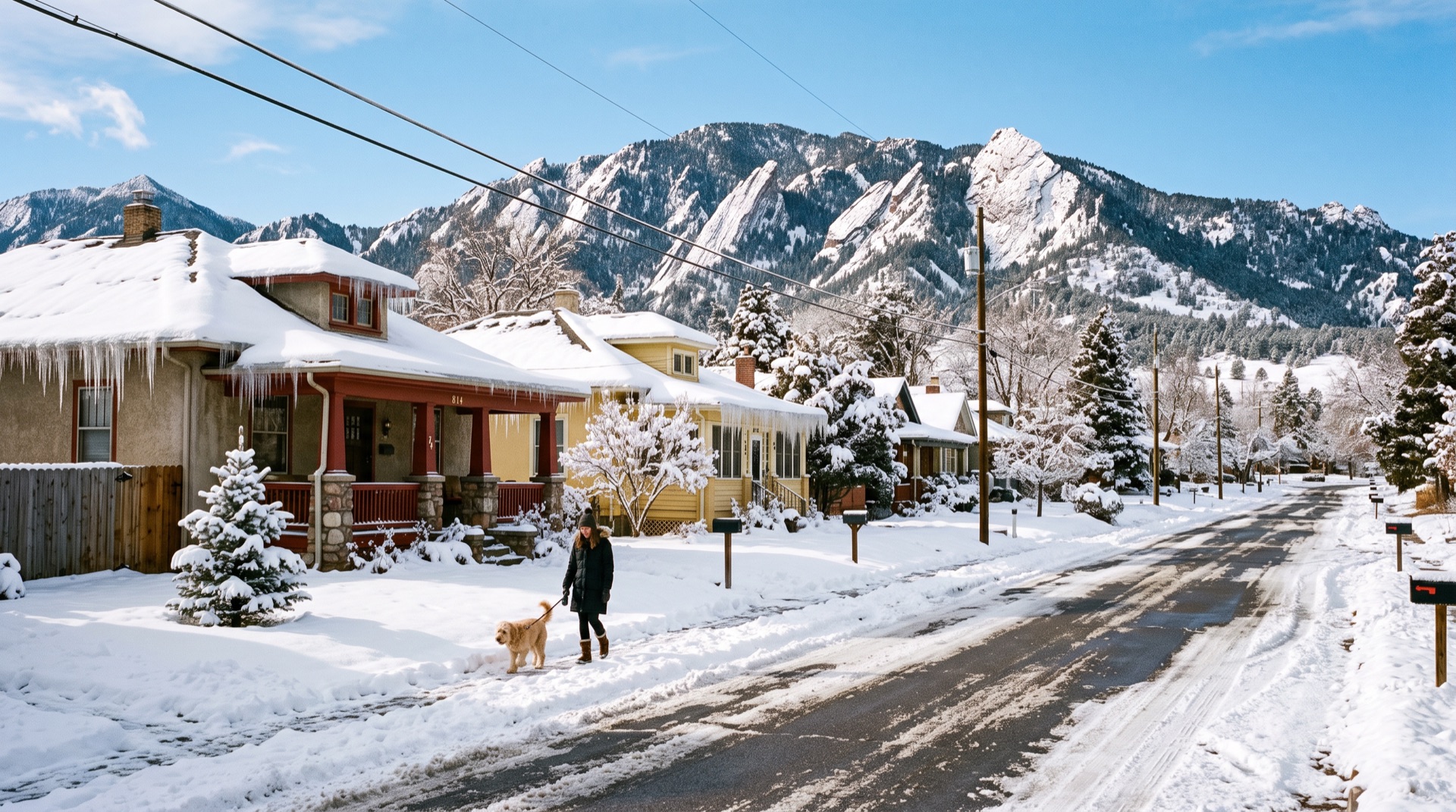
By the time a roof in Boulder has a visible ridge of ice at the eave, meltwater has already been pooling behind it for several freeze-thaw cycles. As part of our complete Boulder winter roof services, crews handle heated roof & gutter cables across Boulder County.
Why Boulder Roofs Dam on Days It Never Thaws
The pack at this elevation is deep enough to act as its own insulation, which means the surface melts under sun while the base stays locked. Water released at the top has to travel through and under all of it.

Aspect decides everything here. The sunny plane sheds water that the shaded plane and the shaded eave then lock up, so one side of a roof in Boulder is clear while the other carries a wall of ice.
Ice-barrier practice in Boulder County
Design snow loads in Boulder County are among the highest anywhere, and the membrane and retention requirements that go with them are not formalities. On an older Boulder cabin or chalet neither may be present.
Heated Roof & Gutter Cables in Boulder: How The Work Runs
Commercial and multi-family runs
The same cable on a large building becomes a different exercise - several hundred feet of run, multiple circuits, a controller that something has to monitor, and a decision about who gets the alarm when a circuit fails. Icicles and a Wet Ceiling.
Scope, circuit loading and control strategy get worked out with whoever maintains the Boulder building, because a heat-trace system nobody owns is a heat-trace system that stops working in its third winter.
Valleys, downspouts and the parts people forget
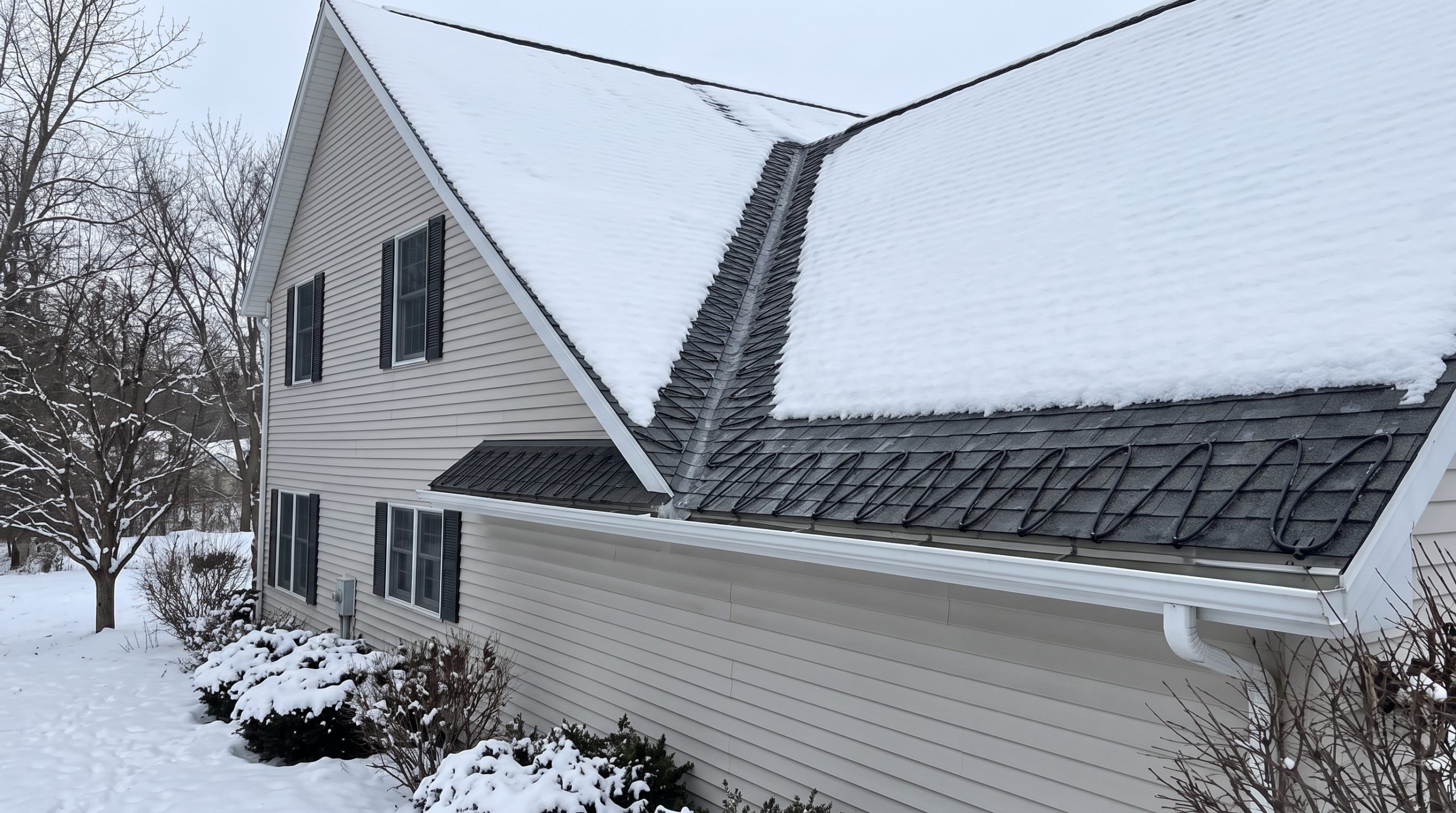
A zig-zag along the eave with nothing in the valley and nothing down the downspout produces a melted strip of roof draining into a solid block of ice. The water still has nowhere to go, and the dam just forms somewhere slightly different.
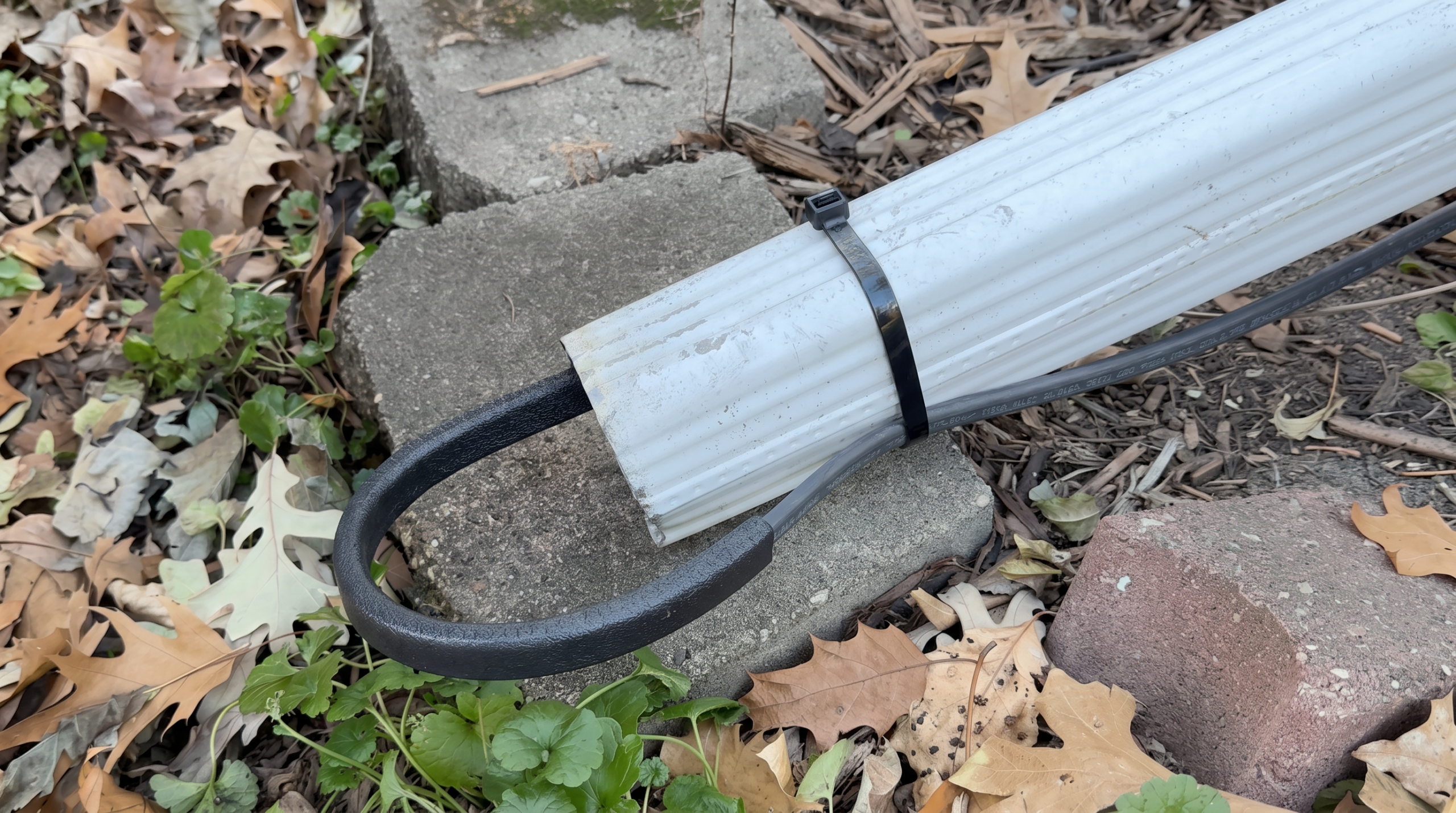
A system that works runs the full path: eave, valley, gutter trough and all the way down the downspout to daylight. The downspout run is the piece most often left out and the piece most often responsible for the system not working.
Self-regulating versus constant wattage
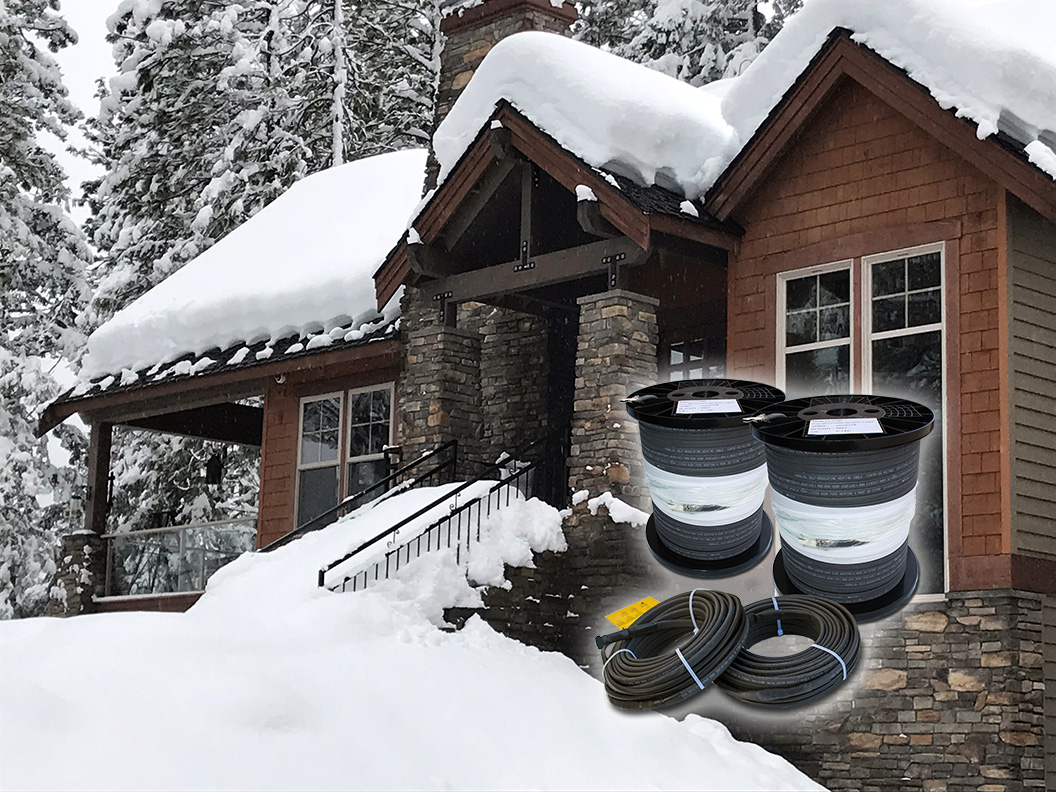
Self-regulating cable varies its output along its own length with the temperature of what it is touching: colder sections draw more, warmer sections throttle back. It can be cut to length on site, it tolerates being overlapped in a gutter, and it cannot cook itself into failure the way constant-wattage cable can.
Constant wattage is cheaper per foot and that is the whole of its case. On a roof in Boulder that sees real freeze-thaw cycling, self-regulating is the one worth installing.
Fastening without putting holes in the roof
Clips and standoffs designed for the job, adhered or clipped to the shingle edge. Never a fastener driven through the covering, and never left loose to abrade in the wind.
The failures that give heat cable a bad name are nearly all installation failures of this kind rather than product failures.
What happens when a section stops working
A dead run is usually one of four things: a tripped ground fault, a failed controller or sensor, physical damage at a specific point, or a connection at the end seal that has let water in.
They are diagnosed with a meter rather than by replacing the whole run. Self-regulating cable can generally be repaired in place with a proper splice kit, so a single damaged section does not mean a new system.
What you get in Boulder
- Zig-zag sized properlyEave coverage measured against the actual cold overhang
- Smart controlsThermostat and moisture sensing so it runs on the conditions that make ice
- No fasteners through the roofClips and standoffs only, nothing driven through the covering
| Documentation | Dated before and after photos, written scope in Xactimate line items |
|---|---|
| Removal method | Low-pressure steam only. No chipping, salt or pressure washing. |
| Primary climate stressor | Solar melt on deep pack, shaded eaves |
| Dispatch window | 24 to 48 hours in mountain terrain |
| Coverage area | Boulder and Boulder County |
| Pricing model | Billed by the crew hour, rate quoted before dispatch |
| Typical scope | Steam, 8-16 crew hours typical |
Boulder County Coverage From Boulder
Crews working Boulder cover the adjoining communities on the same route — Niwot, Eldorado Springs, Hygiene, Pinecliffe and Jamestown — so a storm week usually means one truck handling several addresses in Boulder County rather than separate trips.
Nearest hub towns with their own heat cables pages: Louisville, Lafayette, Erie, Longmont, Broomfield, Westminster.
Crews cover Boulder and the surrounding Boulder County towns through the whole season, and during a freeze event they run from first light until dark.
Most jobs do not stop at one service. Heat Cables in Boulder often runs alongside ice dam removal in Boulder, and both get written into one scope rather than billed as separate visits.
Active leak right now? Our 24/7 Boulder steam ice dam removal crews are dispatched first during a freeze event. Call (888) 561-9664.