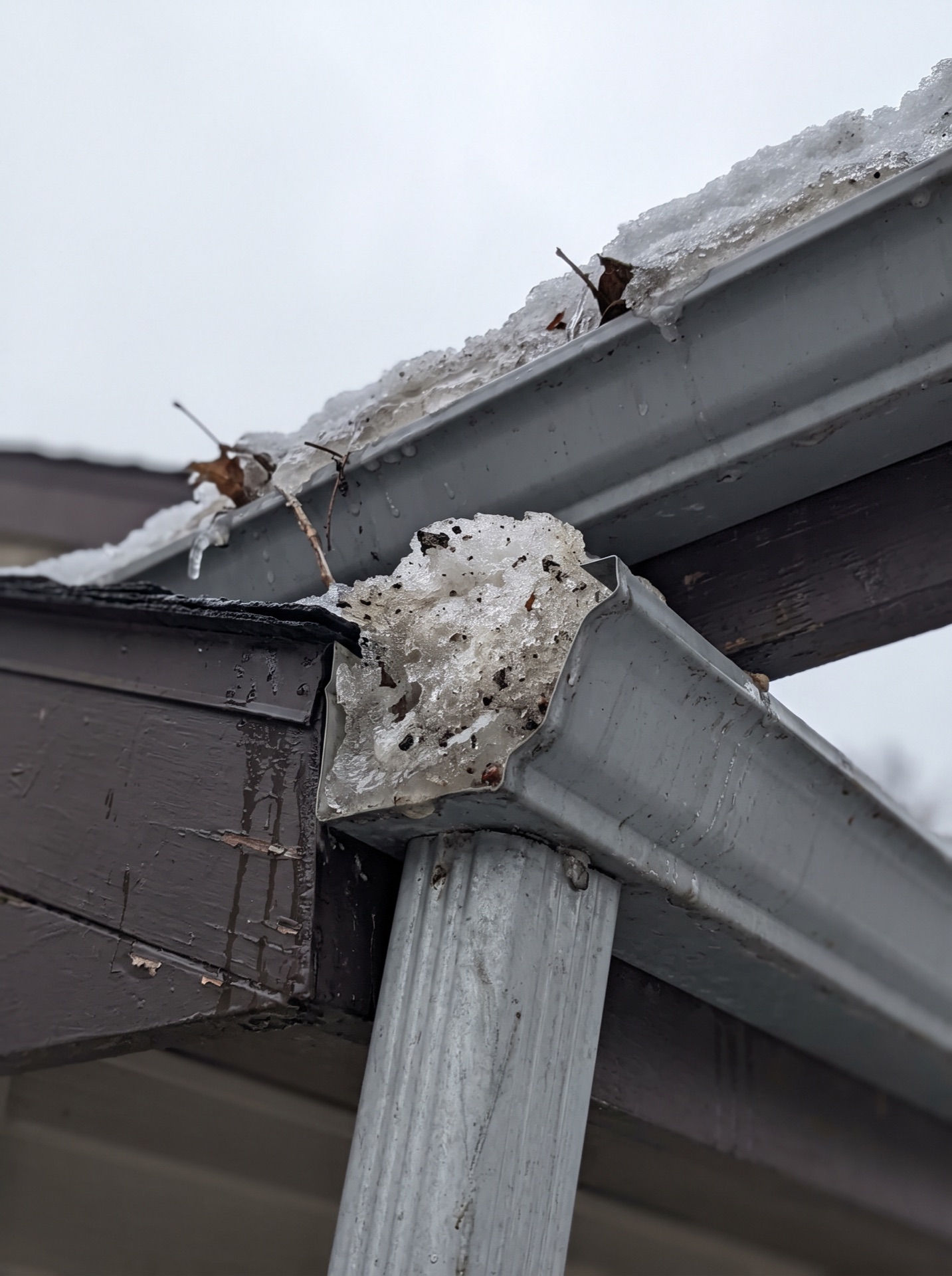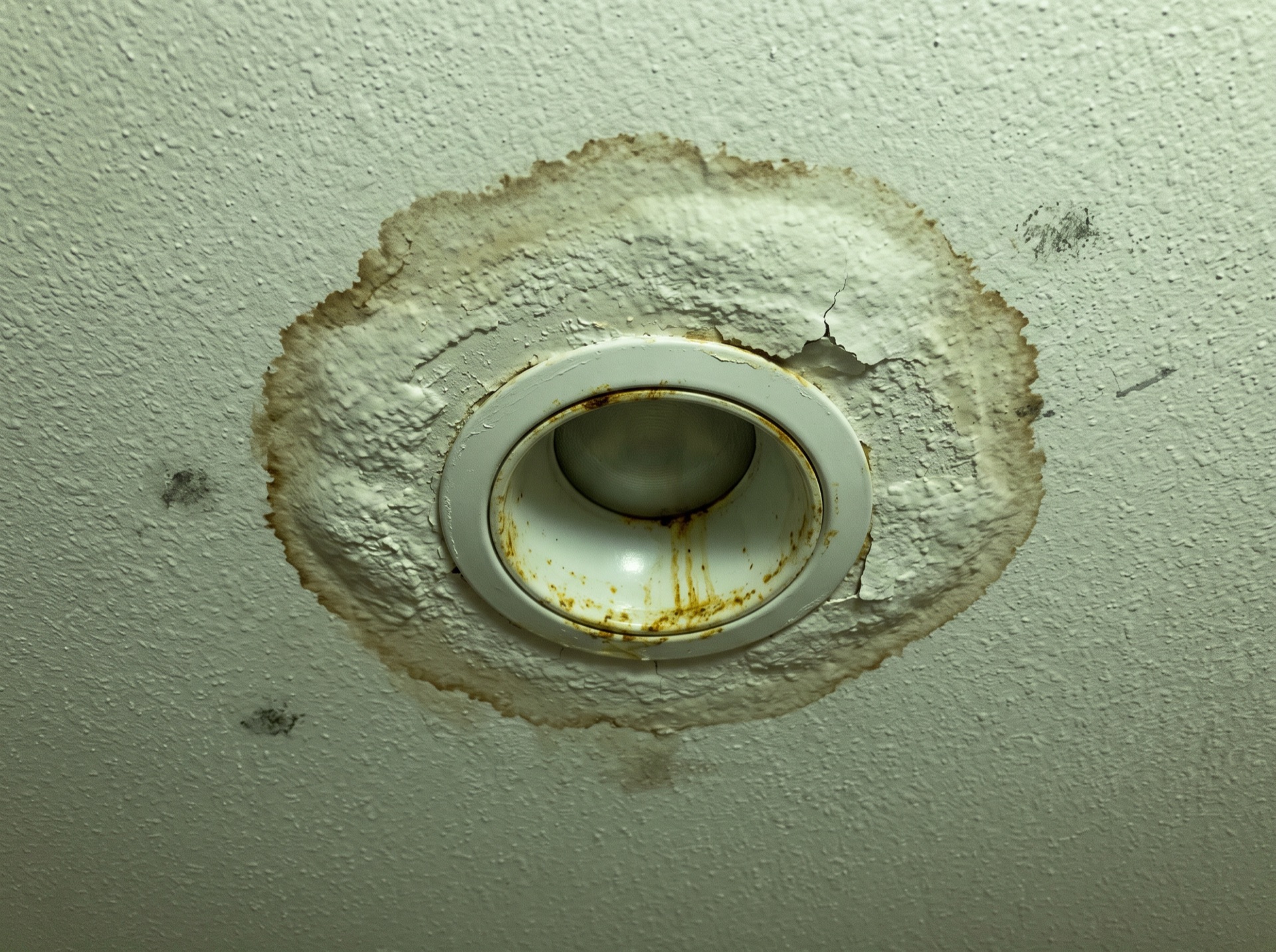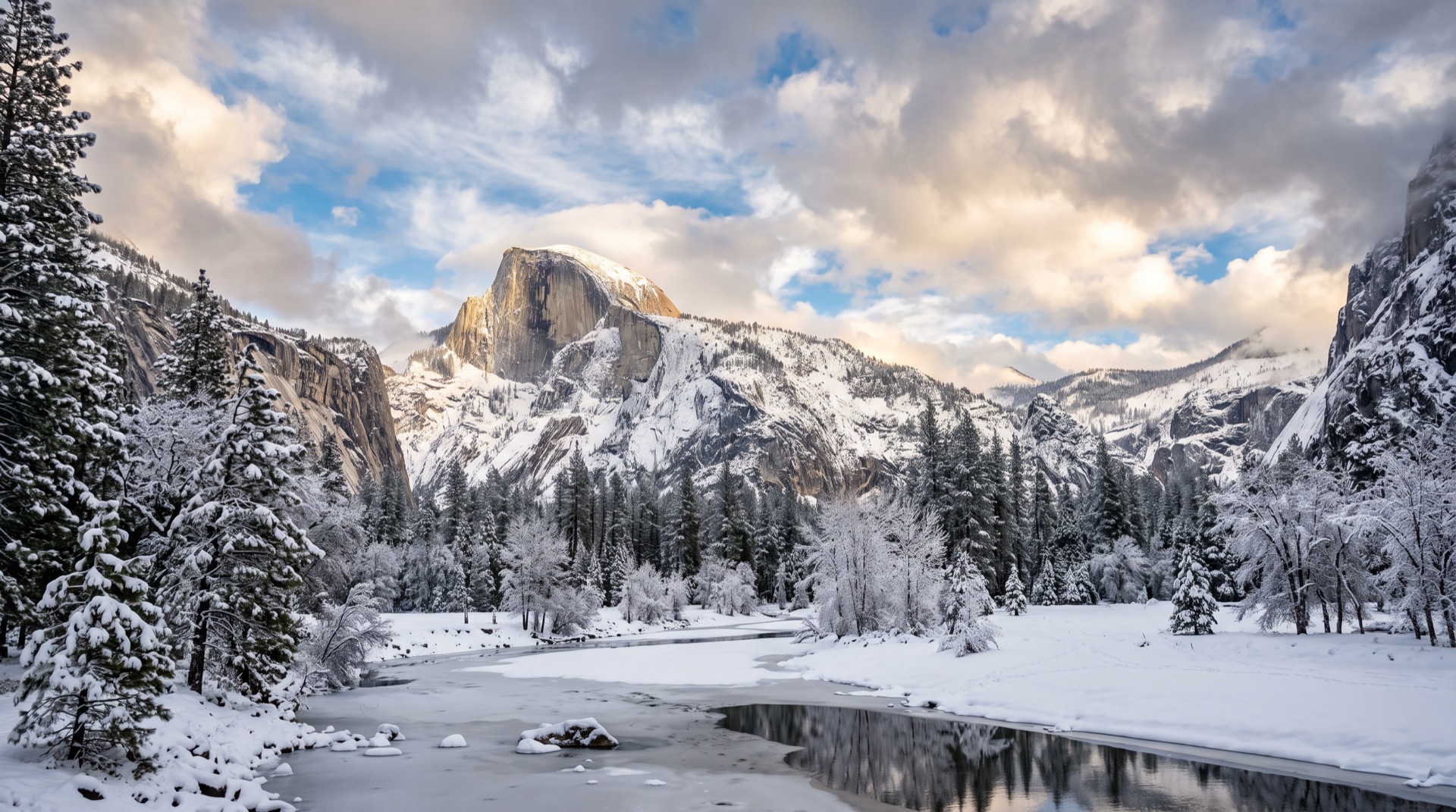
A Big Bear Lake roof can look fine from the driveway and still be backing water under the shingles at the eave, where nobody can see it. As part of our complete Big Bear Lake winter roof services, crews handle ice dam insurance claims across San Bernardino County.
Big Bear Lake Ice Dams: Melting on Days It Never Thaws
Altitude makes the sun stronger and the air colder at the same time. A roof in Big Bear Lake can be producing meltwater on its south face at midday while the thermometer reads well below freezing.

Depth makes it worse. A San Bernardino County roof can carry several feet of pack, and all of that is a reservoir sitting above an eave that never sees sun.
Ice-barrier practice in San Bernardino County
Design snow loads in San Bernardino County are among the highest anywhere, and the membrane and retention requirements that go with them are not formalities. On an older Big Bear Lake cabin or chalet neither may be present.
Ice Dam Insurance Claims in Big Bear Lake: How The Work Runs
One claim, broken out by coverage
Everything an ice dam caused goes on one claim, but not as one lump number. Emergency removal and dryout are loss mitigation. Mold remediation often sits under its own sublimit. Interior repair and the roof sit under dwelling coverage. Does Insurance Pay for Ice Dam Water Damage?.
Writing the scope with those lines separated is what lets an adjuster approve each part on its own terms, and it stops a dispute over one line holding up the rest of a Big Bear Lake claim.
Meeting the adjuster on site
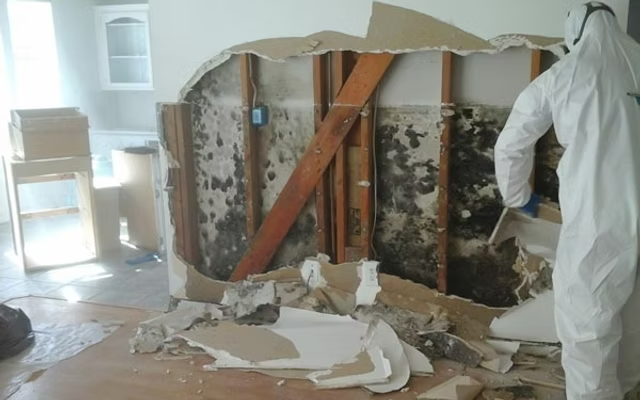
A lot of disputes come down to the adjuster never having seen what was behind the drywall. Crews meet them at the Big Bear Lake property, walk the damage, and hand over the photo record and the readings.
Fifteen minutes on site is worth more than two weeks of emails, and it is free.
Supplements: when the tear-out finds more
Scopes are written from what can be seen. Open a ceiling and the damage frequently runs further than the stain did, and the original estimate no longer covers the work.
That is a supplement, and it is ordinary. What makes it go smoothly is photographs of the newly exposed damage, a revised line-item scope, and raising it when it is found rather than at the end. Work carried out before the carrier has seen it is the version that tends to go unpaid.
Replacement cost, actual cash value and the second check
Most policies pay the depreciated value first and release the remainder once the repair is actually completed and invoiced. People who do not know that see the first check, assume it is the whole settlement, and decide the claim was not worth filing.
Reading which of those two your policy is on, before the work is scoped, changes what gets claimed and when. The specifics are between you and your carrier - what a contractor supplies is the documentation each stage needs.
Mold on an ice dam claim
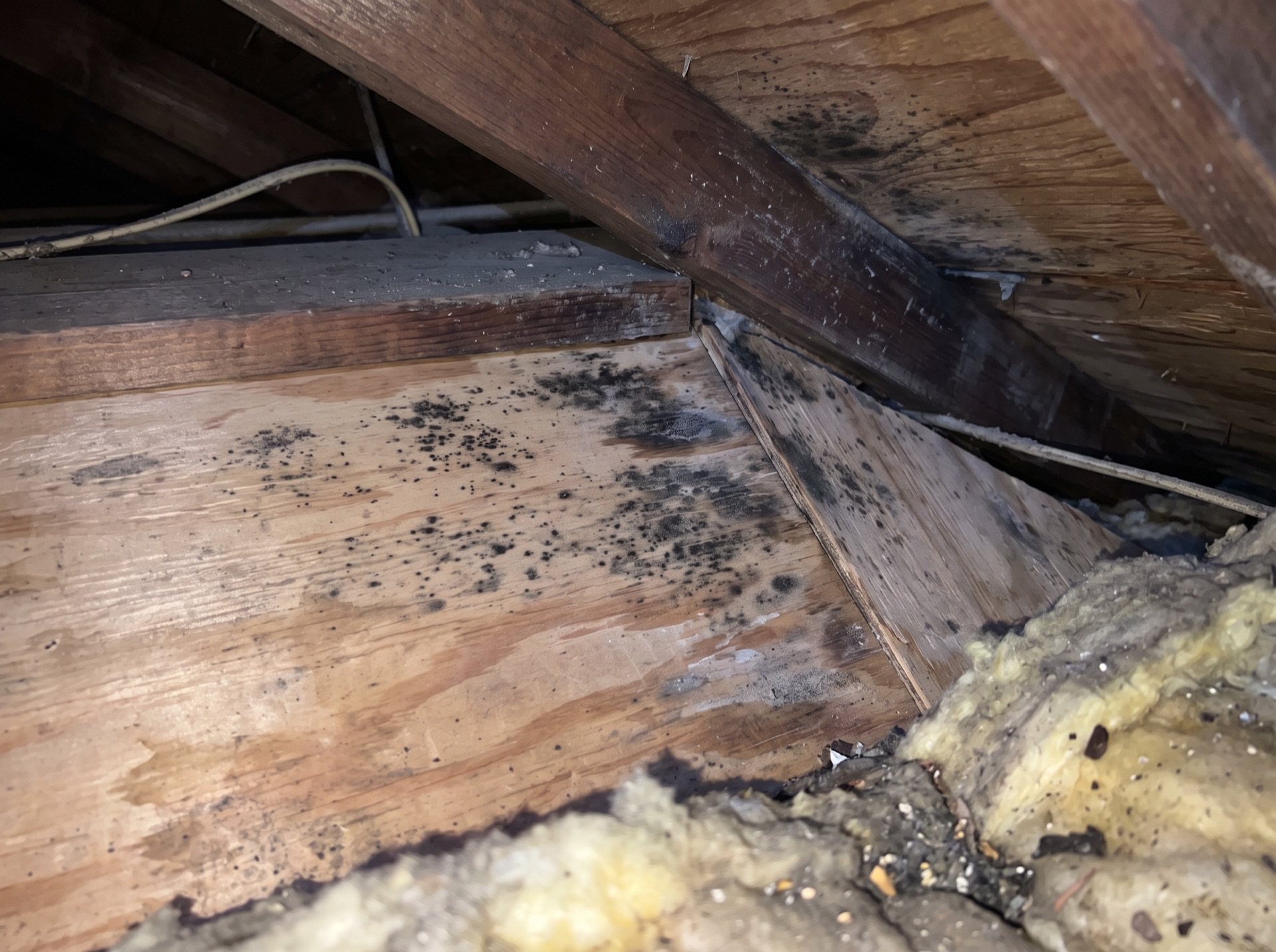
Where the water from a reported ice dam led to mold, remediation is often covered, frequently under a separate and smaller mold limit. Mold from a leak nobody reported for months is where carriers push back.
Reporting the water early and documenting the drying is what keeps any mold that follows attached to the original covered event.
What you get in Big Bear Lake
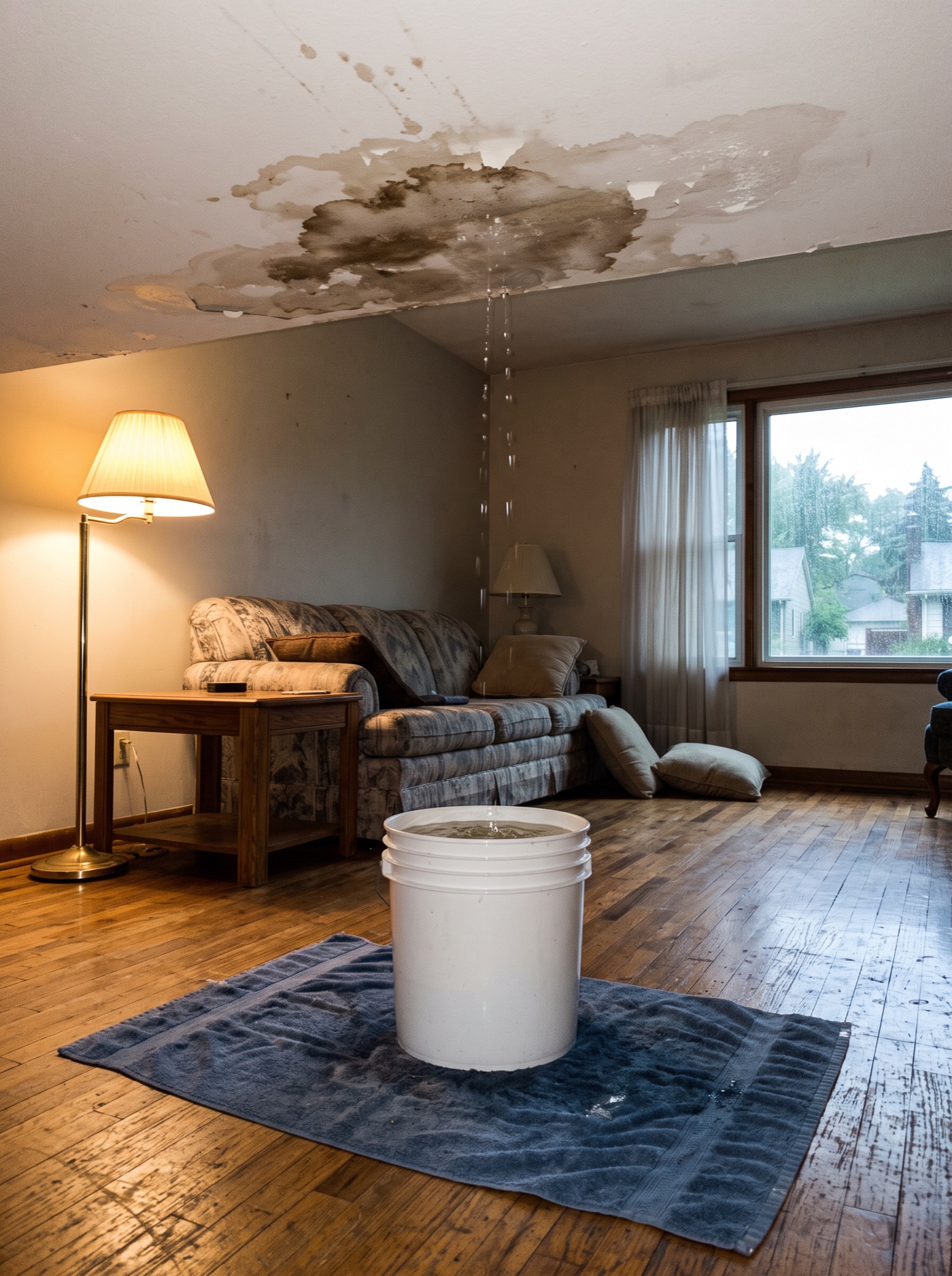
- Dated photo recordThe dam, the entry points and the interior damage, captured while it is happening
- Adjuster meetingsCrews meet the adjuster on site and walk the damage with them
- Interior repair in-houseDrywall, insulation, paint and trim scoped and done by the same company
| Method | Containment, HEPA filtration and drying to a measured IICRC standard |
|---|---|
| Primary climate stressor | Solar melt on deep pack, shaded eaves |
| Billing | Xactimate line items on one claim; carrier billed directly where the policy allows |
| Local ice-barrier practice | Extended membrane plus snow retention |
| Coverage area | Big Bear Lake and San Bernardino County |
| Documentation | Dated before and after photos, written scope in Xactimate line items |
| Interior repair | Insulation, drywall, texture, trim and paint, done in-house after drying |
Where We Dispatch Around Big Bear Lake
Crews working Big Bear Lake cover the adjoining communities on the same route — Big Bear City, Fawnskin, Sugarloaf, Angelus Oaks and Green Valley Lake — so a storm week usually means one truck handling several addresses in San Bernardino County rather than separate trips.
Nearest hub towns with their own insurance claims pages: Mammoth Lakes, June Lake, South Lake Tahoe, Placerville, Tahoe City, Olympic Valley (Palisades).
When a storm hits San Bernardino County, crews are dispatched by severity rather than by call order — water already inside the house goes first.
Most jobs do not stop at one service. Insurance Claims in Big Bear Lake often runs alongside water mitigation & dryout in Big Bear Lake, and both get written into one scope rather than billed as separate visits.
Active leak right now? Our 24/7 Big Bear Lake steam ice dam removal crews are dispatched first during a freeze event. Call (888) 561-9664.