

Skip to content
Cheyenne, WY
High-Altitude Solar Melt · Laramie County

Ice Dam Removal in Cheyenne, WY — Mountain Storm Response

Winter roof emergency services for Cheyenne, WY from Ice Dam Now: steam ice dam removal, snow load reduction, frozen gutter clearing, structural dryout and claim support across Laramie County. Crews are licensed, insured and harness-certified, work same day on active leaks, and bill by the crew hour at a rate agreed on the phone.

Steam removal across Cheyenne and Laramie County
No chipping, no salt, no pressure washing
Crew-hour rate quoted before anyone is dispatched
Before and after photographs on every job

Get Ice Dam Help Cheyenne

A few quick questions, then pick a time. If water is coming in, call instead.

What is the zip code of the home?

Roof leaking right now? Call (888) 561-9664 — that is faster than any form.
Water coming through the ceiling?Every hour an ice dam sits there, more water gets under the shingles.Call (888) 561-9664
Same Day
For Water Already Inside
Steam
Safe On Every Covering
Laramie
County Coverage
Insured
Harness-Certified On Every Roof
Written
Scope Before Work Starts
Cheyenne Services

What We Do In Cheyenne

Every service below is dispatched to Cheyenne and the surrounding Laramie County addresses.

Emergency
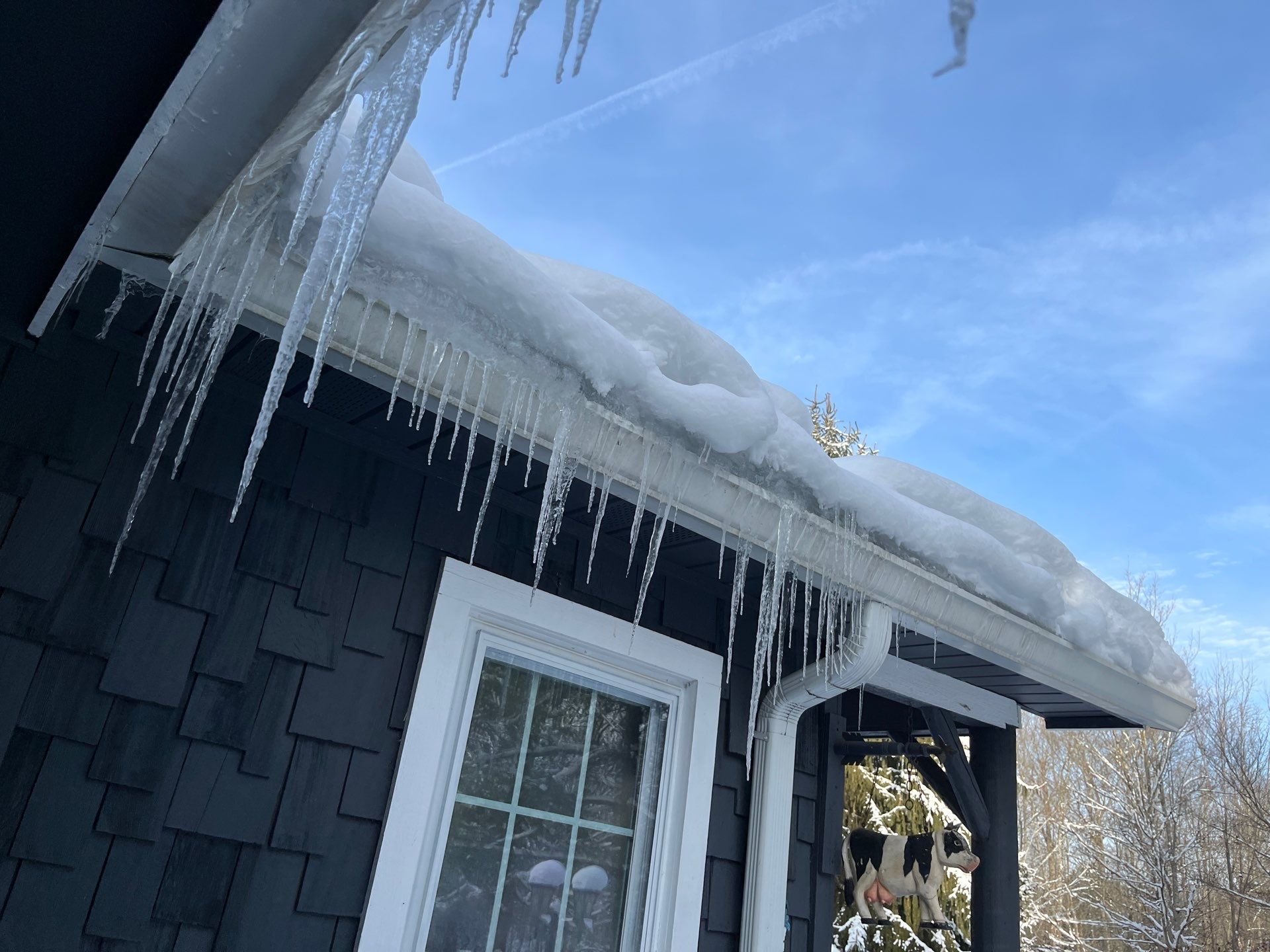
Large icicles and thick snow ice dam along roof edge of dark gray house

Ice Dam Removal in Cheyenne

24/7 Emergency Steam

Low-pressure steam melts the dam off the eave in sections until the shingle is clear and water is draining again.

Book Ice Dam Removal in Cheyenne
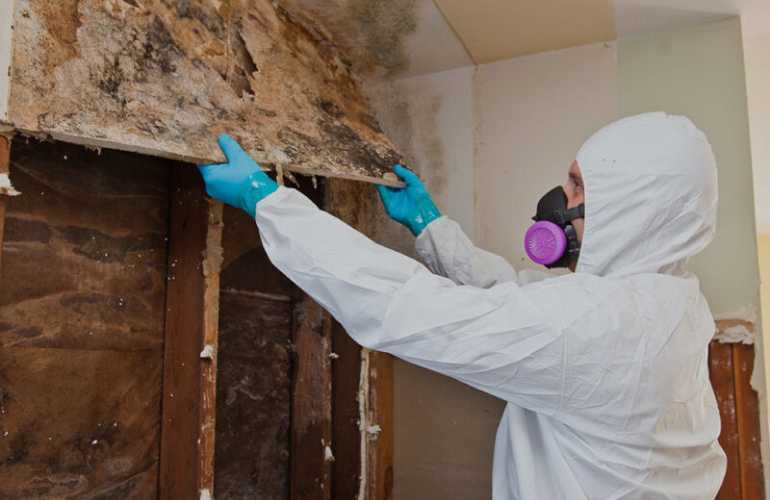
Technician in protective suit removing mold-covered drywall from interior wall

Mold Remediation in Cheyenne

IICRC S520 Standard

Attic, wall cavity and ceiling mold left behind by ice dam water, removed under containment and cleared before the room is rebuilt.

Book Inspection in Cheyenne
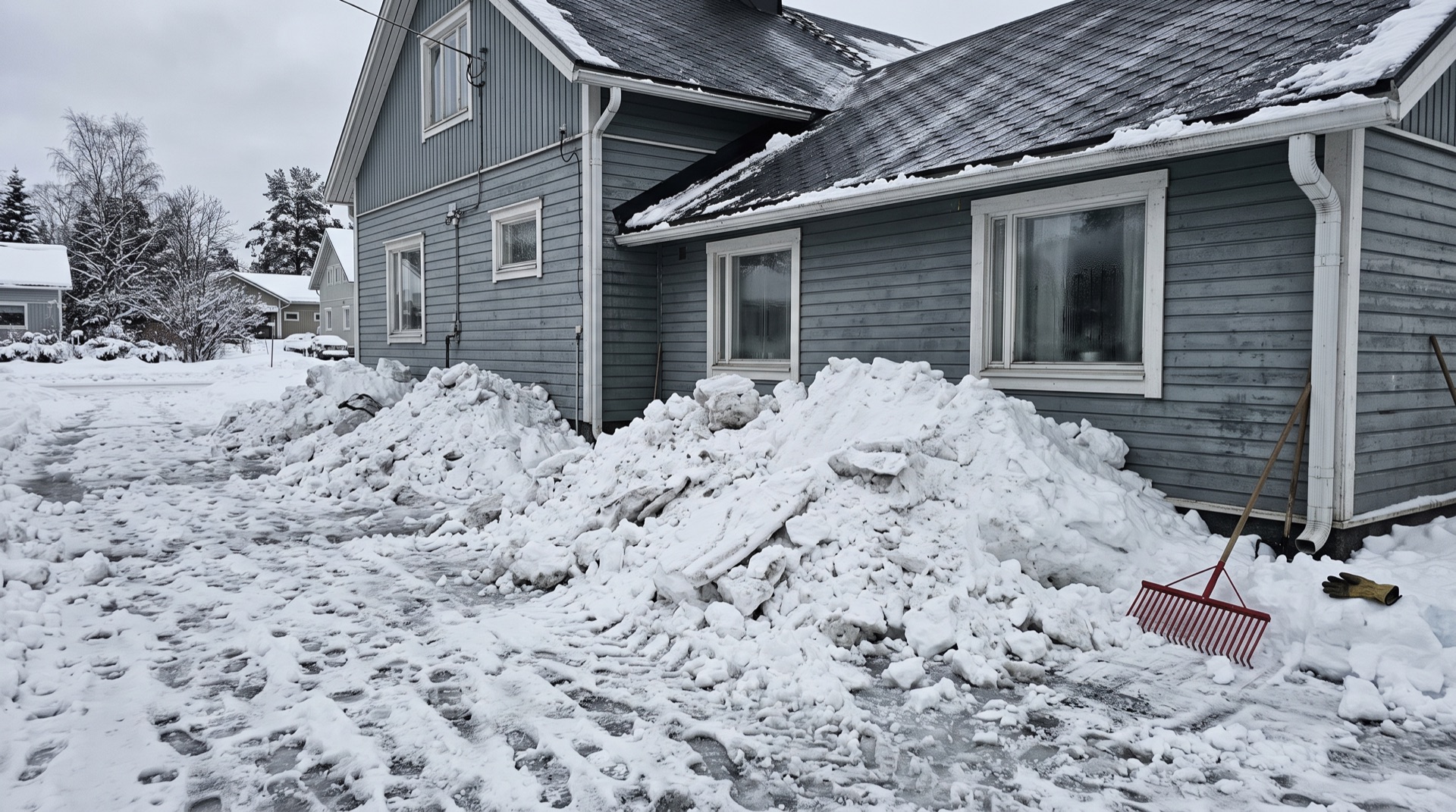
Large piles of raked snow beside a gray clapboard house in winter

Roof Snow Removal in Cheyenne

Stops The Next Dam

No snow on the roof means no meltwater, and no meltwater means no new dam.

Request Snow Clearing in Cheyenne
Worker in safety harness shoveling heavy snow off a residential roof

Roof Shoveling in Cheyenne

Hand Clearing

Deep pack, dead valleys and dormer pockets, cleared by hand where a rake cannot reach.

Request Hand Shoveling in Cheyenne
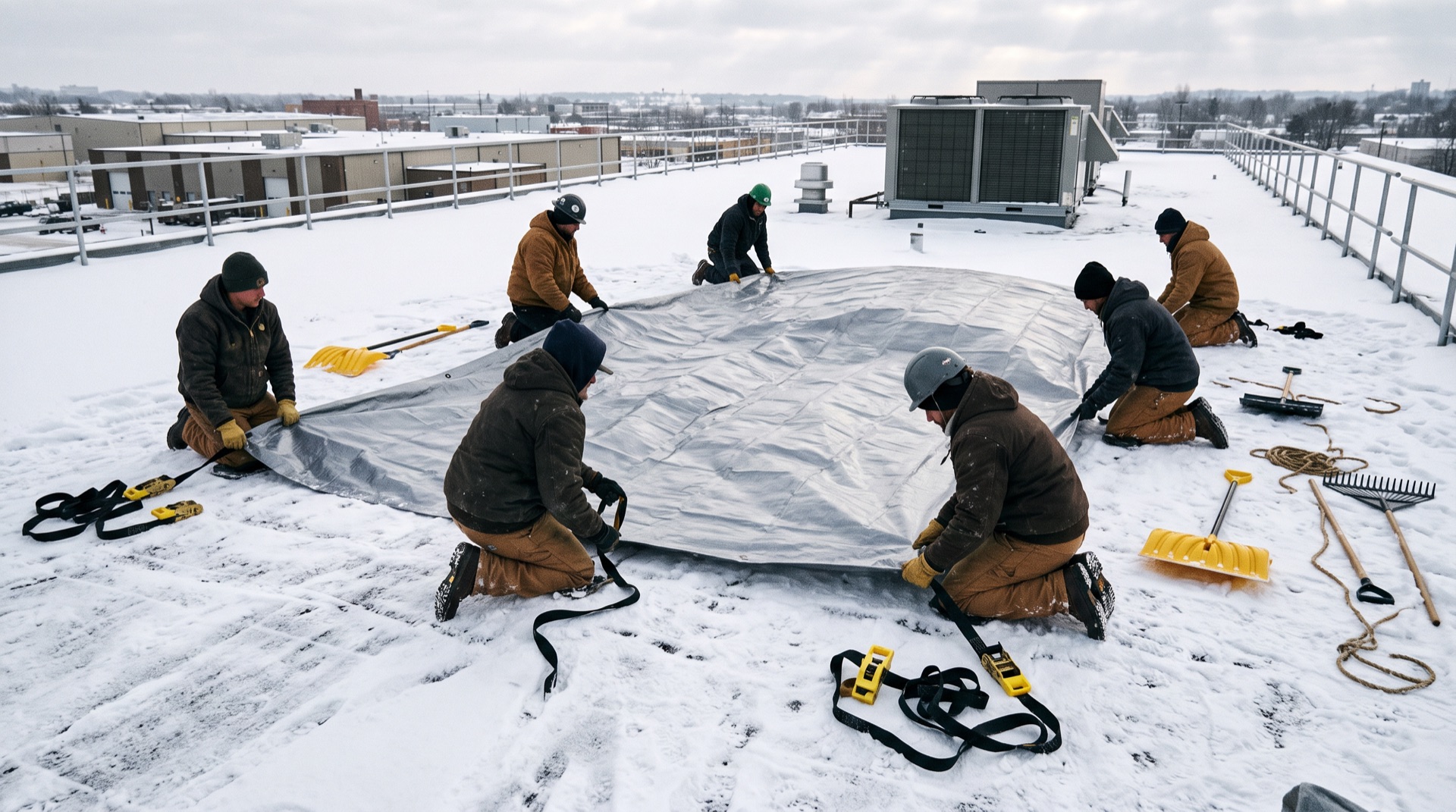
Six workers spreading a silver tarp across a snow-covered commercial rooftop

Crane-Assisted Snow Removal in Cheyenne

Deep Drifts & Big Roofs

Snow tarps rigged and lifted by boom crane where drifts are too deep and too heavy to move by hand.

Ask About A Crane Pick in Cheyenne
Emergency
technician in Tyvek suit and respirator removing contaminated pink insulation in attic

Water Mitigation & Dryout in Cheyenne

IICRC S500 Standard

Extraction, drying and controlled tear-out to IICRC S500, then the interior repair, so the water that already got in does not become rot and mold by spring.

Start Dryout in Cheyenne
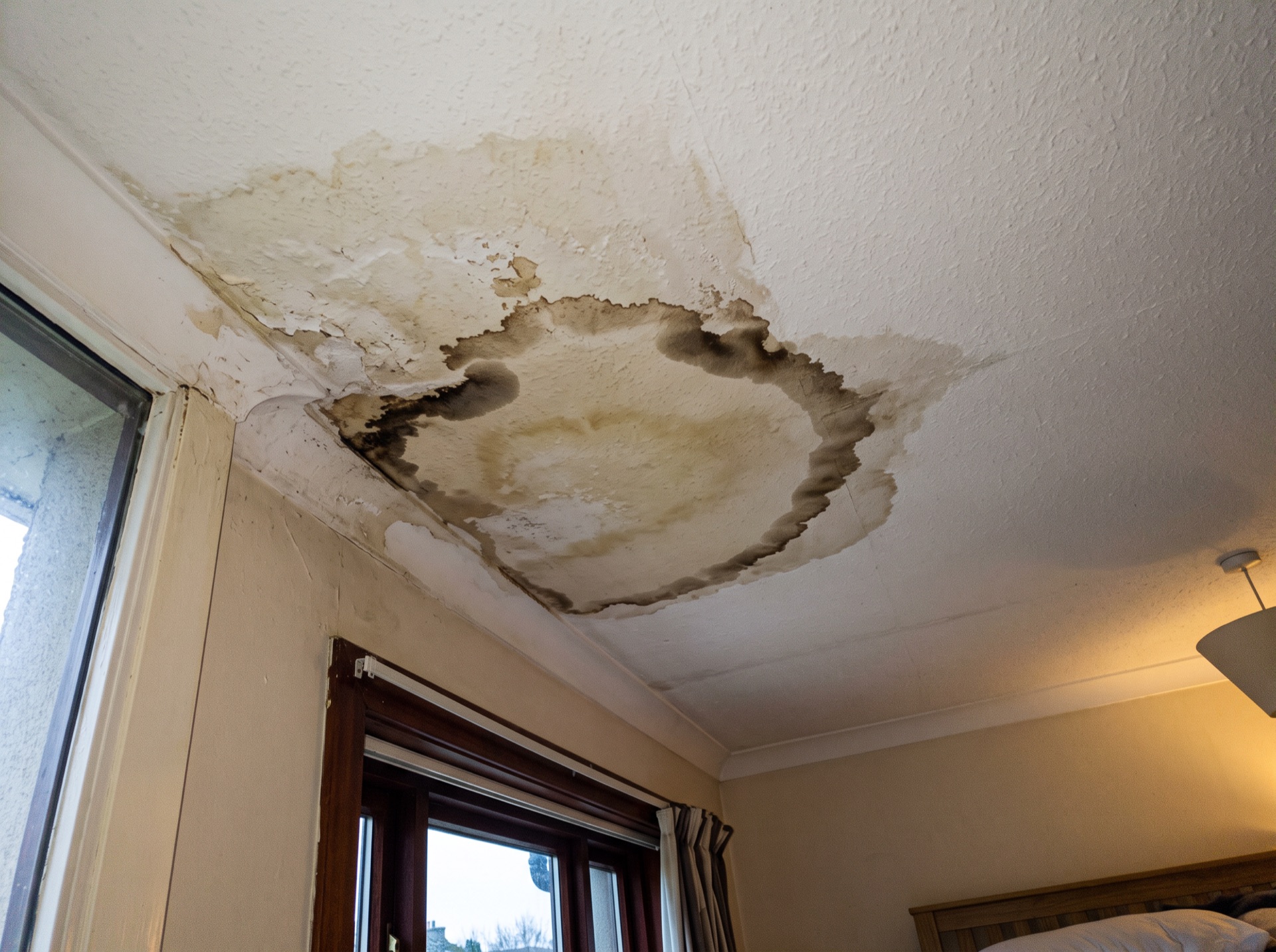
Large water stain with black mold spreading across bedroom ceiling near window

Ice Dam Insurance Claims in Cheyenne

Xactimate Scopes

One claim for the whole event: ice dam removal, water mitigation, mold remediation, interior repair and roof replacement where the storm damaged it, documented in Xactimate line items.

Get Claim Help in Cheyenne
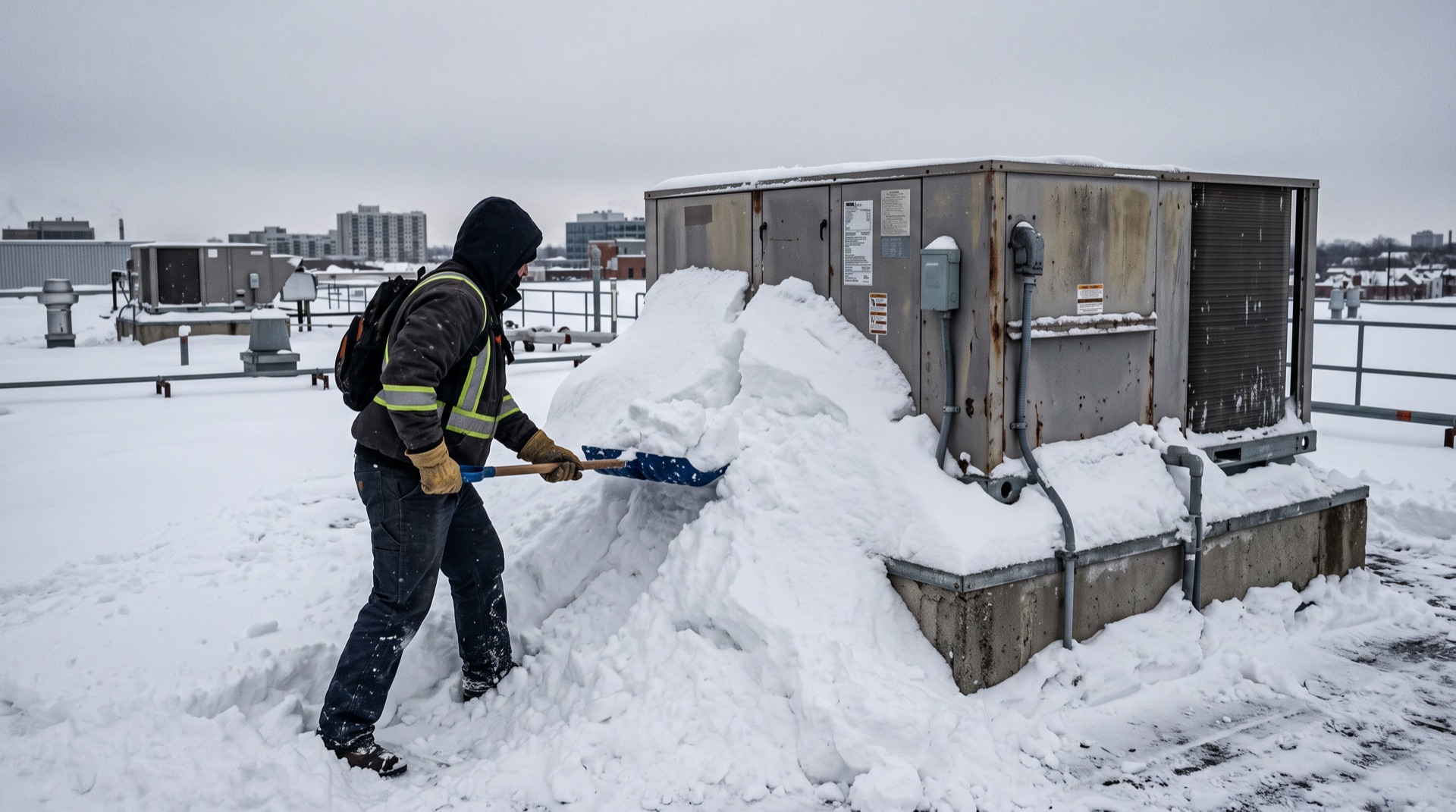
Worker in safety vest shoveling large snow drift from rooftop HVAC unit

Commercial Ice Dam Removal in Cheyenne

Flat Roof & Parapet

Membrane-safe steaming for EPDM and TPO decks, frozen parapet scuppers and blocked internal drains.

Book Commercial Steaming in Cheyenne
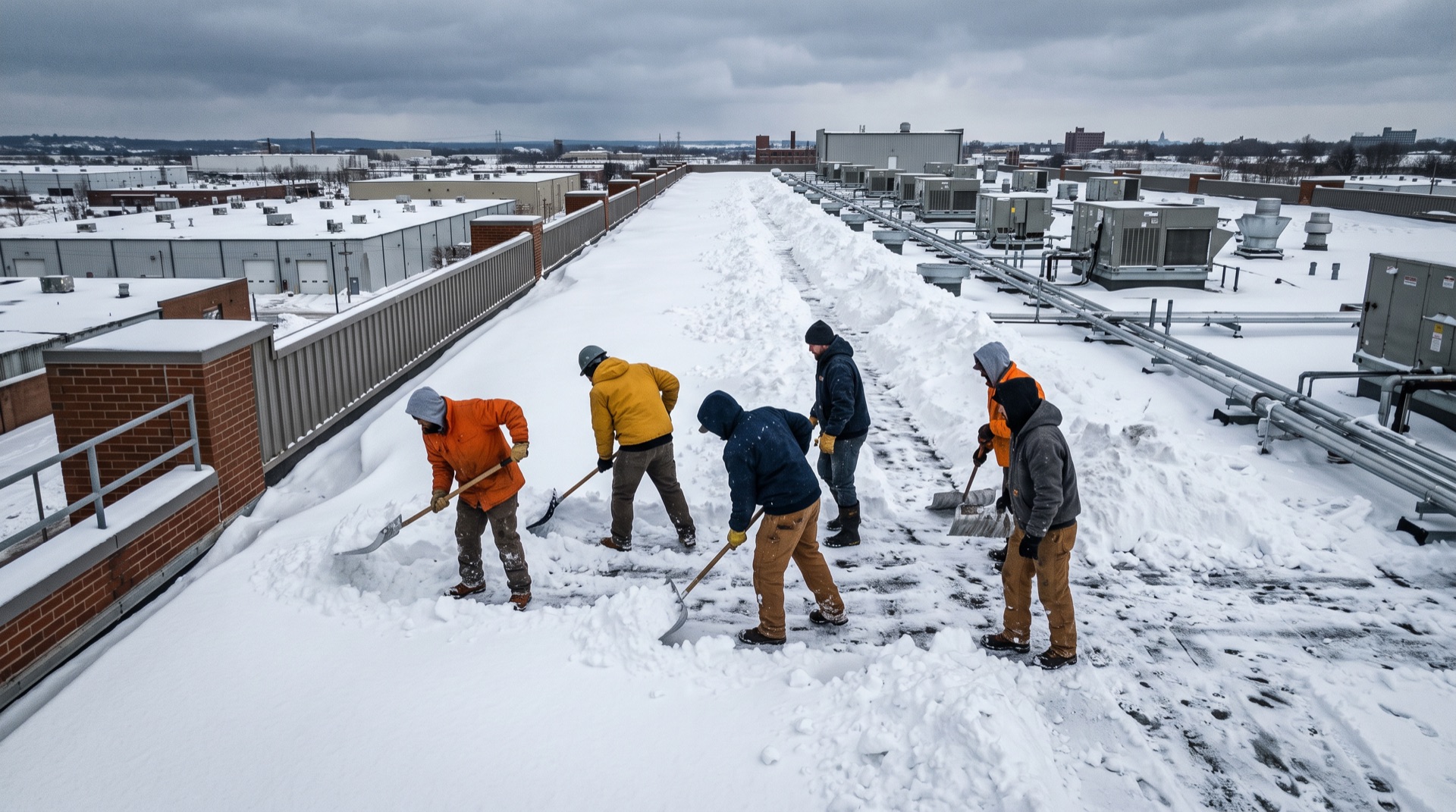
Five workers shoveling heavy snow off a large commercial flat roof

Commercial Roof Snow Removal in Cheyenne

Structural Snow Load

Scheduled load reduction for warehouses, retail, schools and multi-unit buildings before drift weight becomes a deflection problem.

Schedule Load Reduction in Cheyenne
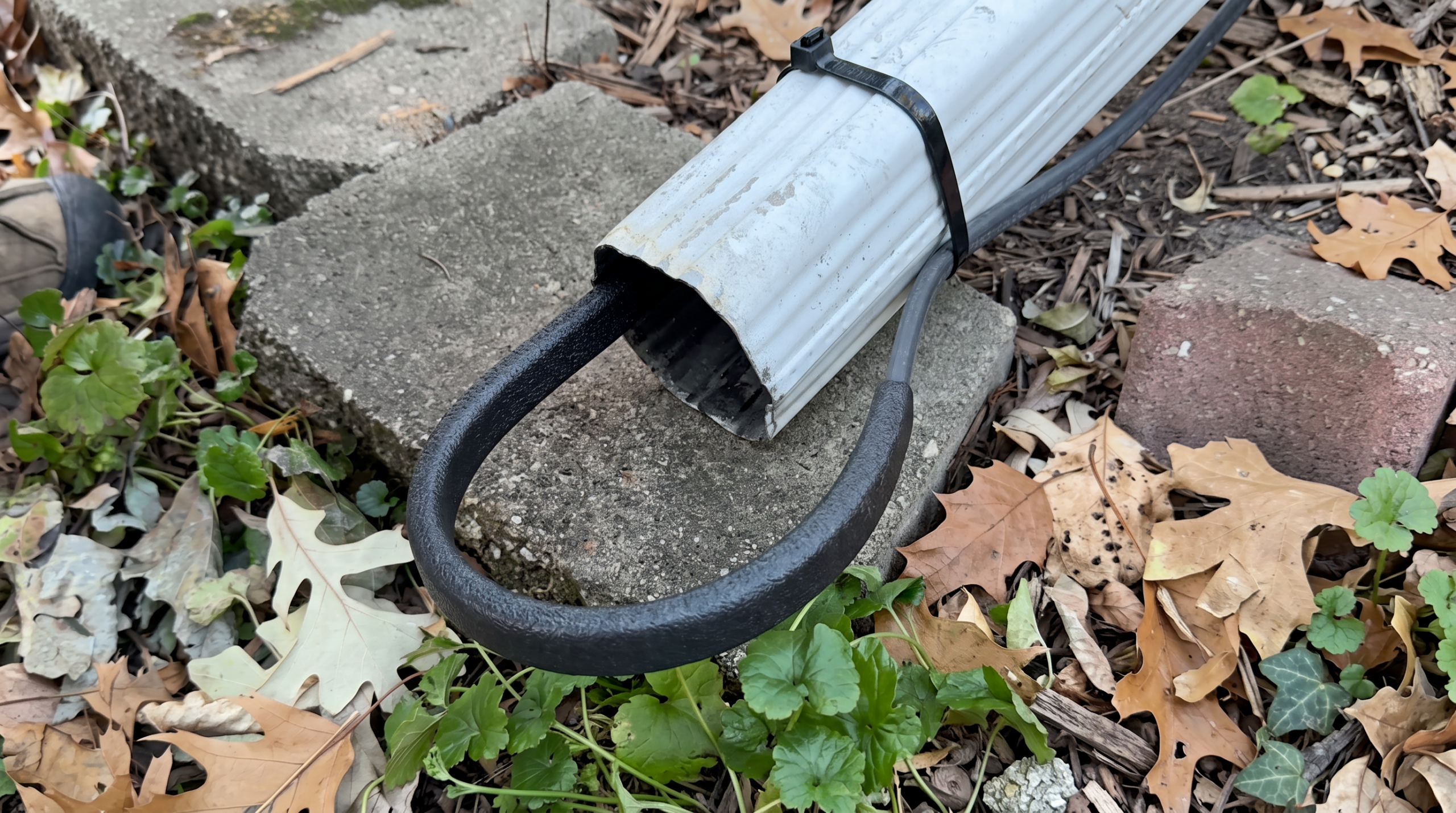
Heated cable loop extending from end of white aluminum downspout over concrete step

Heated Roof & Gutter Cables in Cheyenne

Permanent Prevention

Self-regulating heat trace on the eaves, valleys, gutters and downspouts, so meltwater keeps a path out all winter.

Get A Cable Quote in Cheyenne

Elevation, Aspect and Ice: The Laramie County Pattern

Mountain ice dams are a solar problem more than a temperature one. The sun works the pack from above while the air stays cold, so meltwater is produced and refrozen within the same afternoon.

Diagram showing how ice dams form on a roof from heat loss and snow melt
Heat escaping into the attic melts roof snow; the meltwater refreezes at the cold eave and the dam grows a layer every cycle.

Aspect decides everything here. The sunny plane sheds water that the shaded plane and the shaded eave then lock up, so one side of a roof in Cheyenne is clear while the other carries a wall of ice.

Ice-barrier practice in Laramie County

Design snow loads up here are among the highest in the country, and the membrane and retention details that come with them are not paperwork. On an older Cheyenne cabin neither is likely to be present.

The Cheyenne Dispatch Process, Step by Step

Nothing gets touched until the roof has been walked and photographed. The crew finds every dam, locates where water is getting in, shows you, and gives you the crew-hour rate and a time estimate before the equipment comes off the truck.

Removal then works from the worst point outward, so water starts draining early rather than at the end. Gutters and downspouts frozen solid get steamed through in the same visit — leaving them means the eave dams again within days.

If water already got inside

Taking the ice off stops new water. It does nothing about what is already in the insulation, the ceiling and the walls of a Cheyenne home.

The same company handles the rest: water mitigation and dryout, mold remediation where the water has led to growth, the interior repair, and the roof where the dam damaged it, all documented on one insurance claim.

Why salt and ice melt make it worse

Calcium chloride opens a narrow channel and leaves the dam standing. The channel refreezes, the dam does not go anywhere, and in the meantime the runoff corrodes gutter seams, fasteners, flashing and anything growing underneath.

It is a stopgap at best. On a roof in Cheyenne with an active leak it buys hours, not days, and it adds a corrosion problem to the water problem.

What happens after the ice is off

Once the eave is clear and water is draining, the crew walks the interior with you where there is visible damage and says plainly whether it needs drying. Wet insulation and a damp ceiling cavity do not resolve themselves in a cold Cheyenne February.

If it does, that is a separate scope and it gets written separately — nobody is upsold a dryout on the strength of one damp patch.

Ice dam removal in Cheyenne, WY — specification
Service specification for Cheyenne, WY
ServiceIce dam removal in Cheyenne, WY
Removal methodLow-pressure steam only. No chipping, salt or pressure washing.
Local ice-barrier practiceExtended membrane plus snow retention
Primary climate stressorSolar melt on deep pack, shaded eaves
Pricing modelBilled by the crew hour, rate quoted before dispatch
Dispatch window24 to 48 hours in mountain terrain
Coverage areaCheyenne and Laramie County

Where We Dispatch Around Cheyenne

Crews working Cheyenne cover the adjoining communities on the same route — Ft Warren Afb — so a storm week usually means one truck handling several addresses in Laramie County rather than separate trips.

Nearest hub towns with their own crew pages: Laramie, Douglas, Casper, Gillette, Riverton, Rock Springs.

Coverage runs across Cheyenne and the nearby towns all winter, and capacity is surged into whichever Wyoming market the storm actually hits.

Water coming in right now in Cheyenne? Call (888) 561-9664. Active interior leaks go to the front of the schedule.
Nearby

Hub Towns Around Cheyenne

Crews run these on the same route, so a storm week usually means one truck covering several of them.

All Wyoming Locations
Conditions We Work In

What We Find On Cheyenne Roofs

Every job is photographed before and after. These are the conditions crews work in across Laramie County.

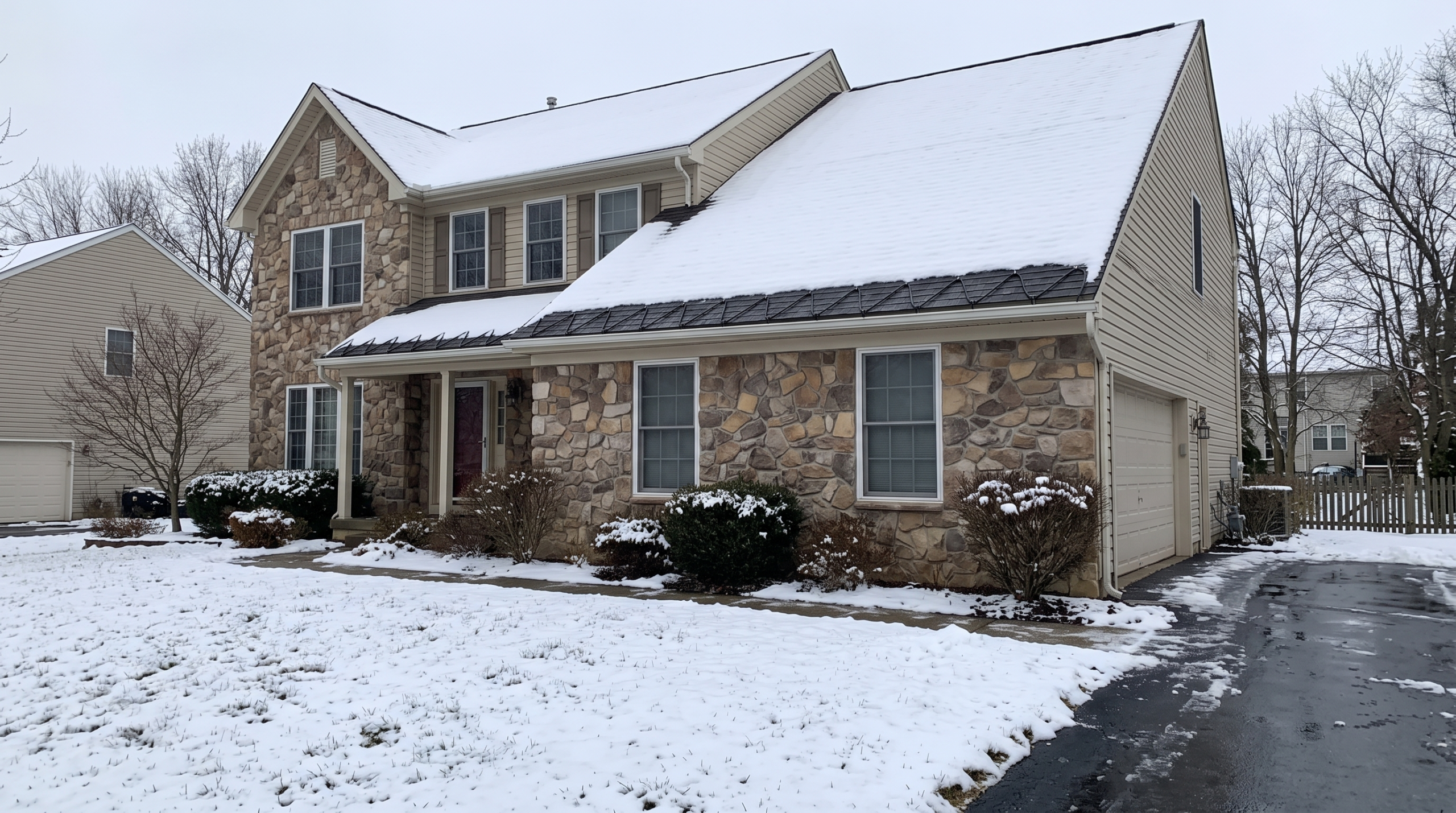
Snow-covered stone front colonial home with solar panels on roof in suburb
A light snowfall blankets a Maryland colonial home, highlighting conditions ideal for ice dam formation along the roofline.
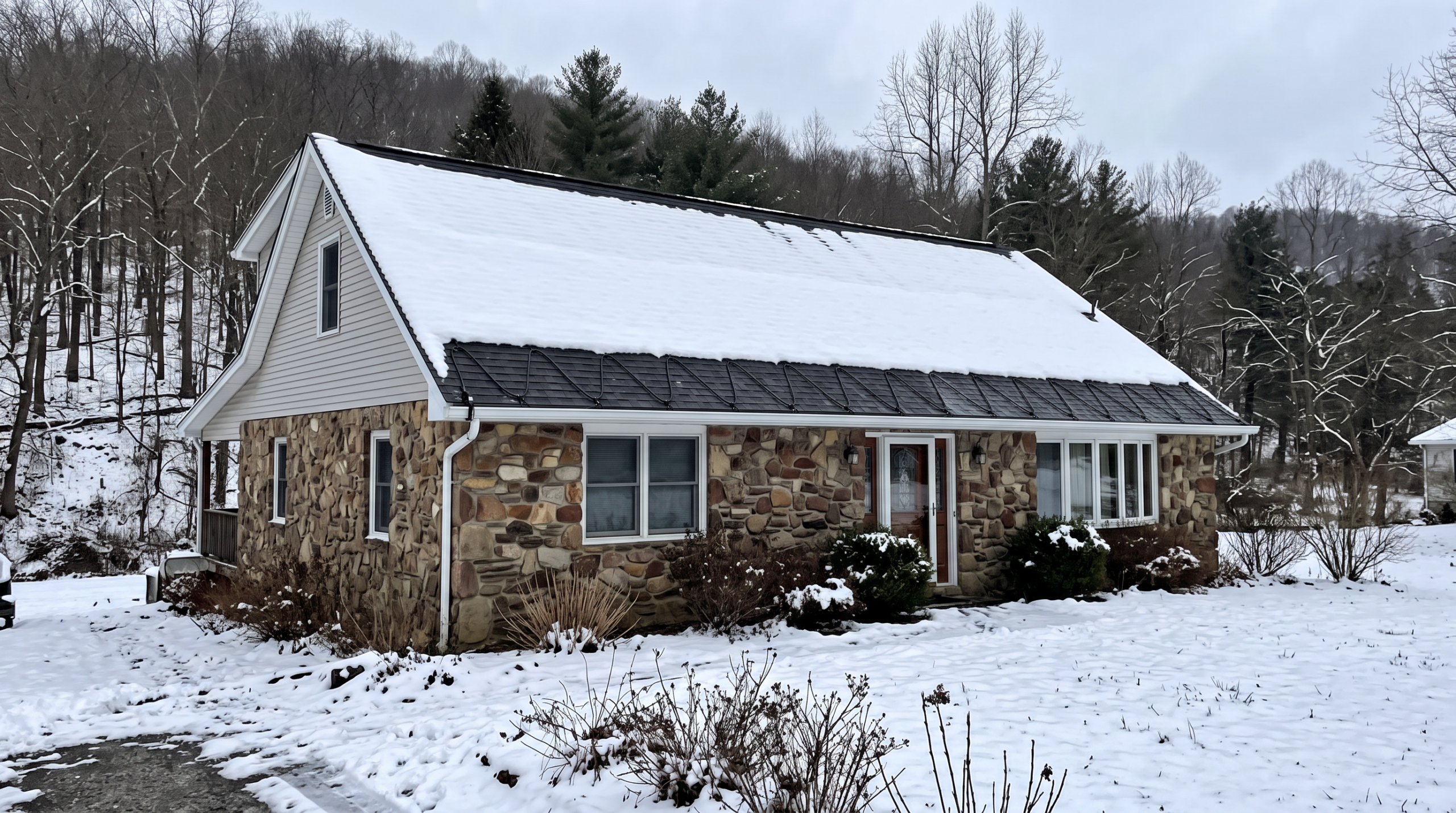
Stone home with snow-covered solar roof panels and no ice dams in winter
A West Virginia stone home showcases a solar-panel roof that remains free of ice dams after a winter snowfall.
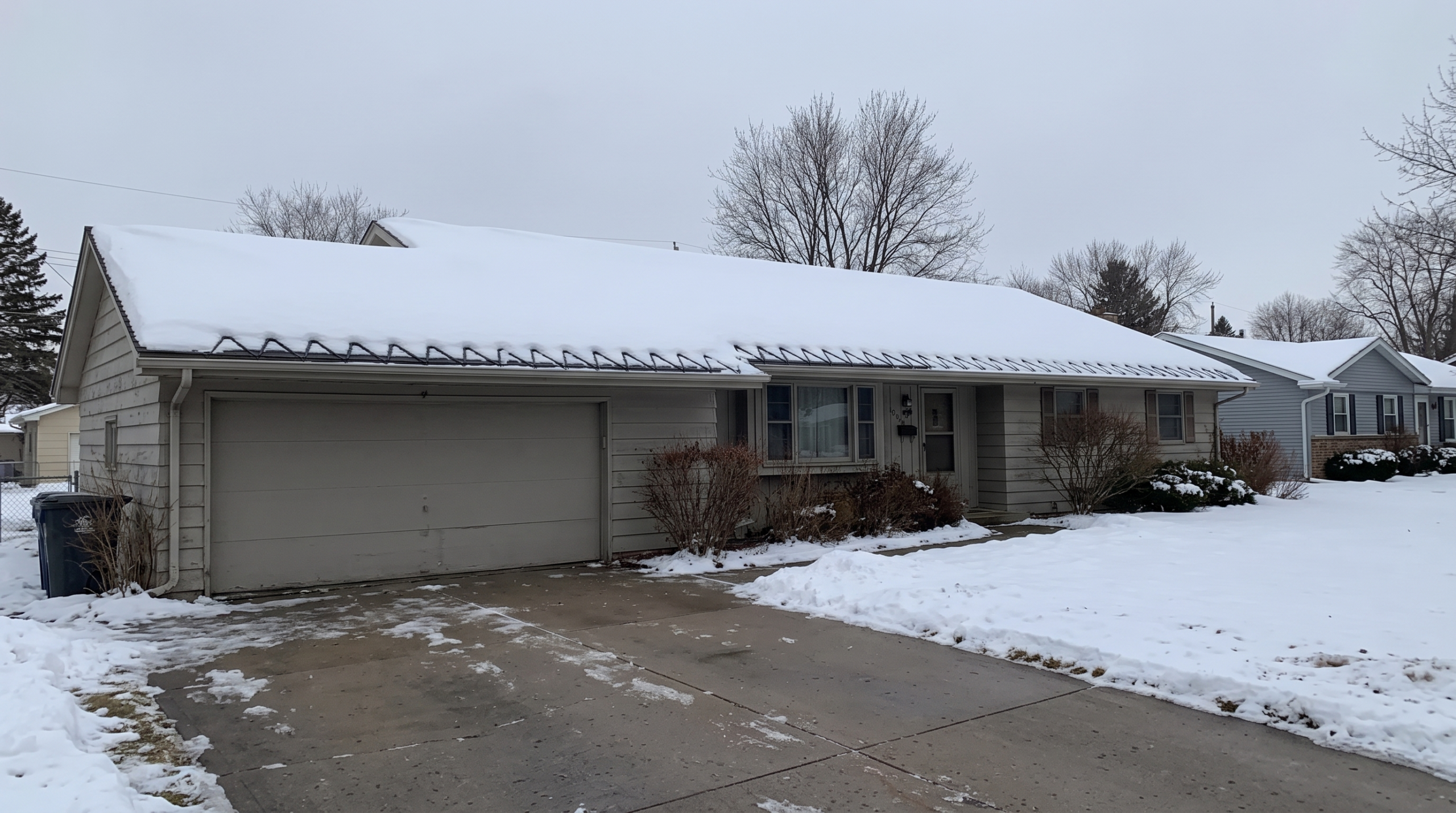
Ranch home with ice dam prevention cables along snowy roofline and garage
Zigzag heat cables installed along the eaves of a ranch-style home help prevent ice dam formation.
Worker on ladder using steam wand to remove ice dam from snowy roof
Method

Steam, Never A Hammer

Low-pressure steam removes ice with heat rather than force, so granules, seal strips and flashing come through untouched. It is the only method crews use on a roof in Cheyenne.

FAQ

Cheyenne and Laramie County FAQ

Please do not. Salt corrodes flashing, fasteners, gutters and anything metal it drains across, and it damages whatever is planted below.

  • Calcium chloride is less aggressive than rock salt but still ends up in the soil at the drip line.
  • A puck melts a hole, not a drainage path, so the water simply refreezes a few inches further on.
  • Crews use heat and nothing else - no salt, no chemicals, nothing corrosive.

Yes. The dispatch area runs across Laramie County, and several addresses in one area are usually handled in the same run.

  • Adjoining communities are on the same route rather than treated as a separate trip.
  • Rural addresses outside the normal radius get told the travel position on the call.
  • Capacity is moved into whichever part of Wyoming the storm actually hits.

The crew hours on site, the equipment and the photo documentation - with the rate and an estimate given on the phone beforehand.

  • Travel to a Cheyenne address inside the normal service area is not an added line.
  • If the roof turns out worse than described, you are told before the extra hours are worked.
  • The invoice matches what was quoted. Nothing gets added on the tailgate.

More than it looks from the ground - a foot-deep dam across a thirty-foot eave is a few thousand pounds.

  • Depth is measured at the eave rather than estimated from the driveway.
  • The gutter trough underneath is usually frozen solid too and is part of the same mass.
  • That weight is one of the reasons chipping at it from a ladder goes badly.
Same-Day Response

Get A Cheyenne Crew Out

Every freeze-thaw cycle adds another layer to the dam and pushes a little more water under the shingles. That clock is already running.

✓ Licensed & insured✓ Low-pressure steam only✓ Rate quoted up front✓ Photos for your claim
Online Quote(888) 561-9664