



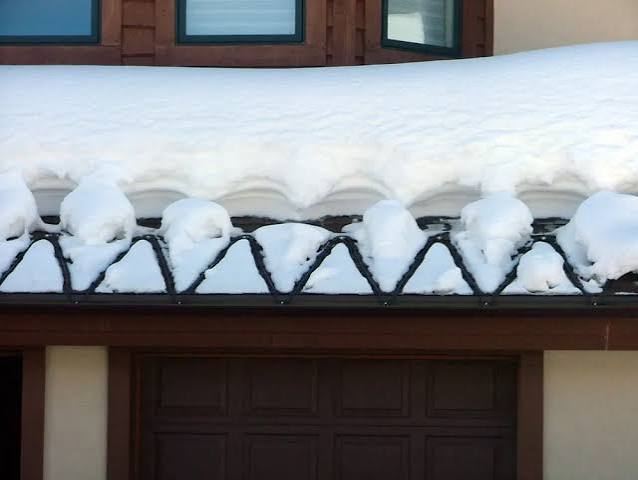
Small Snow, Repeated Cycles: Newark Ice Dams
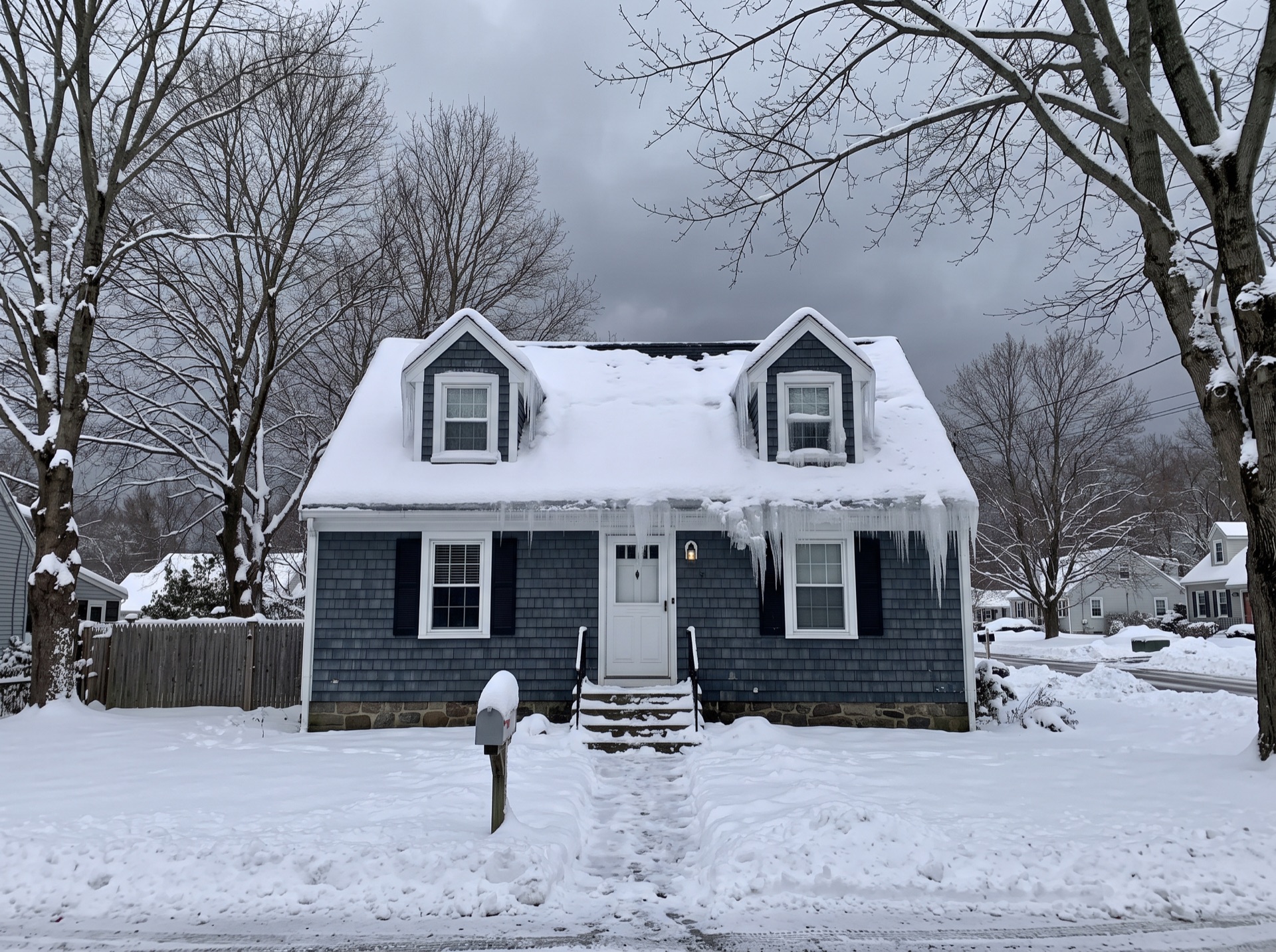
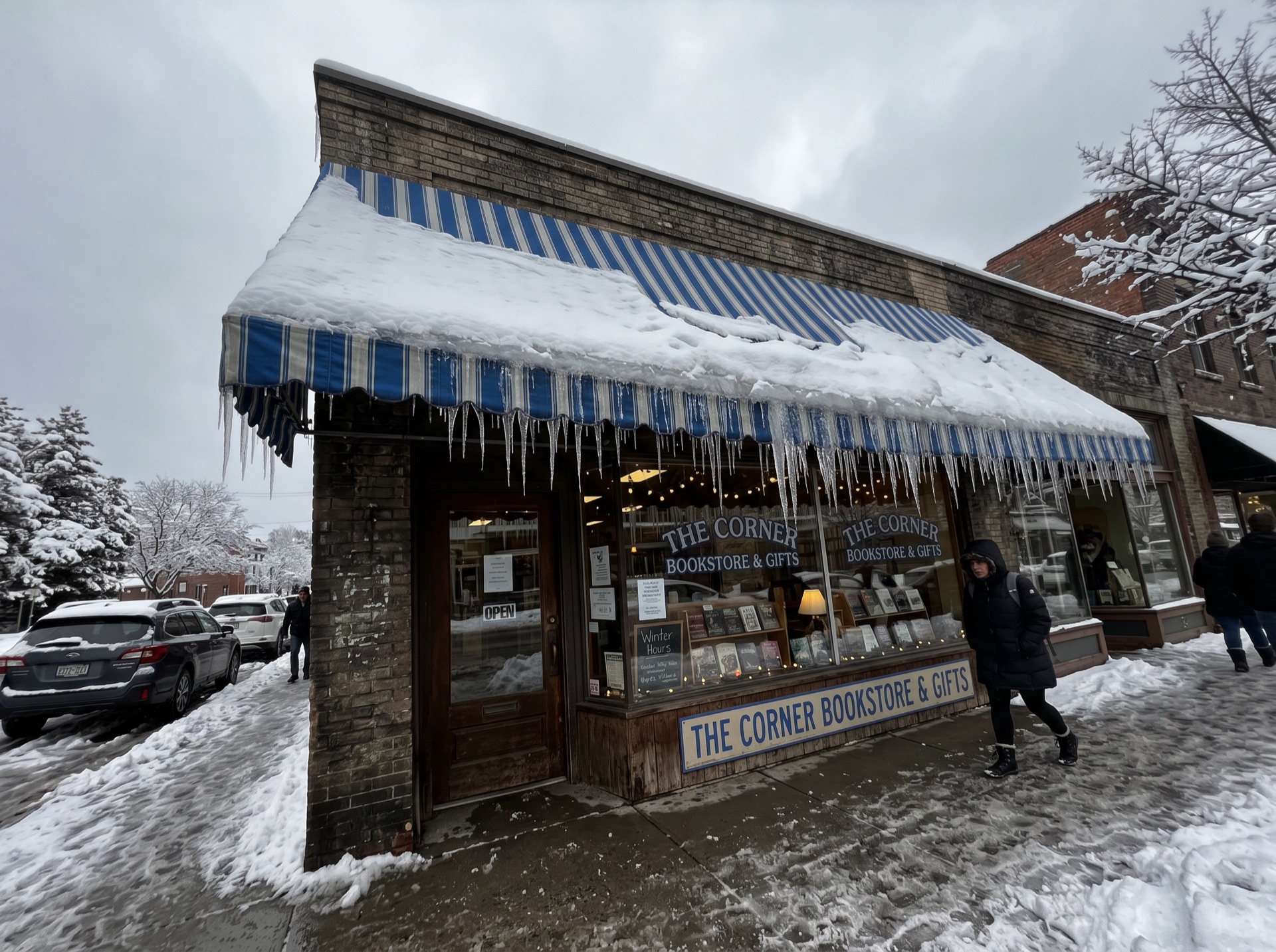
An ice dam needs meltwater and a cold eave, and Newark supplies both on an ordinary week. A thin cover that melts by lunchtime and sets again after dark is a perfectly good dam factory.

The expectation is the problem. Nobody in Newark re-roofs with ice dams in mind, so when a cycling stretch arrives the houses with the least margin all leak in the same week.
Ice-barrier practice in Licking County
Because ice is not the first thing a homeowner in Newark thinks about, the membrane is the detail most often value-engineered out of a re-roof. It is worth asking for by name on any quote.
How a Newark Steam Call Runs, Start to Finish
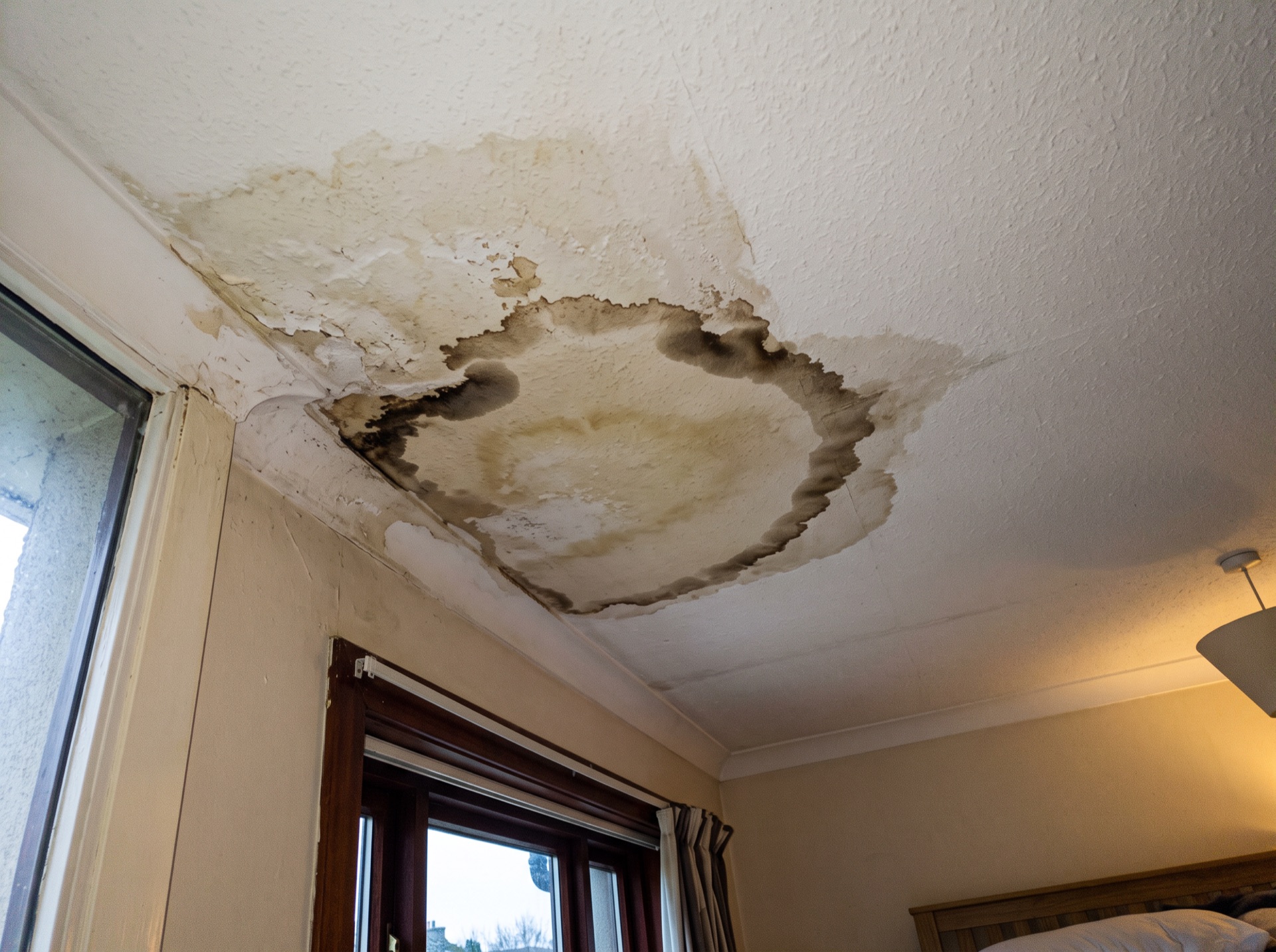
The first pass is assessment: eaves, valleys, gutter line and any interior staining, all photographed with timestamps. You see what the crew sees, and the rate and likely hours are agreed before work begins.
Steam then takes the dam off in sections, prioritizing wherever water is actively backing up behind it. The gutter trough and downspout are cleared through to daylight on the same visit, because a clear eave over a frozen gutter is a temporary fix.
Working at night and during an active storm
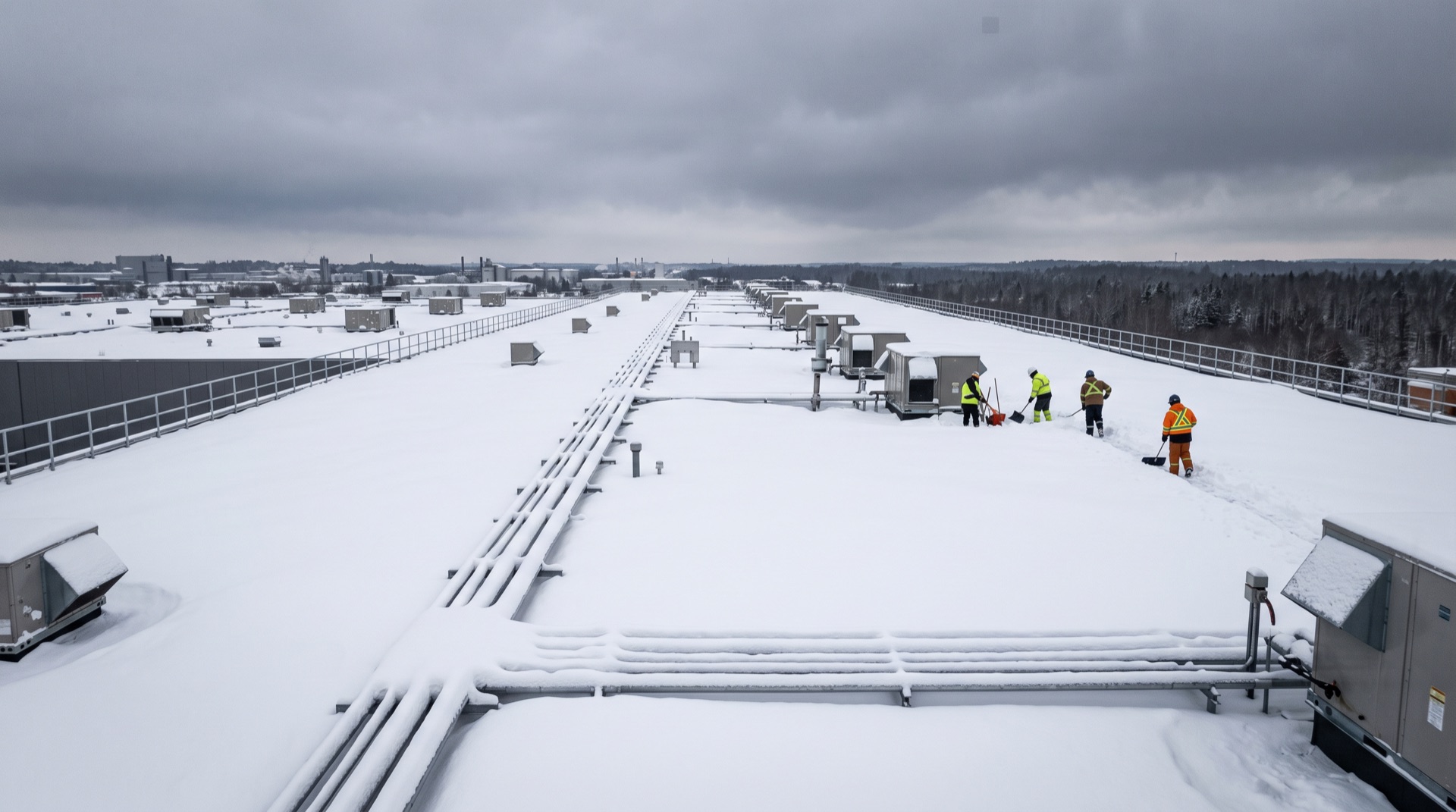
Freeze events do not keep office hours, and the worst leaks tend to announce themselves in the evening when the day's melt refreezes. Crews run lit, and a roof that is actively collecting snow is worked anyway, because waiting for better weather means the dam is bigger when somebody finally gets to it.
What does stop a crew is wind and lightning. Both are judgment calls made on site in Newark, and a postponed start gets explained rather than dressed up.
Steep, high and awkward Newark roofs
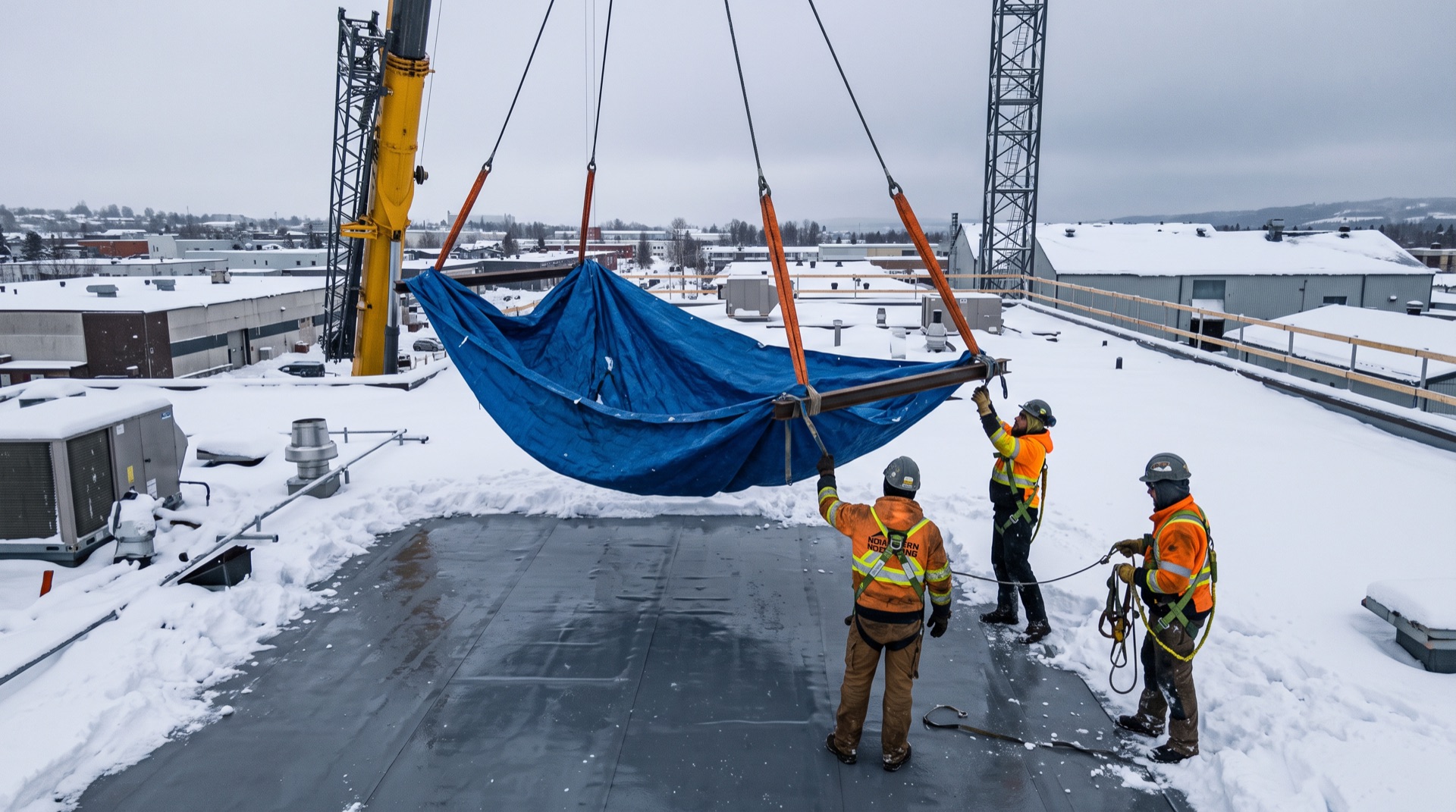
Pitch and height change the job more than ice thickness does. A walkable ranch eave is a ladder and a lance. A three-story roof with a steep pitch means anchors, rope, staging and two people where one would otherwise do.
Crews quote on that honestly. If a property in Newark needs a longer setup, it is said on the phone rather than discovered at the end of the invoice.
Why salt and ice melt make it worse
Calcium chloride opens a narrow channel and leaves the dam standing. The channel refreezes, the dam does not go anywhere, and in the meantime the runoff corrodes gutter seams, fasteners, flashing and anything growing underneath.
It is a stopgap at best. On a roof in Newark with an active leak it buys hours, not days, and it adds a corrosion problem to the water problem.
| Dispatch window | Same day to 24 hours |
|---|---|
| Typical scope | Steam, 4-8 crew hours typical |
| Local ice-barrier practice | Eave membrane on new work, often absent |
| Removal method | Low-pressure steam only. No chipping, salt or pressure washing. |
| Service | Ice dam removal in Newark, OH |
| Pricing model | Billed by the crew hour, rate quoted before dispatch |
| Documentation | Dated before and after photos, written scope in Xactimate line items |
Where We Dispatch Around Newark
Crews working Newark cover the adjoining communities on the same route — Heath, Granville, Jacksontown, Saint Louisville and Hebron — so a storm week usually means one truck handling several addresses in Licking County rather than separate trips.
Nearest hub towns with their own crew pages: Reynoldsburg, Gahanna, Lancaster, Westerville, Columbus, Upper Arlington.
Coverage runs across Newark and the nearby towns all winter, and capacity is surged into whichever Ohio market the storm actually hits.
Active leak at an address in Newark? (888) 561-9664 reaches dispatch directly. Interior water moves a job to the front of the day.