



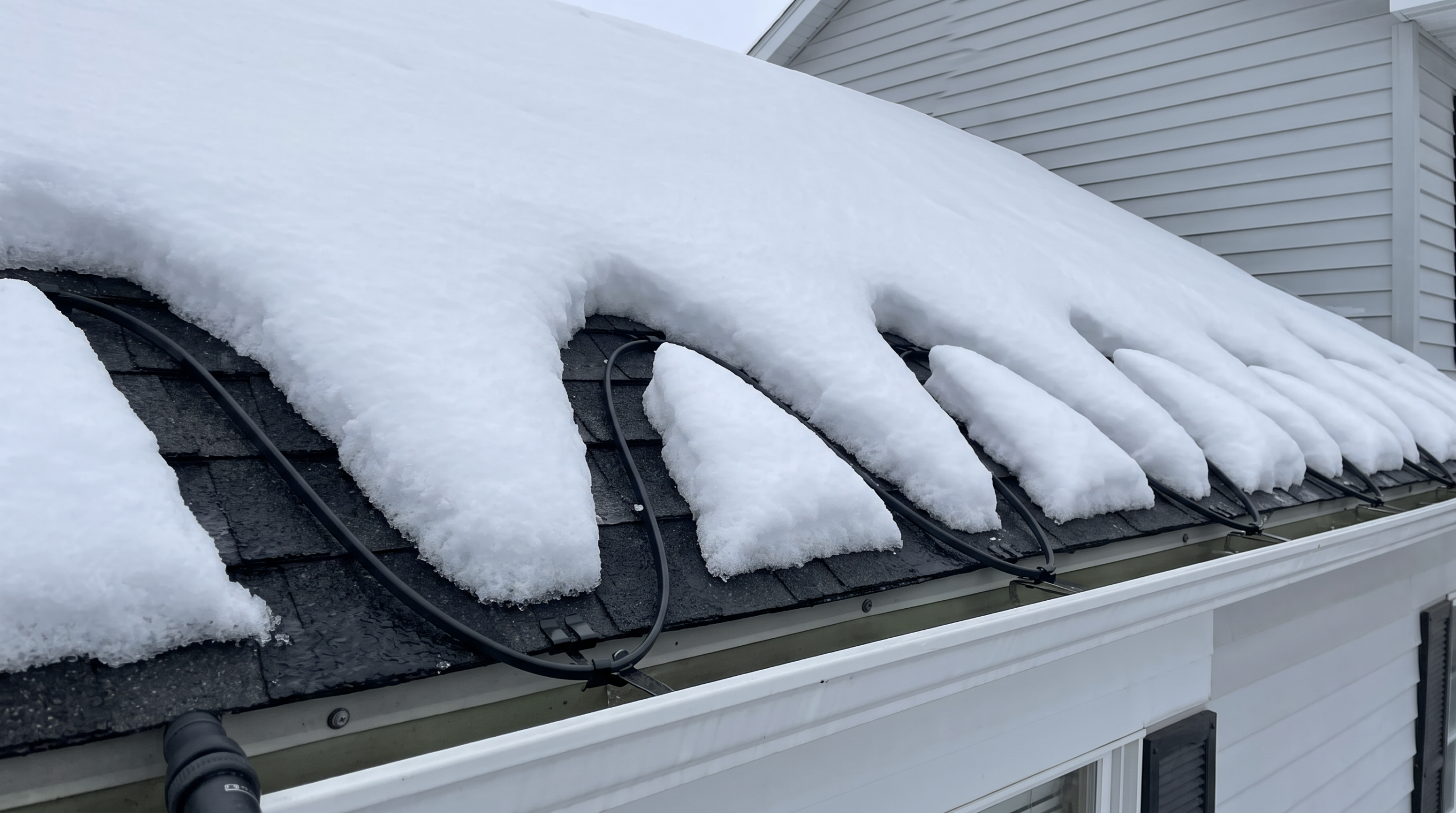
Why Gahanna Roofs Dam Up: Cycling, Not Snowfall Totals
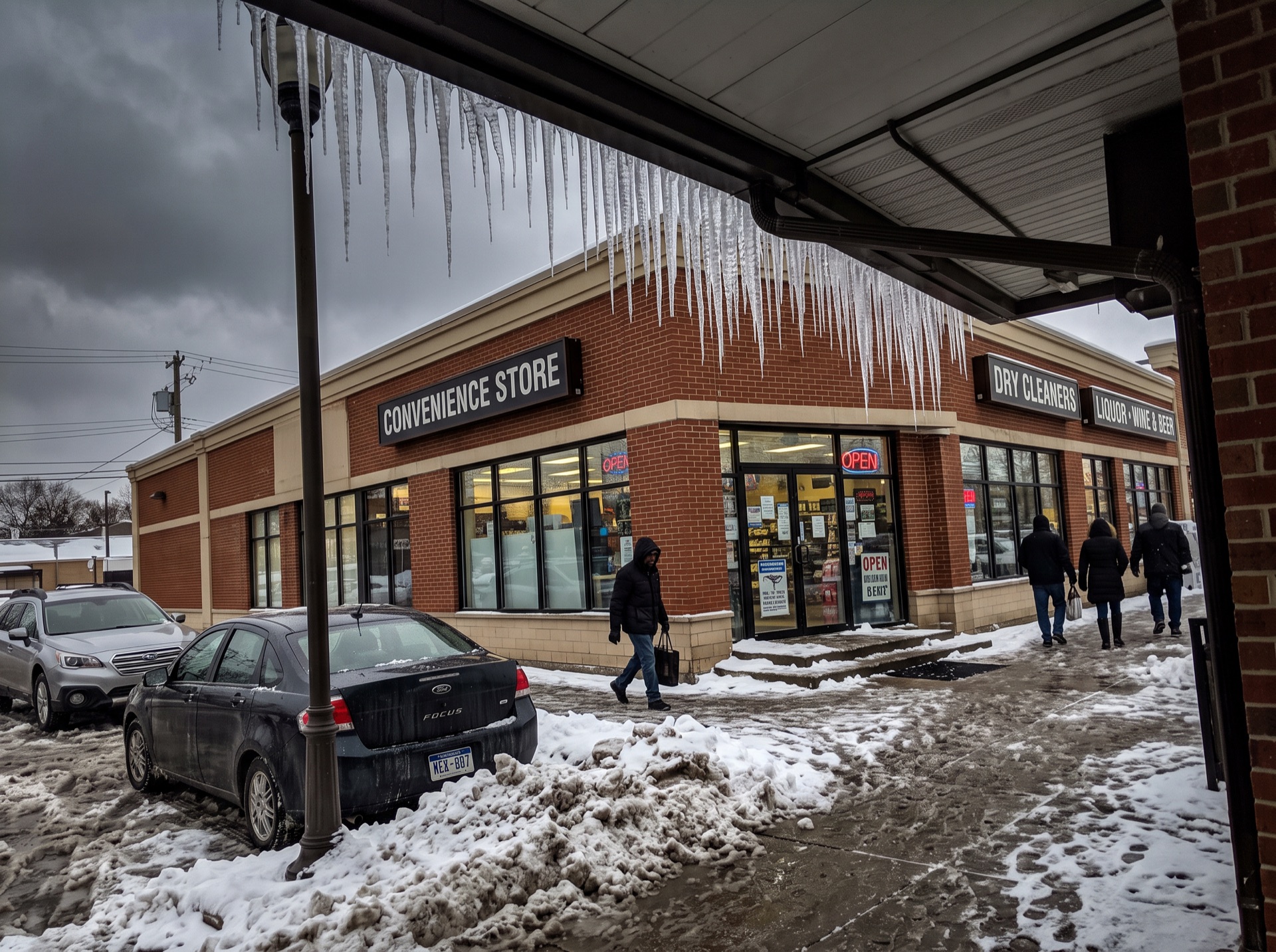
An ice dam needs meltwater and a cold eave, and Gahanna supplies both on an ordinary week. A thin cover that melts by lunchtime and sets again after dark is a perfectly good dam factory.

The expectation is the problem. Nobody in Gahanna re-roofs with ice dams in mind, so when a cycling stretch arrives the houses with the least margin all leak in the same week.
Ice-barrier practice in Franklin County
The residential code Ohio follows calls for eave ice barrier on new work. Enforcement in Franklin County is real but recent, so the age of the roof is what decides whether it is there.
How a Gahanna Steam Call Runs, Start to Finish
The first pass is assessment: eaves, valleys, gutter line and any interior staining, all photographed with timestamps. You see what the crew sees, and the rate and likely hours are agreed before work begins.
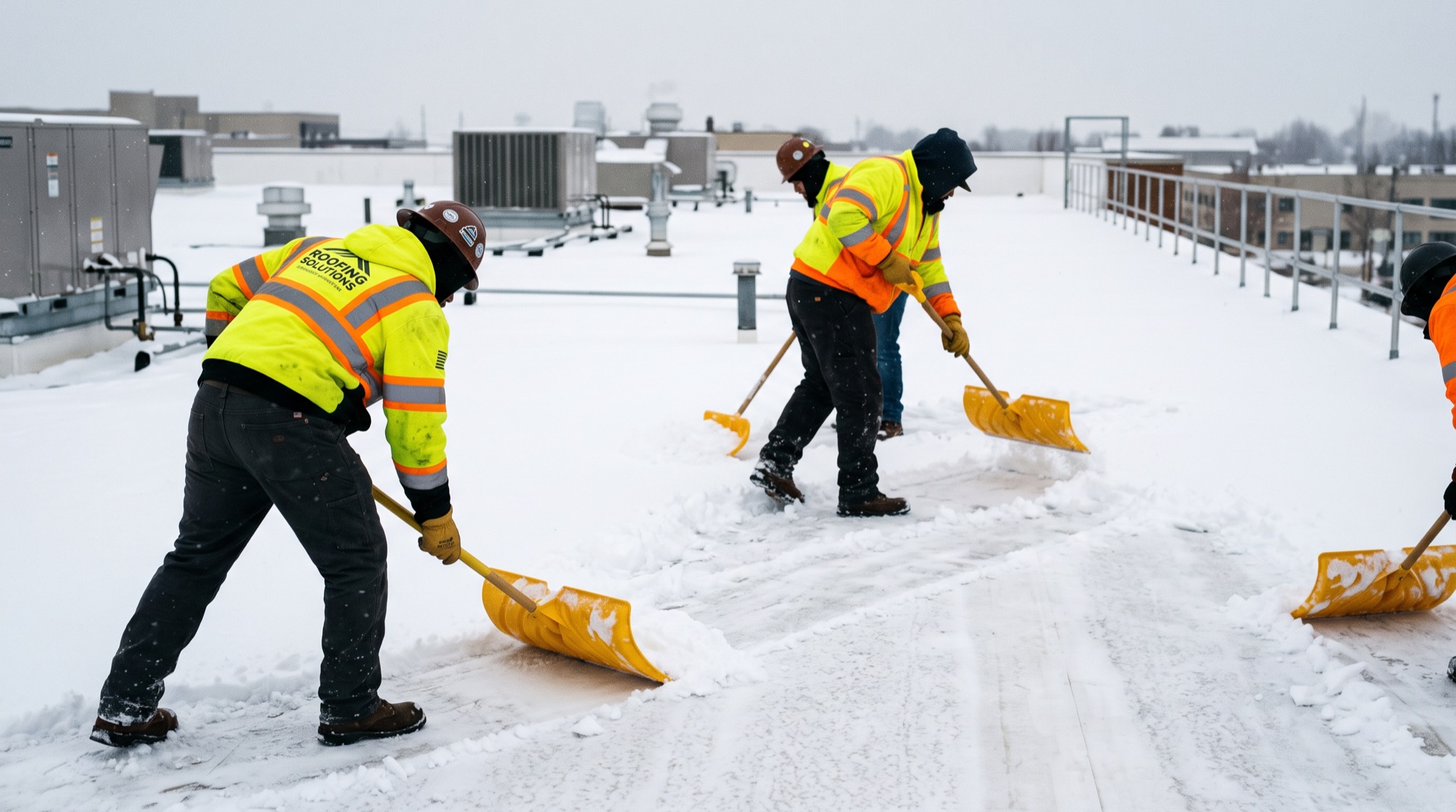
Steam then takes the dam off in sections, prioritizing wherever water is actively backing up behind it. The gutter trough and downspout are cleared through to daylight on the same visit, because a clear eave over a frozen gutter is a temporary fix.
Why the gutter has to be cleared in the same visit
A dam sitting above a gutter packed solid with ice is only half the problem. Clear the eave and leave the trough frozen, and the next day's meltwater has nowhere to run — it backs up onto the roof and the dam rebuilds from the bottom.
Crews steam the trough and the downspout through to daylight on the same visit. It adds time, which is why the hour estimate given on the phone accounts for it, and it is the difference between a fix and a repeat visit in Gahanna the following week.
Dormers, valleys and dead spots
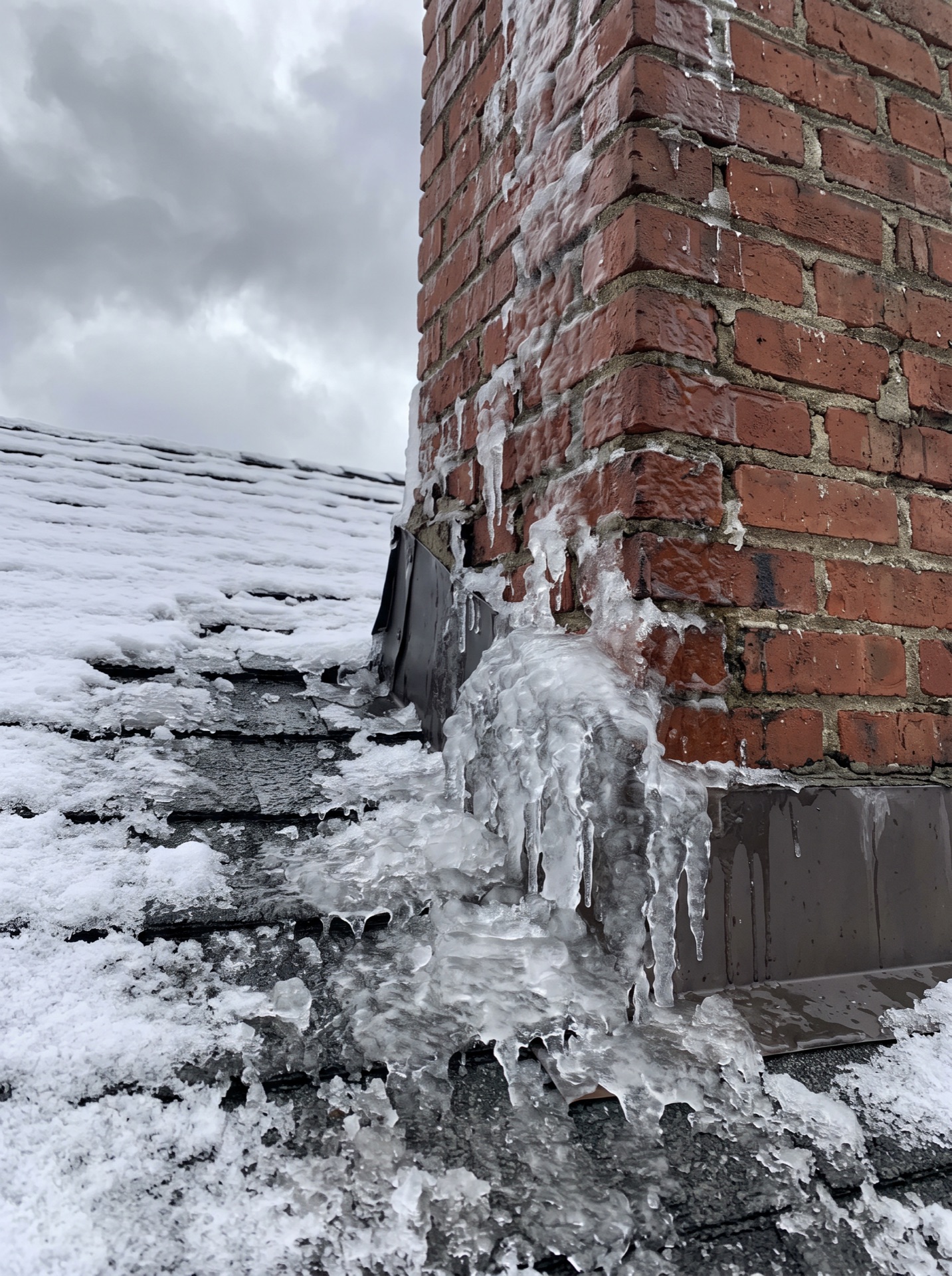
Ice does not distribute evenly. It concentrates where two roof planes meet, behind dormers, in dead valleys that drain nowhere, and along the north face that never sees sun. Those pockets hold water deepest and leak first.
A crew working a roof in Gahanna clears the full eave line and then goes back through the valleys and dormer pockets specifically, because clearing the easy straight run and calling it done is how a roof leaks again a week later.
Why a drainage channel is not removal
Cutting a few channels through a dam so water can get past is quick and it is sometimes sold as ice dam removal. It drains the roof for as long as the channels stay open, which in a Gahanna cold snap can be a single night before they close again.
Removing the dam means taking the ice off down to the shingle along the whole affected run, so the eave can drain the way it was built to. It takes longer and it is the only version that holds.
| Typical scope | Steam, 4-8 crew hours typical |
|---|---|
| Documentation | Dated before and after photos, written scope in Xactimate line items |
| Local ice-barrier practice | Eave membrane on new work, often absent |
| Dispatch window | Same day to 24 hours |
| Pricing model | Billed by the crew hour, rate quoted before dispatch |
| Removal method | Low-pressure steam only. No chipping, salt or pressure washing. |
| Coverage area | Gahanna and Franklin County |
Where We Dispatch Around Gahanna
Crews working Gahanna cover the adjoining communities on the same route — Blacklick, New Albany, Summit Station, Brice and Pickerington — so a storm week usually means one truck handling several addresses in Franklin County rather than separate trips.
Nearest hub towns with their own crew pages: Reynoldsburg, Westerville, Columbus, Upper Arlington, Dublin, Grove City.
Crews cover Gahanna and the surrounding Franklin County towns through the whole season, and during a freeze event they run from first light until dark.
Active leak at an address in Gahanna? (888) 561-9664 reaches dispatch directly. Interior water moves a job to the front of the day.