



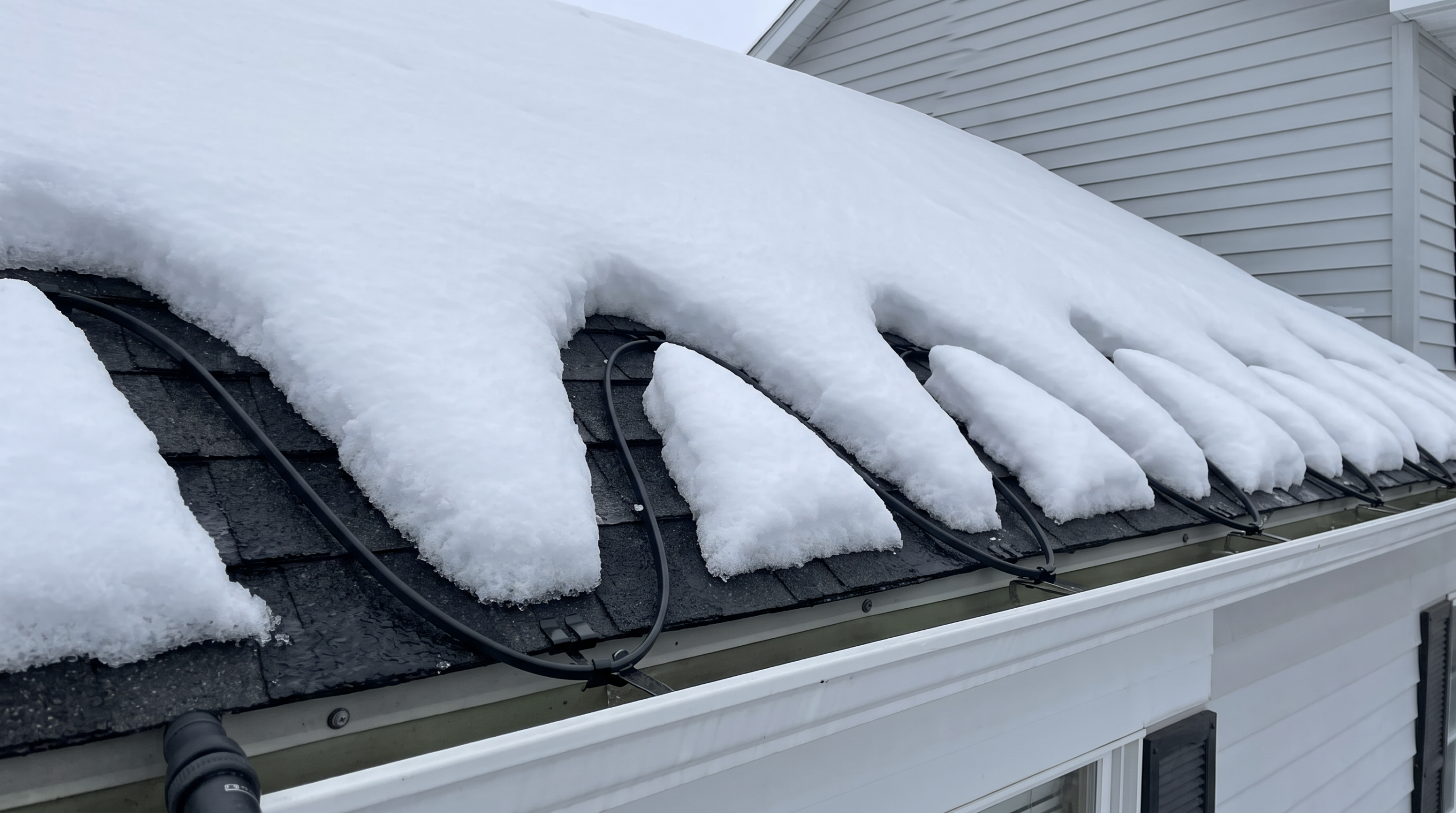
Why Lakewood Roofs Dam Up: Cycling, Not Snowfall Totals
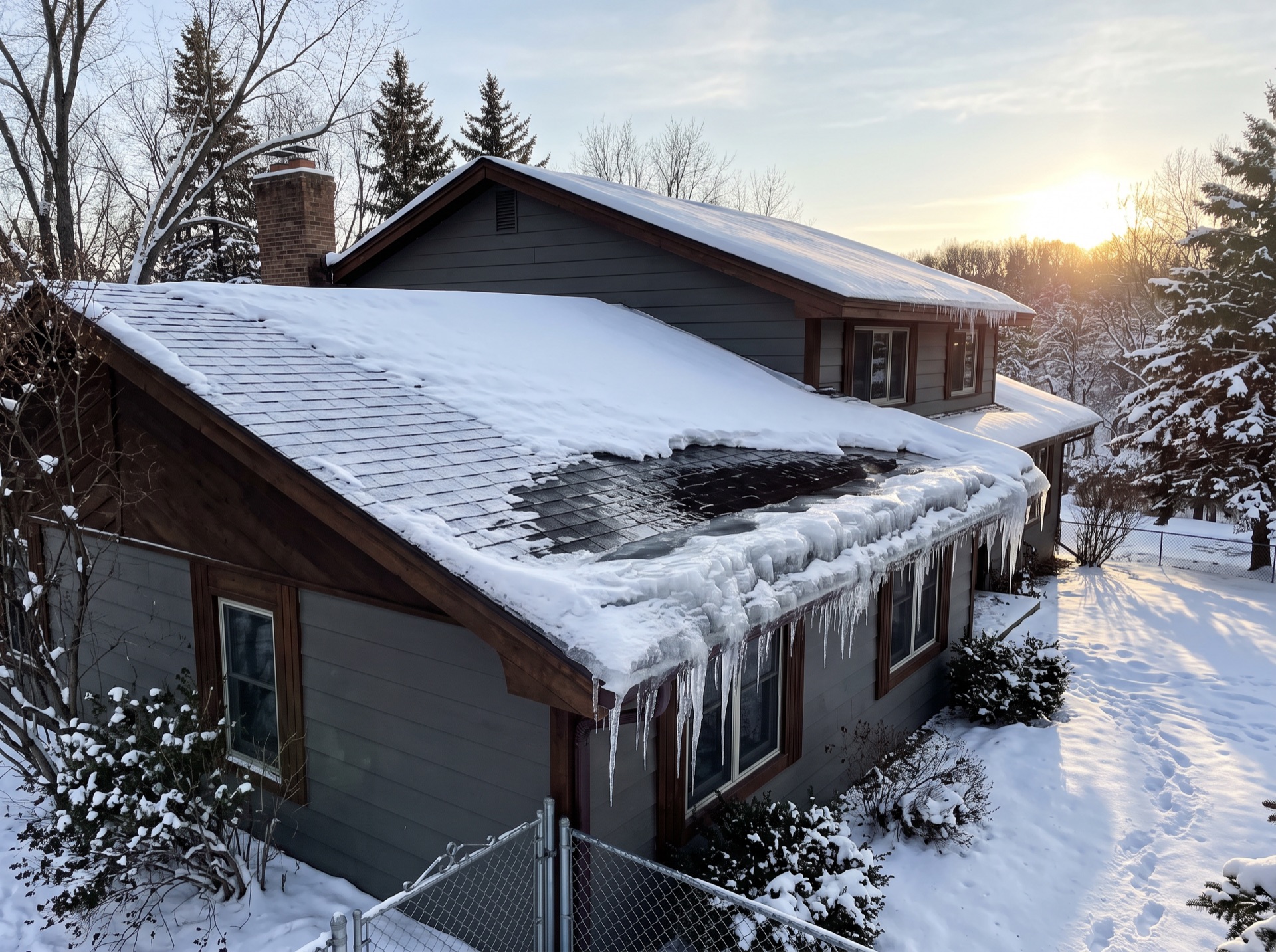
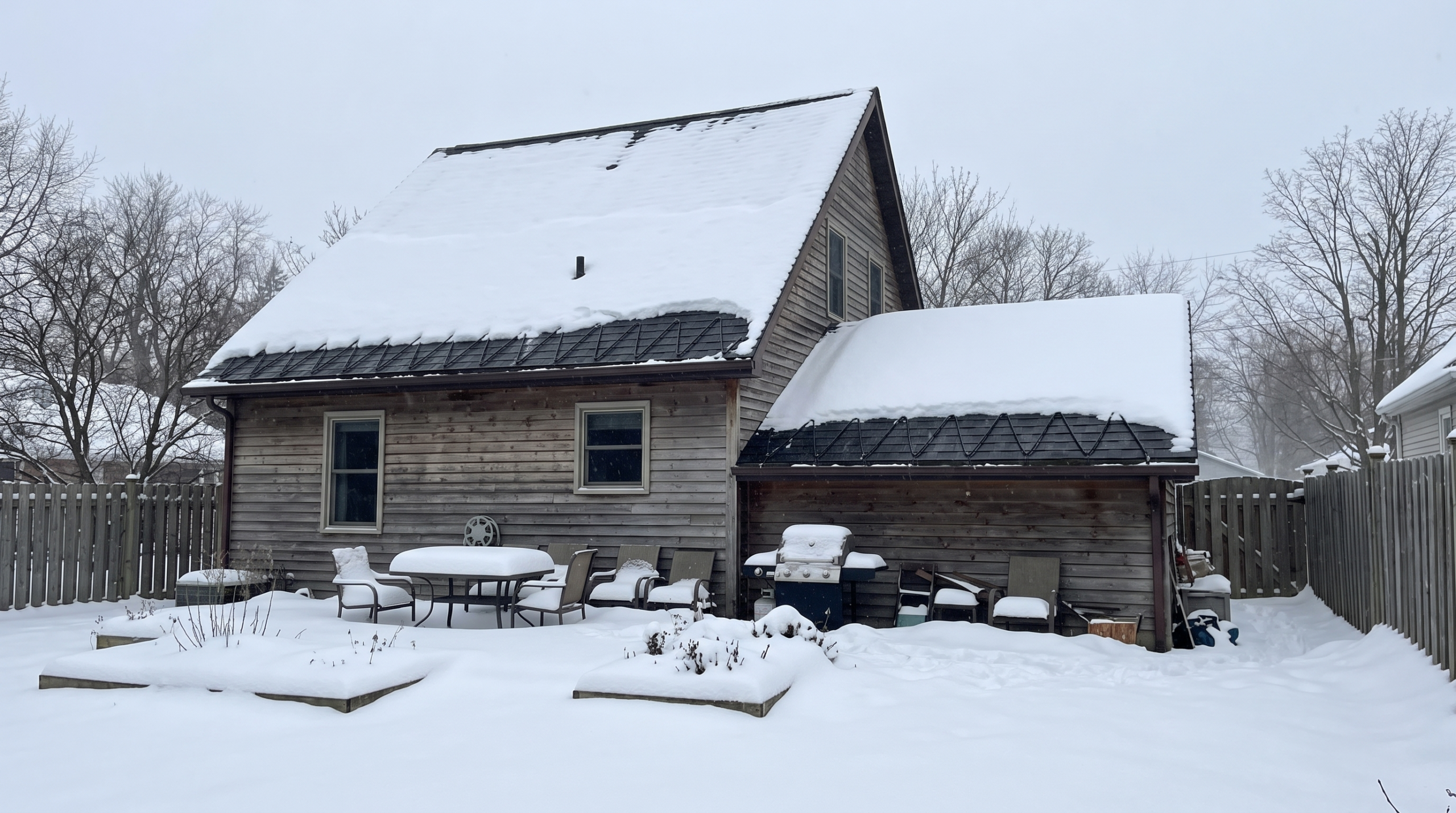
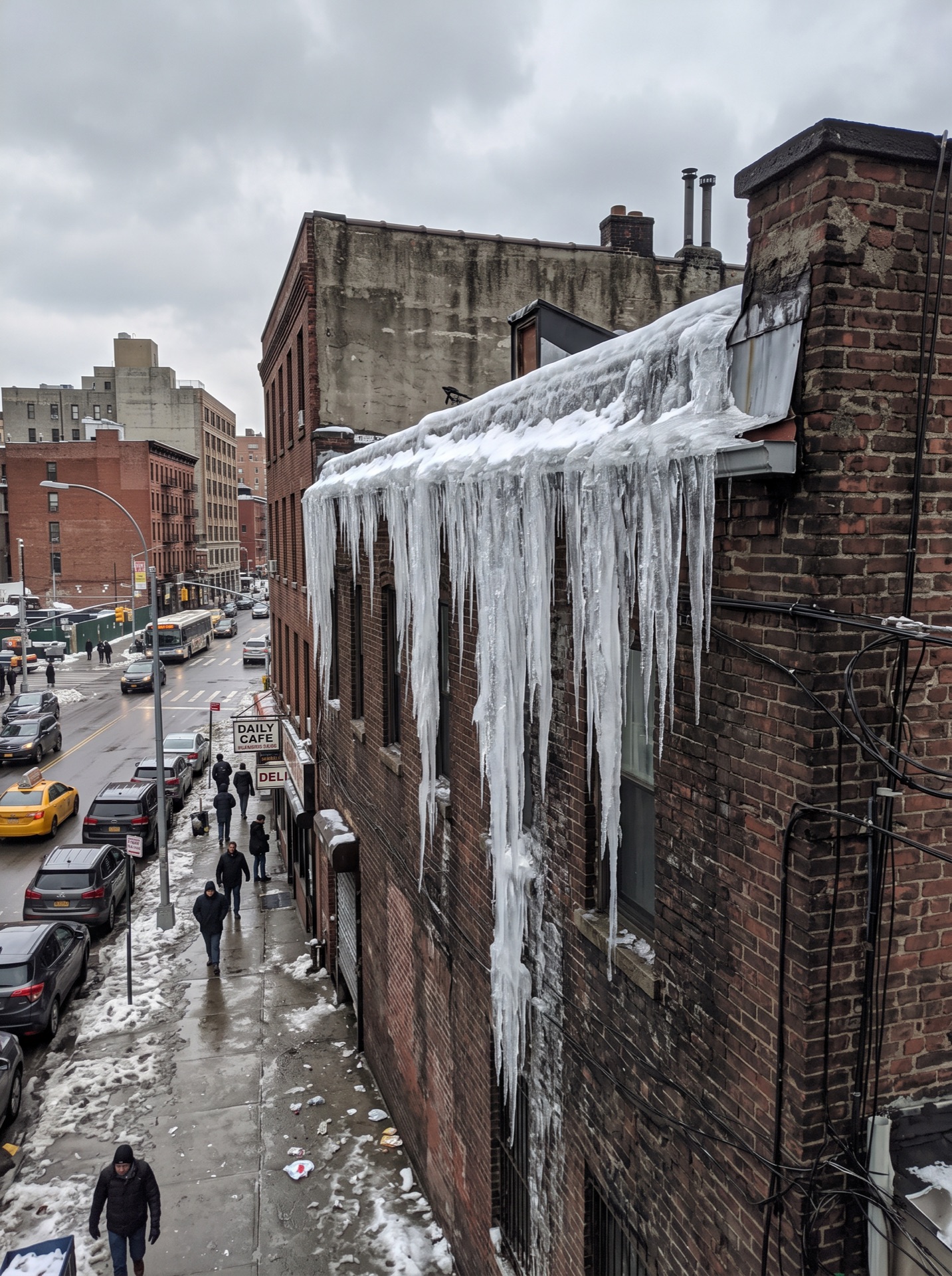
An ice dam needs meltwater and a cold eave, and Lakewood supplies both on an ordinary week. A thin cover that melts by lunchtime and sets again after dark is a perfectly good dam factory.

The expectation is the problem. Nobody in Lakewood re-roofs with ice dams in mind, so when a cycling stretch arrives the houses with the least margin all leak in the same week.
Ice-barrier practice in Cuyahoga County
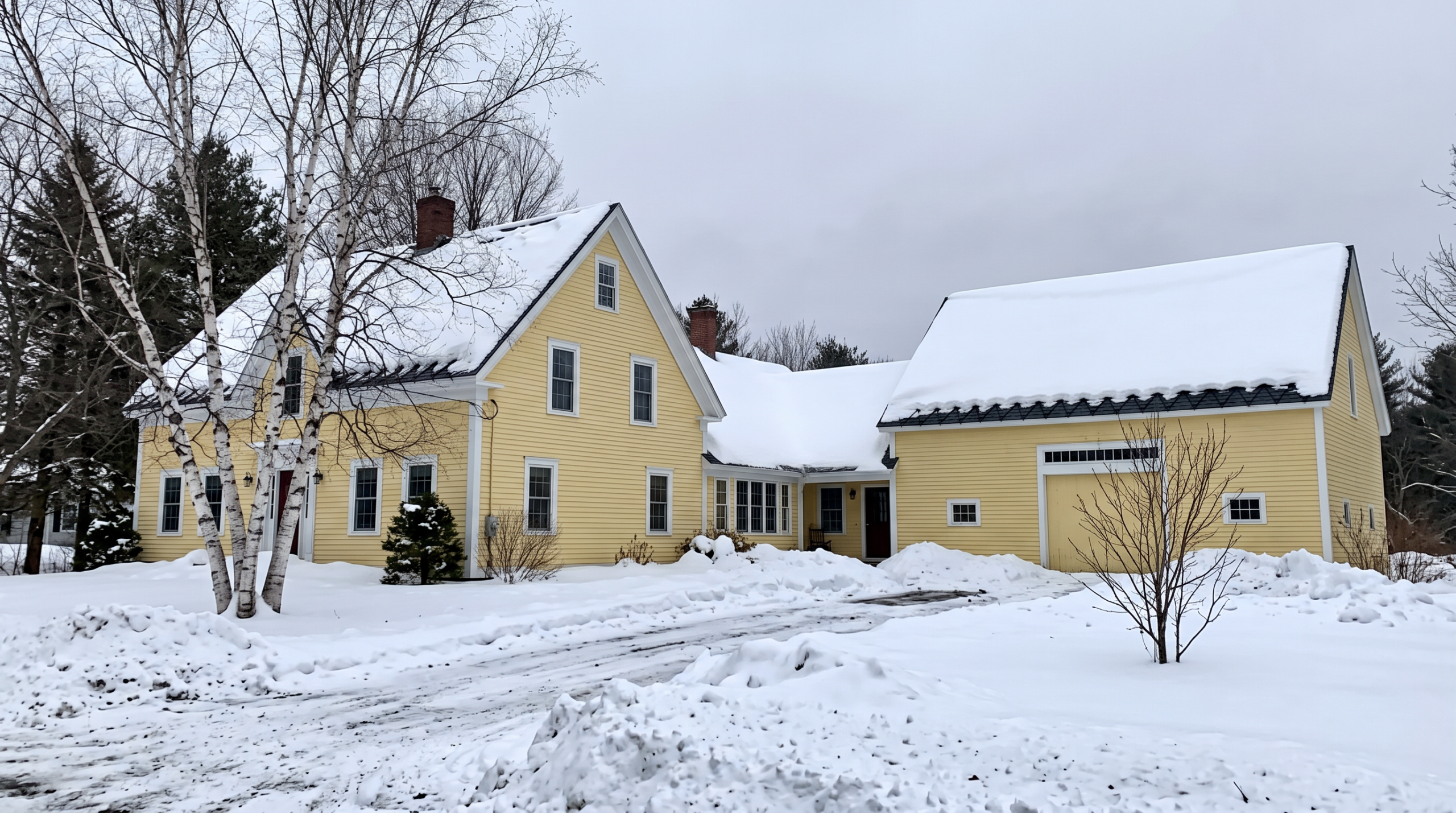
Because ice is not the first thing a homeowner in Lakewood thinks about, the eave membrane is the detail most often value-engineered out of a re-roof quote. It is worth asking for by name.
How a Lakewood Steam Call Runs, Start to Finish
The first pass is assessment: eaves, valleys, gutter line and any interior staining, all photographed with timestamps. You see what the crew sees, and the rate and likely hours are agreed before work begins.
Steam then takes the dam off in sections, prioritizing wherever water is actively backing up behind it. The gutter trough and downspout are cleared through to daylight on the same visit, because a clear eave over a frozen gutter is a temporary fix.
What gets photographed, and why it matters later
Before the lance comes out, the crew shoots the dam from the ground and from the roof, the icicle line, any staining visible inside, and the specific courses where water is tracking under the shingles. Timestamps are on every frame.
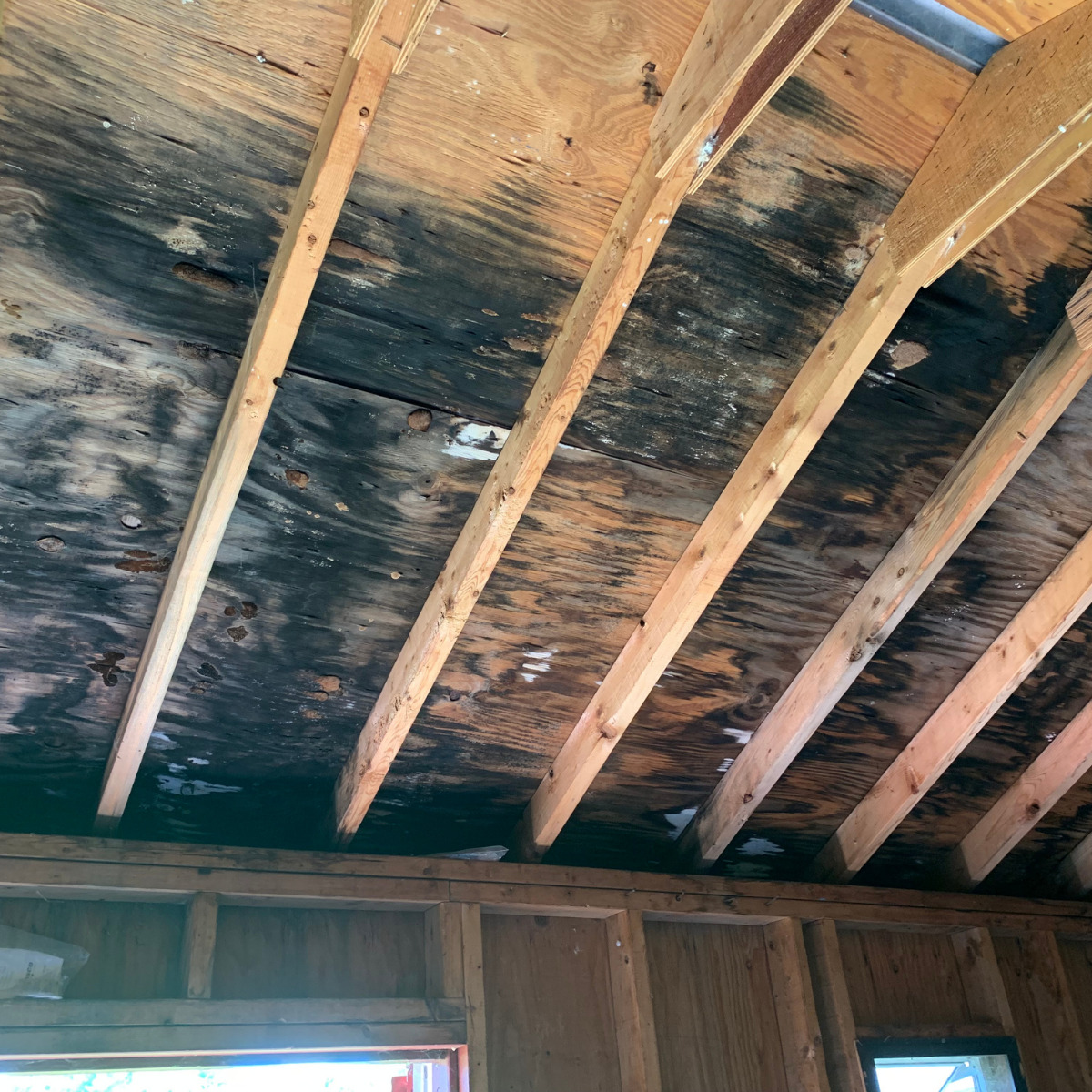
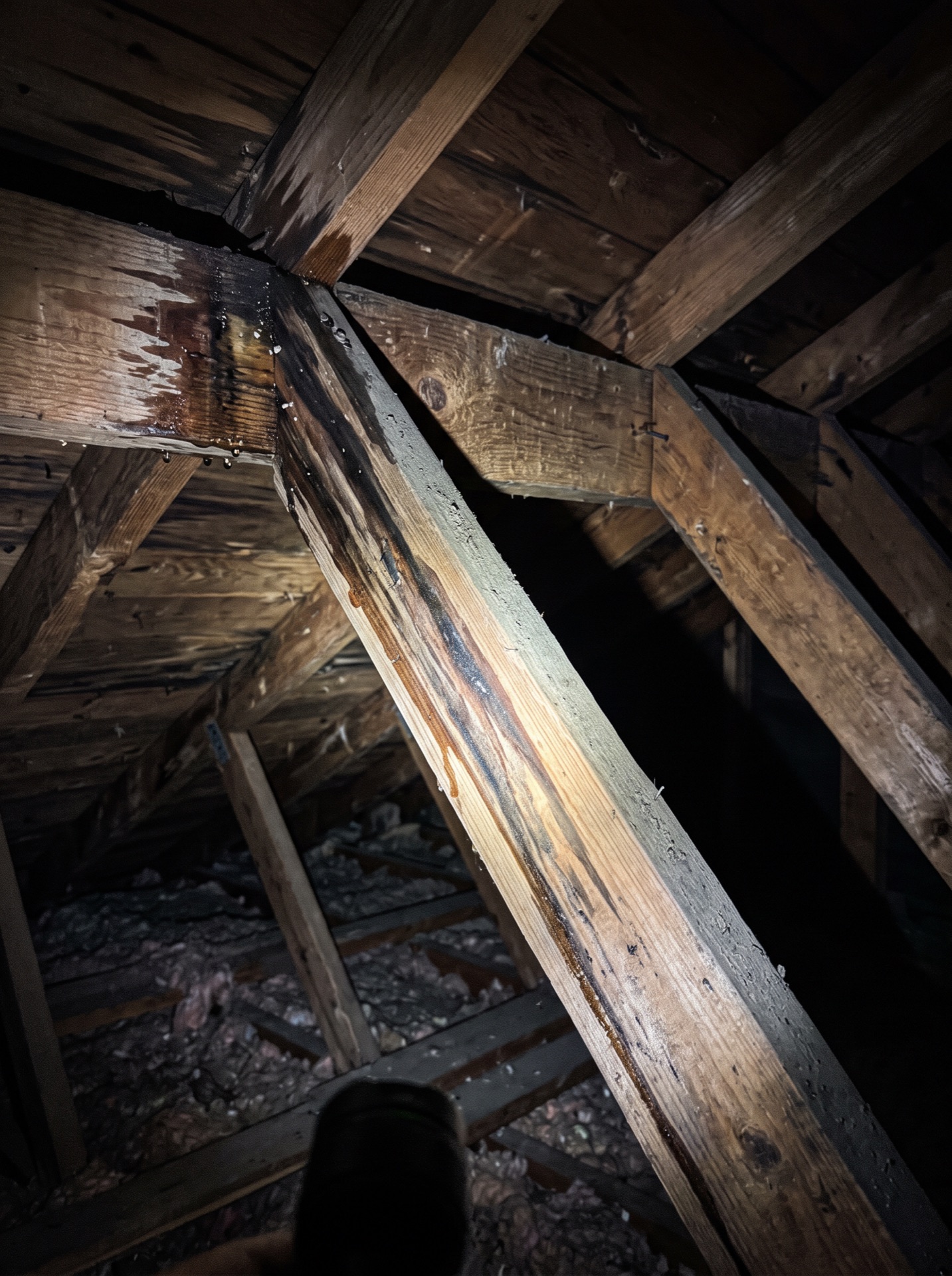
That record is the whole case if a claim follows. An adjuster arriving in March sees a dry roof and a stained ceiling; the photographs are what connect the two, and they are what a maintenance-exclusion denial runs into.
What the crew does on arrival
Before anything is touched, the crew walks the eaves, valleys and gutter line and photographs every dam and every point where water is tracking inside. You get shown what they found. Then the dam comes off in sections, starting wherever water is actively backing up, so drainage opens early rather than at the end.
Downspouts and gutter troughs get cleared in the same visit where they are frozen, because a dam removed above a solid block of ice in the gutter just reforms in the next cold night.
Why a drainage channel is not removal
Cutting a few channels through a dam so water can get past is quick and it is sometimes sold as ice dam removal. It drains the roof for as long as the channels stay open, which in a Lakewood cold snap can be a single night before they close again.
Removing the dam means taking the ice off down to the shingle along the whole affected run, so the eave can drain the way it was built to. It takes longer and it is the only version that holds.
| Local ice-barrier practice | Eave membrane on new work, often absent |
|---|---|
| Typical scope | Steam, 4-8 crew hours typical |
| Pricing model | Billed by the crew hour, rate quoted before dispatch |
| Removal method | Low-pressure steam only. No chipping, salt or pressure washing. |
| Coverage area | Lakewood and Cuyahoga County |
| Service | Ice dam removal in Lakewood, OH |
| Primary climate stressor | Repeated thaw-freeze cycling |
Where We Dispatch Around Lakewood
Crews working Lakewood cover the adjoining communities on the same route — Rocky River, Brook Park, Bay Village, Berea and Olmsted Falls — so a storm week usually means one truck handling several addresses in Cuyahoga County rather than separate trips.
Nearest hub towns with their own crew pages: Cleveland, Parma, Westlake, North Olmsted, Garfield Heights, Avon Lake.
Lakewood sits inside the regular Ohio service area, so a crew is usually scheduled the same day or the following morning.
Active leak at an address in Lakewood? (888) 561-9664 reaches dispatch directly. Interior water moves a job to the front of the day.