



The Cuyahoga County Trap: Modest Snow, Constant Cycling
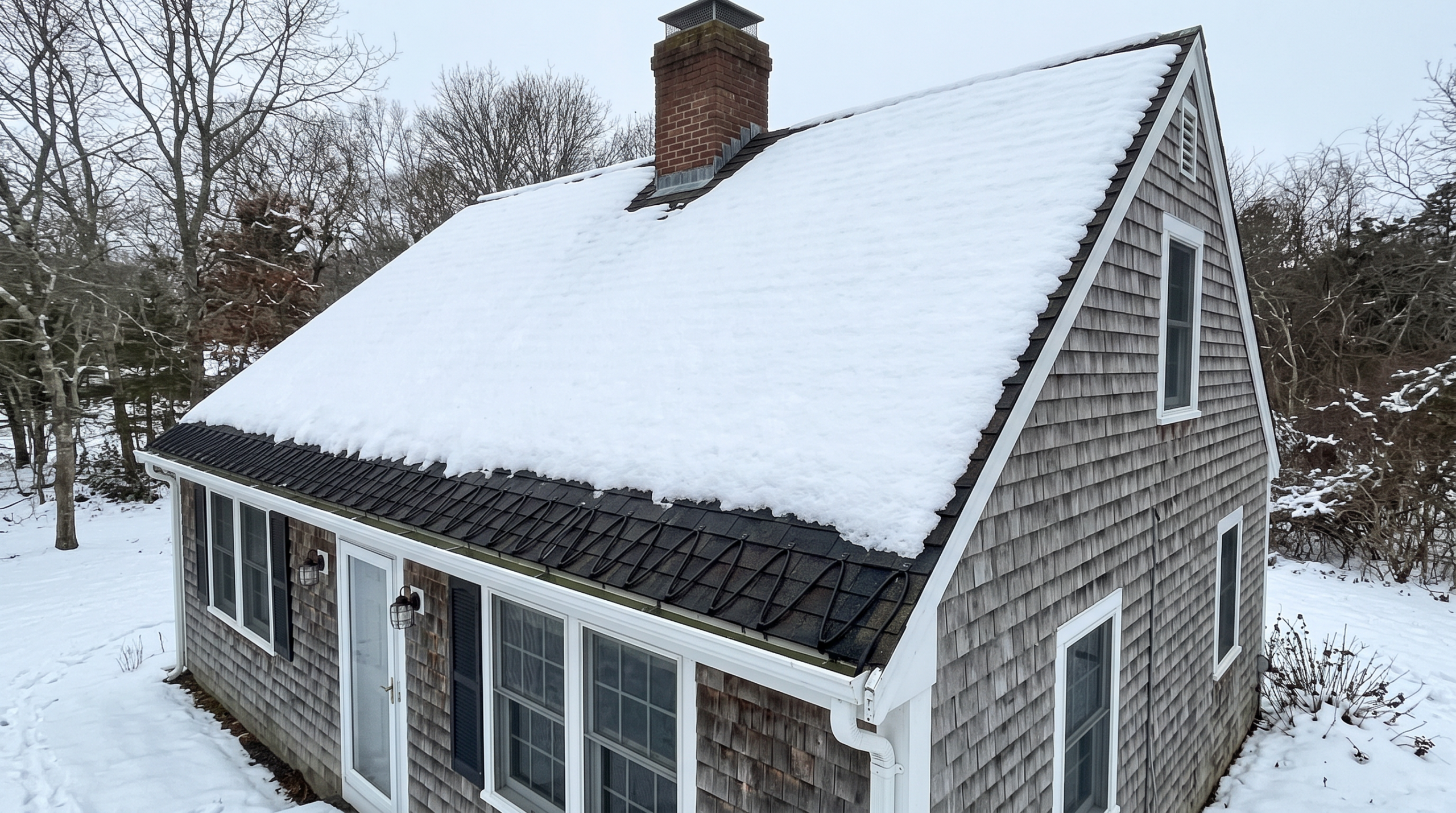
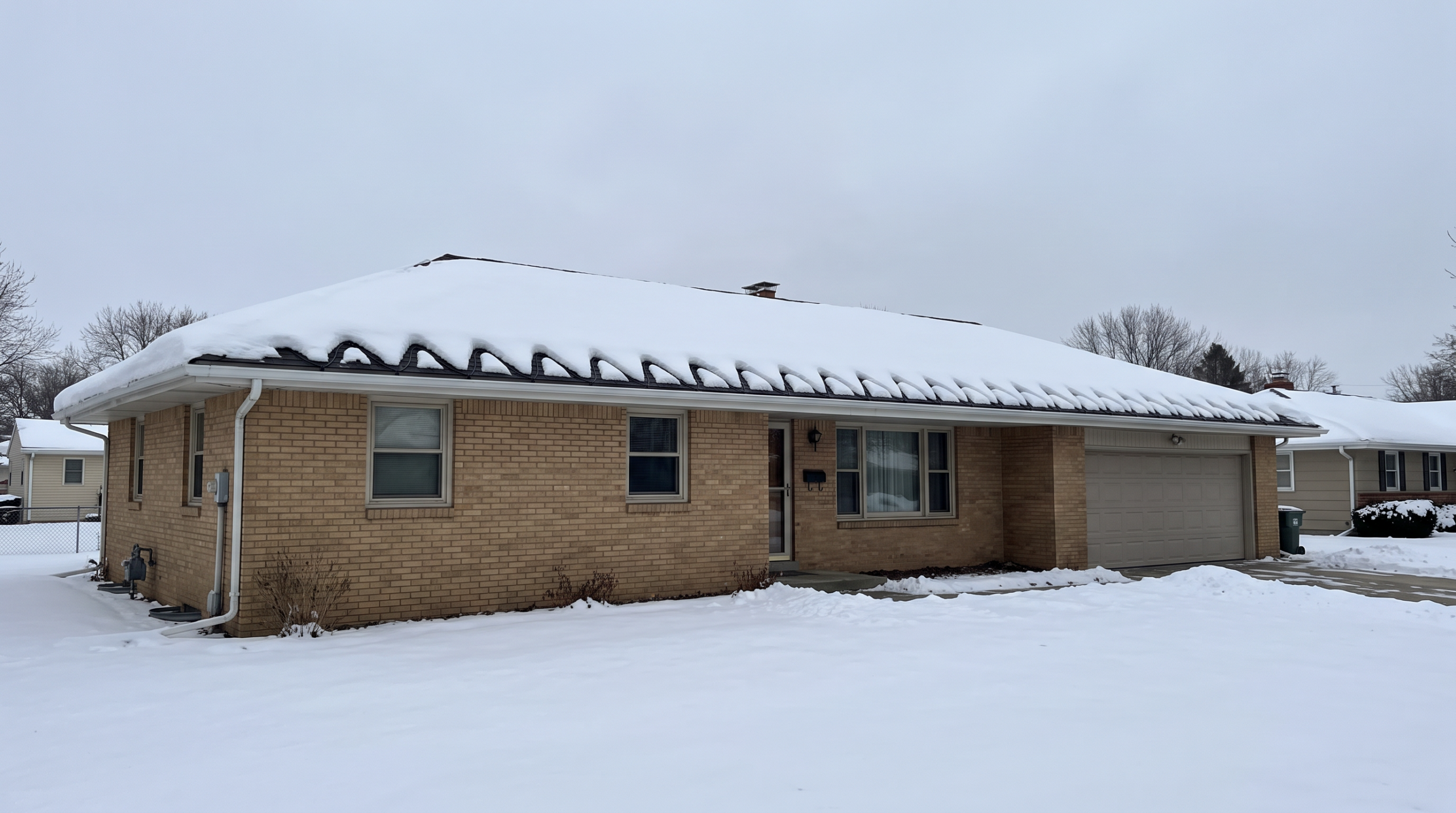
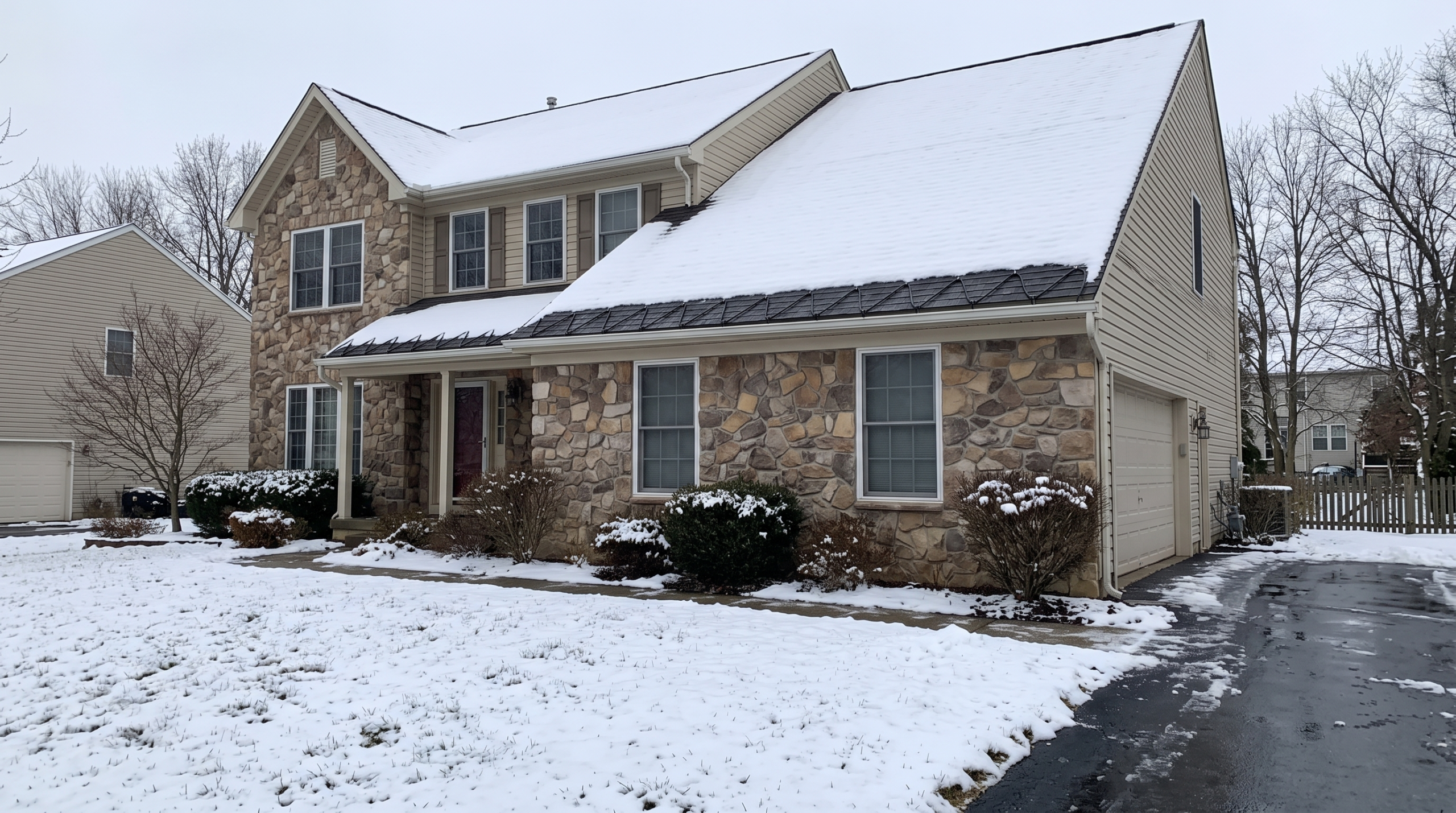
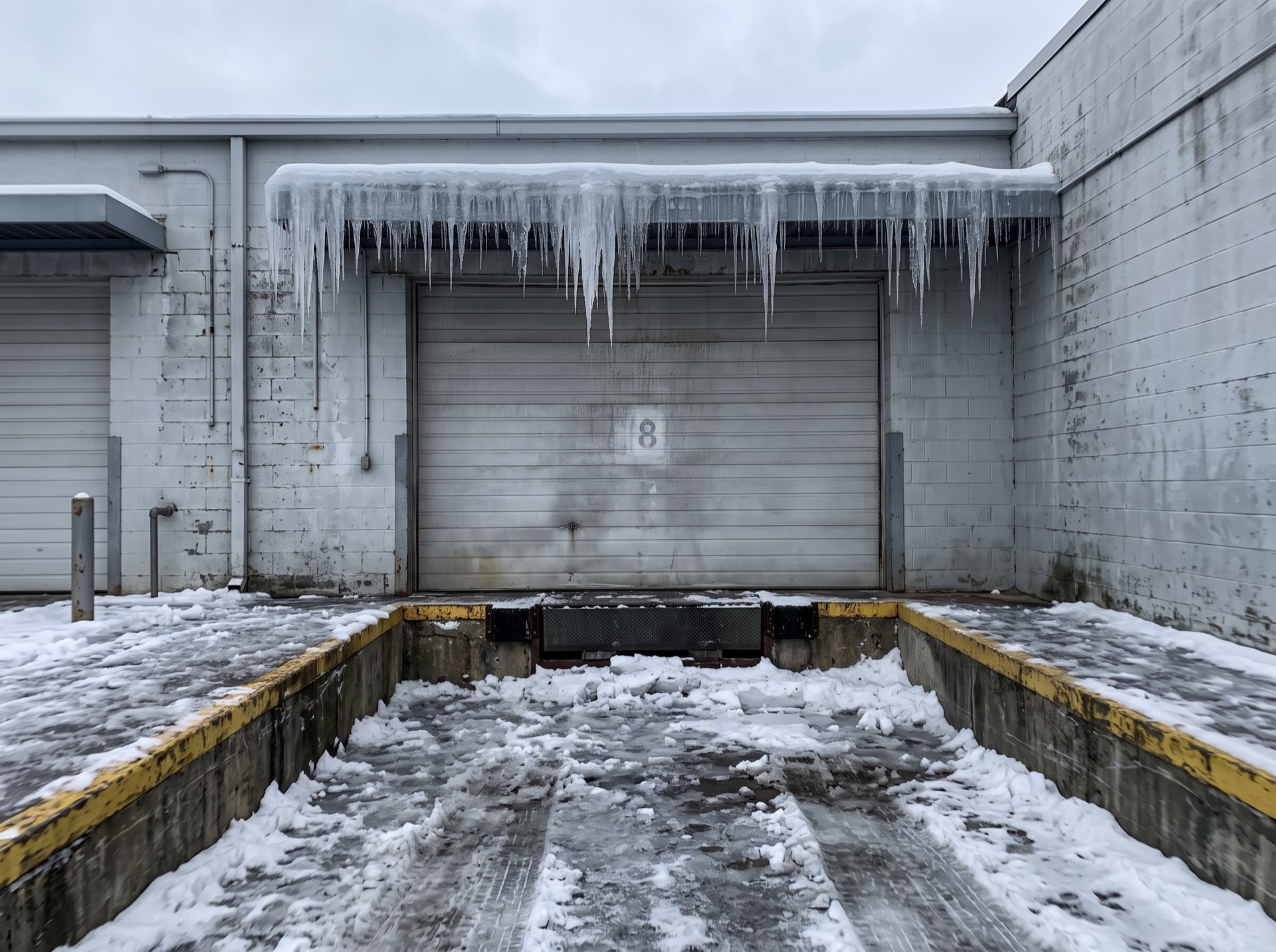
An ice dam needs meltwater and a cold eave, and Garfield Heights supplies both on an ordinary week. A thin cover that melts by lunchtime and sets again after dark is a perfectly good dam factory.

And the cycling is relentless rather than dramatic. Fifteen or twenty crossings of freezing in a season each add a layer, and the houses with the thinnest attic insulation in Cuyahoga County all find out in the same week.
Ice-barrier practice in Cuyahoga County
The residential code Ohio follows calls for eave ice barrier on new work. Enforcement in Cuyahoga County is real but recent, so the age of the roof is what decides whether it is there.
What a Crew Does on a Garfield Heights Roof
Crews walk the eaves, valleys and gutter line first and photograph every dam and every point where water is tracking inside, before touching anything. You get shown what they found and quoted the crew-hour rate before work starts.
Then the ice comes off with low-pressure steam, starting wherever water is actively backing up so drainage opens early. Frozen gutters and downspouts are cleared in the same visit, because a cleared eave above a solid block of ice in the gutter dams again on the next cold night.
Access, ladders and what the crew needs on site
Steam equipment needs somewhere to park within hose reach, and ladders need footing that is not a buried flower bed or a sheet of ice. Clearing a path to the affected eave, moving vehicles off the driveway and unlocking a side gate takes ten minutes and saves considerably more than that on the clock.
Where the only access is through a neighbor's property, that conversation is worth having before the crew is in the street rather than while it waits.
What happens after the ice is off
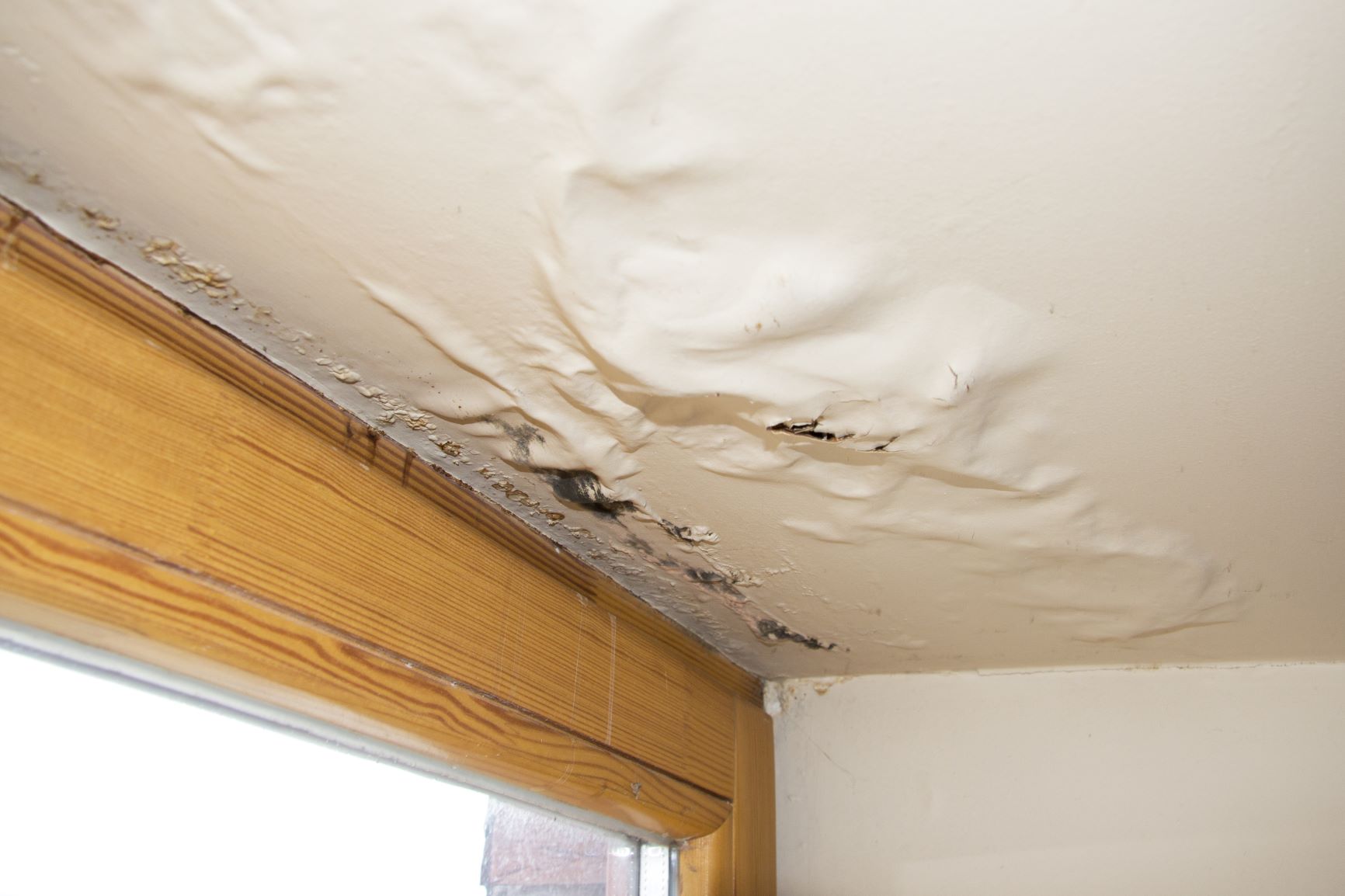
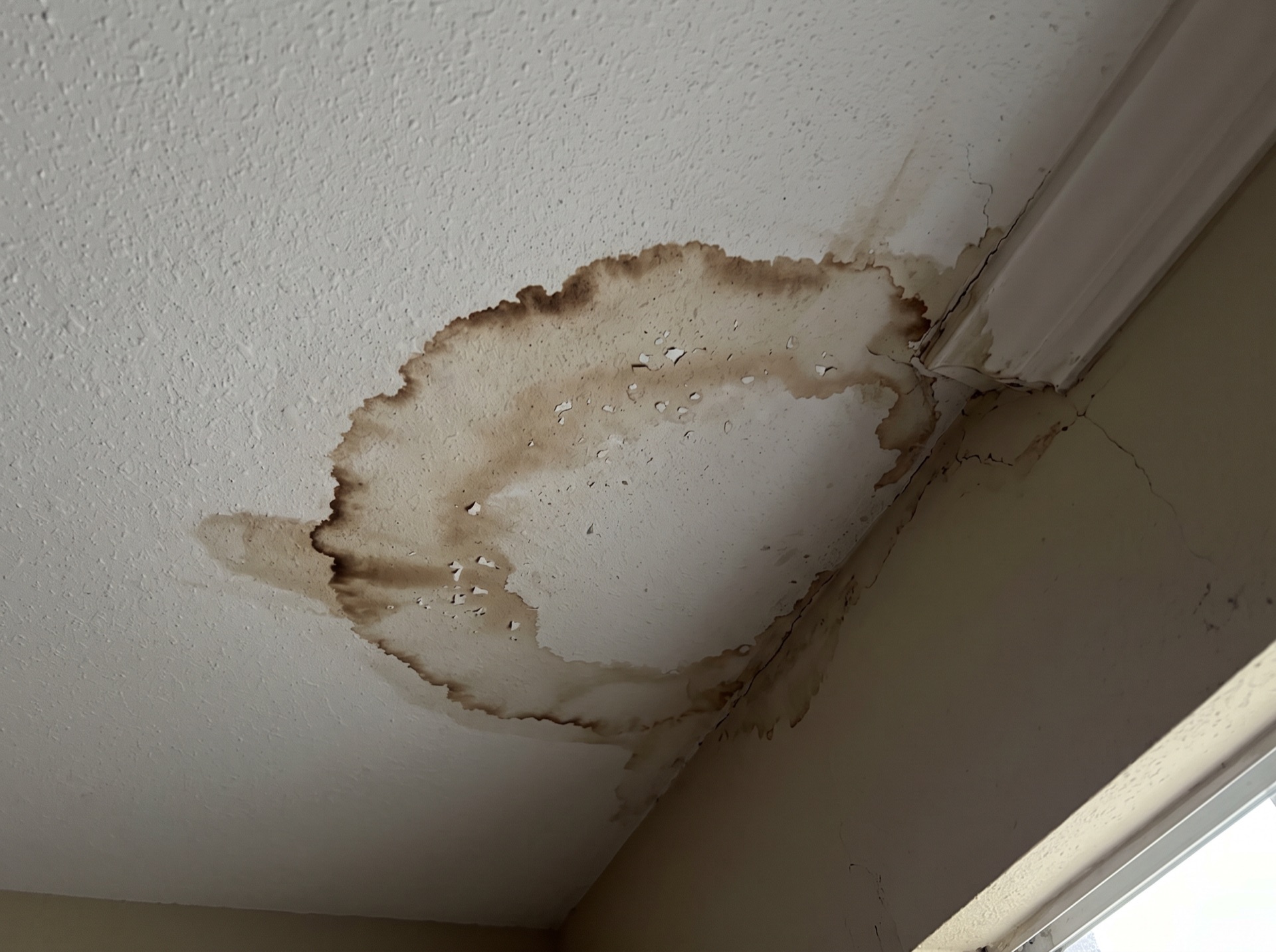
Once the eave is clear and water is draining, the crew walks the interior with you where there is visible damage and says plainly whether it needs drying. Wet insulation and a damp ceiling cavity do not resolve themselves in a cold Garfield Heights February.
If it does, that is a separate scope and it gets written separately — nobody is upsold a dryout on the strength of one damp patch.
Steep, high and awkward Garfield Heights roofs
Pitch and height change the job more than ice thickness does. A walkable ranch eave is a ladder and a lance. A three-story roof with a steep pitch means anchors, rope, staging and two people where one would otherwise do.
Crews quote on that honestly. If a property in Garfield Heights needs a longer setup, it is said on the phone rather than discovered at the end of the invoice.
| Documentation | Dated before and after photos, written scope in Xactimate line items |
|---|---|
| Coverage area | Garfield Heights and Cuyahoga County |
| Service | Ice dam removal in Garfield Heights, OH |
| Removal method | Low-pressure steam only. No chipping, salt or pressure washing. |
| Primary climate stressor | Repeated thaw-freeze cycling |
| Dispatch window | Same day to 24 hours |
| Typical scope | Steam, 4-8 crew hours typical |
Garfield Heights Coverage and the Adjoining Communities
Crews working Garfield Heights cover the adjoining communities on the same route — Maple Heights, Independence, Bedford, Beachwood and Brecksville — so a storm week usually means one truck handling several addresses in Cuyahoga County rather than separate trips.
Nearest hub towns with their own crew pages: Shaker Heights, Parma, Cleveland, Cleveland Heights, North Royalton, Lakewood.
When a storm hits Cuyahoga County, crews are dispatched by severity rather than by call order — water already inside the house goes first.
If water is already inside a property in Garfield Heights, call (888) 561-9664 rather than filling in a form — the phone is faster and leaks jump the line.