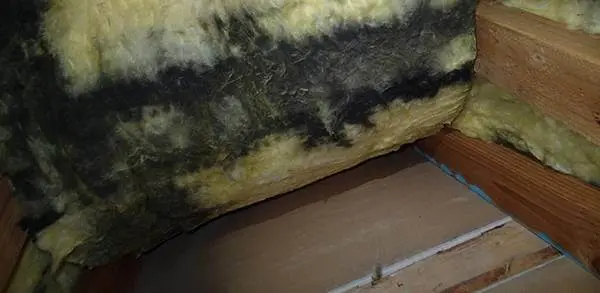
The ice along a roof in Mandanline is the symptom. The cause is warm air escaping into the attic, and it is still running right now. As part of our complete Mandan winter roof services, crews handle ice dam removal across Morton County.
Mandan Ice Dams: What a Five-Month Snow Pack Does
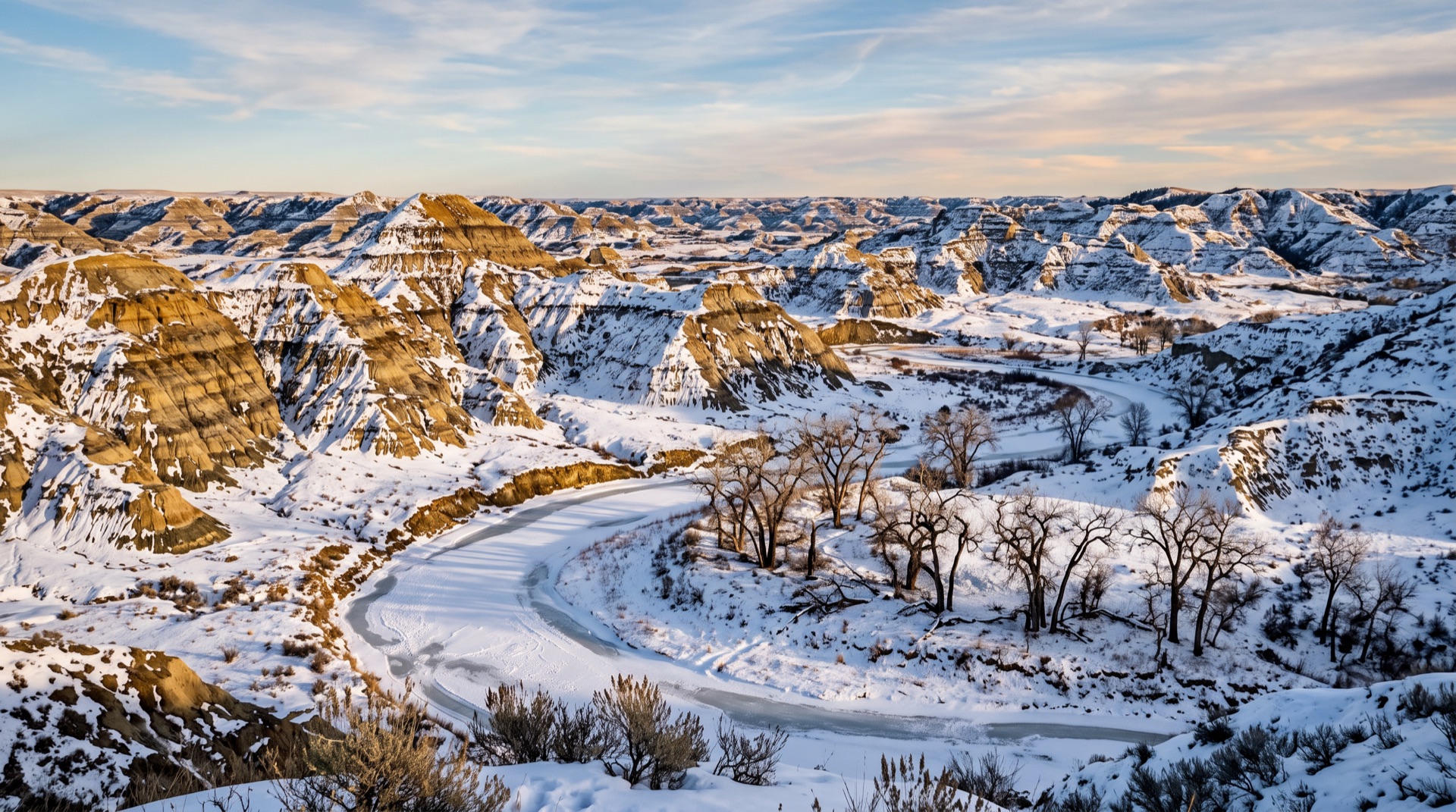
The defining feature of a Morton County winter is persistence. It is not one storm, it is a continuous load sitting on the roof from late fall through to a spring thaw.

Every mild afternoon through that stretch releases a little meltwater, and every cold night sets it at the overhang. Done fifty times, that is how an eave ends up carrying several hundred pounds of ice by March.
Ice-barrier practice in Morton County
In the colder North Dakota jurisdictions the membrane requirement extends well up the roof plane rather than stopping at the first course, precisely because the ice here does not stay near the edge.
Ice Dam Removal in Mandan: How The Work Runs
What steam actually does
A steam unit delivers water at roughly 290°F at a pressure low enough to rest your hand in the plume. It cuts a channel straight through the ice and lifts the dam off in sections, right down to the shingle. The heat does the work, not force, so granules, seal strips and flashing come through untouched. Water Stain on the Ceiling in Winter.
That is the whole difference between steam and the hot pressure washers often sold as steam. A pressure washer cuts ice fast because of its pressure — and that same pressure strips the granules off asphalt shingles and drives water up under the courses. One method removes ice. The other removes ice and roof.
What the dam has already done to the gutter and fascia
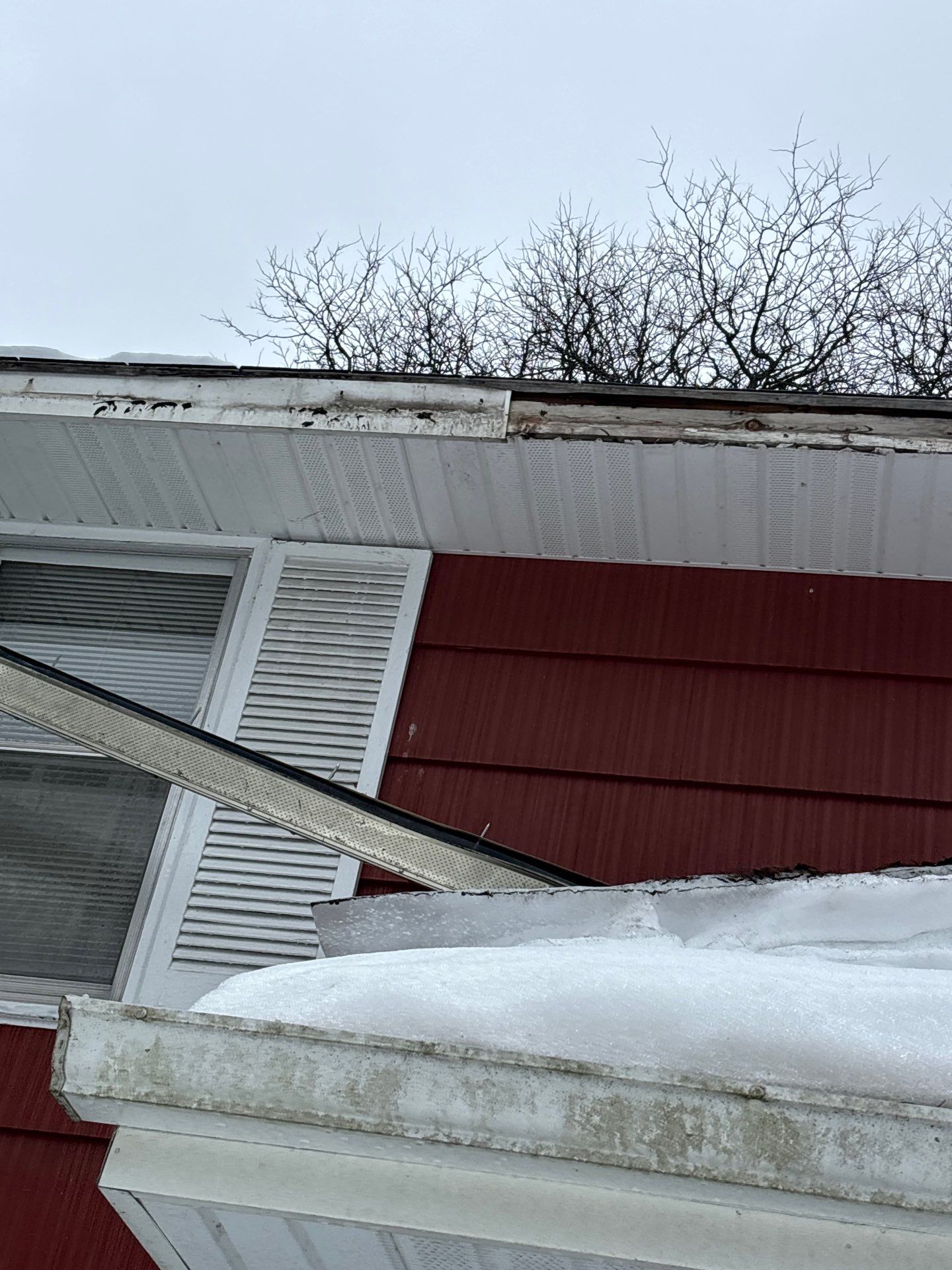
Ice expands as it forms, and a trough packed solid pushes the gutter away from the fascia a little more every cycle. By the time the dam is thick enough to leak, the hangers are often pulled, the back of the trough has lifted, and the fascia board behind it has been wet for weeks.
None of that is visible until the ice is off. It gets photographed when it appears, because a bent gutter found in February is a great deal easier to argue about with a carrier than one discovered in May.
What the crew does on arrival
Before anything is touched, the crew walks the eaves, valleys and gutter line and photographs every dam and every point where water is tracking inside. You get shown what they found. Then the dam comes off in sections, starting wherever water is actively backing up, so drainage opens early rather than at the end.
Downspouts and gutter troughs get cleared in the same visit where they are frozen, because a dam removed above a solid block of ice in the gutter just reforms in the next cold night.
Why the dam formed in the first place
Ice dams are a heat problem wearing a weather costume. Warm air escaping into the attic melts snow on the upper roof; that meltwater runs to the eave, which hangs past the heated envelope and stays below freezing; it refreezes there, and the ridge of ice grows a layer every cycle. Removal is the emergency fix. Before the crew leaves you will know which part of your attic is feeding it.
Access, ladders and what the crew needs on site
Steam equipment needs somewhere to park within hose reach, and ladders need footing that is not a buried flower bed or a sheet of ice. Clearing a path to the affected eave, moving vehicles off the driveway and unlocking a side gate takes ten minutes and saves considerably more than that on the clock.
Where the only access is through a neighbor's property, that conversation is worth having before the crew is in the street rather than while it waits.

What you get in Mandan
- Cleared to the shingleThe dam comes off completely, not just a drainage channel cut through it
- Valleys and dormersThe dead spots that hold the deepest ice get worked specifically
- No salt, no chippingNothing corrosive and nothing mechanical touches the covering
| Primary climate stressor | Sustained sub-freezing, long season |
|---|---|
| Pricing model | Billed by the crew hour, rate quoted before dispatch |
| Typical scope | Steam, 6-14 crew hours typical |
| Local ice-barrier practice | Eave membrane required on new work |
| Coverage area | Mandan and Morton County |
| Removal method | Low-pressure steam only. No chipping, salt or pressure washing. |
| Dispatch window | Same day to 24 hours |
Neighborhoods and Towns We Reach From Mandan
Crews working Mandan cover the adjoining communities on the same route — Baldwin — so a storm week usually means one truck handling several addresses in Morton County rather than separate trips.
Nearest hub towns with their own ice dam removal pages: Bismarck, Dickinson, Minot, Jamestown, Williston, West Fargo.
When a storm hits Morton County, crews are dispatched by severity rather than by call order — water already inside the house goes first.
Most jobs do not stop at one service. Ice Dam Removal in Mandan often runs alongside water mitigation & dryout in Mandan, and both get written into one scope rather than billed as separate visits.
Active leak right now? Our 24/7 Mandan steam ice dam removal crews are dispatched first during a freeze event. Call (888) 561-9664.