



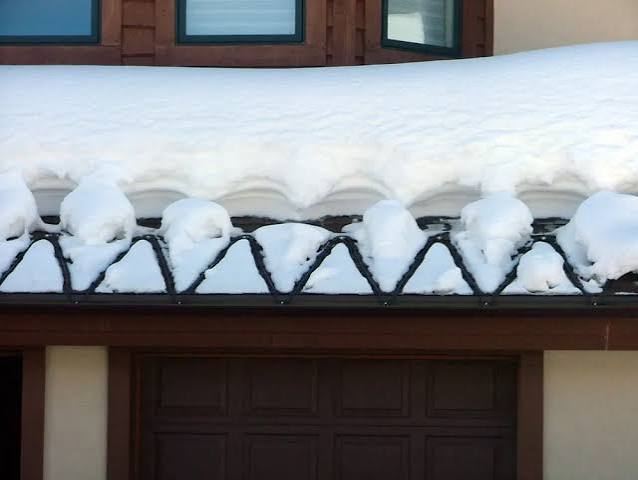
Why Hastings Roofs Dam Up: Deep Cold and a Long Snow Season
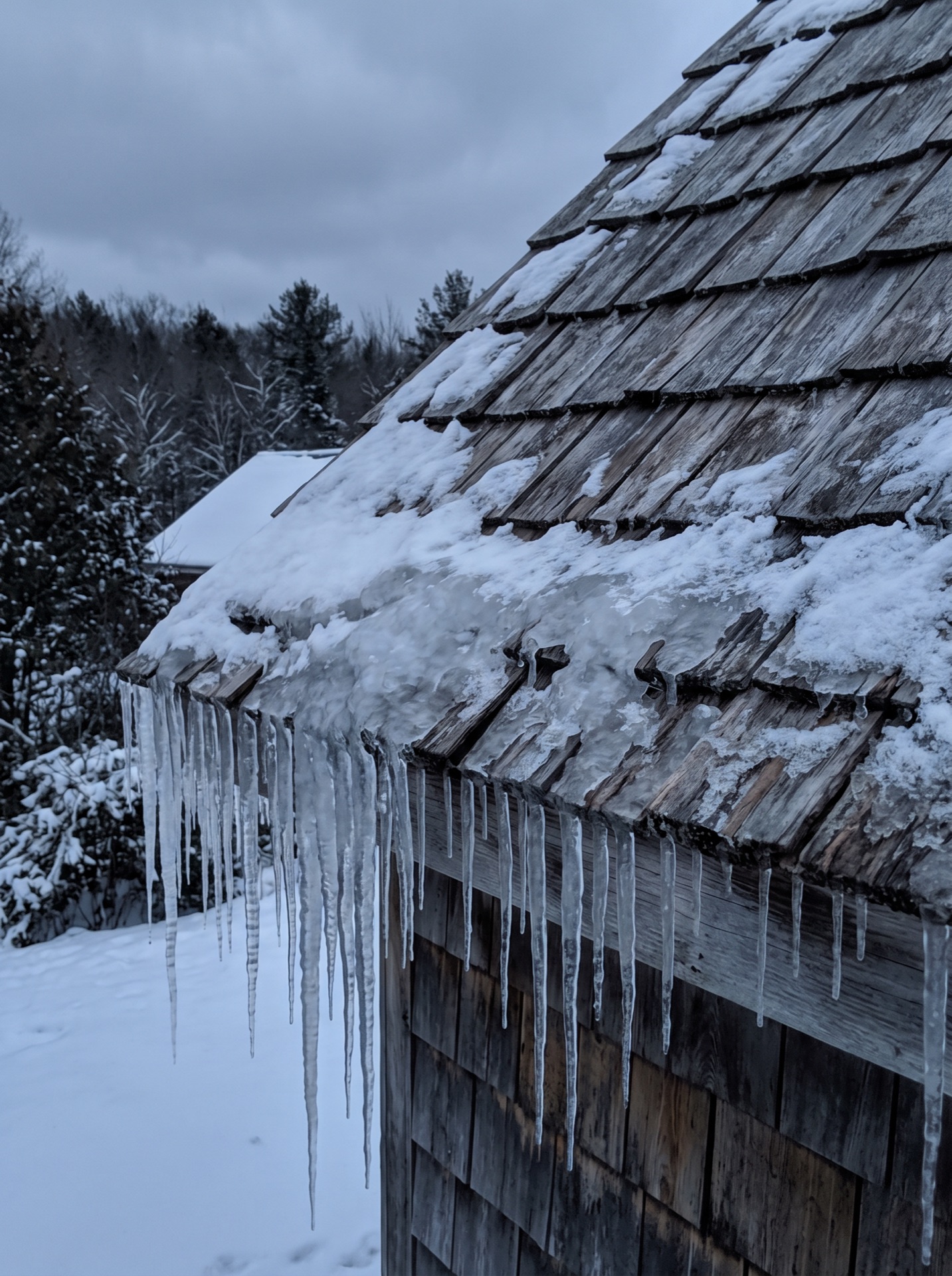
Snow that falls on a roof in Hastings in December tends to stay there. A pack that never fully clears is a pack that keeps feeding meltwater to the same eave for months on end.

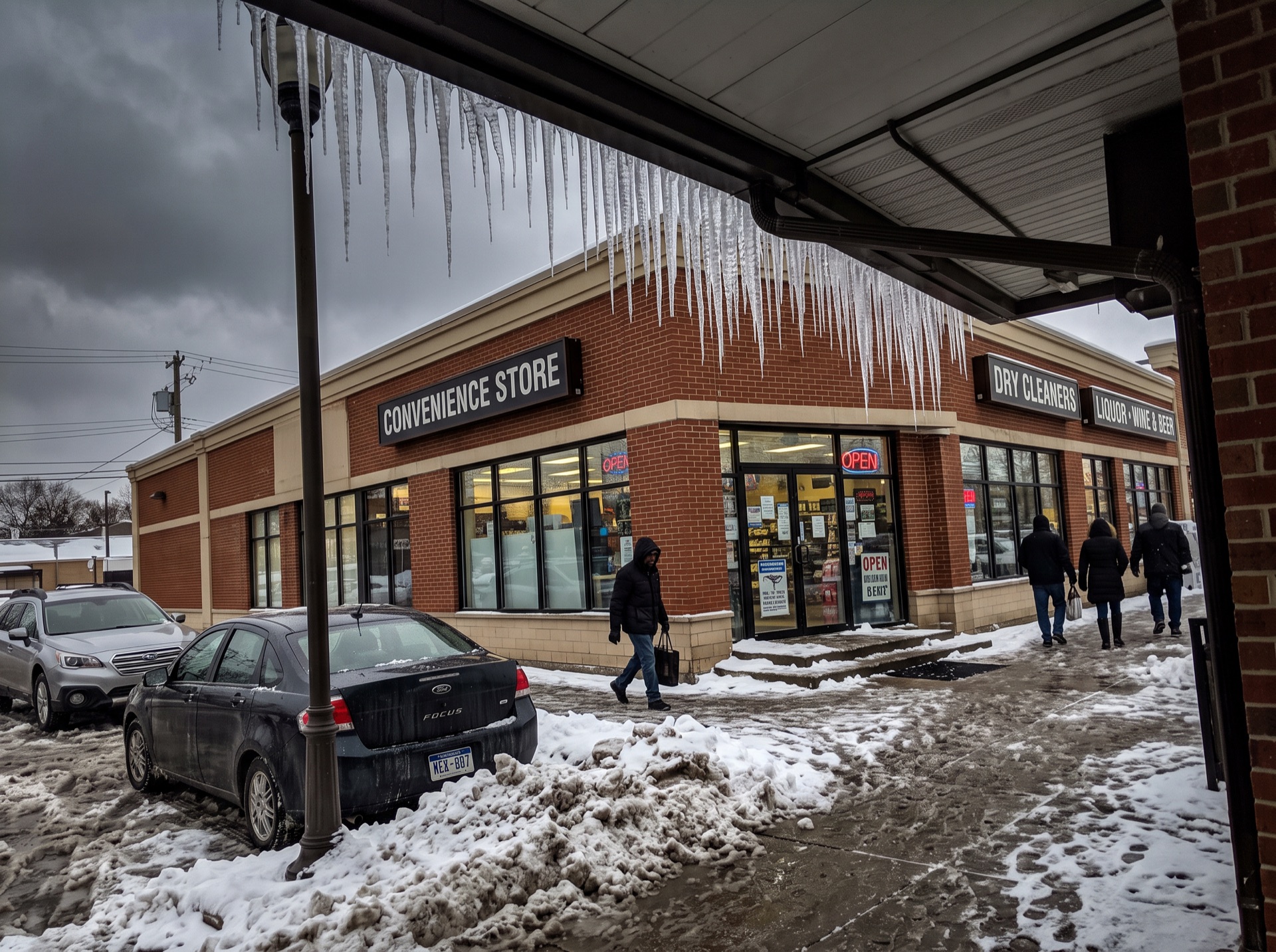
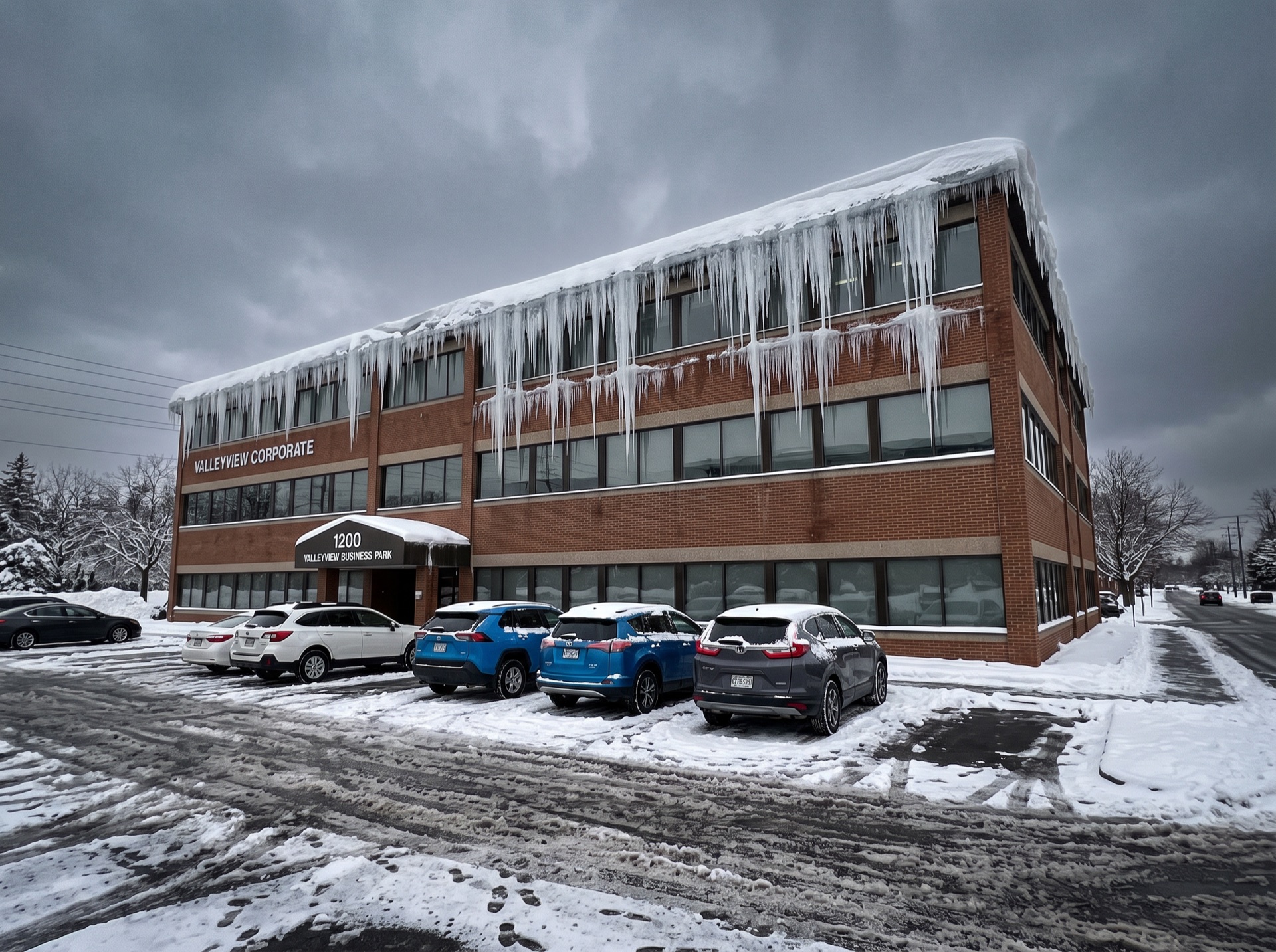
The ice that comes off a roof in Hastings in February is rarely one event's worth. It is a laminated record of the whole season, which is why it is thick, dense and firmly bonded to the shingle.
Ice-barrier practice in Adams County
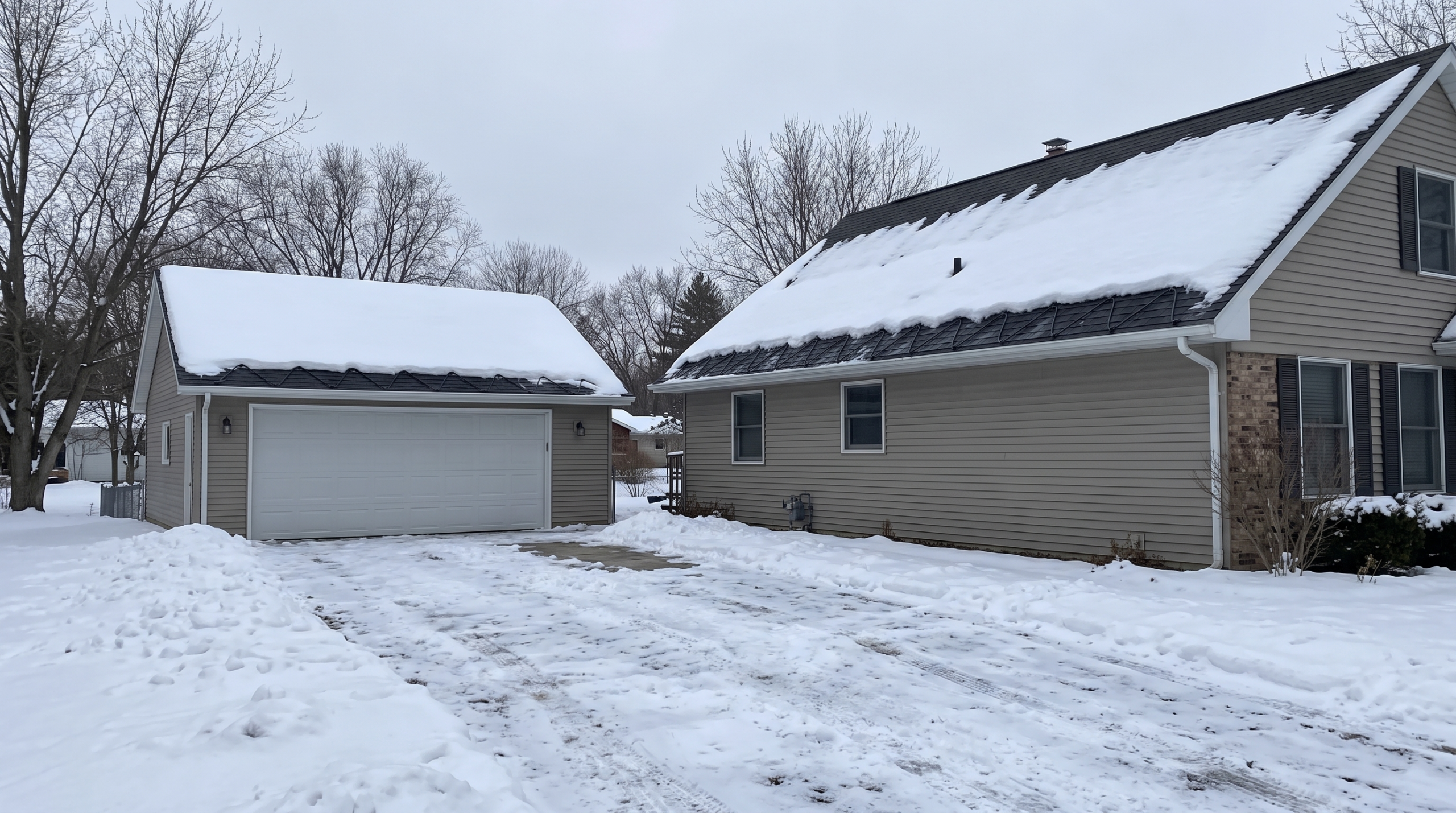
Because the ice here does not stay near the edge, the Nebraska requirement generally runs the membrane well up the roof plane. On a house in Hastings roofed a few decades ago it is frequently missing entirely.
What a Crew Does on a Hastings Roof
Crews walk the eaves, valleys and gutter line first and photograph every dam and every point where water is tracking inside, before touching anything. You get shown what they found and quoted the crew-hour rate before work starts.
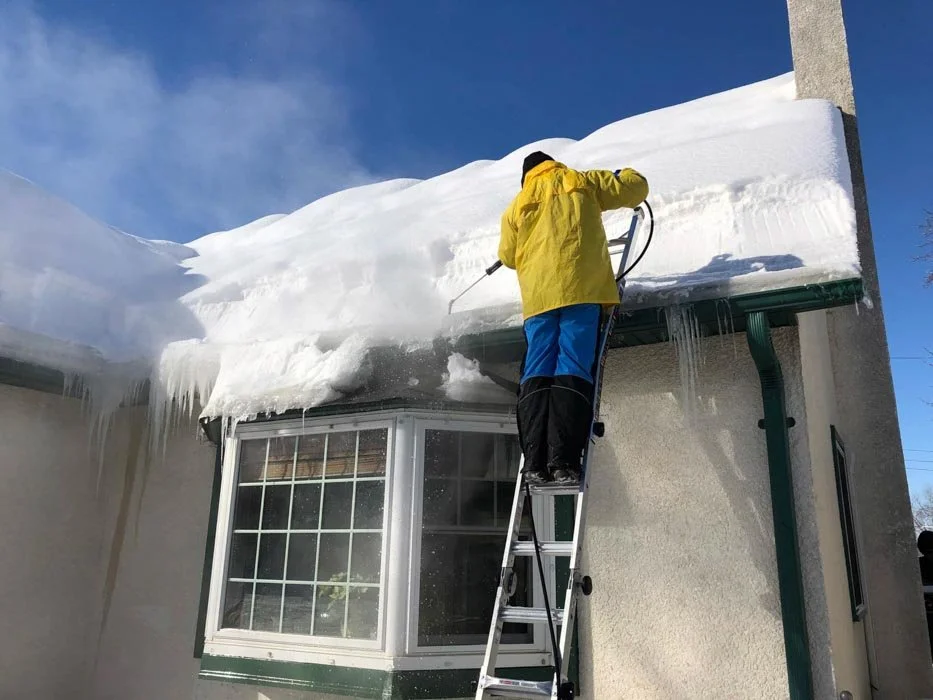
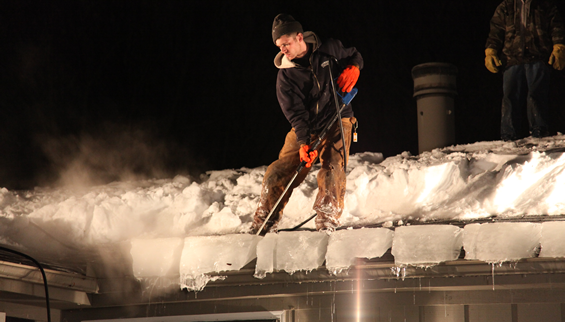
Then the ice comes off with low-pressure steam, starting wherever water is actively backing up so drainage opens early. Frozen gutters and downspouts are cleared in the same visit, because a cleared eave above a solid block of ice in the gutter dams again on the next cold night.
Why the gutter has to be cleared in the same visit
A dam sitting above a gutter packed solid with ice is only half the problem. Clear the eave and leave the trough frozen, and the next day's meltwater has nowhere to run — it backs up onto the roof and the dam rebuilds from the bottom.
Crews steam the trough and the downspout through to daylight on the same visit. It adds time, which is why the hour estimate given on the phone accounts for it, and it is the difference between a fix and a repeat visit in Hastings the following week.
If water already got inside
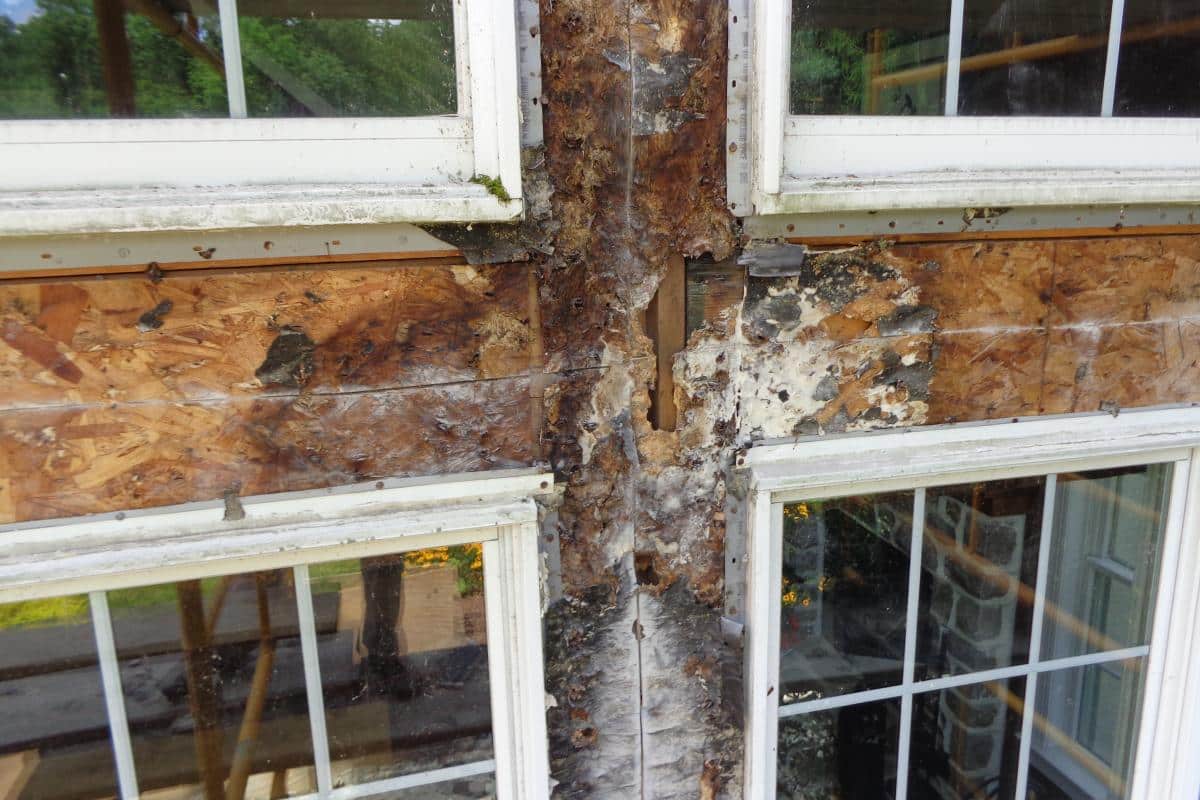
Taking the ice off stops new water. It does nothing about what is already in the insulation, the ceiling and the walls of a Hastings home.
The same company handles the rest: water mitigation and dryout, mold remediation where the water has led to growth, the interior repair, and the roof where the dam damaged it, all documented on one insurance claim.
Access, ladders and what the crew needs on site
Steam equipment needs somewhere to park within hose reach, and ladders need footing that is not a buried flower bed or a sheet of ice. Clearing a path to the affected eave, moving vehicles off the driveway and unlocking a side gate takes ten minutes and saves considerably more than that on the clock.
Where the only access is through a neighbor's property, that conversation is worth having before the crew is in the street rather than while it waits.
| Primary climate stressor | Sustained sub-freezing, long season |
|---|---|
| Documentation | Dated before and after photos, written scope in Xactimate line items |
| Dispatch window | Same day to 24 hours |
| Typical scope | Steam, 6-14 crew hours typical |
| Coverage area | Hastings and Adams County |
| Pricing model | Billed by the crew hour, rate quoted before dispatch |
| Removal method | Low-pressure steam only. No chipping, salt or pressure washing. |
Hastings Coverage and the Adjoining Communities
Crews working Hastings cover the adjoining communities on the same route — Juniata, Inland, Trumbull, Glenvil and Ayr — so a storm week usually means one truck handling several addresses in Adams County rather than separate trips.
Nearest hub towns with their own crew pages: Grand Island, Kearney, Columbus, Lincoln, Norfolk, Fremont.
Scheduling for Hastings tightens up during a freeze event, which is exactly when the phone beats the form. Water coming in means a call, not an email.
If water is already inside a property in Hastings, call (888) 561-9664 rather than filling in a form — the phone is faster and leaks jump the line.