


Long Winters, Layered Ice: The Hall County Problem
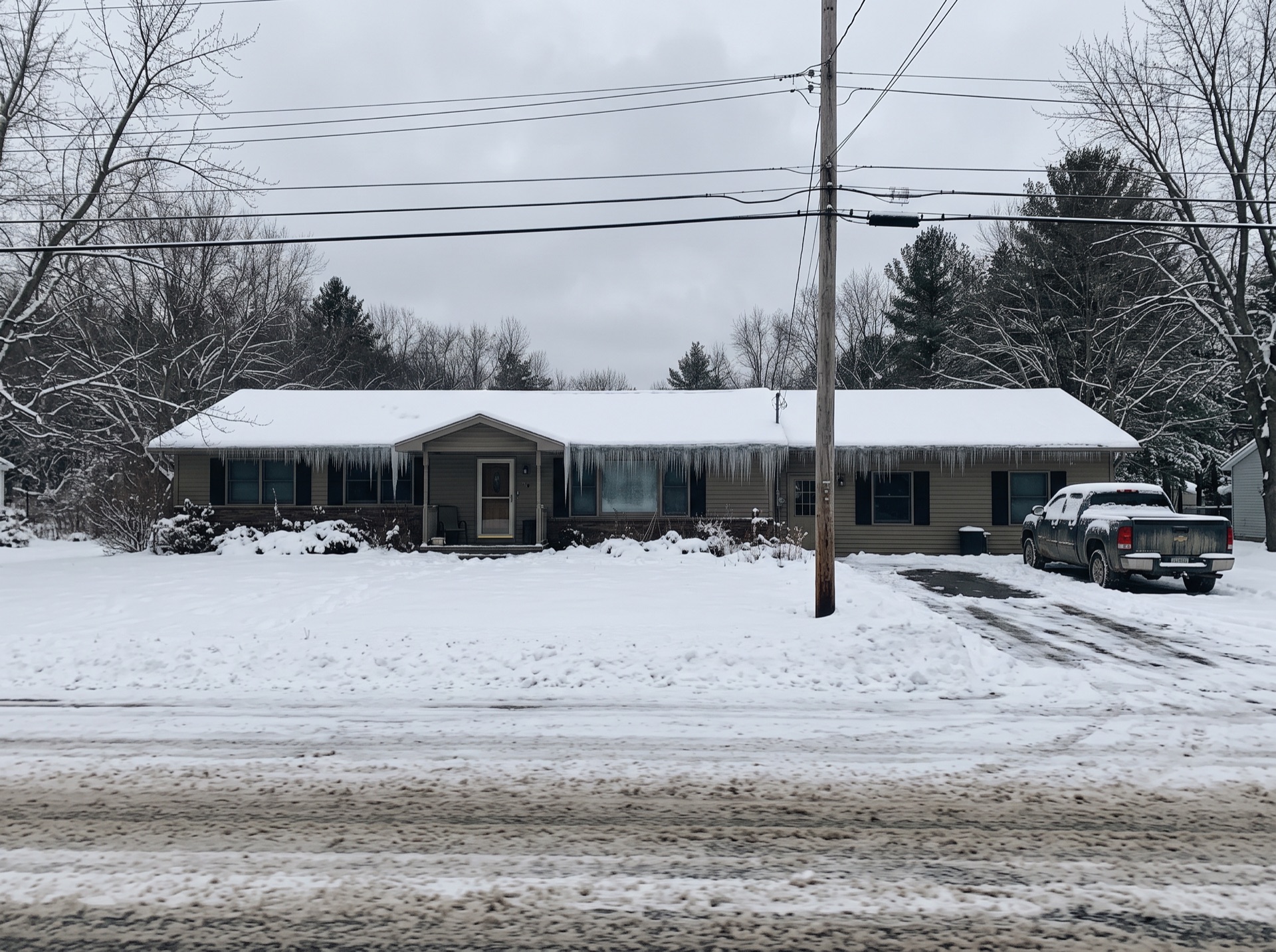
A roof in Hall County spends most of the year's coldest months under continuous load. That is a different problem from a single heavy storm, and it produces a different kind of ice.

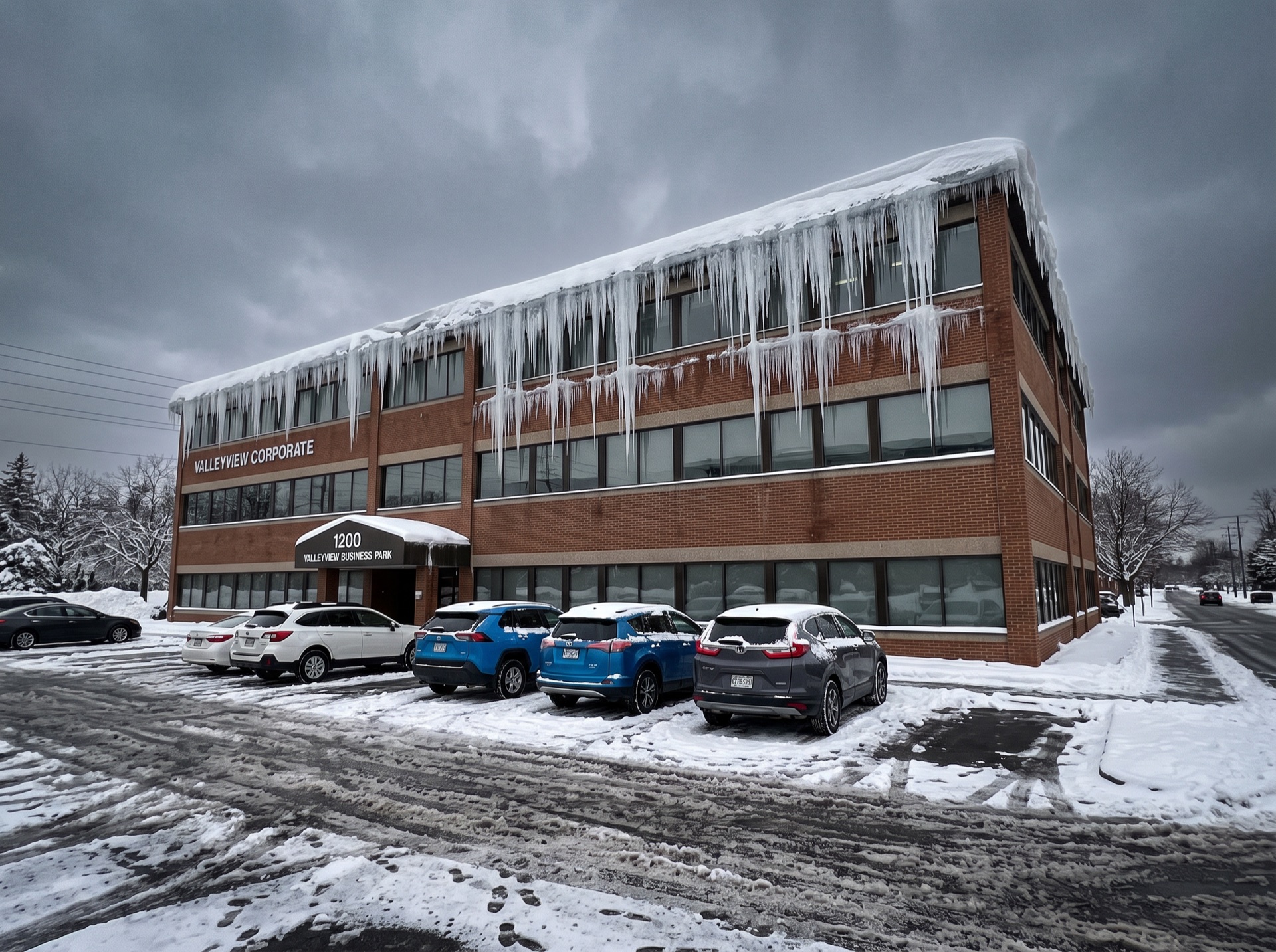
Ice built this way is dense and bonded. It is not the brittle shell that comes off a mild-climate roof in one piece - it is layered, hard and locked to the shingle, which is exactly why mechanical removal does so much damage here.
Ice-barrier practice in Hall County
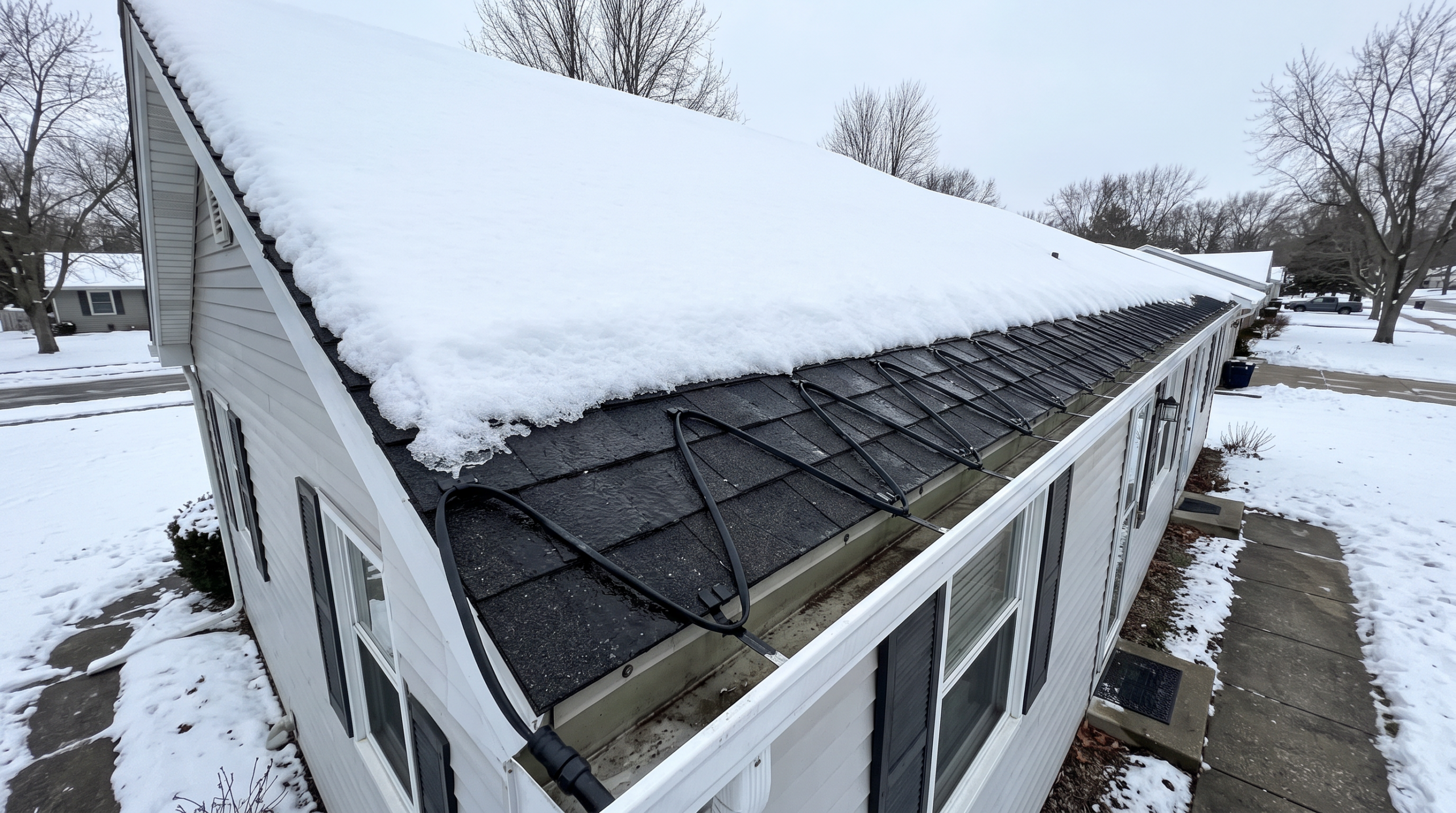
Because the ice here does not stay near the edge, the Nebraska requirement generally runs the membrane well up the roof plane. On a house in Grand Island roofed a few decades ago it is frequently missing entirely.
How a Grand Island Steam Call Runs, Start to Finish
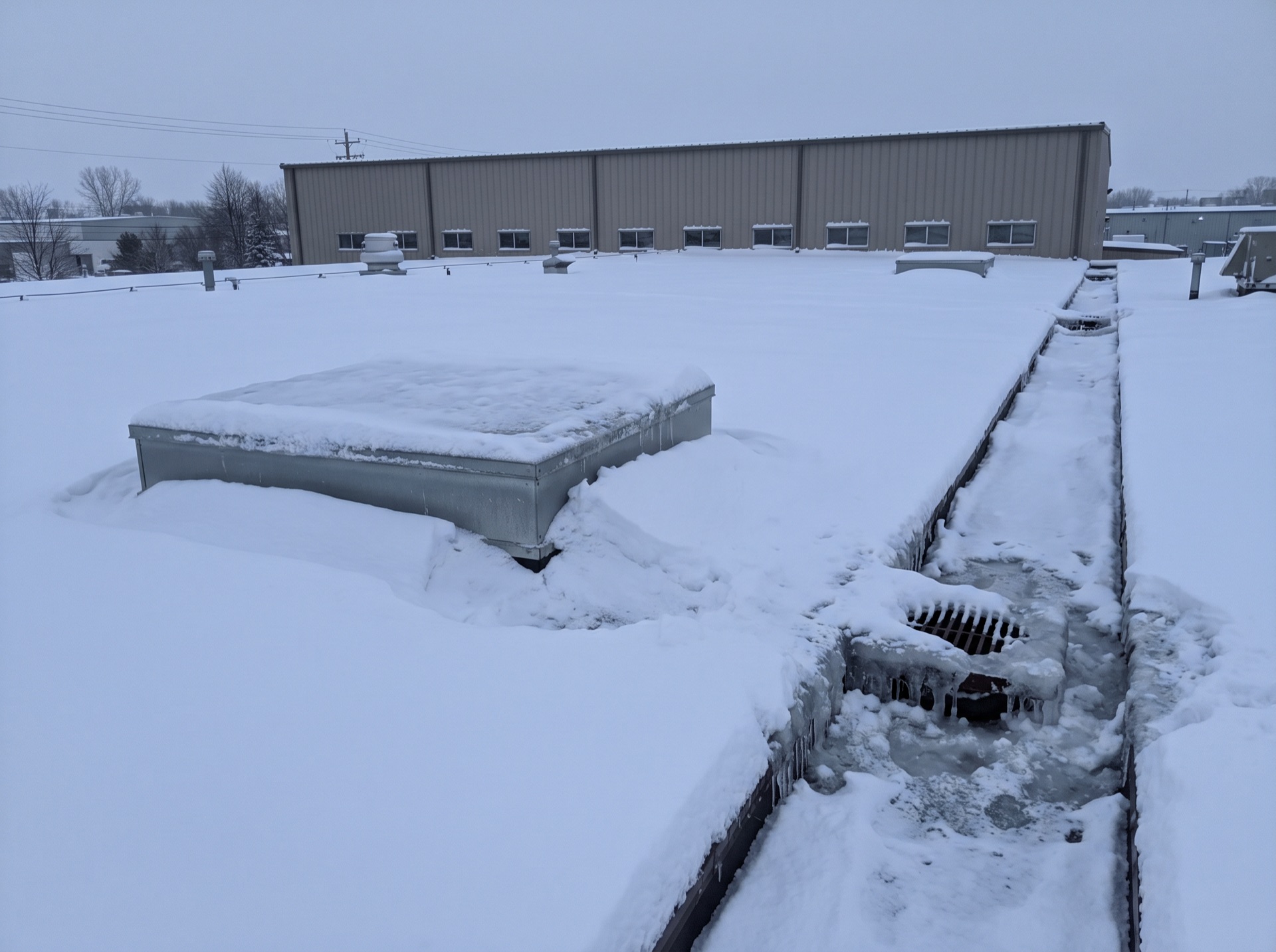
Crews walk the eaves, valleys and gutter line first and photograph every dam and every point where water is tracking inside, before touching anything. You get shown what they found and quoted the crew-hour rate before work starts.
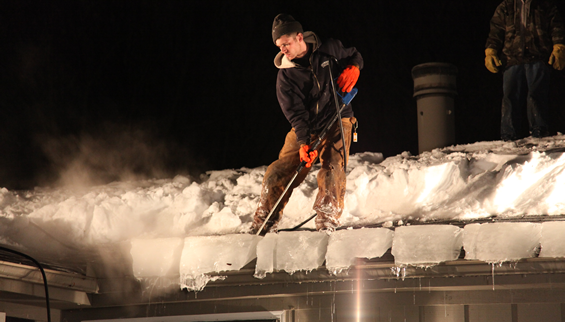
Then the ice comes off with low-pressure steam, starting wherever water is actively backing up so drainage opens early. Frozen gutters and downspouts are cleared in the same visit, because a cleared eave above a solid block of ice in the gutter dams again on the next cold night.
Access, ladders and what the crew needs on site
Steam equipment needs somewhere to park within hose reach, and ladders need footing that is not a buried flower bed or a sheet of ice. Clearing a path to the affected eave, moving vehicles off the driveway and unlocking a side gate takes ten minutes and saves considerably more than that on the clock.
Where the only access is through a neighbor's property, that conversation is worth having before the crew is in the street rather than while it waits.
How long a removal actually takes
A single-story eave with a thin dam and clear gutters is often an hour or two. A two-story Grand Island house with ice standing a foot deep across the front, frozen downspouts and a valley packed solid is most of a day for a two-man crew. The honest answer on the phone is a range and the reason for it, not a number designed to win the booking.
The estimate is revised out loud if the roof turns out worse than it looked from the ground, before the extra hours are worked rather than after they appear on the invoice.
What the crew does on arrival
Before anything is touched, the crew walks the eaves, valleys and gutter line and photographs every dam and every point where water is tracking inside. You get shown what they found. Then the dam comes off in sections, starting wherever water is actively backing up, so drainage opens early rather than at the end.
Downspouts and gutter troughs get cleared in the same visit where they are frozen, because a dam removed above a solid block of ice in the gutter just reforms in the next cold night.
| Documentation | Dated before and after photos, written scope in Xactimate line items |
|---|---|
| Pricing model | Billed by the crew hour, rate quoted before dispatch |
| Local ice-barrier practice | Eave membrane required on new work |
| Typical scope | Steam, 6-14 crew hours typical |
| Dispatch window | Same day to 24 hours |
| Service | Ice dam removal in Grand Island, NE |
| Removal method | Low-pressure steam only. No chipping, salt or pressure washing. |
Where We Dispatch Around Grand Island
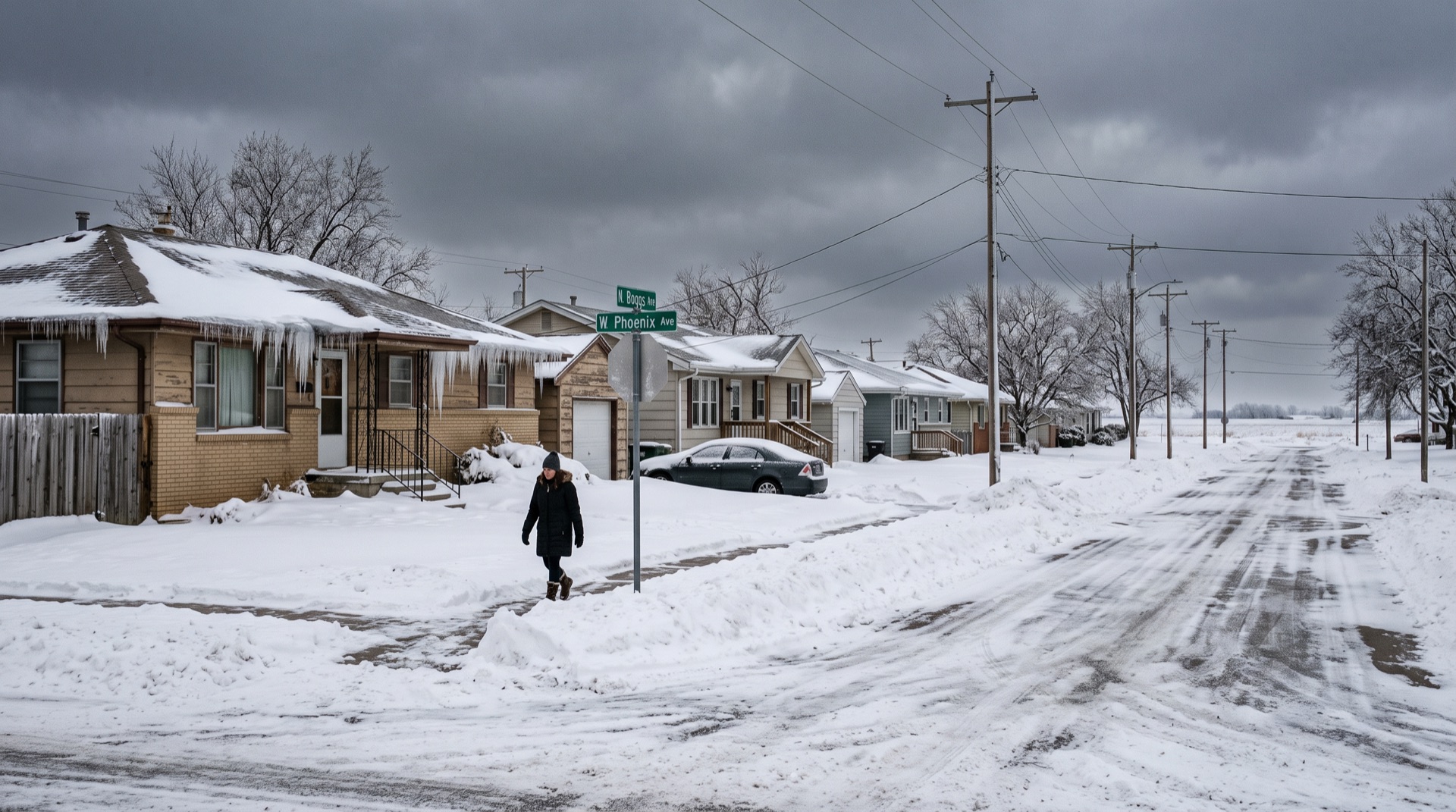
Crews working Grand Island cover the adjoining communities on the same route — Phillips, Alda, Chapman, Doniphan and Saint Libory — so a storm week usually means one truck handling several addresses in Hall County rather than separate trips.
Nearest hub towns with their own crew pages: Hastings, Kearney, Columbus, Lincoln, Norfolk, Fremont.
Crews cover Grand Island and the surrounding Hall County towns through the whole season, and during a freeze event they run from first light until dark.
Active leak at an address in Grand Island? (888) 561-9664 reaches dispatch directly. Interior water moves a job to the front of the day.