



Skip to content
St. Cloud, MN
Lake-Effect Snow Belt · Stearns County

Ice Dam Removal in St. Cloud, MN — Lake‑Effect Emergency Crews

Winter roof emergency services for St. Cloud, MN from Ice Dam Now: steam ice dam removal, snow load reduction, frozen gutter clearing, structural dryout and claim support across Stearns County. Crews are licensed, insured and harness-certified, work same day on active leaks, and bill by the crew hour at a rate agreed on the phone.

Steam removal across St. Cloud and Stearns County
No chipping, no salt, no pressure washing
Crew-hour rate quoted before anyone is dispatched
Before and after photographs on every job

Get Ice Dam Help St. Cloud

A few quick questions, then pick a time. If water is coming in, call instead.

What is the zip code of the home?

Roof leaking right now? Call (888) 561-9664 — that is faster than any form.
Water coming through the ceiling?Every hour an ice dam sits there, more water gets under the shingles.Call (888) 561-9664
Same Day
For Water Already Inside
Steam
Safe On Every Covering
Stearns
County Coverage
Insured
Harness-Certified On Every Roof
Written
Scope Before Work Starts
St. Cloud Services

What We Do In St. Cloud

Every service below is dispatched to St. Cloud and the surrounding Stearns County addresses.

Emergency
contractor using steam equipment to remove ice dam from snowy roof

Ice Dam Removal in St. Cloud

24/7 Emergency Steam

Low-pressure steam melts the dam off the eave in sections until the shingle is clear and water is draining again.

Book Ice Dam Removal in St. Cloud
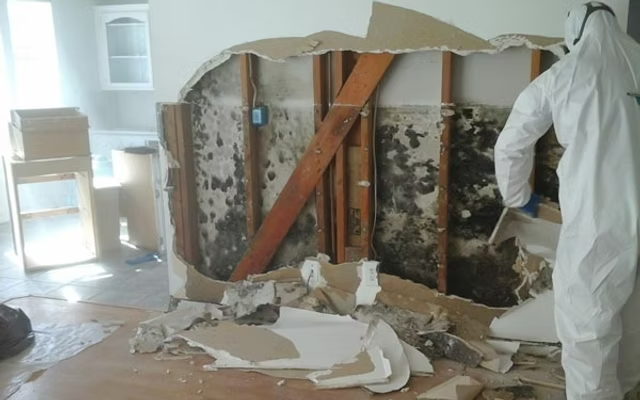
Mold remediation specialist in hazmat suit removing black mold from exposed wall studs

Mold Remediation in St. Cloud

IICRC S520 Standard

Attic, wall cavity and ceiling mold left behind by ice dam water, removed under containment and cleared before the room is rebuilt.

Book Inspection in St. Cloud
Worker in safety harness shoveling heavy snow off a residential roof

Roof Snow Removal in St. Cloud

Stops The Next Dam

No snow on the roof means no meltwater, and no meltwater means no new dam.

Request Snow Clearing in St. Cloud
Worker in safety harness shoveling snow off a residential roof in winter

Roof Shoveling in St. Cloud

Hand Clearing

Deep pack, dead valleys and dormer pockets, cleared by hand where a rake cannot reach.

Request Hand Shoveling in St. Cloud
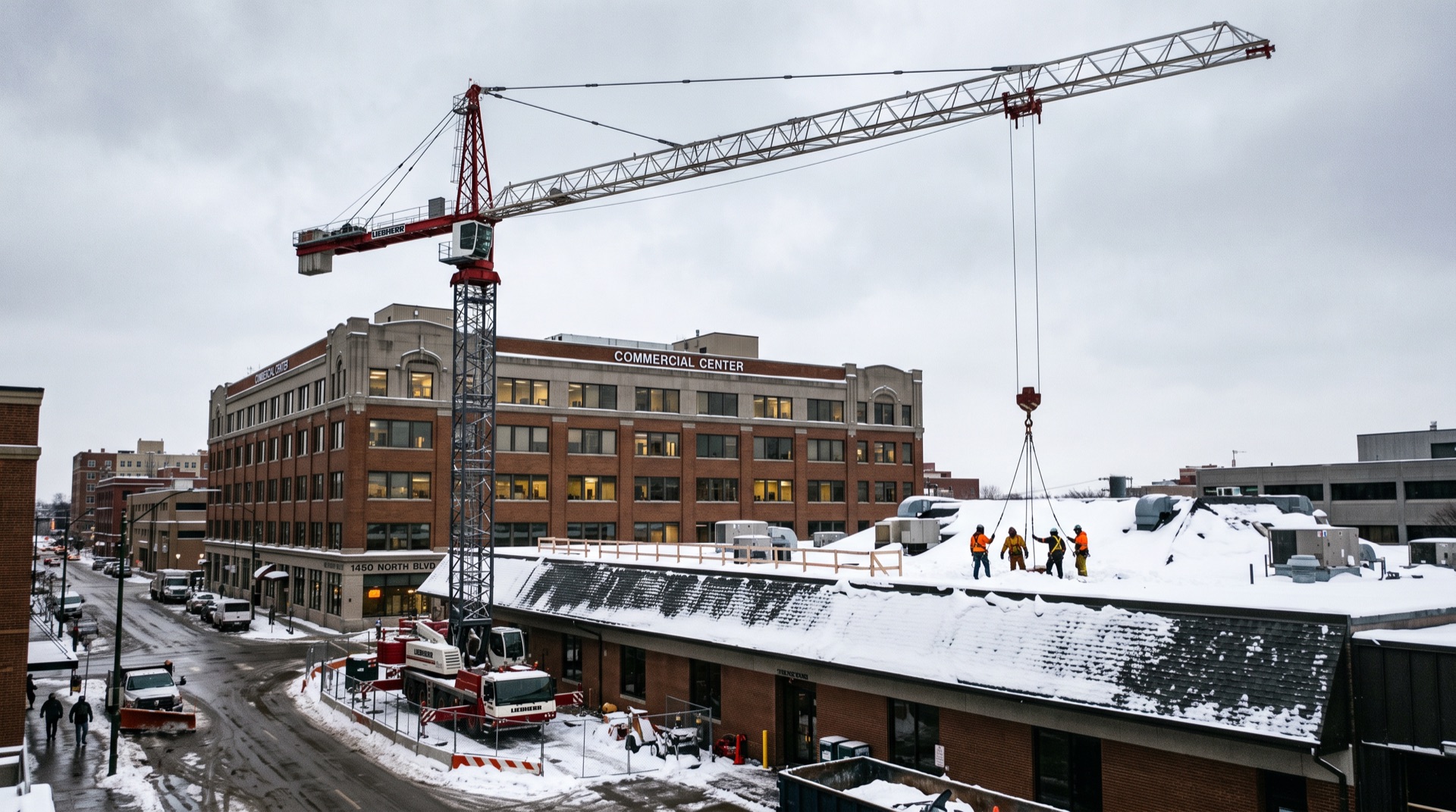
Liebherr tower crane boom extended over snow-covered building roof with workers below

Crane-Assisted Snow Removal in St. Cloud

Deep Drifts & Big Roofs

Snow tarps rigged and lifted by boom crane where drifts are too deep and too heavy to move by hand.

Ask About A Crane Pick in St. Cloud
Emergency
technician in Tyvek suit and respirator removing contaminated pink insulation in attic

Water Mitigation & Dryout in St. Cloud

IICRC S500 Standard

Extraction, drying and controlled tear-out to IICRC S500, then the interior repair, so the water that already got in does not become rot and mold by spring.

Start Dryout in St. Cloud
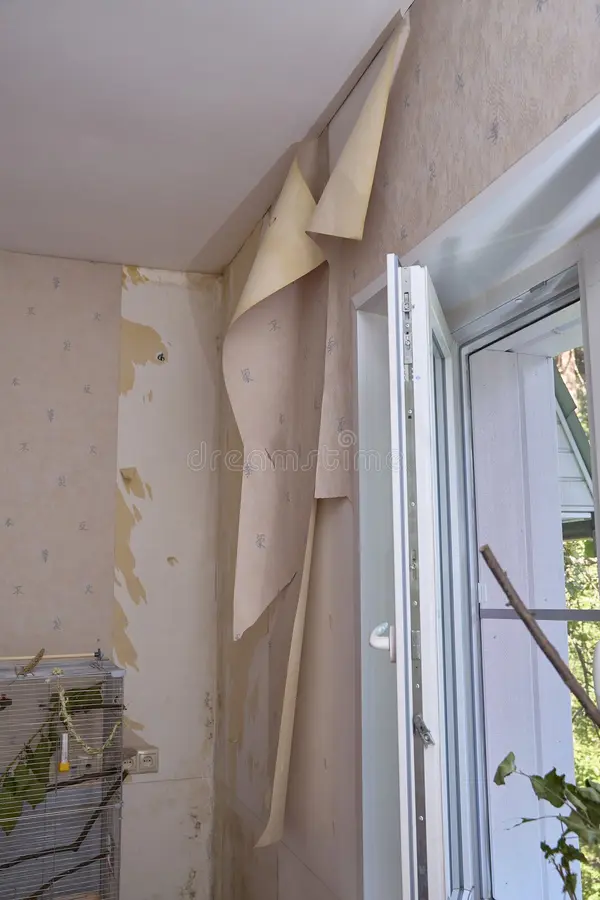
Wallpaper peeling off interior wall near window from water damage

Ice Dam Insurance Claims in St. Cloud

Xactimate Scopes

One claim for the whole event: ice dam removal, water mitigation, mold remediation, interior repair and roof replacement where the storm damaged it, documented in Xactimate line items.

Get Claim Help in St. Cloud
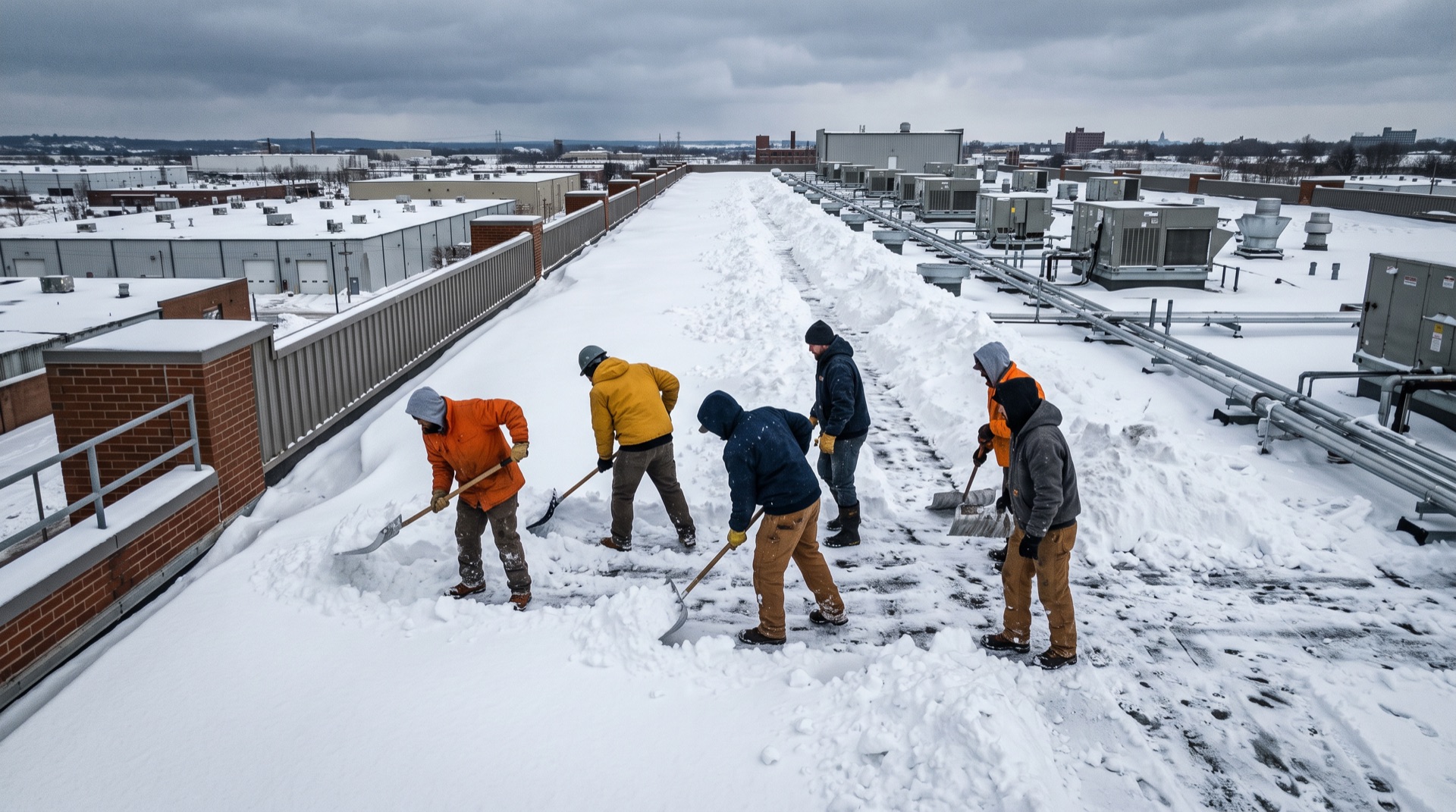
Five workers shoveling heavy snow off a large commercial flat roof

Commercial Ice Dam Removal in St. Cloud

Flat Roof & Parapet

Membrane-safe steaming for EPDM and TPO decks, frozen parapet scuppers and blocked internal drains.

Book Commercial Steaming in St. Cloud
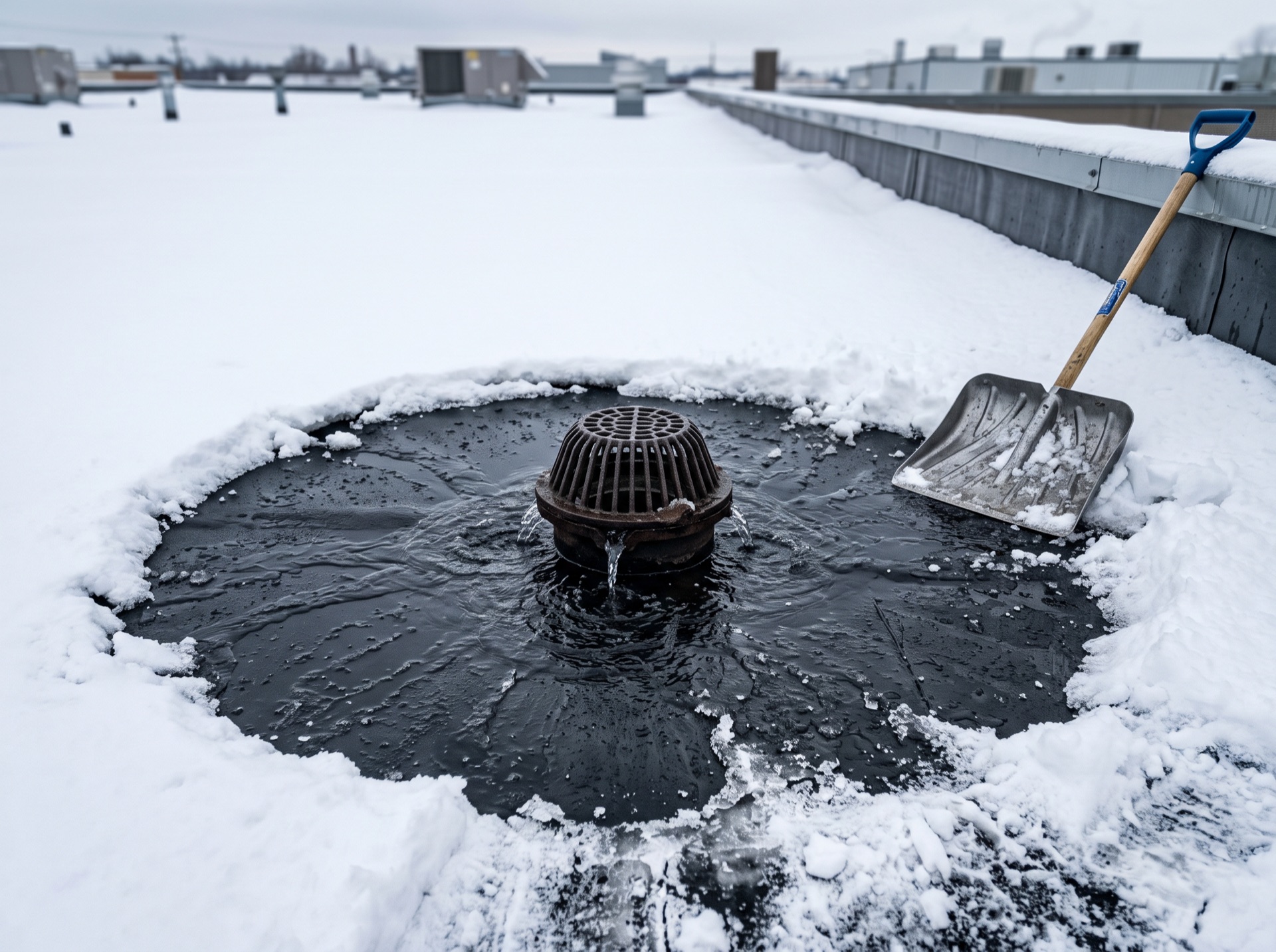
Cleared roof drain surrounded by melting snow on a flat commercial rooftop in winter

Commercial Roof Snow Removal in St. Cloud

Structural Snow Load

Scheduled load reduction for warehouses, retail, schools and multi-unit buildings before drift weight becomes a deflection problem.

Schedule Load Reduction in St. Cloud
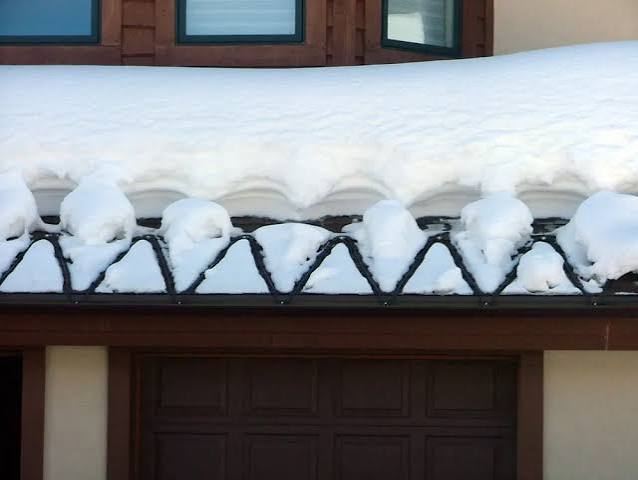
Heat cable installed along snow-covered roof eave and gutter in winter

Heated Roof & Gutter Cables in St. Cloud

Permanent Prevention

Self-regulating heat trace on the eaves, valleys, gutters and downspouts, so meltwater keeps a path out all winter.

Get A Cable Quote in St. Cloud

Snow Bands, Warm Attics and the St. Cloud Eave

Roofs in St. Cloud are loaded unevenly and quickly. A band sets up, dumps for six hours and moves, and the roof is carrying a dense wet pack it did not have at breakfast. Nothing about that snow wants to slide off.

Diagram showing how ice dams form on roofs due to inadequate insulation and poor ventilation
Heat escaping into the attic melts roof snow; the meltwater refreezes at the cold eave and the dam grows a layer every cycle.

Melting happens from underneath, not from the sun. Attic heat releases water under the pack, it runs to the overhang where there is no heated space below, and it freezes. That is the engine, and in St. Cloud it runs most of the winter.

Ice-barrier practice in Stearns County

The relevant detail is how far up the roof the membrane runs — it has to reach past the interior wall line, not just cover the first course. On older St. Cloud roofs it frequently does neither.

The St. Cloud Dispatch Process, Step by Step

Crews walk the eaves, valleys and gutter line first and photograph every dam and every point where water is tracking inside, before touching anything. You get shown what they found and quoted the crew-hour rate before work starts.

Then the ice comes off with low-pressure steam, starting wherever water is actively backing up so drainage opens early. Frozen gutters and downspouts are cleared in the same visit, because a cleared eave above a solid block of ice in the gutter dams again on the next cold night.

Steep, high and awkward St. Cloud roofs

Pitch and height change the job more than ice thickness does. A walkable ranch eave is a ladder and a lance. A three-story roof with a steep pitch means anchors, rope, staging and two people where one would otherwise do.

Crews quote on that honestly. If a property in St. Cloud needs a longer setup, it is said on the phone rather than discovered at the end of the invoice.

Access, ladders and what the crew needs on site

Steam equipment needs somewhere to park within hose reach, and ladders need footing that is not a buried flower bed or a sheet of ice. Clearing a path to the affected eave, moving vehicles off the driveway and unlocking a side gate takes ten minutes and saves considerably more than that on the clock.

Where the only access is through a neighbor's property, that conversation is worth having before the crew is in the street rather than while it waits.

What steam actually does

A steam unit delivers water at roughly 290°F at a pressure low enough to rest your hand in the plume. It cuts a channel straight through the ice and lifts the dam off in sections, right down to the shingle. The heat does the work, not force, so granules, seal strips and flashing come through untouched.

That is the whole difference between steam and the hot pressure washers often sold as steam. A pressure washer cuts ice fast because of its pressure — and that same pressure strips the granules off asphalt shingles and drives water up under the courses. One method removes ice. The other removes ice and roof.

Ice dam removal in St. Cloud, MN — specification
Service specification for St. Cloud, MN
Primary climate stressorLake-effect bands, wet heavy pack
Pricing modelBilled by the crew hour, rate quoted before dispatch
ServiceIce dam removal in St. Cloud, MN
Local ice-barrier practiceEave membrane expected on re-roofs
Dispatch windowSame day to 24 hours
DocumentationDated before and after photos, written scope in Xactimate line items
Coverage areaSt. Cloud and Stearns County

Where We Dispatch Around St. Cloud

Crews working St. Cloud cover the adjoining communities on the same route — Saint Cloud, Waite Park, Sauk Rapids, Sartell and Saint Joseph — so a storm week usually means one truck handling several addresses in Stearns County rather than separate trips.

Nearest hub towns with their own crew pages: Elk River, Ramsey, Maple Grove, Andover, Brooklyn Park, Plymouth.

St. Cloud sits inside the regular Minnesota service area, so a crew is usually scheduled the same day or the following morning.

Water coming in right now in St. Cloud? Call (888) 561-9664. Active interior leaks go to the front of the schedule.
Nearby

Hub Towns Around St. Cloud

Crews run these on the same route, so a storm week usually means one truck covering several of them.

All Minnesota Locations
Conditions We Work In

What We Find On St. Cloud Roofs

Every job is photographed before and after. These are the conditions crews work in across Stearns County.

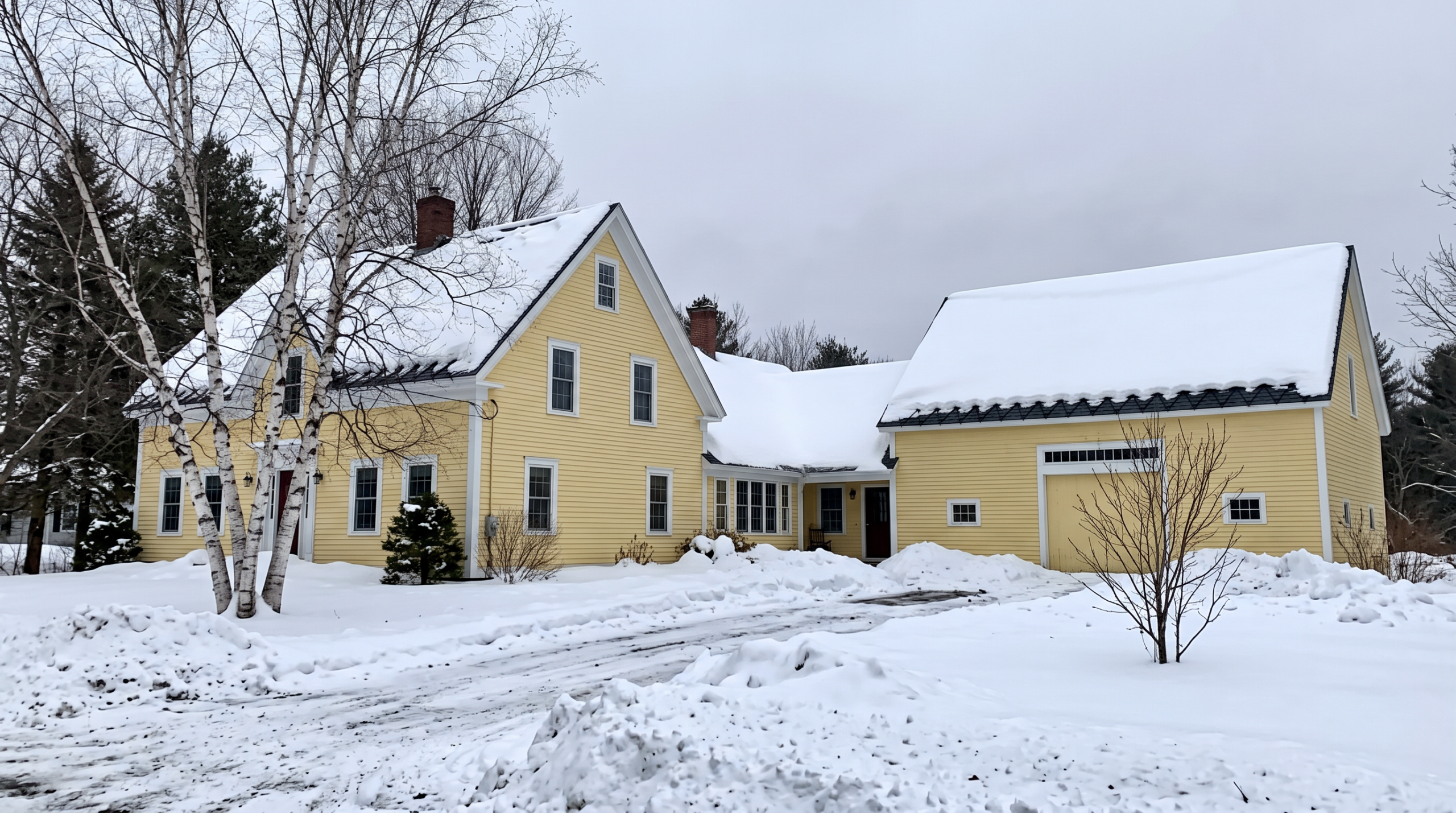
Yellow farmhouse with heavy snow on roof showing ice dam risk in winter
A classic yellow Maine farmhouse carries a heavy snow load, creating ideal conditions for ice dam formation.
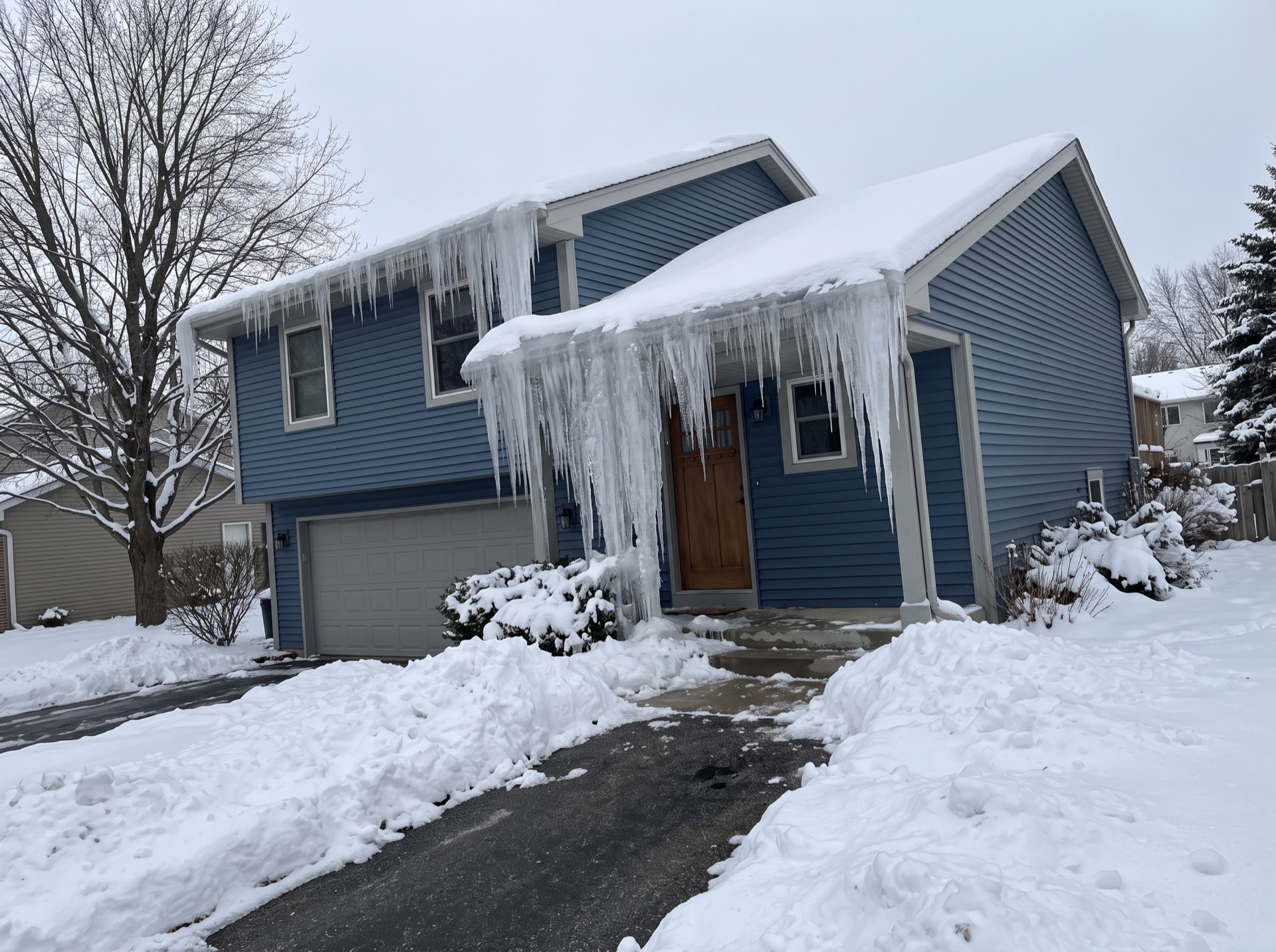
Large ice dams and icicles hanging from blue split-level house roof in winter
Massive ice dams and icicles form along the roofline and entry overhang of a blue split-level house after heavy snowfall.
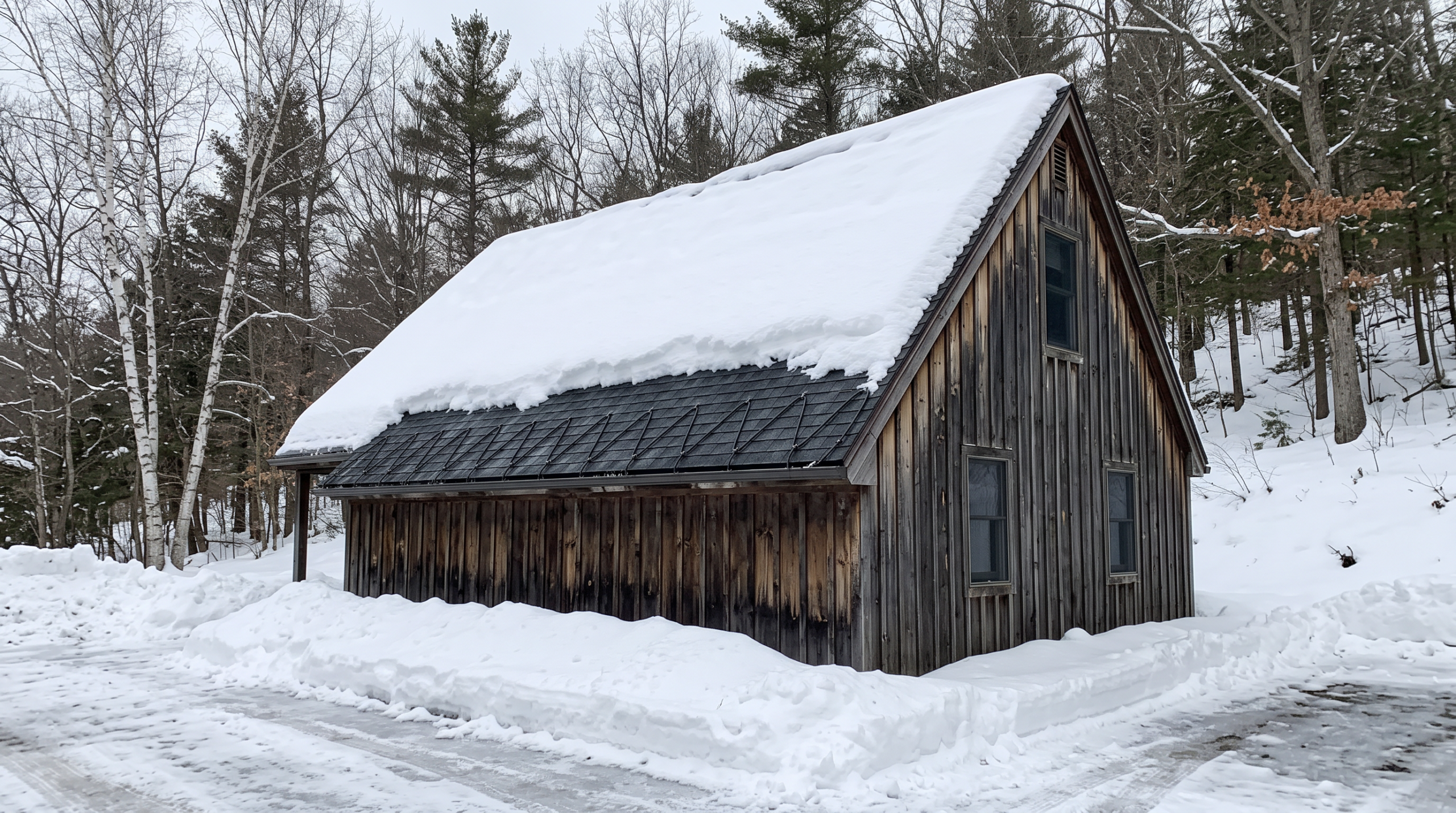
Snow-covered rustic wooden barn with dark shingles in winter forest
Heavy snow accumulates on a rustic wooden barn roof in a New Hampshire mountain setting.
Worker using steam equipment to remove ice dam from snowy roof at night
Method

Steam, Never A Hammer

Low-pressure steam removes ice with heat rather than force, so granules, seal strips and flashing come through untouched. It is the only method crews use on a roof in St. Cloud.

FAQ

St. Cloud and Stearns County FAQ

Not for exterior removal, provided access and payment are arranged in advance.

  • Somebody being home helps where there is interior damage to look at or document.
  • Photographs go to you either way, timestamped as the work happens.
  • A gate code or an unlocked side gate is usually all a crew needs on a St. Cloud property.

More than it looks from the ground - a foot-deep dam across a thirty-foot eave is a few thousand pounds.

  • Depth is measured at the eave rather than estimated from the driveway.
  • The gutter trough underneath is usually frozen solid too and is part of the same mass.
  • That weight is one of the reasons chipping at it from a ladder goes badly.

Often for the interior water damage, sometimes for the removal itself, but it depends entirely on your carrier and policy wording.

  • Many policies treat emergency mitigation separately under a duty to protect property clause.
  • Denials usually cite the maintenance exclusion, which dated photographs taken during the event are the direct counter to.
  • Crews photograph the dam, the entry points and the interior damage, and write the scope in Xactimate line items.
  • The coverage decision is between you and your carrier — no contractor can promise an outcome there.

Yes. Steam is safe on slate, cedar shake, tile and metal as well as asphalt, because it removes ice with heat rather than force.

  • Older St. Cloud housing stock with original slate is exactly where chipping does the most damage.
  • Crews adjust the lance distance and dwell rather than the pressure.
  • Nothing mechanical touches the covering at any point.
Same-Day Response

Get A St. Cloud Crew Out

A dam left alone through February is not the same dam in March. It is bigger, and so is the repair behind it.

✓ Licensed & insured✓ Low-pressure steam only✓ Rate quoted up front✓ Photos for your claim
Online Quote(888) 561-9664