


The Dakota County Pattern: Heavy Bands, Fast Thaws
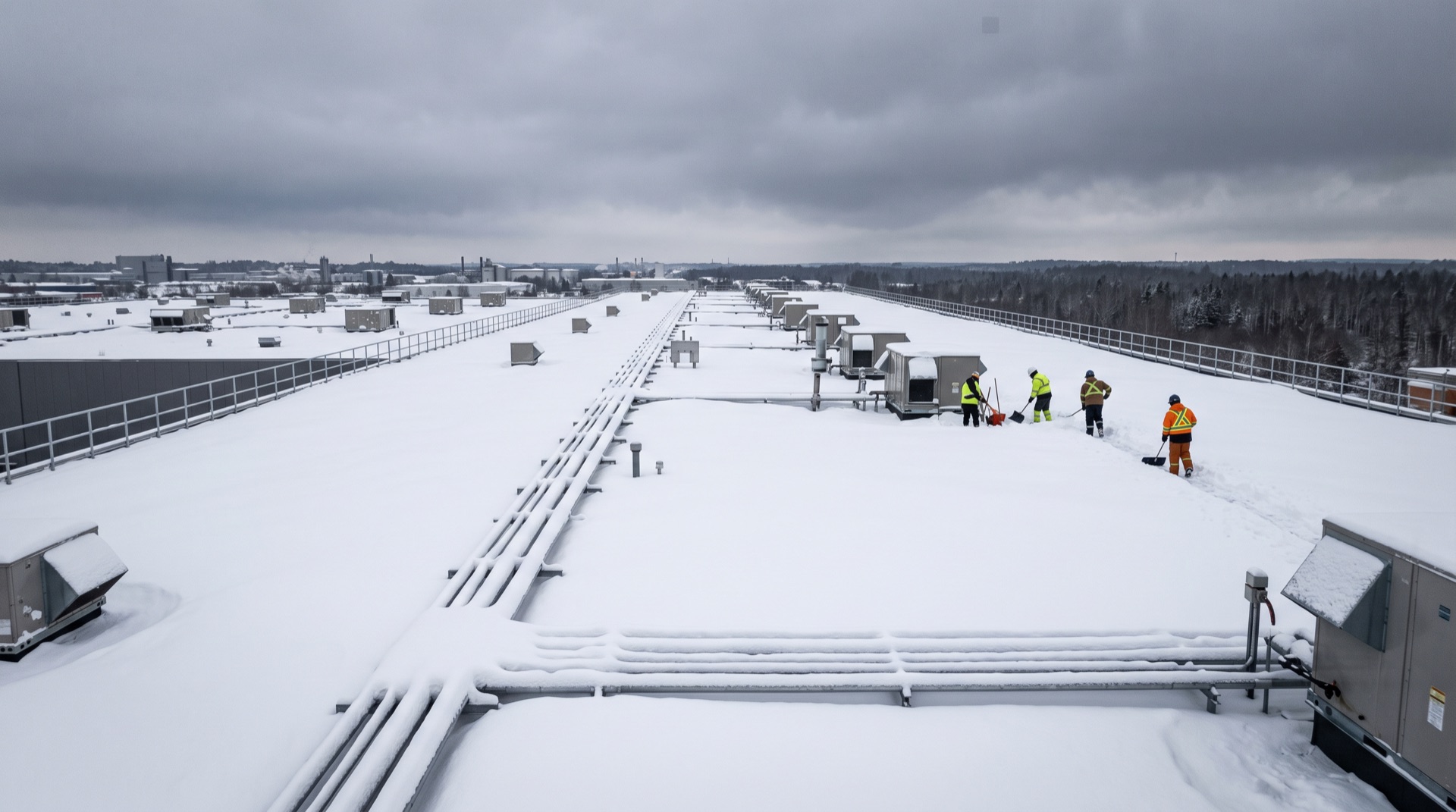
Lake-effect snow arrives in bands rather than fronts, which is why Lakeville can take a foot overnight while a town twenty miles inland takes two inches. It falls wet, it compacts fast, and it does not blow off.

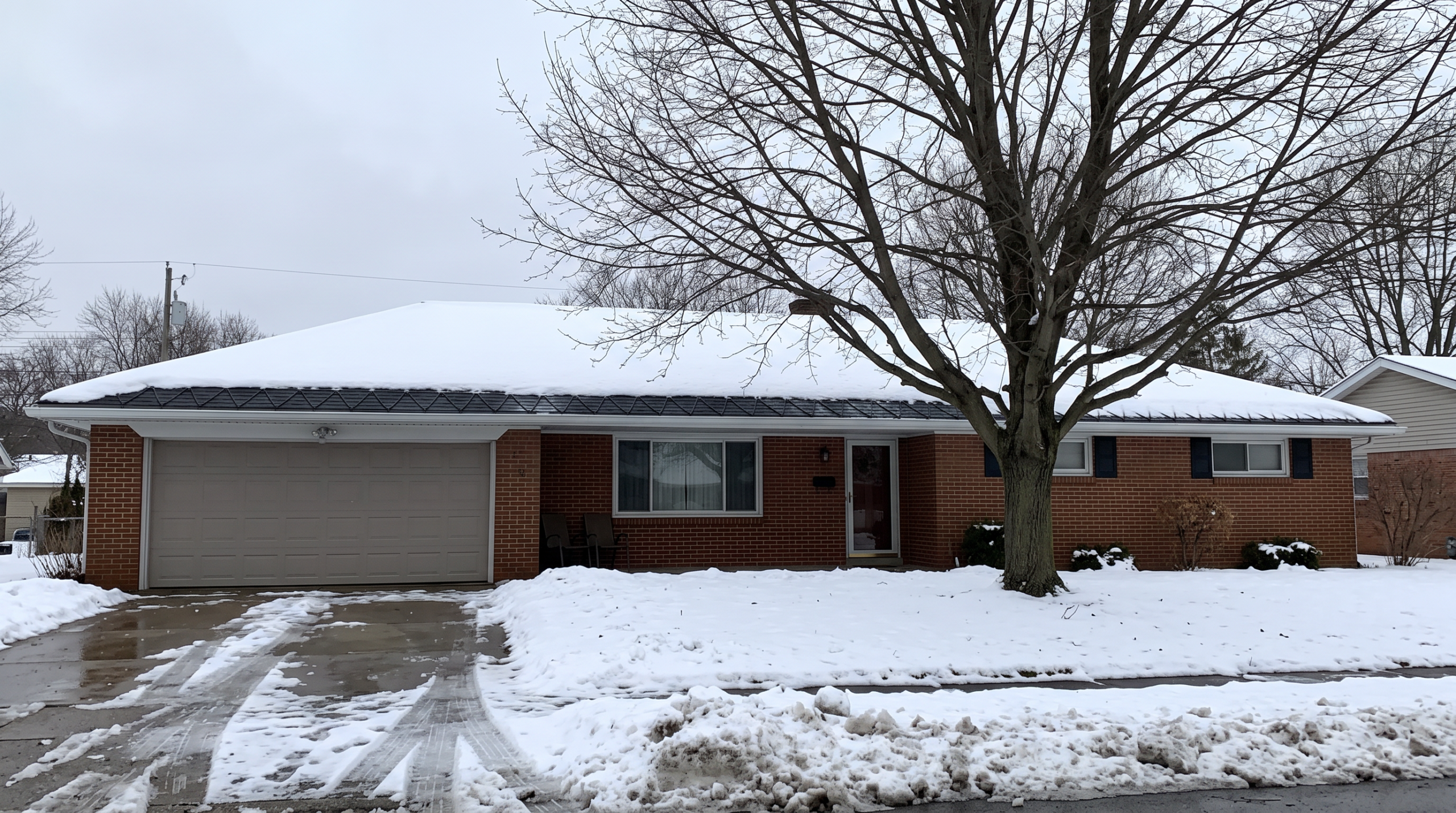
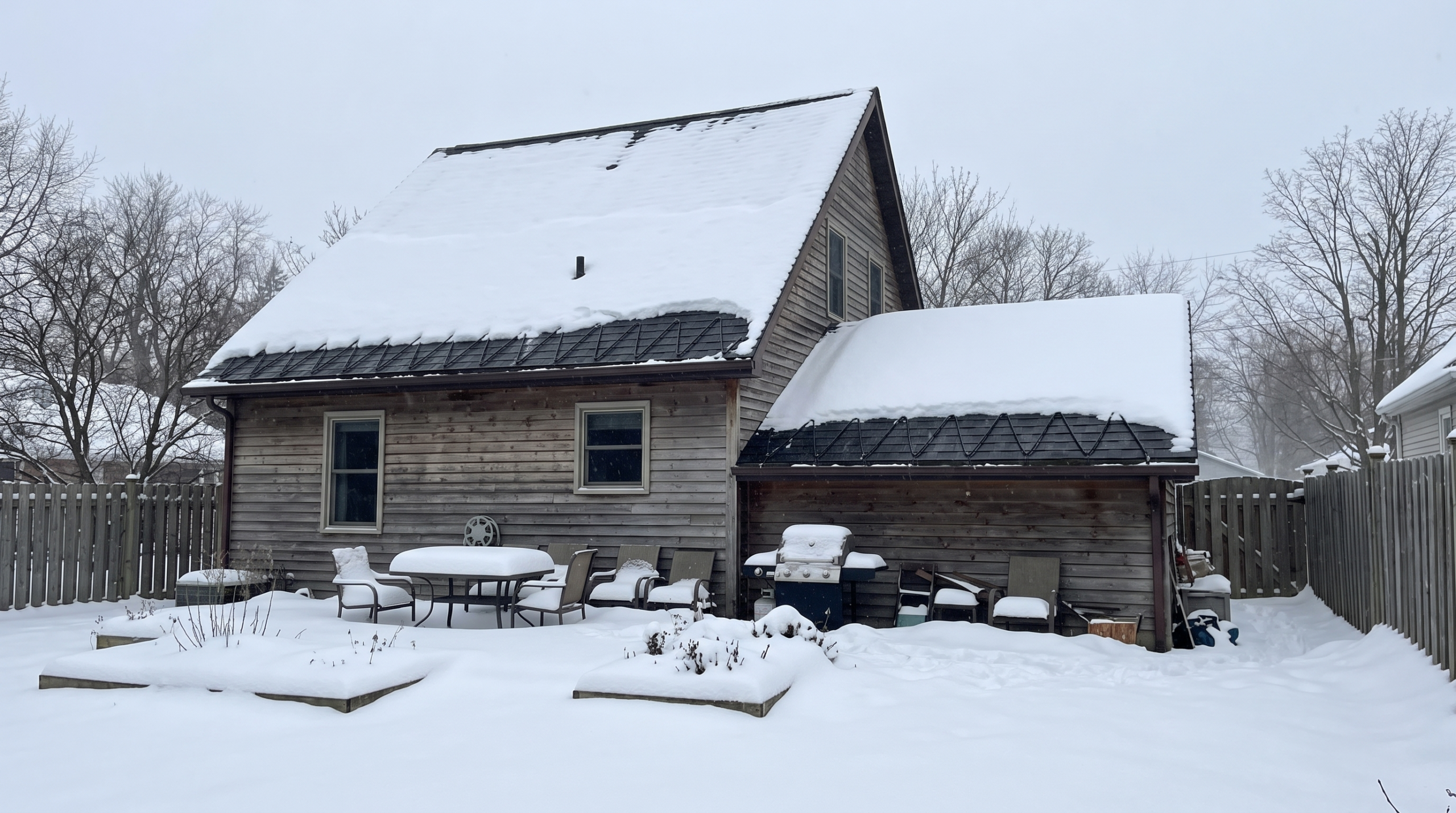
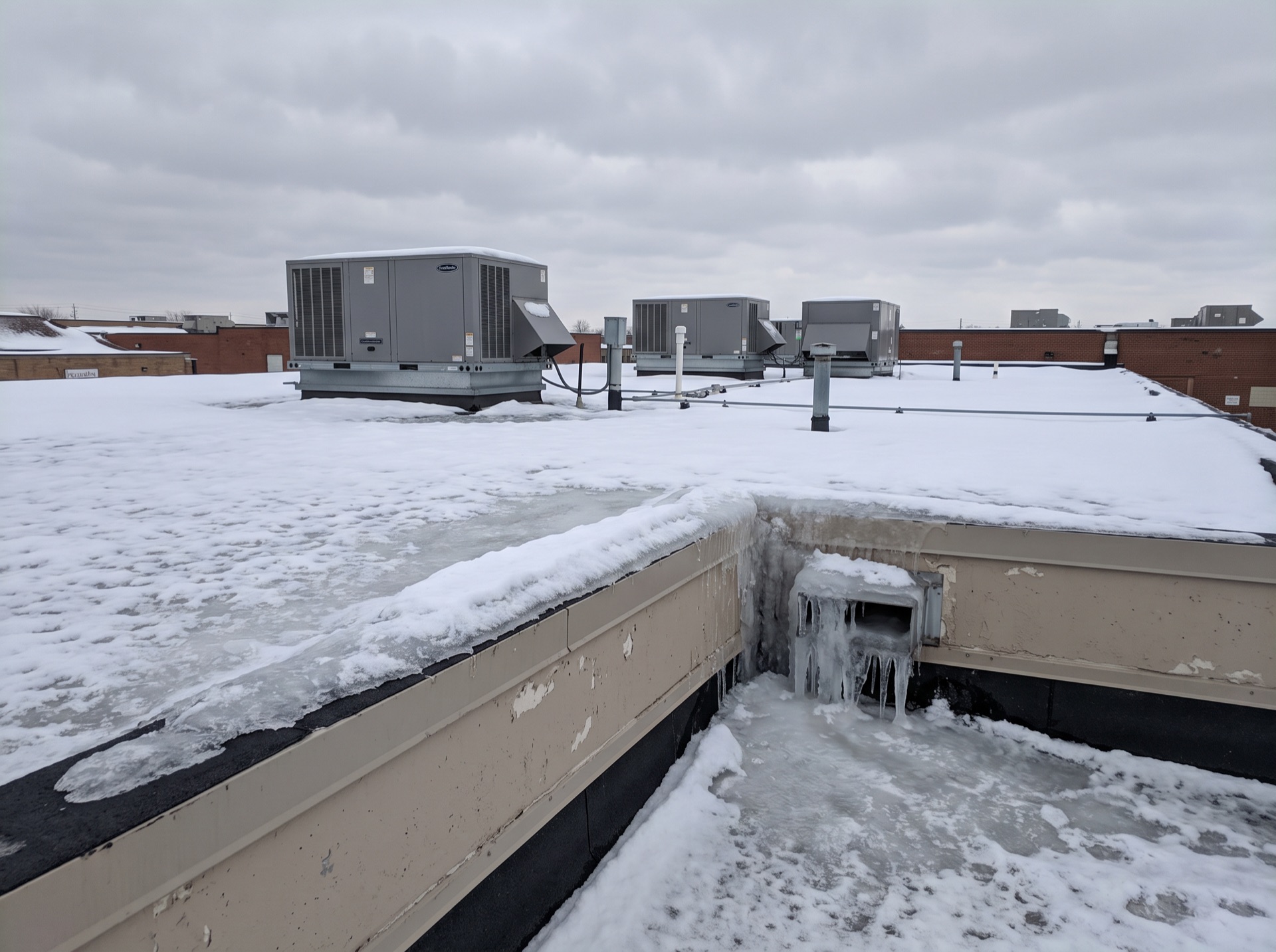
The damage comes on the thaw. Warm air leaking into the attic melts the underside of that pack, the meltwater runs to an eave that is still well below freezing, and it sets. Repeat that four or five times in a January and the ridge of ice at the gutter line stops being cosmetic.
Ice-barrier practice in Dakota County
Lake-belt jurisdictions in Minnesota have enforced eave membrane on re-roof permits for a long time. The roofs that leak are, almost without exception, the ones that have not been touched since before that.
The Lakeville Dispatch Process, Step by Step
The first pass is assessment: eaves, valleys, gutter line and any interior staining, all photographed with timestamps. You see what the crew sees, and the rate and likely hours are agreed before work begins.
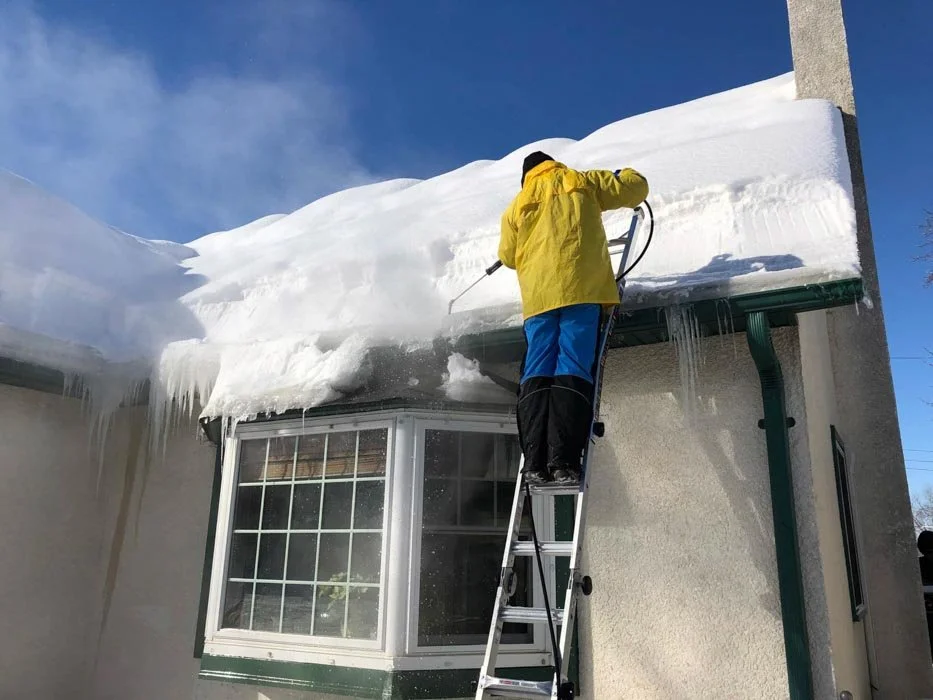
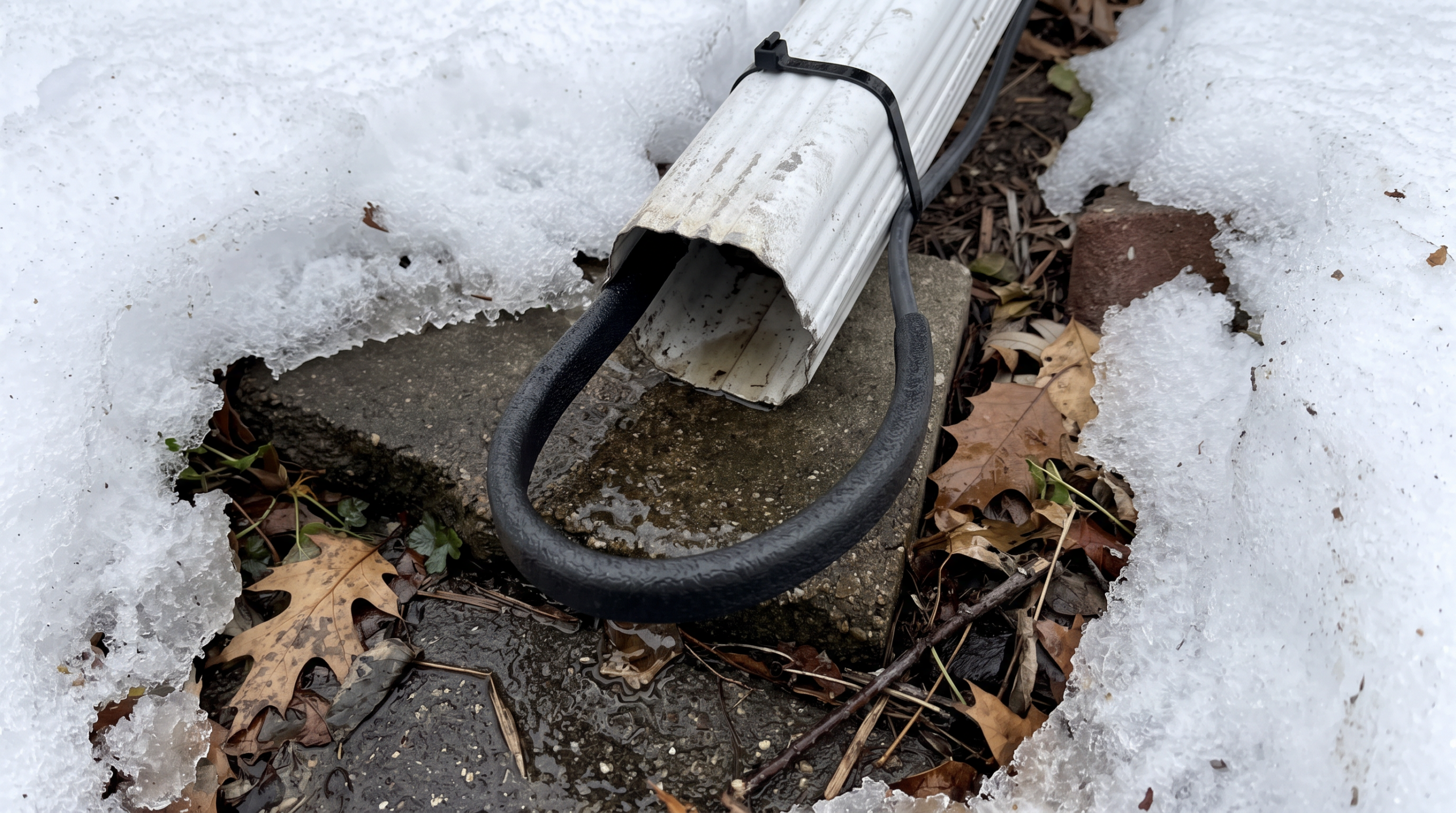
Steam then takes the dam off in sections, prioritizing wherever water is actively backing up behind it. The gutter trough and downspout are cleared through to daylight on the same visit, because a clear eave over a frozen gutter is a temporary fix.
What gets photographed, and why it matters later
Before the lance comes out, the crew shoots the dam from the ground and from the roof, the icicle line, any staining visible inside, and the specific courses where water is tracking under the shingles. Timestamps are on every frame.
That record is the whole case if a claim follows. An adjuster arriving in March sees a dry roof and a stained ceiling; the photographs are what connect the two, and they are what a maintenance-exclusion denial runs into.
What the crew does on arrival
Before anything is touched, the crew walks the eaves, valleys and gutter line and photographs every dam and every point where water is tracking inside. You get shown what they found. Then the dam comes off in sections, starting wherever water is actively backing up, so drainage opens early rather than at the end.
Downspouts and gutter troughs get cleared in the same visit where they are frozen, because a dam removed above a solid block of ice in the gutter just reforms in the next cold night.
What happens after the ice is off
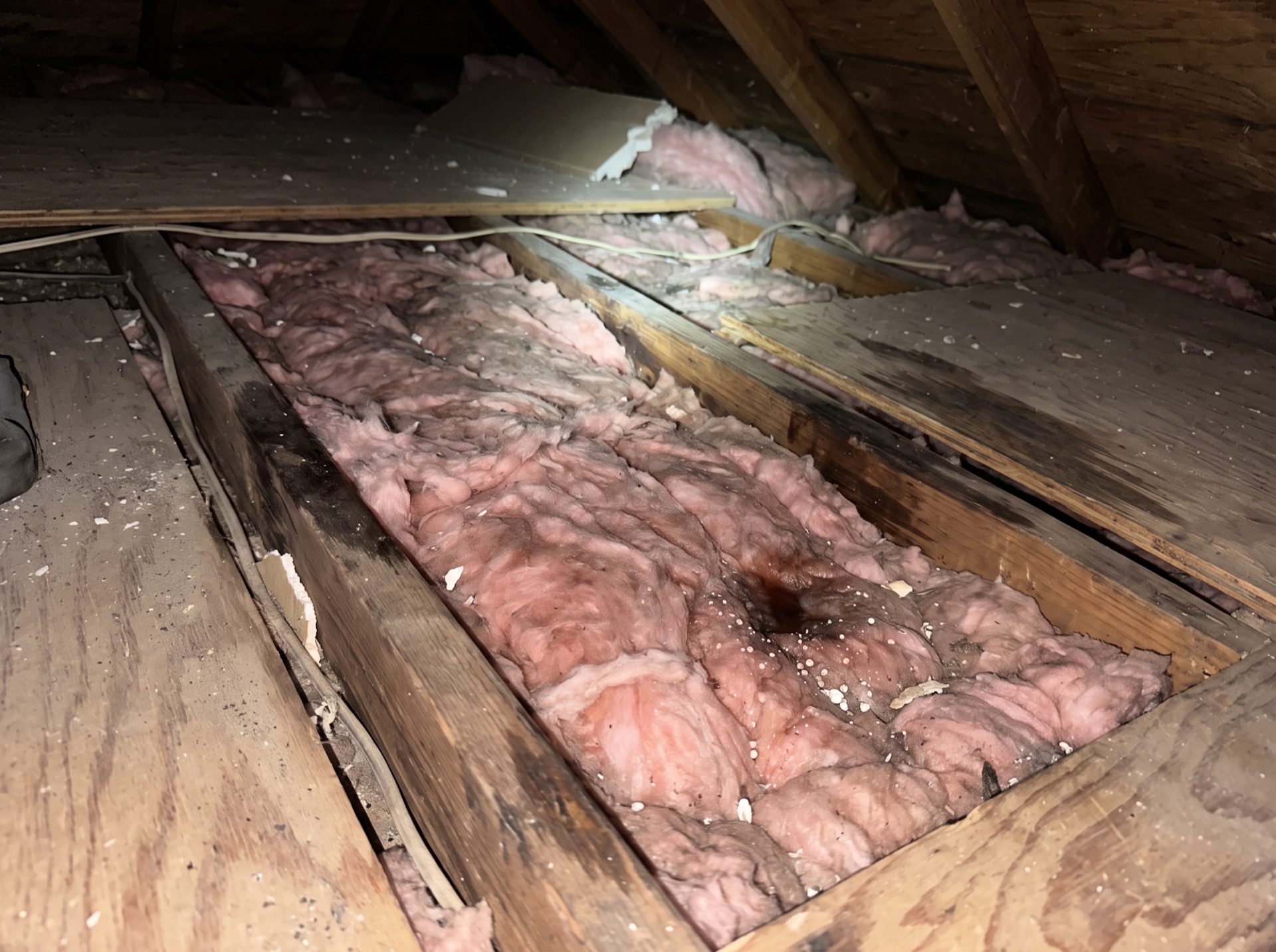
Once the eave is clear and water is draining, the crew walks the interior with you where there is visible damage and says plainly whether it needs drying. Wet insulation and a damp ceiling cavity do not resolve themselves in a cold Lakeville February.
If it does, that is a separate scope and it gets written separately — nobody is upsold a dryout on the strength of one damp patch.
| Primary climate stressor | Lake-effect bands, wet heavy pack |
|---|---|
| Service | Ice dam removal in Lakeville, MN |
| Dispatch window | Same day to 24 hours |
| Typical scope | Steam, 6-12 crew hours typical |
| Pricing model | Billed by the crew hour, rate quoted before dispatch |
| Local ice-barrier practice | Eave membrane expected on re-roofs |
| Removal method | Low-pressure steam only. No chipping, salt or pressure washing. |
Where We Dispatch Around Lakeville
Crews working Lakeville cover the adjoining communities on the same route — New Market, Elko, Castle Rock and Webster — so a storm week usually means one truck handling several addresses in Dakota County rather than separate trips.
Nearest hub towns with their own crew pages: Apple Valley, Farmington, Rosemount, Burnsville, Savage, Prior Lake.
Coverage runs across Lakeville and the nearby towns all winter, and capacity is surged into whichever Minnesota market the storm actually hits.
Water coming in right now in Lakeville? Call (888) 561-9664. Active interior leaks go to the front of the schedule.