



What the Lake Does to a Roof in Prior Lake
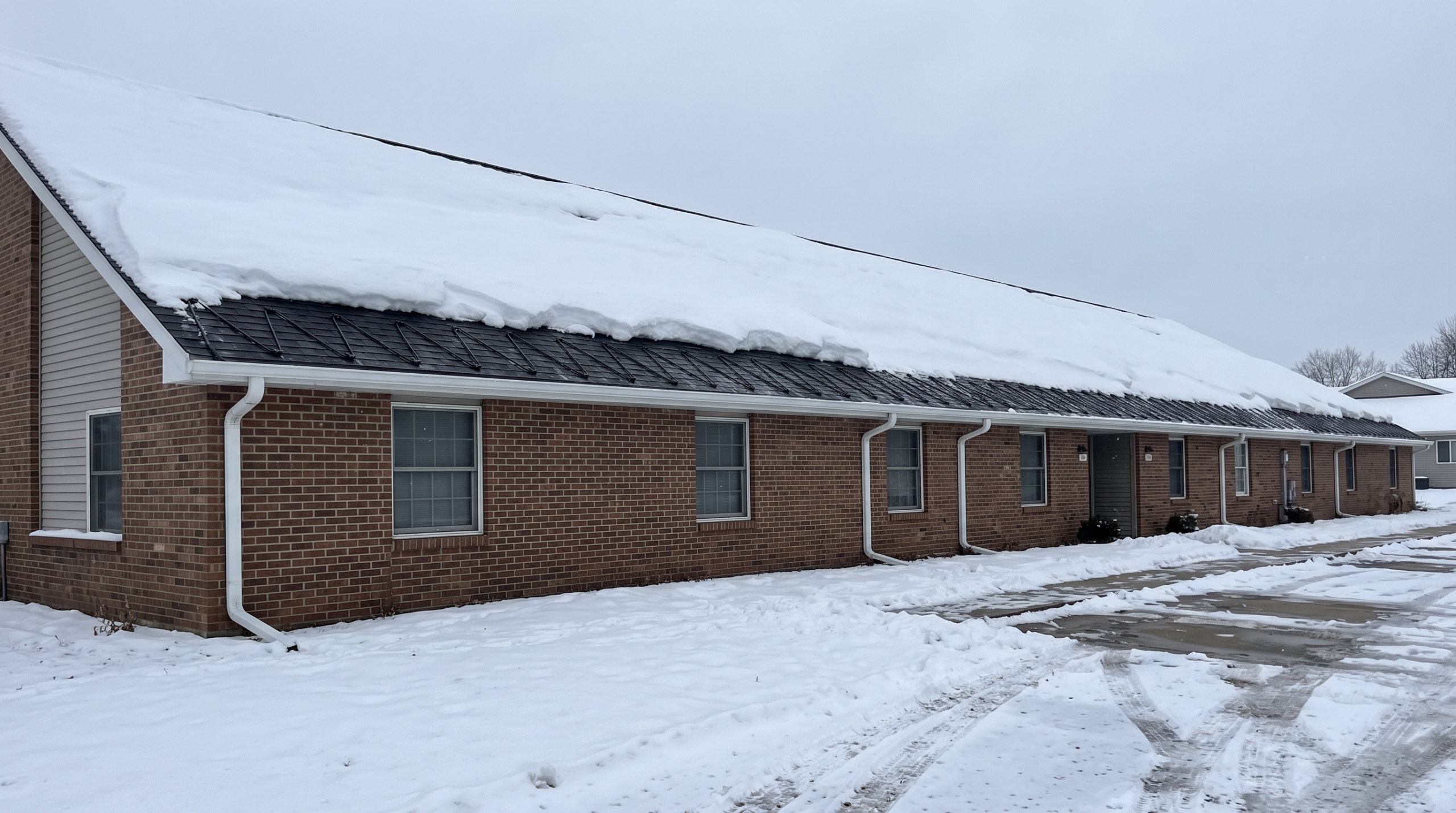
The lake keeps producing snow long after a front has passed, so a roof in Scott County rarely gets the clear stretch it needs to shed. One band follows another and the pack simply deepens.

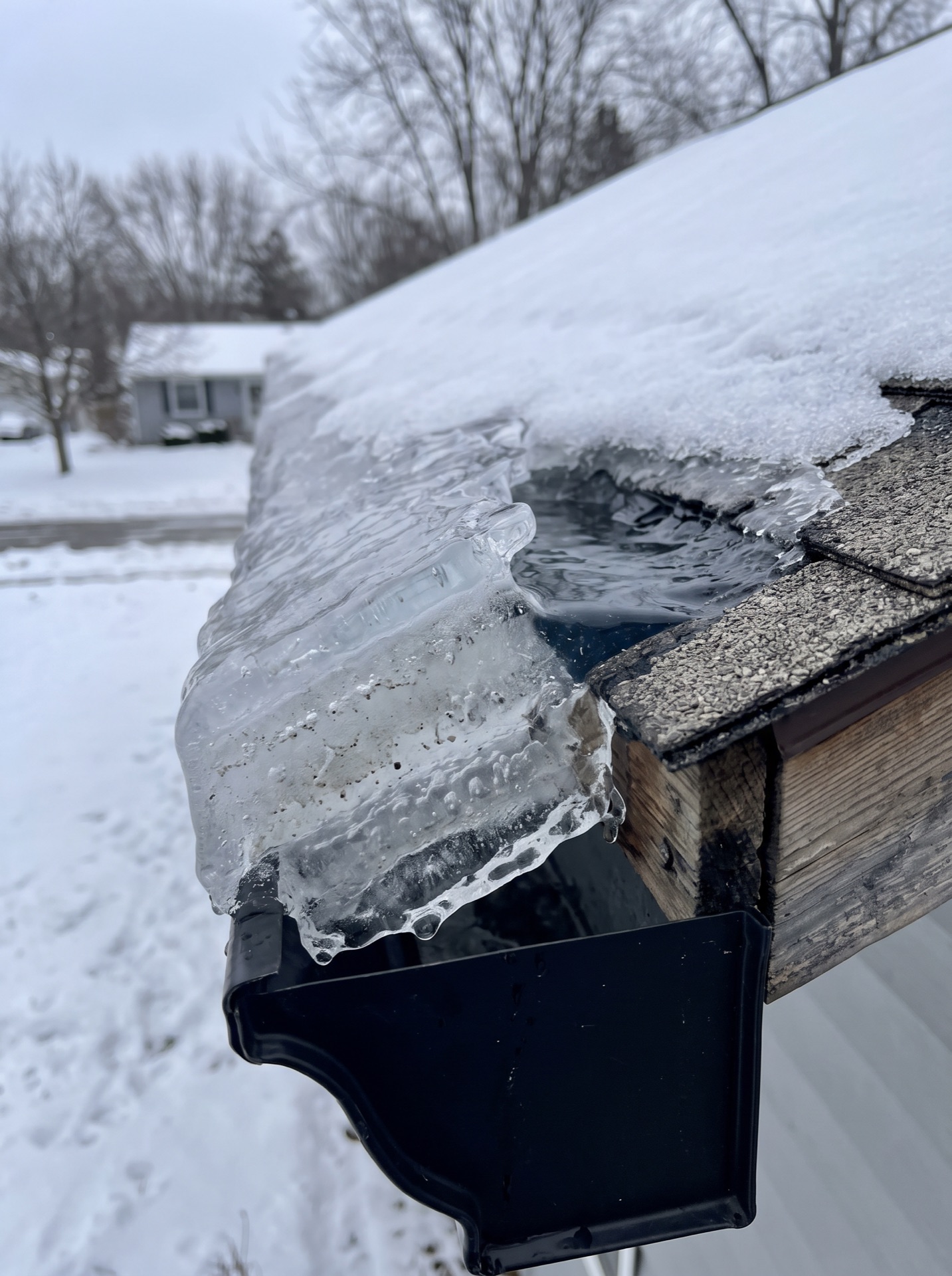
Then the temperature swings. Lake-effect regions cycle hard either side of freezing, and each cycle moves meltwater down to a cold eave and locks it there. The dam grows by a layer every time, and the water behind it rises with it.
Ice-barrier practice in Scott County
What matters on a Prior Lake roof is not whether ice barrier exists but how far up it runs. Water backed up behind a foot of ice travels much further than the first course, and a membrane that stops short is a membrane that stops working.
What a Crew Does on a Prior Lake Roof
The first pass is assessment: eaves, valleys, gutter line and any interior staining, all photographed with timestamps. You see what the crew sees, and the rate and likely hours are agreed before work begins.
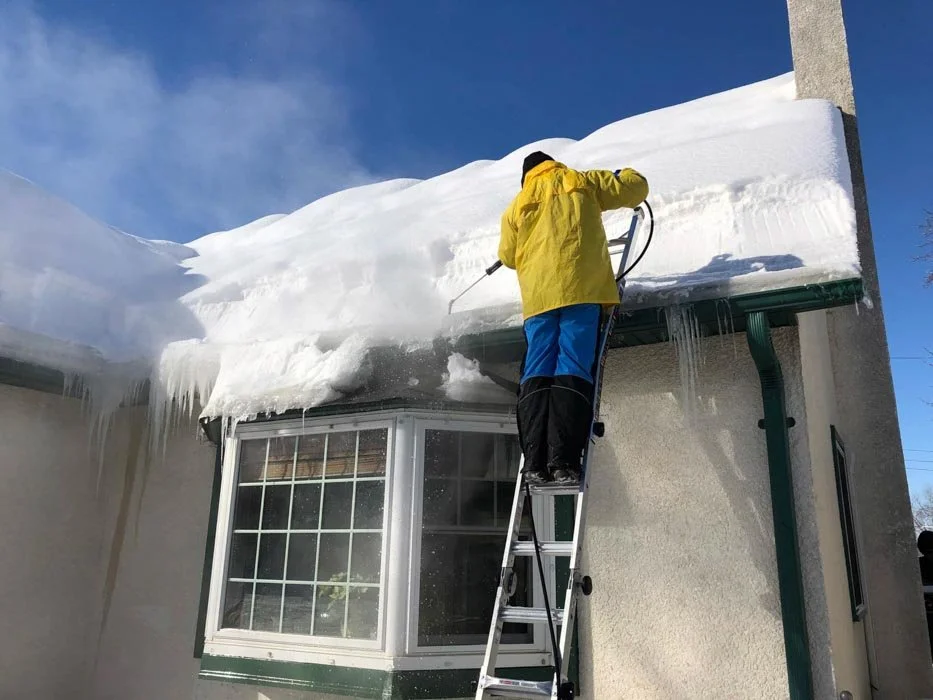
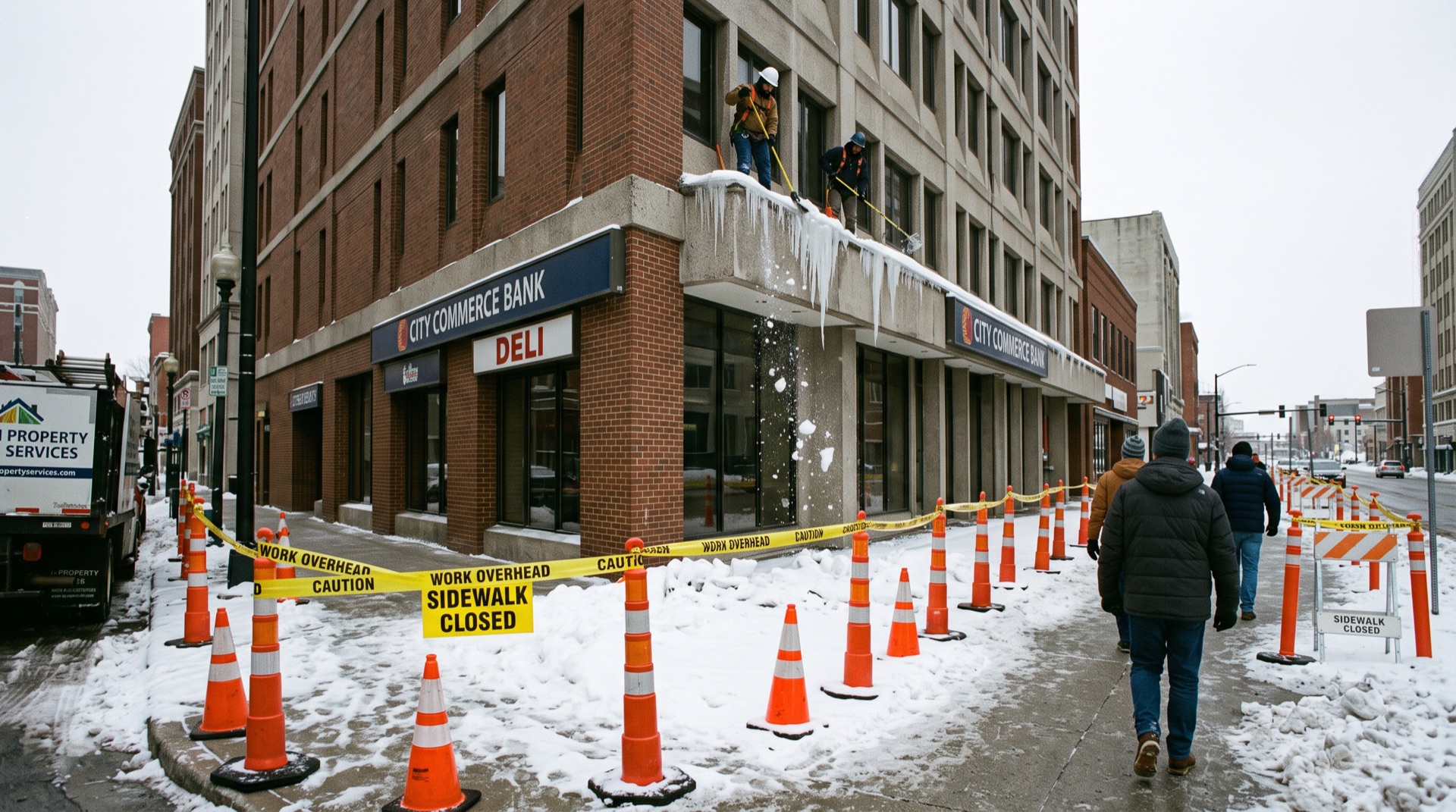
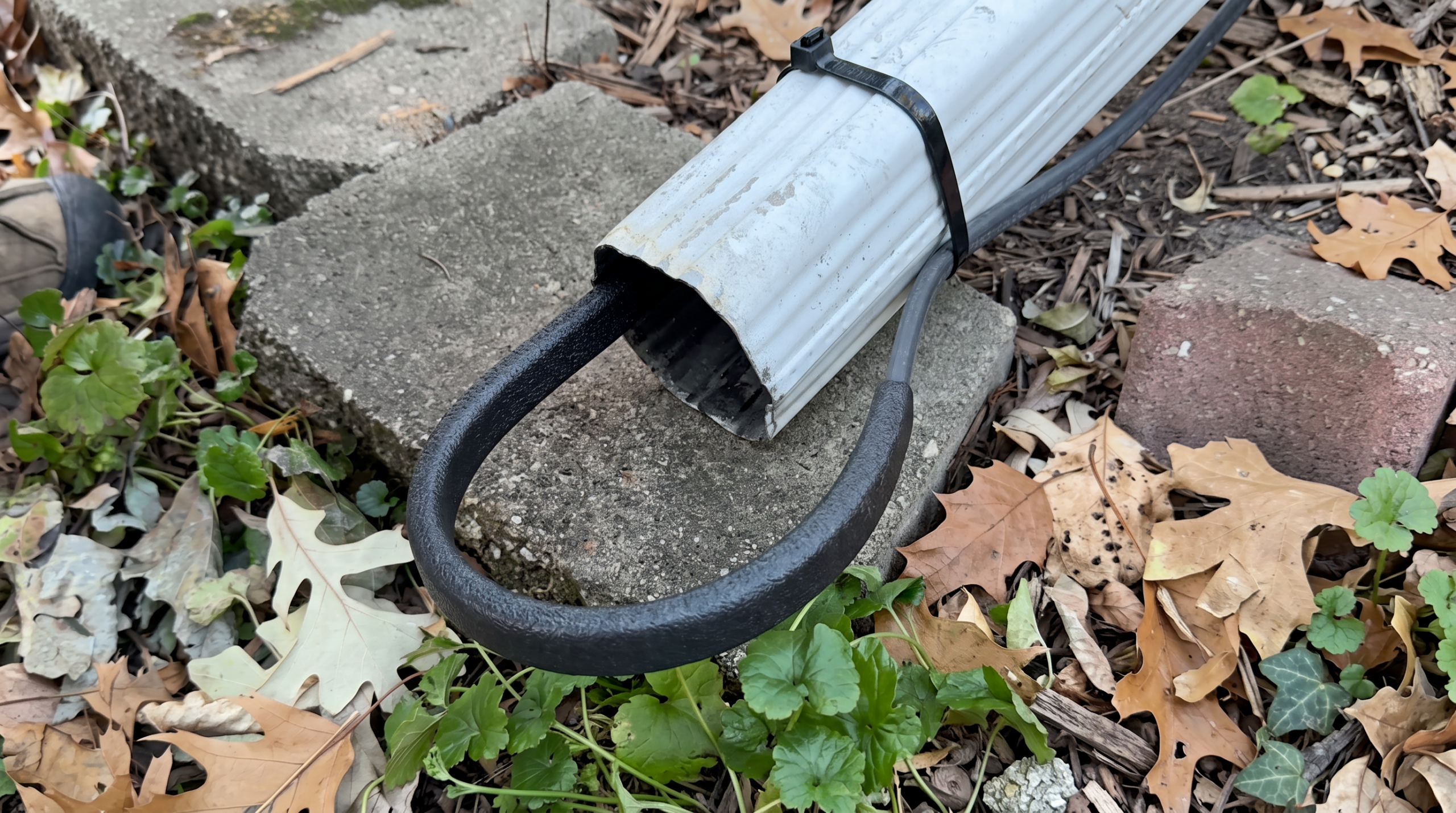
Steam then takes the dam off in sections, prioritizing wherever water is actively backing up behind it. The gutter trough and downspout are cleared through to daylight on the same visit, because a clear eave over a frozen gutter is a temporary fix.
What gets photographed, and why it matters later
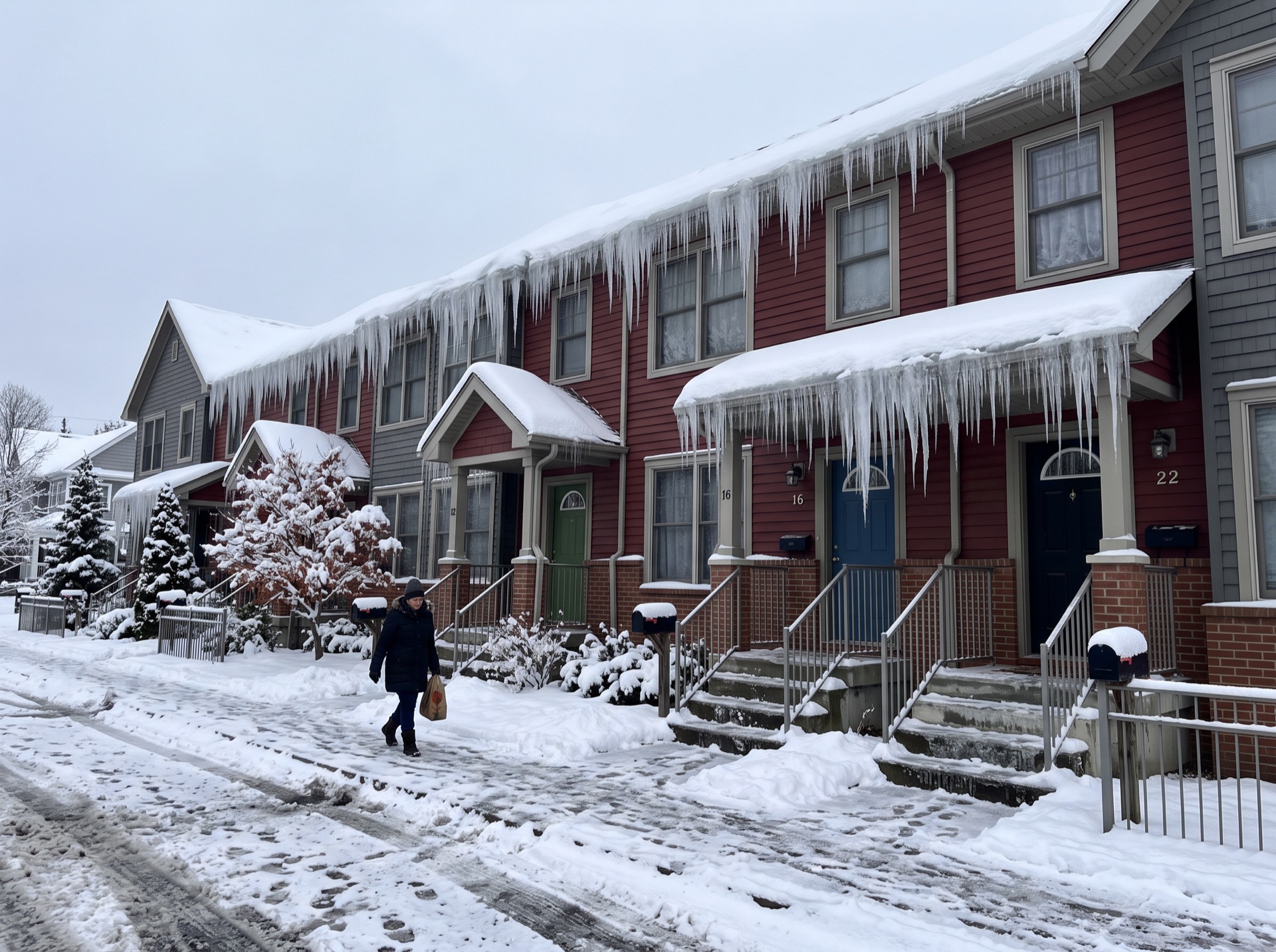
Before the lance comes out, the crew shoots the dam from the ground and from the roof, the icicle line, any staining visible inside, and the specific courses where water is tracking under the shingles. Timestamps are on every frame.
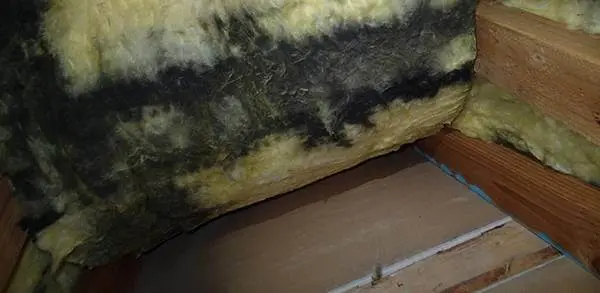
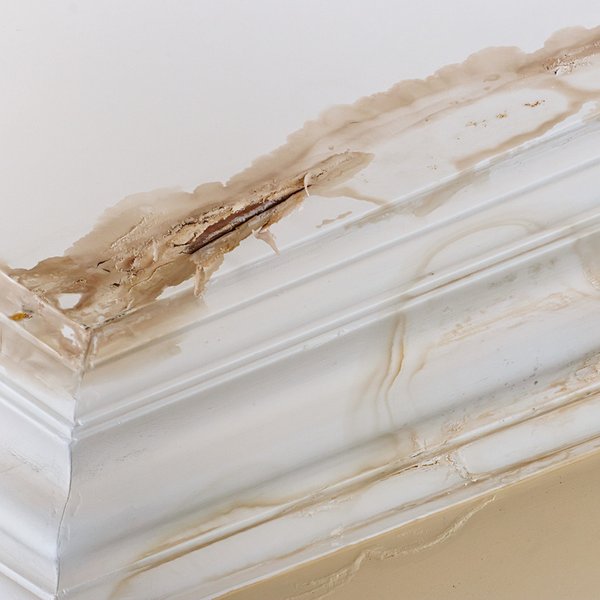
That record is the whole case if a claim follows. An adjuster arriving in March sees a dry roof and a stained ceiling; the photographs are what connect the two, and they are what a maintenance-exclusion denial runs into.
How long a removal actually takes
A single-story eave with a thin dam and clear gutters is often an hour or two. A two-story Prior Lake house with ice standing a foot deep across the front, frozen downspouts and a valley packed solid is most of a day for a two-man crew. The honest answer on the phone is a range and the reason for it, not a number designed to win the booking.
The estimate is revised out loud if the roof turns out worse than it looked from the ground, before the extra hours are worked rather than after they appear on the invoice.
Why a drainage channel is not removal
Cutting a few channels through a dam so water can get past is quick and it is sometimes sold as ice dam removal. It drains the roof for as long as the channels stay open, which in a Prior Lake cold snap can be a single night before they close again.
Removing the dam means taking the ice off down to the shingle along the whole affected run, so the eave can drain the way it was built to. It takes longer and it is the only version that holds.
| Dispatch window | Same day to 24 hours |
|---|---|
| Documentation | Dated before and after photos, written scope in Xactimate line items |
| Service | Ice dam removal in Prior Lake, MN |
| Local ice-barrier practice | Eave membrane expected on re-roofs |
| Primary climate stressor | Lake-effect bands, wet heavy pack |
| Typical scope | Steam, 6-12 crew hours typical |
| Removal method | Low-pressure steam only. No chipping, salt or pressure washing. |
Scott County Coverage From Prior Lake
Crews working Prior Lake cover the adjoining communities on the same route — Elko, New Market, Jordan, Saint Louis Park and Carver — so a storm week usually means one truck handling several addresses in Scott County rather than separate trips.
Nearest hub towns with their own crew pages: Savage, Shakopee, Burnsville, Lakeville, Apple Valley, Eden Prairie.
During a cold snap Prior Lake gets worked alongside the neighboring Scott County towns on the same route, with active interior leaks moved to the front of the list.
If water is already inside a property in Prior Lake, call (888) 561-9664 rather than filling in a form — the phone is faster and leaks jump the line.